
Latest posts
-
Frozen Embryo Transfer: Should You Wait a Cycle?

A Danish randomized trial compared immediate and postponed frozen embryo transfer in modified natural cycles. Immediate transfer did not meet the prespecified non-inferiority criterion, but the findings do not prove that waiting is best for every patient or preparation protocol.
-
Frozen Embryo Transfer: Does Time After Thawing Matter?
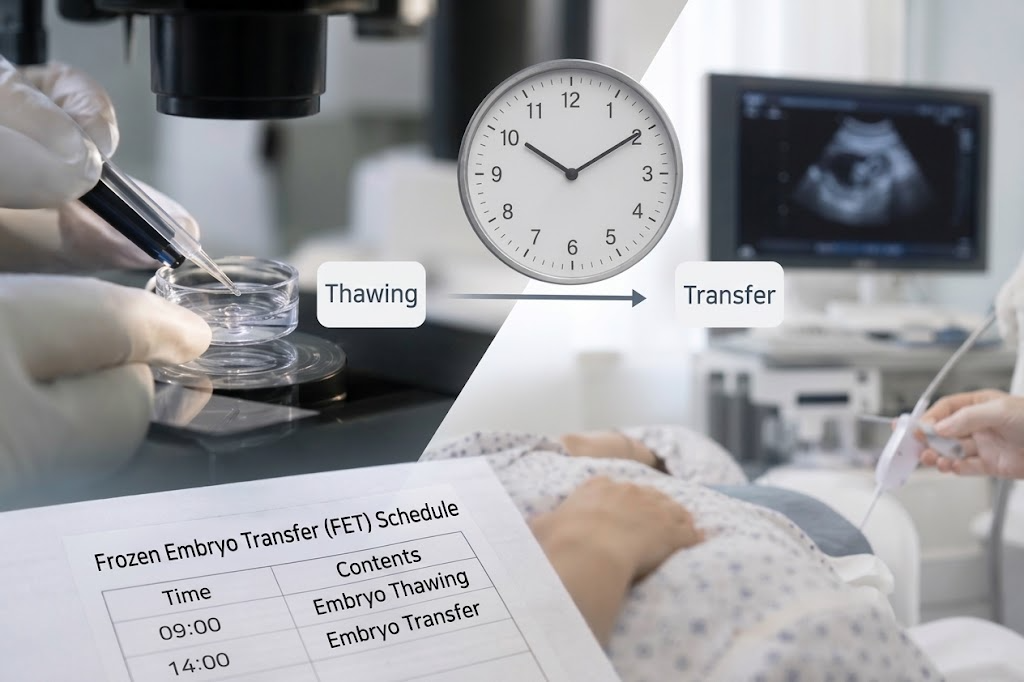
A retrospective study of 6,034 PGT-tested single blastocyst transfers found no significant association between thaw-to-transfer time and pregnancy outcomes across a modeled five-hour window. Embryo stage and quality remained associated with outcomes. The findings do not establish a universal schedule.
-
Blastocyst Re-expansion After Thawing: Pregnancy Outcomes
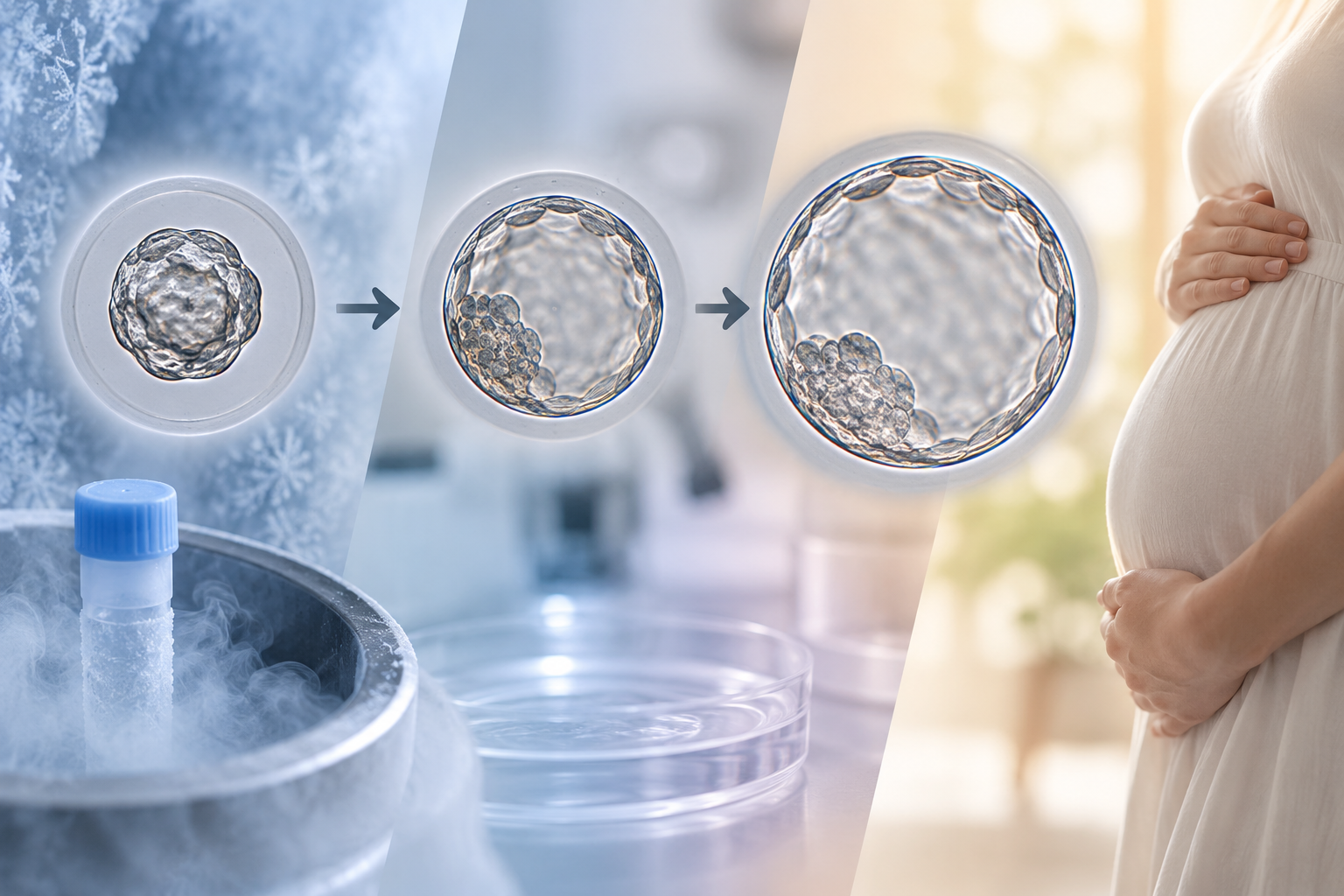
A retrospective study found lower clinical pregnancy rates after transfer of collapsed blastocysts, but pregnancies still occurred. The article explains post-warming recovery, differing study results and why re-expansion alone cannot determine an embryo’s pregnancy potential.
-
ICSI vs IVF: Early Embryo Cleavage and Study Limits
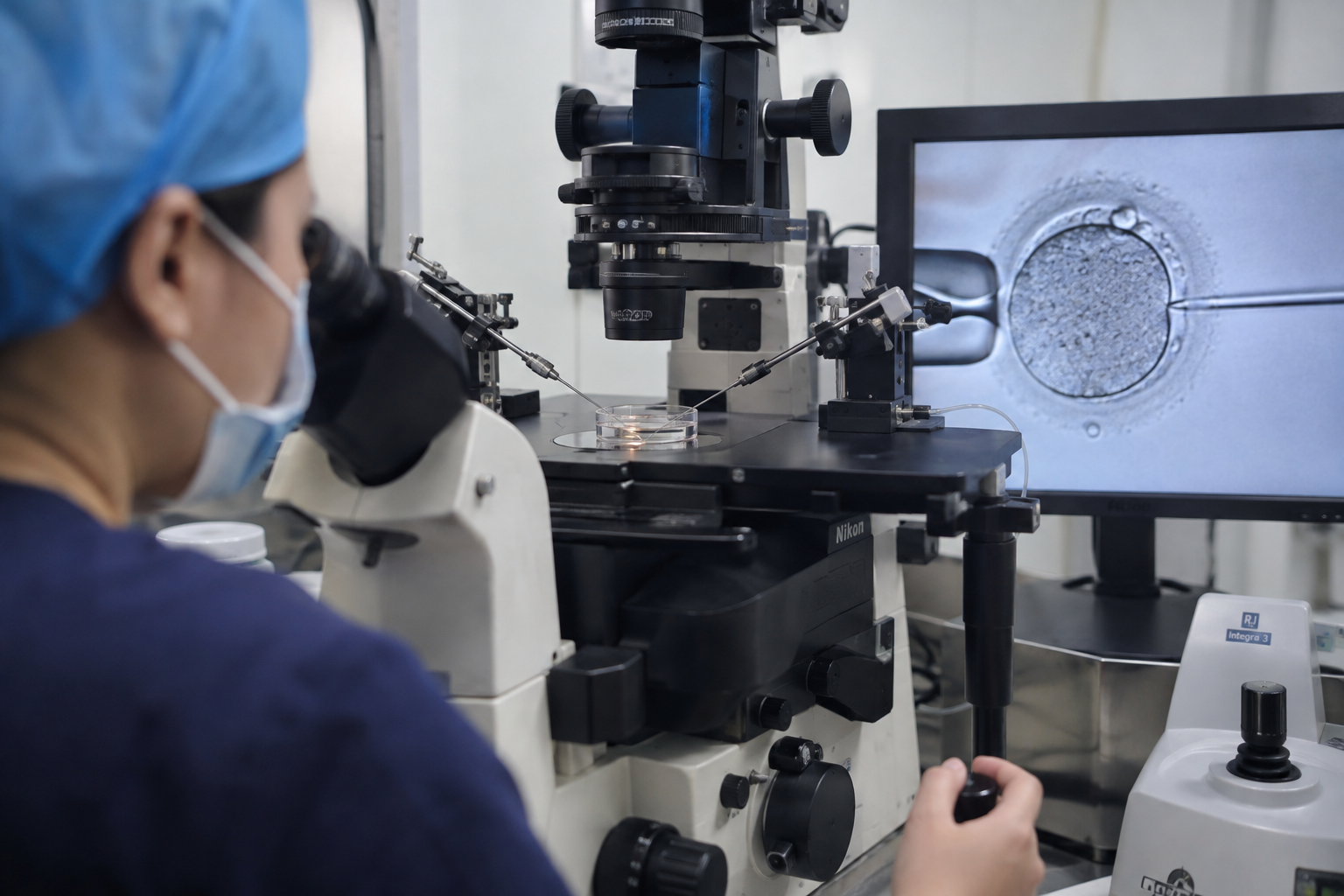
A retrospective study of 125,570 normally fertilized embryos found abnormal cleavage in 52.14% after ICSI and 40.82% after conventional IVF. The adjusted association persisted across semen subgroups, but it does not prove a procedure-related mechanism or predict an individual couple’s live birth outcome.
-
Freeze-All vs Fresh Transfer in Low-Prognosis IVF
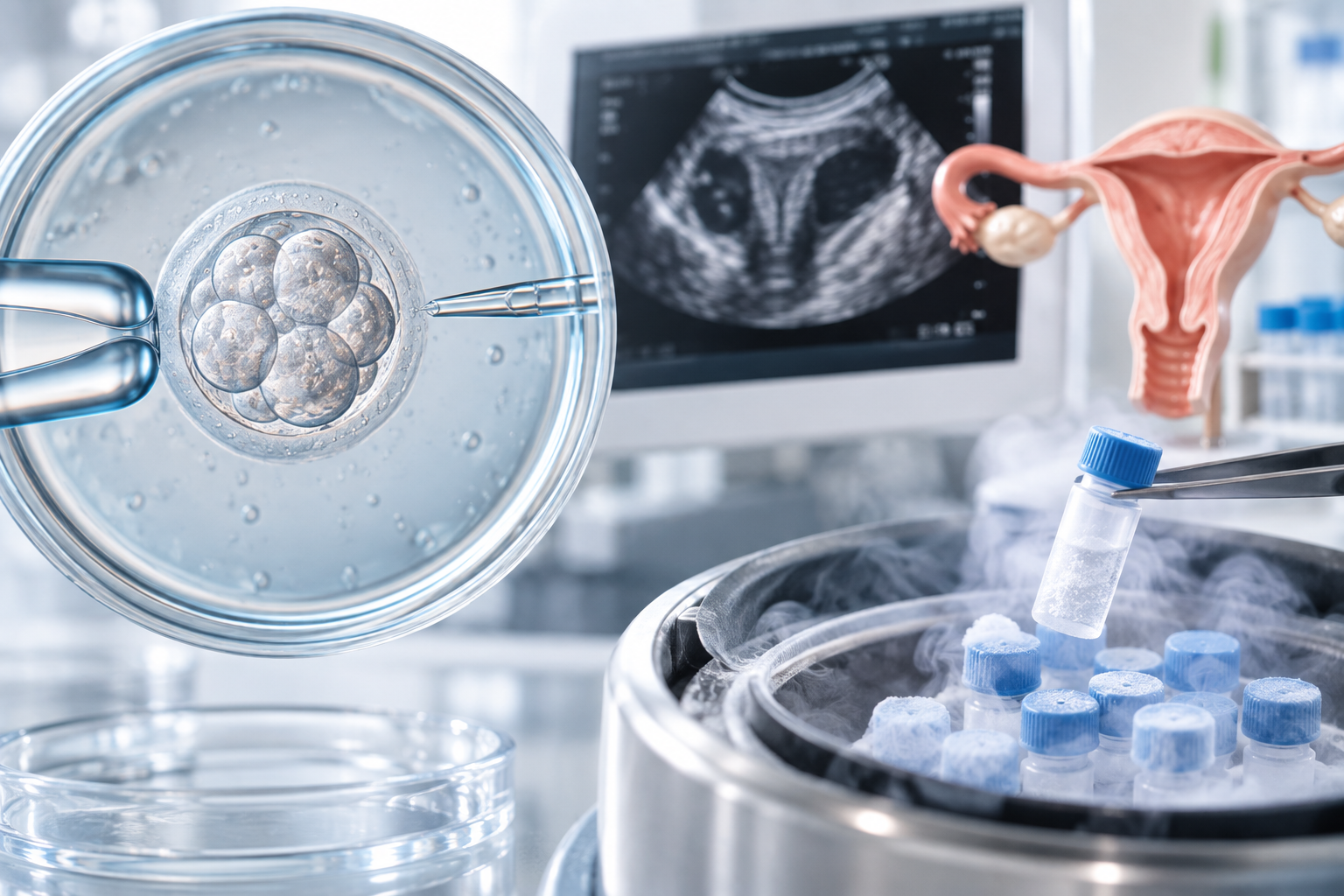
A randomized trial of 838 low-prognosis IVF patients reported higher live birth rates with a fresh-transfer strategy than freeze-all. A separate target trial emulation also favored fresh transfer, but study limitations and clinical reasons to defer transfer still matter.
-
Cholesterol and IVF Success: What Dyslipidemia Studies Show
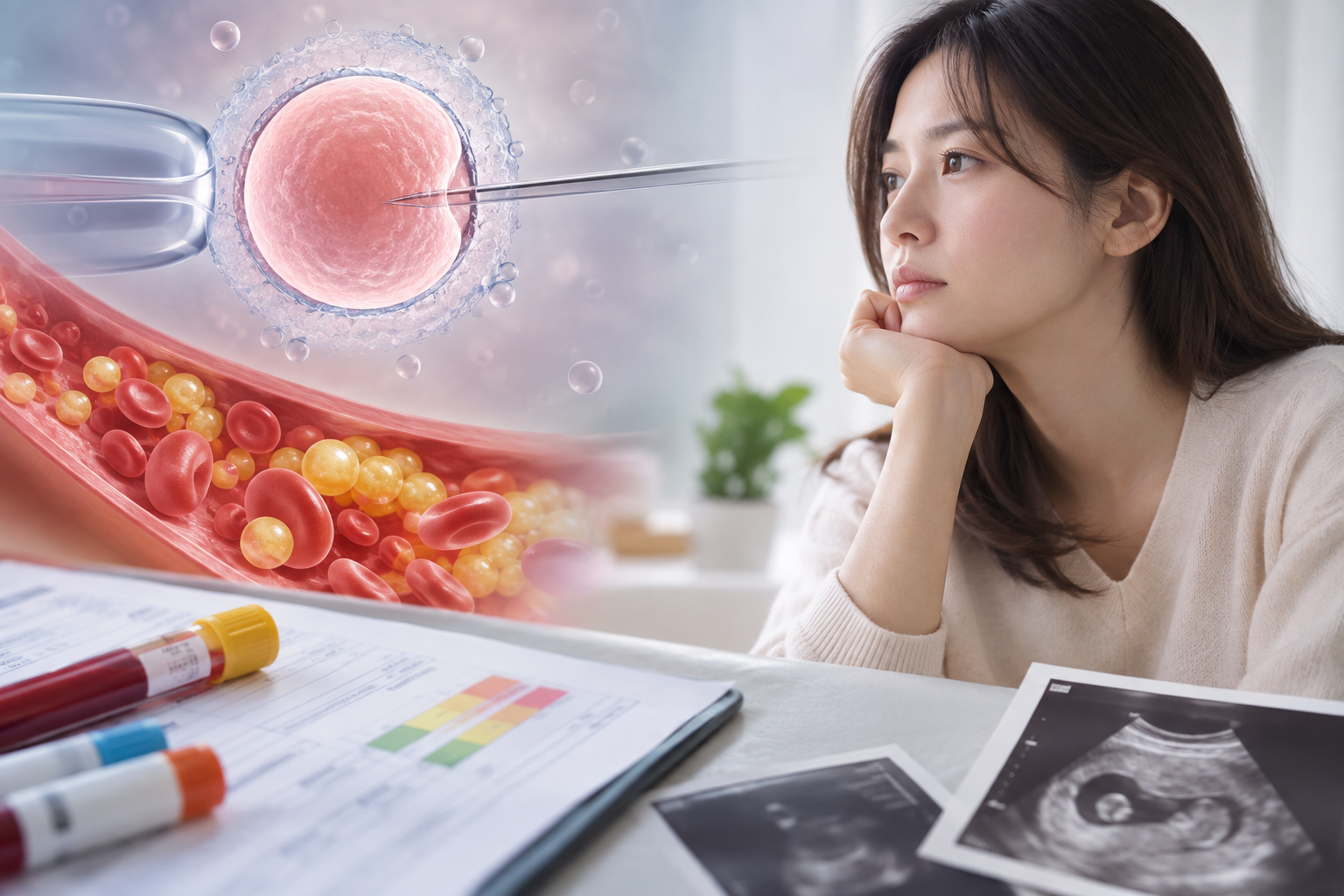
High cholesterol and IVF success have been linked in observational studies, including a new cohort of 25,413 women. This article examines dyslipidemia, embryo measures, miscarriage and live birth—and why these associations do not prove that lowering cholesterol improves IVF outcomes.
-
rFSH vs rFSH Plus HP-hMG in IVF: Egg Yield and OHSS
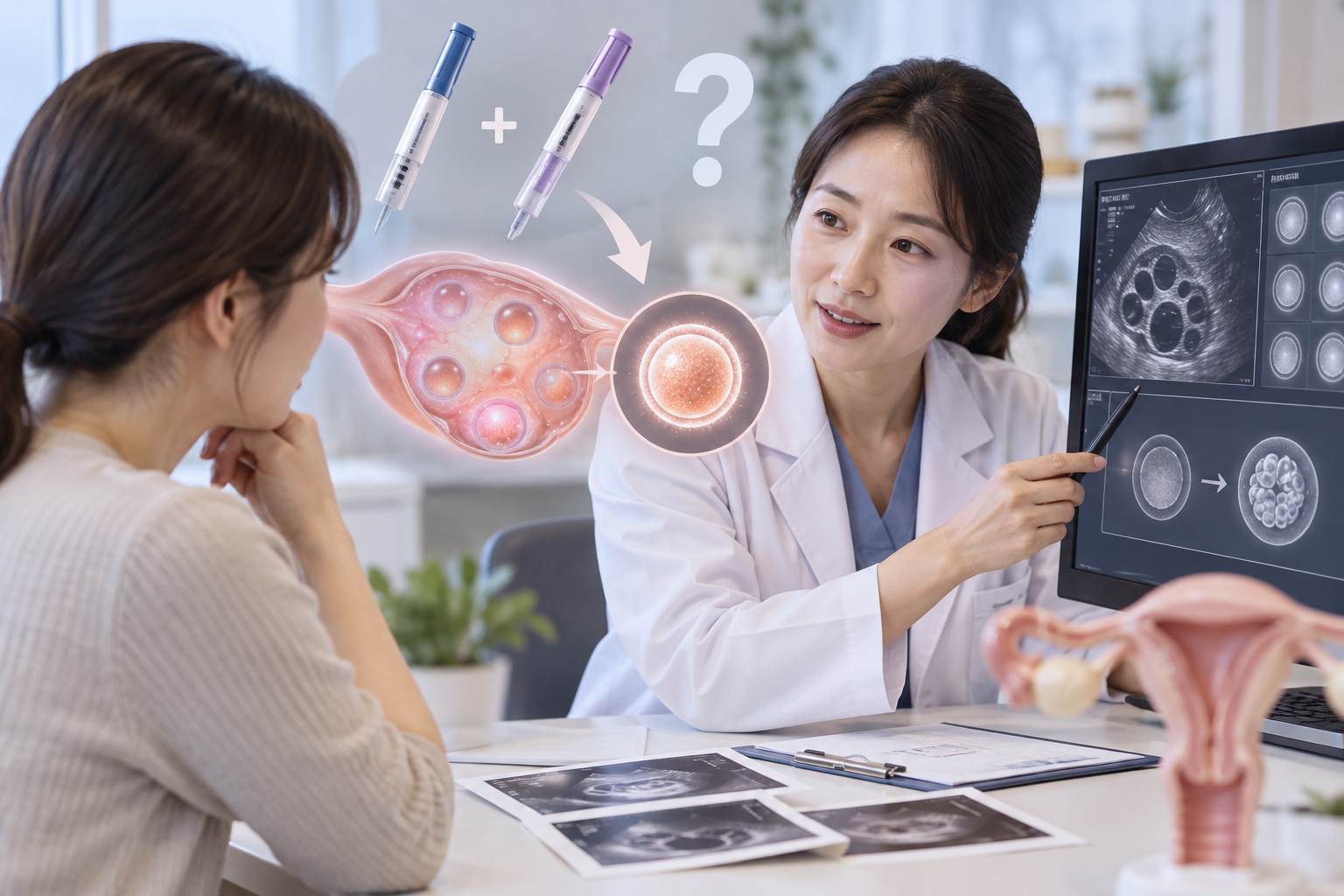
A Korean retrospective study compared rFSH alone with rFSH plus HP-hMG in 1,028 women undergoing IVF. Clinical pregnancy rates did not differ significantly, and the unadjusted OHSS difference weakened after adjustment. Live birth outcomes were not measured.
-
Oocyte Quality Testing: What Proteomics Research Shows
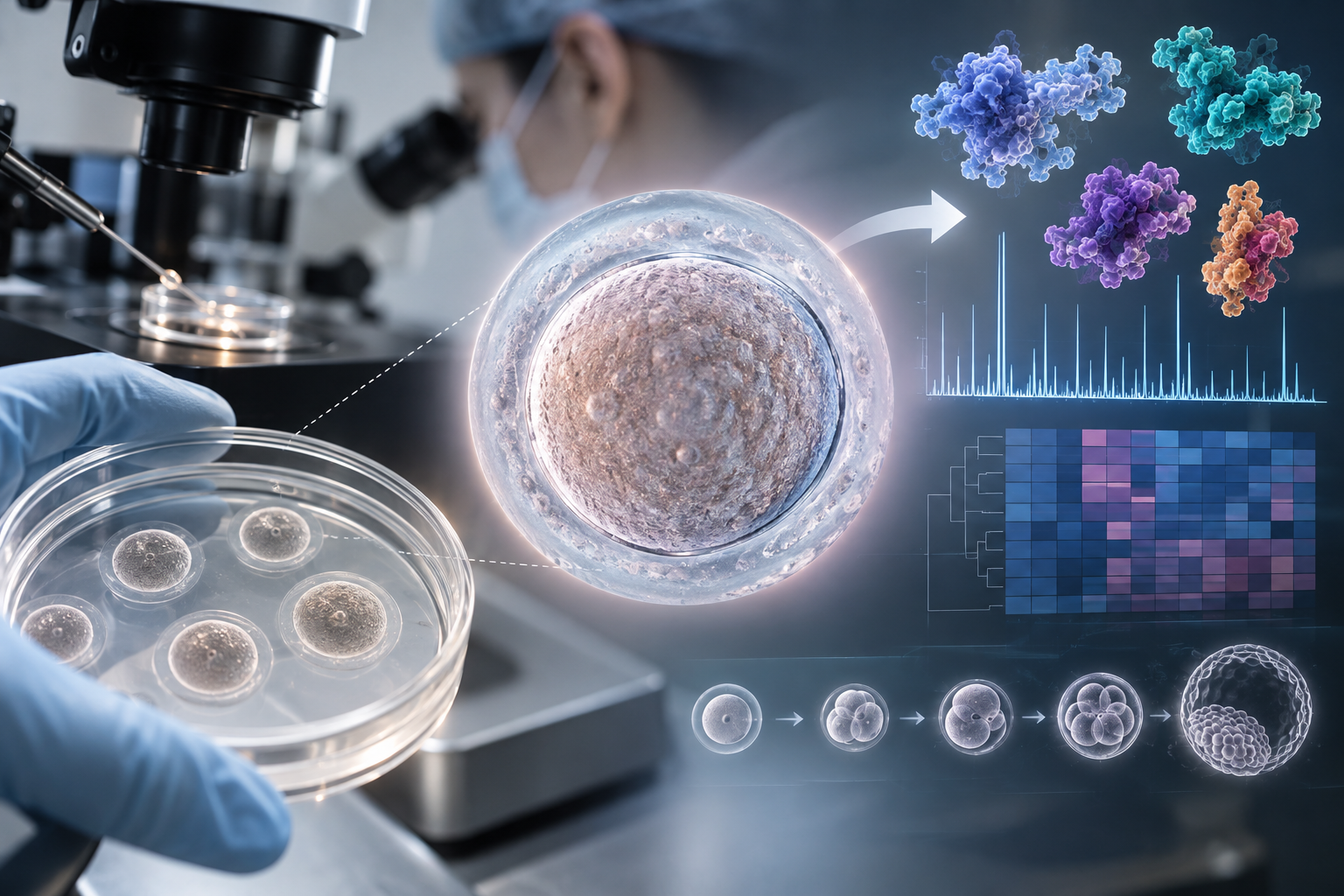
A proteomics study found differences between mouse oocytes matured in vivo and in the laboratory, and confirmed selected proteins in donated human eggs. The findings offer research leads for oocyte quality assessment, but do not establish a clinical test or predict individual live birth outcomes.
-
Natural Cycle FET Timing: Progesterone Rise vs LH Surge
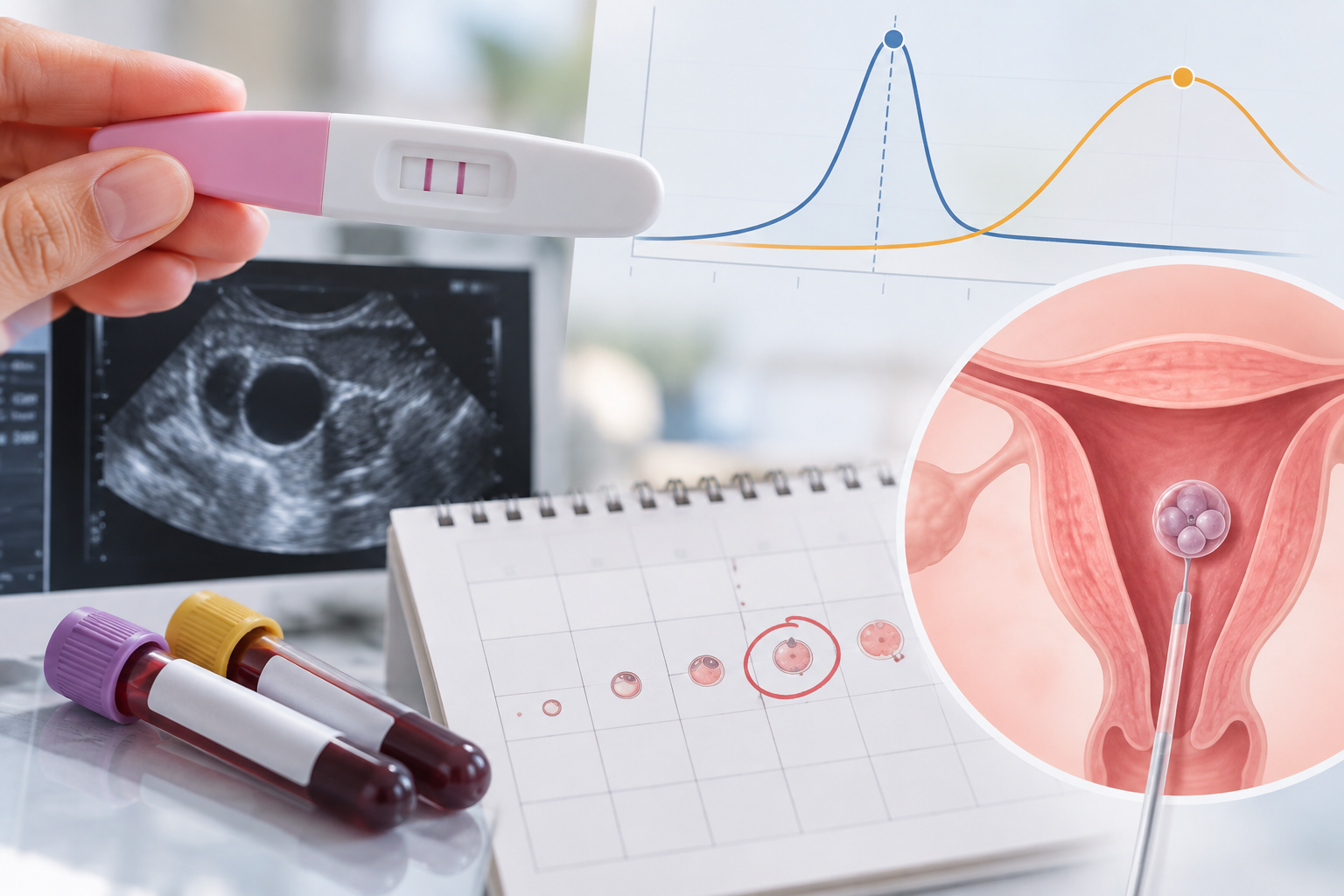
Natural cycle frozen embryo transfer (FET) timing can use an LH surge or a rise in serum progesterone. A prospective study of 490 completed transfers found no significant live-birth difference between these approaches. It did not establish equivalence or show that home ovulation tests alone can determine transfer day.
-
Atosiban Before Embryo Transfer: Does It Improve Outcomes?
A small randomized trial found higher clinical pregnancy rates with atosiban before frozen embryo transfer. A larger placebo-controlled trial did not show a significant overall live-birth benefit. The difference between these outcomes and study populations matters.