
Latest posts
-
Premature Ovarian Insufficiency (POI): Why AMH Alone Cannot Diagnose It
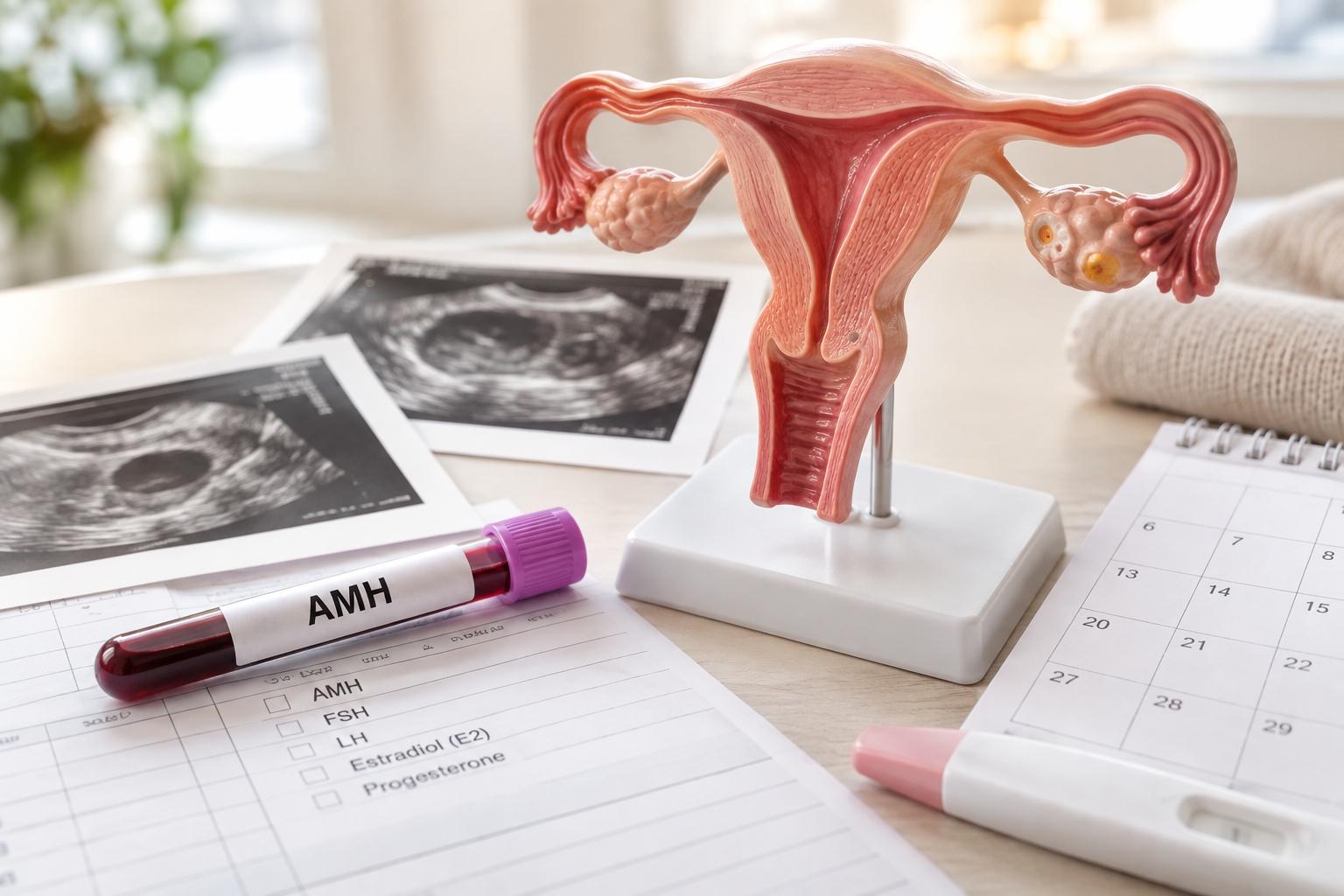
Premature ovarian insufficiency (POI) before age 40 is different from diminished ovarian reserve, and AMH alone cannot diagnose or reliably predict it. A Canadian cohort of 3.63 million women examined POI incidence and associated conditions, including endometriosis. Its administrative records describe population-level associations, not the timing of menopause for an individual.
-
Endometrial Receptivity Beyond Thickness: What PAPSS2 Research Shows
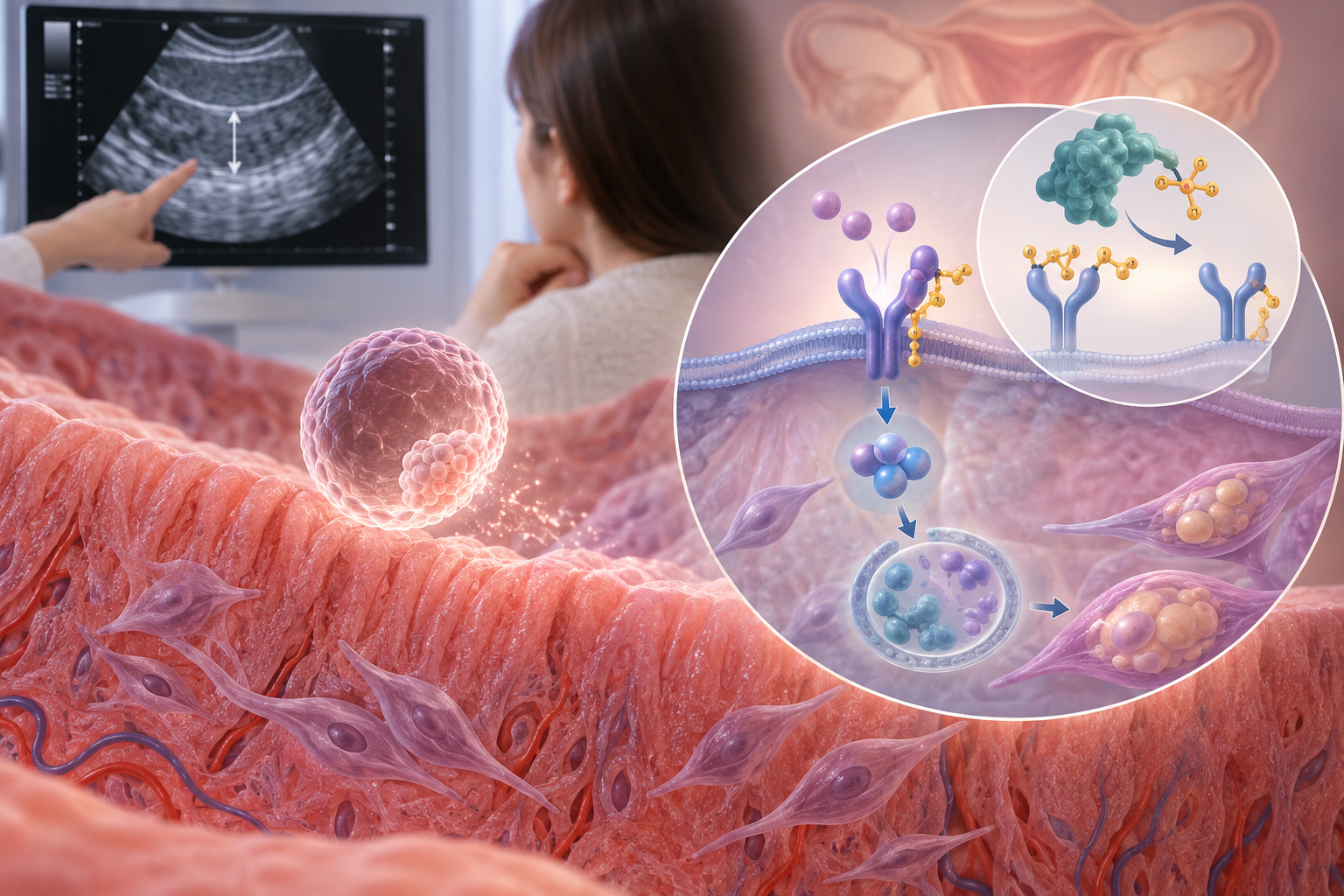
Endometrial receptivity involves more than ultrasound thickness. A study of PAPSS2, an enzyme involved in supplying sulfate donors, examined decidualization in human endometrial samples, cultured cells and a mouse model. It identified a pathway relevant to recurrent implantation failure, but did not test whether targeting PAPSS2 improves pregnancy or live birth in patients.
-
CD138 and Recurrent Miscarriage: Does Doxycycline Help?
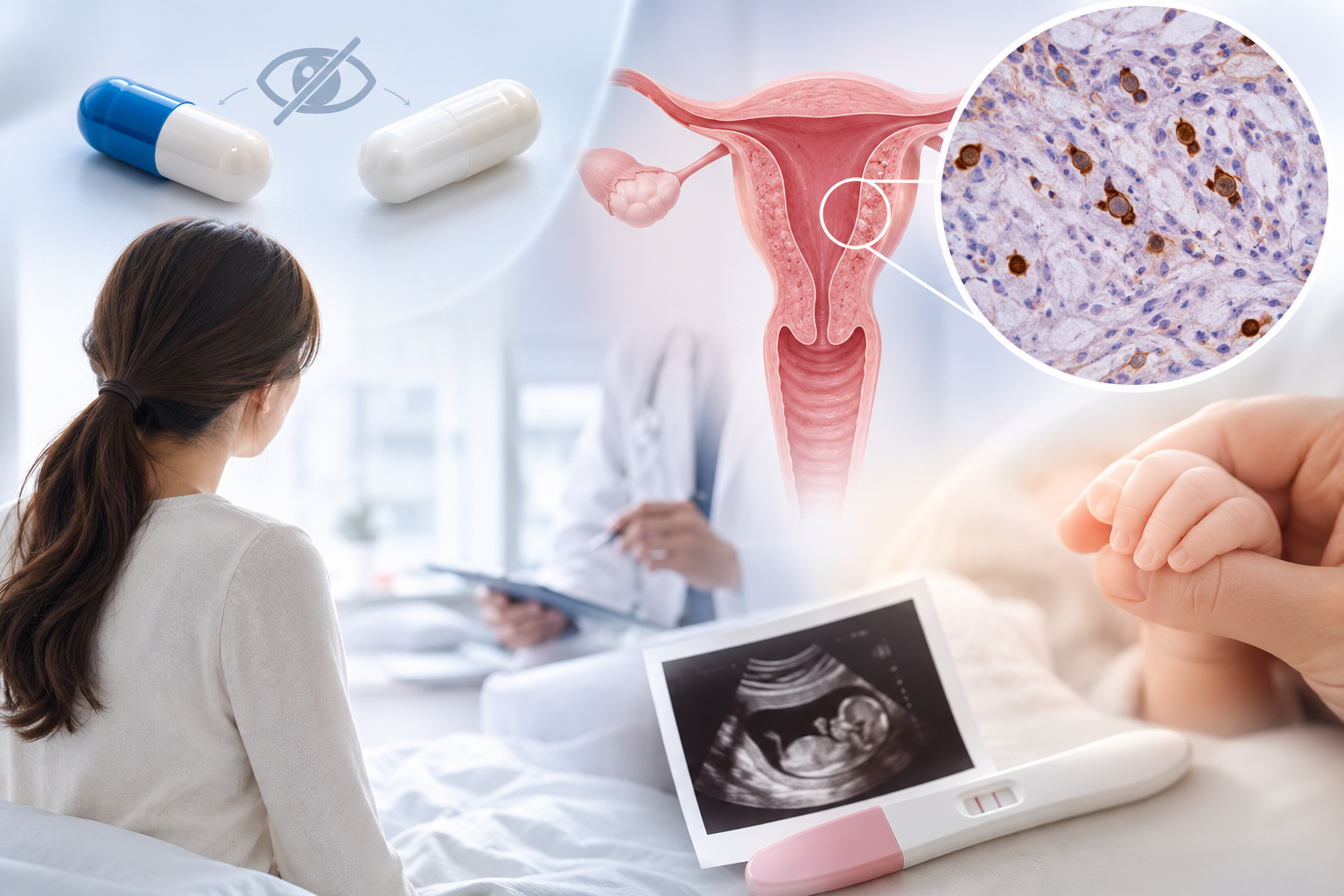
A placebo-controlled trial in 438 women with recurrent miscarriage and CD138-positive biopsies found no benefit from preconception doxycycline for live birth or pregnancy continuing to at least 24 weeks. The trial does not establish that antibiotics are unnecessary for confirmed infections.
-
Endometrioma and IVF: Egg Retrieval and Surgery Decisions
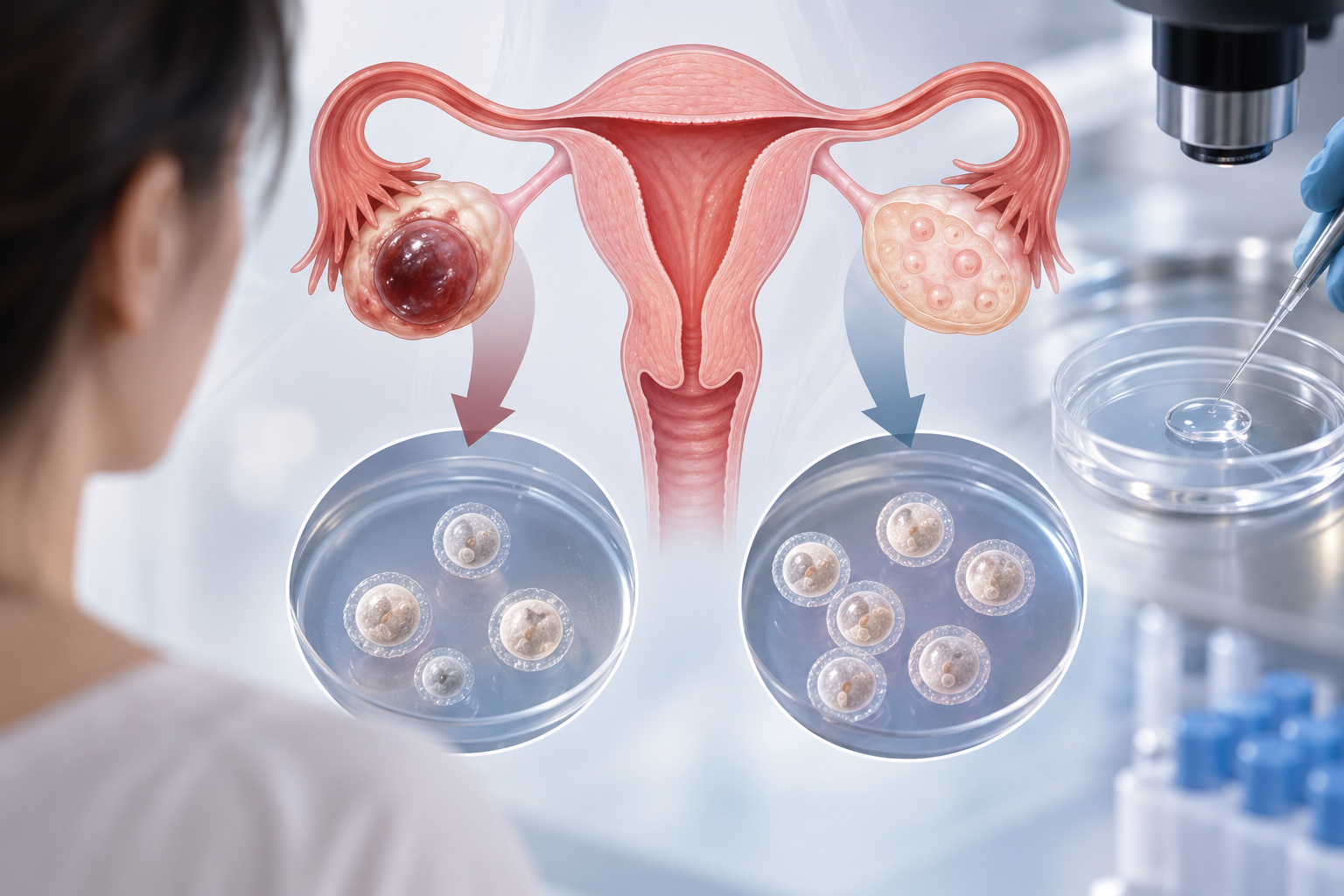
A review of unoperated unilateral endometriomas found no significant difference in retrieved oocyte counts between the two ovaries of the same woman. High heterogeneity and a lower total embryo count limit interpretation, and surgery decisions require a separate assessment.
-
Non-Invasive Embryo Assessment: miR-375-3p and Live Birth
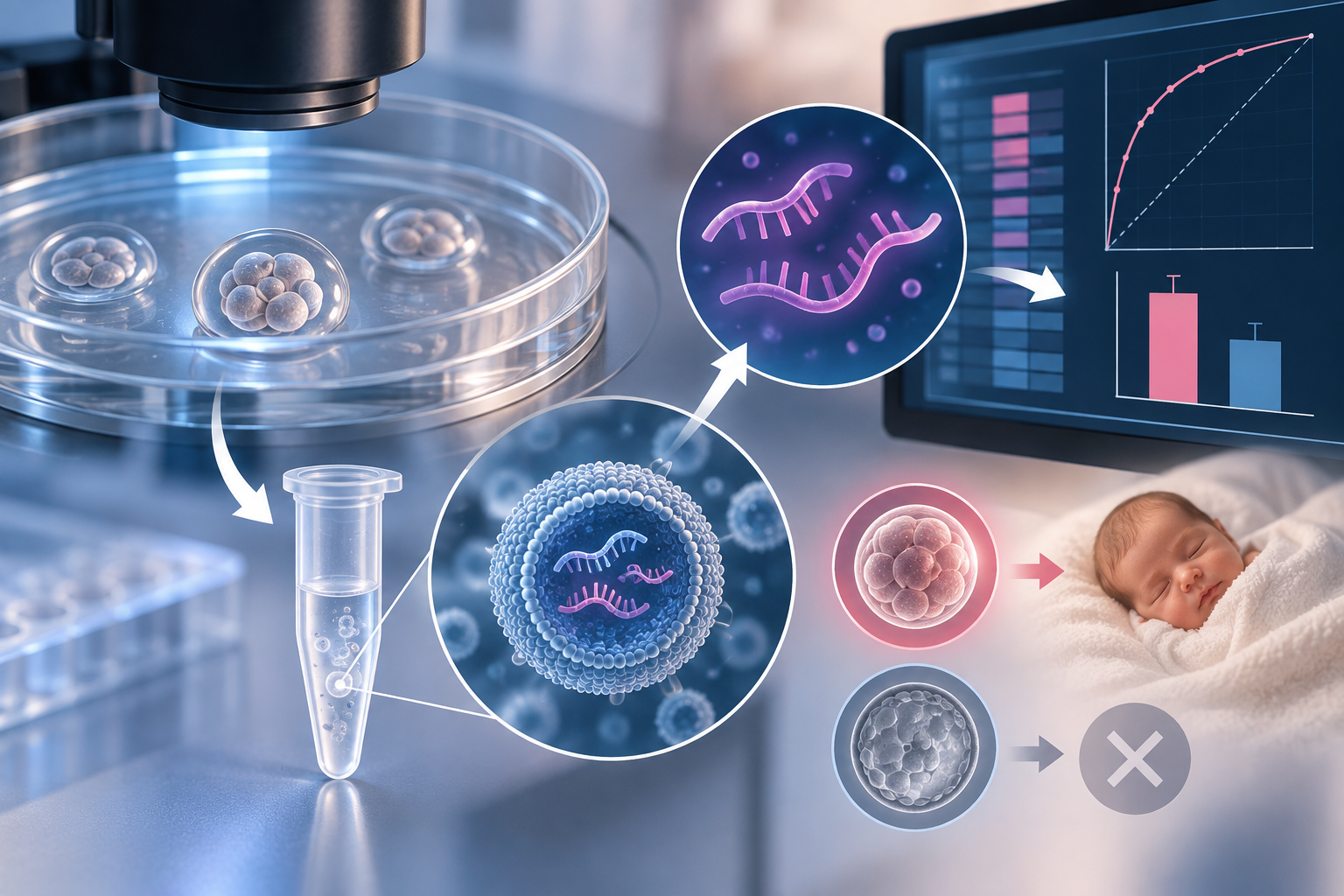
Non-invasive embryo assessment may draw clues from microRNAs in spent culture medium. A single-center study of 67 transferred embryos linked exosomal miR-375-3p with live birth and tested its role in mouse development. These early results identify a candidate marker, not a validated replacement for embryo grading or genetic testing.
-
ICSI Without Male Infertility: When Is It Recommended?
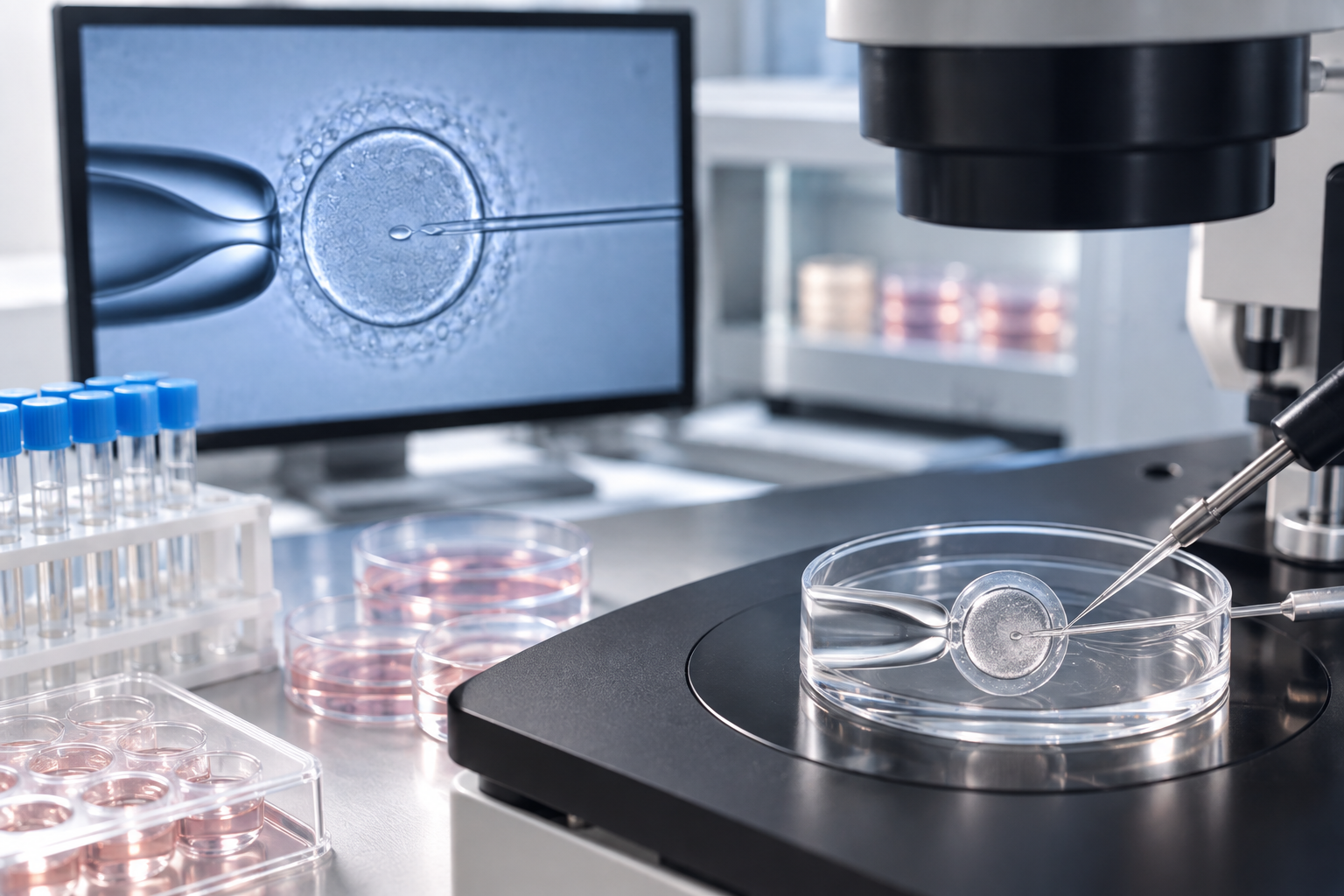
ICSI without male factor infertility is not routinely recommended by ASRM. Its 2026 committee opinion reviews why low egg numbers, diminished ovarian reserve and older maternal age alone do not justify routine sperm injection, while recognizing selected circumstances such as previous fertilization failure, PGT-M and warmed frozen eggs.
-
PGT-A in IVF: Live Birth and Pregnancy Loss Outcomes
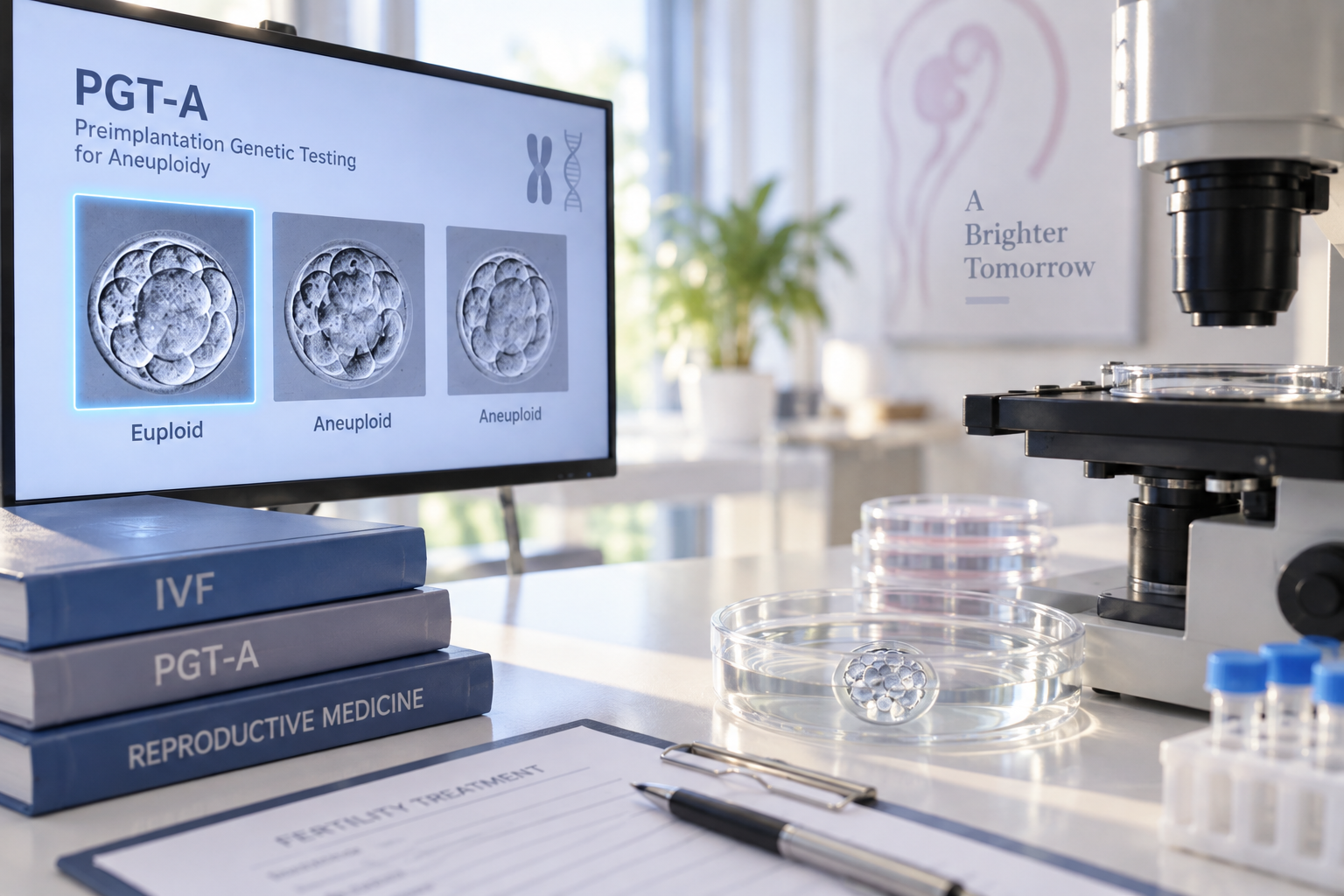
A UK registry study associated PGT-A with lower cumulative live birth odds and lower pregnancy loss odds per pregnancy. This article separates observational findings from randomized trials, explains current HFEA ratings, and addresses uncertainty about treatment time and cost.
-
Repeated Euploid Embryo Transfer: Live Birth Rates and Limits
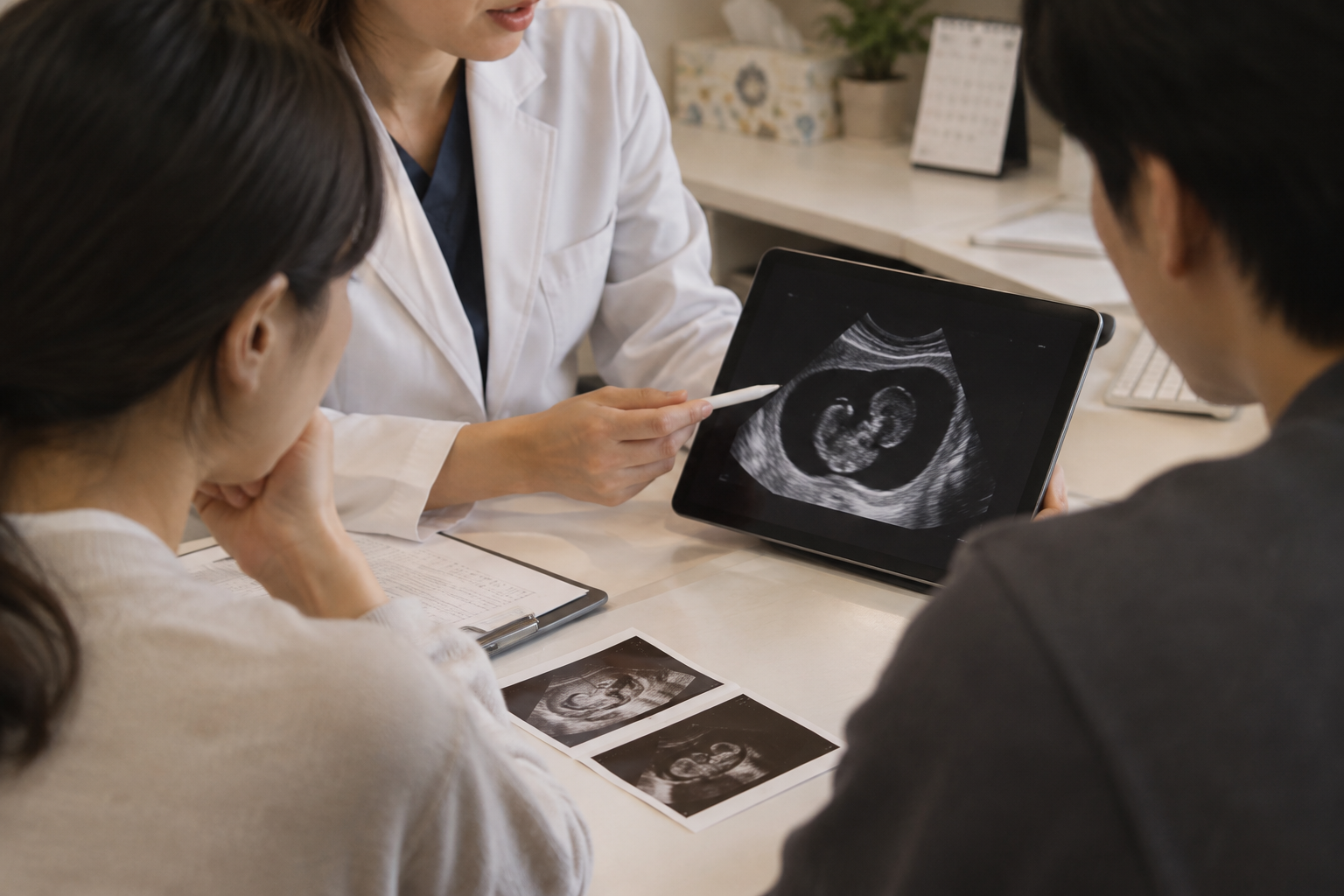
A retrospective cohort of 5,811 women examined outcomes across up to six sequential euploid embryo transfers. Cumulative estimates depend on treatment-discontinuation assumptions, and the sixth-transfer group included only seven patients. The figures cannot guarantee an individual outcome.
-
Recurrent Pregnancy Loss and Endometrial Metabolism: Early Evidence
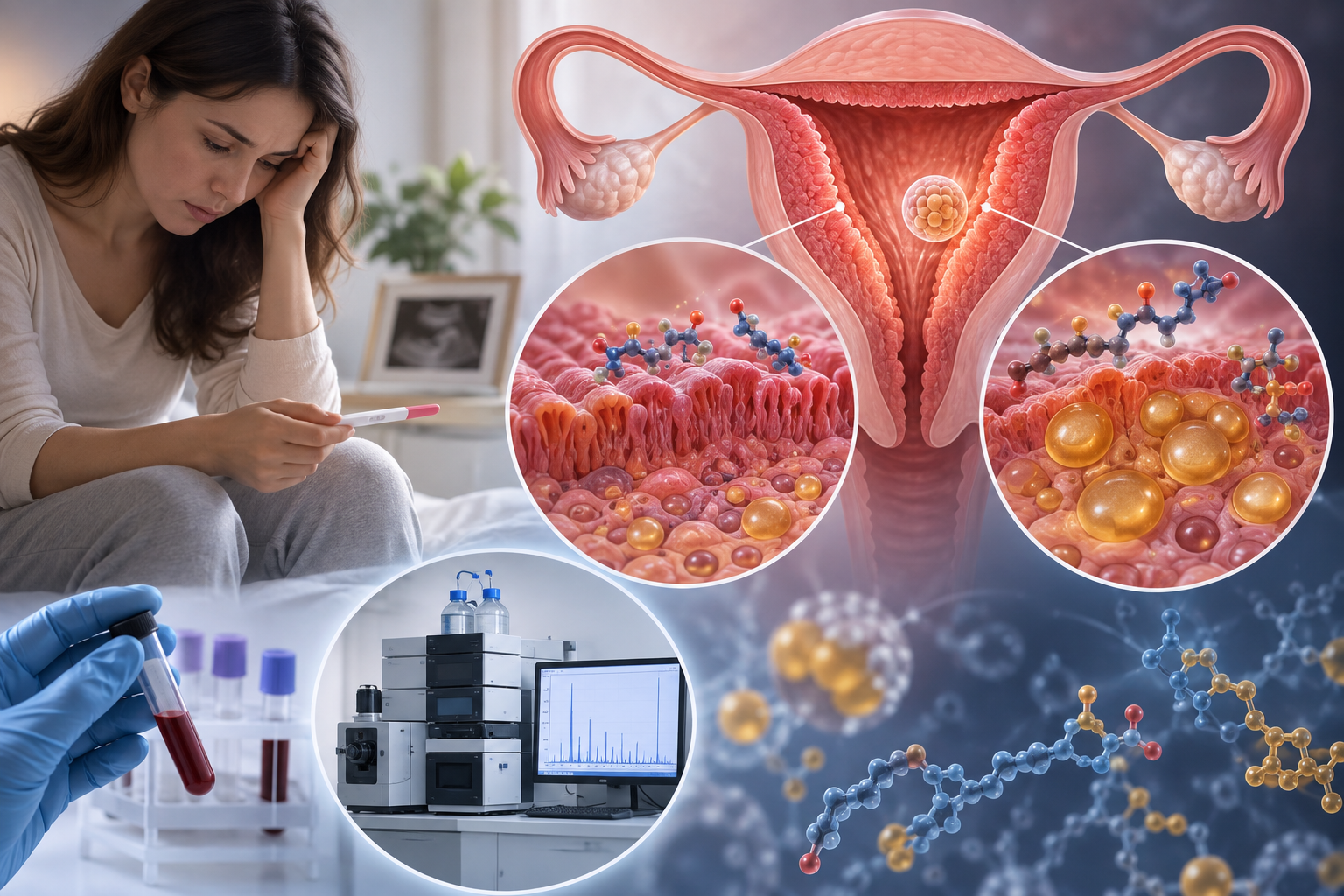
Unexplained recurrent pregnancy loss was associated with an endometrial lipid-metabolism signature in a prospective study of 80 women. Researchers compared endometrial tissue and plasma from women with pregnancy loss, implantation failure and fertile controls. The findings do not establish a cause of miscarriage, a validated diagnostic test or a benefit from supplements.
-
Diet Before IVF: What Did a 60-Day Trial Find?

A randomized trial in 180 women compared a 60-day dietary and supplement plan before IVF. Laboratory fertilization and embryo-quality measures improved, but the combined intervention does not identify an effective single supplement or establish a live-birth benefit.