
Latest posts
-
Rescue IVM for Immature Eggs: Embryos and Live Births
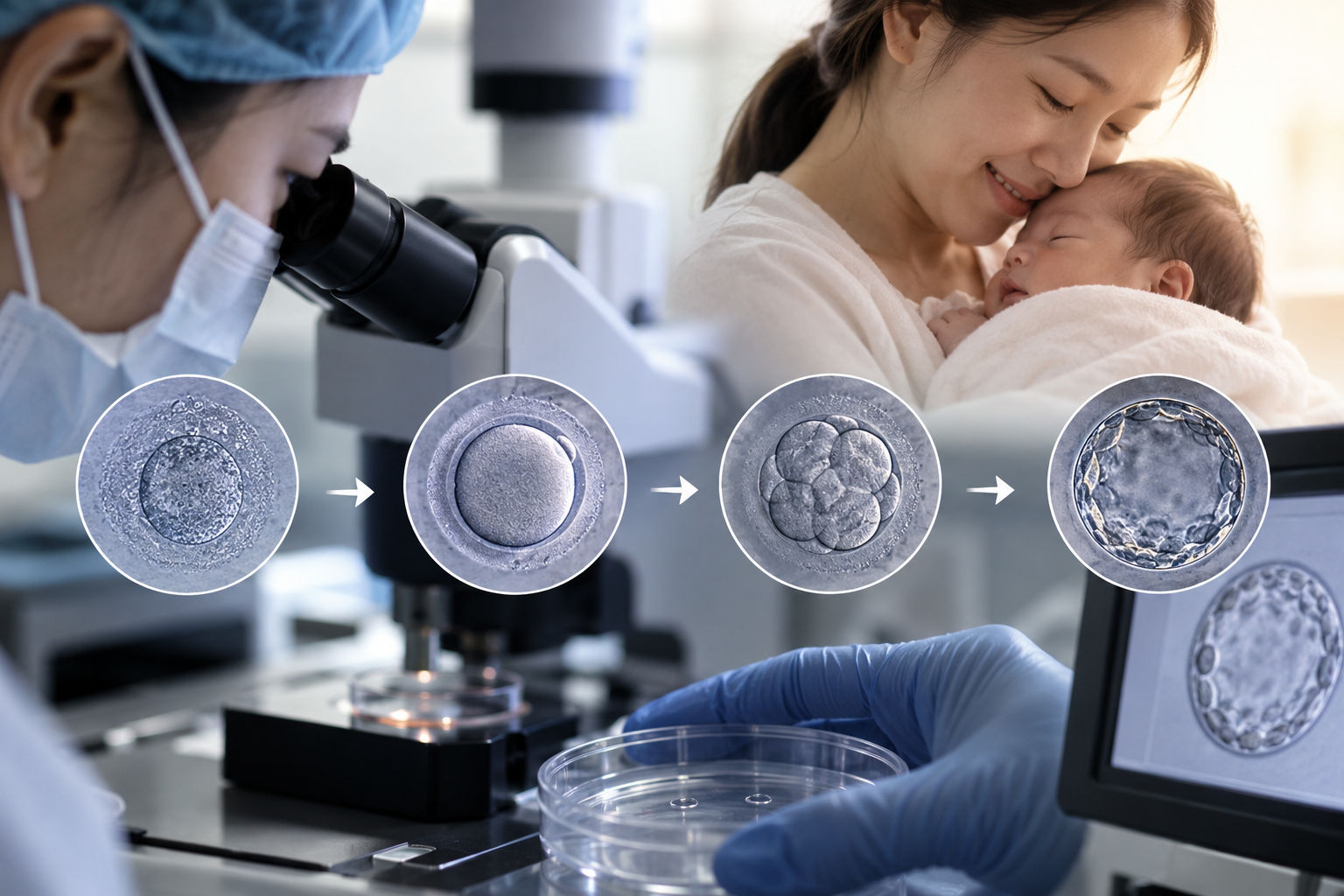
A small rescue IVM study cultured immature GV eggs for another 24 hours before ICSI. It reported additional euploid embryos and live births, but lower blastocyst development and inconsistencies within the source limit interpretation.
-
Diminished Ovarian Reserve: GH, DHEA and IVF Add-On Evidence
Do growth hormone, DHEA, CoQ10 or L-arginine improve IVF outcomes for women with diminished ovarian reserve? Some studies report more eggs, but live-birth benefits remain uncertain. Current ESHRE guidance discourages GH and DHEA for low responders. The strength of evidence and limitations differ for each add-on.
-
Foods for Implantation After Embryo Transfer: What Does Evidence Show?
Pineapple and other so-called implantation foods lack proven IVF benefits. Studies of dietary patterns offer clues, but better embryo measures do not establish more live births.
-
Mosaic Embryo Transfer: Why Type and Level Matter
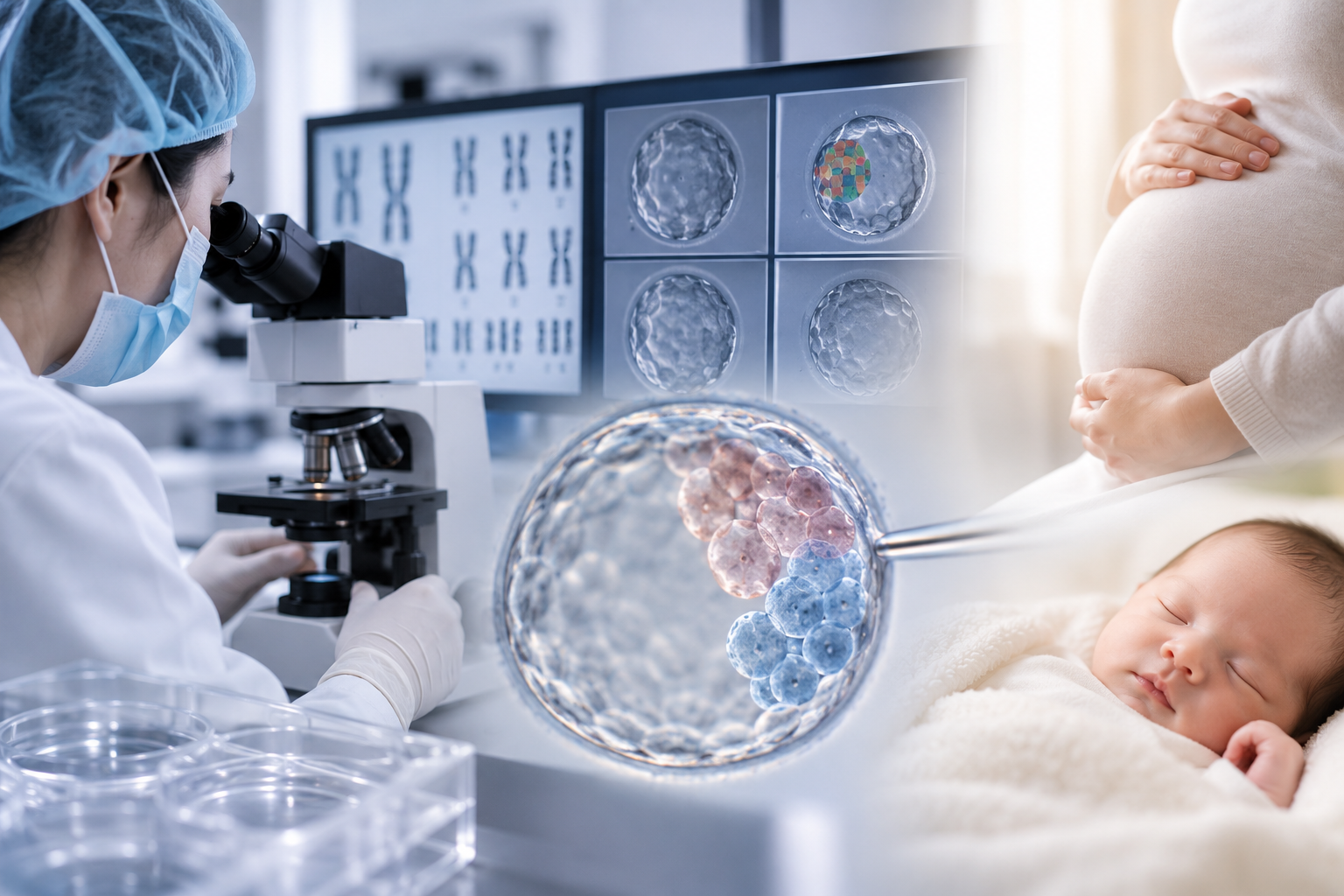
A retrospective analysis of 2,898 single frozen blastocyst transfers compared euploid embryos with four mosaic subtypes. Whole-chromosome high-level mosaicism had poorer ongoing pregnancy outcomes. Conference-abstract evidence and biopsy-sampling limits require cautious interpretation.
-
IVF Laboratory Standards: ESHRE 2026 Recommendations
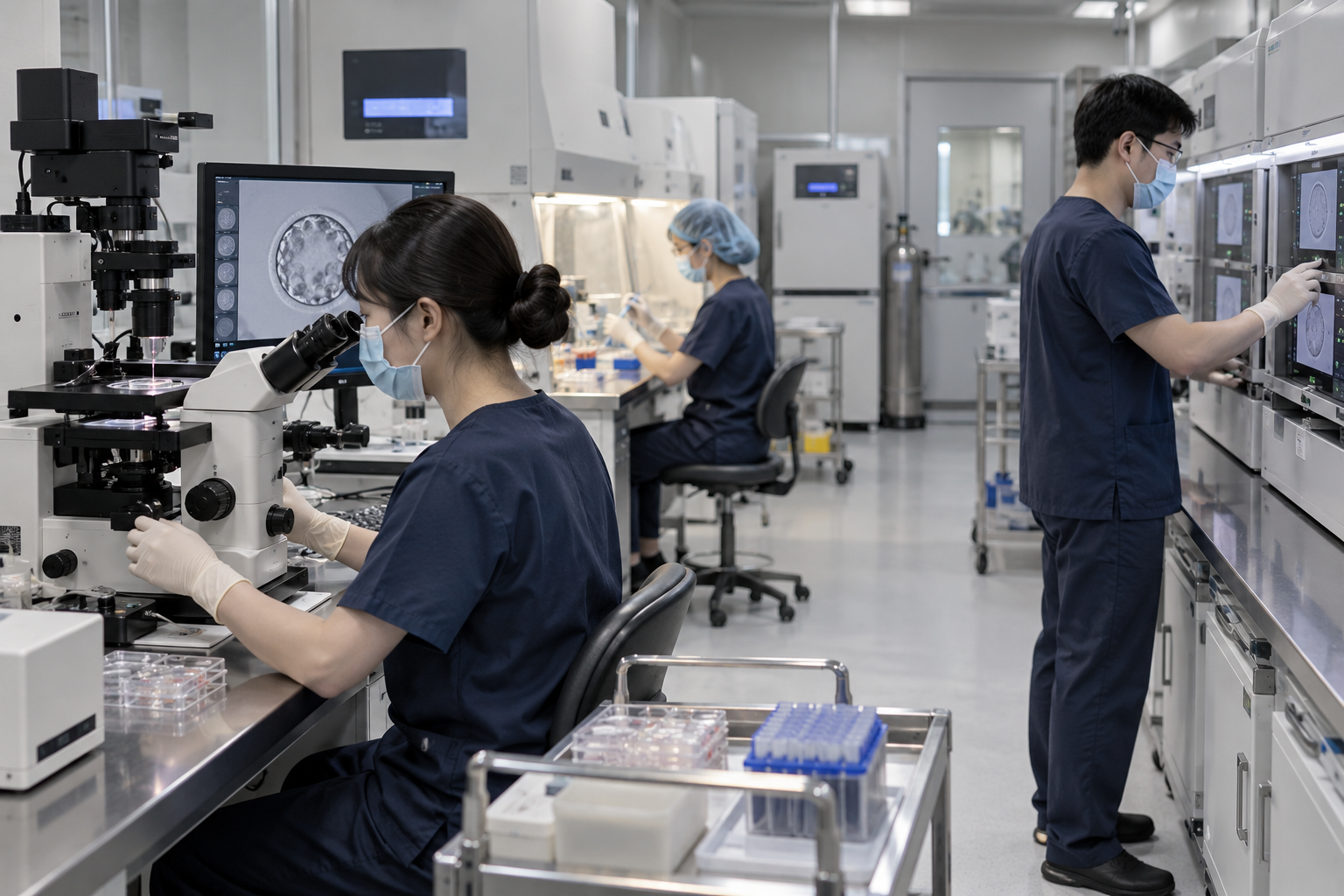
ESHRE’s 2026 laboratory update covers the conditions and procedures used to safeguard eggs, sperm and embryos. It combines available evidence with expert consensus on culture, air quality, identification and emergency planning, without guaranteeing treatment success.
-
Embryo Culture pH in IVF: What a Live Birth Trial Found
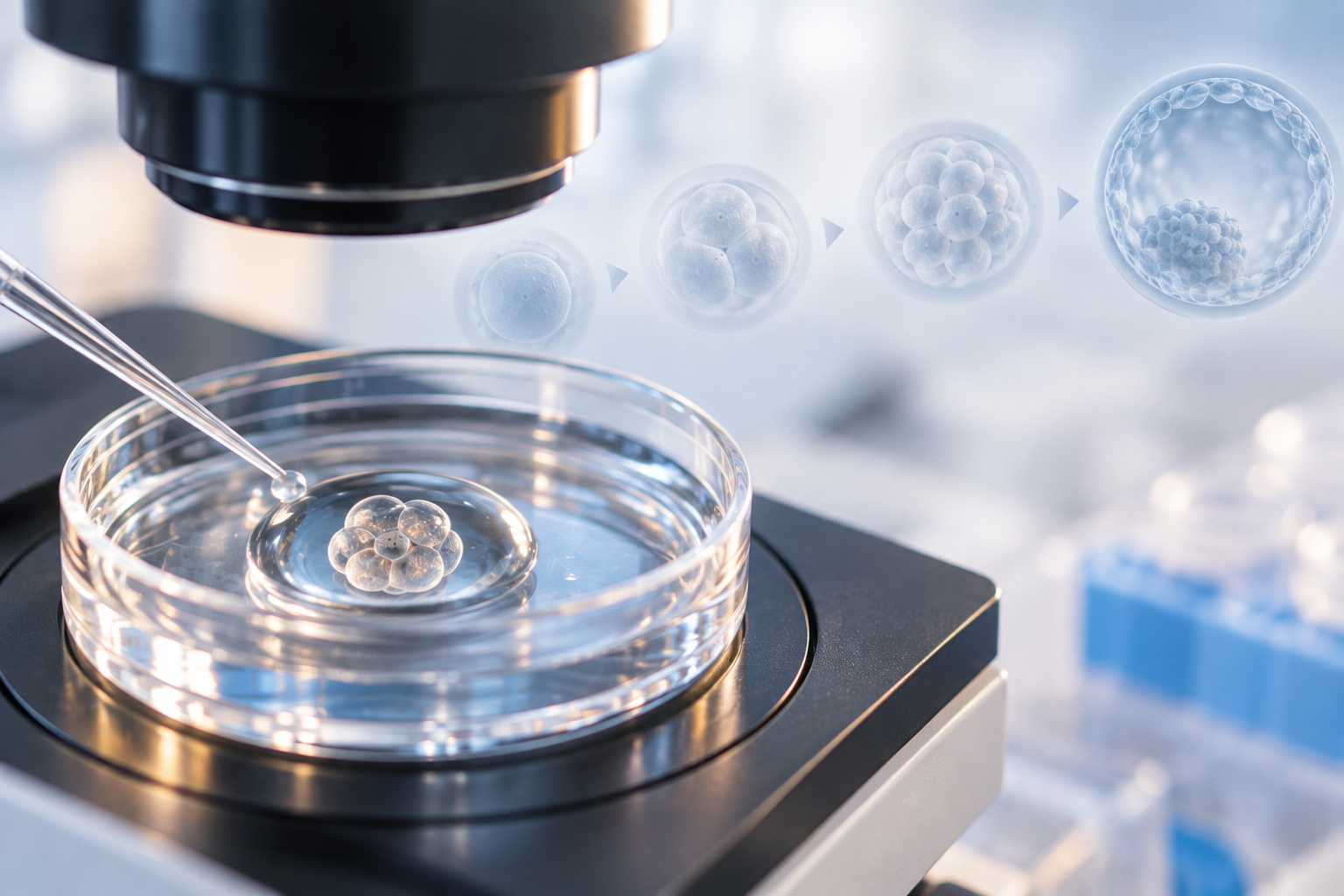
A randomized trial compared embryo culture at pH 7.22 and 7.38 before fresh day-3 transfer after ICSI. Live birth rates did not differ significantly, but the findings do not establish equivalence or apply to every culture system.
-
Autoimmune POI: Antibody Tests and Treatment Evidence
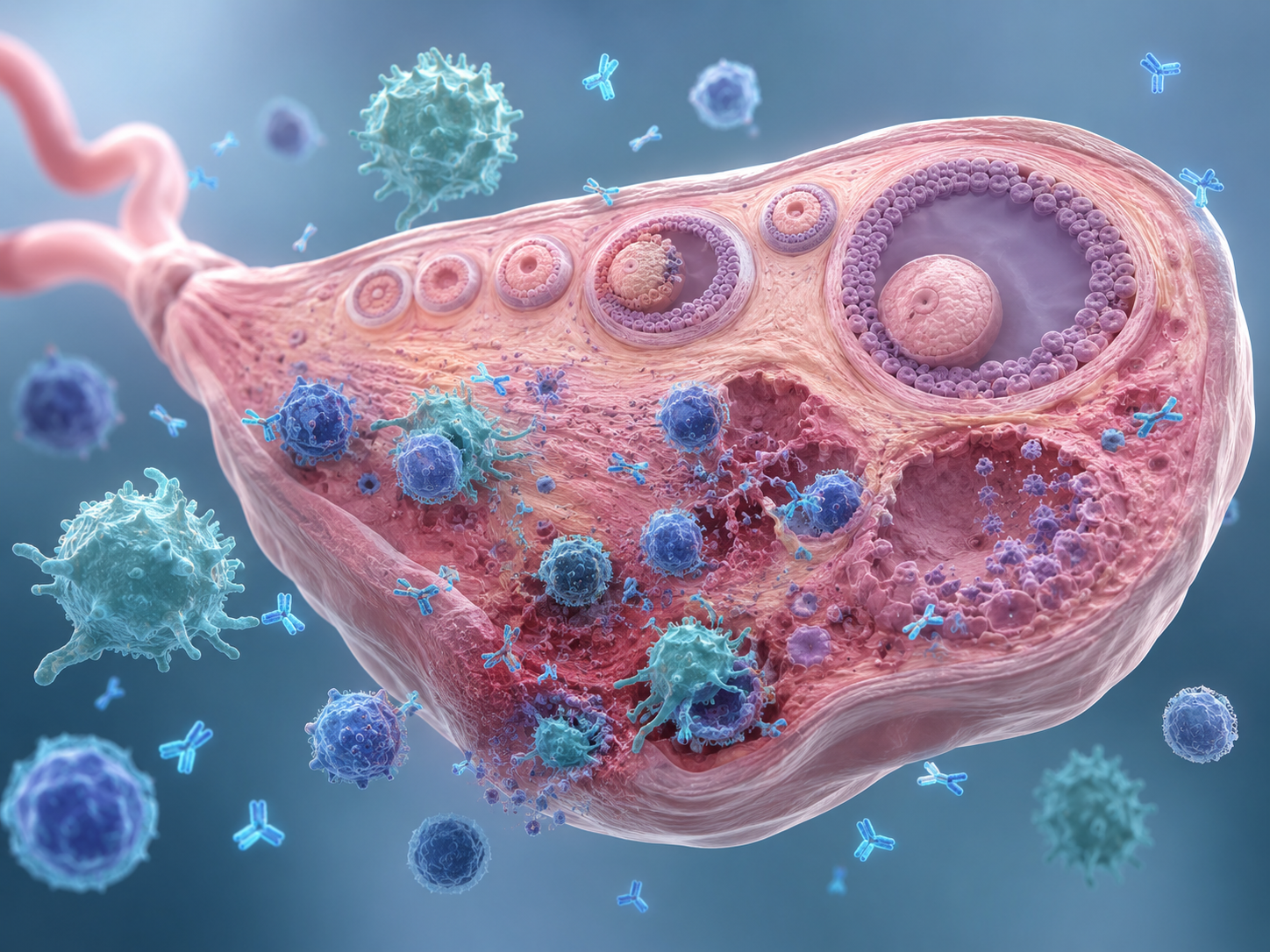
Autoimmunity can contribute to premature ovarian insufficiency, but positive antibody tests do not prove ovarian injury. This article explains guideline-supported testing and why immune treatments have not reliably restored fertility.
-
Endometrioma Surgery and AMH: What the Evidence Shows
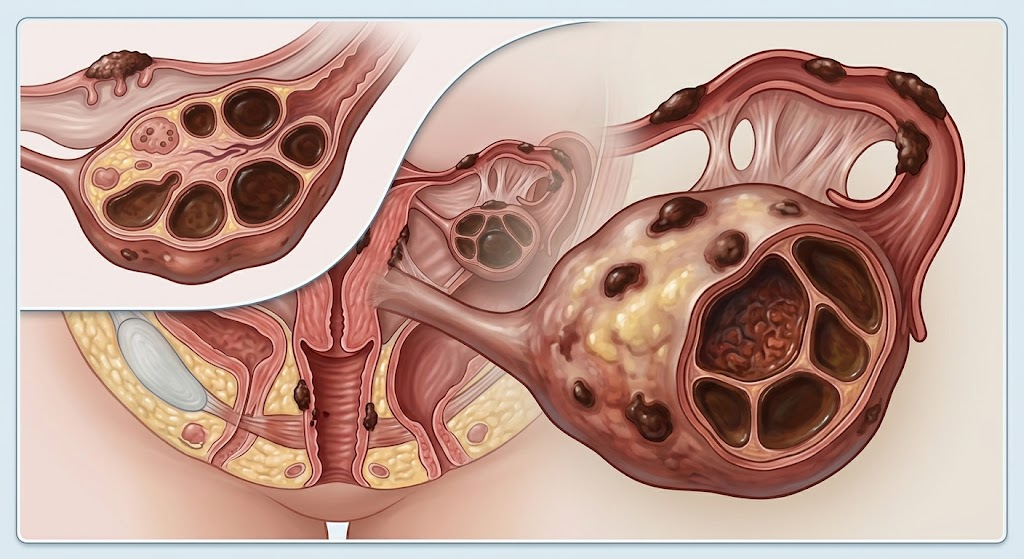
Endometrioma surgery can reduce AMH. Recent reviews compare cystectomy, laser ablation and ethanol sclerotherapy, but ovarian reserve findings do not establish higher live birth rates.
-
Low AMH and POI: What a 272-Gene Review Explains
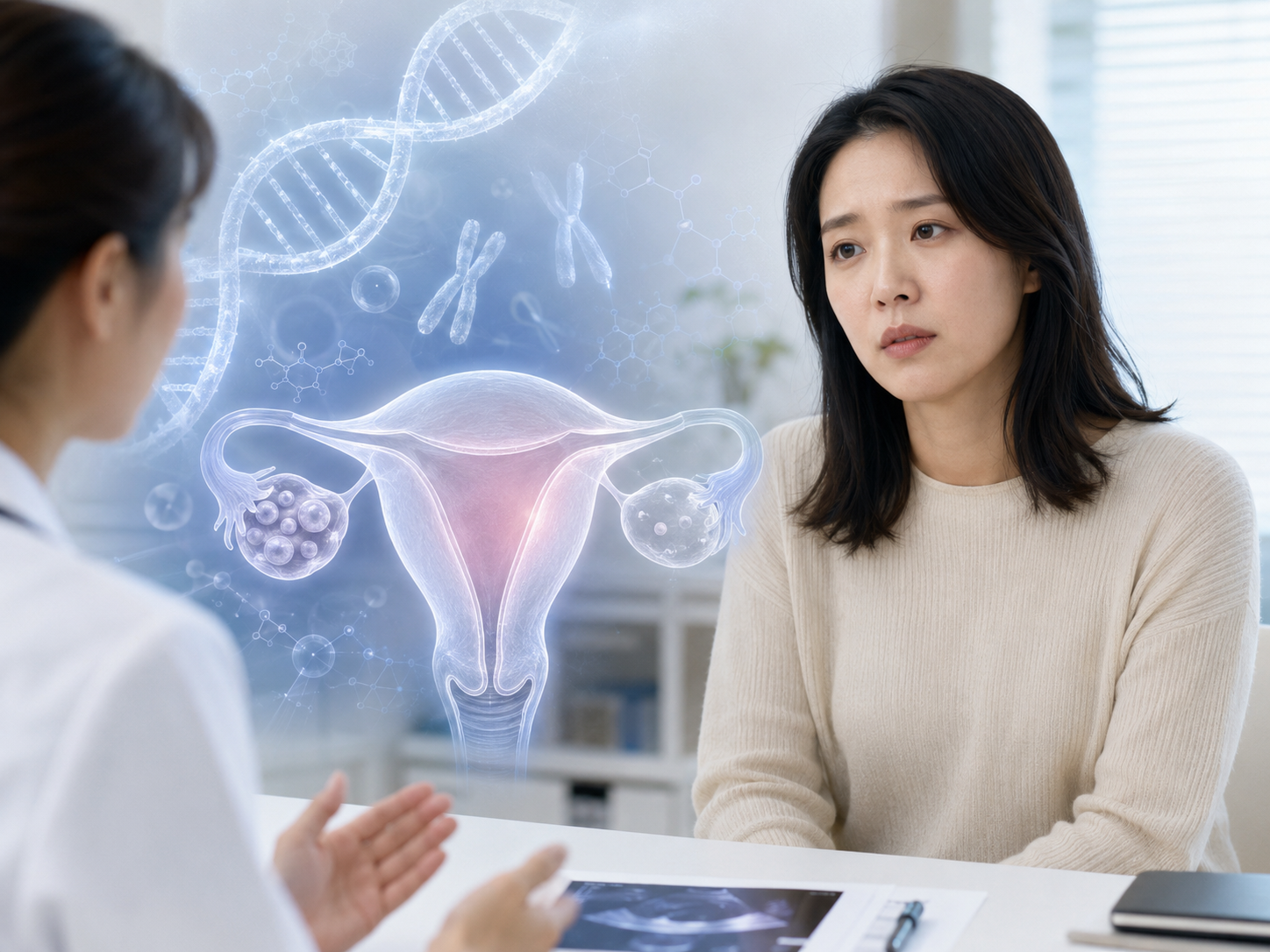
Low AMH alone does not diagnose primary ovarian insufficiency. A review of 272 reported genes explains its varied biology, while current guidelines define diagnosis and genetic testing.
-
Probiotics and IVF: What the 42% Pregnancy Rate Means
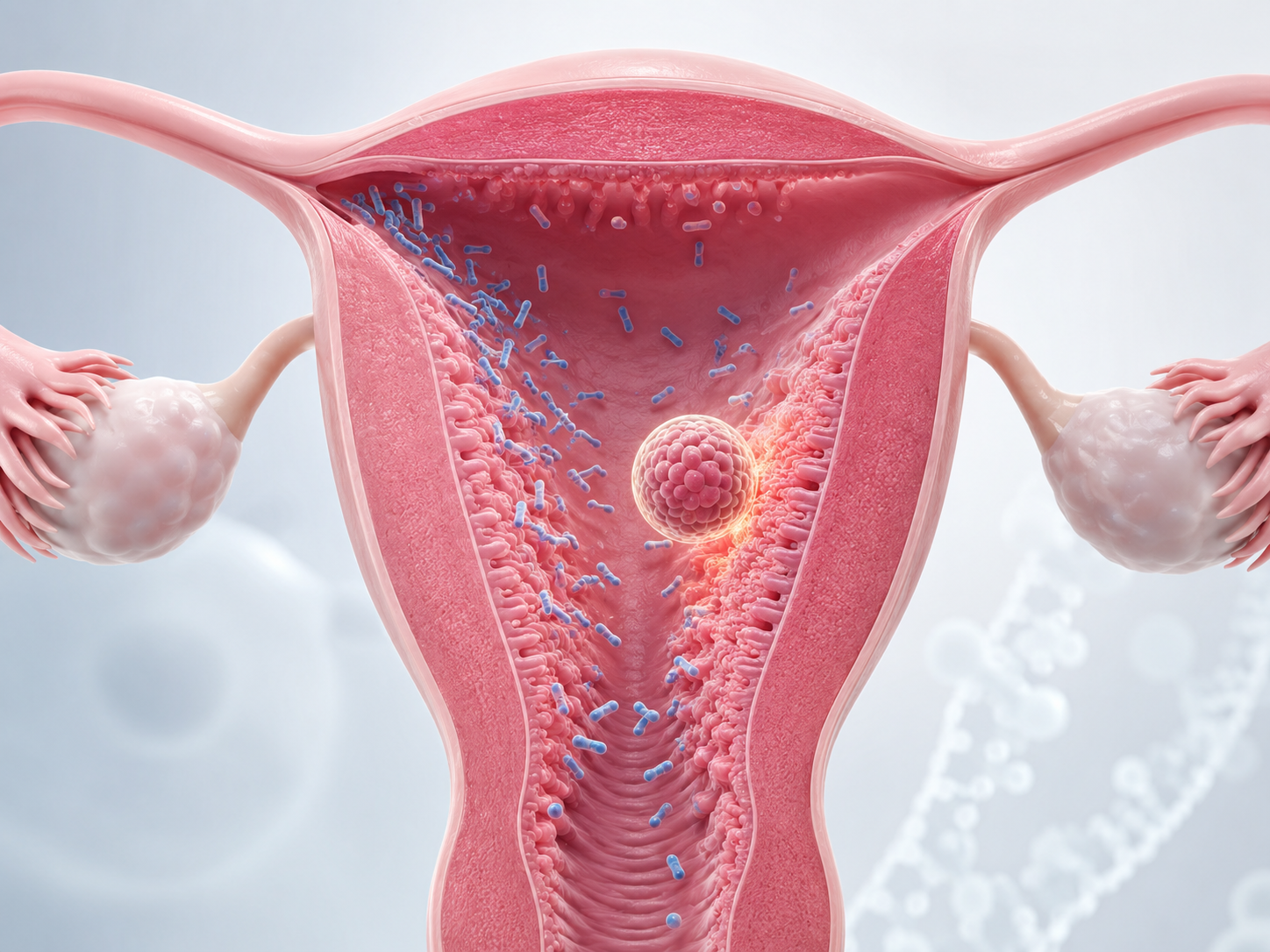
A seven-trial review reported clinical pregnancy in about 42% of women receiving Lactobacillus probiotics versus 28% of controls. Live birth, safety and product-specific benefits remain uncertain.