
Latest posts
-
Natural vs. Programmed Frozen Embryo Transfer: Which Cycle Fits You?
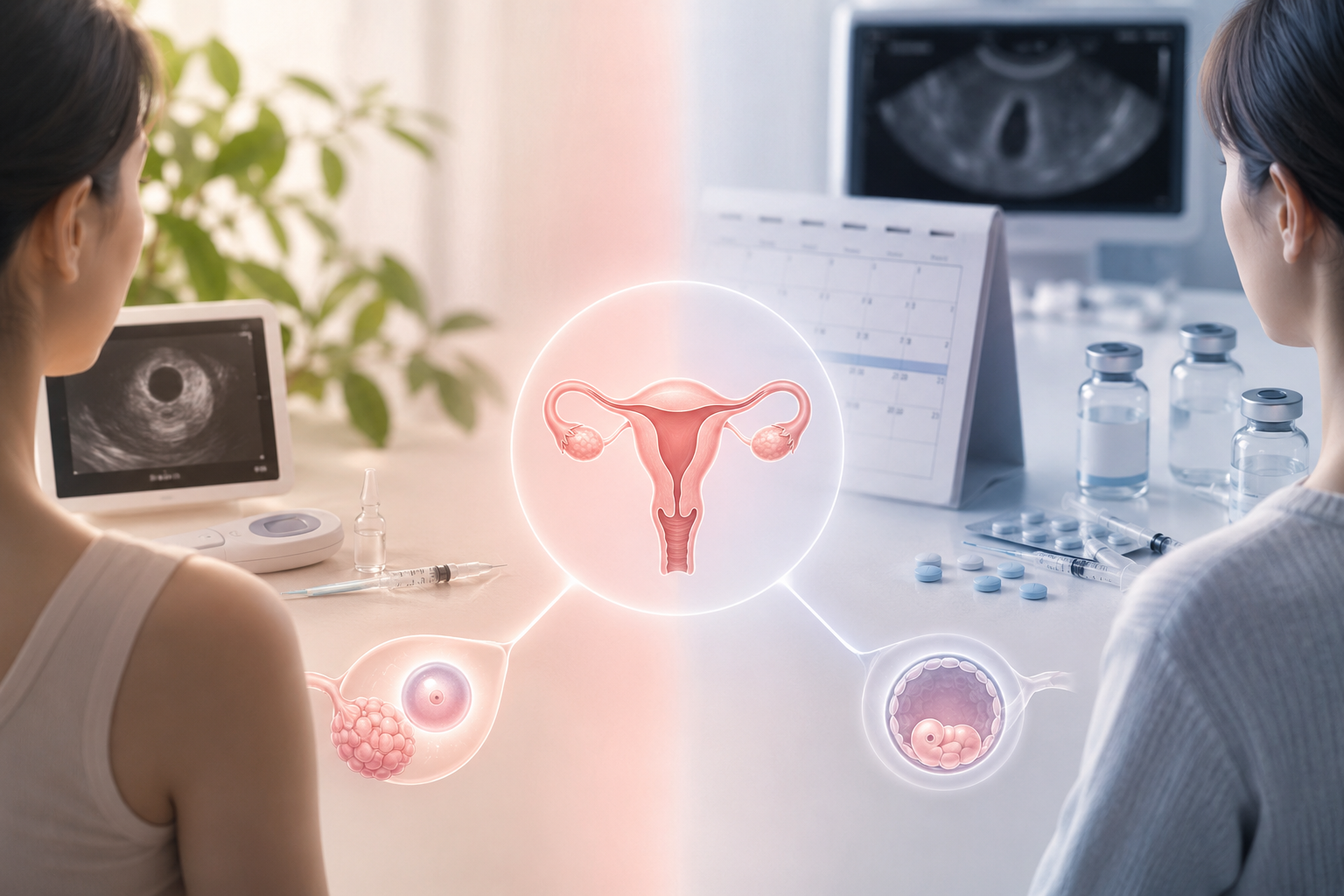
Natural or programmed frozen embryo transfer: which gives an embryo the best chance? Research comparing FET protocols brings ovulation and the corpus luteum into focus. Yet a promising average result cannot choose a protocol for every patient; cycle regularity and practical monitoring needs remain part of the decision.
-
IVF Culture Media: Can a Few Drops Change the Chance of a Baby?
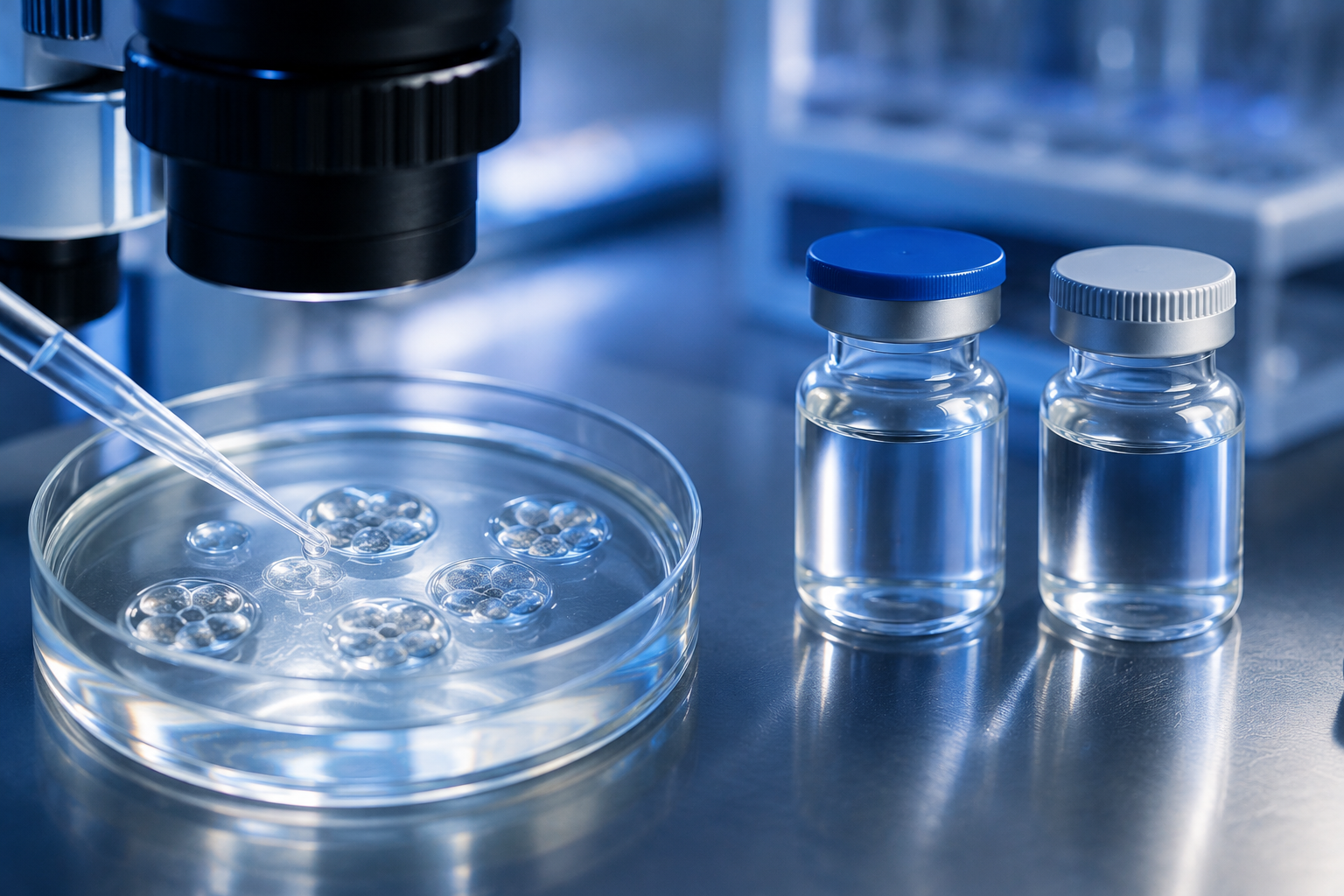
The embryo culture medium is a quiet part of IVF that patients rarely see. A randomized comparison reported different cumulative live birth rates with two laboratory media, but the primary result did not reach conventional statistical significance. The findings raise an intriguing question about the liquid supporting an embryo’s first days.
-
Ovarian Aging and Mitochondria: What Happens When the Cleanup System Fails?
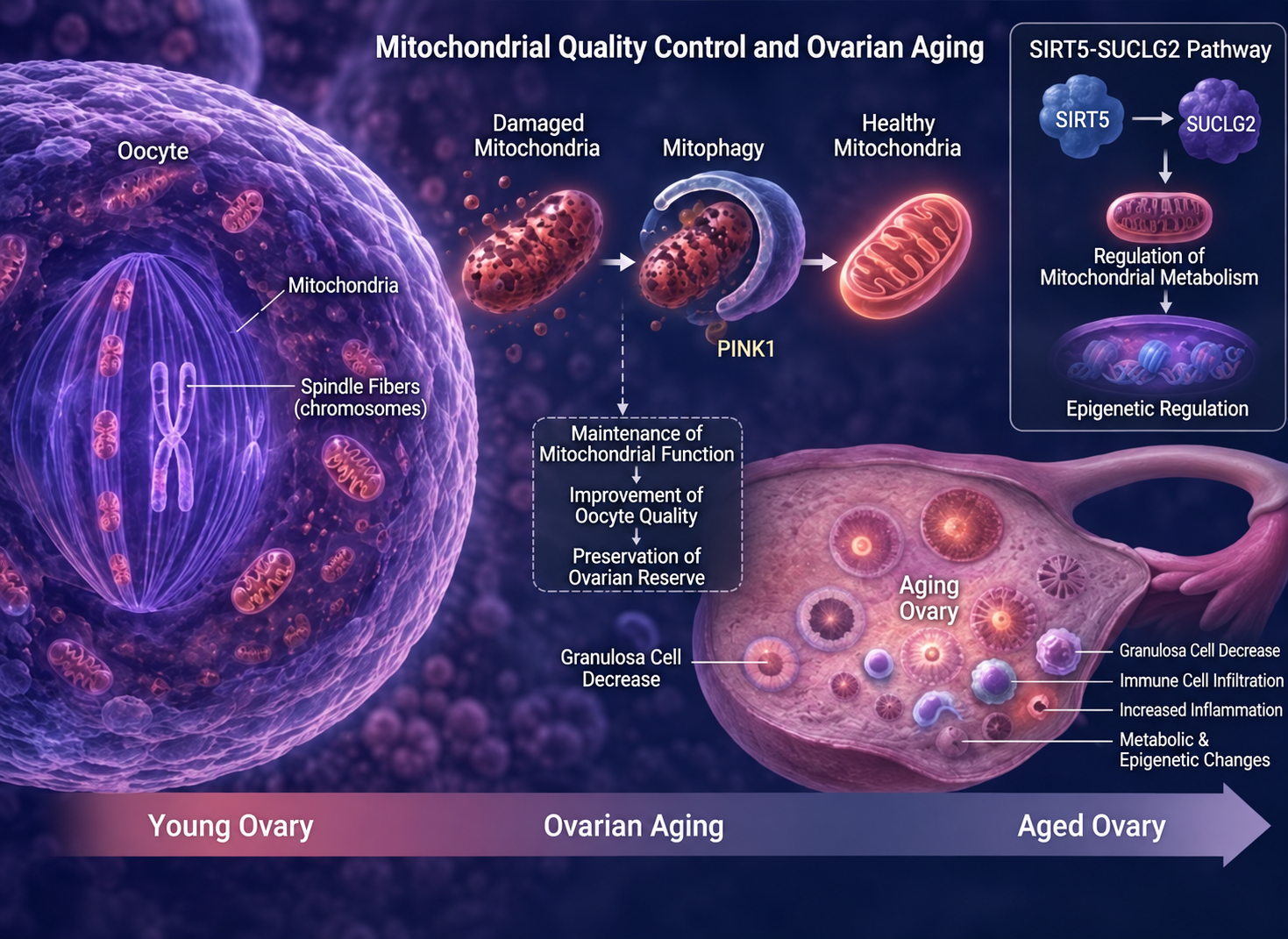
Could ovarian aging involve a failing cellular cleanup system? Studies of mitochondria, mitophagy and egg quality explore how damaged cellular power plants affect the ovary. These laboratory and animal findings offer possible mechanisms—not a proven treatment to restore human ovarian reserve.
-
Ovarian Aging: What If the Tissue Around the Egg Is Getting Stiffer?
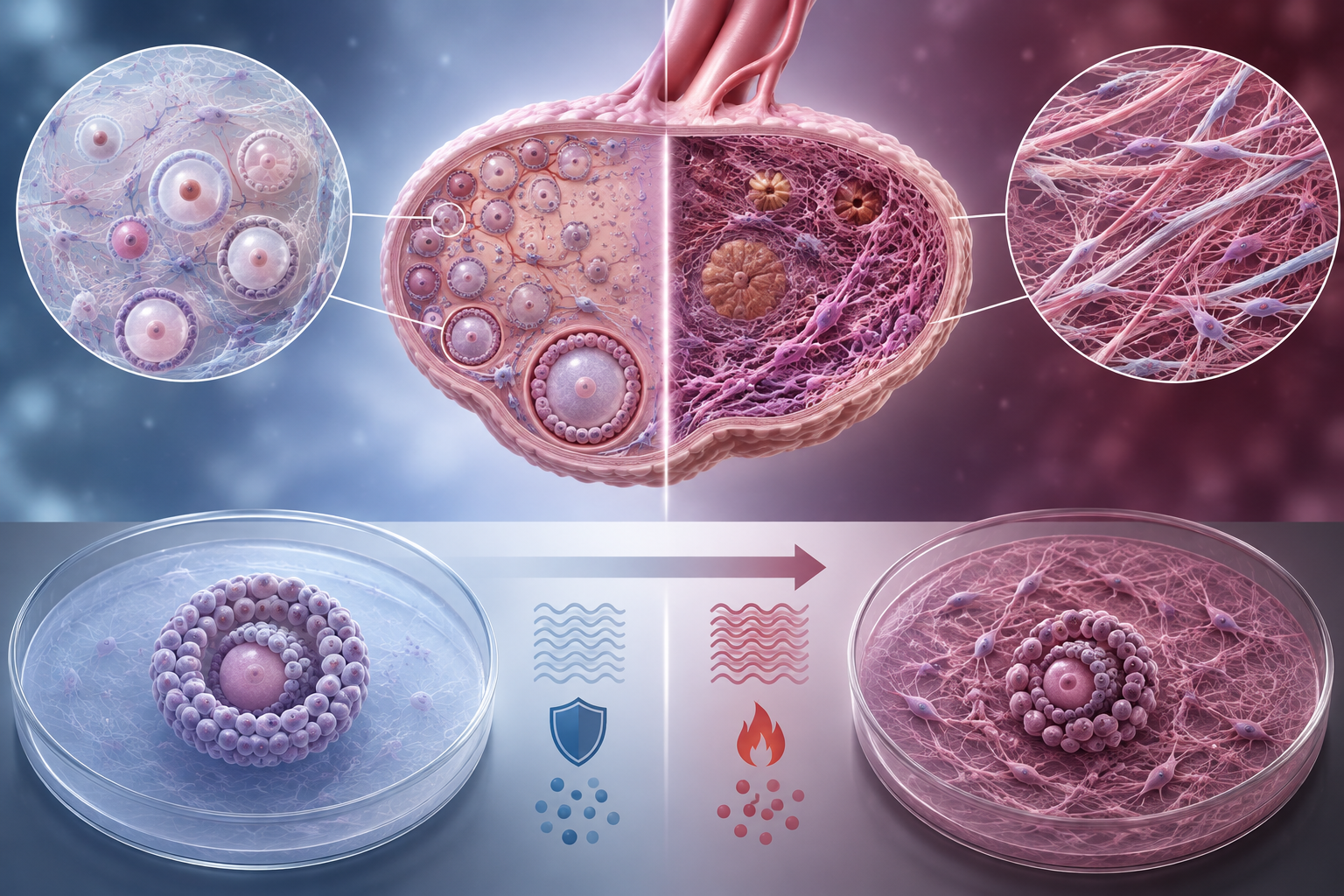
Egg quality is only part of the ovarian aging story. Research into ovarian fibrosis and tissue stiffness asks whether the environment surrounding a follicle also changes with age. Human tissue observations and experimental models open a new line of inquiry, without yet establishing a fertility treatment.
-
Ovarian Reserve in 3D: Is Egg Loss Less Random Than We Thought?
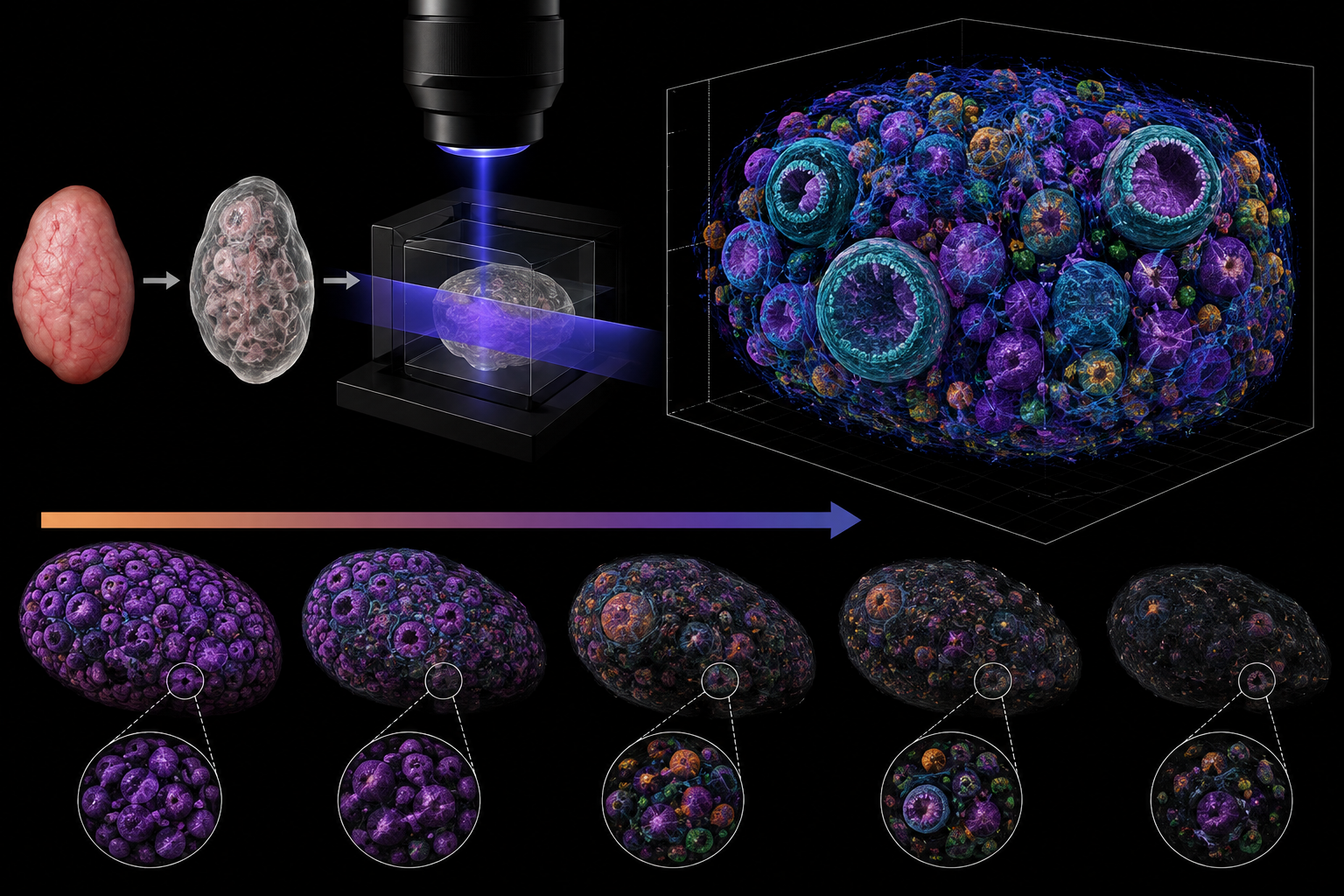
A three-dimensional map of mouse ovaries is challenging a simple picture of ovarian reserve as a shrinking stock of eggs. Researchers followed the position and activation of thousands of oocytes to explore reproductive aging. What can the spatial organization of follicles reveal—and how much applies to humans?
-
Hydrosalpinx and IVF: Could One Molecule Help Explain the Damage?
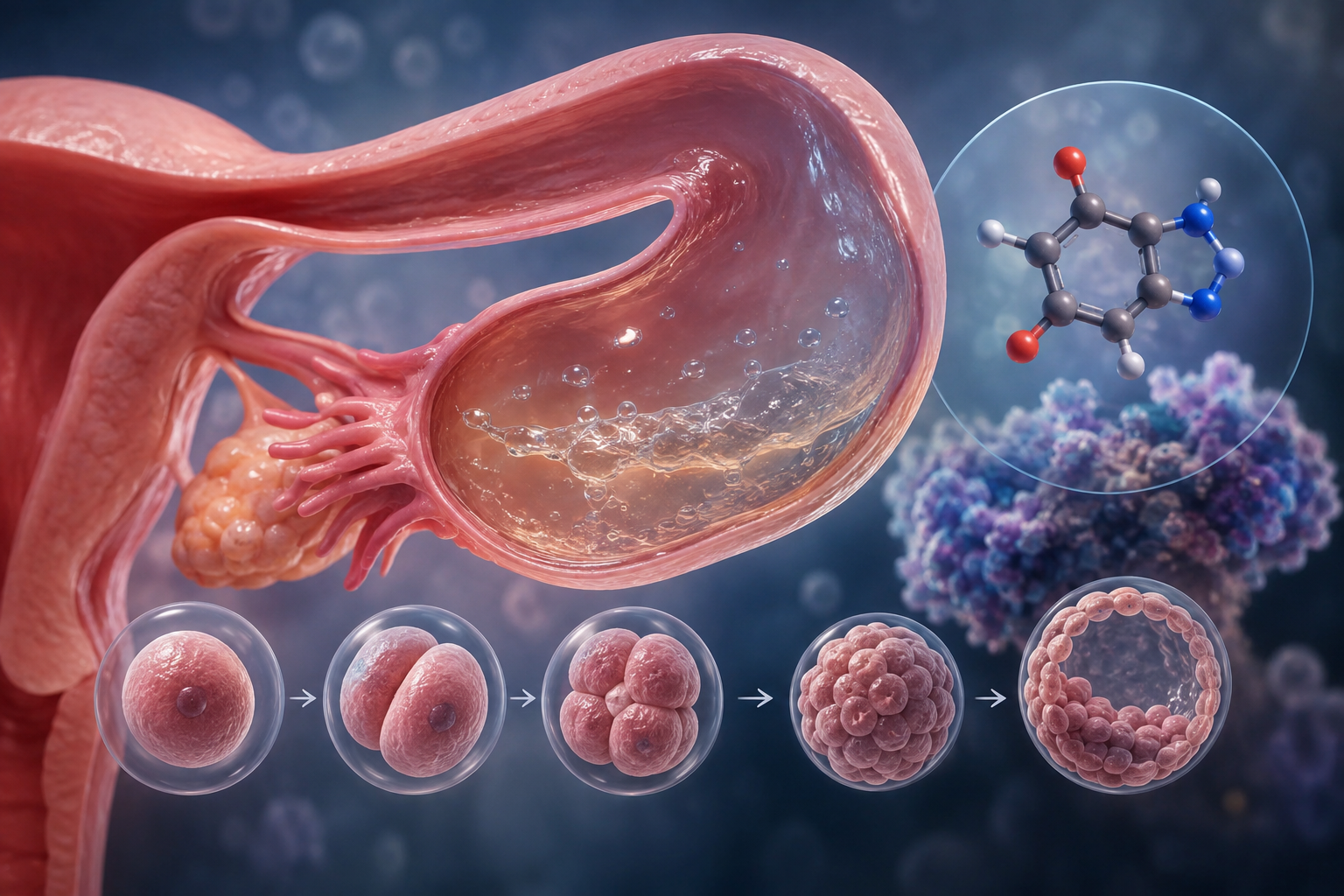
Why does hydrosalpinx reduce IVF success? Research into fluid from blocked fallopian tubes points to inosine, a metabolite investigated in early embryo development. Human fluid analysis and mouse embryo experiments offer a possible biological explanation, rather than proof of a new treatment for patients.
-
Obesity After Euploid Embryo Transfer: Why Can Pregnancy Still Be Lost?
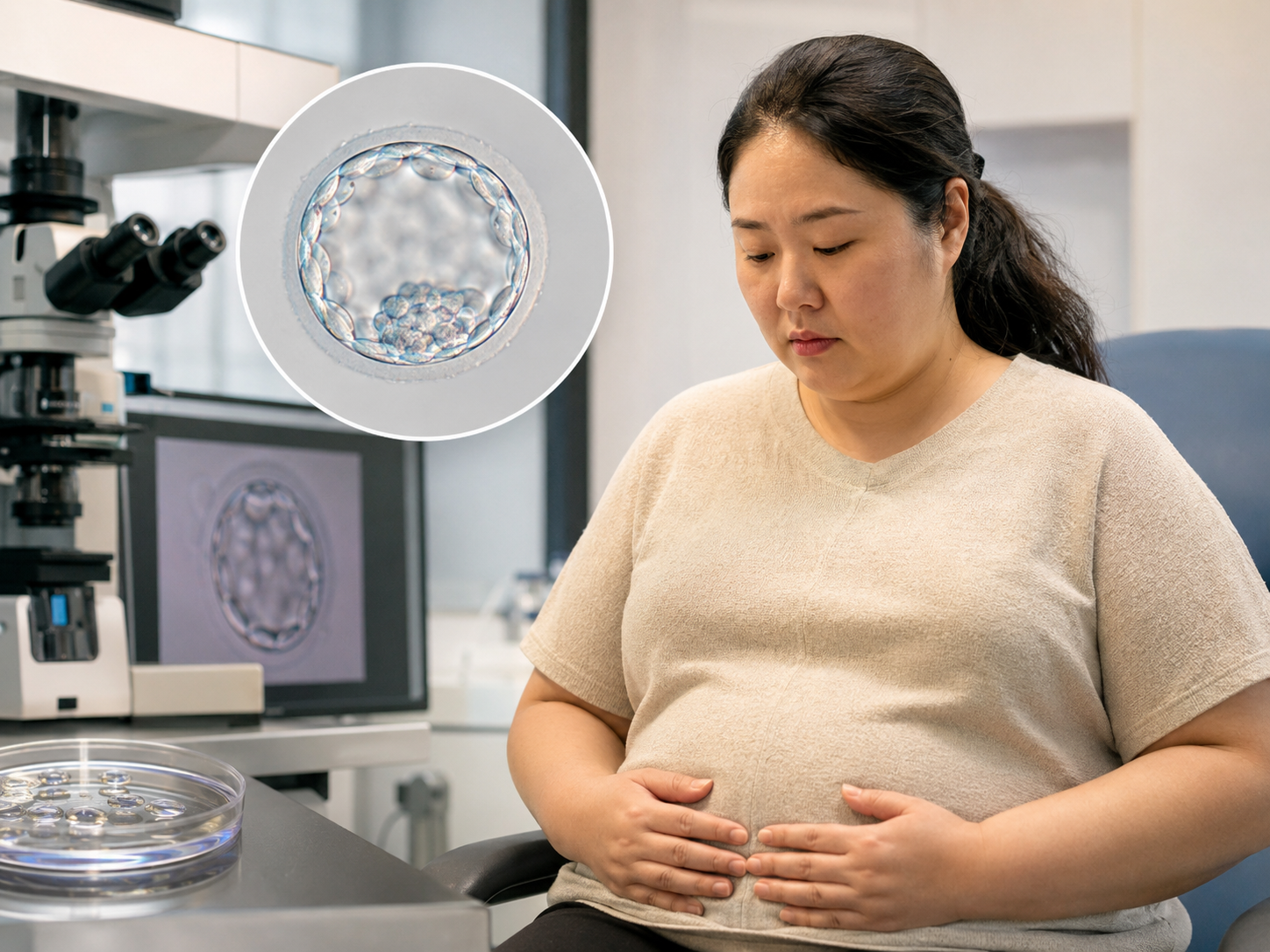
A euploid embryo can improve confidence about chromosome screening, but it cannot guarantee a live birth. Research on obesity and euploid frozen embryo transfer examines pregnancy loss after implantation. The association highlights factors beyond embryo ploidy without establishing a prediction for an individual patient.
-
AI Embryo Selection: A Better Ranking Still Cannot Read Chromosomes
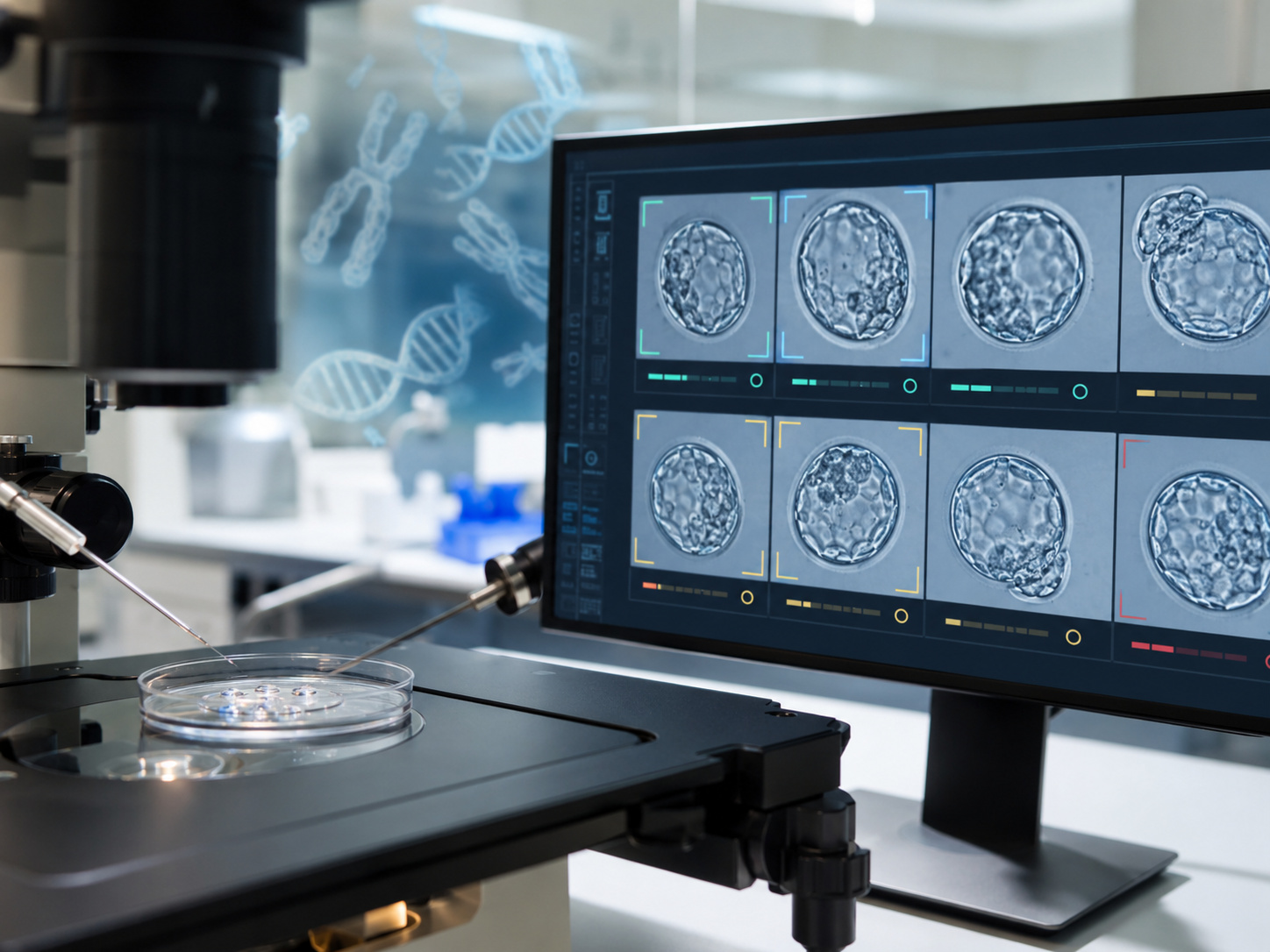
Can AI embryo selection identify the embryo most likely to succeed? A study comparing embryo ranking methods found promise in prioritization, but image analysis could not establish chromosomal status. Ranking sibling embryos and diagnosing aneuploidy remain different questions for IVF patients and laboratories.
-
Failed IVF Transfers: Do More Tests and Injections Actually Help?
After repeated failed IVF transfers, another test or injection can feel like the next obvious step. ASRM guidance on recurrent implantation failure examines whether common add-ons have evidence behind them. The central issue is which investigations could change care—and which may add cost without proven benefit.
-
PRP for Thin Endometrium: A Thicker Lining, but More Babies?
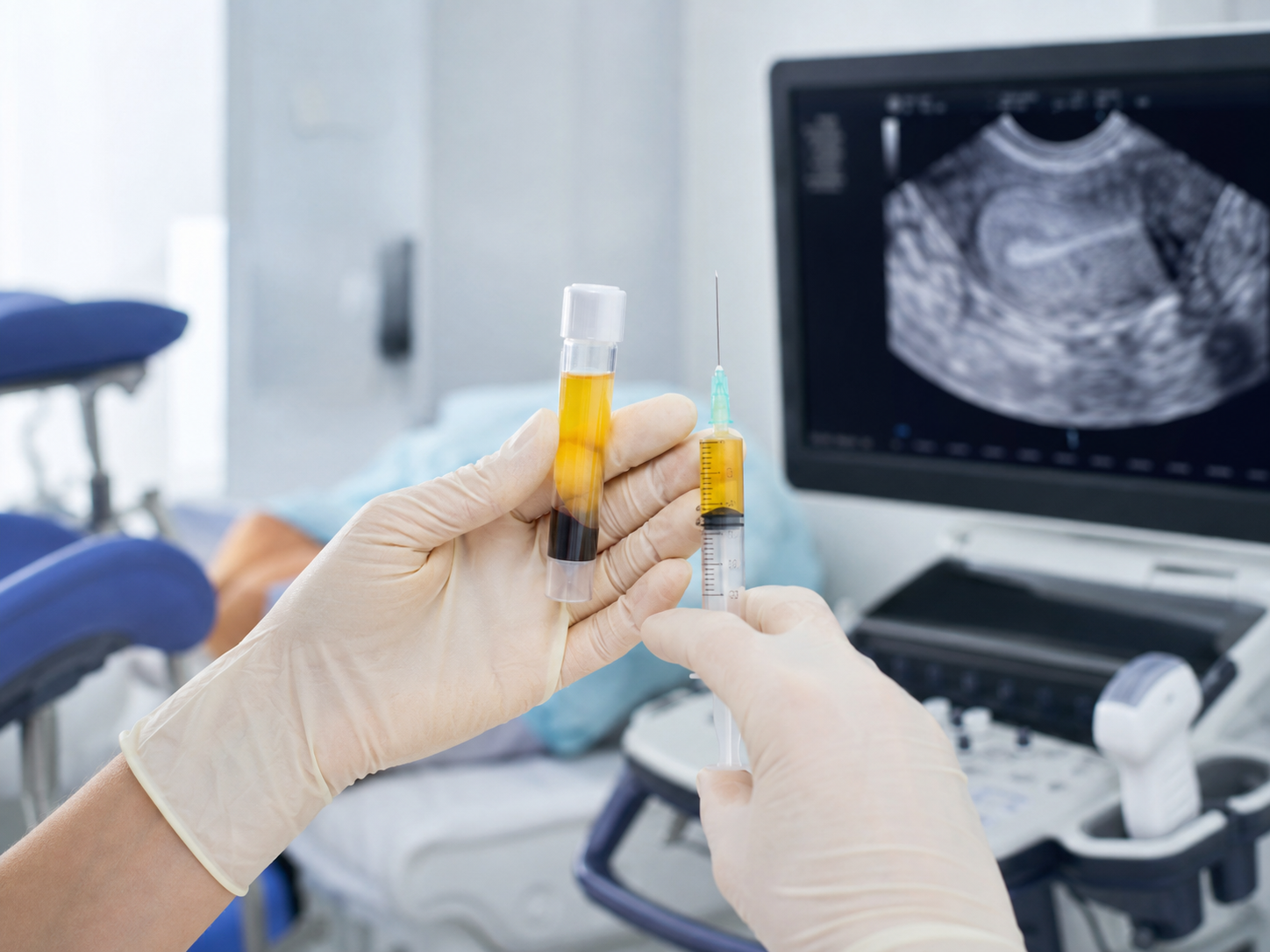
PRP for a thin endometrium promises a thicker uterine lining before embryo transfer. But an ultrasound measurement is not the same as a live birth. A multicenter cohort study explores that gap, asking whether endometrial growth after platelet-rich plasma translates into better reproductive outcomes.