
Latest posts
-
Failed Euploid Embryo Transfer: Is One Setback Really the End of the Story?
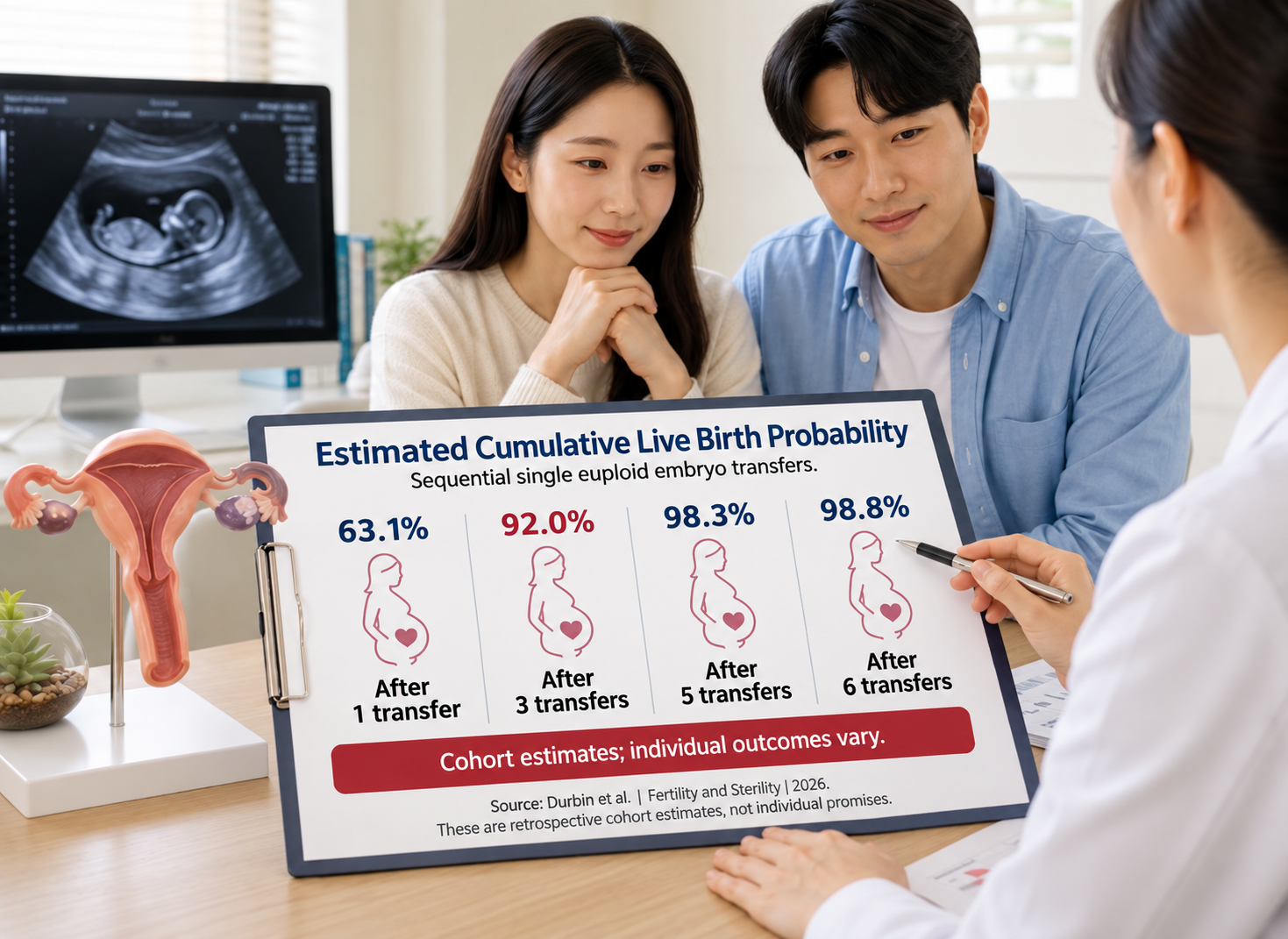
A failed euploid embryo transfer can make the next attempt feel uncertain. A study of sequential single euploid transfers examines how live birth chances accumulate across attempts. The findings offer context for recurrent implantation failure, while depending on who has more embryos available and continues treatment.
-
Frozen Embryo Transfer and Baby Sex: Why Do Some Studies Find More Boys?

Do frozen embryo transfers lead to more boys? Studies of IVF birth sex ratios suggest that embryo stage, culture and selection may be part of the story. Population patterns cannot reliably predict the sex of an individual embryo, and freezing alone is too simple an explanation.
-
Atosiban Before Embryo Transfer: A Pregnancy Boost—or Too Soon to Tell?

Could atosiban before embryo transfer improve IVF outcomes by reducing uterine contractions? A small trial reported a higher clinical pregnancy rate, but pregnancy and live birth are different endpoints. Larger studies and the patients included matter when weighing this proposed IVF add-on.
-
Only One Fertilized Egg: Is Day 5 Always the Better IVF Strategy?
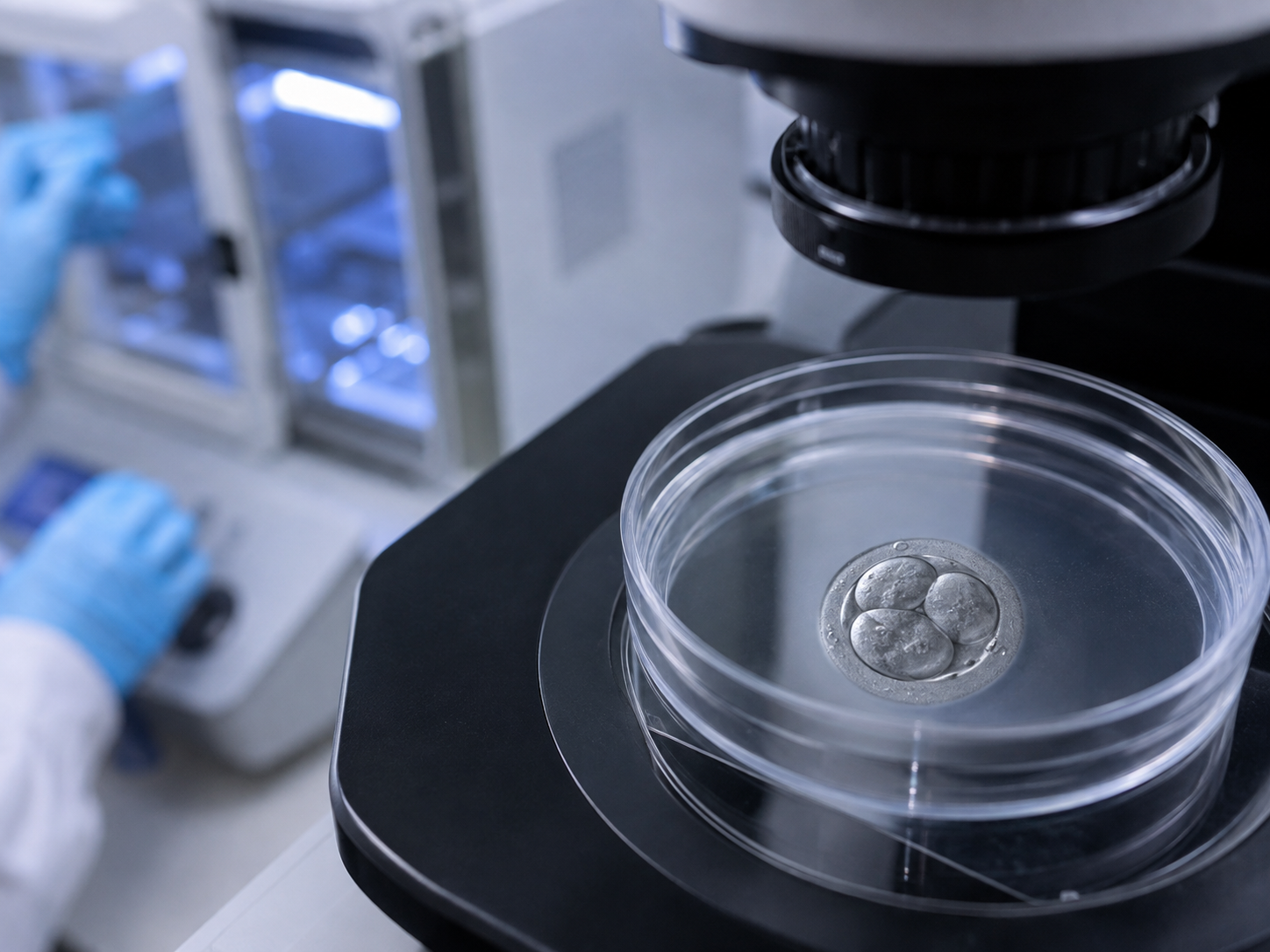
With only one fertilized egg, should IVF patients wait for a Day 5 blastocyst or consider an earlier transfer? Research comparing transfer strategies highlights a hidden trade-off: stronger results per transfer can coexist with fewer patients reaching transfer at all. The choice depends on more than embryo stage.
-
NMN for Egg Quality: Rejuvenation Breakthrough or Evidence Still Waiting?
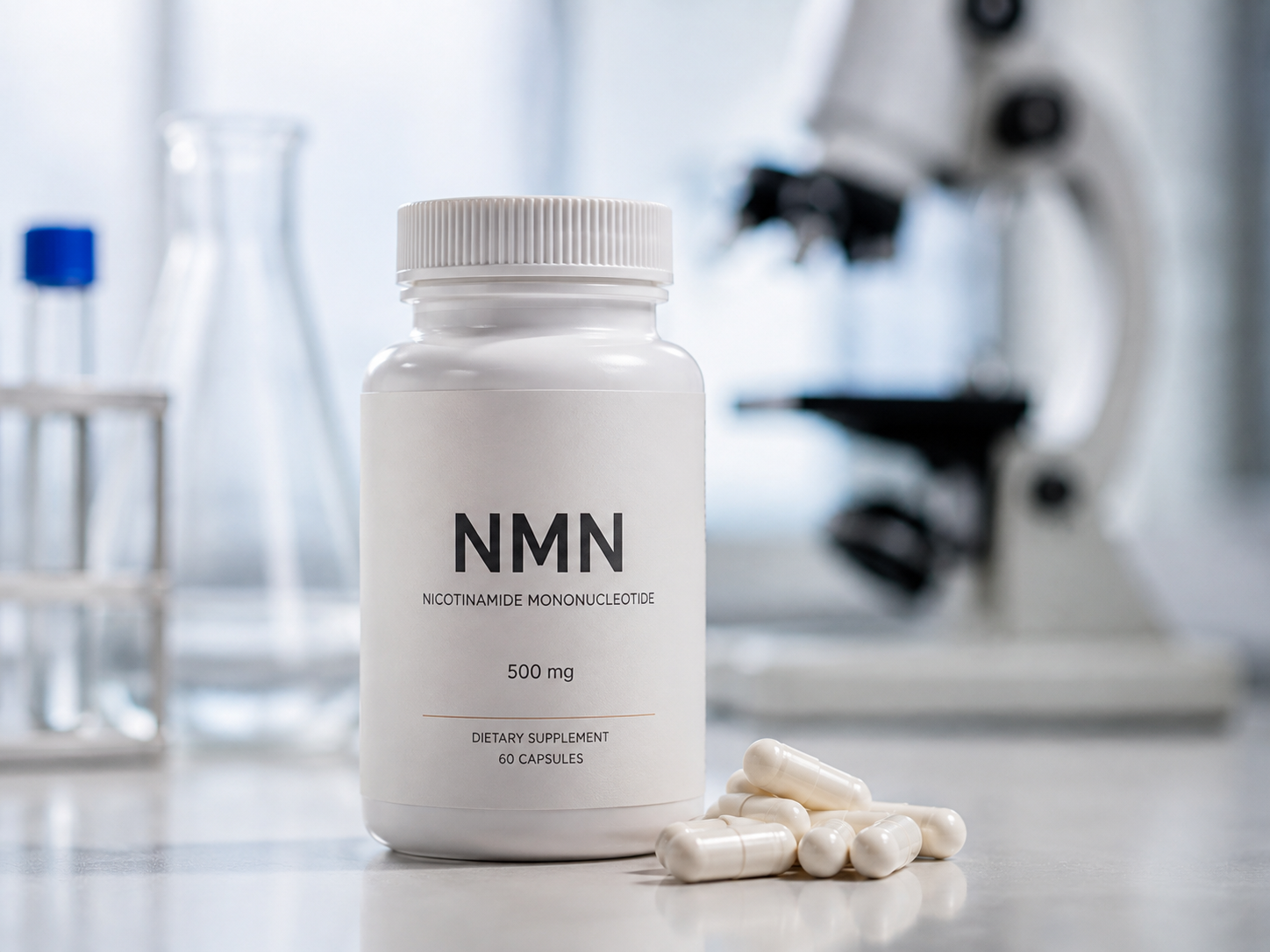
Can NMN improve egg quality or reverse ovarian aging? Early human research and registered IVF trials are bringing this NAD+ precursor into fertility discussions. But laboratory findings, egg maturation and live birth are different endpoints—and an egg rejuvenation claim remains ahead of the evidence.
-
Embryo Transfer Technique: Does the Doctor’s Touch Matter?

Embryo transfer takes only minutes, but could the doctor performing it influence IVF outcomes? Studies of learning curves and differences between operators suggest that technique deserves attention alongside embryo quality. Procedure volume, difficult transfers and the limits of observational comparisons complicate the picture.
-
Miscarriage After a Euploid Embryo Transfer: How Can “Normal” Still Go Wrong?

Why can miscarriage happen after a PGT-A euploid embryo transfer? Chromosome screening samples a small group of cells rather than certifying every part of an embryo. Mosaicism, genetic changes outside the test’s scope and maternal factors help explain why a normal result cannot guarantee live birth.
-
Non-Invasive Embryo Testing: Can a Drop of Culture Medium Reveal Chromosomes?

Could spent embryo culture medium reveal chromosomal status without a biopsy? A small pilot study explored metabolic differences between euploid and aneuploid embryos. The reported predictive accuracy is intriguing, but this early research does not establish a replacement for PGT-A.
-
IVF Culture Medium and Live Birth: Can a Few Drops Make a Difference?

Does the choice of IVF culture medium affect cumulative live birth? A Dutch randomized trial compared two commercial media and found different rates, alongside differences in laboratory outcomes. The primary adjusted comparison did not reach conventional statistical significance, leaving an important question open.
-
Rescue IVM: Can Immature Eggs Mature After Retrieval?

In a selected group of 47 women younger than 39, rescue culture matured 127 of 266 GV oocytes and produced additional euploid embryos and live births. Lower blastocyst development, small sample size and inconsistent reporting limit interpretation.