
Latest posts
-
Missed the LH Surge Before FET? Progesterone May Offer Another Timing Clue
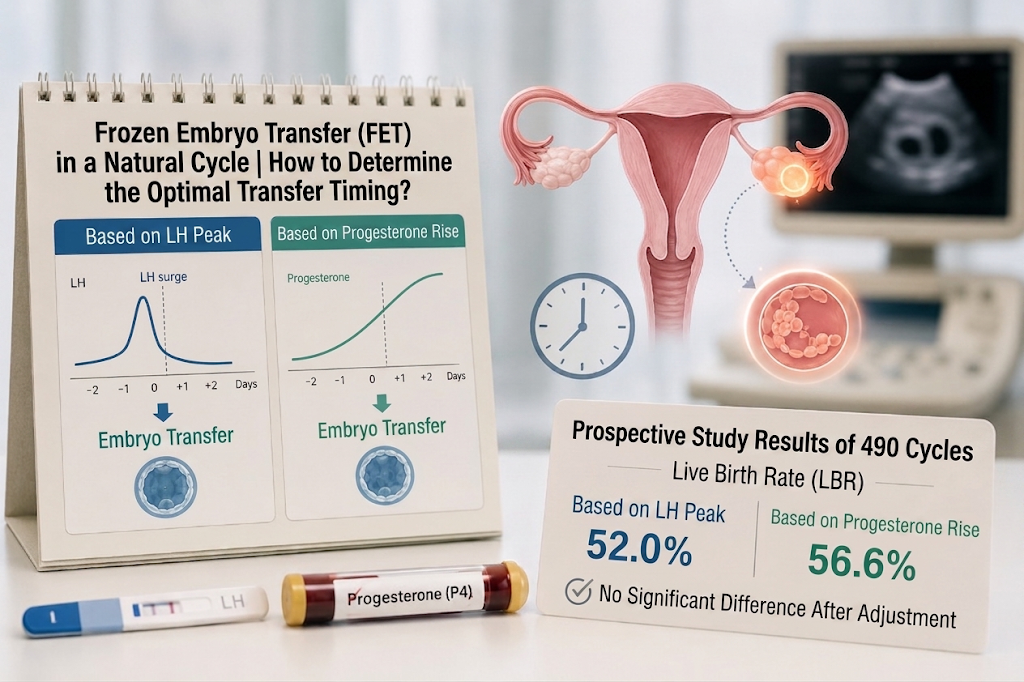
Does missing the LH surge mean a natural-cycle frozen embryo transfer must be abandoned? A prospective study compared transfer timing based on progesterone rise with timing based on LH. Similar observed live birth outcomes raise a practical monitoring question, without establishing a rule for every clinic or cycle.
-
Day 7 Blastocysts: Late to Develop, but Too Soon to Give Up?
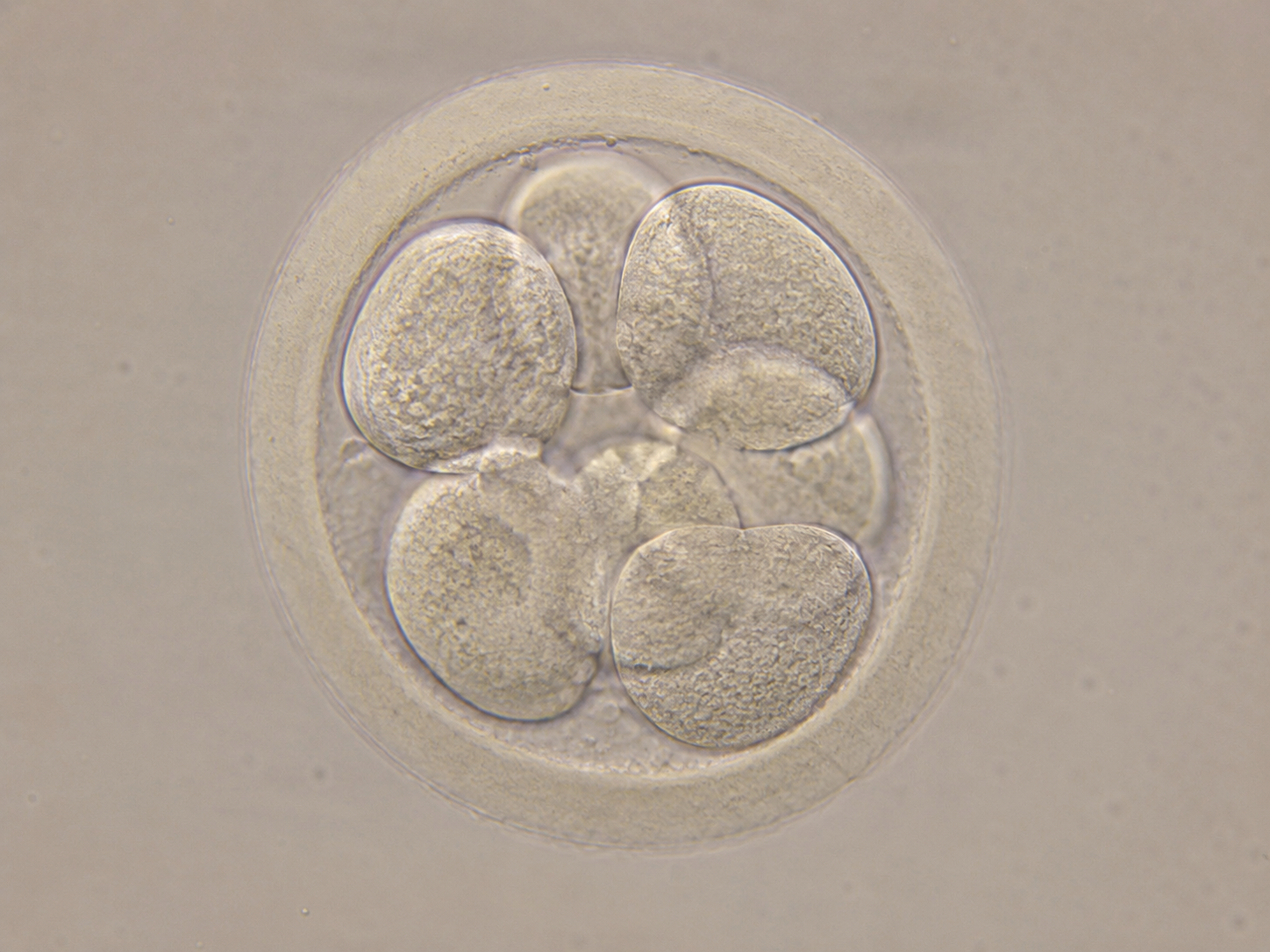
Can Day 7 blastocysts lead to live birth? A review of retrospective IVF studies found lower average success than with Day 5 or Day 6 embryos, including in euploid comparisons. Lower odds, however, do not make the chance zero—especially when few embryos are available.
-
Mounjaro Babies: A Fertility Boost—or a Contraception Gap?
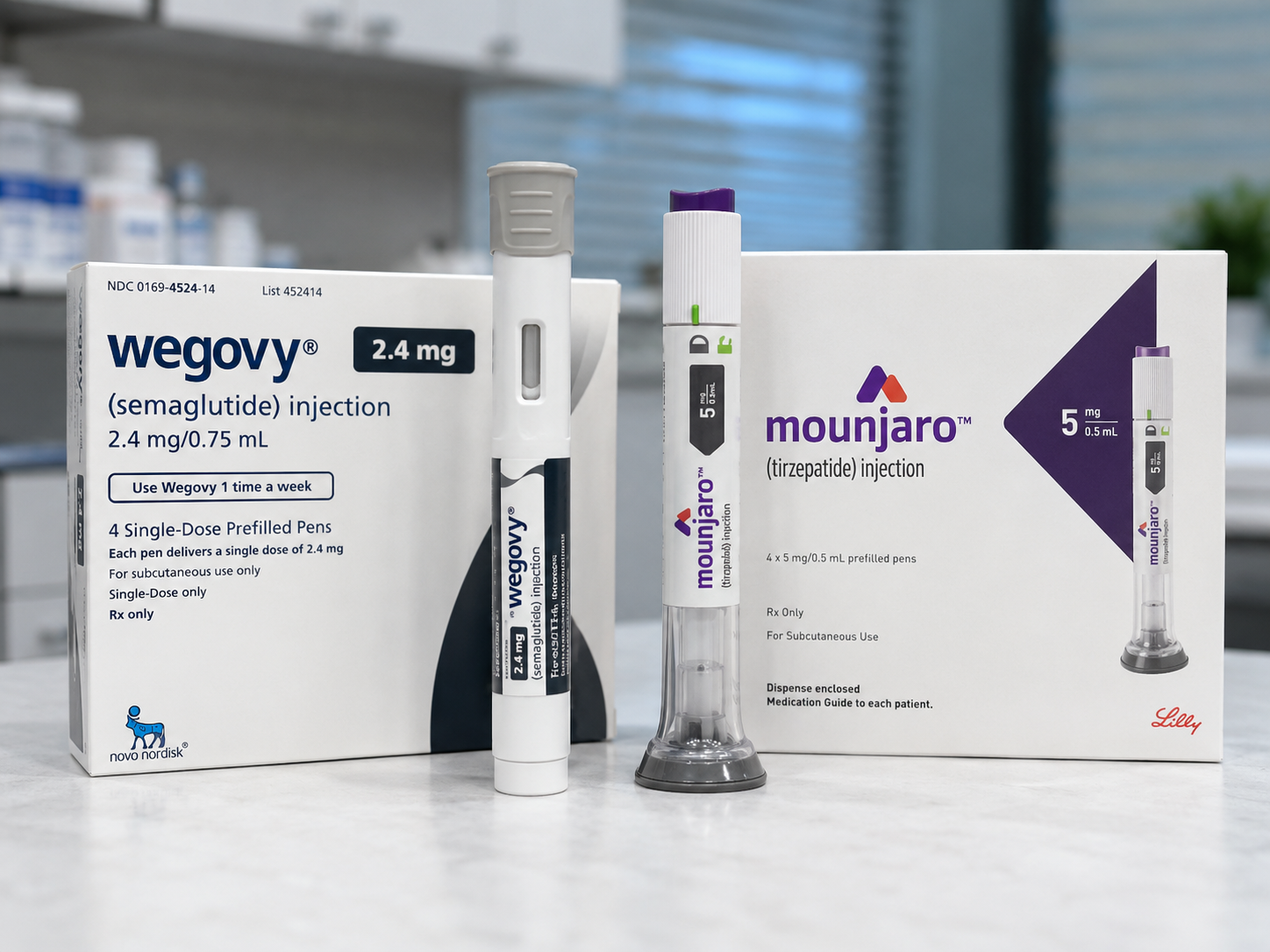
Why are unexpected pregnancies being called “Mounjaro babies”? Weight loss, changing ovulation patterns and tirzepatide’s interaction with oral contraception offer different pieces of the story. These medicines are not established fertility treatments, and pregnancy planning requires attention to product-specific safety guidance.
-
Adenomyosis, Endometriosis and IVF Pregnancy: Why Two Lines Are Not the Finish
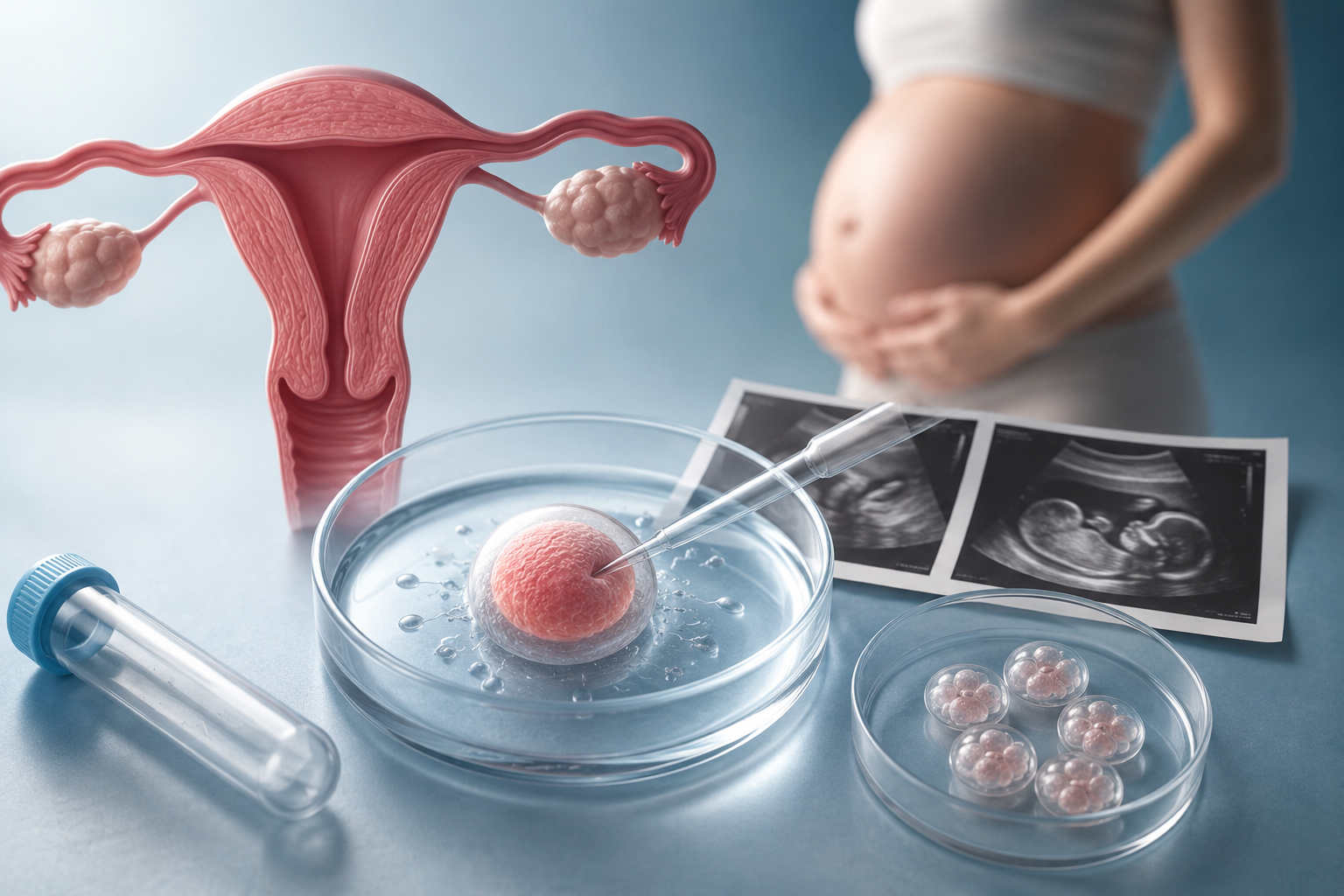
After IVF success, how do adenomyosis and endometriosis relate to pregnancy risks? A study of women who gave birth following IVF or ICSI examined preterm delivery, placental complications and hypertension. The findings shift attention from implantation to prenatal care, without predicting an individual pregnancy’s outcome.
-
Heat and IVF Egg Retrieval: Can Summer Temperatures Leave a Small Trace?

Could hotter weather before IVF egg retrieval be linked with fewer eggs? A large observational study found small associations between apparent temperature and oocyte yield. The findings invite investigation of environmental exposures; they do not mean a heat wave destroys eggs or determines a patient’s result.
-
One Fertilized Egg: Is Waiting Until Day 5 Always Worth the Risk?
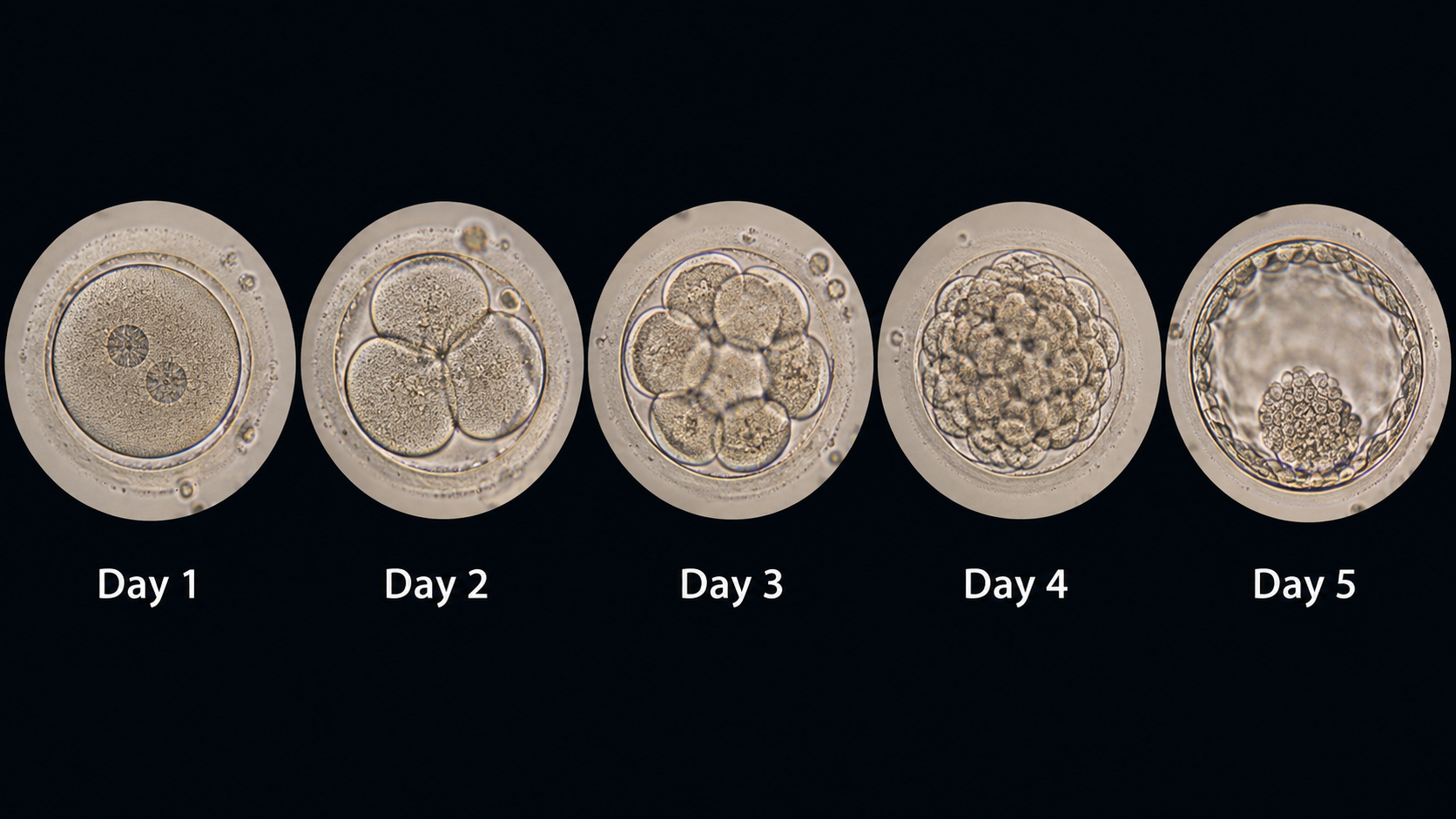
With one fertilized egg in an IVF cycle, is blastocyst culture always the best strategy? An analysis of treatment data compared early cleavage-stage transfer with waiting until Day 5. The trade-off includes both live birth outcomes and the possibility of having no embryo left to transfer.
-
1PN Embryos in IVF: Can Embryos Once Discarded Lead to Live Births?

Can a 1PN embryo lead to a live birth after IVF? A large retrospective study revisited embryos showing one pronucleus at fertilization. Results for selected blastocysts with normal chromosomes and confirmed genetic contributions from both parents challenge automatic exclusion—but do not make every 1PN embryo suitable for transfer.
-
Intrauterine hCG Before Embryo Transfer: More Treatment, More Babies?
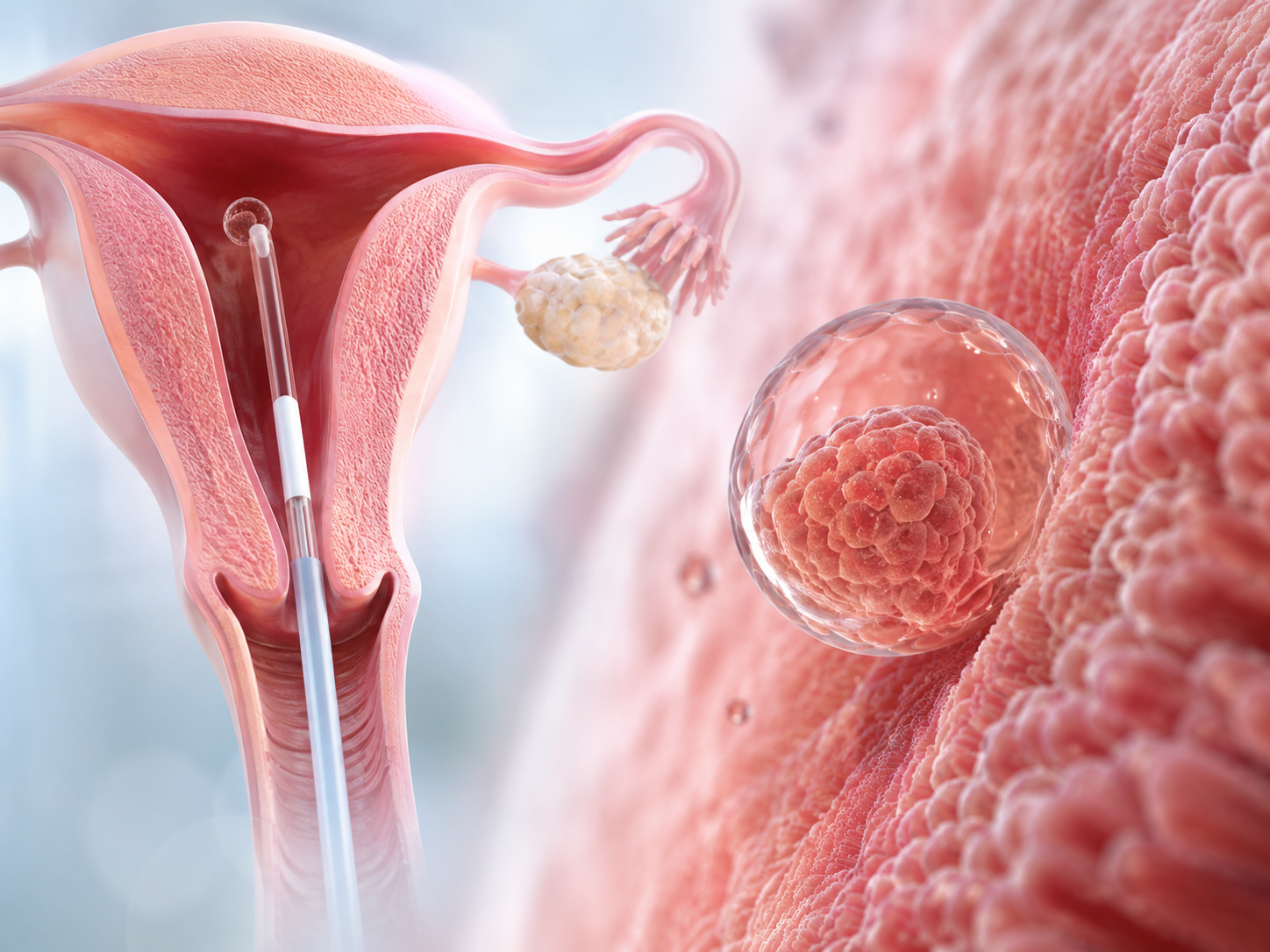
Can intrauterine hCG before embryo transfer improve implantation or live birth? An individual-patient-data review revisited randomized IVF trials and found little evidence of a live birth benefit. The findings underline why a plausible biological signal is not enough to establish a useful add-on.
-
FIND-Chip in IVF: What If Egg Retrieval Left Some Eggs Behind?

Could eggs remain hidden in follicular fluid after IVF egg retrieval? The FIND-Chip study tested a microfluidic approach to recovering oocytes missed during the initial laboratory search. The additional eggs offer an intriguing opportunity, while broader validation is needed before the device becomes standard care.
-
Intralipid for Implantation: How Did a Nutritional IV Become a Fertility Add-On?

Intralipid infusions began as intravenous nutrition, yet some fertility clinics use them in hopes of improving implantation. Does that immunological rationale translate into more live births after IVF? The evidence remains insufficient to establish routine benefit, despite patients’ understandable interest after failed transfers.