
Latest posts
-
Night Shifts and Female Fertility: What Happens When the Body Clock Keeps Moving?

How might night shifts and time-zone changes relate to female reproductive health? Research on irregular schedules explores menstrual patterns, sleep and circadian rhythms. Flight attendants and mariners face different exposures, so findings in one occupation cannot automatically establish risk in another.
-
Romance, Stress and Fertility: Can a Movie Move More Than Your Heart?

Can a romance movie influence fertility? Research on attachment, stress and the brain offers an intriguing biological story, but it does not show that watching films improves IVF success. Emotional well-being matters in its own right, without making patients responsible for pregnancy outcomes through their mood.
-
Childhood BMI and Later Childbirth: Can Age Six Leave a Long Shadow?
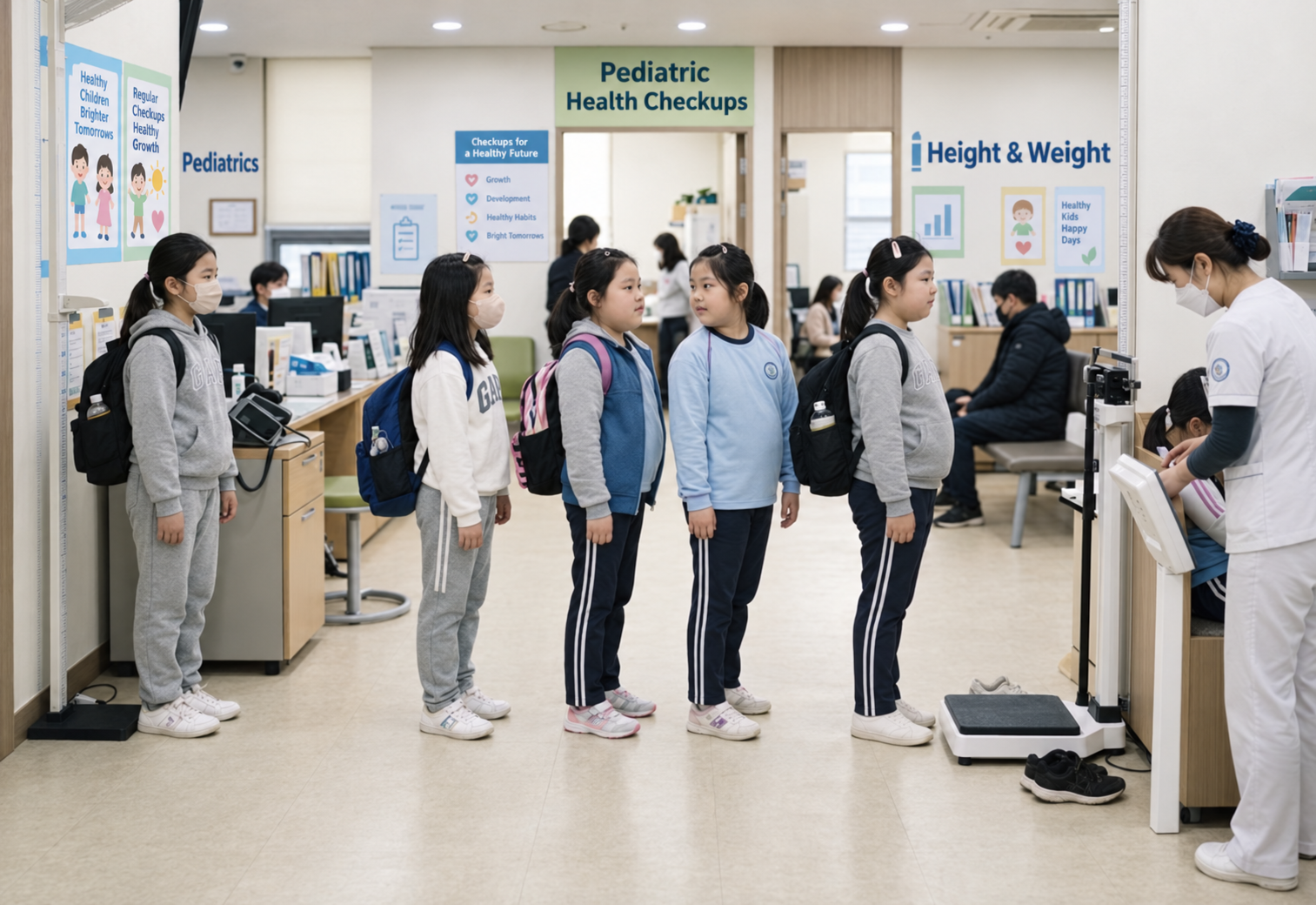
Does childhood body weight relate to childbearing decades later? A Danish registry study linked BMI trajectories with adult childbirth patterns, while finding no clear corresponding difference in clinical infertility diagnoses. The distinction matters: biological, social and family-formation factors can all shape who has children.
-
BPA in Canned Food: What Is Hiding Behind the Convenience?
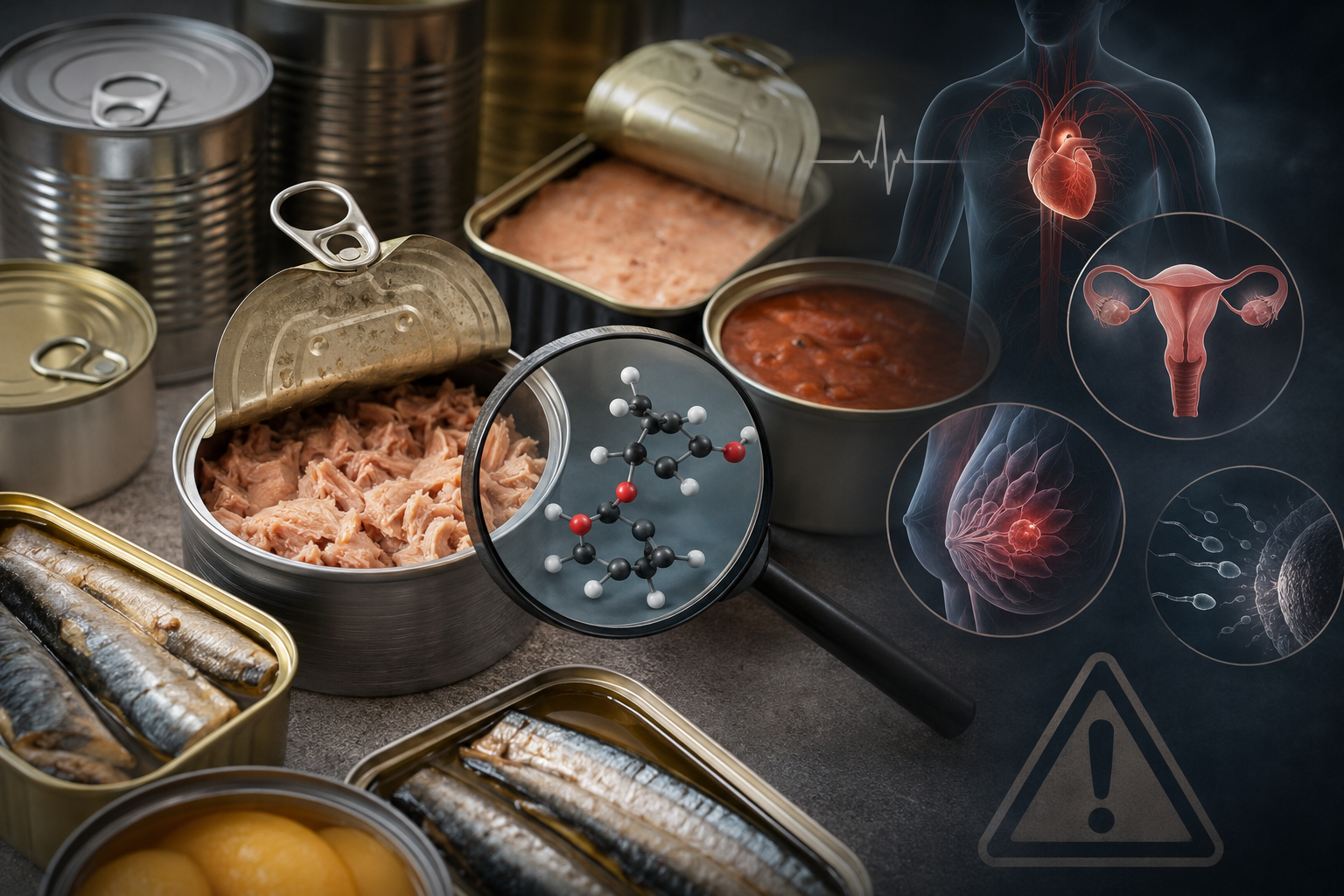
Could chemicals used in food-can linings affect reproductive health? Research on BPA and endocrine disruption has raised questions about everyday exposure, alongside cardiovascular concerns. Exposure patterns, dose and the limits of human evidence matter more than assuming every canned meal causes harm.
-
Donor Egg IVF After 49: Why Young Eggs Do Not Erase Every Age-Related Risk
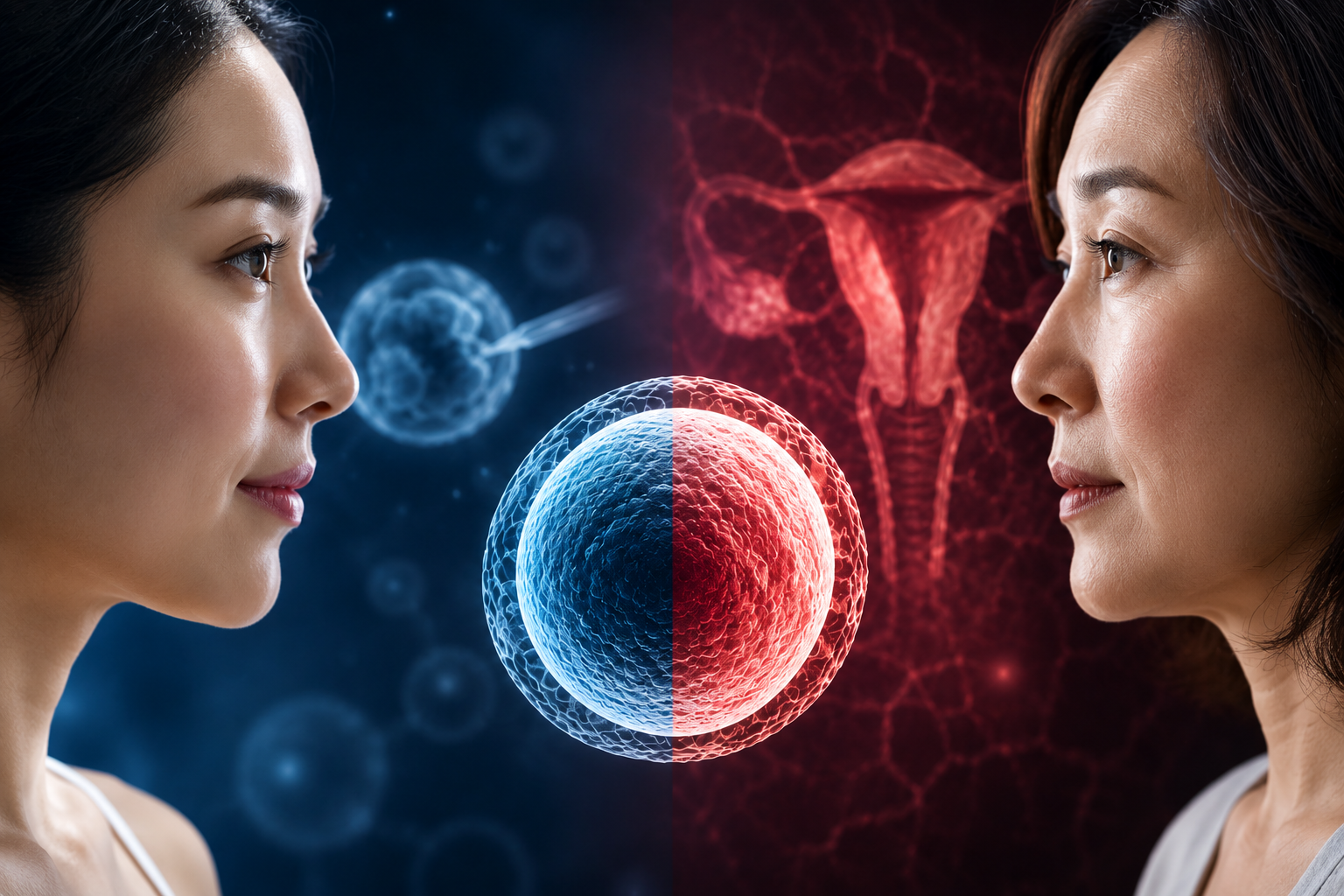
Does using young donor eggs make the recipient’s age irrelevant? Research on donor egg IVF reports differences in pregnancy and live birth outcomes at older recipient ages. Egg age is only part of the picture, and these observations do not isolate uterine aging from overall health or other factors.
-
The Uterine Microbiome and IVF: Could Tiny Microbes Explain a Failed Transfer?
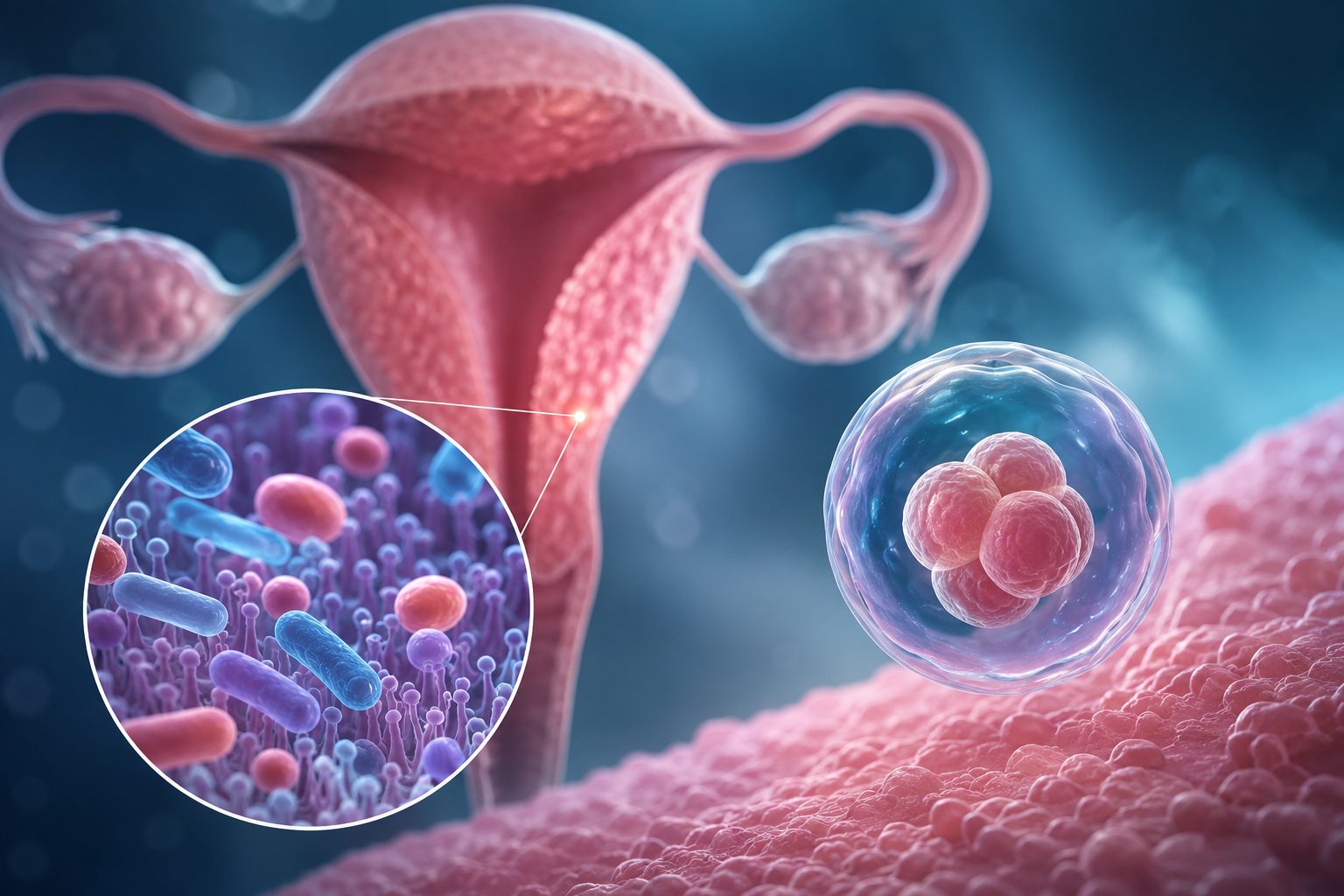
Could the endometrial microbiome help explain why IVF outcomes differ? Studies have linked uterine microbial patterns with pregnancy and receptivity signals. The findings are intriguing, but sampling challenges and inconsistent results mean an association is not yet a reliable test or proven treatment.
-
Swimming During Your Period: Is Menstruation Really the Risk?

Is swimming during a period unsafe? The question brings together menstrual products, comfort and the quality of the water itself. Reviewing infection risks and menstrual hygiene helps separate a familiar taboo from the practical factors that make a swimming environment safer.
-
Fruit, Pesticides and IVF: Was Fruit Really the Problem?
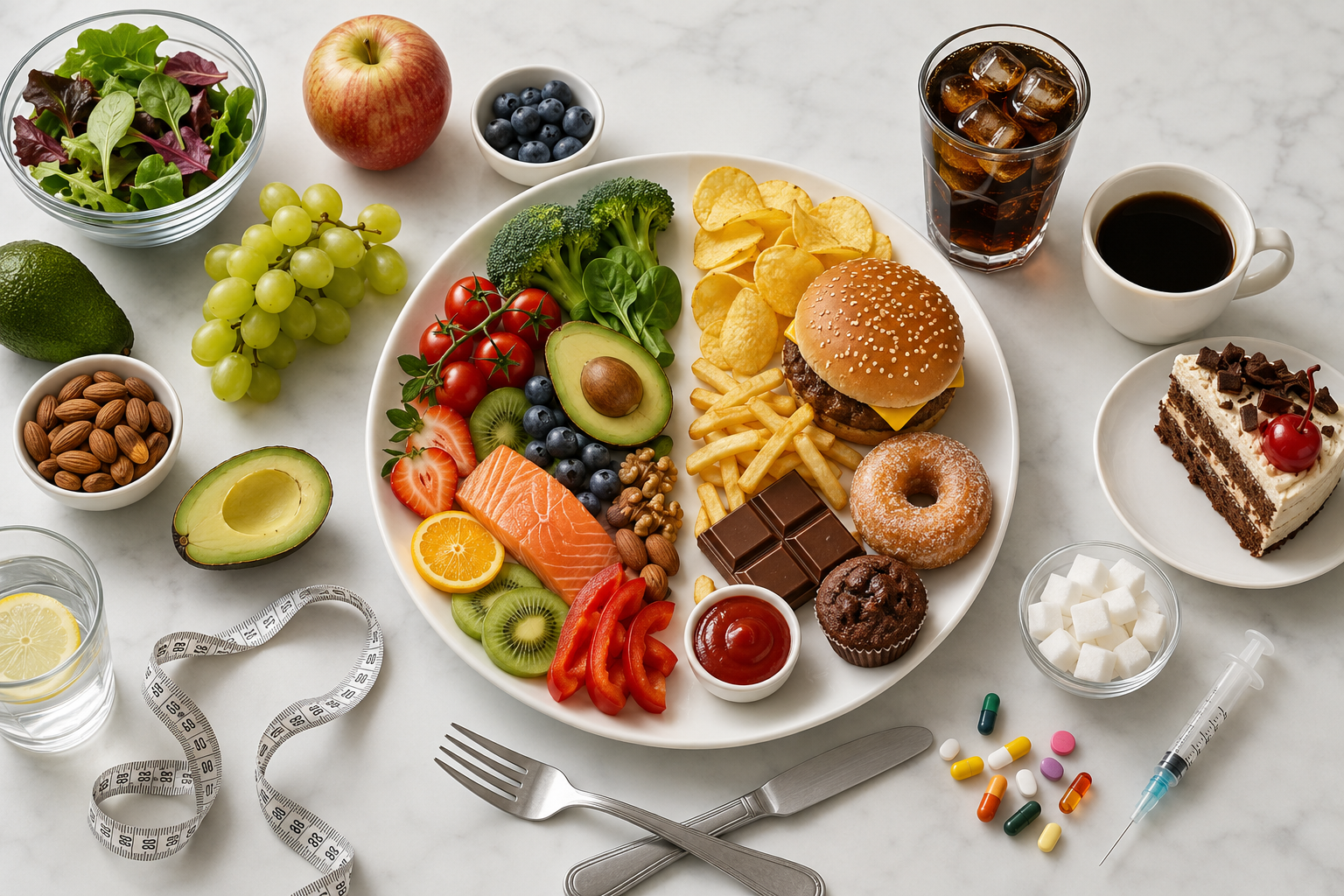
Does eating fruit make pregnancy less likely? An observational IVF study linked estimated pesticide-residue exposure from produce with reproductive outcomes, rather than establishing fruit itself as harmful. The findings call for careful interpretation, not a blanket reason to avoid fruits and vegetables.
-
Frozen Embryo Storage in a Power Outage: What Really Keeps Them Safe?
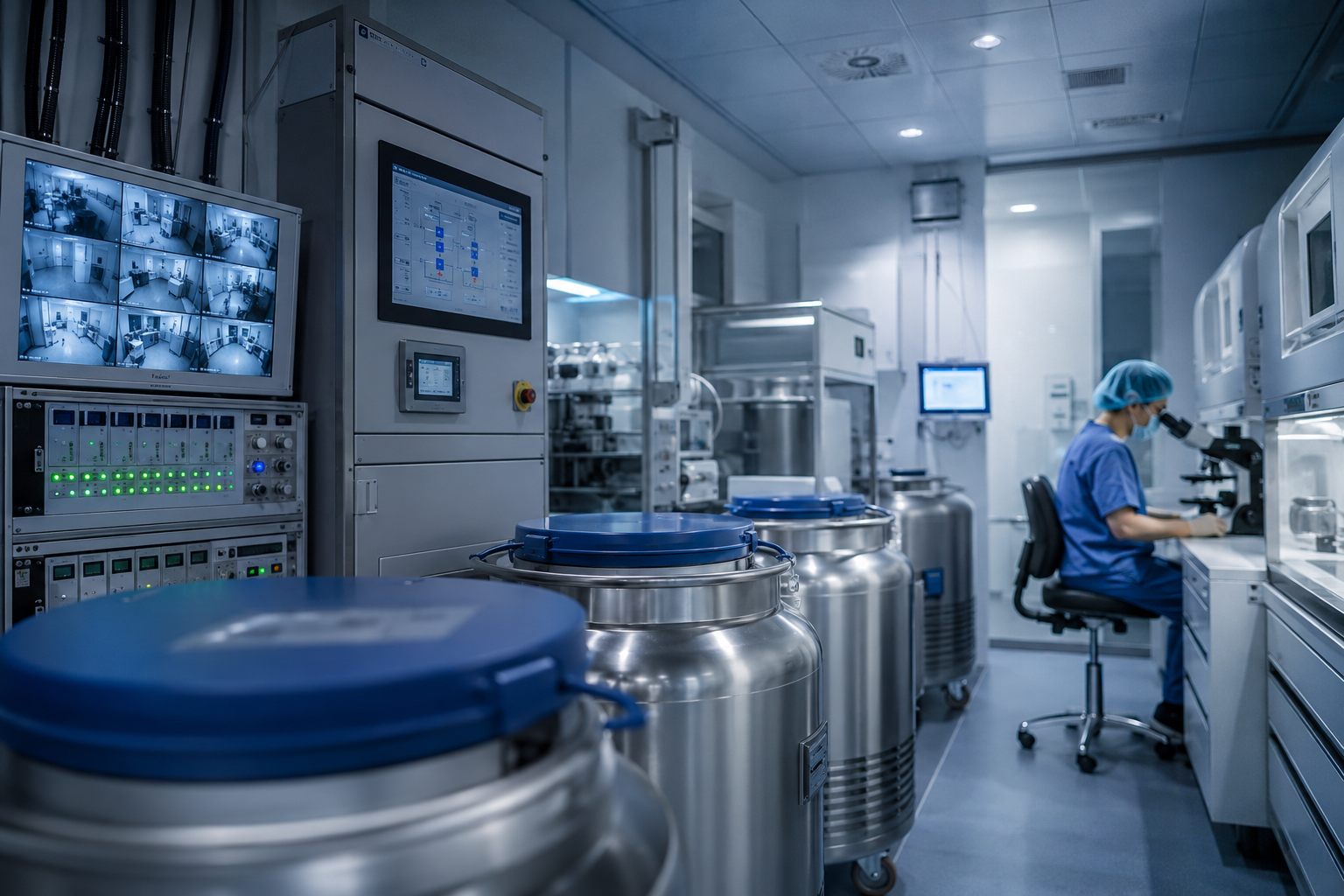
What happens to frozen embryos when a fertility clinic loses power? Liquid-nitrogen storage differs from an electric freezer, but alarms, monitoring and emergency response still matter. Understanding those layers of protection offers more useful reassurance than assuming that every clinic is equally prepared.
-
AI Embryo Selection: Can a 3D Look Inside Reveal What a Microscope Misses?
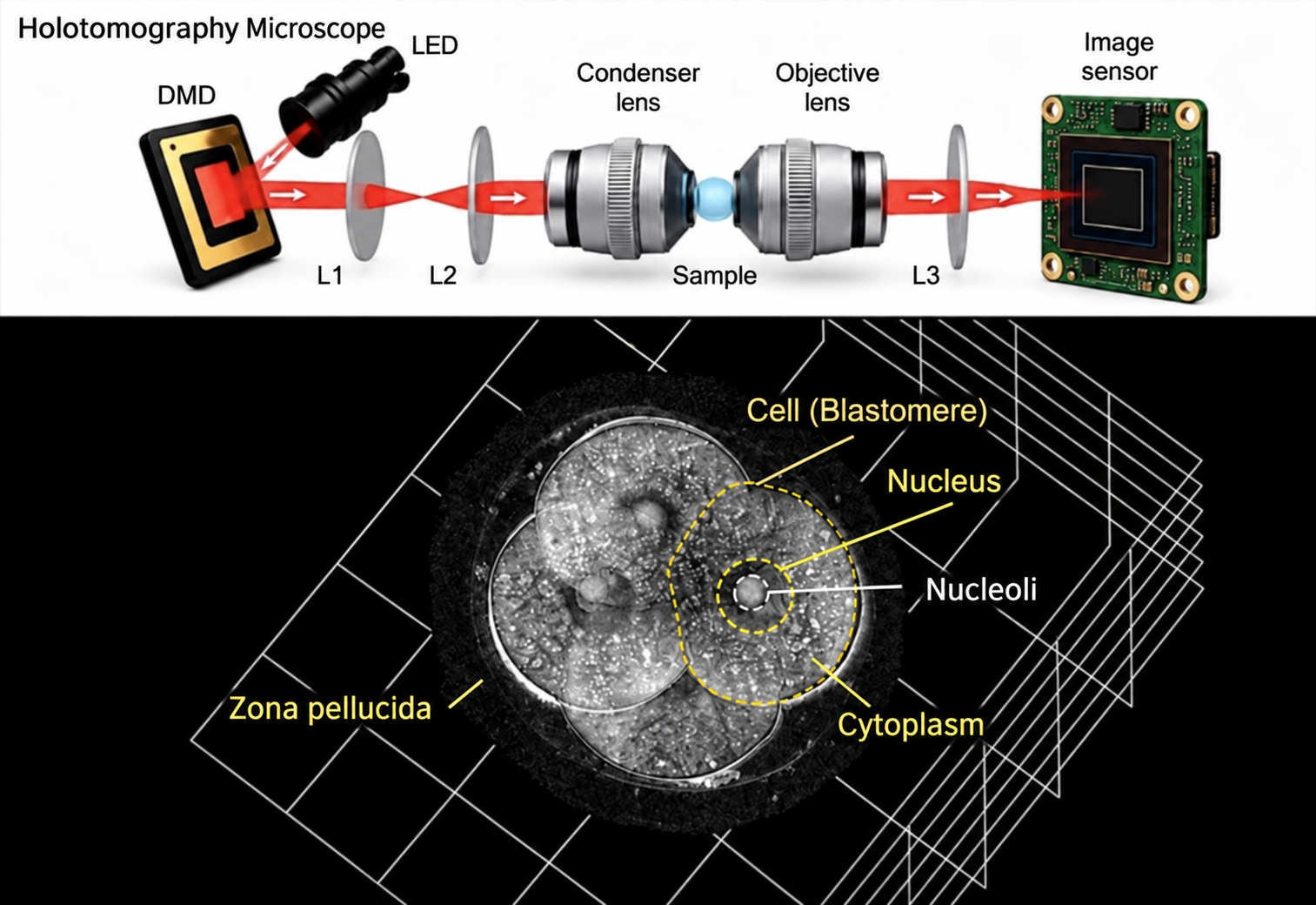
Can holotomography help select embryos for IVF? KAIST researchers used label-free 3D imaging to study the internal structure of early mouse embryos and their developmental potential. The findings open a route toward quantitative assessment, while improved implantation or live birth in patients still needs clinical validation.