
Latest posts
-
MRKH Syndrome: No Periods, Painful Sex—and Can I Have Children?
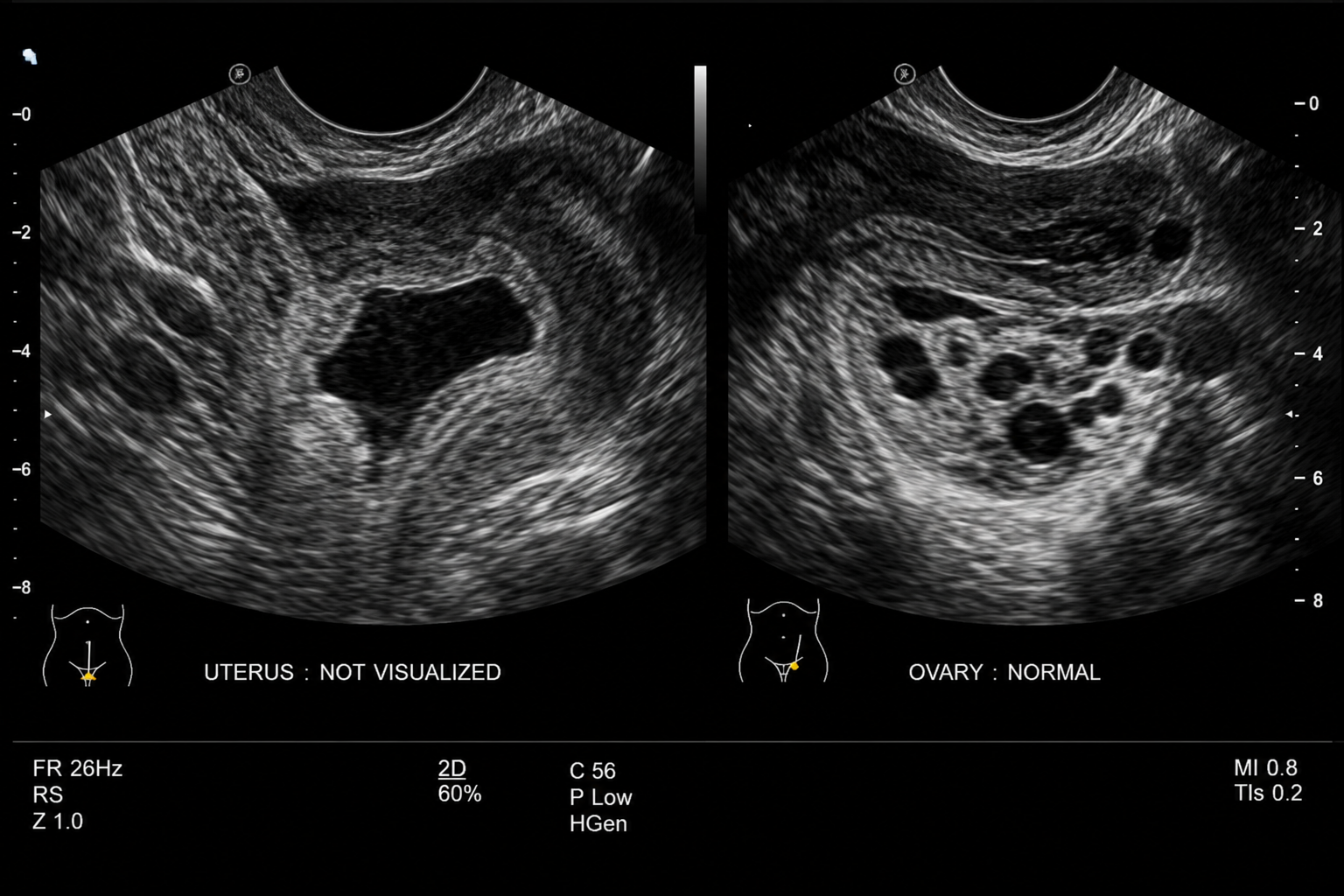
What is MRKH syndrome, and how can ovaries function when the uterus or upper vagina has not developed normally? This congenital condition can explain absent periods and difficulty with penetration. Diagnosis opens discussions about treatment, emotional support and family-building options, whose availability varies by country and clinical setting.
-
Egg Freezing Success: Why the Age You Store May Matter Most
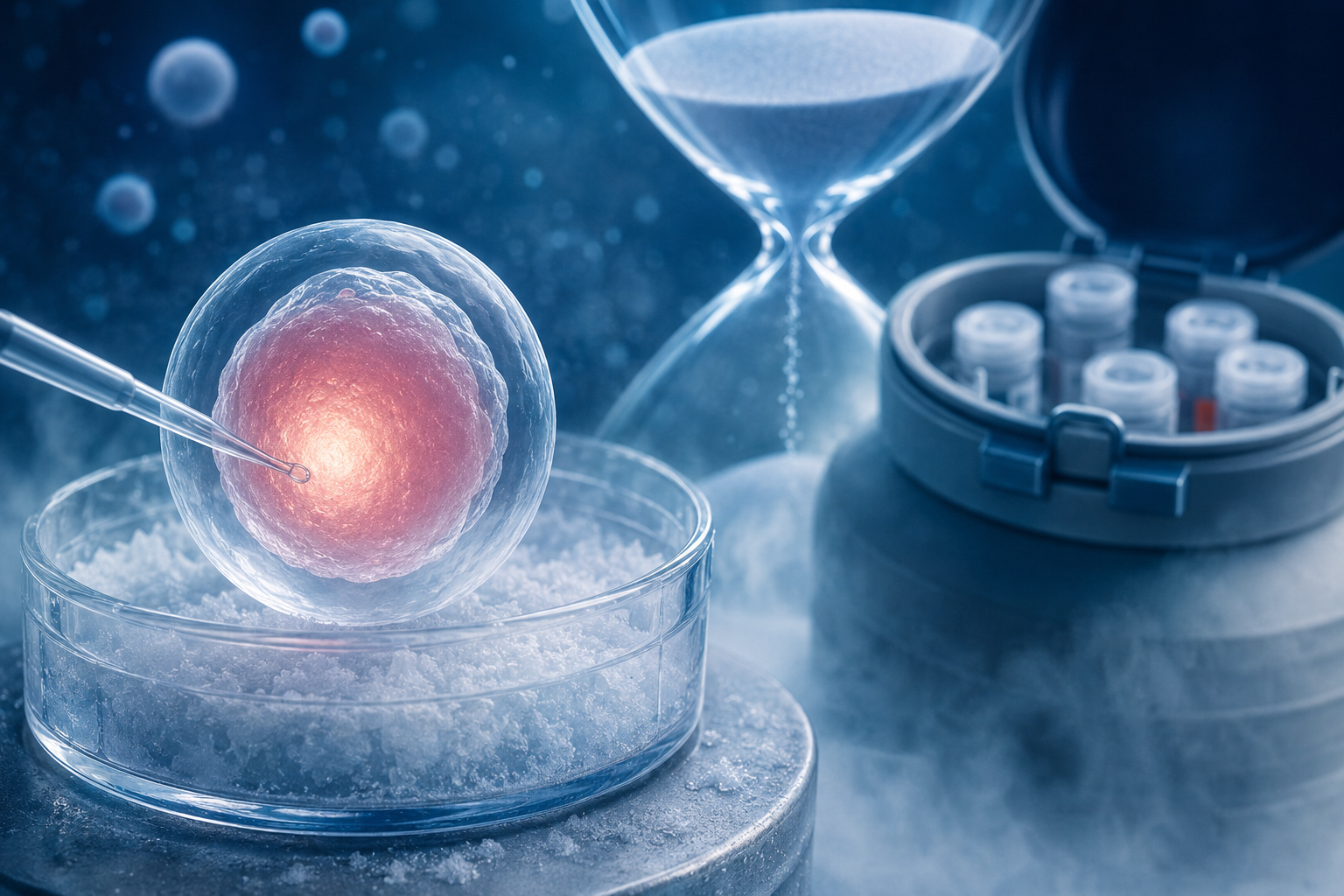
Does the age at egg freezing matter more than the year the eggs are used? Planned oocyte cryopreservation can preserve an option for future IVF, but cannot guarantee a baby. Age at retrieval, the number of mature eggs stored and individual circumstances all shape that possibility.
-
South Korea’s Low Birth Rate: What Heungbu’s Twelve Children Reveal

What can a Korean folktale tell us about South Korea’s low birth rate? This column rereads Heungbu and Nolbu through housing, education, childcare and the changing economics of family life. Its question is not which brother was wiser, but what makes raising children feel possible in a modern society.
-
Endometrial Microbiome and IVF: Could an Invisible Ecosystem Matter?
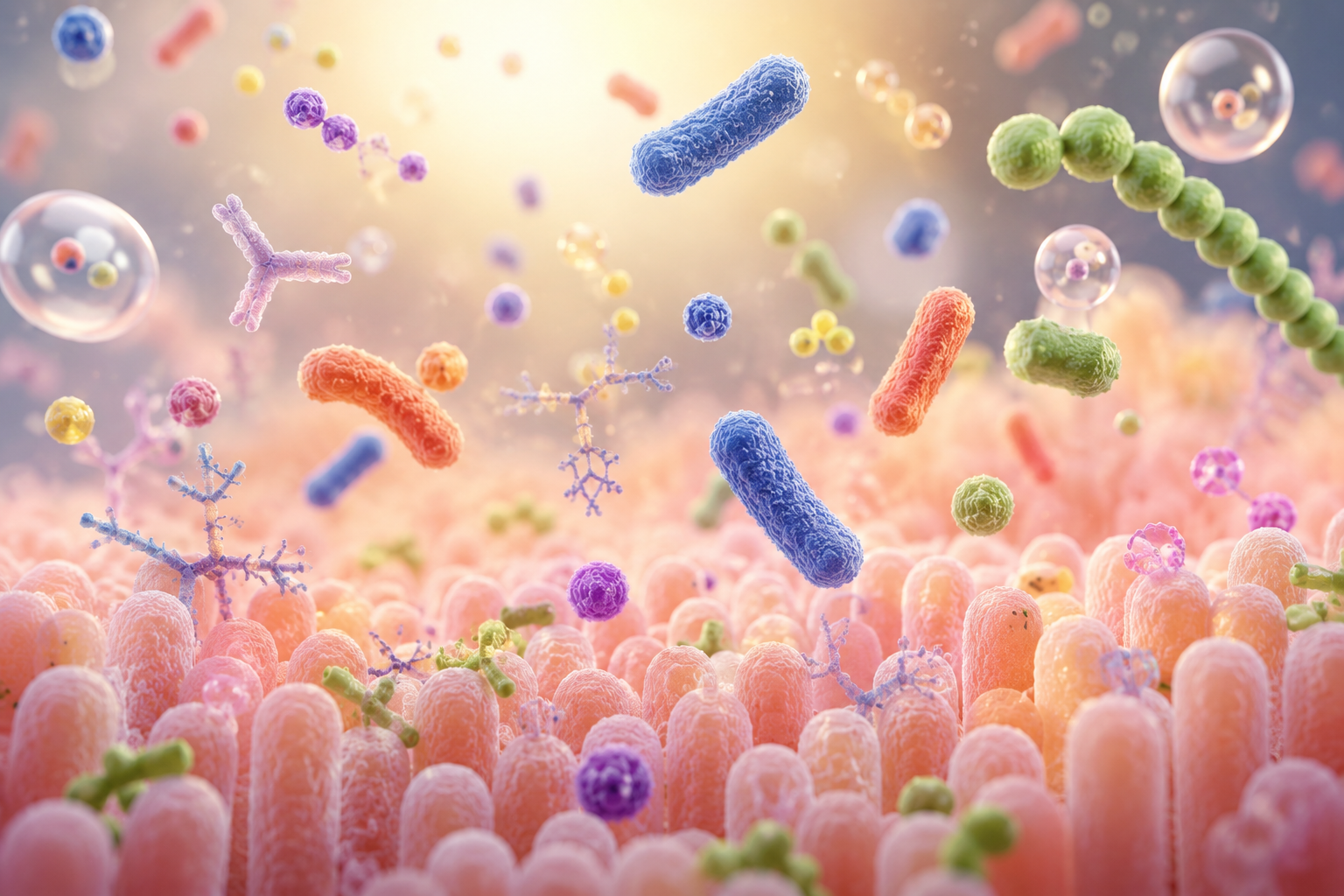
Could microorganisms in the endometrium help explain IVF implantation outcomes? Endometrial microbiome research is drawing attention to a low-biomass environment that is difficult to sample reliably. Associations with pregnancy are intriguing, but contamination, inconsistent definitions and limited treatment evidence prevent routine testing from becoming a universal answer.
-
Endometriosis Beyond the Pelvis: Why the Immune System Is in the Spotlight
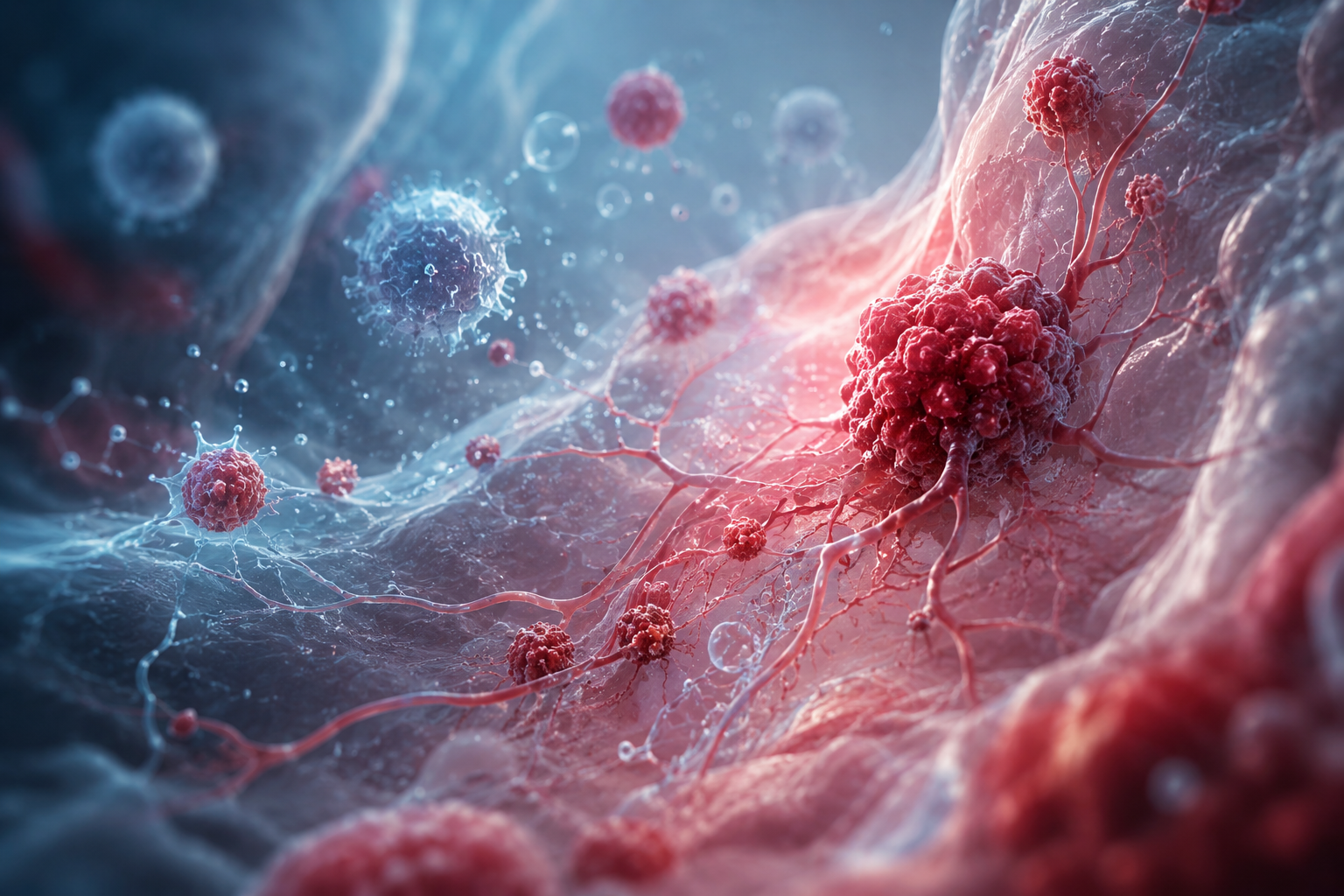
Why is endometriosis increasingly discussed as a condition with systemic effects? Researchers are studying inflammation, immune signaling, nerves and the microbiome alongside pelvic lesions and fertility. These directions broaden understanding, but do not establish routine immune testing or experimental immunotherapy as standard care.
-
Indoor Mold and Fertility: Can the Enemy at Home Reach the Uterus?
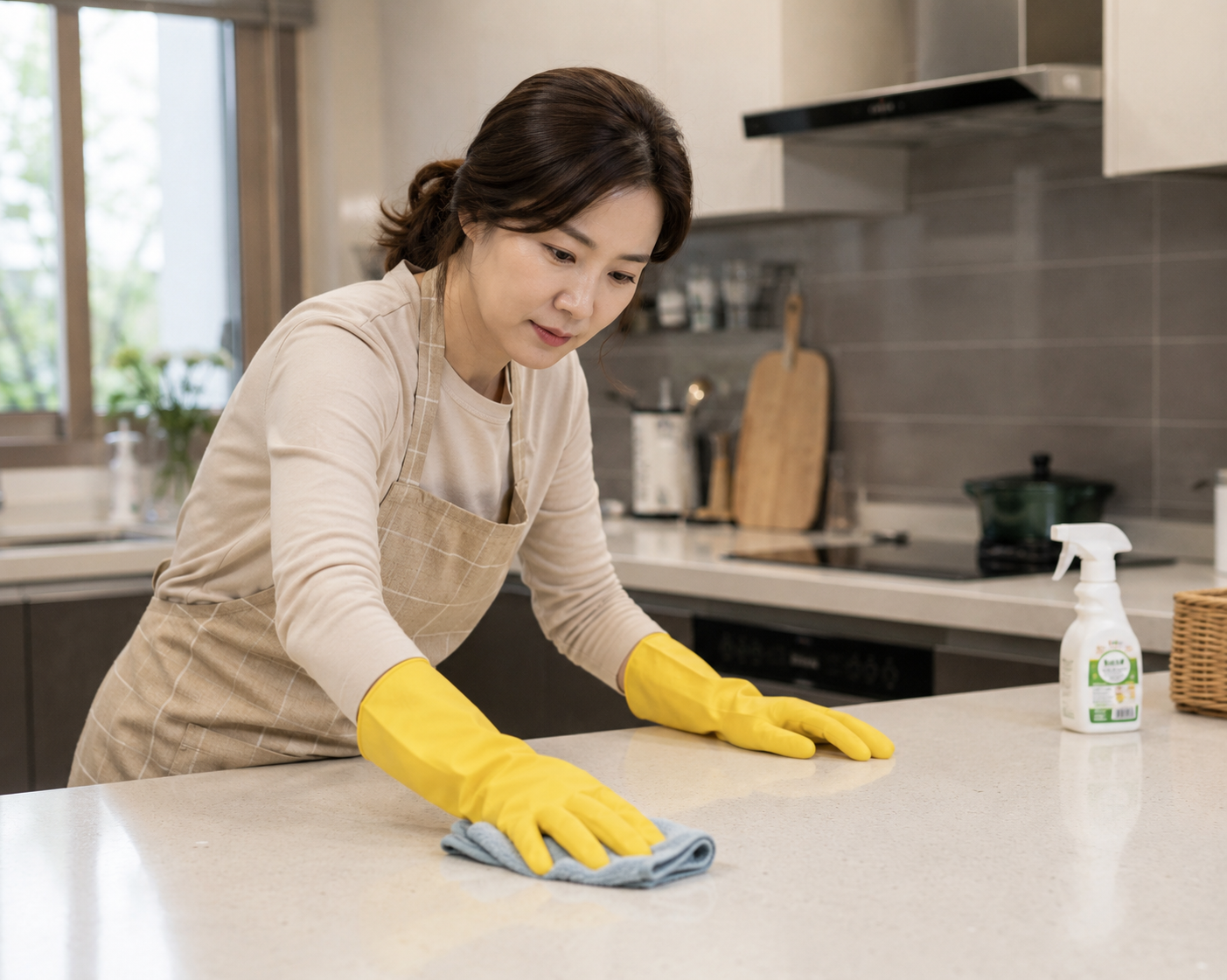
Could indoor mold affect reproductive health? Research on mycotoxins raises questions about exposure and ovarian biology, while damp buildings have recognized respiratory and allergy risks. Finding a toxin does not identify a household source or prove infertility, and cleaning mold is not a demonstrated IVF treatment.
-
High Heels and Pelvic Pain: What Changes Seven Centimeters Above the Ground?

Can high heels change more than the way you walk? Posture, muscle loading and pelvic discomfort are the focus of this article, with a clear distinction between pain and infertility. Evidence does not establish that wearing heels impairs ovulation or prevents pregnancy.
-
Iron-Deficiency Anemia and Heavy Periods: Overweight, Yet Running Low?
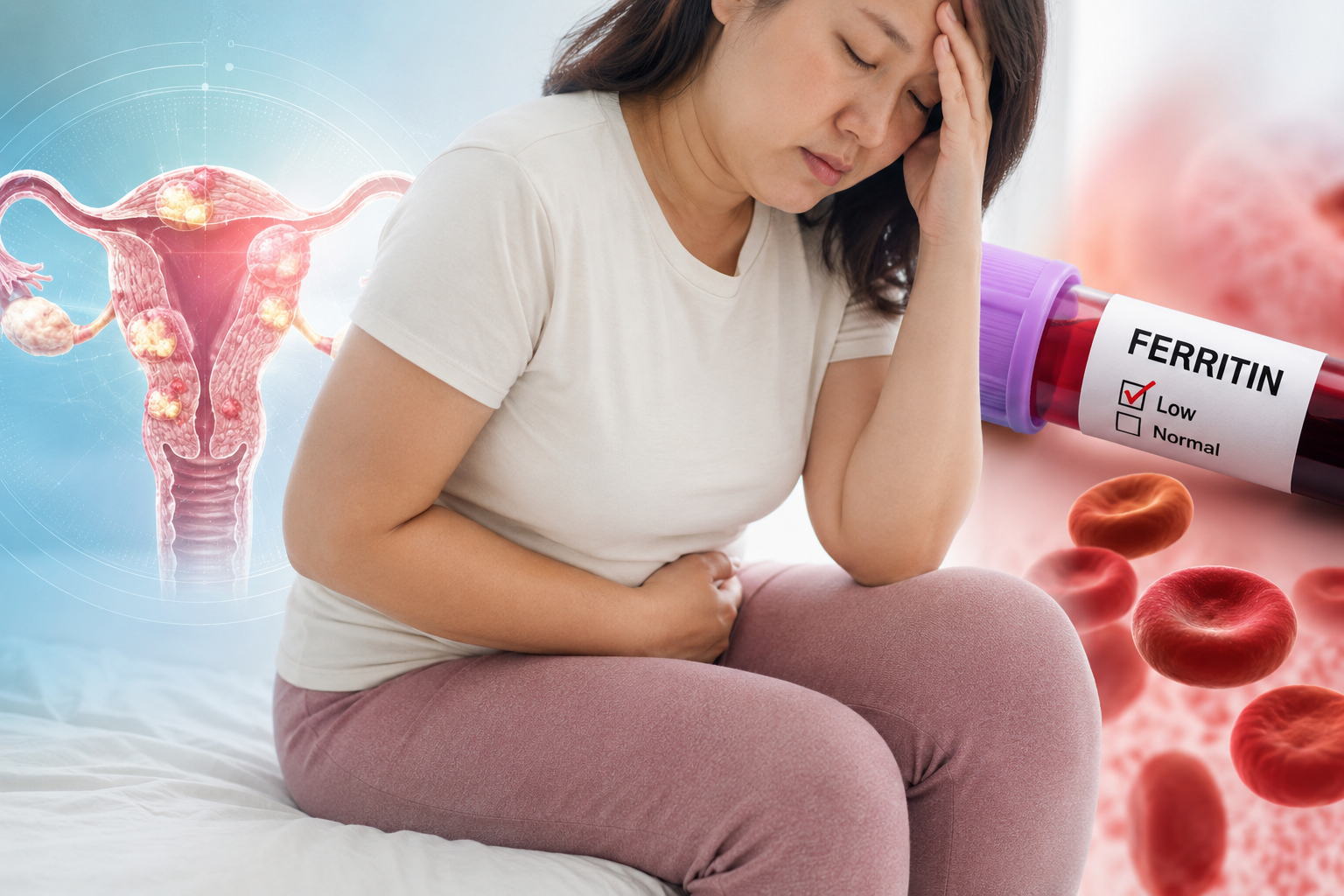
Can someone who eats well and has a higher body weight still develop iron-deficiency anemia? Heavy menstrual bleeding from adenomyosis or fibroids can deplete iron stores regardless of body size. Replacing iron and identifying ongoing blood loss belong in the same conversation, particularly when pregnancy is planned.
-
Heatwaves and Fertility: A Heating Earth, Cooling Sperm?

Heatwaves and fertility are becoming a reproductive-health question as extreme temperatures expose sperm to heat stress. Evidence is stronger for changes in semen quality than for direct effects on human eggs or IVF live birth. What does a hotter summer mean for couples trying to conceive?
-
Does Love Lower Your IQ? The Brain Science Behind Falling in Love

Does love lower your IQ, or simply pull your attention somewhere else? The neurobiology of love explores dopamine, oxytocin, attachment and stress. These findings help explain familiar feelings, but they do not establish that romance lowers intelligence or improves fertility.