
Latest posts
-
IVF and Autism Risk: What a 1.3-Million-Child Study Can—and Cannot—Tell Us
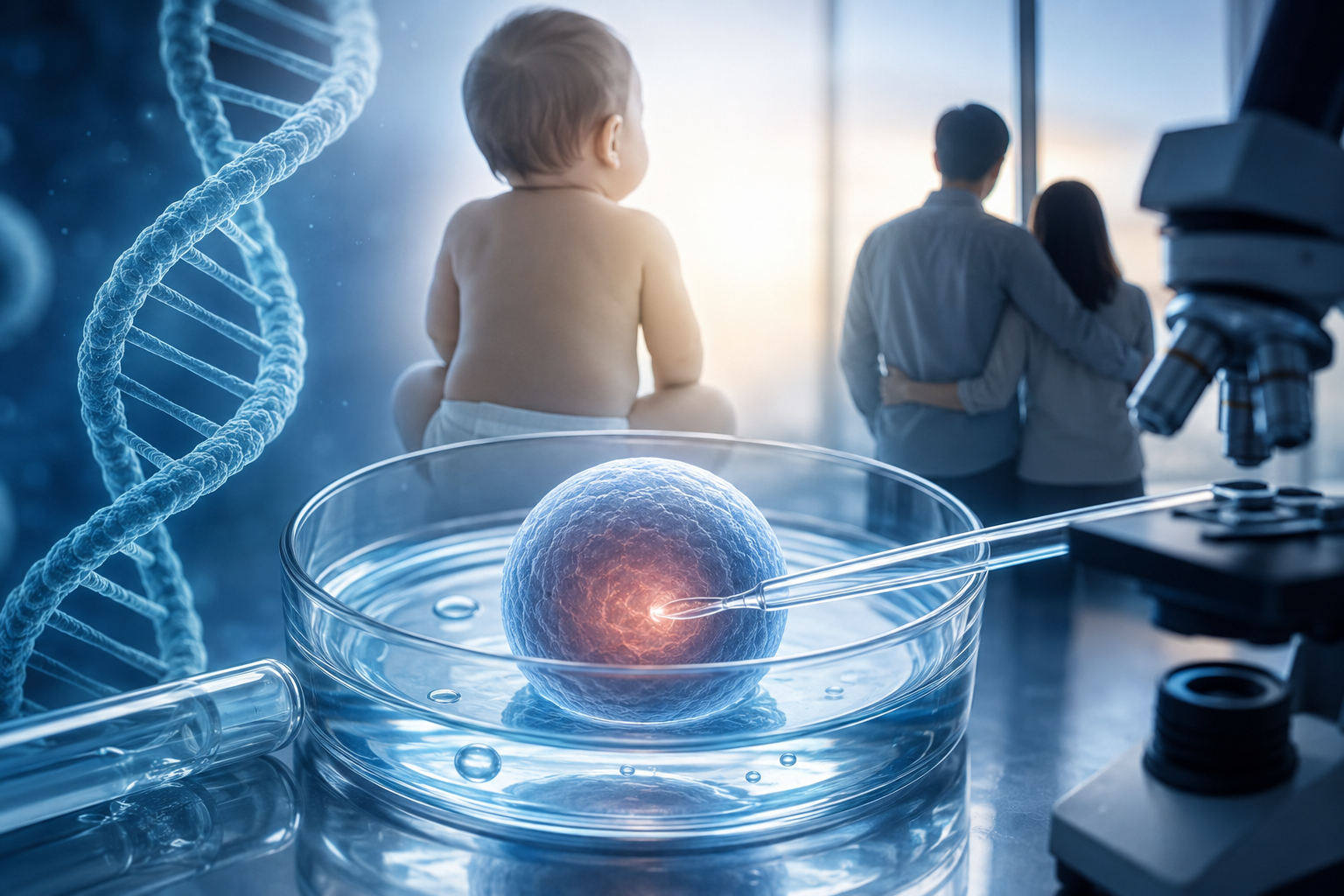
IVF and autism risk cannot be understood by comparing treatment labels alone. A large Ontario cohort found a modest association between parental infertility and autism diagnoses, partly linked to pregnancy and newborn factors. Observational data do not prove that IVF—or a parent’s lifestyle—causes autism.
-
Milk and Kidney Stones: A Surprising Question for Men Planning a Family
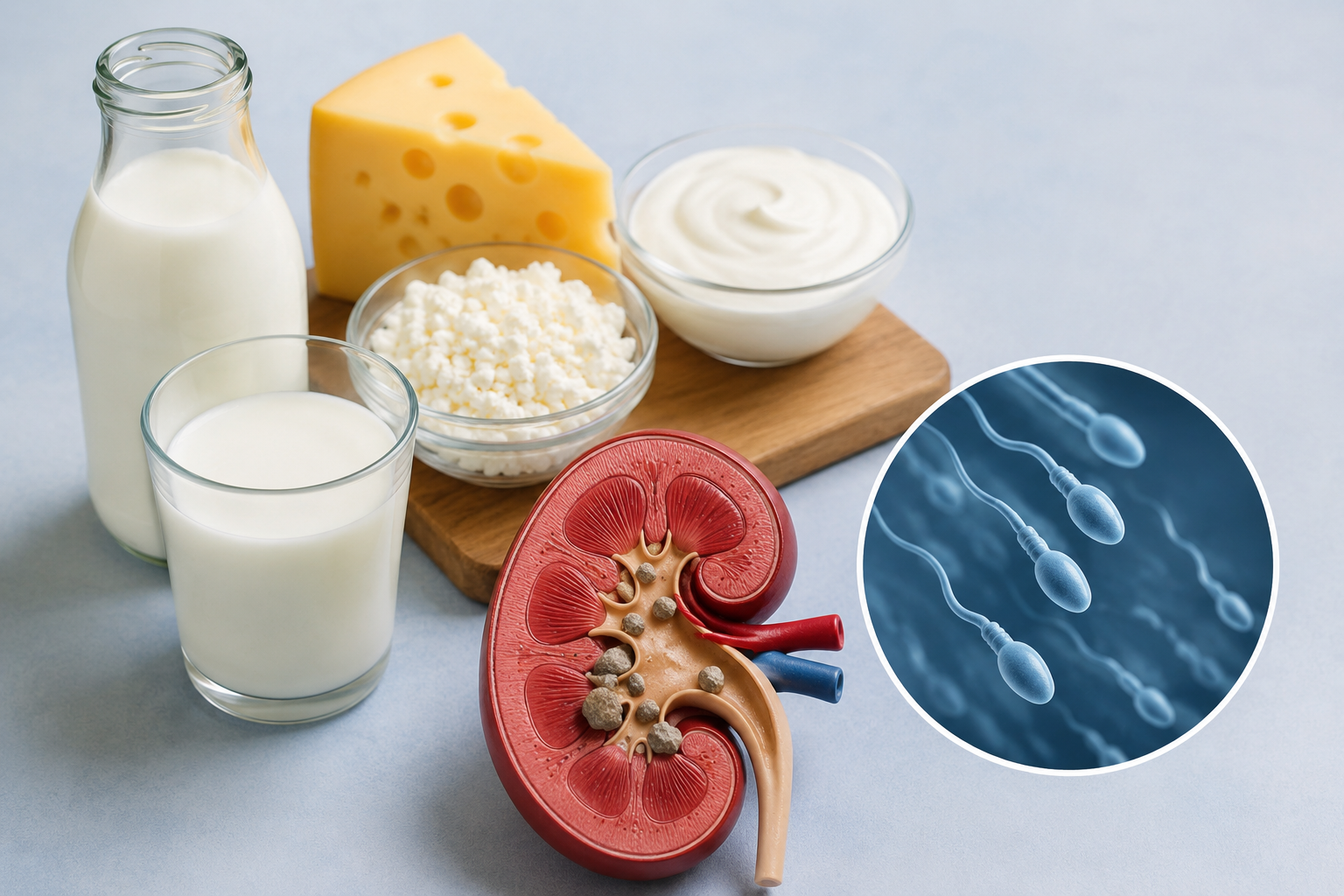
Milk and kidney stones have a more complicated relationship than “calcium makes stones.” Dietary calcium can reduce intestinal oxalate absorption, while stone type and individual risk matter. That does not make milk a fertility treatment or establish that one beverage determines sperm quality.
-
Past Obesity and Cancer: Why Today’s BMI May Miss Part of the Story
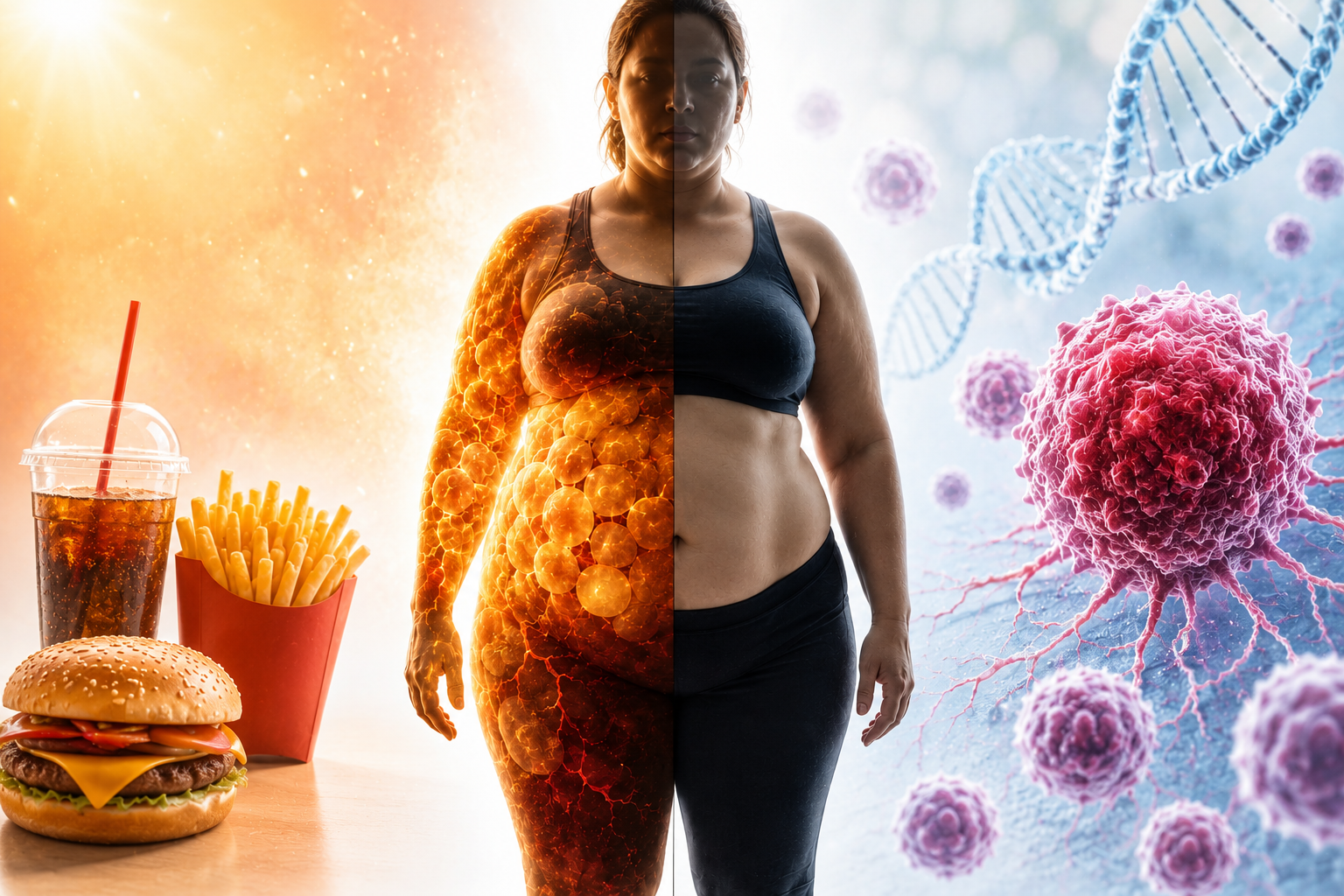
Past obesity and cancer research raises a question a single BMI cannot answer: what was a person’s weight history? A study of people receiving cancer treatment found that historical measurements identified more prior obesity. It did not prove that past weight caused each cancer or that risk can never change.
-
Egg Rejuvenation Research: A Time Machine for IVF—or an Early Laboratory Signal?
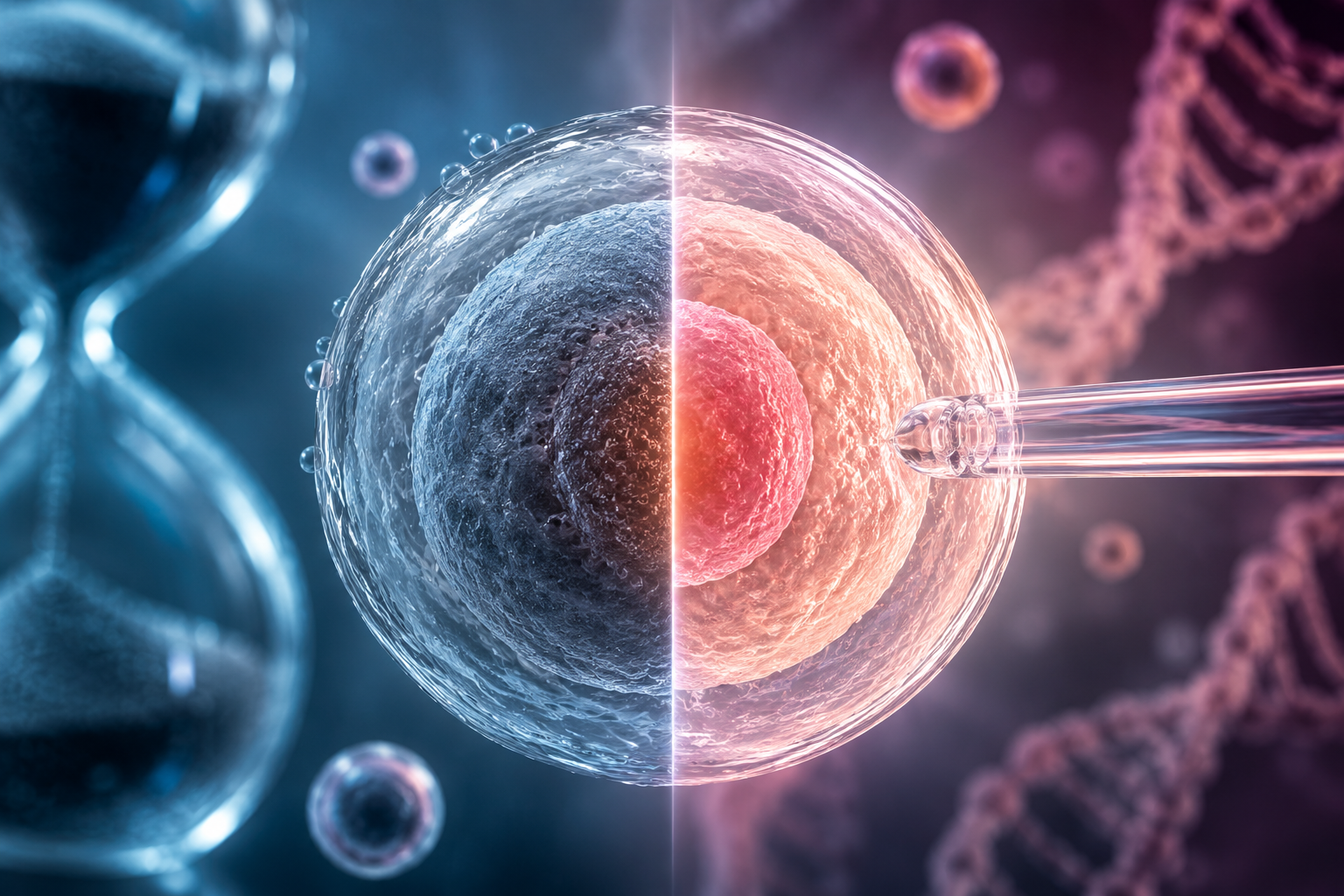
Egg rejuvenation research aims to address age-related changes that embryo selection cannot reverse. Early human-egg laboratory findings have attracted headlines, but company announcements and conference data do not establish safer pregnancies or more live births. The distance from cellular improvement to clinical treatment is still substantial.
-
Animal Prints and the Allure of Scarcity: Why the Tiger Outshines the Rabbit

Animal prints and the allure of scarcity offer a provocative starting point for this opinion column on value, symbolism and parenthood. The tiger-and-rabbit comparison is a cultural metaphor, not reproductive science. Its question is how societies assign meaning to what feels rare—and what that framing leaves out.
-
Wegovy, Mounjaro and IVF: Where Does Weight-Loss Treatment Fit?
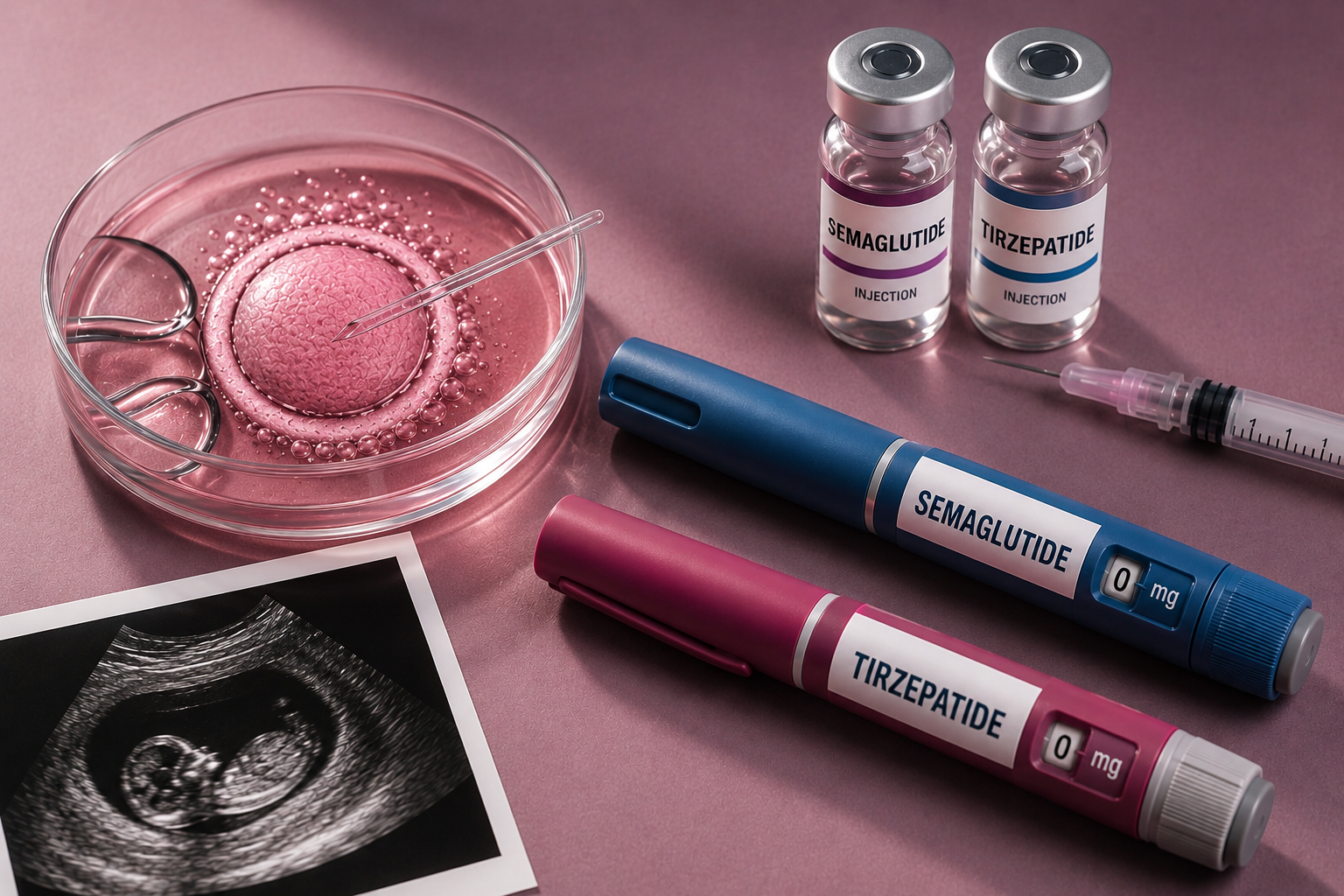
Wegovy, Mounjaro and IVF require coordinated planning rather than a simple yes-or-no answer. GLP-1 medicines are not recommended during pregnancy, and drug-specific washout periods apply before trying to conceive. Egg-retrieval anesthesia, contraception and management of the underlying condition also need discussion.
-
Cumulative IVF Success Rates: The Number Behind “Try Again”
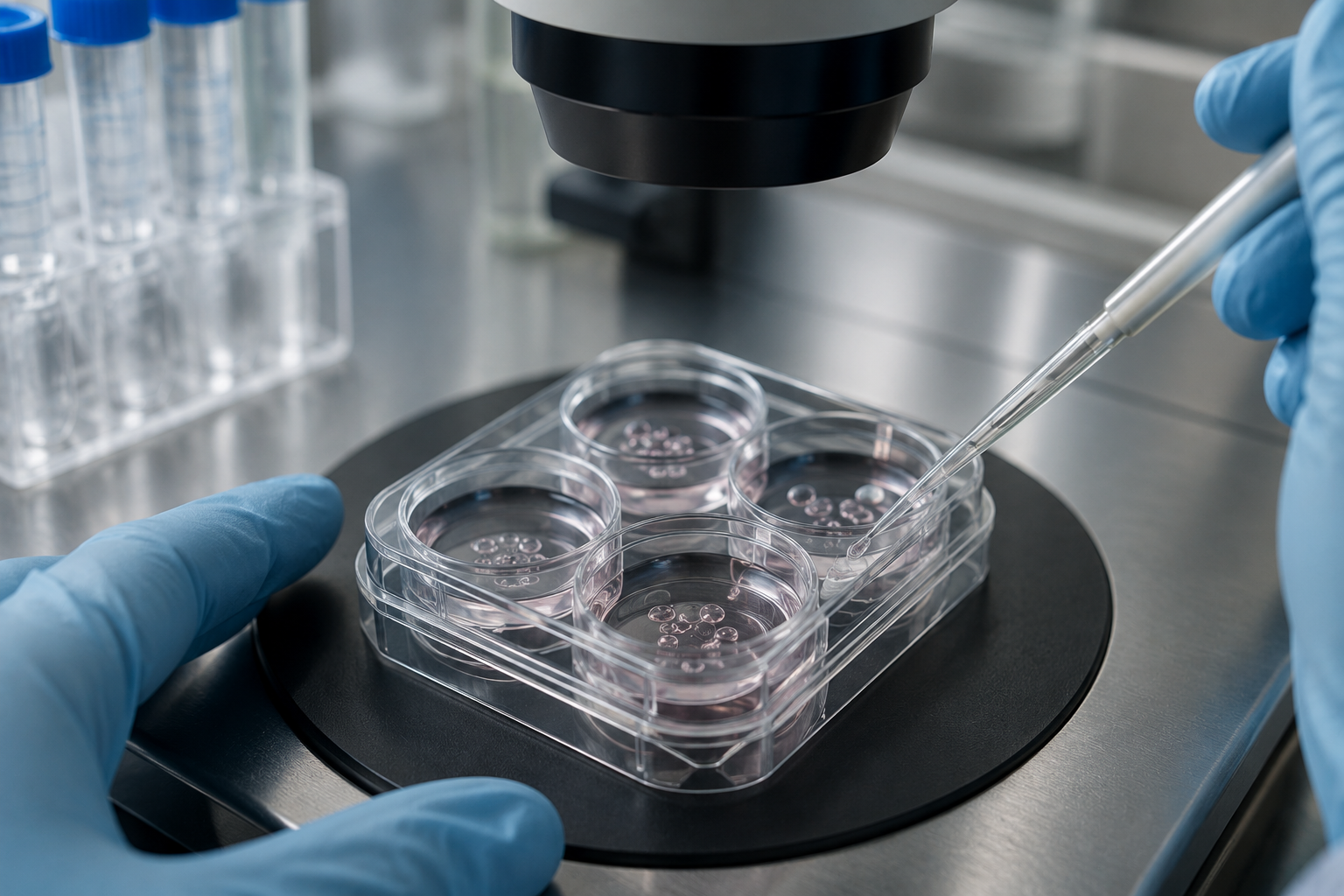
Cumulative IVF success rates combine outcomes across specified attempts, but the definition matters. A rate covering all transfers from one retrieval is not the same as a rate across several retrieval cycles. Age, dropouts and patient selection change the picture; a rising group rate is never a personal guarantee.
-
Pelvic Inflammatory Disease and Fertility: The Quiet Infection Worth Taking Seriously
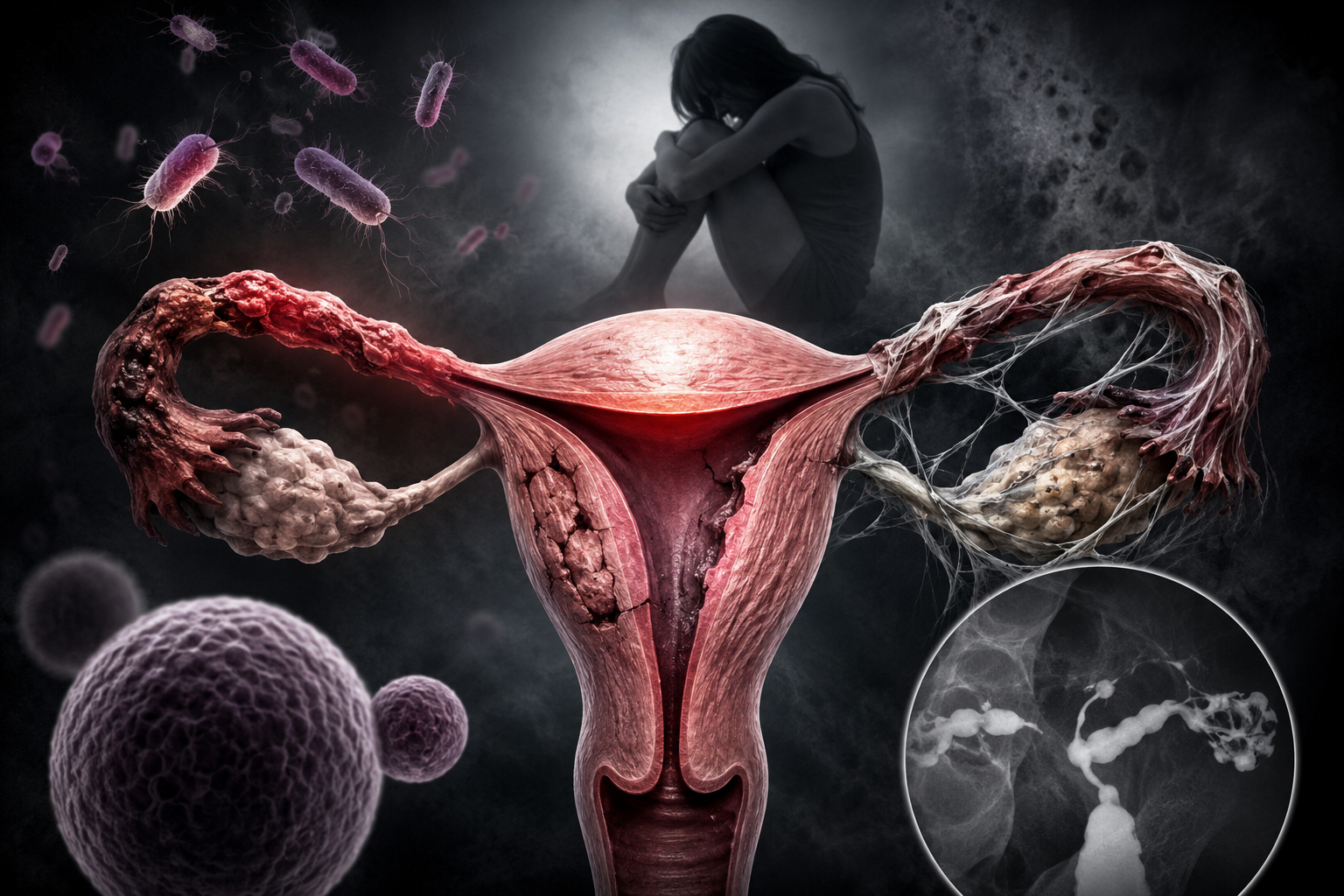
Pelvic inflammatory disease can damage fallopian tubes and increase the risk of infertility or ectopic pregnancy, even when symptoms are mild. It does not cause permanent infertility in every person. Prompt treatment matters, and later fertility options depend on the extent and location of any damage.
-
Flour, Sugar and IVF: Is the Dessert Really to Blame?

Flour, sugar and IVF are often linked through claims about inflammation and egg quality. A sustainable eating pattern can support health, especially with diabetes or PCOS, but an unsuccessful cycle cannot be blamed on one dessert. There is no universal evidence-based rule that all IVF patients must avoid wheat.
-
Non-Invasive Fetal Sequencing: Could a Blood Test Read Far More of the Genome?
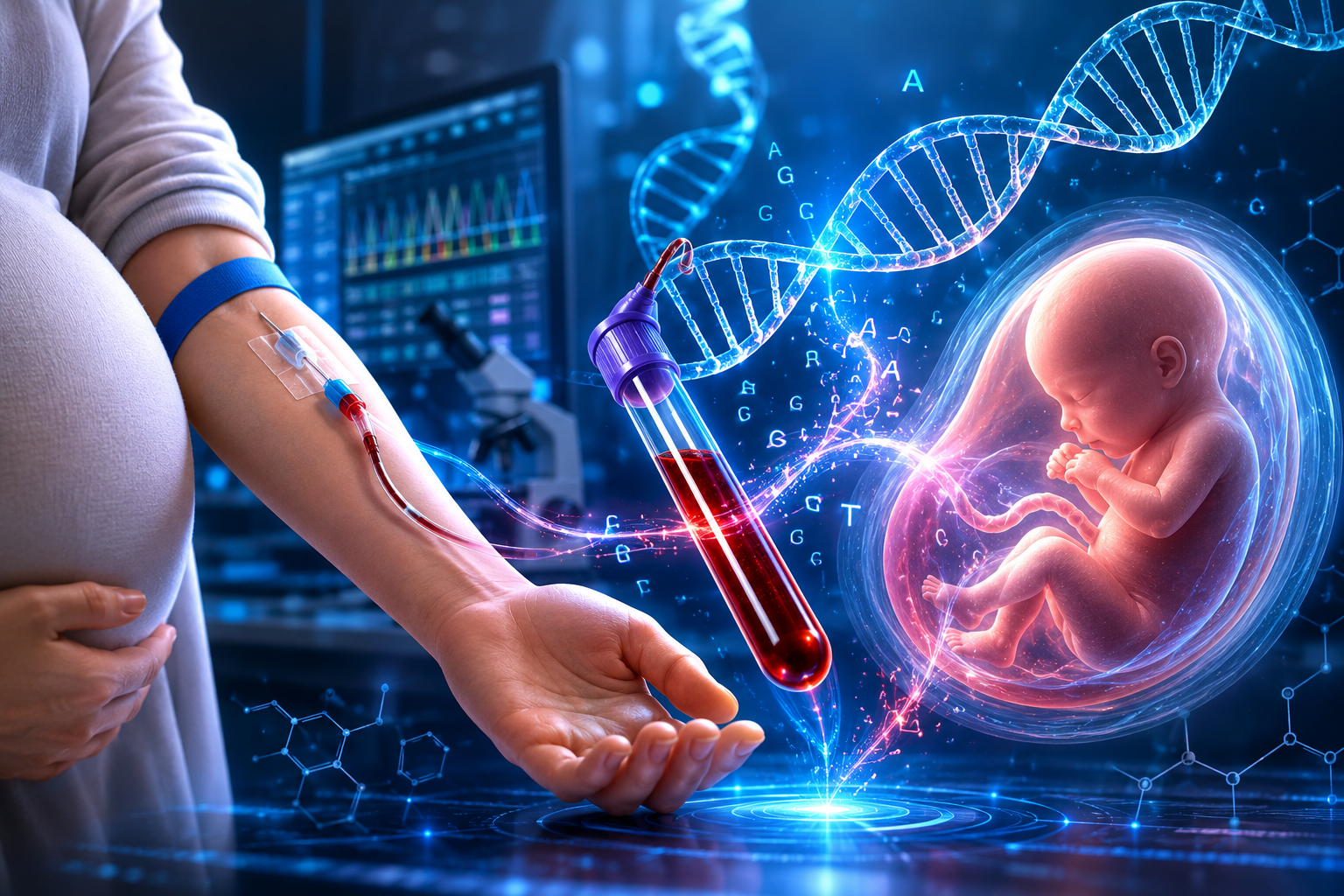
Non-invasive fetal sequencing, or NIFS, aims to expand what can be learned from maternal blood beyond standard NIPT. Research presented at ESHG 2026 compared sequencing results in 565 pregnancies. Promising variant detection does not yet mean that every pregnancy can replace invasive diagnosis with a blood test.