
Latest posts
-
Stress and Fertility: Why Happiness Is Not a Requirement for Pregnancy

Stress and fertility are often discussed as though calmness were another treatment patients must master. This column challenges that burden. Emotional support matters for well-being, but anxiety is not evidence that someone caused infertility or failed to earn a pregnancy. Neither reassurance nor resilience guarantees an outcome.
-
Diminished Ovarian Reserve: When Less Stimulation Deserves a Serious Conversation
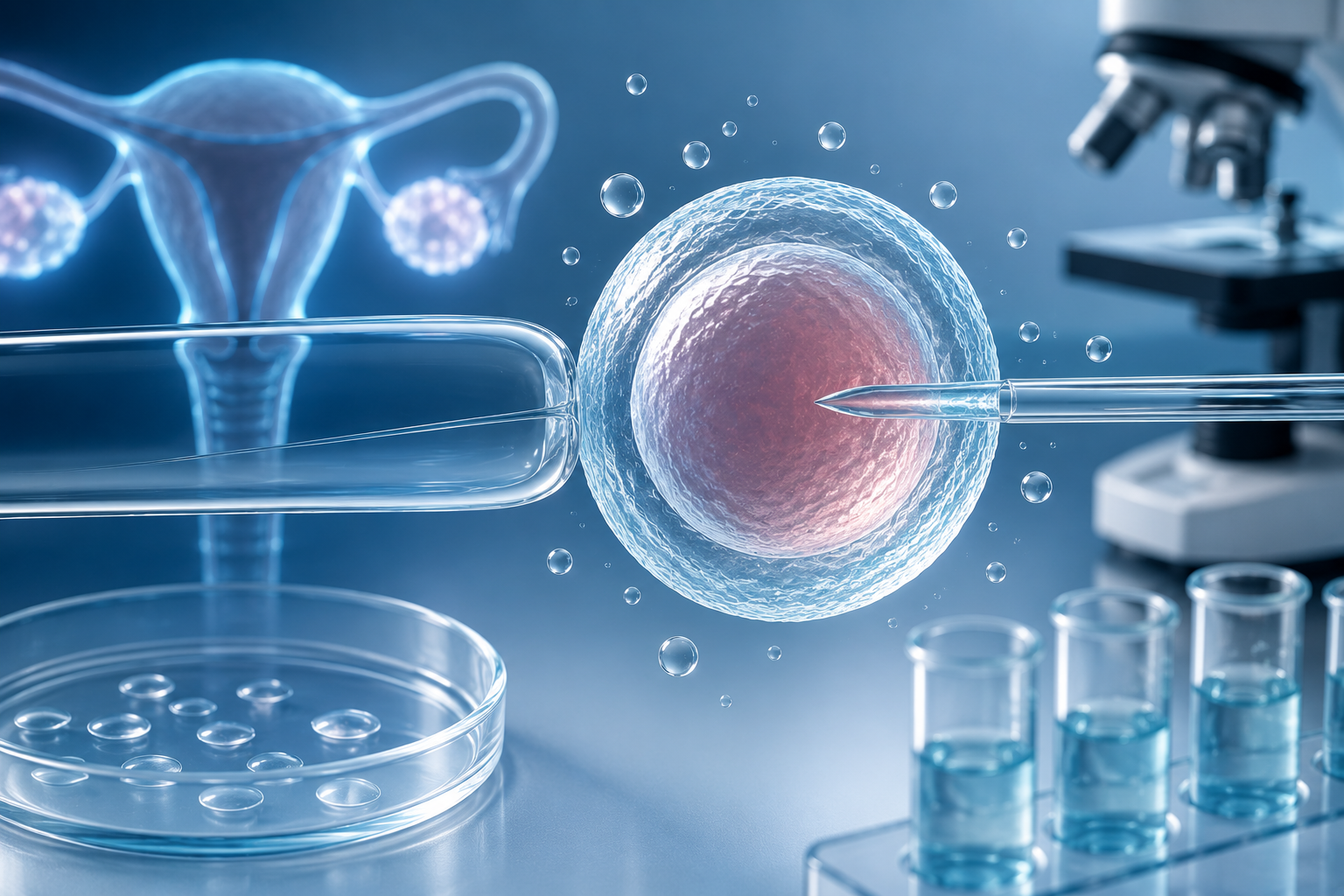
Diminished ovarian reserve can make IVF dosing a difficult conversation. More medication does not necessarily produce more eggs, but minimal stimulation is not universally better either. Expected response, prior cycles, age, cost and burden should guide a plan that offers realistic choices rather than automatic escalation.
-
Fibroids and Fertility: Why Location Can Matter More Than Size
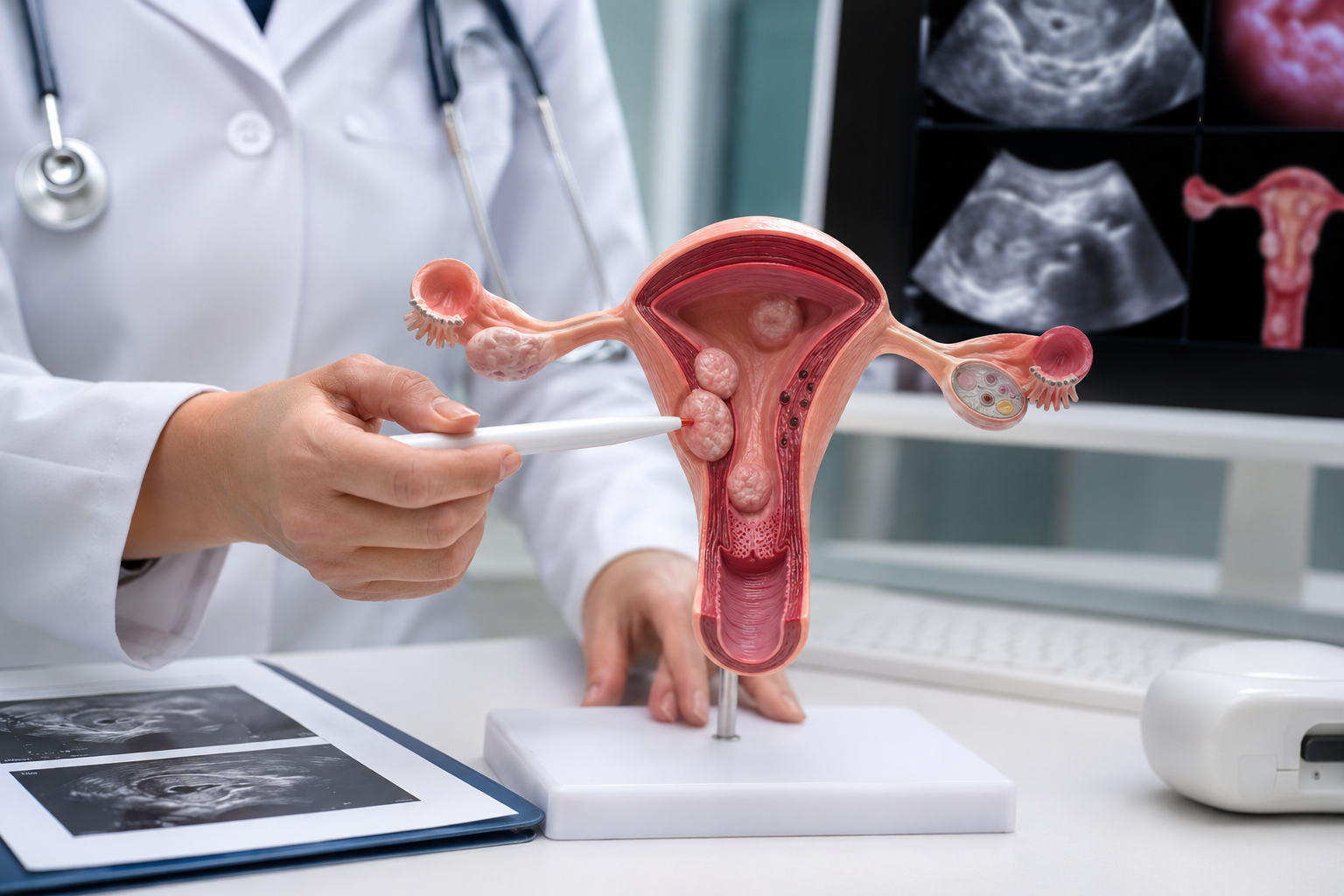
Fibroids and fertility depend on more than the diameter on a scan. Whether a fibroid distorts the uterine cavity is especially relevant, alongside symptoms, number and treatment history. Surgery may help in selected circumstances, but removing every fibroid is not a universal route to pregnancy.
-
IVF Stimulation: From Urine-Derived Hormones to AI—What Has Really Changed?
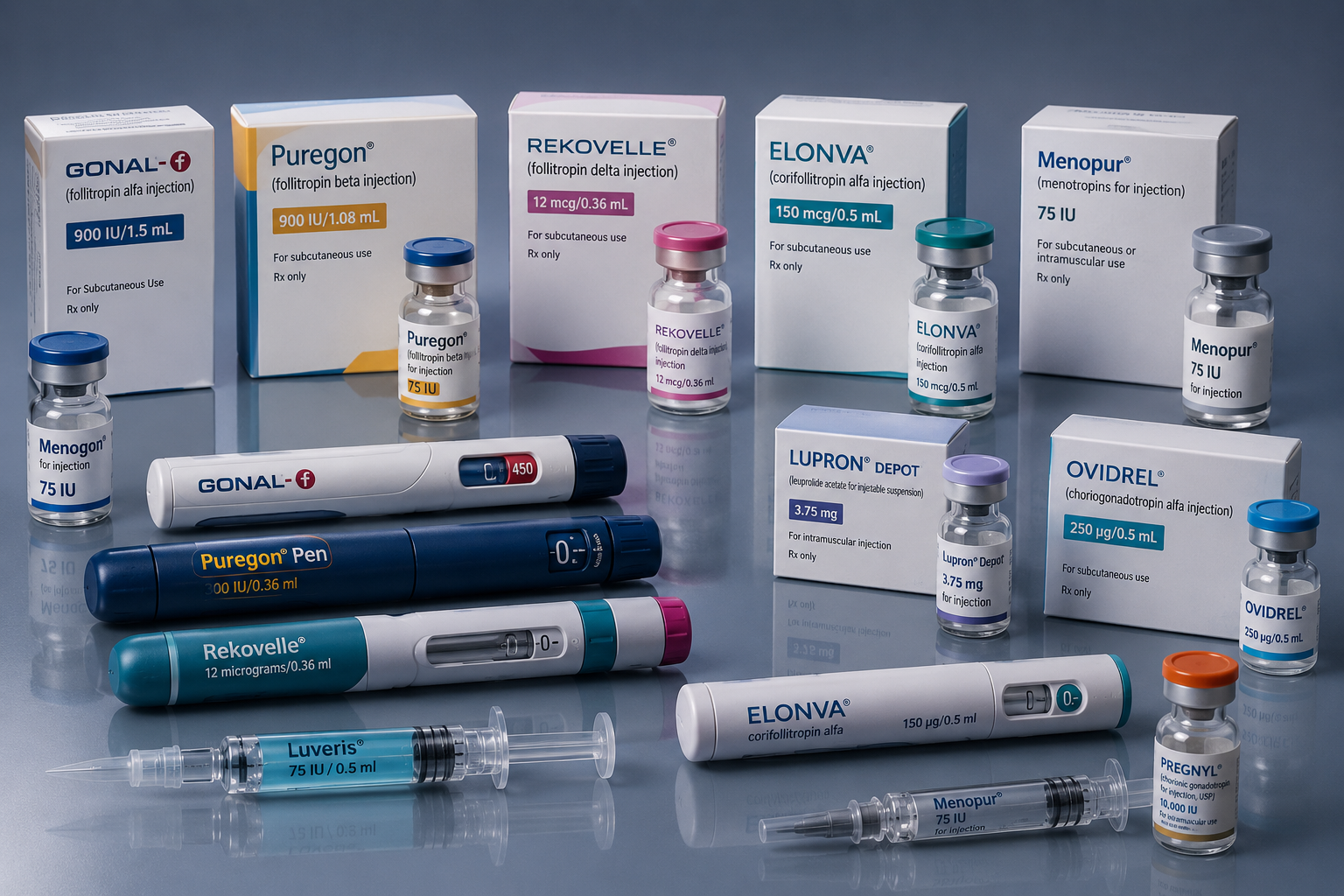
IVF stimulation has evolved through hormone purification, recombinant medicines, safer protocols and new decision-support tools. Urinary-derived products still have a role, while AI-assisted dosing remains a developing field. Progress should be measured by useful outcomes and safety, not by how futuristic a treatment sounds.
-
Turner Syndrome: The Fertility Question Goes Far Beyond Height
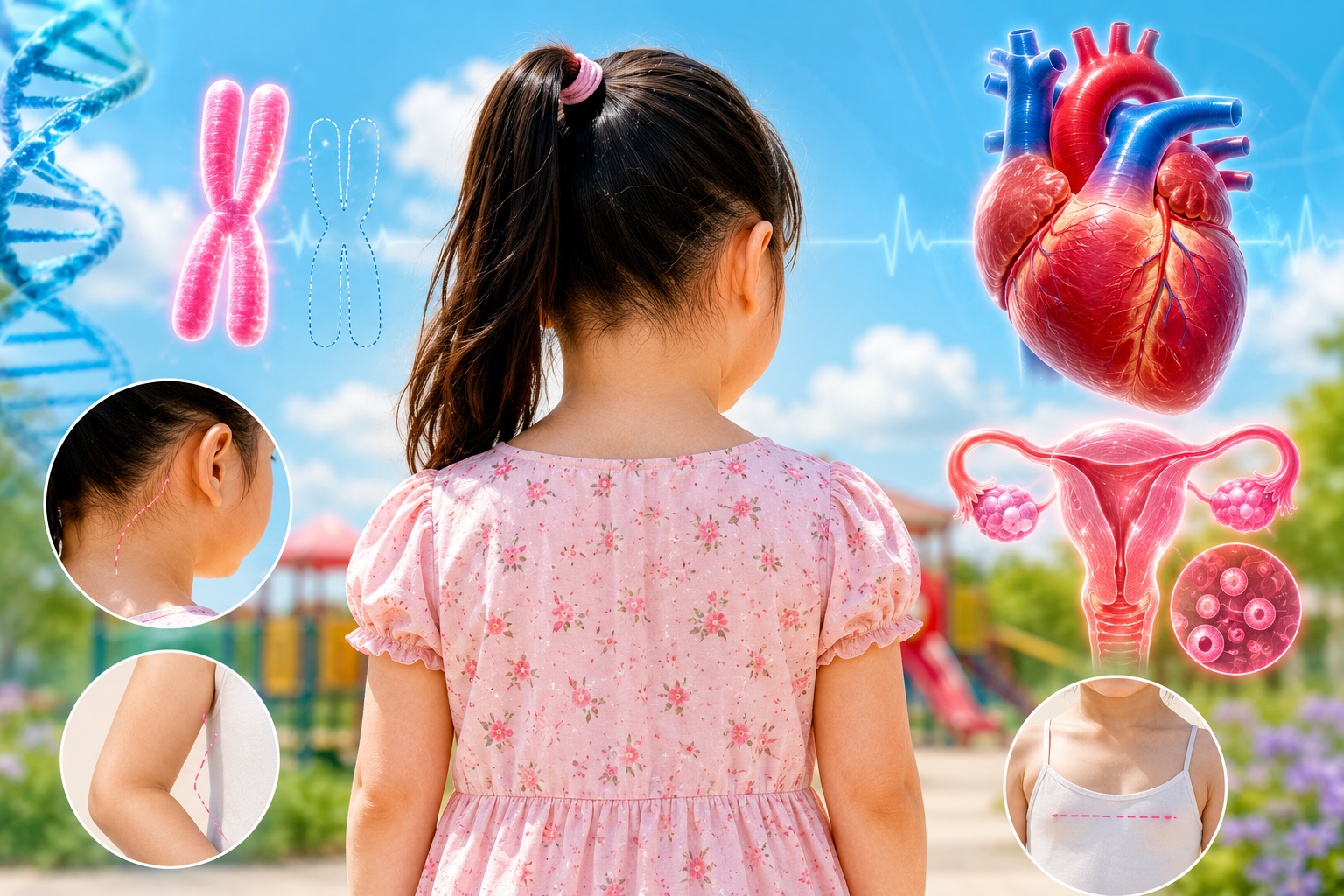
Turner syndrome affects more than growth. Ovarian function, cardiovascular health and other systems require coordinated care, with substantial variation between individuals. Earlier diagnosis can create time for assessment and discussion, but it cannot guarantee fertility preservation or make a future pregnancy safe for everyone.
-
Remote Work, Loneliness and Fertility: Where the Evidence Stops

Remote work and loneliness can affect well-being, but a mental-health study is not a fertility study. Research published in Science in 2026 examined isolation and psychological outcomes. Extending those findings to egg quality, sperm production or national birth rates would go beyond what that research measured.
-
Premature Ovarian Insufficiency: When the Ovaries Seem to Betray the Calendar
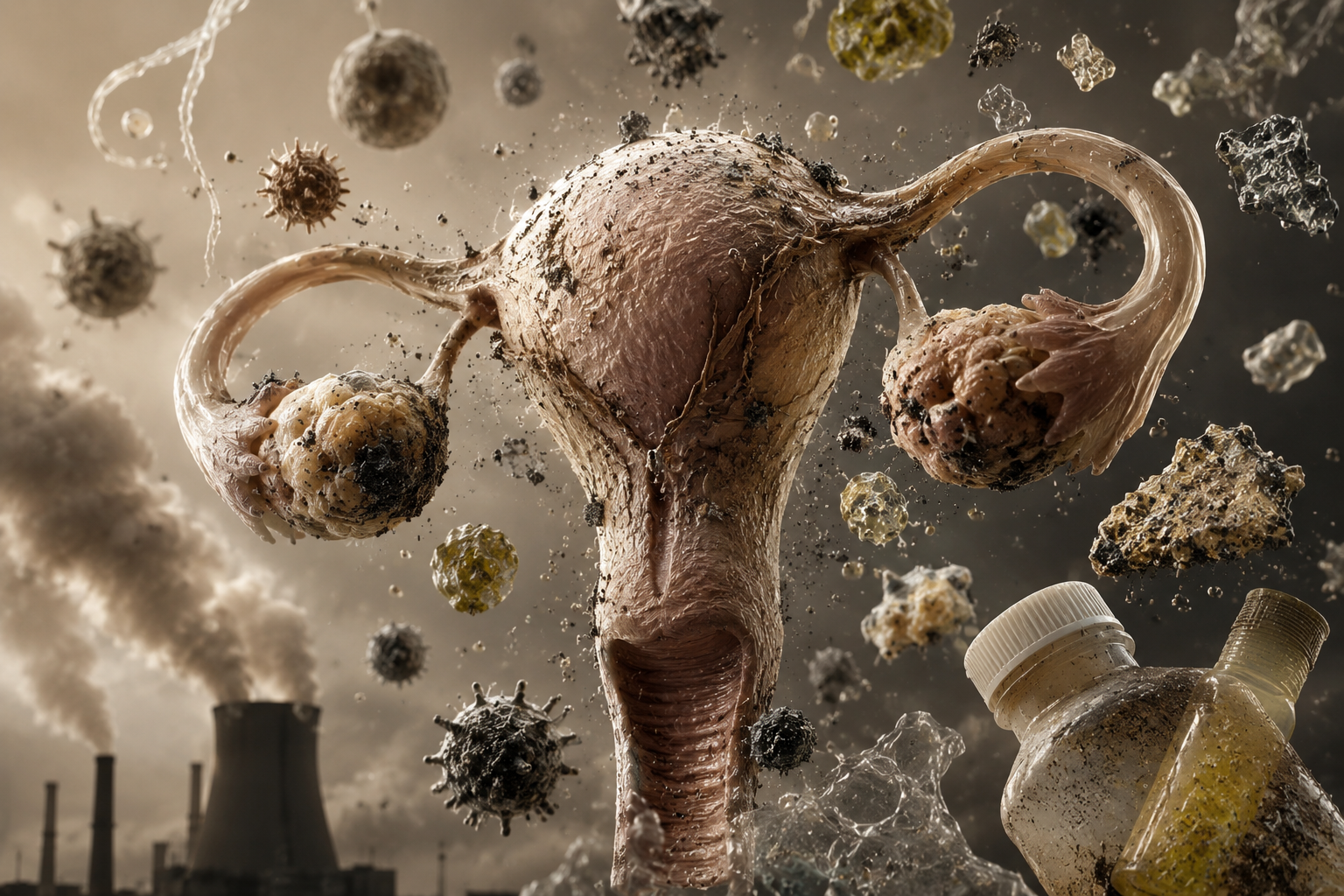
Premature ovarian insufficiency, or POI, involves reduced ovarian activity before age 40, sometimes with intermittent function. Genetic, autoimmune and treatment-related causes may be identified, yet many cases remain unexplained. Emerging environmental research should not be mistaken for proof of why one person developed POI.
-
Stress and Resilience: Is a Life Without Pressure Really the Goal?

Stress and resilience are not simple opposites. This reflective column asks how challenge, responsibility and recovery shape a meaningful life. New p53 research explores a protective mechanism in cells and mice; it does not establish that chronic stress benefits people or improves fertility.
-
Ovarian Cysts and Cancer Risk: When Is a “Simple Cyst” Not So Simple?
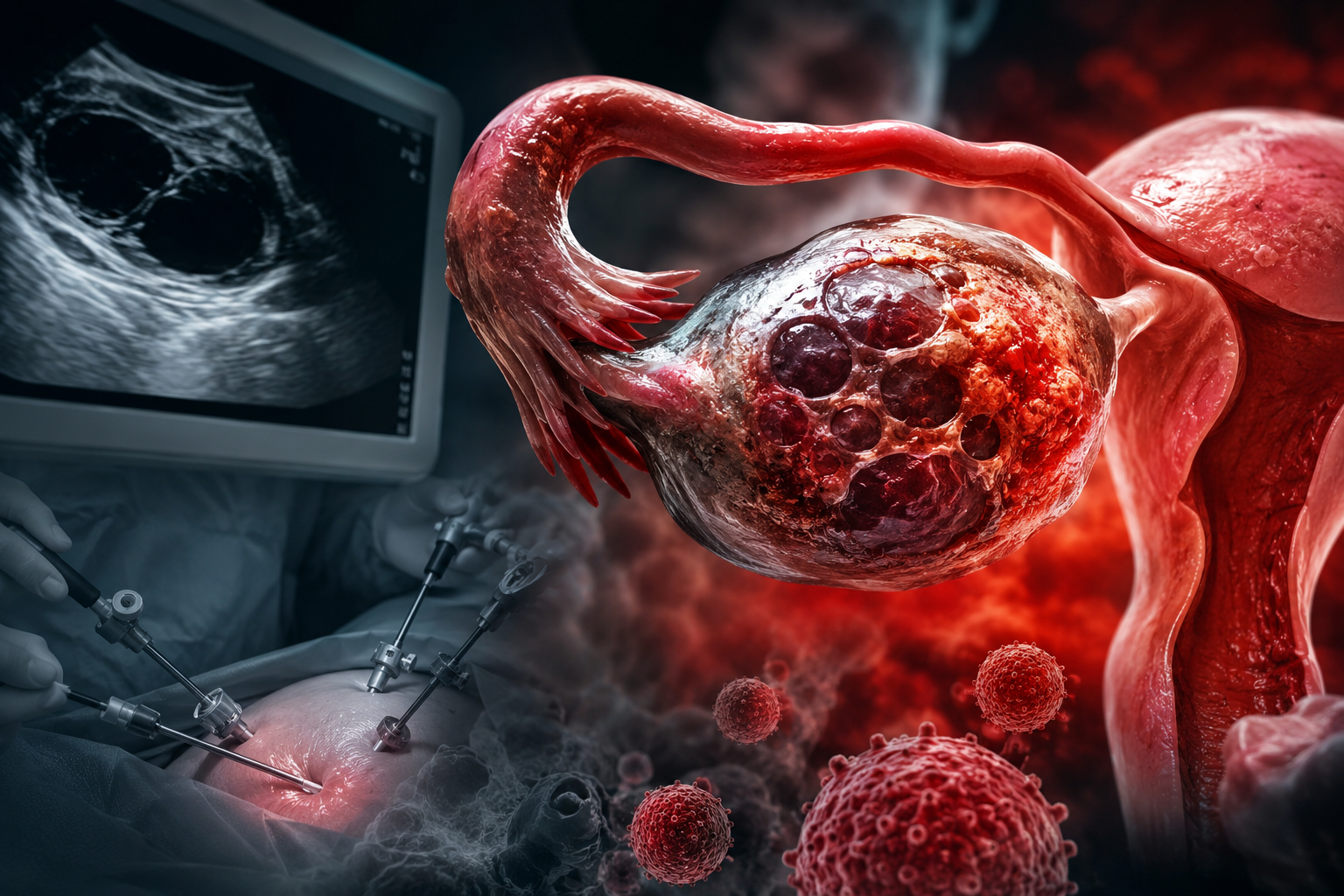
Ovarian cysts and cancer risk depend on the type of cyst, ultrasound findings, age and clinical context. Most simple cysts in reproductive-age women are benign. Endometriomas and complex masses raise different questions, but an increased relative risk is not the same as a high personal probability of cancer.
-
IVF Embryo Mix-ups: The Australian Nightmare That Put Trust on Trial
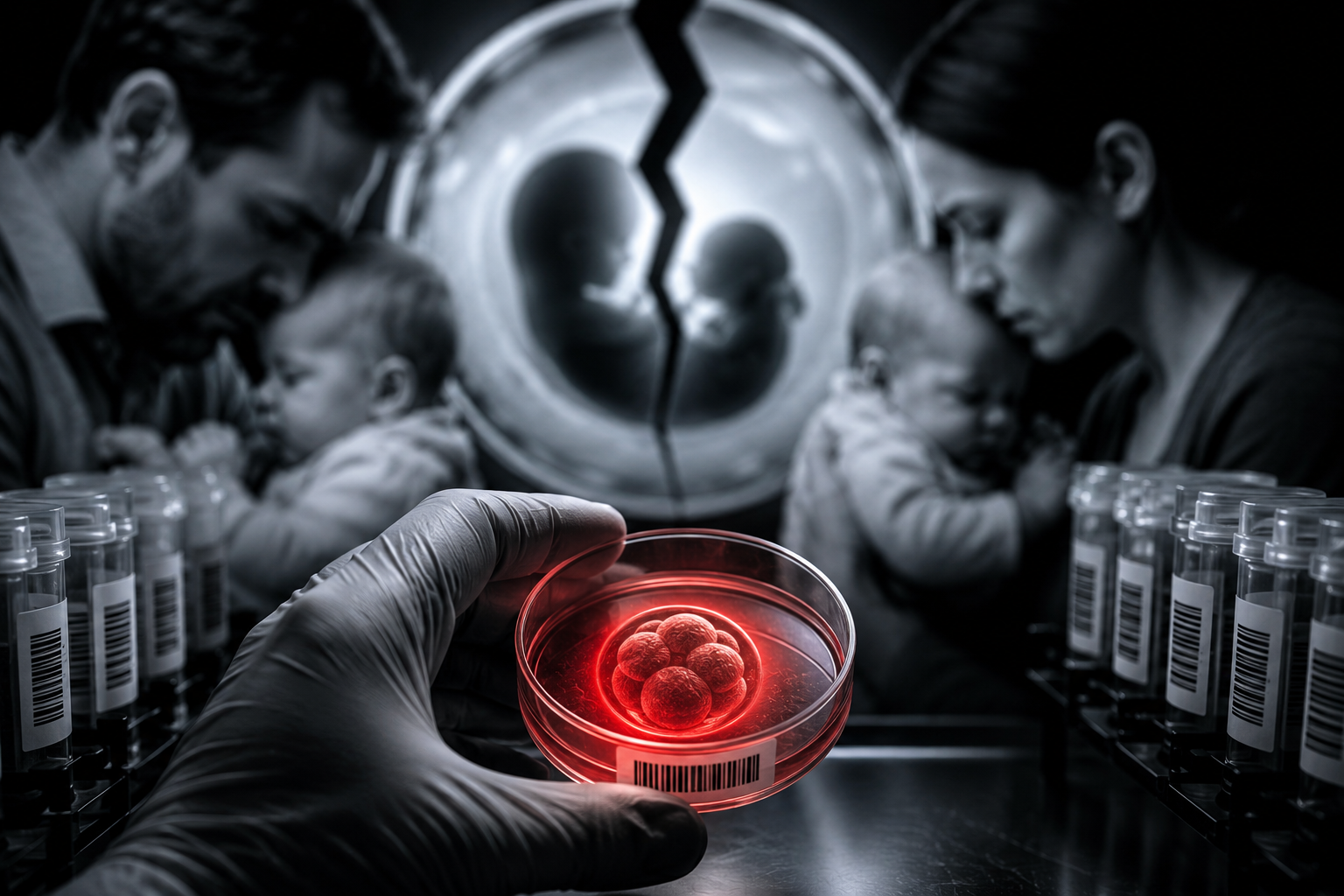
IVF embryo mix-ups expose a fear that success-rate statistics cannot answer: was the correct embryo transferred? Monash IVF disclosed separate incidents in 2025. They highlight the importance of identification, witnessing, investigation and transparent communication throughout fertility treatment.