
Latest posts
-
Embryo Culture Media in IVF: The Life-Giving Drop Patients Rarely See
Embryo culture media provide a controlled laboratory environment during IVF. Nutrients, temperature, pH and handling all matter, but culture fluid is not an artificial womb. Single-step and sequential systems are both used; a newer product or fewer handling steps alone do not prove a higher live-birth rate.
-
Endometrioma Sclerotherapy: Can Alcohol Treatment Help Spare the Ovary?
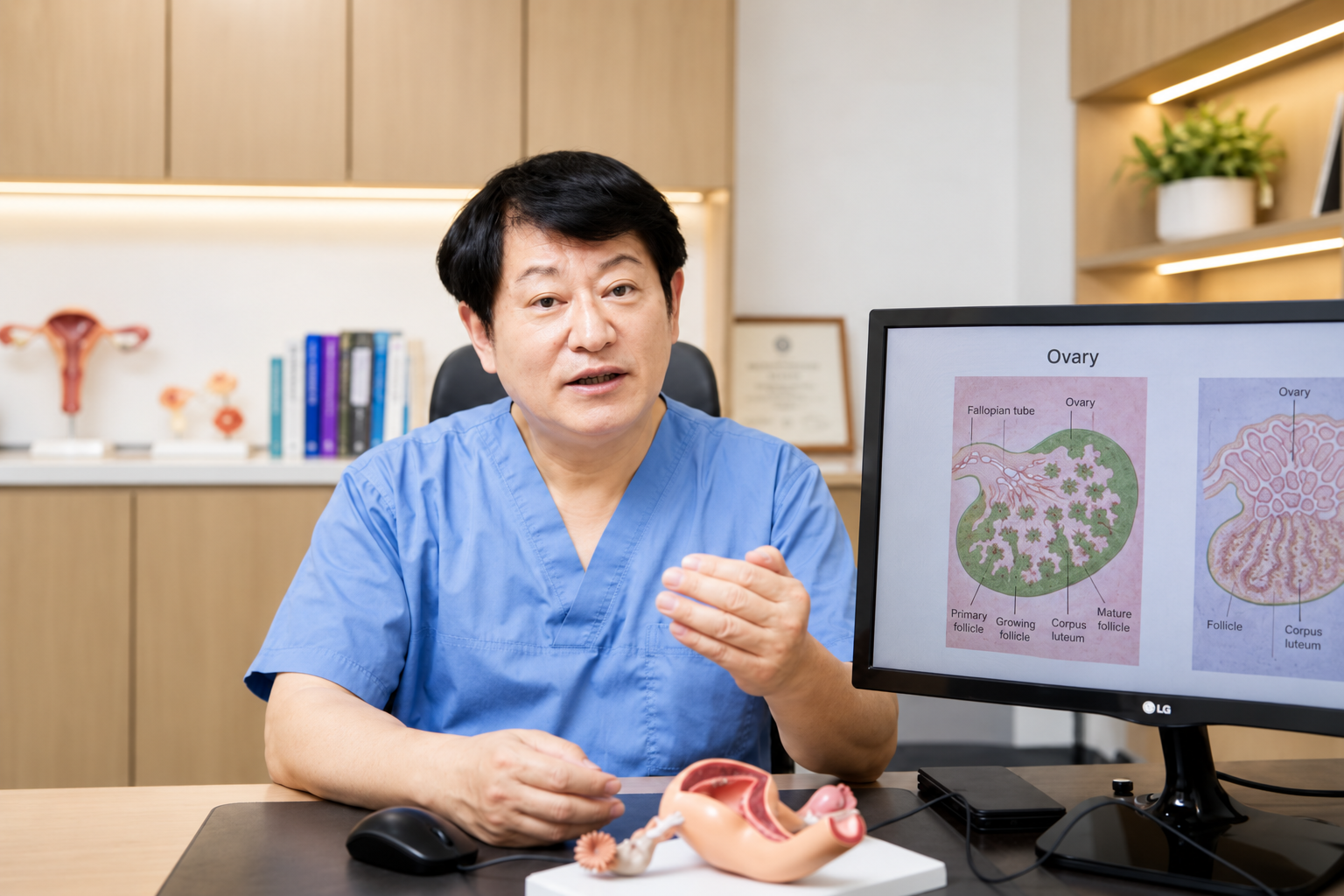
Endometrioma sclerotherapy offers a different approach to ovarian cyst treatment: drainage followed by a sclerosing agent. In this interview, Dr. Cho Jung-hyun explains his clinical approach to preserving ovarian reserve. His experience should be considered alongside comparative evidence, recurrence risks and individualized treatment planning.
-
Ovarian Stimulation in IVF: Is More Medication Always the Better Bet?
Ovarian stimulation in IVF aims to obtain usable eggs while managing treatment burden and risks such as OHSS. More retrieved eggs and a higher prescribed hormone dose are not interchangeable measures. Individualized dosing considers ovarian reserve, prior response and safety rather than assuming that more medication must improve outcomes.
-
Oocyte Aging Research: Can Science Rewrite Biological Destiny?
Oocyte aging research is moving beyond embryo selection to investigate chromosome protection and ovarian biology. Laboratory findings and early experimental approaches are intriguing, but they do not yet establish a treatment that reverses age-related infertility. Premature ovarian insufficiency also cannot be reduced to ovaries that are merely asleep.
-
Herbal Medicine and IVF: Where Does Hope Meet the Evidence?
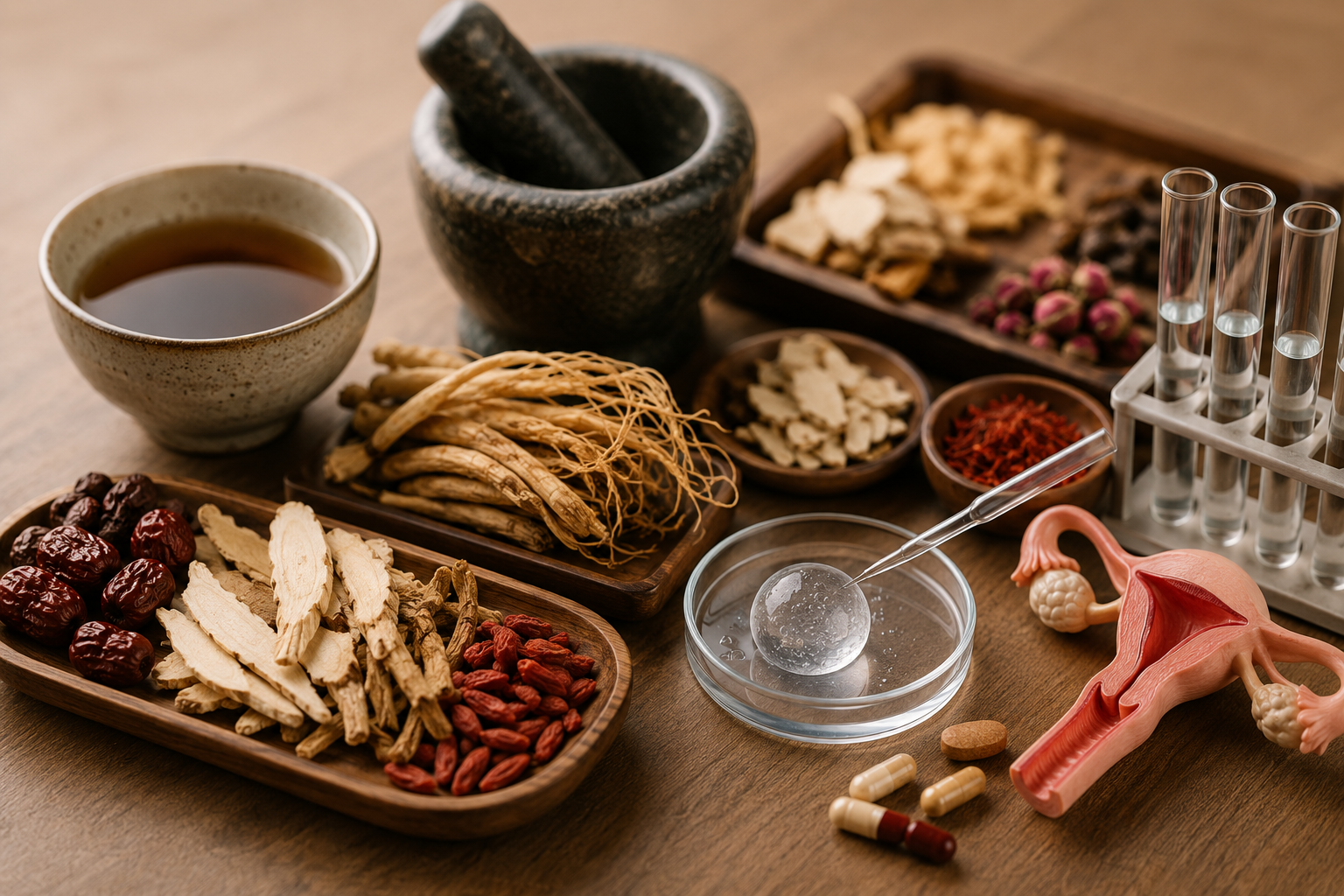
Herbal medicine and IVF often meet at a difficult crossroads: the wish for a natural boost and the need for dependable evidence. A biological mechanism is not proof of better live-birth outcomes. Product quality, interactions, cost and the time spent postponing appropriate fertility assessment deserve equal attention.
-
IVF After Breast Cancer: Is the Old Taboo Giving Way to Evidence?
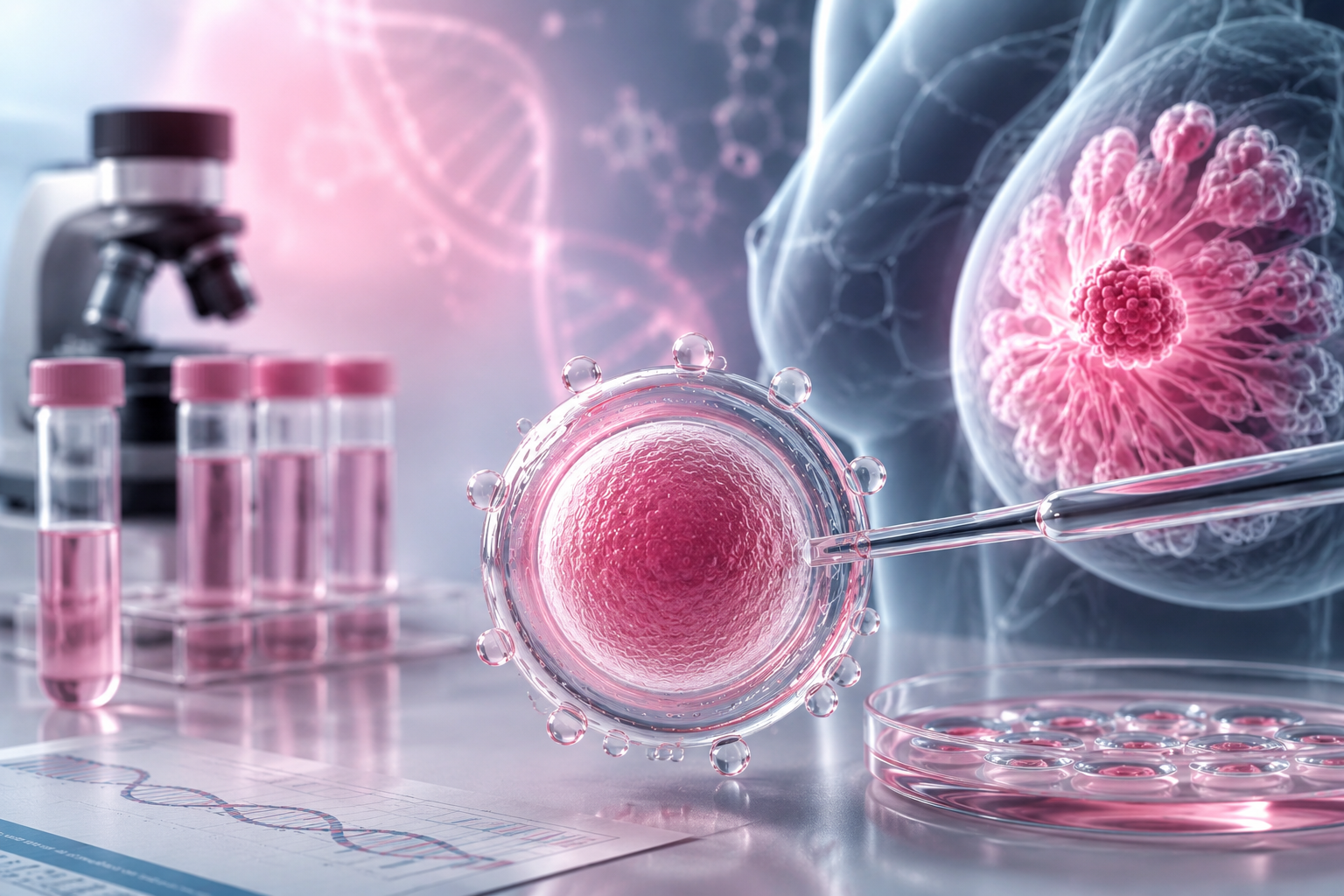
IVF after breast cancer and fertility preservation before treatment require coordinated oncology and reproductive care. Research offers reassurance for selected patients, including some with hormone receptor–positive disease. That is not a blanket safety guarantee: cancer characteristics, treatment timing and the length of follow-up matter.
-
IVF After 40 with Low AMH: The Search for One Good Egg
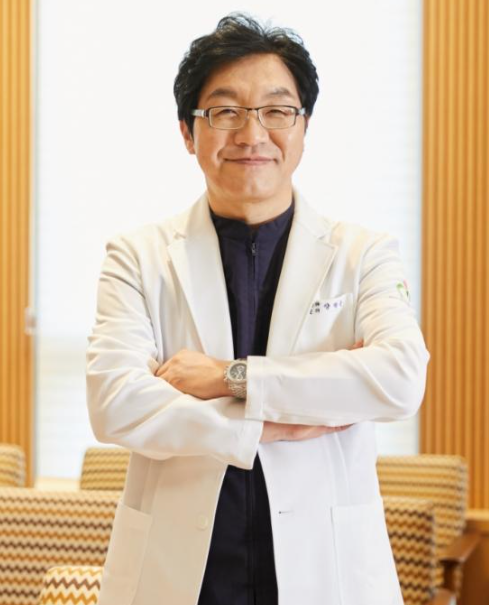
IVF after 40 with low AMH raises questions about both egg numbers and age-related egg quality. Dr. Yang Gwang-moon discusses diminished ovarian reserve, timely assessment and laboratory care. AMH helps predict stimulation response; it is not a direct test of egg quality or a verdict that pregnancy is impossible.
-
Exercise and Cervical Cancer Survival: What Was Built Before Diagnosis?

Exercise and cervical cancer survival were linked in a Korean observational study of 8,833 women. The associations differed by disease stage and activity measure. The findings raise useful questions about overall health, but they do not prove that exercise caused better survival or that patients are responsible for their prognosis.
-
IVF in South Korea: What Rising Treatment Numbers Say About Time
IVF in South Korea has become an increasingly visible part of family planning. Treatment statistics describe service use, not an individual’s fertility or chance of a baby. Age, medical history and timely assessment matter; ovarian-reserve testing should answer a clinical question rather than promise to predict the future.
-
South Korea’s Fertility Support Program: Behind the One-in-Five Births Headline
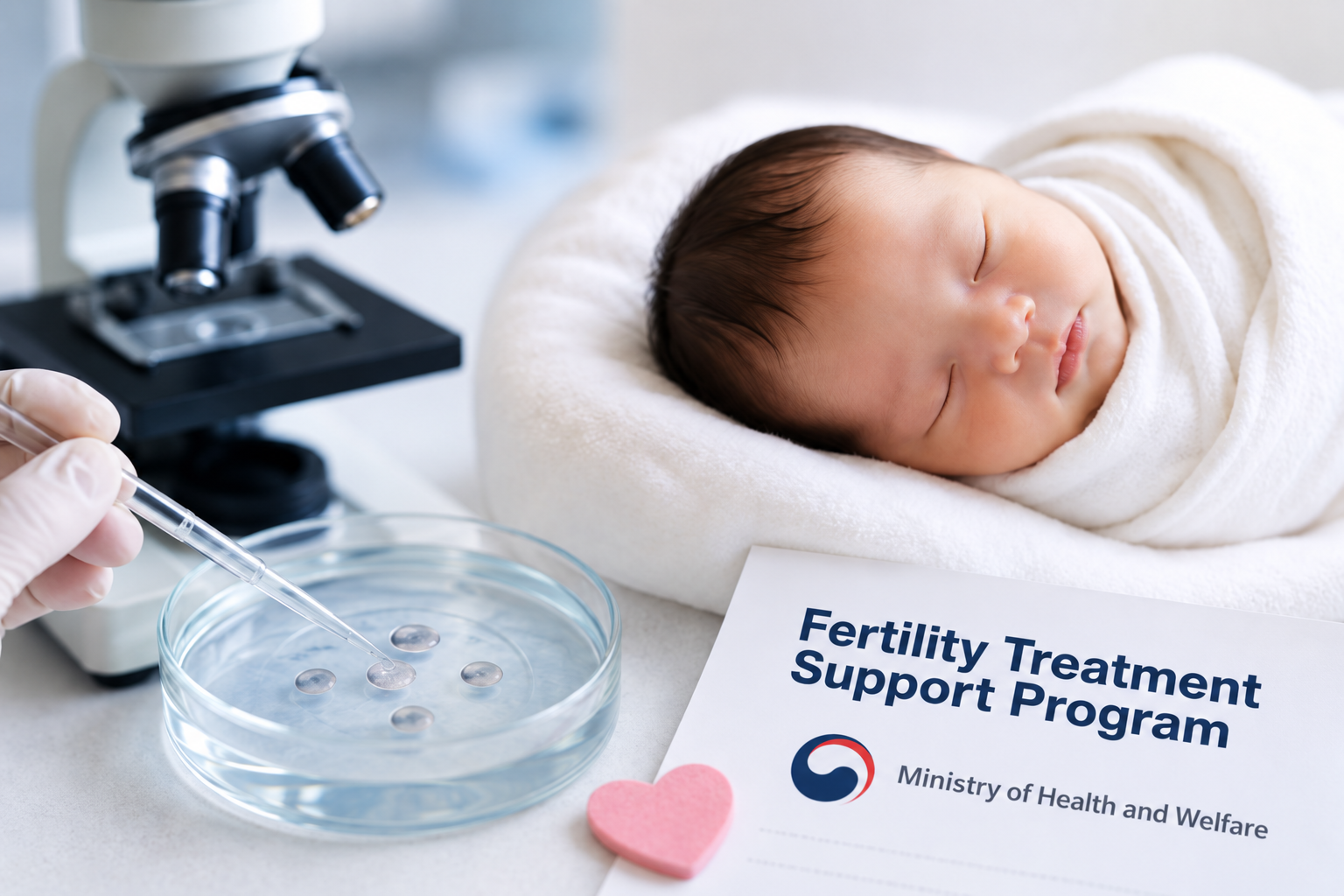
South Korea’s fertility support program accounted for 48,981 births in 2025, according to the government’s 2026 report. That was 19.2% of all births. These program figures describe publicly supported fertility treatment, not IVF alone, and do not measure how many additional births the funding itself caused.