
For decades, the intersection of breast cancer treatment and fertility was defined by fear. The prevailing clinical wisdom suggested that the hormonal stimulation required for In Vitro Fertilization (IVF) could fuel cancer recurrence, particularly in hormone-receptor-positive breast cancer patients. Consequently, many women were forced to choose between life-saving treatment and their dream of biological parenthood.
However, a paradigm shift is underway. Recent international studies and clinical guidelines are dismantling this long-standing taboo, demonstrating that short-term ovarian stimulation for fertility preservation does not significantly increase the risk of cancer recurrence.
The End of a Clinical Myth The most significant breakthrough comes from long-term follow-up studies published in 2025. These data indicate that patients who underwent controlled ovarian stimulation (COS) for egg or embryo freezing showed no statistically significant difference in relapse rates or survival outcomes compared to those who did not undergo fertility preservation.
Even for hormone-receptor-positive patients—a group previously considered at the highest risk—the evidence suggests that short-term estrogen elevation does not compromise oncological safety. The recurrence rates within three years of stimulation showed no meaningful deviation from non-stimulated groups.
The Evolution of Clinical Protocols The medical community’s stance is evolving from caution to proactive advocacy. The American Society of Clinical Oncology (ASCO) now treats reproductive counseling not as a peripheral choice, but as a standard component of cancer care. For young breast cancer patients, discussing fertility preservation before the commencement of chemotherapy is increasingly viewed as a medical imperative.
Furthermore, the technology of fertility preservation has evolved to be far safer:
- Letrozole Protocols: Using aromatase inhibitors to maintain low estrogen levels during stimulation.
- Low-Stimulation & Natural Cycle IVF: Reducing the intensity of hormonal intervention while still securing viable gametes.
- Interdisciplinary Integration: Cancer treatment and fertility preparation are now designed as a unified, cohesive roadmap.
A Crucial Caveat: The Need for Precision While these findings offer hope, experts caution that “safe” does not mean “universal.” “Safety data is a signal for progress, not a blanket clearance for every patient,” clinicians note. The decision to pursue IVF must be meticulously tailored based on the cancer’s subtype, stage, hormone-receptor status, and the timing of systemic therapies. This is only possible through close collaboration between oncologists, breast surgeons, and fertility specialists.
Conclusion: A New Chapter for Oncofertility The era of presenting breast cancer patients with the binary choice of “treatment or fertility” is coming to an end. We are moving toward a future where “cancer survivorship” includes the preservation of the life-giving potential.
For young patients facing a cancer diagnosis, the message is clear: the clinical landscape has changed. Fertility preservation is no longer an outlier in oncology—it is a foundational pillar of comprehensive cancer care. When the clinical team coordinates with precision, the survival of the patient and the preservation of her future family are no longer mutually exclusive.
Sources: ASCO (American Society of Clinical Oncology) guidelines; POSITIVE Trial follow-up data; recent research in reproductive medicine and oncofertility.
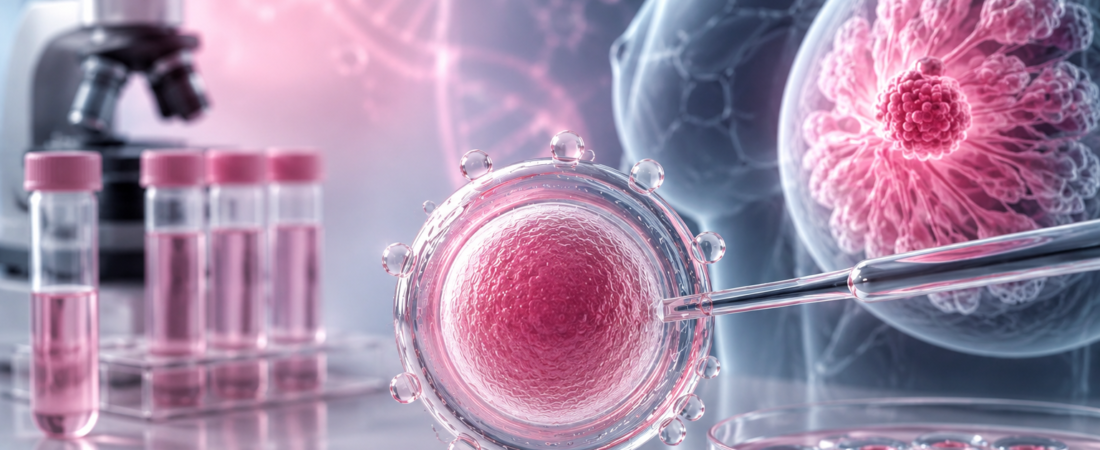
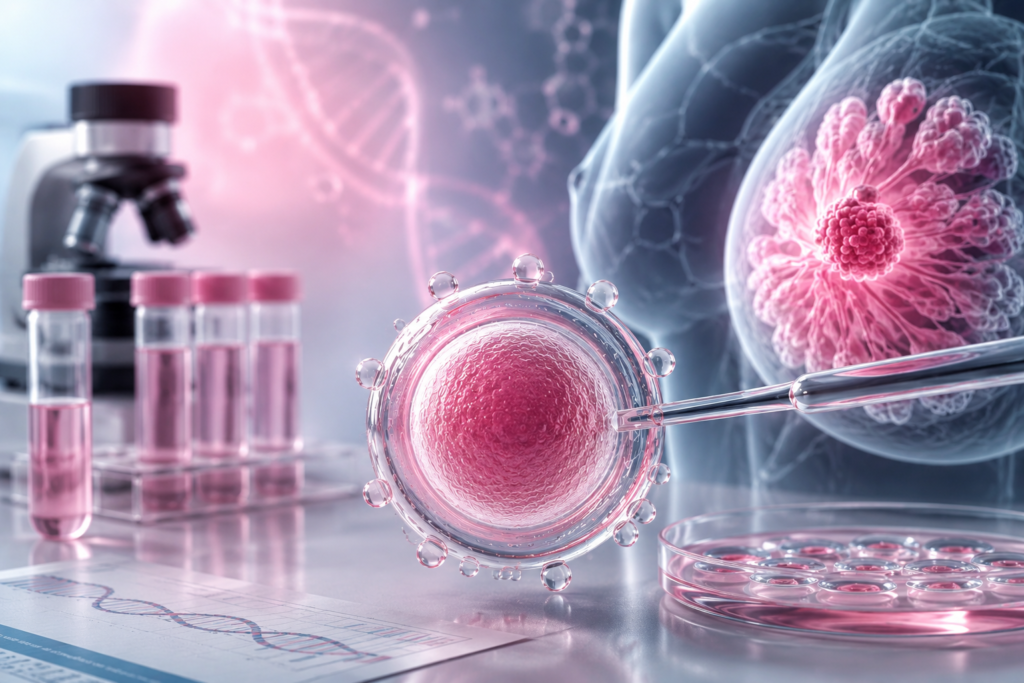
Disclaimer: This content is provided for informational purposes, based on recent advancements in oncofertility. Medical judgments and treatment decisions must always be made in consultation with professional medical personnel. Image: AI-generated (ChatGPT, OpenAI) / Visual reference for illustrative purposes only.