
Latest posts
-
Semen quality across the COVID-19 era: findings in 90,125 men with infertility

Records from 90,125 men with infertility show mixed semen trends across the COVID-19 era. Morphology and testosterone declined; infection was not proven to be the cause.
-
Tyrosol and sperm motility: a laboratory study offers a new clue

A 40-man study links tyrosol in seminal plasma to sperm motility. Laboratory treatment improved movement, but food, supplements and pregnancy benefits remain untested.
-
Androgen receptor gene repeats and sperm count: findings in 866 men
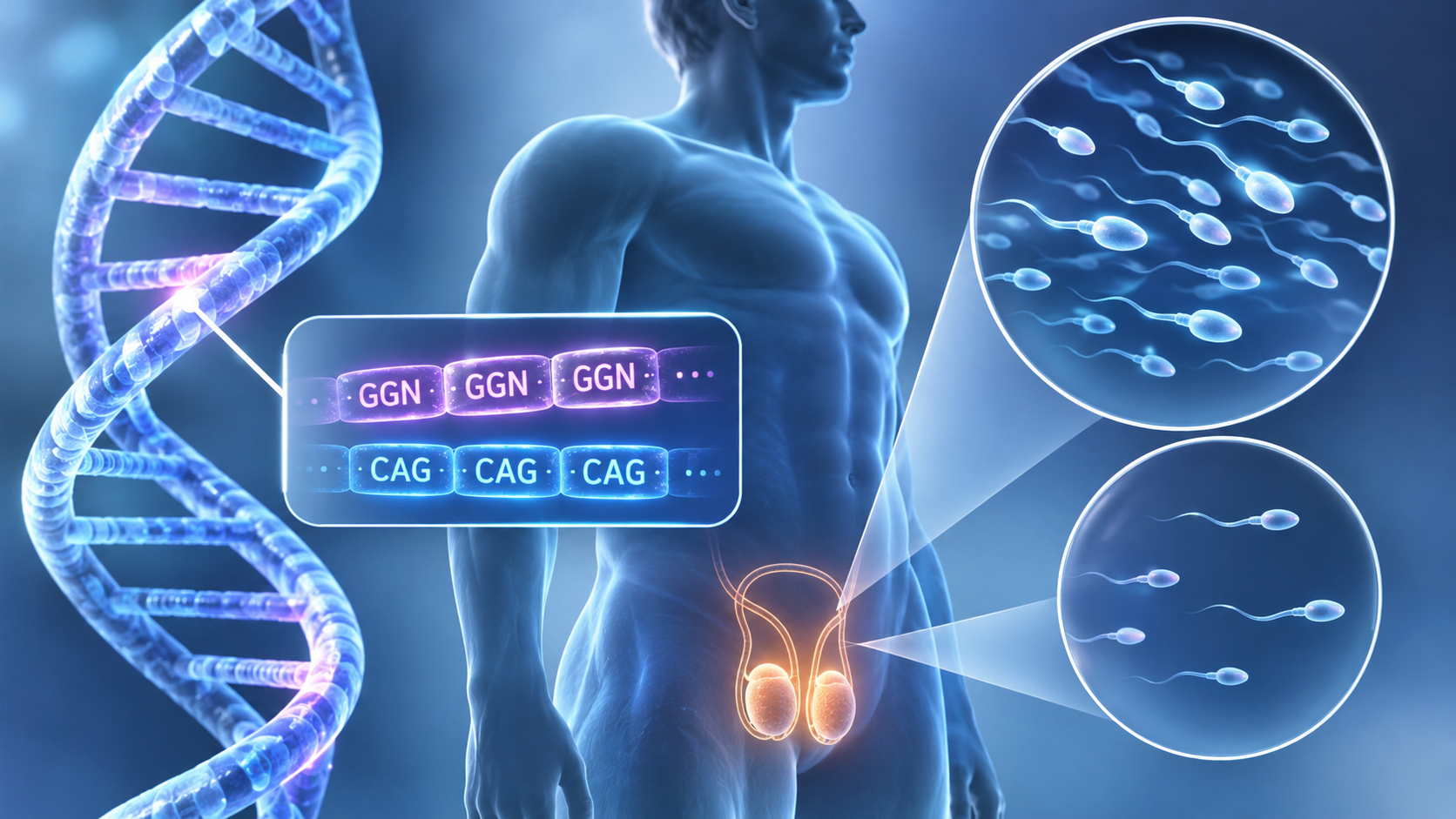
Among 866 men with infertility, longer androgen receptor GGN repeats were associated with lower sperm counts. Learn why this is not a routine diagnostic test.
-
Microplastics and sperm motility: a study looks at the gut microbiome

A Chinese study links fecal microplastic markers to sperm motility and explores the gut microbiome. The observational findings do not establish causation.
-
Sperm DNA damage, age and abdominal fat: what can a waist measurement tell us?

A study links age to sperm DNA fragmentation and examines abdominal fat. Learn why a waist measurement cannot diagnose DNA damage.
-
Sperm DNA fragmentation and embryo chromosome number in a study of 5,637 couples

An eight-year study found higher embryo aneuploidy with sperm DNA fragmentation of 30% or more. What the results can and cannot tell IVF patients.
-
How a father’s health before conception may leave a molecular mark on sperm

How might paternal preconception health affect sperm? A review examines epigenetics, small RNAs and the limits of evidence on offspring health.
-
Testosterone and Peyronie disease: separating sexual function from fertility

In 778 men, normal testosterone was associated with greater curvature improvement. Supplementation did not significantly improve correction.
-
AI explores male fertility markers beyond semen analysis

An Italian pilot study examined hormones, testicular volume and pollution markers. Model performance varied sharply, highlighting the need for validation.
-
Four genes offer clues to impaired sperm movement and structure

Research in 13 families and mouse models linked four genes to sperm defects. The findings explain biology, not improved treatment or live-birth rates.