
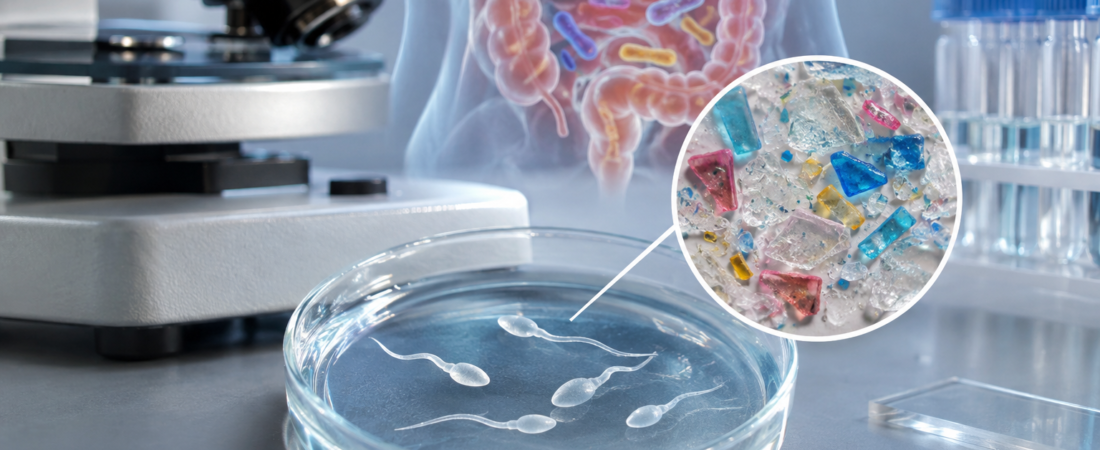

Higher fecal markers of certain microplastics were associated with lower sperm motility in a Chinese study. The researchers also examined whether changes in the gut microbiome could help explain the association.
Microplastics are part of everyday environmental exposure. A study in Frontiers in Public Health compared microplastic markers in men's stool with semen quality and the composition of the gut microbiome. The findings raise questions about how environmental pollution might relate to male reproductive health.
How could plastics relate to sperm health?
Microplastics are generally defined as plastic particles smaller than 5 mm. Containers, packaging, synthetic fibers and other everyday products shed particles as they wear or break down. Food, water and air are potential routes of exposure.
Animal studies have suggested that microplastics can induce oxidative stress and inflammation and might affect reproduction. How far those findings apply to human sperm remains uncertain. This study examined the question in people by measuring fecal microplastic markers and comparing them with semen results and gut microbial profiles.
Higher markers of particular plastics and lower motility
The association differed by plastic type. Higher markers of polystyrene (PS), PVB and polyethylene terephthalate (PET), among others, were statistically associated with lower total sperm motility.
Motility describes the ability of sperm to move. To fertilize an egg naturally, sperm must travel through the reproductive tract. Low motility can make conception more difficult even when sperm are plentiful. This association cannot establish that particles directly injured sperm or reduced their movement. Fecal measurements also do not tell us how much plastic is present in blood or testicular tissue.
Could the gut microbiome be involved?
Gut microbes participate in digestion, nutrient metabolism, immune responses and the regulation of inflammation. Researchers are exploring how variations in this community relate to reproductive health.
The study's analysis suggested that differences in gut microbial composition might mediate the association between microplastic markers and motility. This opens the possibility of physiological pathways beyond a direct effect on reproductive organs. Whether microbial changes actually reduce sperm movement, or whether other factors influence both observations, remains unknown.
Would using less plastic improve sperm motility?
The study compared measurements taken at a particular point in time. It did not test an intervention to reduce exposure. Age, obesity, smoking, alcohol, sleep, chronic illness and reproductive disorders can all affect semen quality. A low motility result cannot identify microplastics as its cause.
Reducing unnecessary single-use plastics or avoiding prolonged storage of hot food in plastic containers are options for reducing everyday exposure. Clinical evidence that these habits directly improve sperm motility is still lacking. The study points to a question about the connections between environmental pollutants, gut microbes and reproductive health. It does not establish a new cause of male infertility.
When male infertility is suspected, a semen analysis and specialist assessment can help investigate the range of possible causes. Research into sperm health increasingly encompasses the gut and the wider environment alongside the reproductive organs.
Source: Frontiers in Public Health, November 3, 2026. DOI: 10.3389/fpubh.2026.1975461.
Related reading: Does ZyMot improve IUI pregnancy rates with high sperm DNA damage?.
Copyright © 2026 Fertility Information TokTok Fertility News | THE FERTILITY NOTES. All rights reserved. Unauthorized republication, reproduction, redistribution, scraping, AI training and data use of any content, including articles, photographs and images, are strictly prohibited. Violations may result in legal liability.