
Latest posts
-
Air Pollution and Fertility: Is Spring Really a Fresh Start?

Air pollution and fertility research asks whether environmental exposures influence reproductive outcomes. Associations and laboratory mechanisms deserve attention, but they do not identify the cause of an individual’s infertility. Spring weather, pollen and particulate pollution are different issues, and no season guarantees healthier eggs or sperm.
-
SGO1 and Egg Aging: Can a Molecular Guardian Change IVF?

SGO1 and egg aging entered the spotlight with a 2026 preprint on chromosome protection. The experimental findings offer a possible direction for research, not a proven IVF treatment. Preventing a laboratory chromosome-separation error is a different endpoint from achieving a healthy live birth.
-
ENDO-205 for Endometriosis: Can a Non-Hormonal Drug Change the Story?

ENDO-205 for endometriosis is an investigational peptide approach designed to target lesions without hormonal suppression. The developer’s proposed benefits remain research goals. Early development or permission to begin a trial does not establish lesion clearance, preserved fertility or long-term safety in patients.
-
IVF Funding in the UK and South Korea: Who Gets Another Chance?
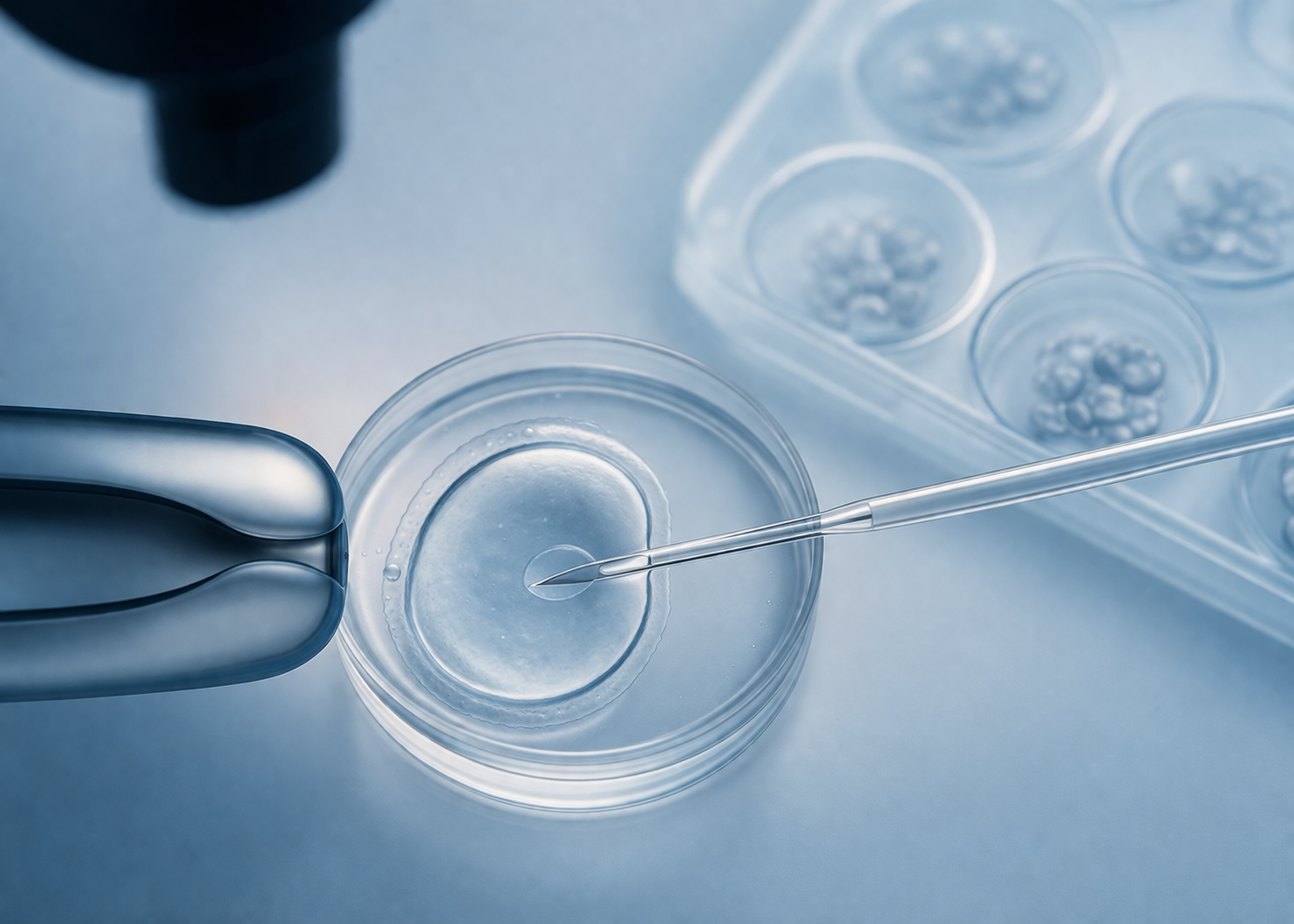
IVF funding in the UK and South Korea shapes who can continue treatment, but national comparisons need care. UK eligibility varies by nation and local commissioning; Korean insurance and support programs also have defined criteria. Funding can reduce barriers without guaranteeing unlimited cycles or a successful birth.
-
Egg Rejuvenation and SGO1: Repair the Egg Instead of Just Selecting It?
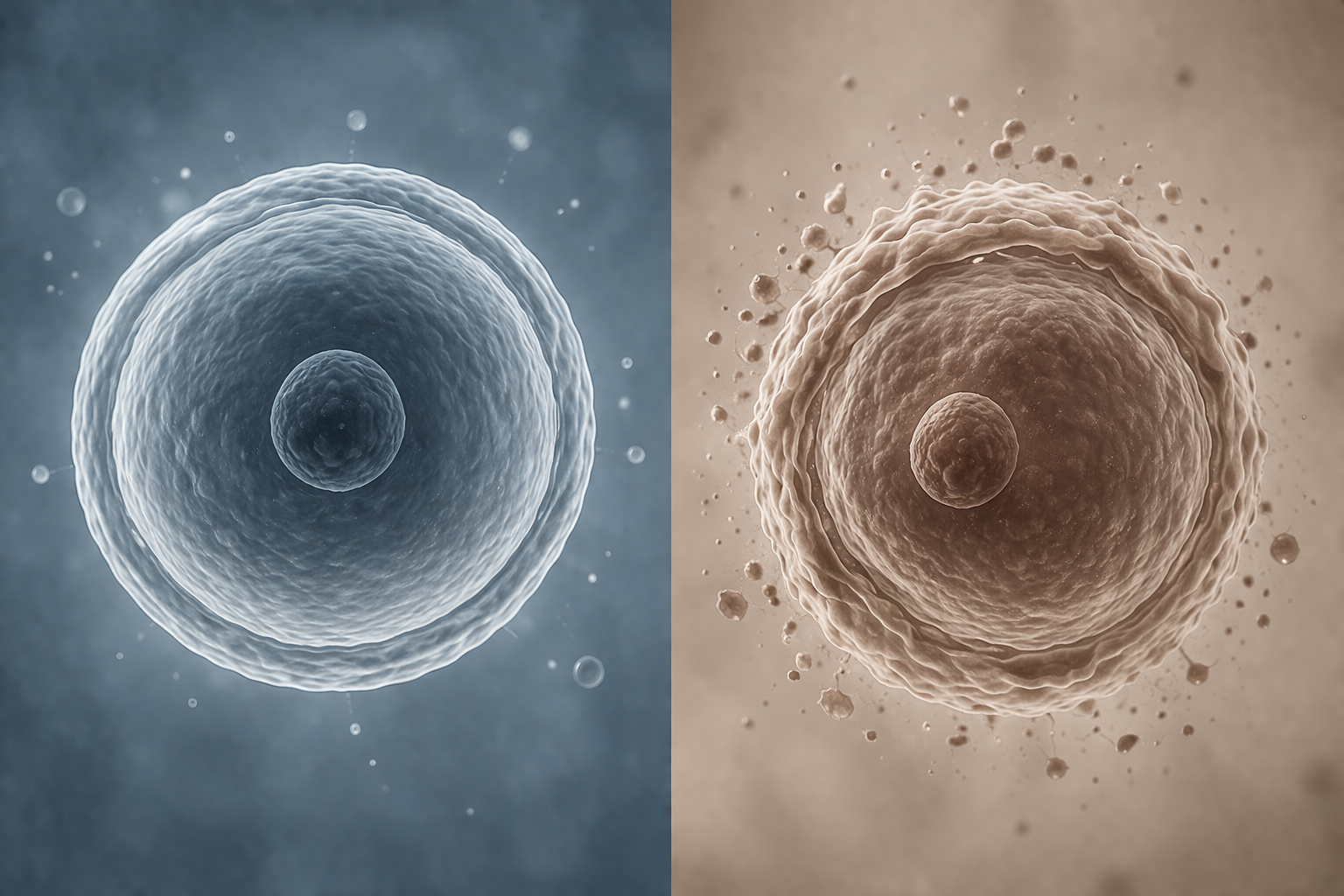
Egg rejuvenation research asks whether age-related chromosome problems can be modified before fertilization. SGO1 is one experimental target discussed in a 2026 preprint. The idea is compelling, but changes in isolated eggs do not yet establish safer embryos, pregnancies or babies after IVF.
-
108 Prostrations and Fertility: A Ritual for Resilience, Not a Pregnancy Promise
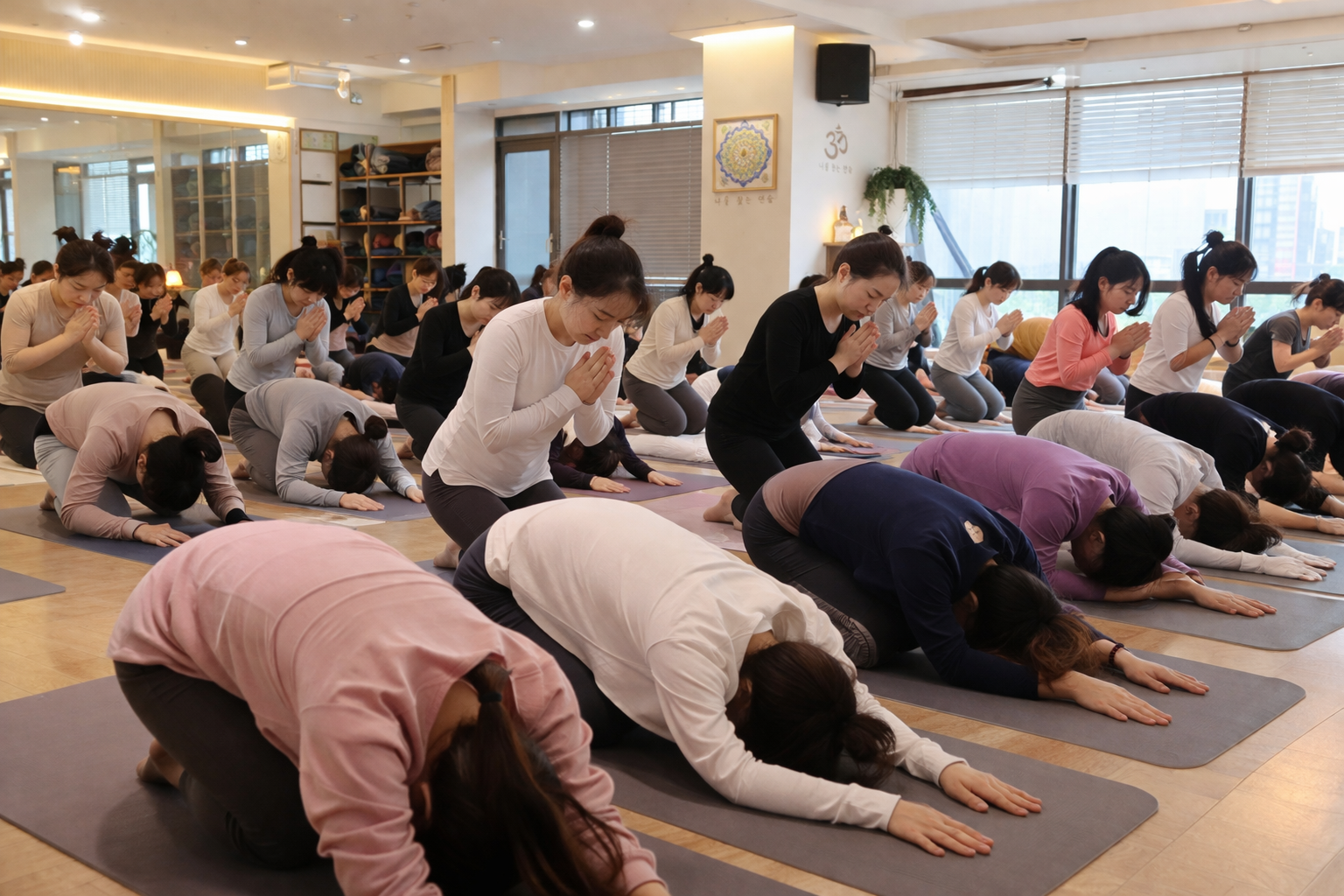
108 prostrations combine repeated movement, breathing and ritual. Some people find the practice meaningful during fertility treatment, but it is not a proven way to improve implantation or live birth. Physical suitability and personal preference matter more than completing a prescribed number of bows.
-
CAPA-IVM: Could Maturing Eggs Outside the Body Change IVF?

CAPA-IVM adds a prematuration step to in vitro maturation of immature eggs. It may reduce stimulation burden in selected patients, but it is not simply standard IVF with no hormones or risk. Patient selection, laboratory expertise and comparative live-birth evidence determine where the approach may fit.
-
PRP Embryo Culture: Breakthrough, Add-on—or a Category Mistake?
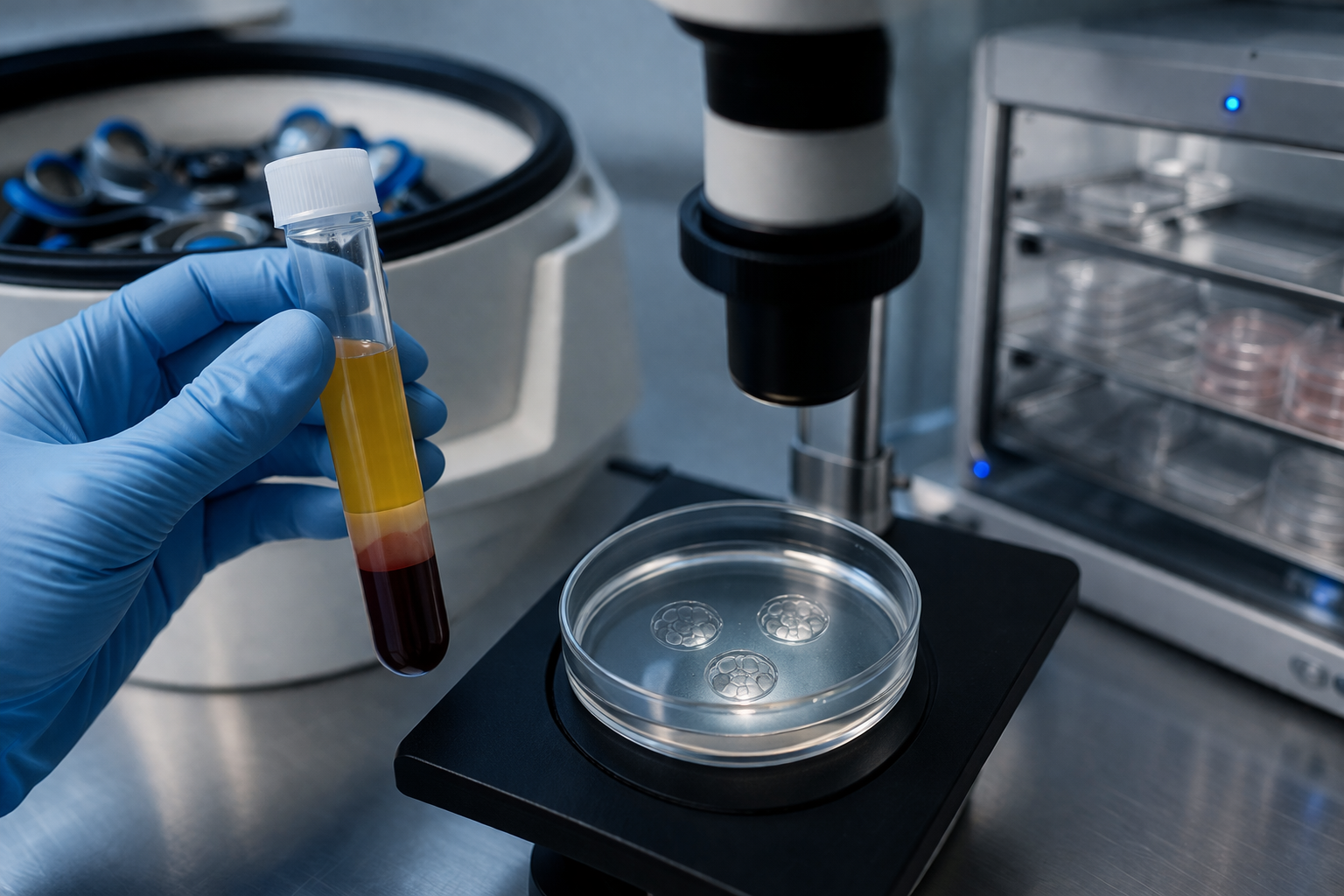
PRP embryo culture needs its own evidence. Studies of platelet-rich plasma infused into the uterus cannot prove that adding it to embryo culture medium improves outcomes. This critical examination asks whether growth-factor enthusiasm has moved ahead of standardized methods, comparative trials and reproductive safety data.
-
How Many Eggs Are Needed for IVF? The Number That Refuses to Stand Still
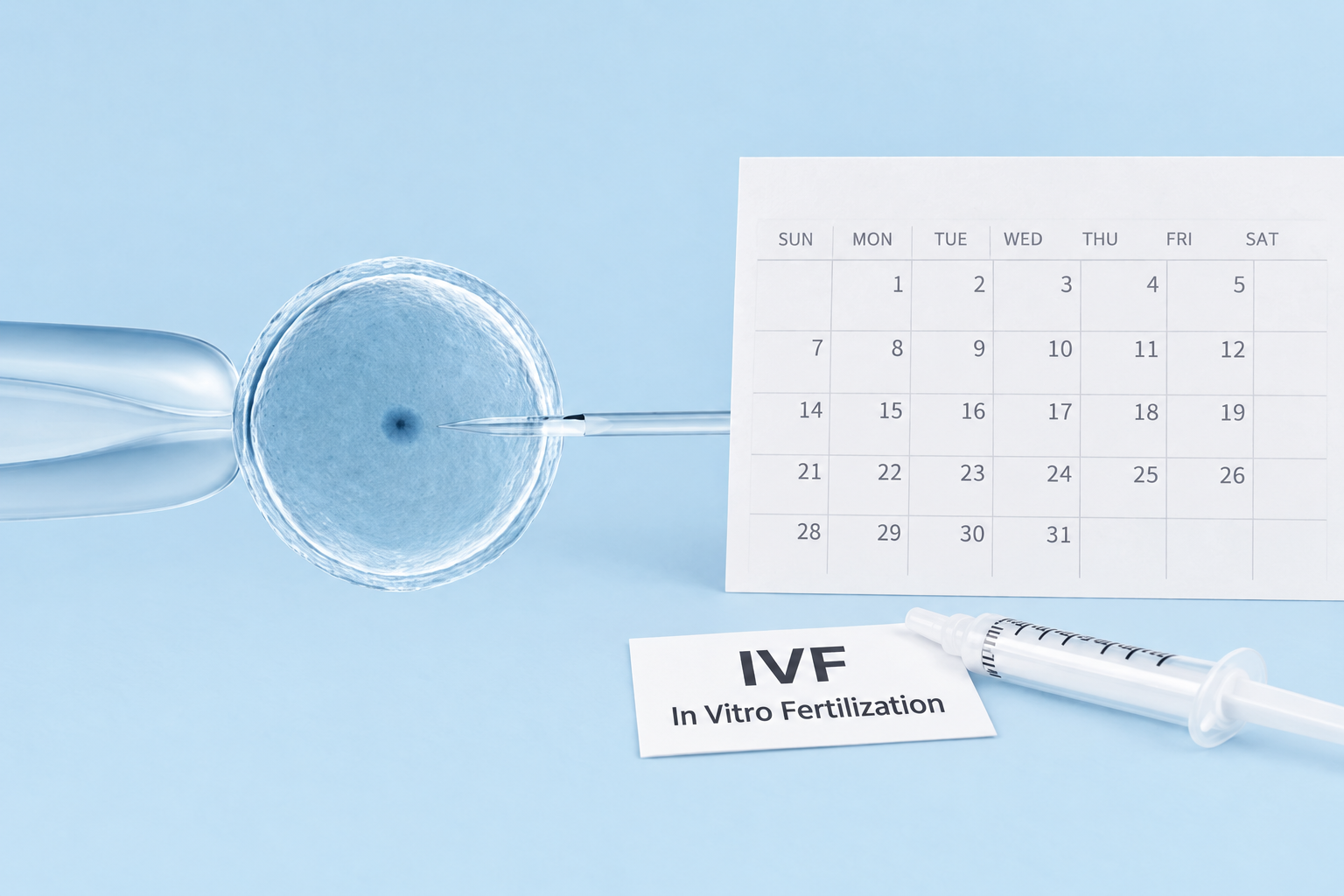
How many eggs are needed for IVF depends on age, ovarian response, embryo development and the outcome being measured. More eggs can create more opportunities, but there is no universal target that guarantees a baby. Egg count, embryo chromosome status and cumulative live birth are different measures.
-
Ovarian PRP for Low AMH: Rejuvenation—or Hope Ahead of Evidence?
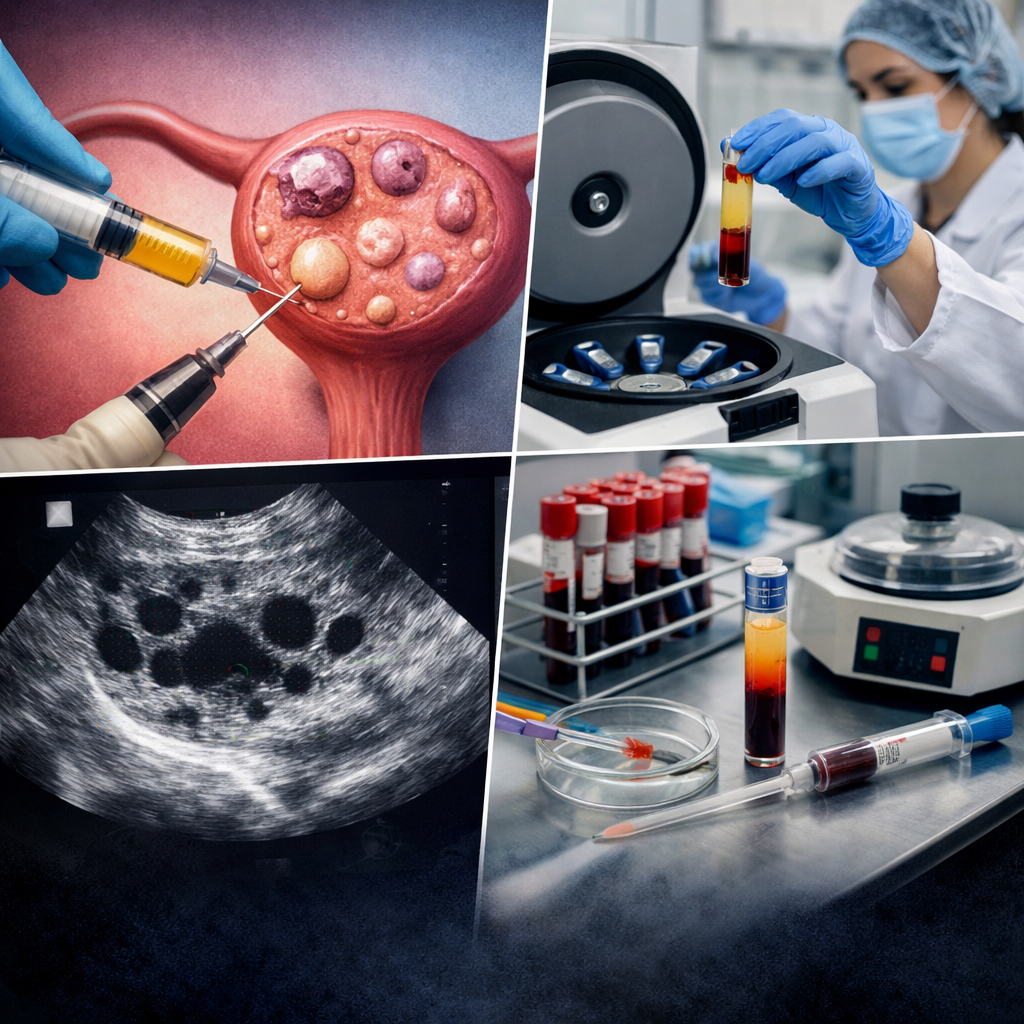
Ovarian PRP is marketed to people with low AMH or diminished ovarian reserve as a way to rejuvenate the ovaries. Changes in hormones or follicle counts would not alone prove younger eggs or more live births. Standardized trials, safety and meaningful reproductive outcomes are the tests that matter.