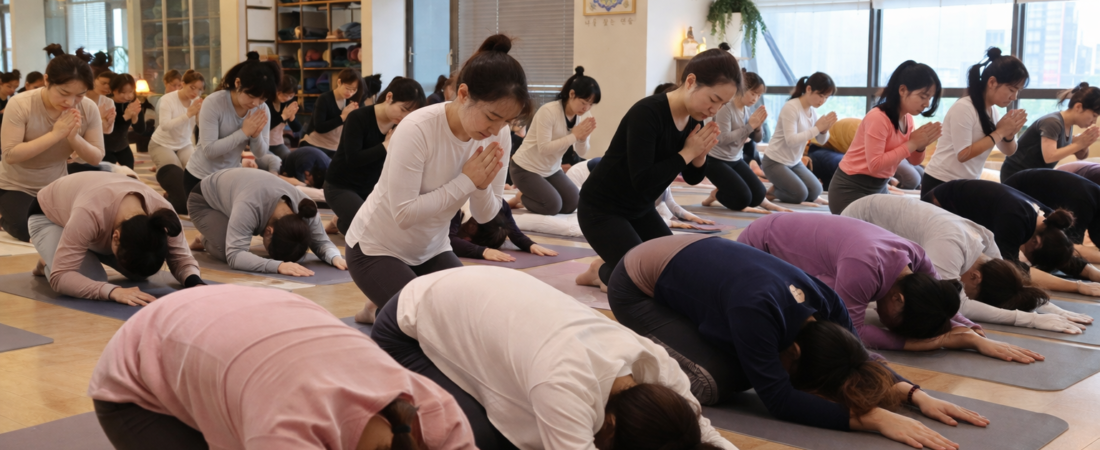
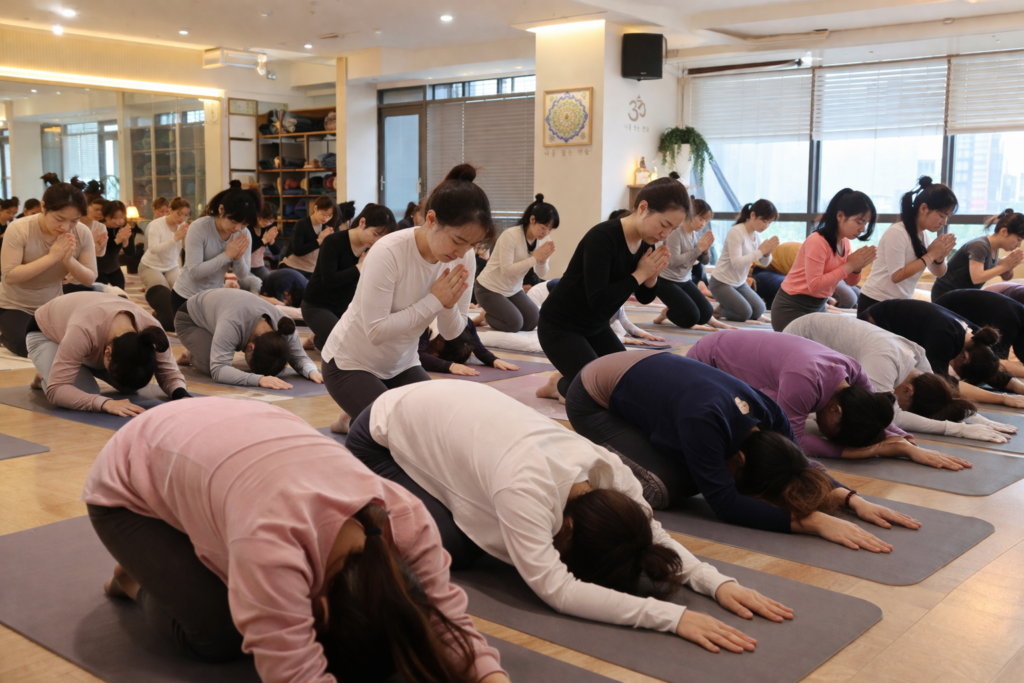
The practice of “108 bows”—a rhythmic sequence of kneeling and prostration—has moved beyond traditional meditation into the realm of modern wellness. Anecdotes claiming that this practice leads to spontaneous pregnancy or miraculous health recoveries are common. However, it is essential to distinguish between a personal wellness experience and a scientifically verified clinical intervention.
Physiological Benefits vs. Clinical Efficacy Research on prostration-based meditation programs consistently shows improvements in weight management, waist circumference, and stress indicators. Patients clearly feel lighter and sleep better. However, when examining core metabolic markers—such as blood glucose levels, insulin resistance, and cholesterol—the changes are often limited or statistically insignificant. The practice certainly improves overall physical condition, but it is not a “cure-all” that reverses chronic pathology.
The Indirect Link to Reproductive Health Regarding fertility, the effects are best understood as “indirect environmental optimization.” The practice combines lower-body muscle stimulation with core engagement. When integrated with controlled breathing, it stabilizes the autonomic nervous system and improves systemic blood flow. This can plausibly lead to an increase in pelvic circulation and a reduction in stress hormones—creating a more favorable “biological soil” for reproduction.
For conditions like Polycystic Ovary Syndrome (PCOS), where metabolic and hormonal imbalances are intertwined, this systemic stabilization can assist in normalizing the ovulatory environment. While many women attribute their successful pregnancies to this practice, scientifically, this is a correlation of simultaneous events rather than a direct causative link.
The Hard Limits of Biology Clinicians draw a firm line at the misconception that prostration can “re-design” fertility. Egg quality is ultimately determined by maternal age and chromosomal stability; sperm quality is governed by DNA integrity and oxidative status. These structural factors are influenced by long-term lifestyle habits, but they are not rewritten by short-term physical exertion.
There is no evidence that prostration exercise corrects chromosomal abnormalities in oocytes or reverses genetic defects in sperm. The sense of improved fertility often reported by practitioners is fundamentally rooted in the stabilization of the body’s overall environment: reduced fatigue, improved sleep, and lower cortisol levels.
A Strategic Tool for IVF Optimization The key variables that dictate IVF success remain clear: age, ovarian reserve, sperm quality, and embryonic competence. Prostration exercise cannot directly alter these core clinical variables. Instead, it serves as a powerful “lifestyle intervention” that manages stress and stabilizes the body’s systemic environment, thereby ensuring that medical treatments can function under optimal conditions.
In the management of chronic conditions, experts describe this as “an intervention that optimizes the conditions of the result, rather than an intervention that changes the result itself.”
Ultimately, the 108-bow practice is a valid lifestyle intervention. It is cost-effective, repetitive, and stimulates both the mind and body. The danger lies in expecting it to be a “technology that produces a result.” When marketed as a fertility cure, it inevitably leads to disappointment. However, when understood as a tool to cultivate a calm and stable physiological state, it becomes a realistic and powerful strategy for those navigating the uncertainties of infertility.
The body can change, but the fundamental nature of disease and biological reproductive limits does not change easily. When we accept both truths, prostration exercise earns its place as a realistic strategy, rather than an exaggerated remedy.
Sources: Miller N et al. (2019), “Does stress affect IVF outcomes? A prospective study”; comprehensive analysis of clinical studies on prostration meditation and metabolic interaction.
Disclaimer: This content is provided for informational purposes, based on reporting on infertility and various public data. Medical judgments and treatment decisions must always be made in consultation with professional medical personnel. Image: AI-generated (ChatGPT, OpenAI) / Visual reference for illustrative purposes only.