
Latest posts
-
IVF Success Rates: Is More Treatment Hiding the Real Result?
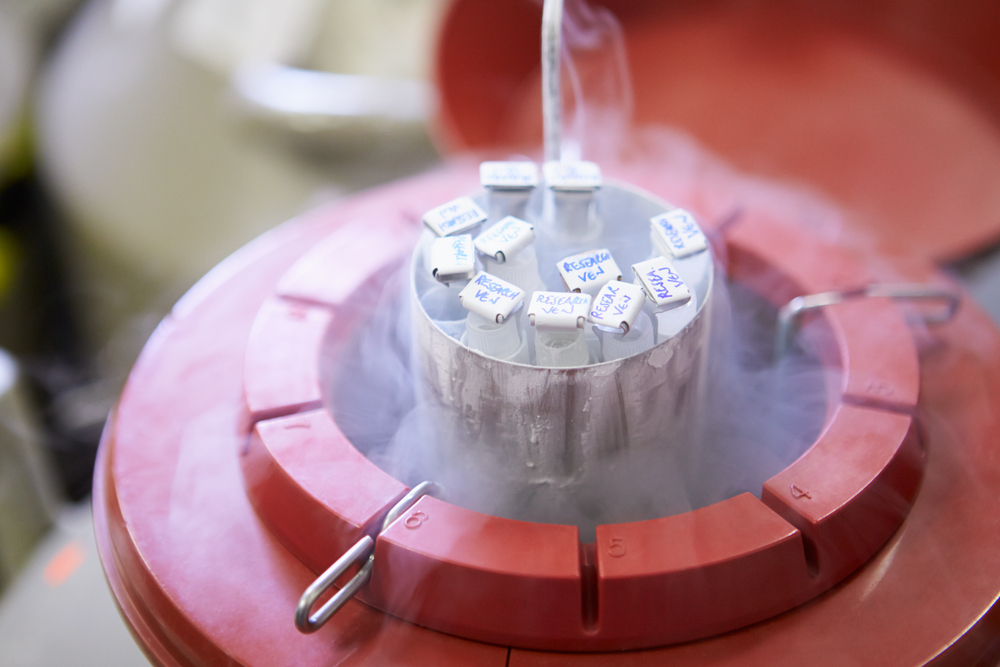
IVF success rates can tell different stories depending on whether the denominator is a started cycle, an egg retrieval or an embryo transfer. Rising treatment volumes alone do not show that IVF is becoming less effective. The real question is which outcome, patient group and follow-up period a headline is measuring.
-
Preconception Nutrition Beyond Folate: Does Your Body Need a Reset?
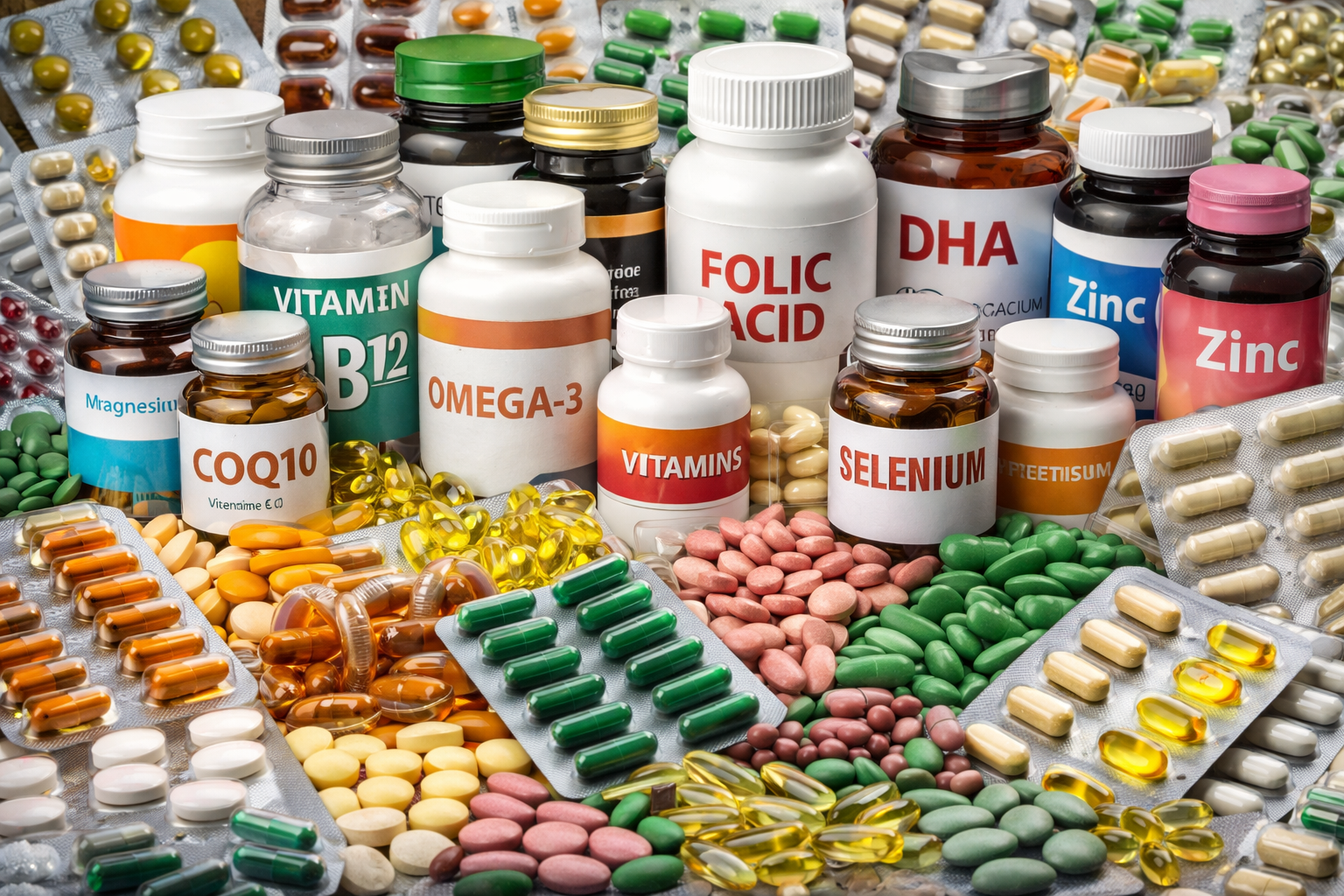
Preconception nutrition involves more than buying a supplement. Folic acid, a varied diet and review of relevant health conditions serve different purposes. The idea of a metabolic “reset” can be a useful metaphor, but it should not imply that every person has a hidden deficiency or must perfect their body before pregnancy.
-
Diet and Fertility: Is Your Daily Bowl Really Aging Your Blood Vessels?

Diet and fertility headlines often turn an everyday meal into a biological threat. Sodium, fat quality and the overall dietary pattern matter for cardiovascular health, but a bowl of noodles cannot diagnose vascular ageing or explain an individual’s infertility. The useful question is what happens across many meals, not one frightening food list.
-
Intermittent Fasting and Fertility: Metabolic Tool or Biological Trap?
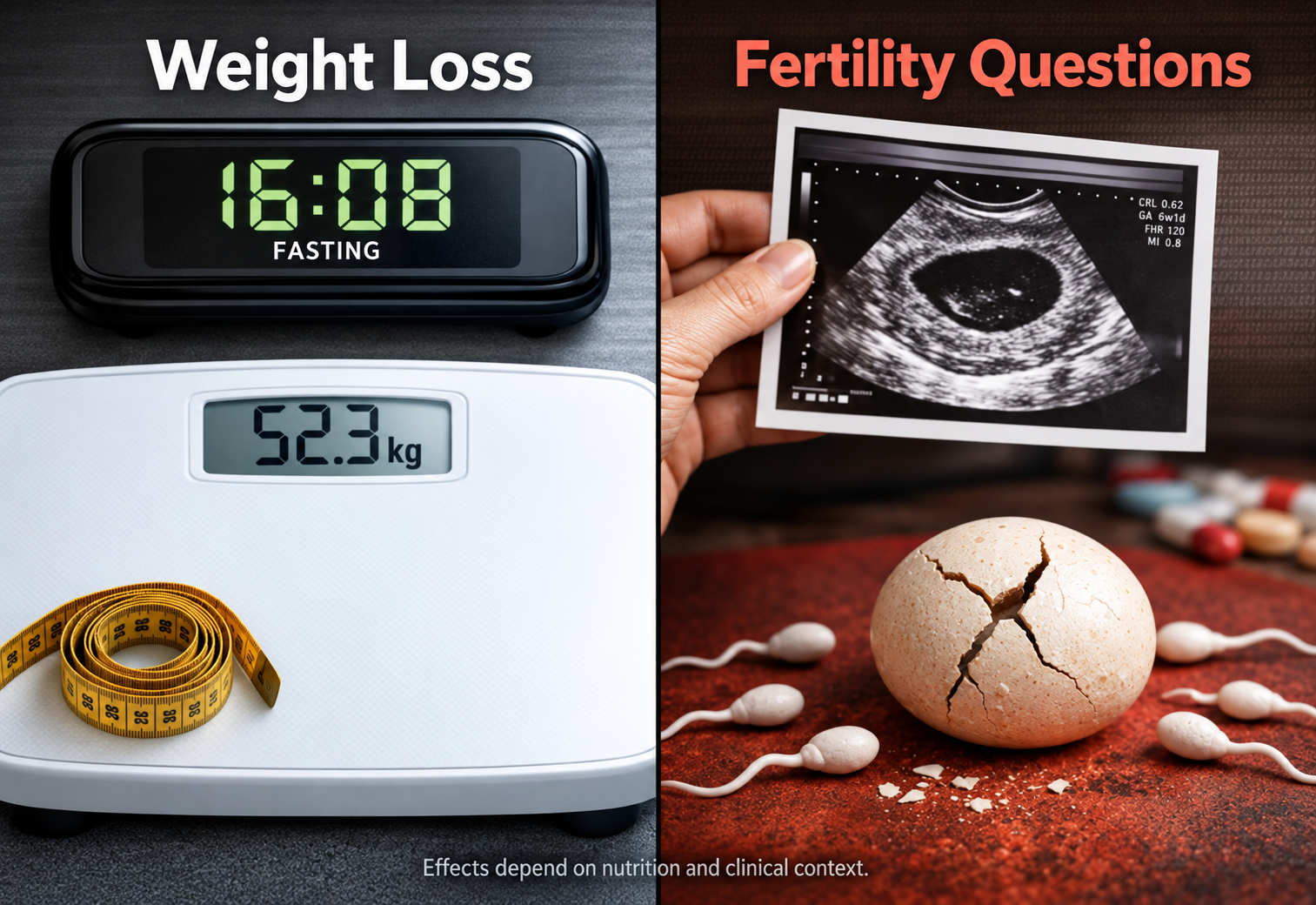
Intermittent fasting and fertility have a complicated relationship. Metabolic improvements are not the same as proven pregnancy benefits, while inadequate energy intake can disrupt menstrual function. Meal timing, nutritional adequacy, medical history and treatment plans matter more than the promise that eating less must improve the odds.
-
Obesity and Fertility: What the Scale Cannot Tell You
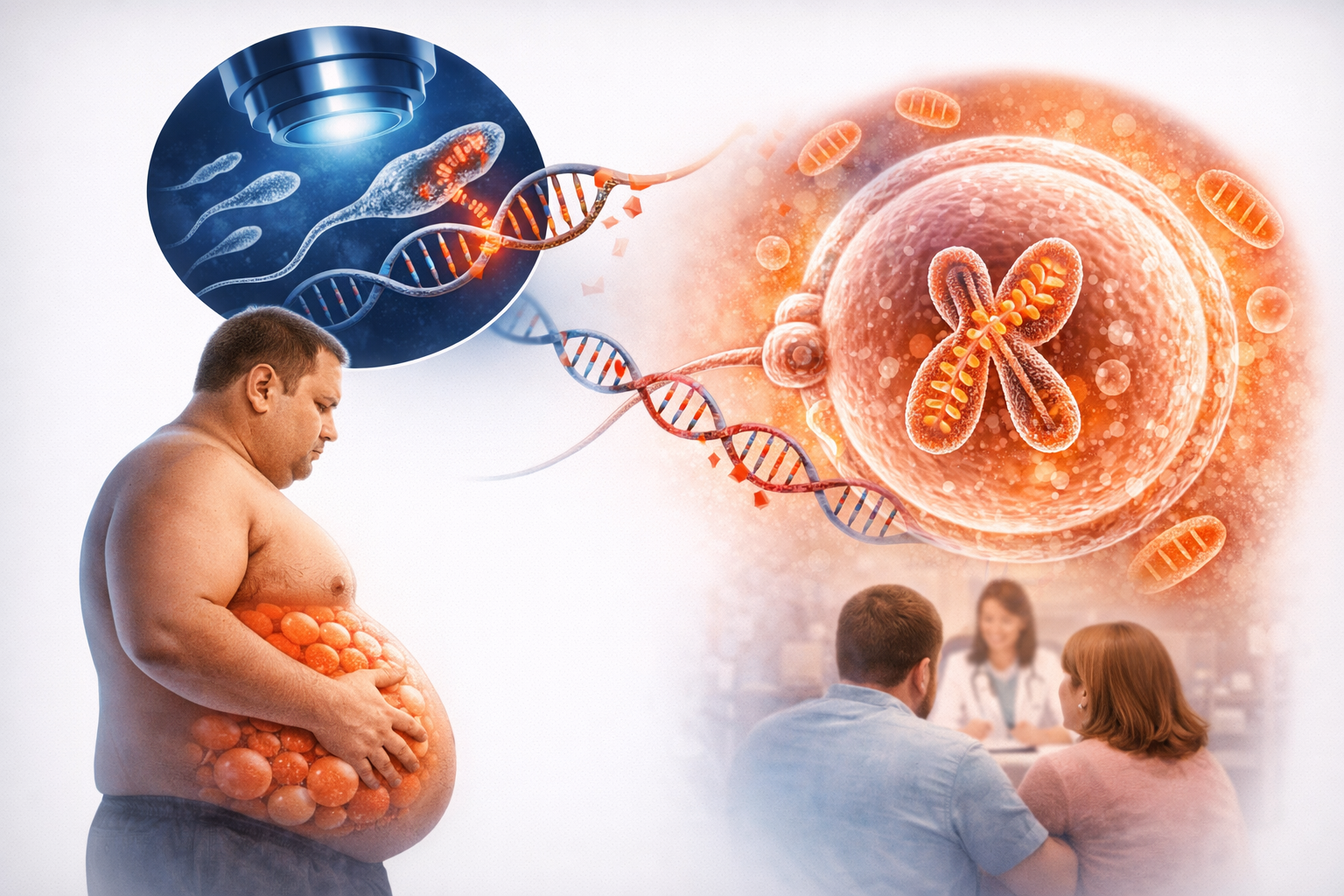
Obesity and fertility involve more than body weight. Metabolic health can affect reproductive care, but BMI does not reveal the condition of every egg or sperm. Supportive treatment should balance health, nutrition, age and timely fertility care rather than turn weight loss into a promise of pregnancy.
-
Sleep and Fertility: Is the Nighttime Connection Being Oversold?
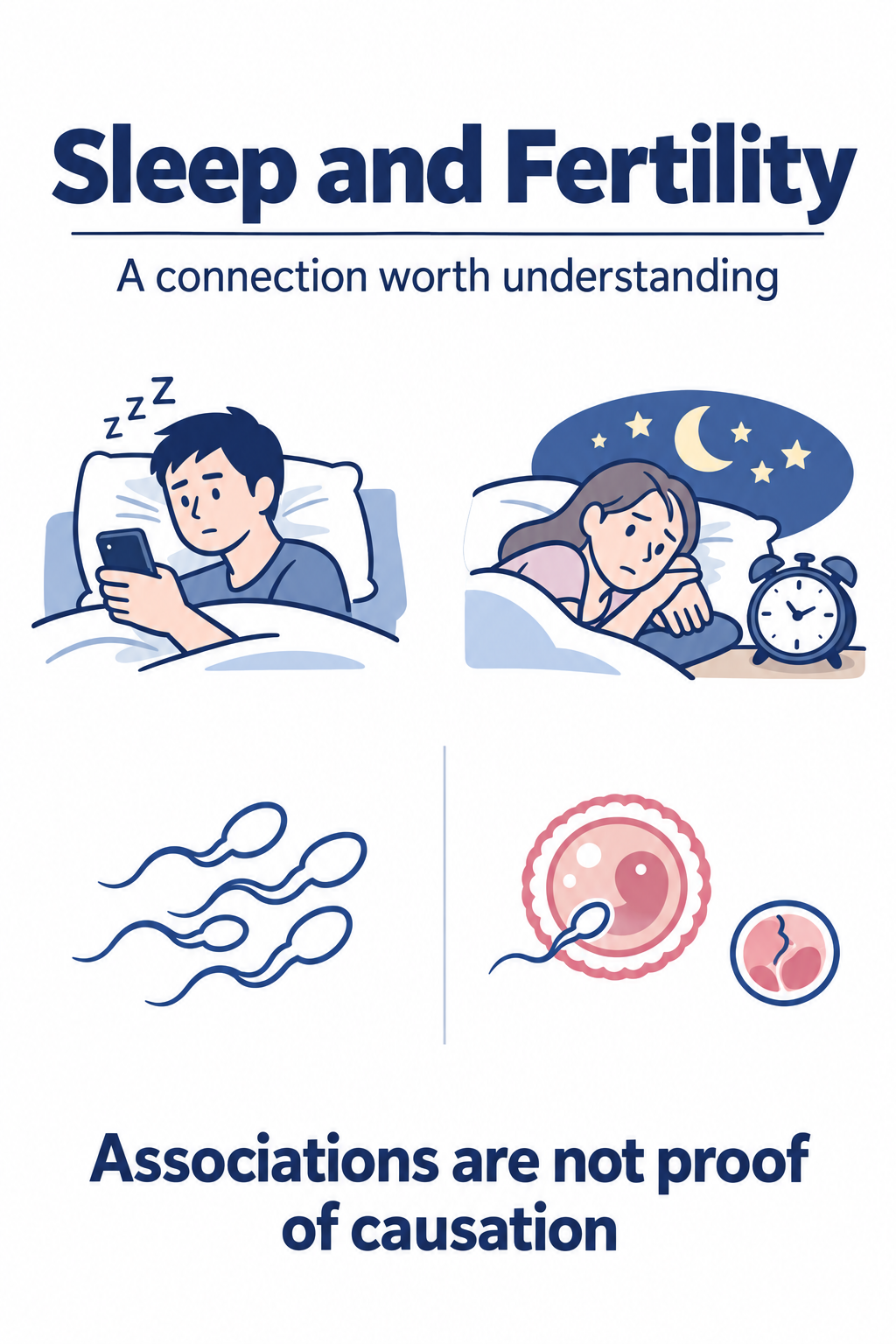
Sleep and fertility are connected in research, but association is not proof that poor sleep causes infertility or IVF failure. Sleep deserves attention as part of health and well-being. It should not become another test patients feel they must pass before they are allowed to hope for pregnancy.
-
Ultra-Processed Foods and Fertility: Beyond the Frightening Headline

Ultra-processed foods and fertility are an emerging research topic, not a settled equation between one food and infertility. Diet, other exposures and broader health patterns can overlap in observational studies. A striking percentage needs an identifiable study, a clear outcome and careful attention to what the comparison actually measures.
-
IVF and Cancer Risk: What a 417,984-Woman Study Really Says
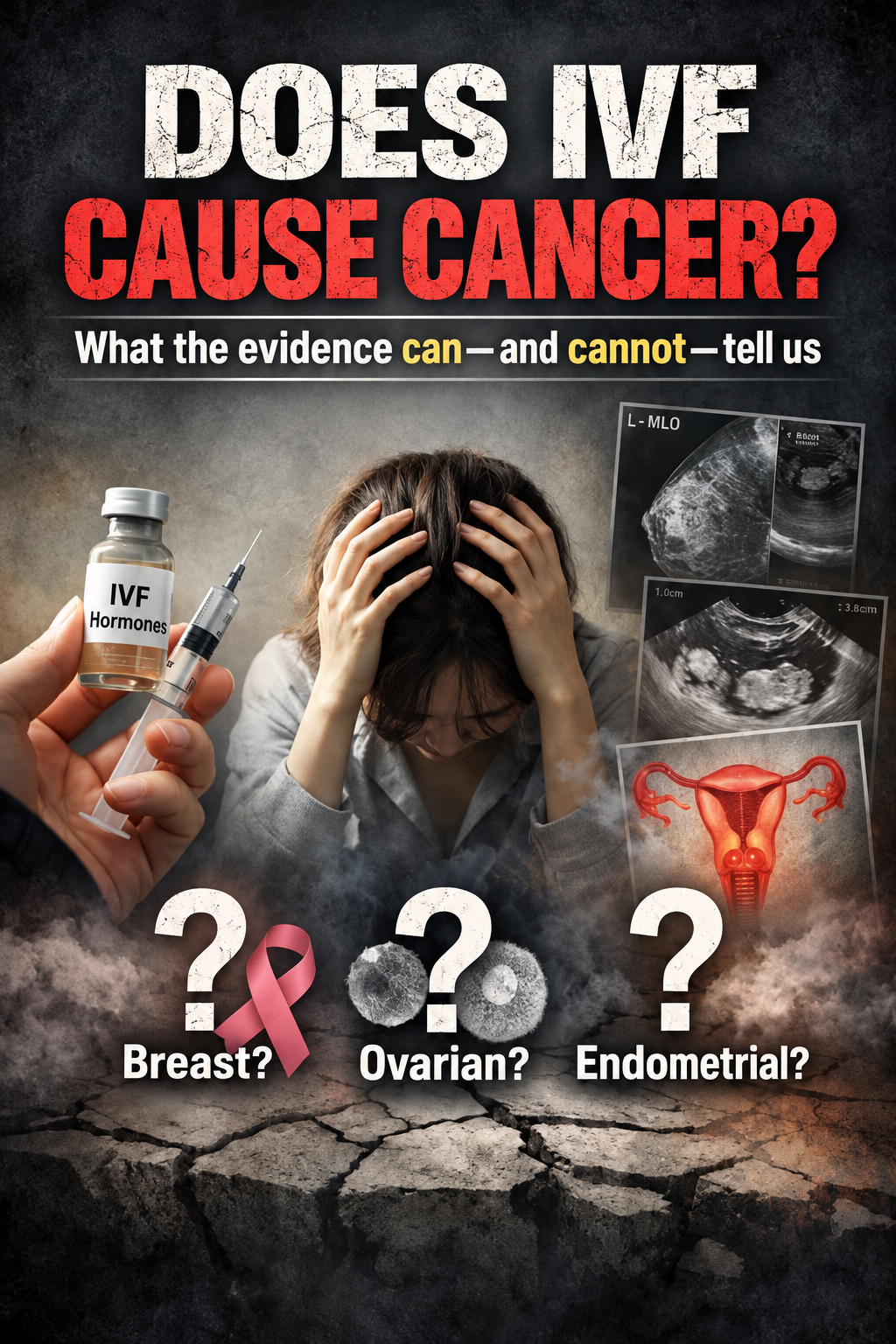
IVF and cancer risk remain a common concern. An Australian cohort of 417,984 women exposed to medically assisted reproduction found overall invasive cancer incidence comparable to the general population in the ART group. That reassuring finding does not settle every cancer-specific question or prove that treatment has no risks.
-
At-Home IVF Monitoring: Can Wearables Deliver More Than Convenience?
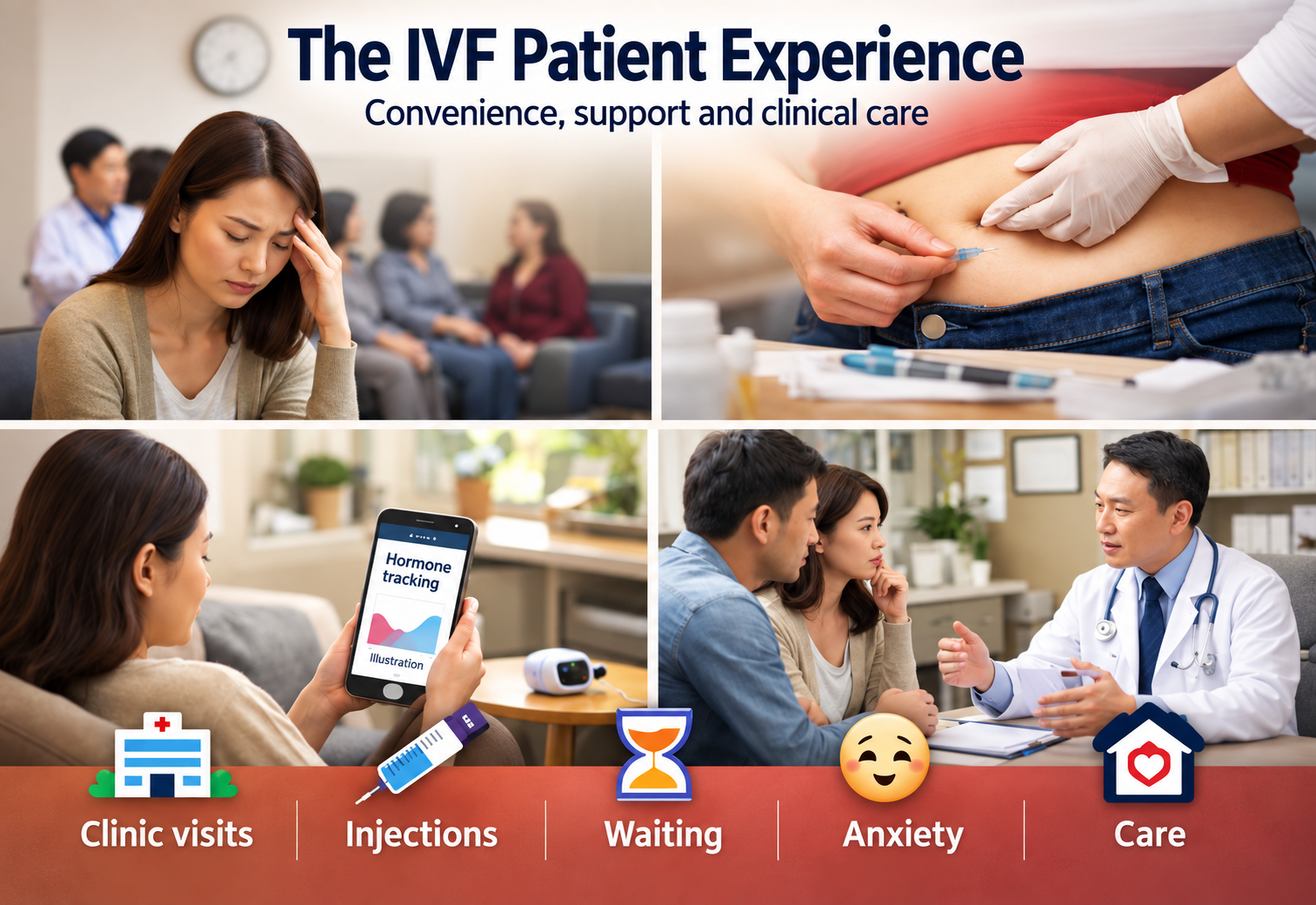
At-home IVF monitoring and wearable hormone sensors promise a more manageable patient experience. Convenience matters, but a new measurement device must be validated for its intended clinical use. Collecting data remotely does not replace the laboratory procedures, clinical interpretation and coordinated care that IVF requires.
-
Chromosomal Translocations and Infertility: Does the Breakpoint Change the Story?
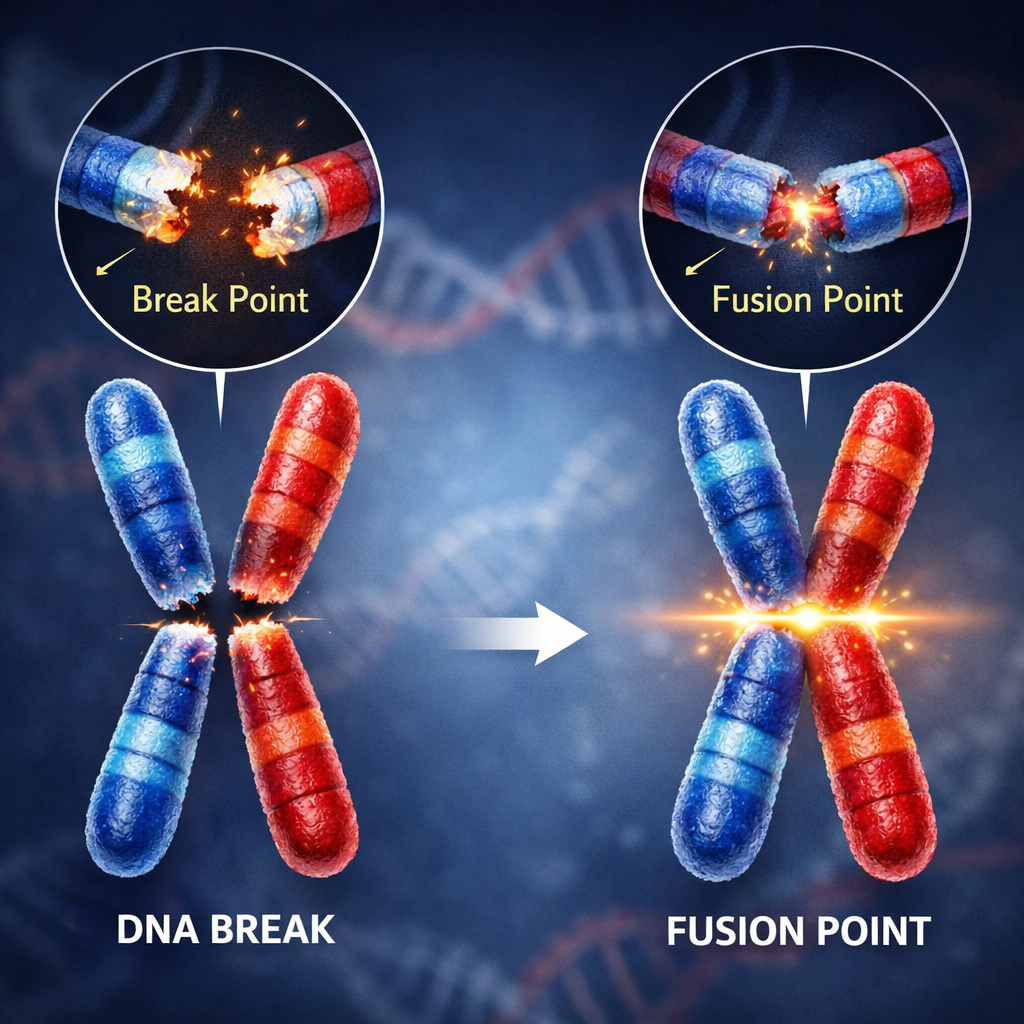
Chromosomal translocations and infertility raise questions that a simple “normal” or “abnormal” label cannot always resolve. Breakpoint analysis can add detail in selected genetic evaluations. It does not explain every failed embryo or make unexplained infertility a single-gene problem waiting to be found.