
Latest posts
-
Endometrioma Treatment: Cut It Out—or Preserve What Remains?
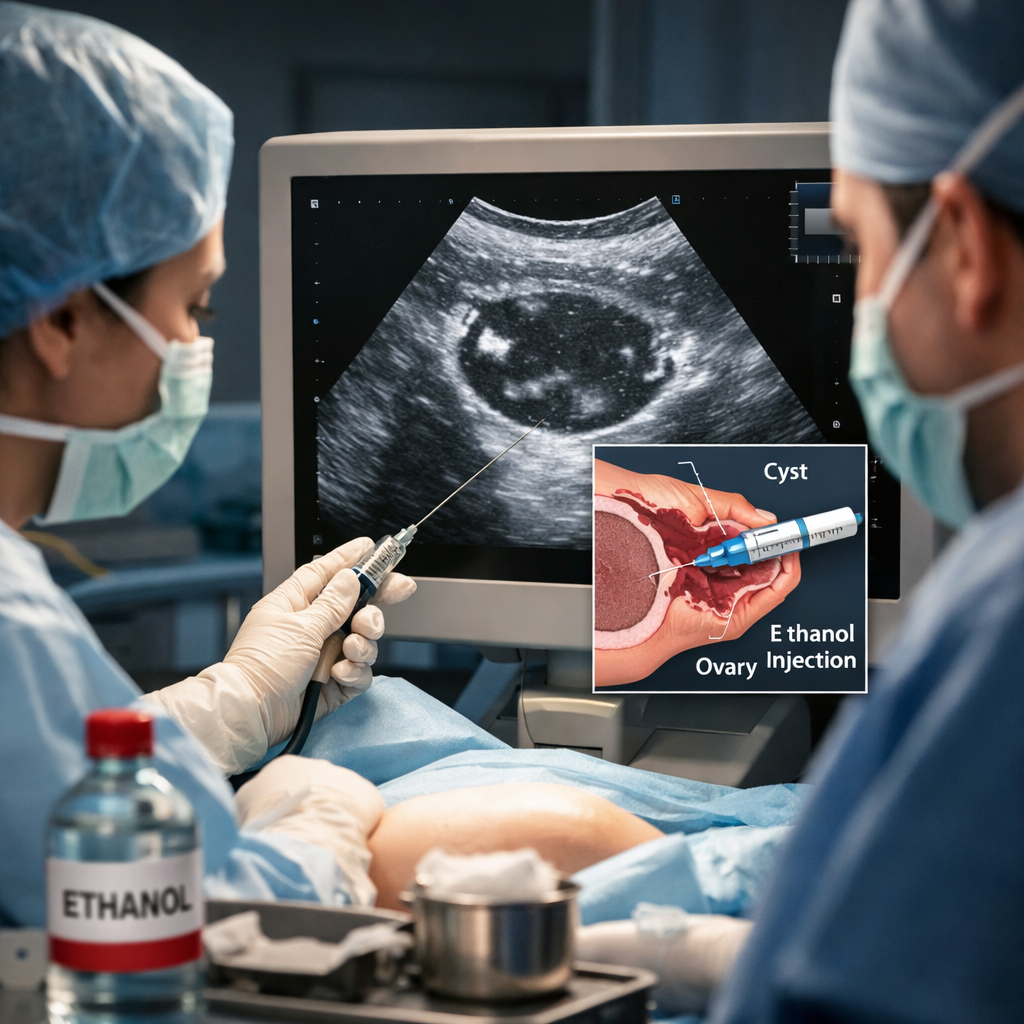
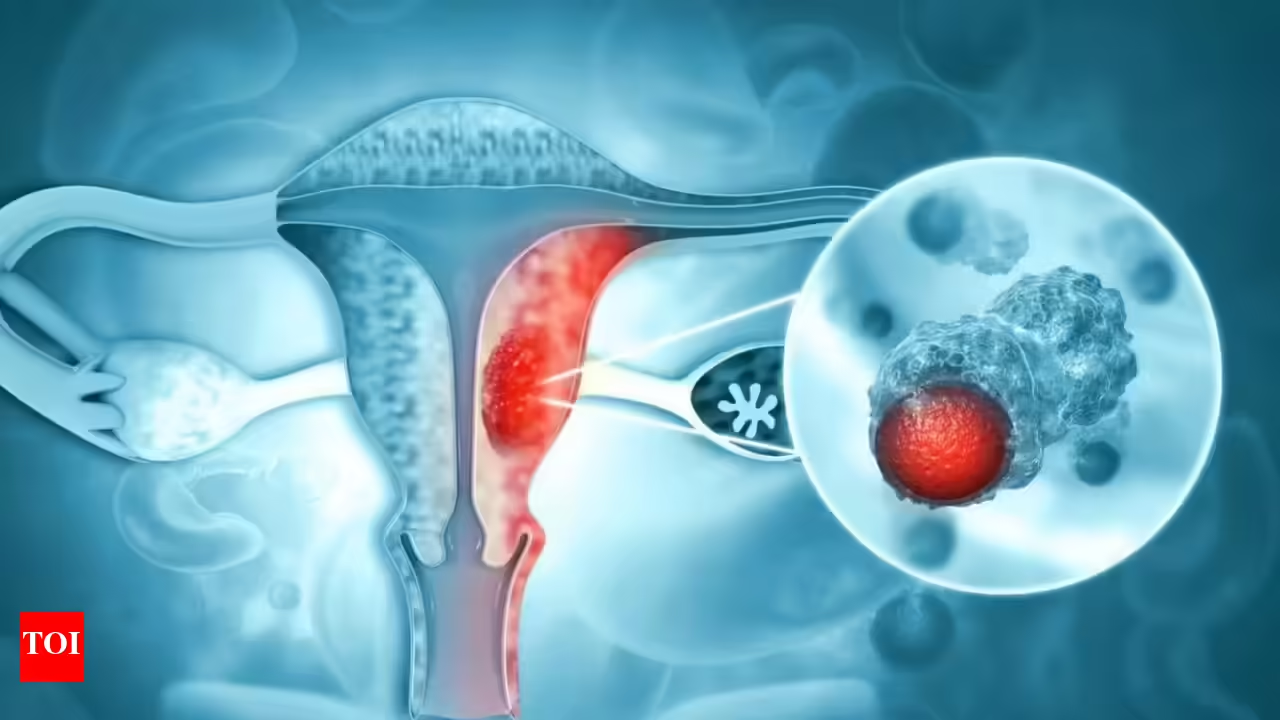
Endometrioma treatment involves trade-offs between symptoms, recurrence, ovarian reserve and fertility plans. Ethanol sclerotherapy is one approach under investigation and use in selected settings. It should not be presented as a universally safer substitute for surgery or a proven way to improve live birth.
-
GLP-1 Medicines and Fertility: Metabolic Breakthrough or Overstated Promise?
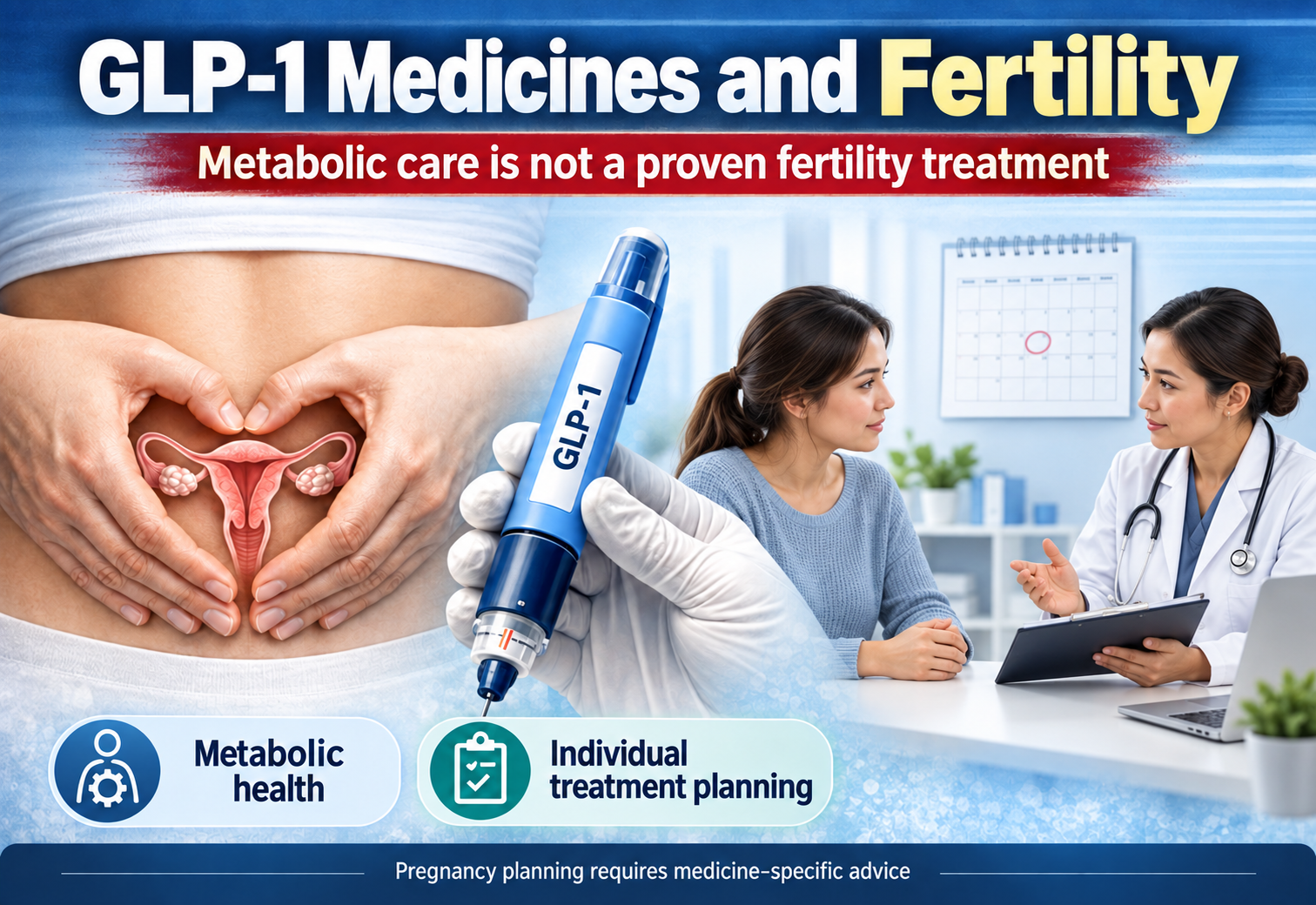
GLP-1 medicines and fertility have attracted attention because metabolic health matters in reproductive care. These medicines are not established fertility treatments and should not be used during pregnancy. Weight-management decisions and pregnancy timing require a coordinated, medicine-specific plan rather than a promise that ovulation will return.
-
Letrozole vs Clomiphene: Is the Fertility Drug Era Really Changing?
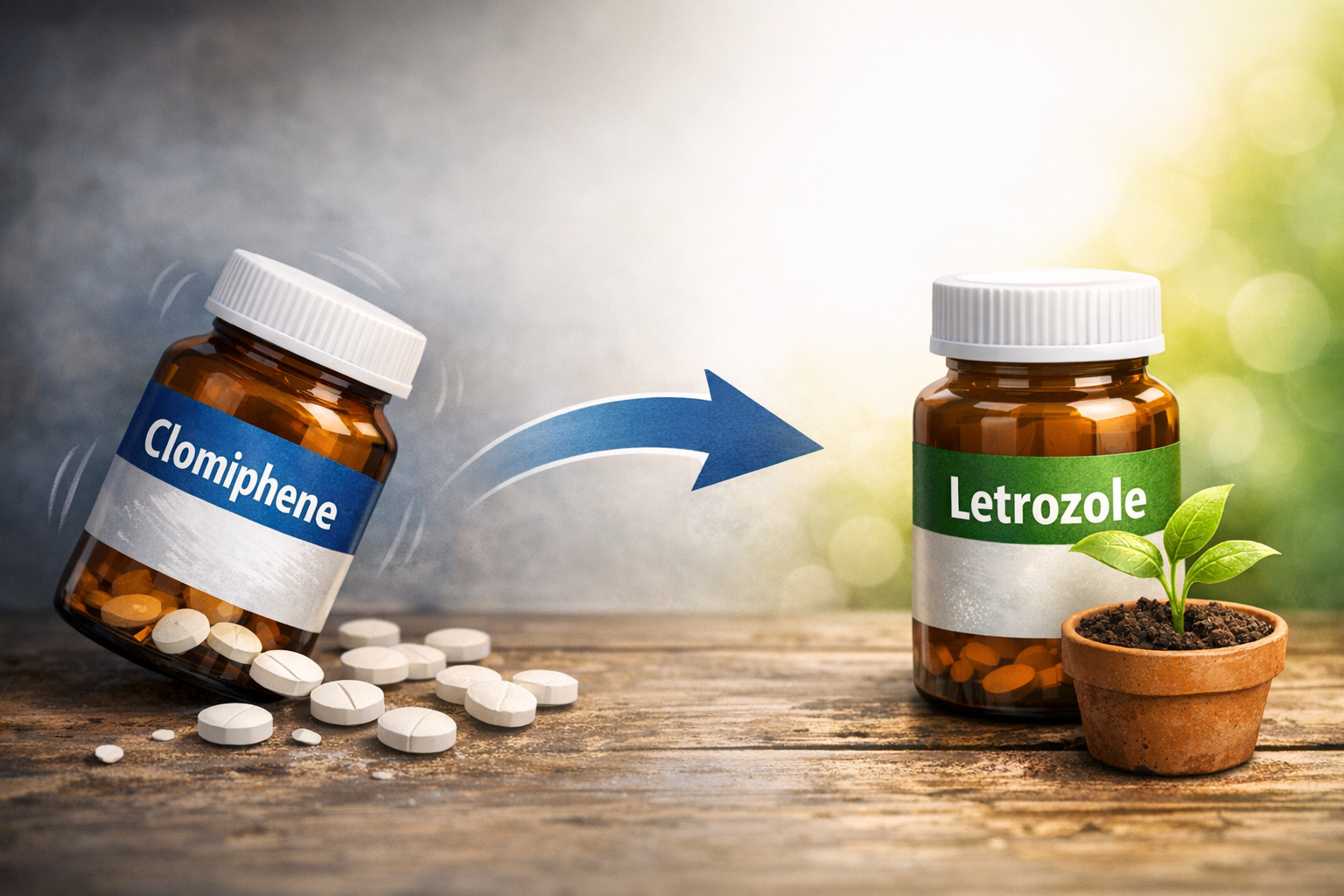
Letrozole versus clomiphene is an important comparison in ovulation induction for PCOS. Evidence favoring letrozole in that population does not mean clomiphene has disappeared or that one medicine is best for every infertility diagnosis. The treatment goal, population and outcome matter.
-
IVF Microneedle Patches: Could the Daily Injection Routine Change?
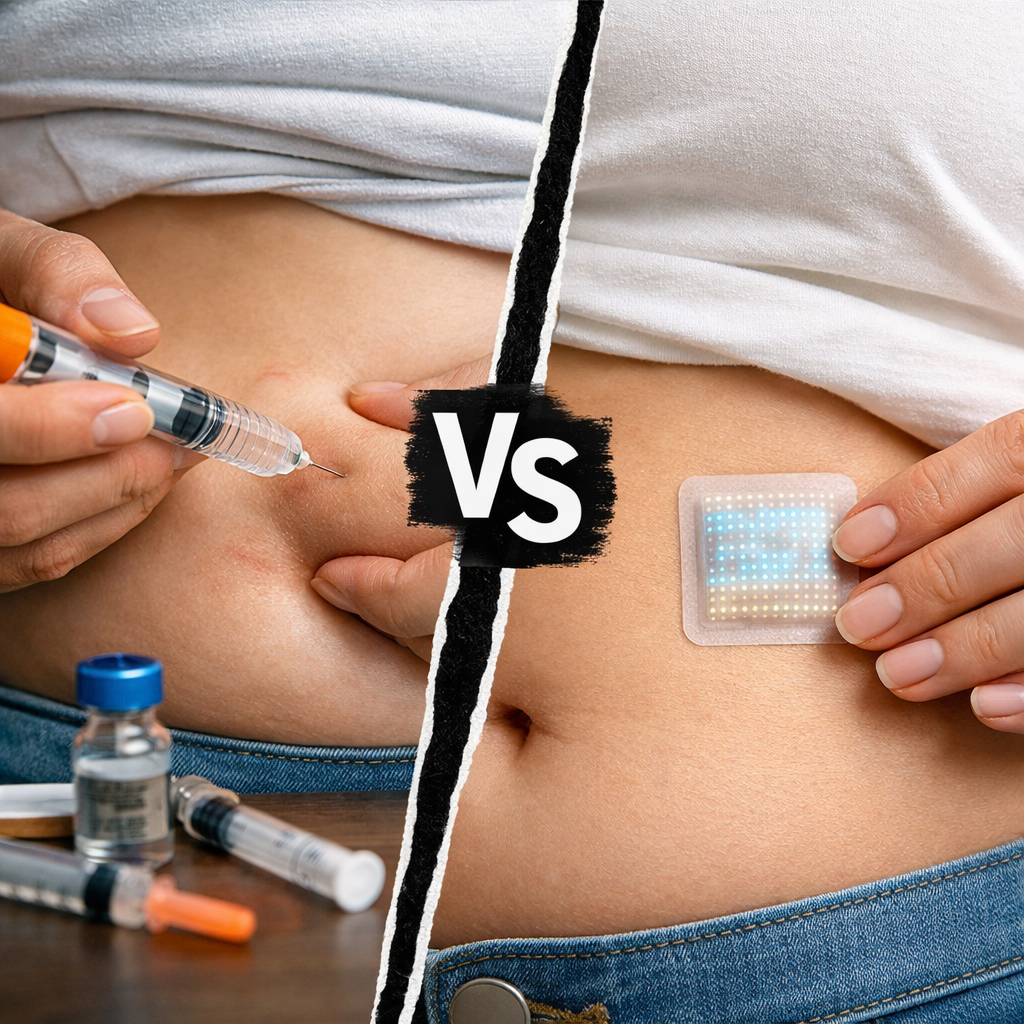
IVF microneedle patches raise an appealing question: could hormone delivery become easier than daily injections? This is a research prospect, not an established replacement for prescribed stimulation medicines. Comfort, dose control and clinical outcomes each require evidence.
-
PGT-A in IVF: Are We Selecting Potential—or Discarding It?
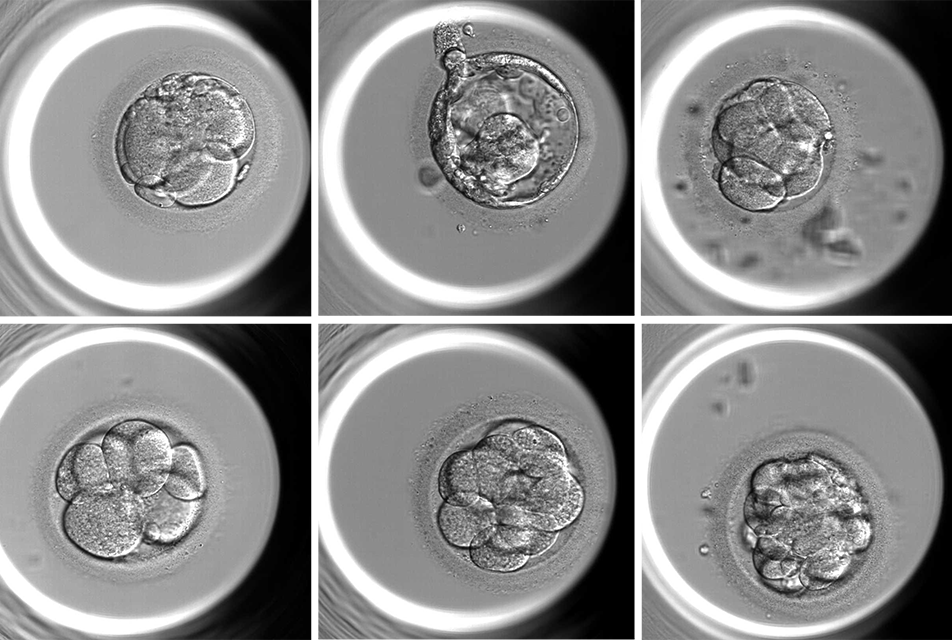
PGT-A in IVF can inform embryo selection, but its value depends on the patient and the outcome being measured. A chromosome-screening result is not a guarantee of a healthy baby. Cumulative live birth, miscarriage, time and available embryos deserve separate attention.
-
Microplastics in Follicular Fluid: What Does Finding Them Actually Mean?
Microplastics in human follicular fluid have raised questions about the environment surrounding an egg. A small 2025 study detected particles in 14 of 18 samples. Detection is an important research finding; it does not establish the cause of an individual’s infertility or quantify their chance of pregnancy.
-
SGO1 and Egg Ageing: Could Chromosome Errors Become Repairable?
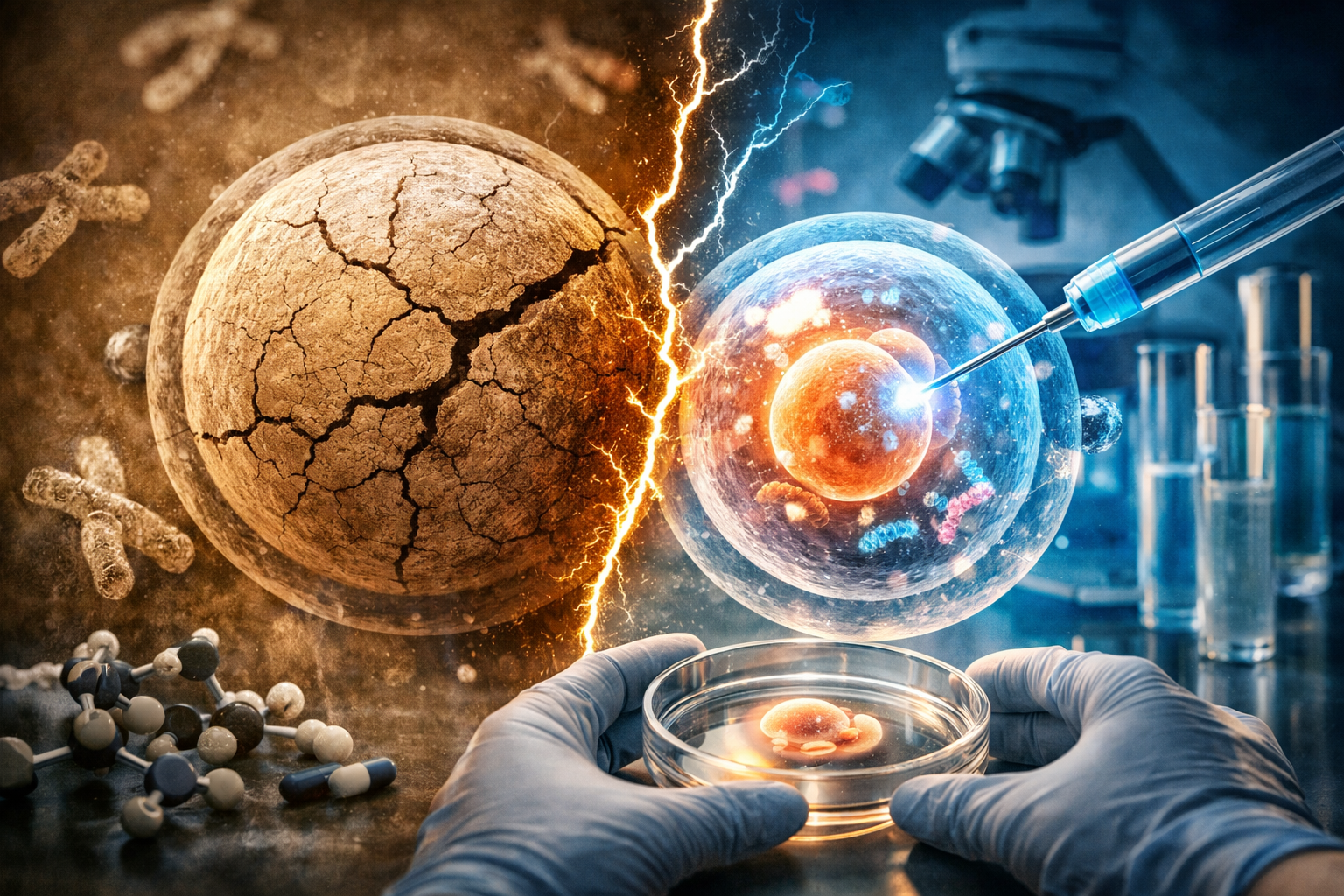
SGO1 and egg ageing research asks whether some chromosome-separation errors can be prevented. Early laboratory work in immature human oocytes reported a reduction in errors after restoring Shugoshin-1. This is not evidence that egg ageing has been reversed in patients or that live-birth rates improve.
-
The Gut–Ovary Axis: Does Fertility Really Begin in the Gut?
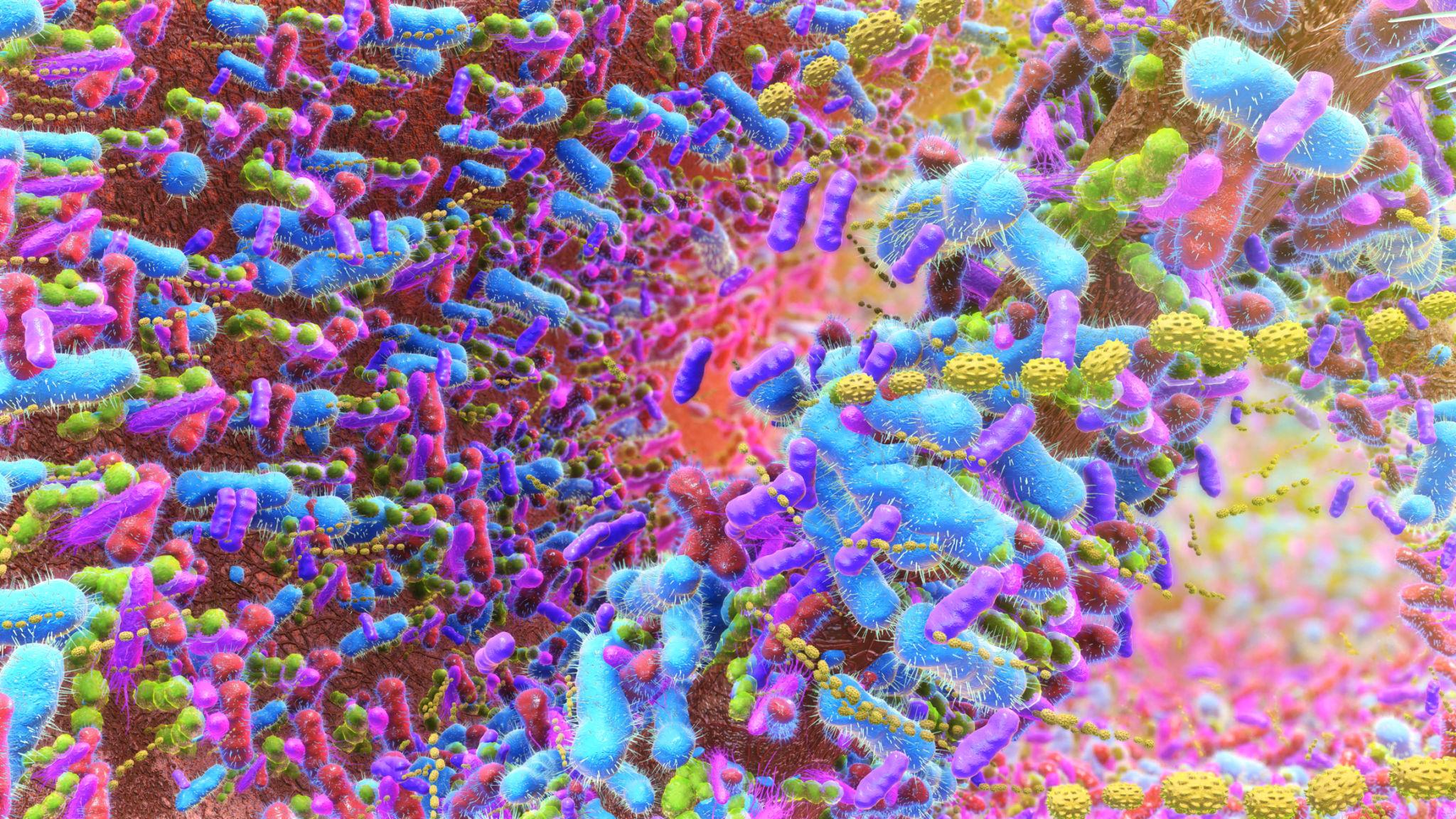
The gut–ovary axis is an emerging research idea linking microbial activity, metabolism and reproductive biology. It does not establish that gut health determines egg quality or that probiotics improve IVF live birth. The intriguing connection needs careful separation of mechanisms, associations and clinical benefit.
-
The Ovarian Environment: More Than a Warehouse for Eggs?
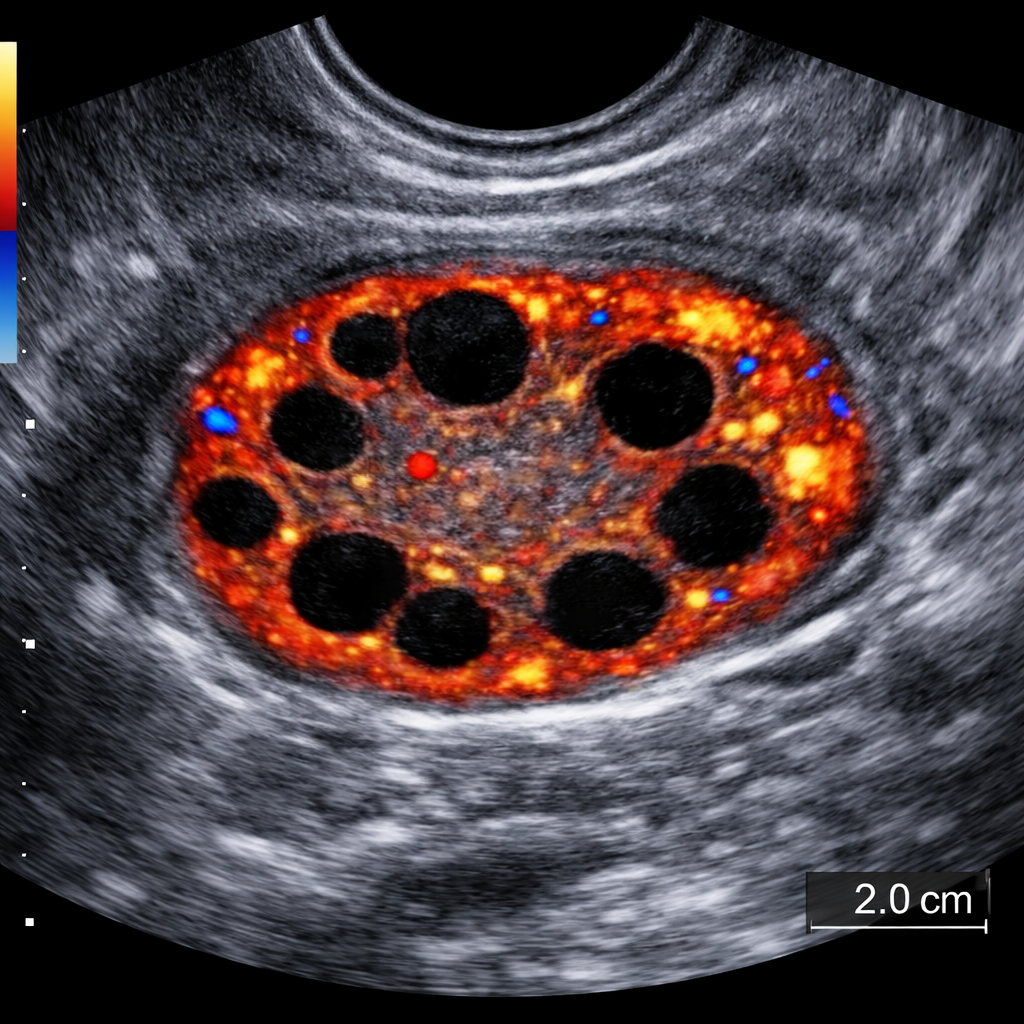
The ovarian environment includes blood vessels, immune cells and supporting tissues as well as follicles. Studying this biology may help explain reproductive ageing. It does not make egg number irrelevant or establish that an available treatment can restore an ovary or guarantee IVF success.
-
Relugolix for Fibroid Symptoms: Relief—or a Pause Button?
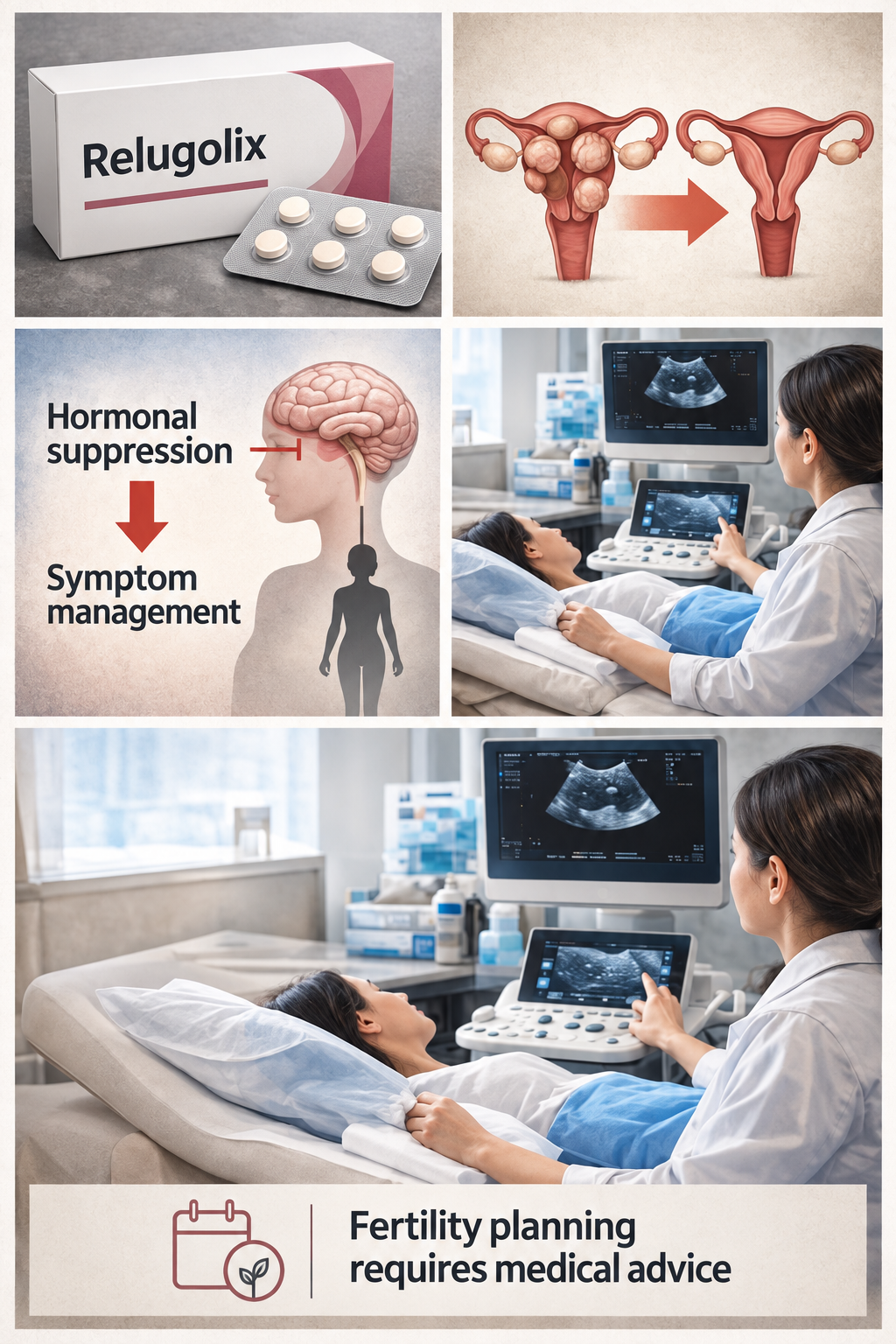
Relugolix can be part of treatment for fibroid symptoms, with important differences between monotherapy and combination regimens. Reducing bleeding or pain is not the same as curing a condition or improving fertility. Pregnancy plans, contraindications and treatment duration belong in the discussion.