
For a long time, the prevailing clinical view of the ovary was that of a “storage unit”—a reservoir where eggs were kept, an asset that inevitably depletes over time. Naturally, fertility treatment focused heavily on “numbers”: How many are left? How many can we retrieve? How many can we secure? These simple metrics have dictated the direction of reproductive medicine for decades.
However, this premise is beginning to crumble. Recent research consistently suggests that the true determinant is not the quantity of eggs, but the “environment” within the ovary itself.
The ovary is not a quiet warehouse; it is a dynamic ecosystem intricately woven with nerves, blood vessels, immune cells, and fibrous tissues. It is becoming increasingly clear that the state of this ecosystem governs the quality of the eggs it produces.
Three key factors define this internal environment: Blood flow, inflammation, and fibrosis.
- Blood Flow: Follicles depend on a steady supply of oxygen and nutrients via blood vessels. If perfusion is inadequate, eggs cannot grow properly from the start. This explains why a high antral follicle count on paper does not always translate into a high number of “usable” eggs.
- Inflammation: Chronic inflammation exacerbates the problem. As reactive oxygen species (ROS) accumulate and cellular stress builds up, egg quality quietly deteriorates.
- Fibrosis: As ovarian tissue hardens, it disrupts blood flow and inhibits cellular signaling. Once fibrosis reaches a certain stage, even the most aggressive stimulation produces limited results.
These factors do not operate in isolation. Impaired blood flow triggers inflammation, and inflammation promotes fibrosis, which in turn further obstructs blood flow. This cycle creates a vicious loop of “ovarian environmental collapse.”
This realization forces us to re-evaluate the fundamental strategy of In Vitro Fertilization (IVF). Until now, the IVF paradigm was simple: stimulate more, retrieve more, and select the best from the bunch. But if the ovarian environment—the origin—is compromised, the options are inherently limited. This explains why IVF success rates have not climbed in proportion to the increase in procedure volume. Technology has advanced, yet results have stagnated. The missing link is the ovarian environment.
A paradigm shift is quietly underway. While the past focused on “egg acquisition,” the critical question is now, “In what environment are these eggs being created?” We are moving from an era of stimulating the ovary to an era of restoring it.
Approaches aimed at improving blood perfusion, suppressing inflammation, and mitigating oxidative stress are gaining ground in both research and clinical practice. While not yet established as universal standard protocols, the direction is clear: if you do not change the ovary, you cannot change the outcome.
From the perspective of a fertility-specialist journalist, this is not merely a passing research trend. It is a process of redefining the source of failure. For a long time, we have blamed the “egg” itself. But now, the question has changed:
“Was the egg truly the problem, or was it the environment that nurtured it?”
Sources: Human Reproduction Update, Fertility and Sterility, Nature Reviews Endocrinology, Reproductive Biology and Endocrinology.
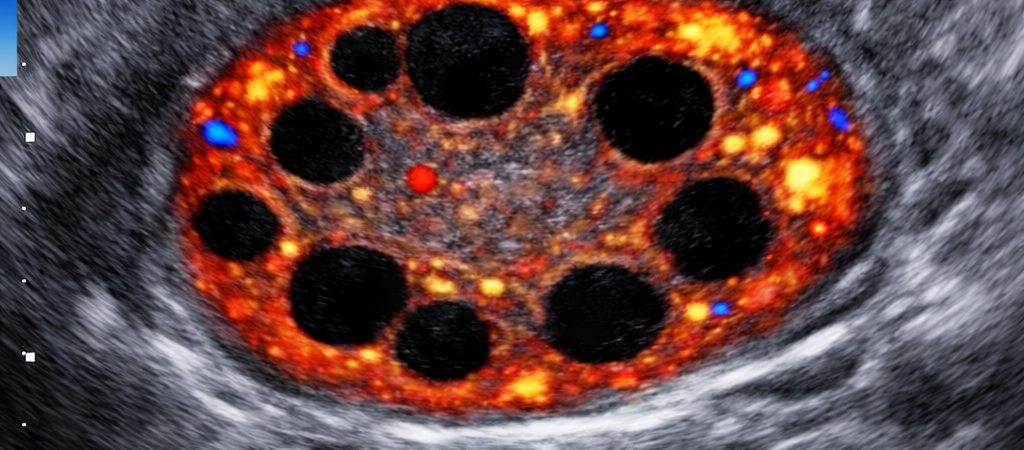
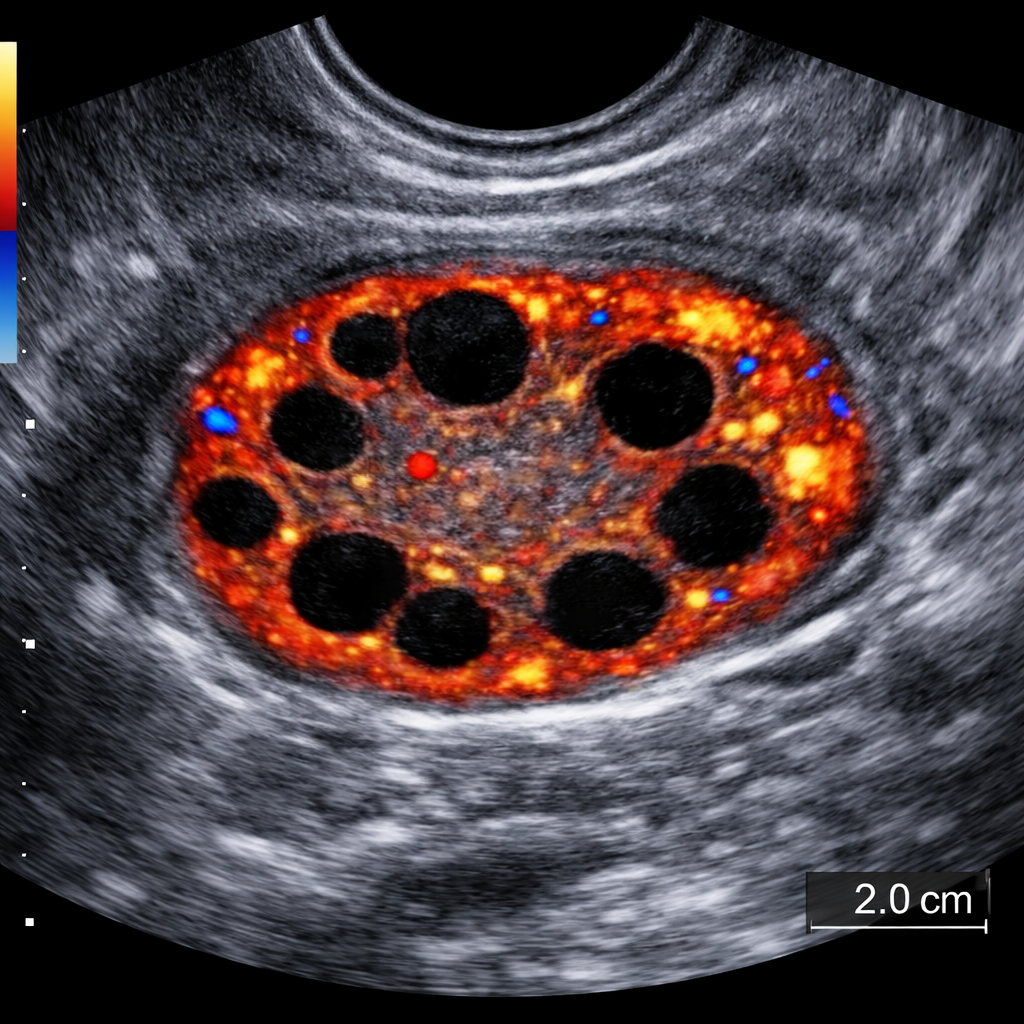
Disclaimer: This content is provided for informational purposes, based on reporting on infertility and various public data. Medical judgments and treatment decisions must always be made in consultation with professional medical personnel. Image: AI-generated (ChatGPT, OpenAI) / Visual reference for illustrative purposes only.