
Latest posts
-
Arts and Biological Aging: Can a Museum Visit Change the Clock?
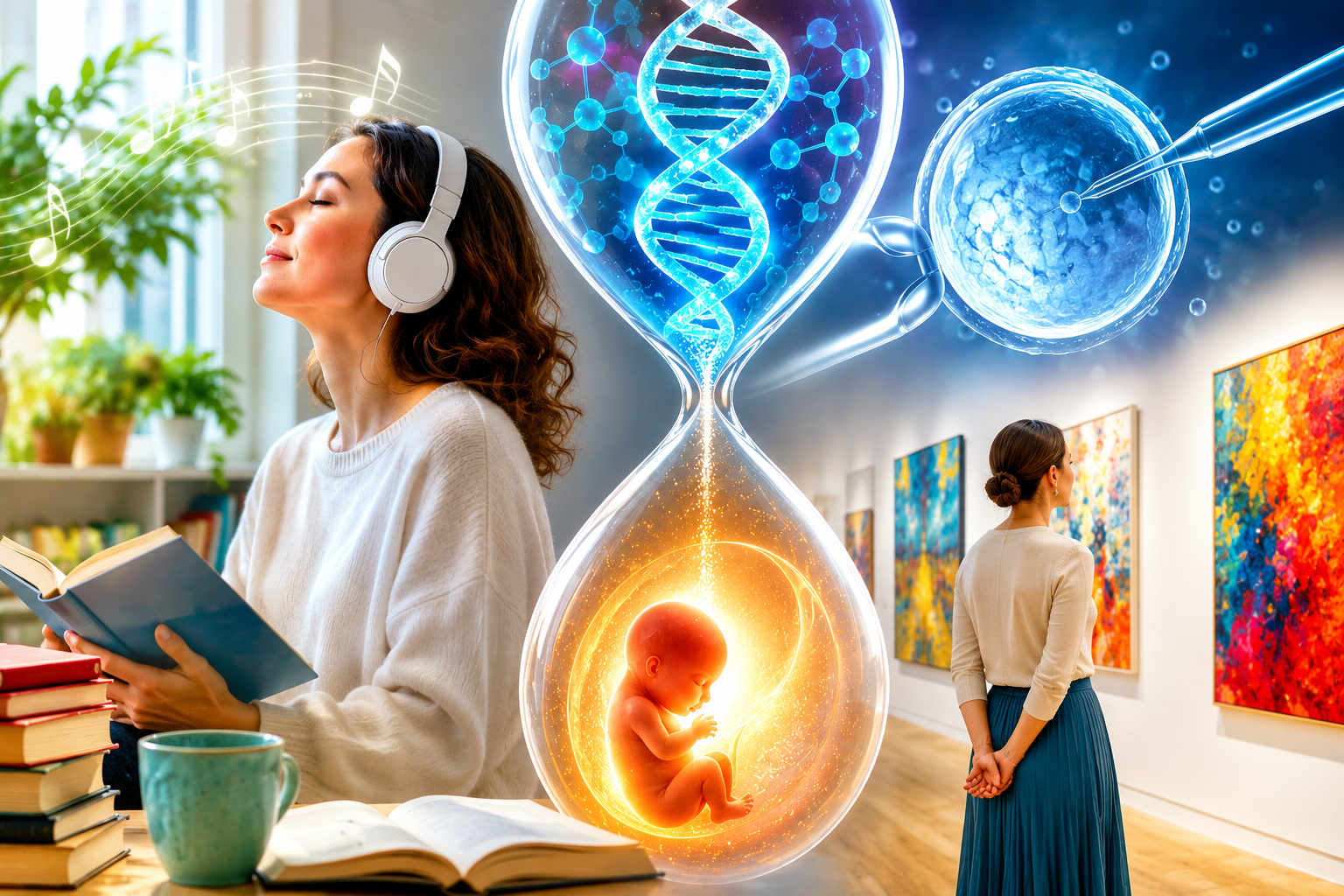
Arts and biological aging were associated in a UCL-led study of 3,556 adults. Creative and cultural engagement correlated with some measures of slower aging, but the study did not test IVF success or ovarian rejuvenation. Enjoying art can be worthwhile without turning it into another fertility prescription.
-
Heating Food in Plastic: A Fertility Fear Worth Putting in Context
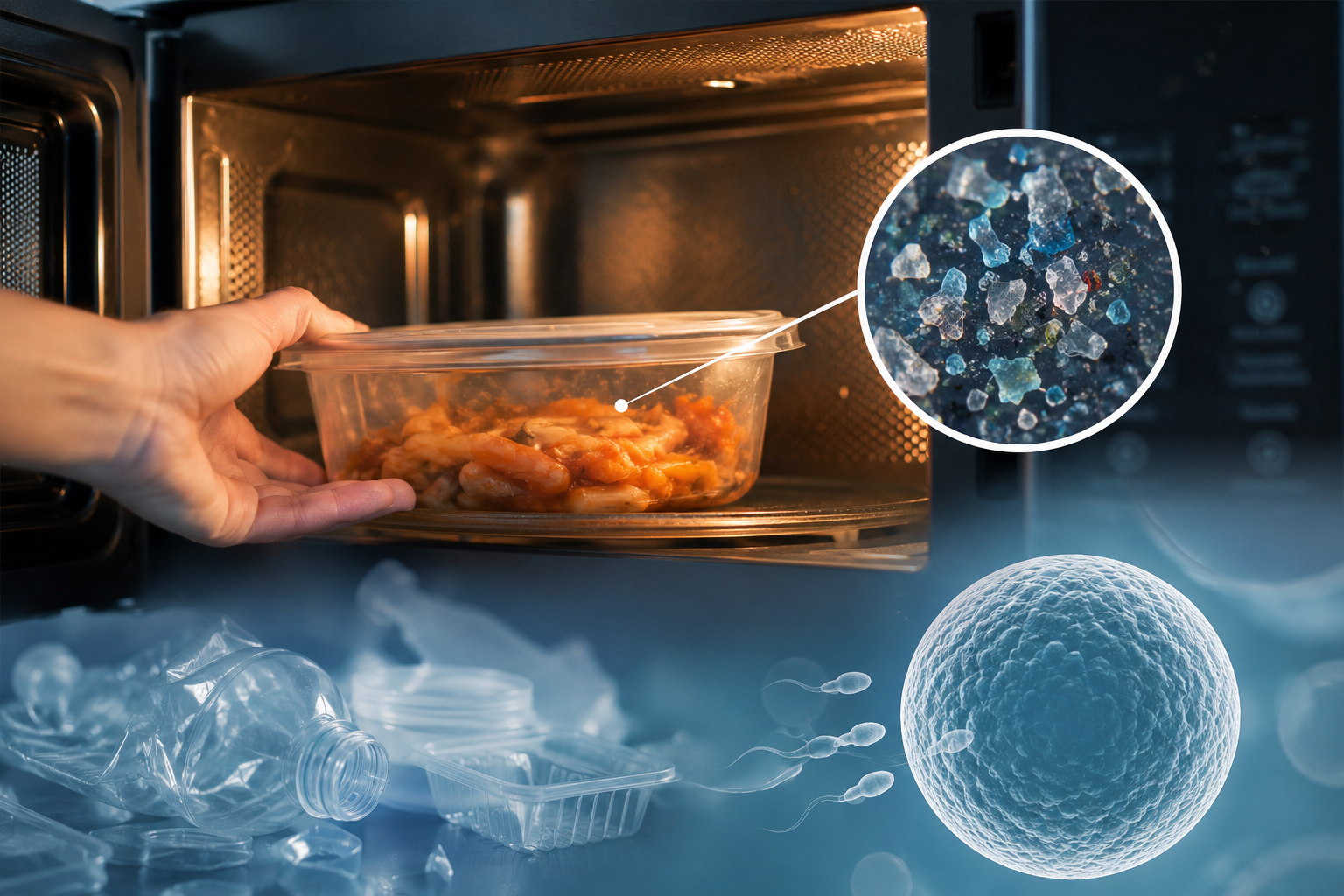
Heating food in plastic raises questions about chemical migration and exposure. Materials and intended uses differ, so “plastic” is not a single risk category. Following food-contact and microwave-use instructions is sensible, but changing one container has not been shown to reverse infertility or guarantee better IVF outcomes.
-
Chronic Endometritis and IVF: Is the Uterine Environment Being Overlooked?
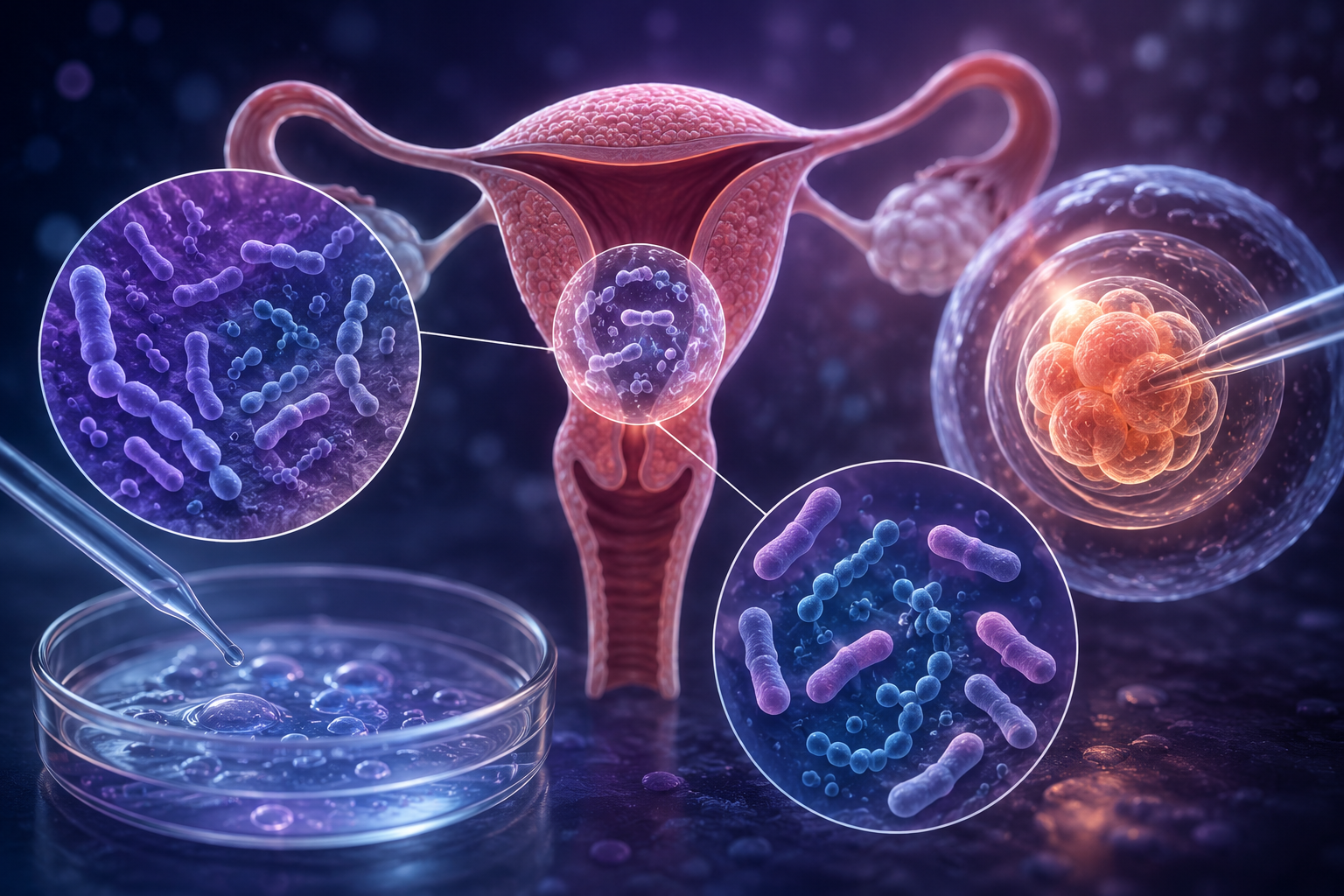
Chronic endometritis and the endometrial microbiome are often discussed after repeated implantation failure. They are related areas of investigation, not interchangeable diagnoses. Selected assessment may be considered, while routine microbiome testing, probiotics or broad immune treatments should not be presented as proven routes to a live birth.
-
Egg Freezing and Age: Can You Really Put Fertility on Ice?
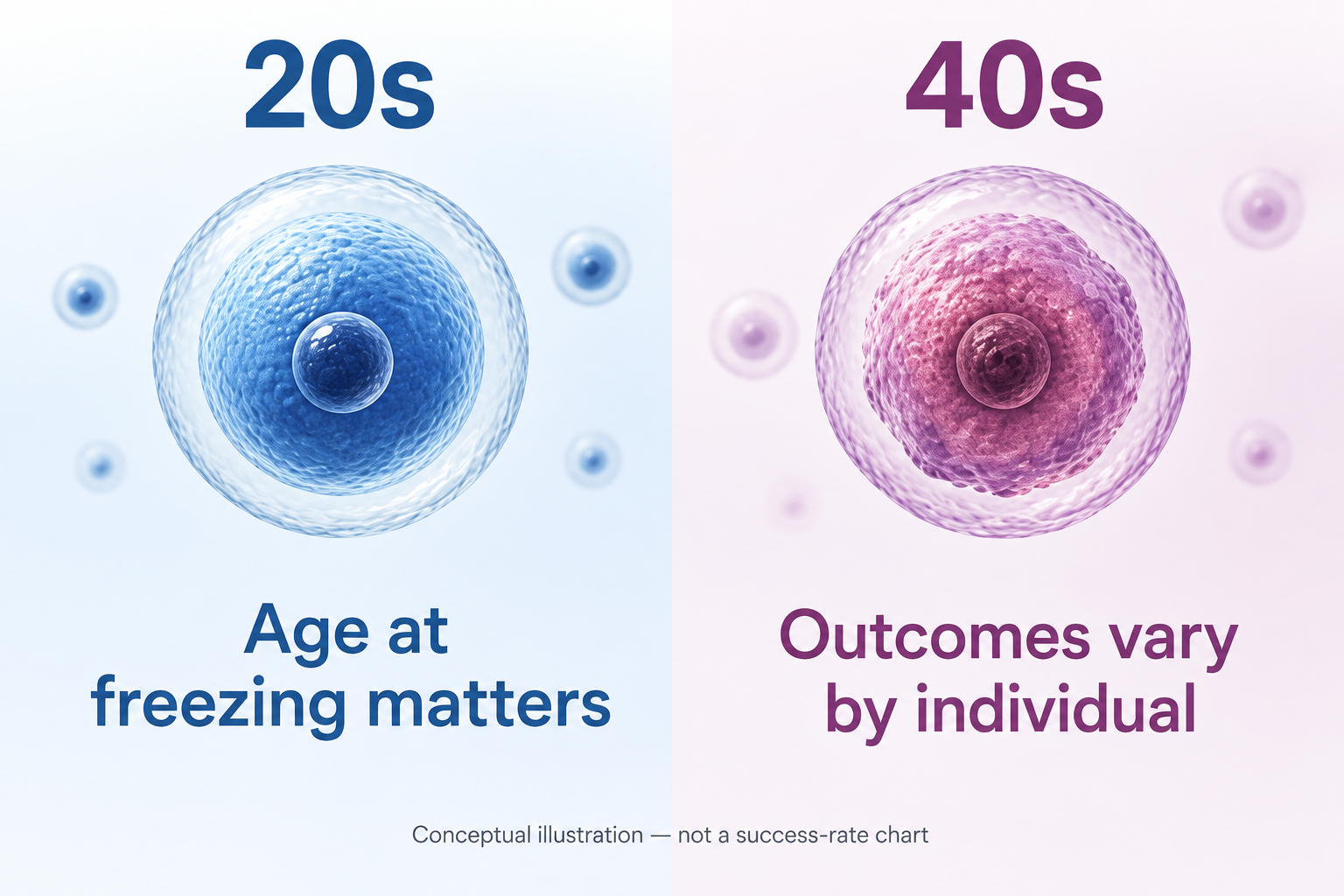
Egg freezing and age are closely linked: age at freezing and the number of eggs stored influence future prospects. Freezing does not guarantee a baby or erase the health considerations of pregnancy at an older age. Useful counseling replaces a universal ideal age with realistic, individualized estimates and priorities.
-
PRP in Embryo Culture: A Growth-Factor Promise Looking for Proof
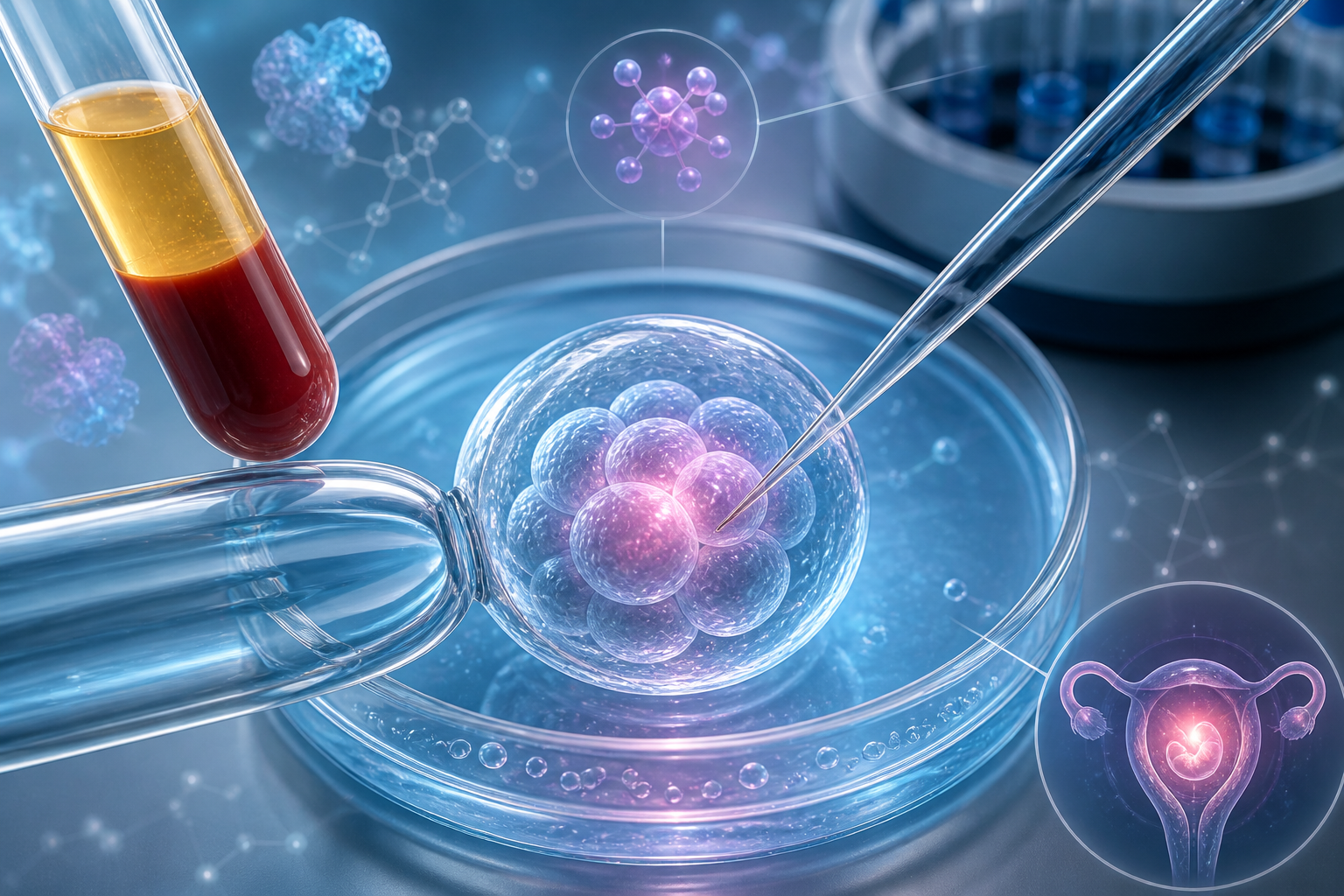
PRP in embryo culture proposes adding platelet-derived products to the laboratory environment. This is different from injecting PRP into the uterus or ovaries. Evidence from those other routes cannot establish that embryo-culture supplementation improves development, pregnancy or live birth. Standardization and reproductive safety remain central questions.
-
Pelvic Inflammatory Disease: The Fertility Risk That Can Stay Quiet
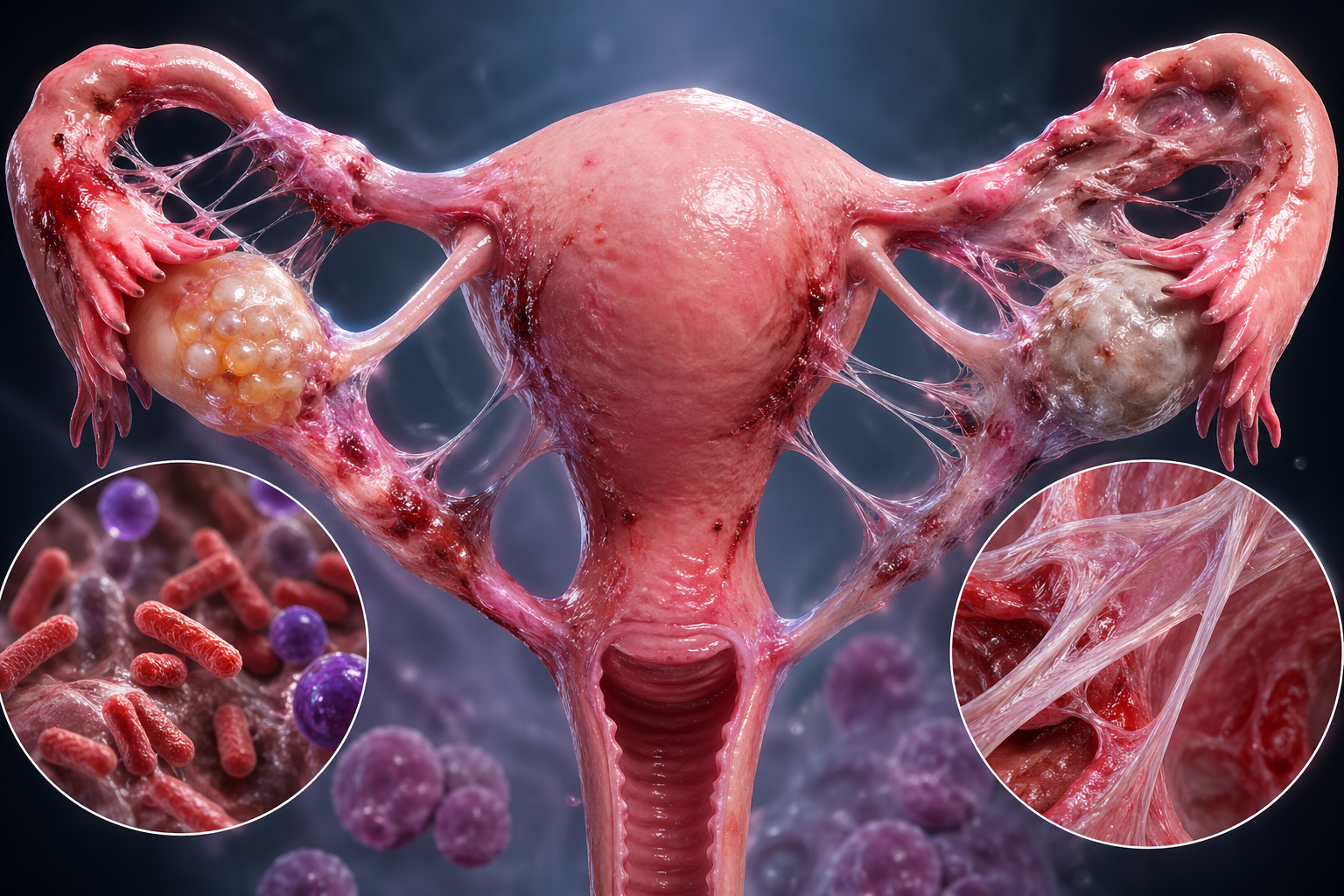
Pelvic inflammatory disease can be mild or unrecognized while affecting the upper reproductive tract. It can increase the risk of tubal infertility and ectopic pregnancy, but these outcomes are not inevitable. Early assessment and treatment matter; antibiotics treat infection without necessarily undoing existing scar tissue.
-
Uterine Fibroids and IVF: Does Every Lump Need to Come Out?
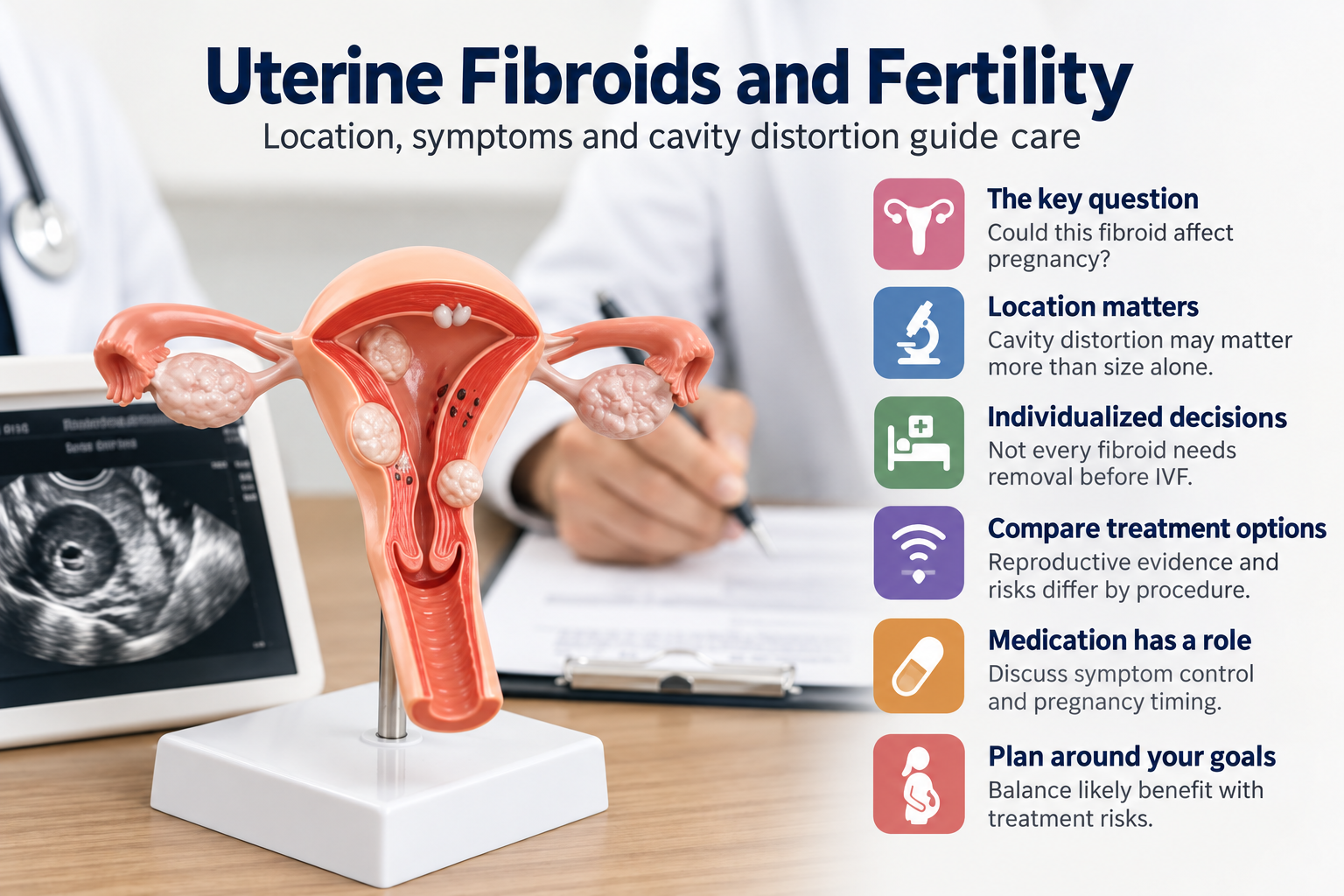
Uterine fibroids and IVF require more than a size-based rule. Location, distortion of the uterine cavity, symptoms and reproductive plans help determine whether treatment is useful. Surgery, medication and other procedures have different evidence and risks; an incidental fibroid is not automatically a barrier to pregnancy.
-
Leg Cramps, Magnesium and IVF: Is the Connection More Than a Hunch?
Leg cramps, magnesium and IVF are sometimes linked through theories about muscle function and blood flow. A cramp is not a test of uterine circulation, and magnesium supplementation is not an established way to improve IVF live birth. Persistent symptoms and supplement decisions need their own clinical assessment.
-
IVF Laboratory Conditions: The Invisible Cradle Around an Embryo
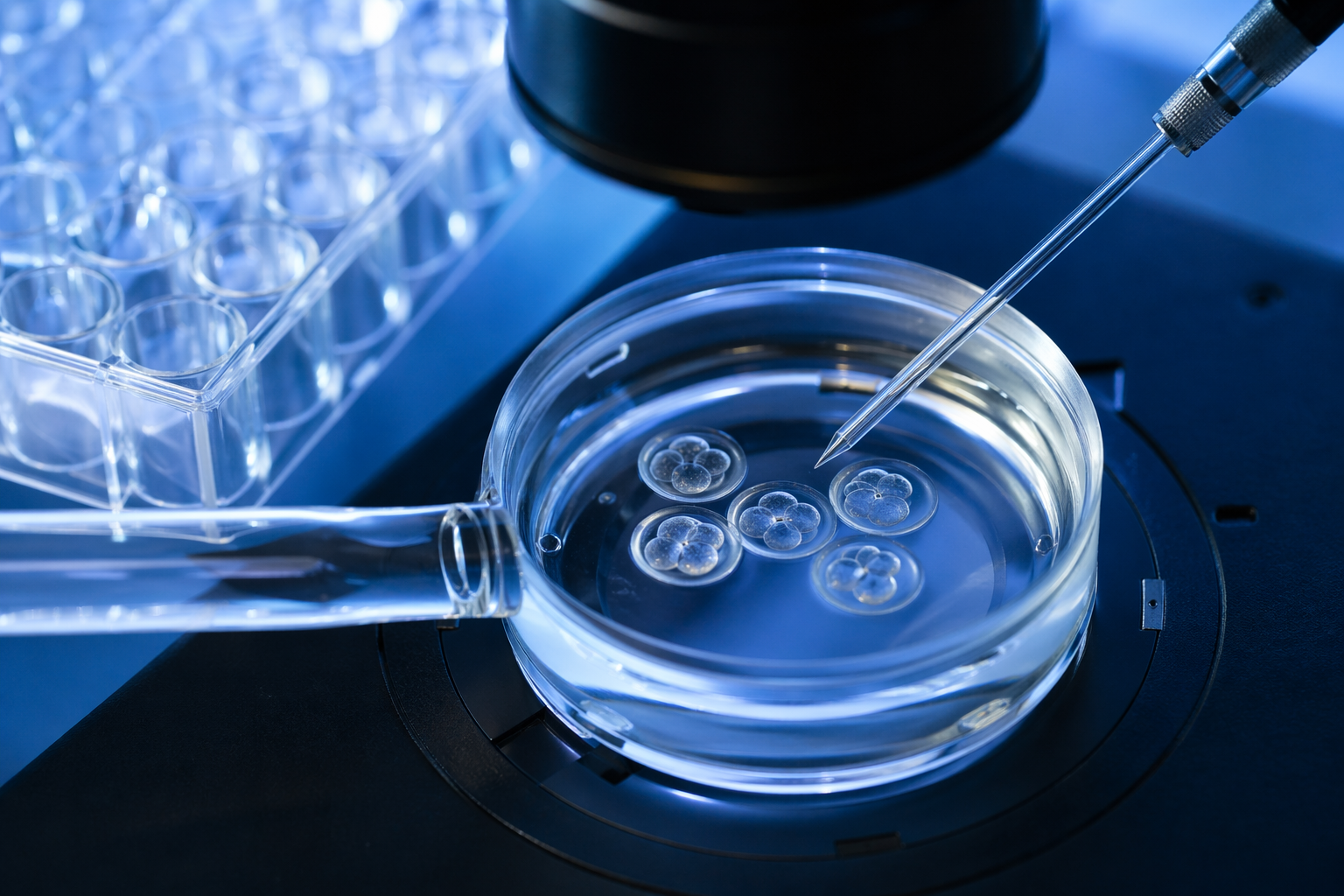
IVF laboratory conditions shape the environment in which embryos are handled and cultured. Temperature, pH, gas balance and quality systems deserve attention alongside treatment protocols. Stable conditions matter, but no incubator or culture medium can eliminate biological uncertainty or guarantee a successful pregnancy.
-
AI in IVF: Can an Algorithm Predict the Baby—or Just the Odds?
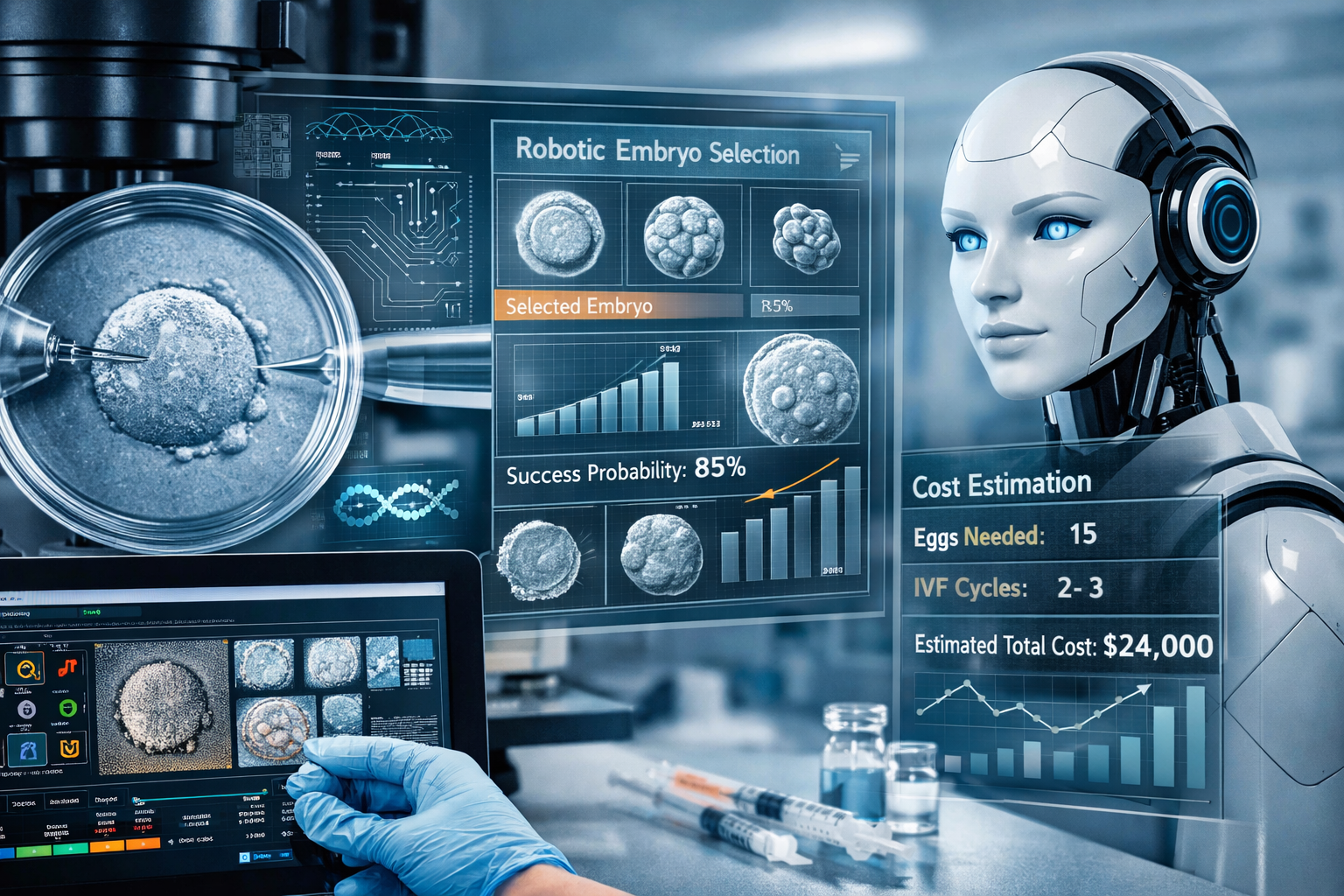
AI in IVF is being developed for image analysis, embryo selection and treatment prediction. A model that ranks images accurately is not automatically proven to improve live birth. Validation across clinics, meaningful outcomes and clinical oversight are essential before a forecast is treated as a dependable personal plan.