
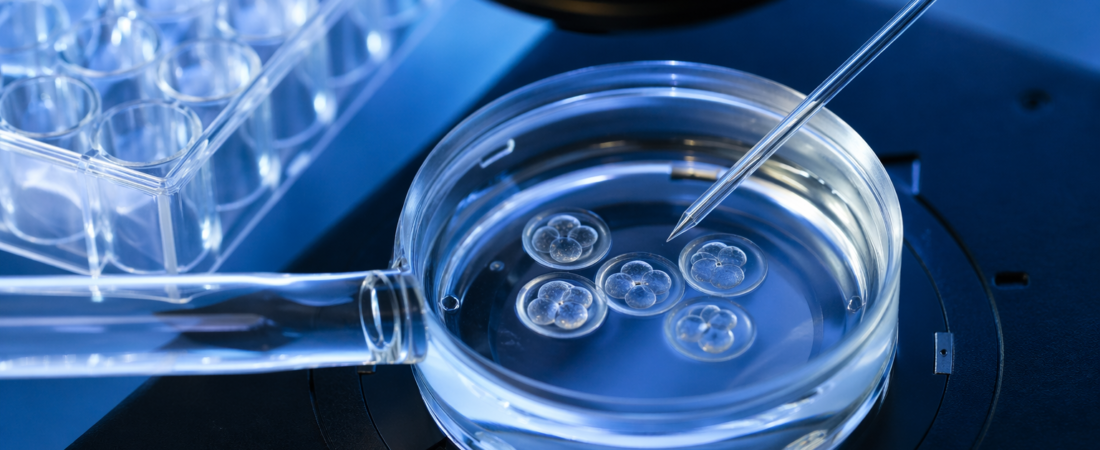
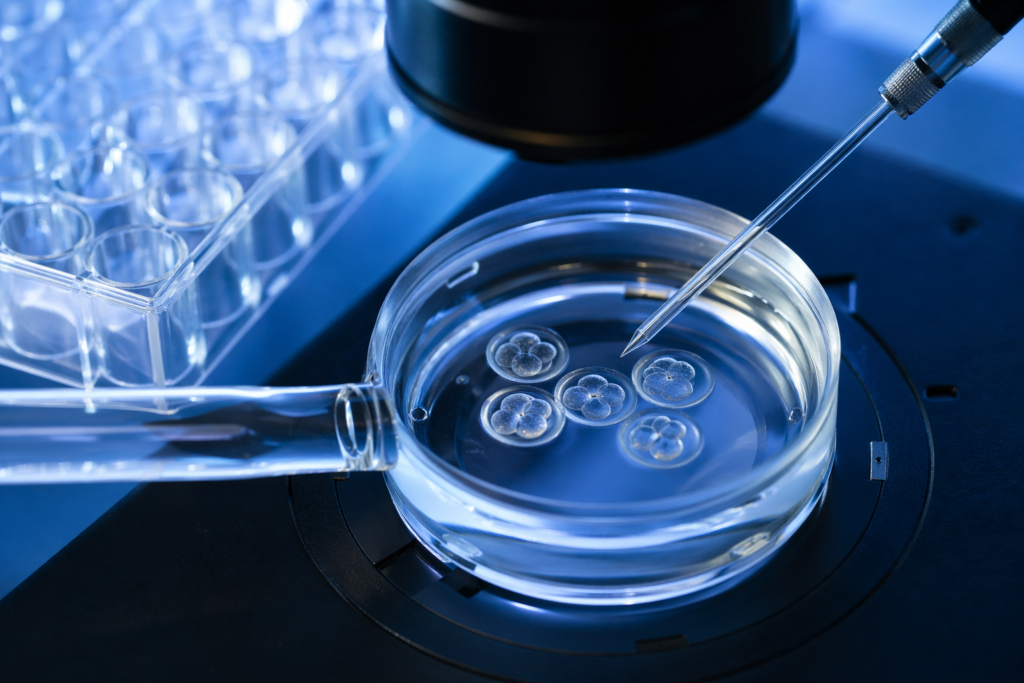
In reproductive medicine, the core methodology of IVF is undergoing a fundamental transformation. For years, the gold standard of success was defined by our ability to “select the best embryo.” Today, that focus is shifting toward “designing the ideal environment.” We are entering an era where the success of a pregnancy is determined not just by the quality of the gametes, but by the precision with which we engineer the environment in which they grow.
Continuous Culture: Minimizing Developmental Stress A primary shift in this direction is the widespread adoption of “single-step” culture media. Historically, standard protocols required frequent transfers of embryos between different culture media to mimic developmental stages. This process, however, was inherently disruptive. Embryos are exquisitely sensitive to fluctuations in temperature, pH levels, osmotic pressure, and oxygen concentration. Every transfer was an external disturbance—a source of developmental stress.
Single-step culture systems have revolutionized this process by allowing embryos to grow from fertilization to the blastocyst stage within one, uninterrupted environment. By eliminating the need for frequent dish transfers, we maintain the “continuity of development,” which some studies suggest correlates with higher clinical pregnancy rates. While this strategy is not a universal panacea for all patient cohorts, it represents a clear move toward a more stable, stress-free developmental trajectory.
From Biological Variance to Chemical Precision The second pillar of this transition is the adoption of chemically defined media. In the past, culture media often relied on serum or undefined biological additives, which—while theoretically “biocompatible”—introduced significant variability. Results were often difficult to replicate because the media composition itself was not perfectly standardized.
Today, the industry is shifting toward media where every component and concentration is precisely defined. This move is transforming IVF from an “art of clinical intuition” into a rigorous field of “process management.” By minimizing batch-to-batch variation, IVF labs can now achieve a level of consistency that was previously unattainable.
The Future: A Question of Diversity vs. Standardization This evolution redefines the clinical question. We no longer ask merely, “Is this a good embryo?” We now ask, “Is the environment optimized to unlock the potential of this specific embryo?”
However, as these culture environments become more standardized, a new debate emerges: Standardization vs. Personalization. Is a uniform, optimized environment ideal for all embryos, or does the future require “bespoke culture conditions” that account for individual biological diversity? While standardized systems improve clinical consistency, we must remain vigilant that we do not overlook the unique requirements of individual biological profiles.
Conclusion IVF has evolved into a field of precision environment design. While oocyte and sperm quality remain the foundational variables, the clinical focus has broadened to include the stability of the culture ecosystem. As we refine these environments, we move closer to a reality where the limitations of the laboratory are no longer the bottleneck of conception. The laboratory of the future will not just observe life; it will master the art of creating the perfect cradle for it.
Sources: Reproductive BioMedicine Online (2023); Human Reproduction Update (2022); ASRM Clinical Guidelines (2023).
Disclaimer: This content is provided for informational purposes, based on reporting on scientific advancements and various public data. Medical judgments and treatment decisions must always be made in consultation with professional medical personnel. Image: AI-generated (ChatGPT, OpenAI) / Visual reference for illustrative purposes only.