
For the past two decades, the field of In Vitro Fertilization (IVF) has been defined by the pursuit of the perfect embryo. Advances in incubation technology, cryopreservation, and preimplantation genetic testing (PGT-A) turned IVF into a high-precision industry of “embryo selection.” Yet, clinicians have increasingly faced a frustrating clinical paradox: patients with genetically normal, high-quality embryos who continue to face repeated implantation failure (RIF).
This persistent failure has triggered a radical pivot in reproductive medicine. The focus has moved away from the embryo and toward a once-overlooked culprit: inflammation.
The Silent Disruptor: Chronic Endometritis The modern clinical spotlight is now on Chronic Endometritis (CE). Unlike acute infections, CE is often “silent”—presenting with minimal to no symptoms, such as mild menstrual irregularities or slight changes in discharge. However, tissue analysis reveals a persistent inflammatory state, characterized by an infiltration of immune cells that essentially create a hostile climate for an incoming embryo. We are learning that even a “good seed” cannot take root in a soil poisoned by subtle, chronic inflammation.
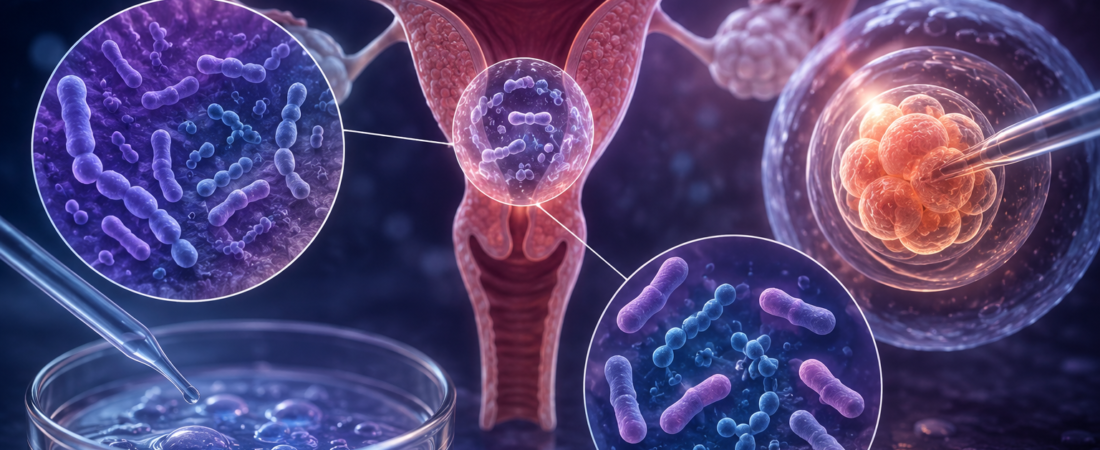
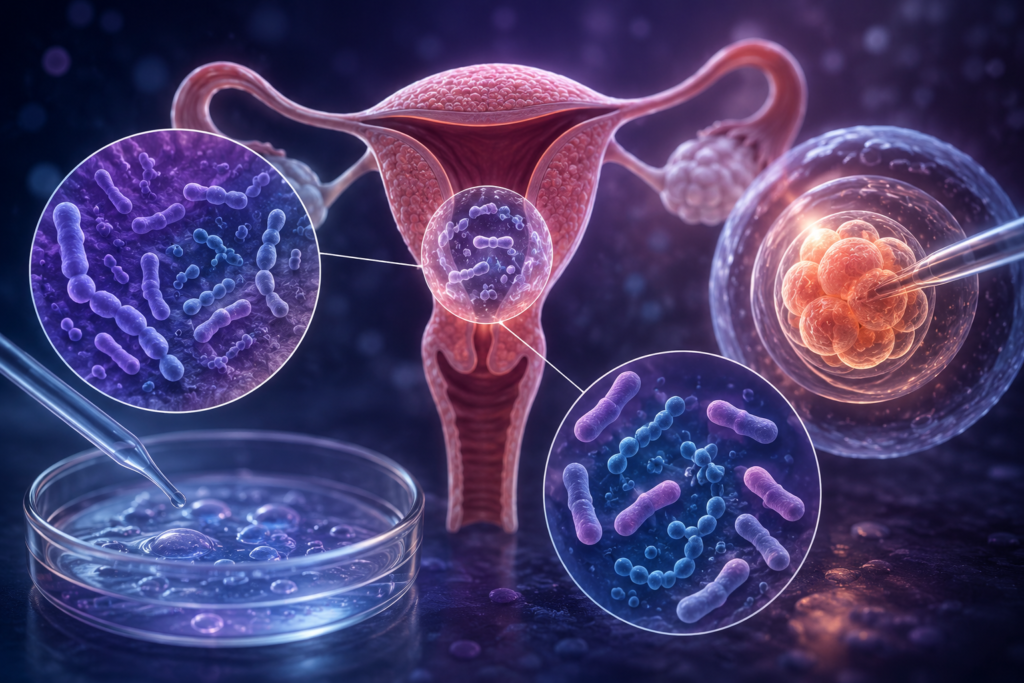
The Microbiome Revolution: Beyond the Sterile Uterus Perhaps the most transformative shift in IVF philosophy is the recognition of the uterine microbiome. Traditional medicine long viewed the uterus as a sterile environment. However, next-generation sequencing (NGS) has revealed a complex microbial ecosystem existing within the endometrium.
The star of this ecosystem is Lactobacillus. Current research suggests that an environment dominated by Lactobacillus species correlates with higher implantation and pregnancy success rates. Conversely, a state of “dysbiosis”—an imbalance where beneficial bacteria decline and pathogenic strains proliferate—creates an “inflammation-friendly” climate that actively repels embryos.
Reclaiming the Agrarian Principle of Medicine This shift has brought “supportive” therapies—once considered secondary—into the heart of IVF protocols. Today, the management of the uterine environment is becoming as rigorous as the culture of the embryo itself:
- Targeted Therapies: Utilizing antibiotics to clear chronic endometritis before transfer.
- Microbiome Regulation: The use of probiotics to restore healthy bacterial dominance.
- Anti-inflammatory Protocols: Managing systemic immune responses to stabilize endometrial receptivity.
A Word of Scientific Caution Despite the excitement, the medical community maintains a stance of rigorous inquiry. Diagnostic tests for the uterine microbiome are still evolving, and the challenge of external contamination during sampling remains a technical hurdle. Furthermore, while the correlation between microbial balance and pregnancy is clear, large-scale randomized trials confirming that probiotic or anti-inflammatory interventions definitively boost live birth rates are still the subject of ongoing study.
Conclusion: Pregnancy as a Systemic Event The philosophy of IVF is undergoing a fundamental change. We are moving from a focus on the “cell” to a focus on the “system.”
We now understand that a successful pregnancy is not merely a biological collision between two cells, but an invitation extended by the entire body. If the “soil” of the uterus is not prepared, optimized, and welcoming, even the finest “seed” will fail. The IVF industry’s new obsession with inflammation is not just a trend—it is a recognition that conception is not an isolated event, but a systemic one that requires the entire body’s consent.
Sources: Journal of Assisted Reproduction and Genetics (2025); Scientific Reports (2025) on endometrial microbiota and RIF; recent clinical insights in reproductive medicine.
Disclaimer: This content is provided for informational purposes, based on recent advancements in reproductive medicine. Medical judgments and treatment decisions must always be made in consultation with professional medical personnel. Image: AI-generated (ChatGPT, OpenAI) / Visual reference for illustrative purposes only.