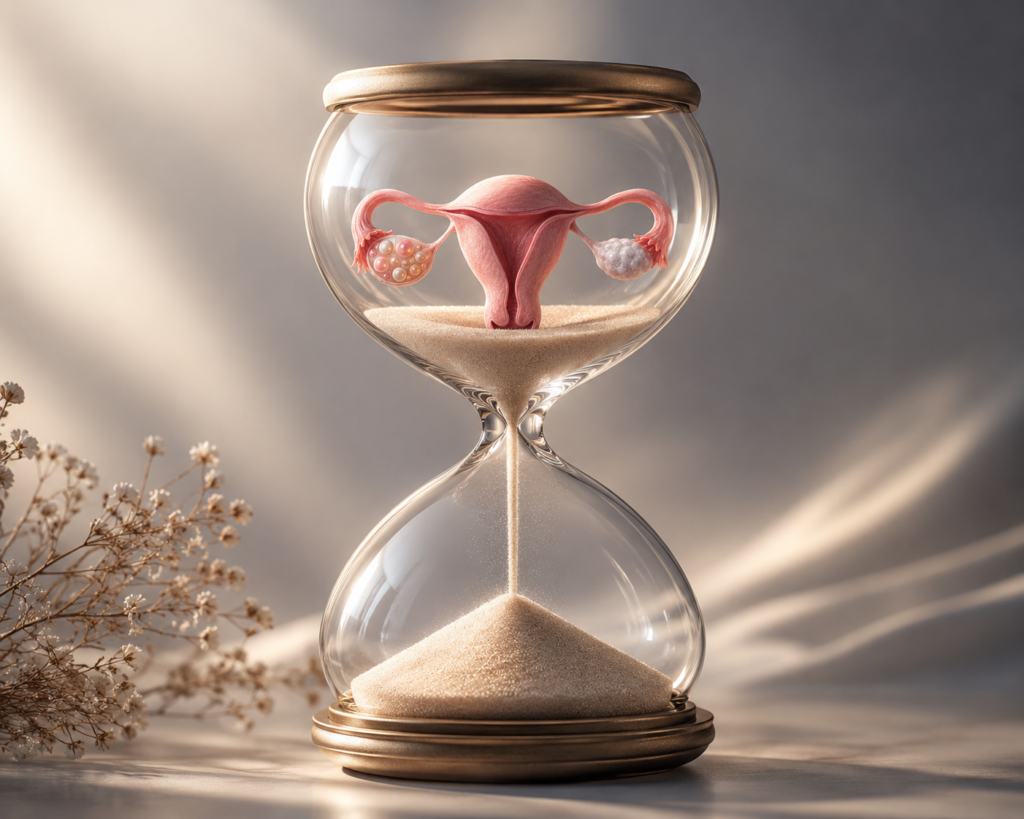

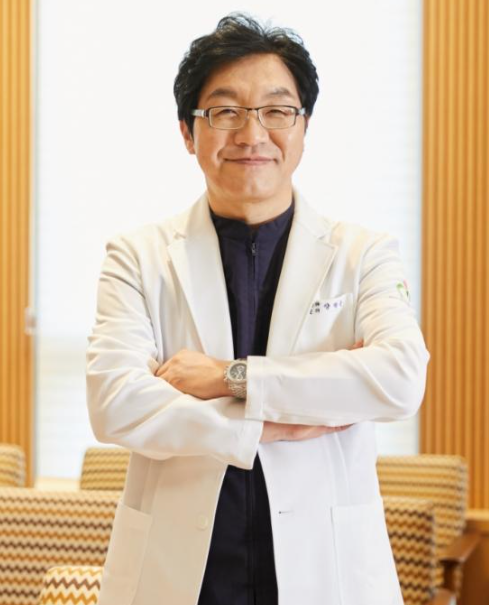
For women in their 40s, the path to pregnancy is often navigated through the complex reality of diminished ovarian reserve. With 26 years of experience and over 30,000 IVF cycles performed, Dr. Yang Gwang-moon, Director of Suji Maria Fertility Center, emphasizes that modern fertility treatment is shifting from a numbers game to a strategy of precision.
The Silent Decline of Ovarian Reserve “Diminished ovarian reserve is no longer exclusive to older women,” says Dr. Yang. “We are seeing many patients in their 30s whose ovarian reserve is declining faster than expected.”
The most challenging aspect is its invisibility—menstrual cycles may remain regular while the Anti-Müllerian Hormone (AMH) levels, which indicate ovarian reserve, are already plummeting. “An AMH test is not a measure of ‘ovarian age,’ but a snapshot of the remaining follicular pool,” Dr. Yang explains. “A low AMH does not mean pregnancy is impossible, but it does mean the margin for error has narrowed.”
The Core Challenge: Oocyte Quality Dr. Yang underscores that the difficulty in pregnancy after 40 is not primarily about the number of eggs, but their quality.
“In cases of diminished reserve, it’s not just that fewer eggs are retrieved; the quality of those eggs is often compromised,” he notes. “As women age, mitochondrial function—the ‘energy powerhouse’ of the cell—declines, and the spindle structures responsible for chromosomal segregation become fragile. This leads to a higher probability of chromosomal abnormalities, even if fertilization occurs.”
Why Time is the Most Critical Variable The human oocyte is a cell that remains dormant for decades, waiting for ovulation. During this long waiting period, the cell is susceptible to the cumulative effects of aging. By the age of 40, the proportion of eggs with normal chromosomal structure decreases significantly.
However, Dr. Yang offers a message of hope: “Pregnancy often begins with just one healthy egg. Even in the 40s, a single chromosomally normal oocyte can lead to a successful birth. The challenge is that the window to find that ‘one good egg’ is closing.”
The Vital Role of Laboratory Precision For patients with fewer eggs, the standard of the IVF laboratory becomes the decisive factor. “When you have a limited number of eggs, the expertise of the embryology team is paramount,” says Dr. Yang. “Every detail—from the stability of the incubator’s gas concentration and temperature to the finesse with which the embryo is handled—can shift the outcome. Precision is our best strategy when volume is not an option.”
Advice for Patients When asked if lifestyle changes can reverse ovarian aging, Dr. Yang is candid: “Medically, there is no way to fundamentally ‘rejuvenate’ an aged ovary or increase the number of eggs. Lifestyle habits like sleep, weight management, and stress reduction can help maintain your remaining reproductive health, but they cannot stop the biological clock.”
His clinical advice for women over 40 is proactive: “If you are over 40, don’t spend too much time on natural conception attempts if they aren’t yielding results. Consult with a specialist to check your tubal function and ovarian reserve, and consider IVF as an active, strategic step. It is the most realistic path to shortening the time to a successful birth.”
Disclaimer: This interview summary is provided for informational purposes. Medical judgments and treatment decisions must always be made in consultation with professional medical personnel.