
For decades, the standard measure of success in In Vitro Fertilization (IVF) has been the “harvest.” Patients and clinicians alike were conditioned to believe that more eggs equaled a higher probability of creating viable embryos, which in turn meant a higher likelihood of pregnancy. This logic led to the widespread adoption of high-dose gonadotropin protocols—essentially, the “more is better” approach to ovarian stimulation.
However, a fundamental shift is occurring in reproductive medicine. Global experts are now challenging the long-held assumption that maximizing the number of retrieved oocytes is synonymous with increasing live birth rates.
The Paradigm Shift: From Maximum Harvest to Precision Stimulation Recent guidelines from the European Society of Human Reproduction and Embryology (ESHRE) reflect a significant departure from past practices. Rather than aiming for a maximum “catch,” the focus has shifted toward tailored, patient-specific protocols.
Clinicians are now prioritizing a “precision-first” approach that integrates:
- Ovarian Reserve Biomarkers: AMH levels and Antral Follicle Counts (AFC).
- Personal Physiology: BMI, age, and historical responses to previous cycles.
- The Threshold Effect: Clinical research suggests that after a certain dose of FSH (Follicle-Stimulating Hormone), the law of diminishing returns sets in. Increasing the dosage does not necessarily result in a higher cumulative birth rate, but it may increase the risks of metabolic and endometrial stress.
Quality vs. Quantity: The New Clinical Metric The most striking evidence comes from recent large-scale studies analyzing thousands of IVF cycles. Findings consistently show that once a specific threshold of FSH usage is passed, birth rates may plateau or even decline.
This biological reality is shifting the conversation in the consultation room. Doctors are moving away from the question, “How many eggs did we get?” and moving toward, “How many of these are developmentally competent embryos?”
The Ovary as a Biological System, Not a Machine Clinicians are beginning to view the ovary as a highly sensitive biological system rather than a mechanical engine that accelerates with more “fuel.” Excessive hormonal stimulation can inadvertently:
- Alter the microenvironment within the follicle.
- Interfere with the metabolic processes of the developing oocyte.
- Potentially disrupt endometrial receptivity, making the “soil” less hospitable for the embryo.
The Era of Precision Medicine The new era of IVF is defined by a delicate balance: the “Goldilocks Zone” of stimulation. The goal is no longer to push the ovaries to their absolute limit, but to find the optimal point of stimulation that produces a high-quality cohort of embryos without compromising the patient’s internal environment.
As one reproductive medicine study famously noted, “Ovarian stimulation is both a science and an art.” The “art” lies in the ability of the specialist to interpret the unique biological signature of each patient to determine the exact point where stimulation yields the highest quality rather than the highest volume.
Conclusion: A Sign of Progress The decline of the high-dose era marks a significant step forward in IVF maturity. We are moving away from the industrial-scale mentality of “more is better” toward an era of precision reproductive health. IVF is no longer a competition of who can retrieve the most oocytes; it is a clinical endeavor to retrieve the right oocytes, ensuring the safest and most effective journey to parenthood.
Sources: ESHRE (European Society of Human Reproduction and Embryology) latest guidelines on ovarian stimulation; Human Reproduction Update meta-analyses; clinical research on FSH threshold effects.
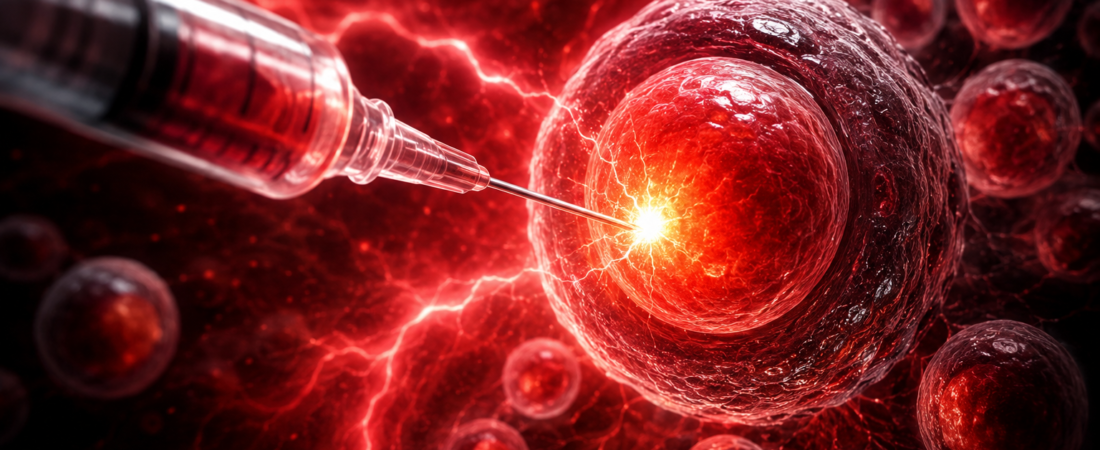
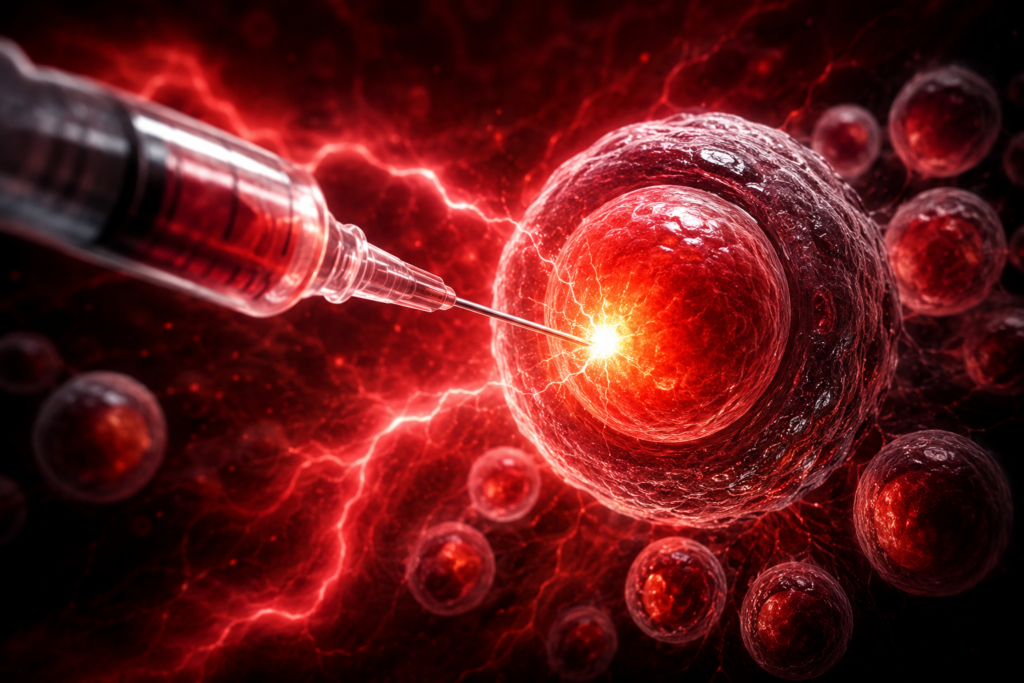
Disclaimer: This content is provided for informational purposes, based on recent advancements in reproductive medicine. Medical judgments and treatment decisions must always be made in consultation with professional medical personnel. Image: AI-generated (ChatGPT, OpenAI) / Visual reference for illustrative purposes only.