
Latest posts
-
Iron Deficiency Symptoms: Cold Feet in Summer May Be an Iron SOS
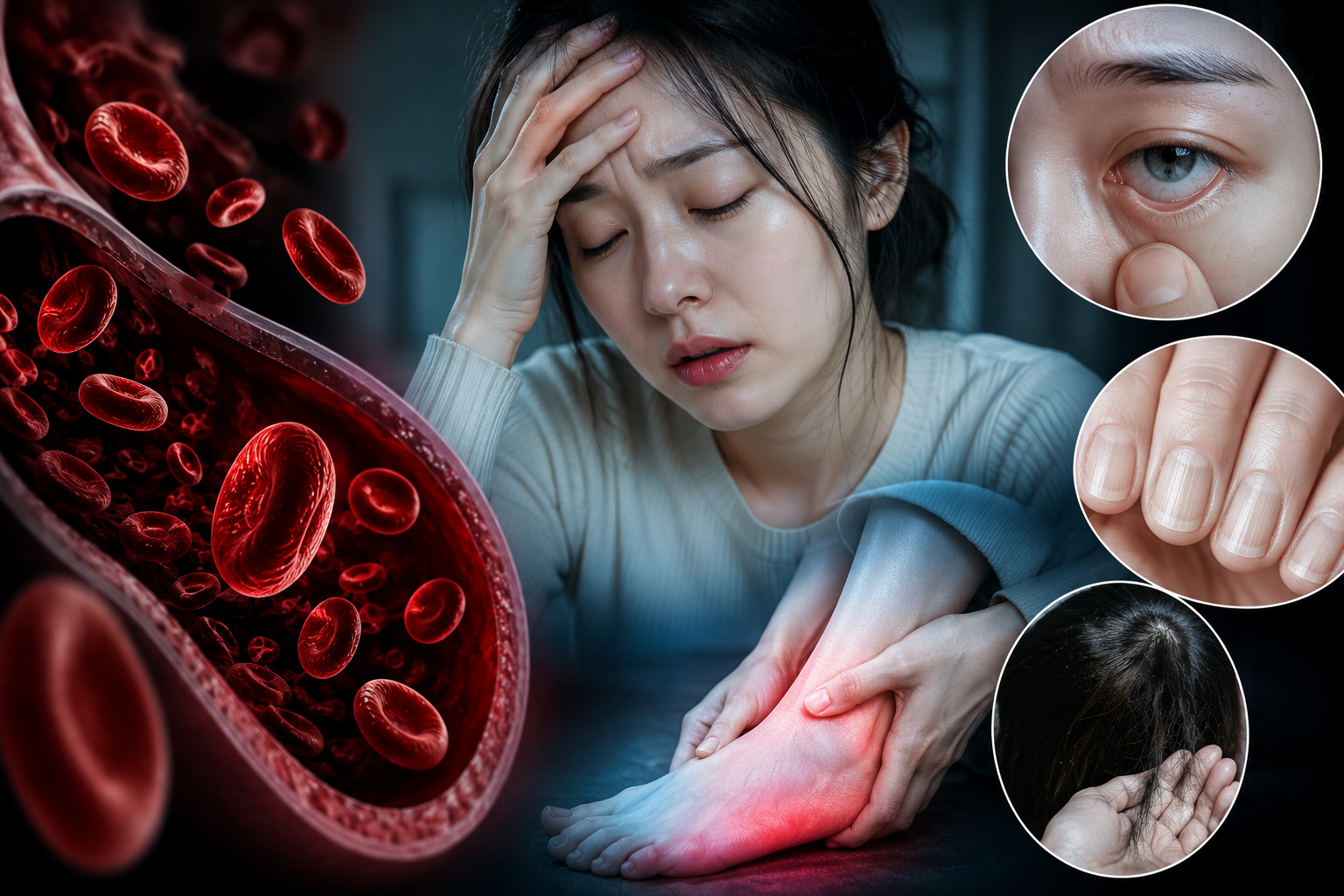
Iron deficiency symptoms can include fatigue, shortness of breath and cold hands or feet—even in summer. These signs are not specific to low iron, but persistent symptoms deserve assessment, particularly with heavy periods or when preparing for pregnancy. A blood test is more useful than guessing which supplement to buy.
-
Uterine Polyps and IVF: Can a Tiny Growth Get in the Way of Implantation?
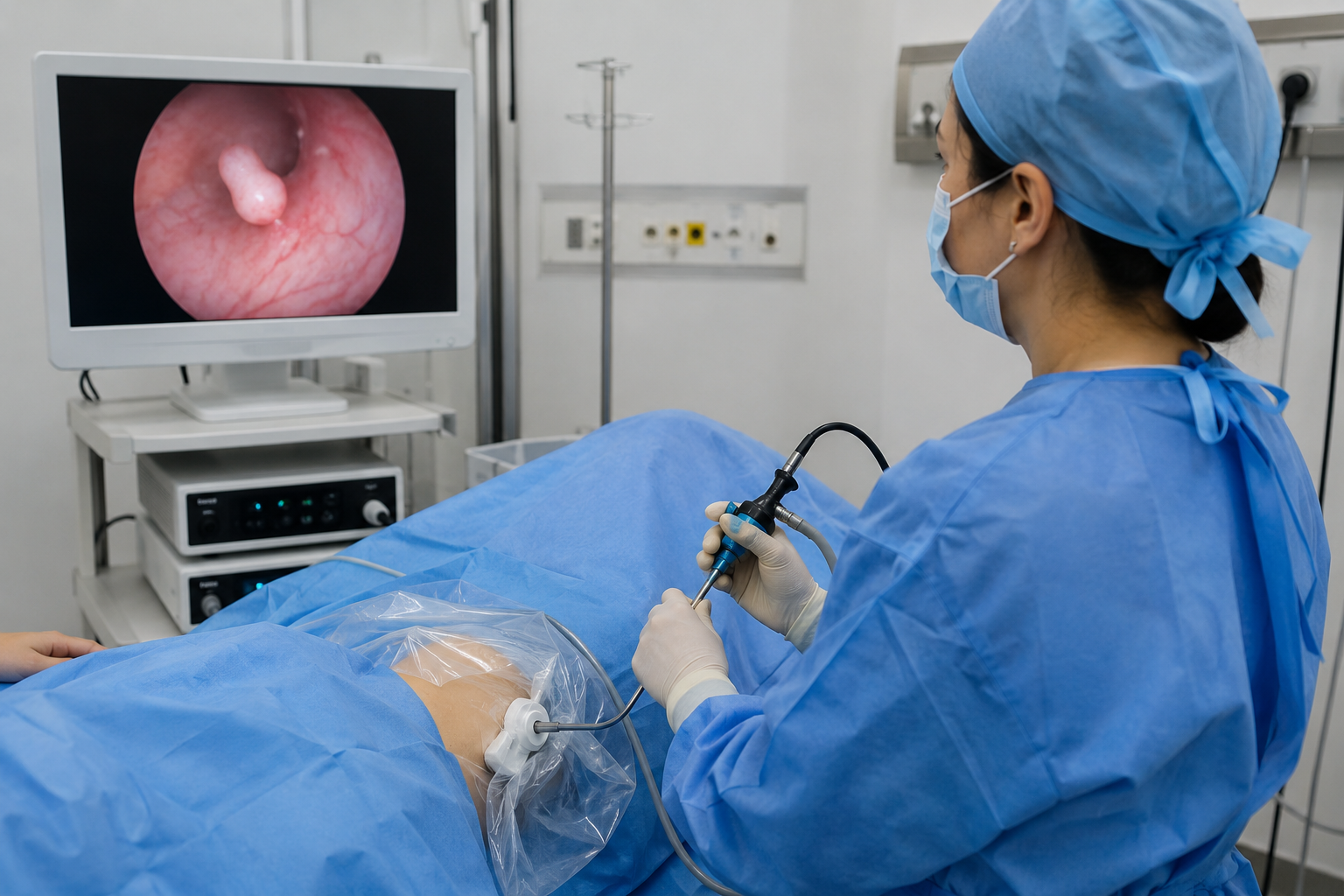
Uterine polyps may be small, but they can raise a big question before IVF: should they be removed? Endometrial polyps, implantation and hysteroscopy need to be considered together, because removal may help selected patients while the benefit for every small, asymptomatic polyp remains uncertain.
-
Tylenol in Pregnancy: Does the Autism Fear Stand Up to Sibling Data?
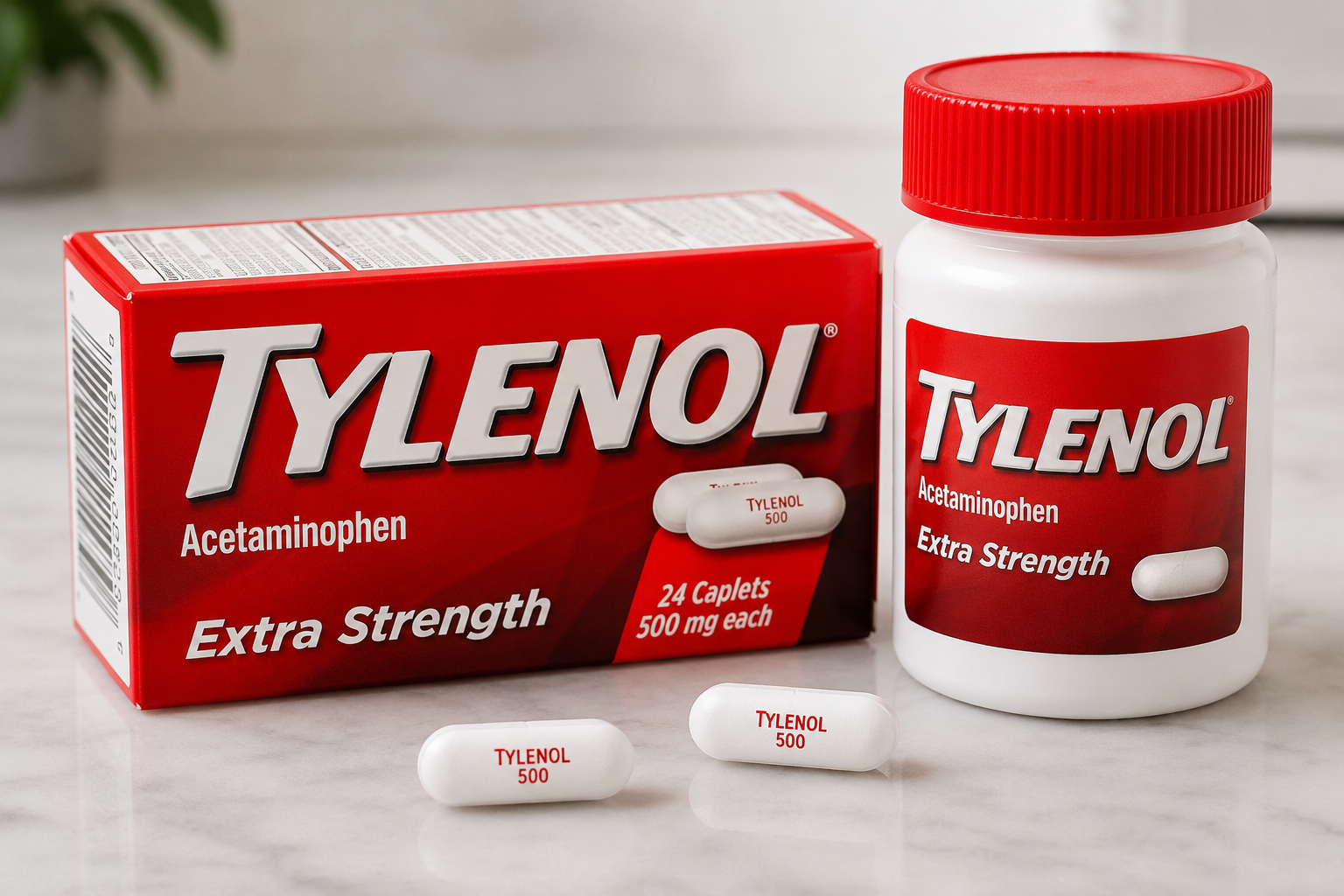
Tylenol in pregnancy has become a source of anxiety about autism and ADHD. A Hong Kong study of prenatal acetaminophen, also called paracetamol, used sibling comparisons to address shared family factors and found no increased risk in those analyses. The results are reassuring, while medication decisions still depend on the clinical situation.
-
PGT-A in IVF: A Genetic Filter, but Is It Worth the Cost?

PGT-A screens sampled embryo cells for chromosome-number abnormalities. It can inform embryo selection, but it does not guarantee a healthy baby or improve cumulative live birth for every patient. Age, available embryos, mosaic findings, cost and the outcome being measured all change the discussion.
-
Ovarian Longevity: Can Science Slow the Fastest-Ticking Biological Clock?
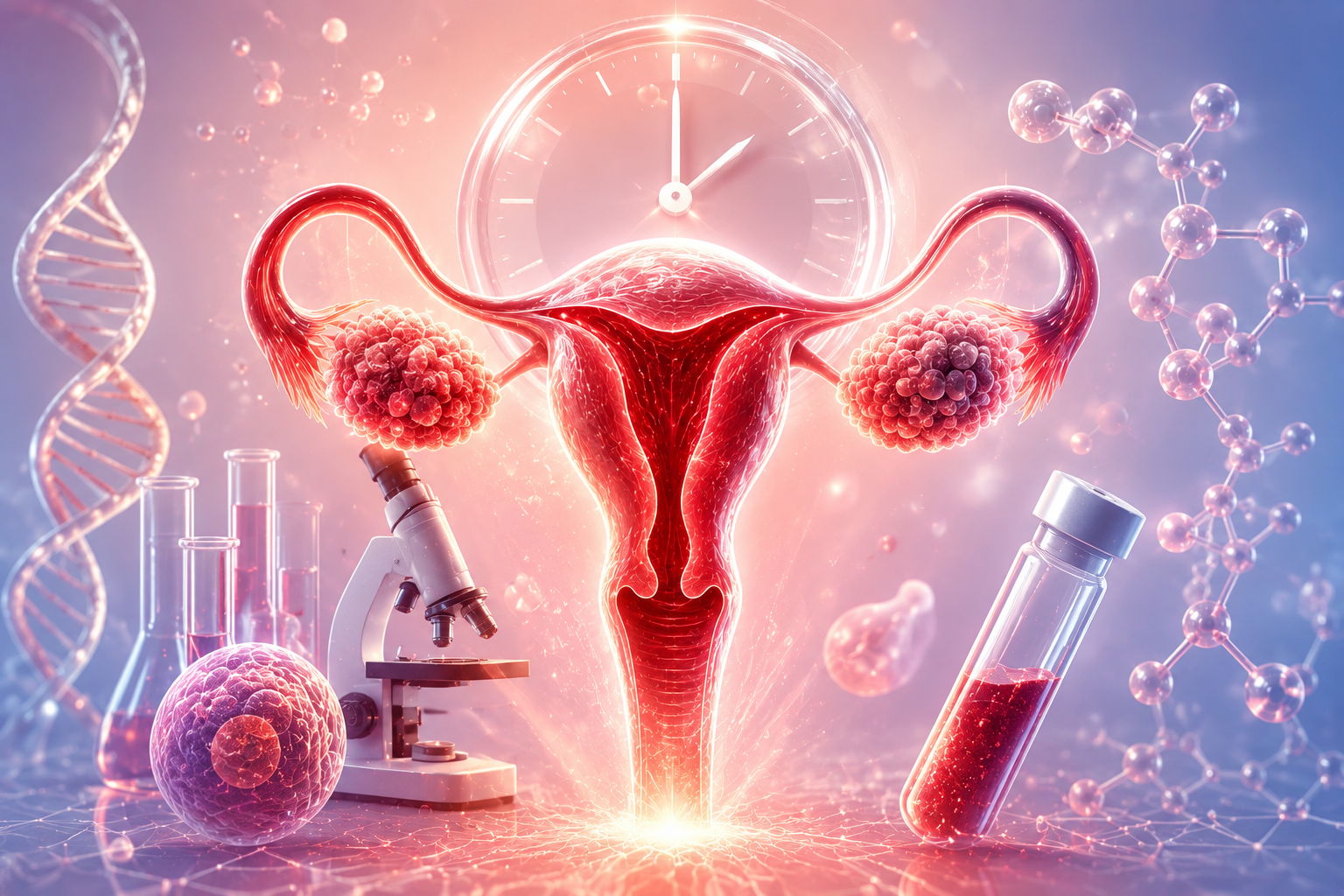
Ovarian longevity research asks whether reproductive aging can be modified, rather than merely measured. Rapamycin, metabolic pathways and experimental ovarian interventions attract attention, but promising laboratory findings are not proven fertility treatments. Extending ovarian function safely in humans remains a research question.
-
IVF Add-ons: The Cost of Hope When the Evidence Is Thin
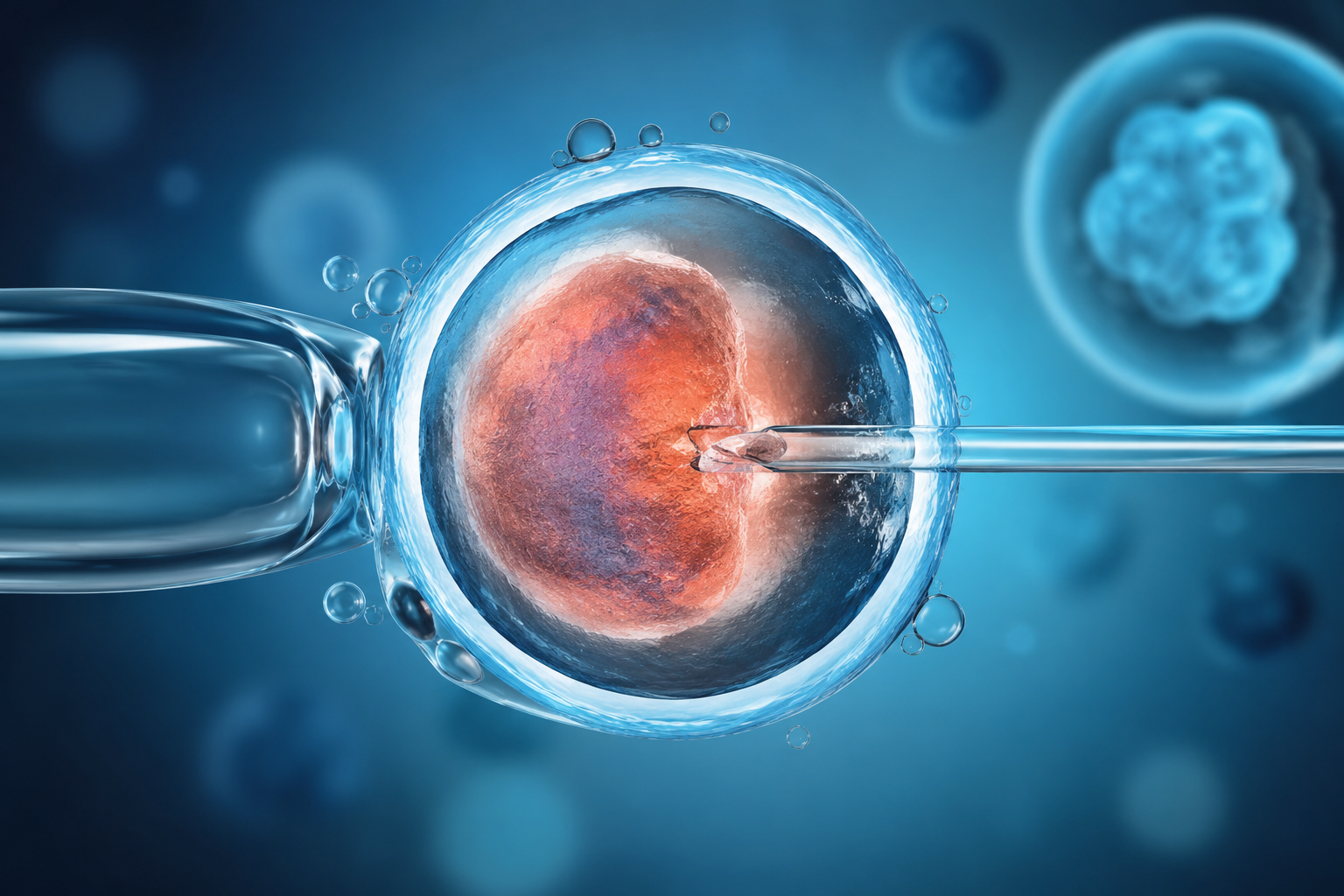
IVF add-ons promise an extra chance when standard treatment feels uncertain. A 2026 review examined common adjuncts and highlighted weak or absent evidence for many of them. The useful question is not how many extras a clinic offers, but what each adds to live-birth chances, cost and risk.
-
Hydrosalpinx Before IVF: Remove the Tube—or Consider Another Route?
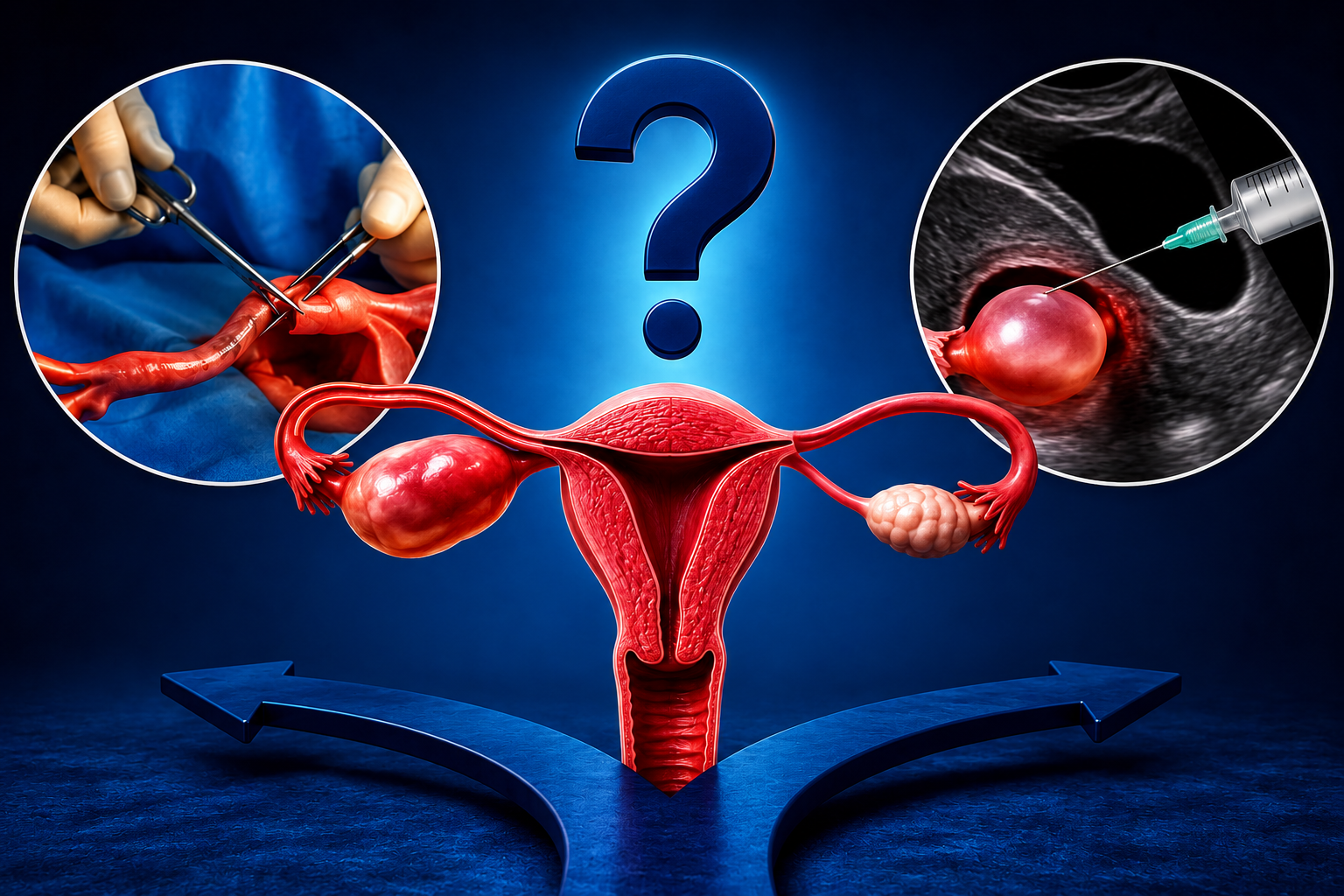
Hydrosalpinx before IVF raises a difficult trade-off: a fluid-filled fallopian tube can reduce treatment success, but intervention also has risks. Salpingectomy and proximal tubal occlusion have stronger supporting evidence than aspiration-based approaches. Ovarian reserve, anatomy and surgical history should shape the discussion.
-
Preconception Supplements: What Helps—and What Just Fills the Table?
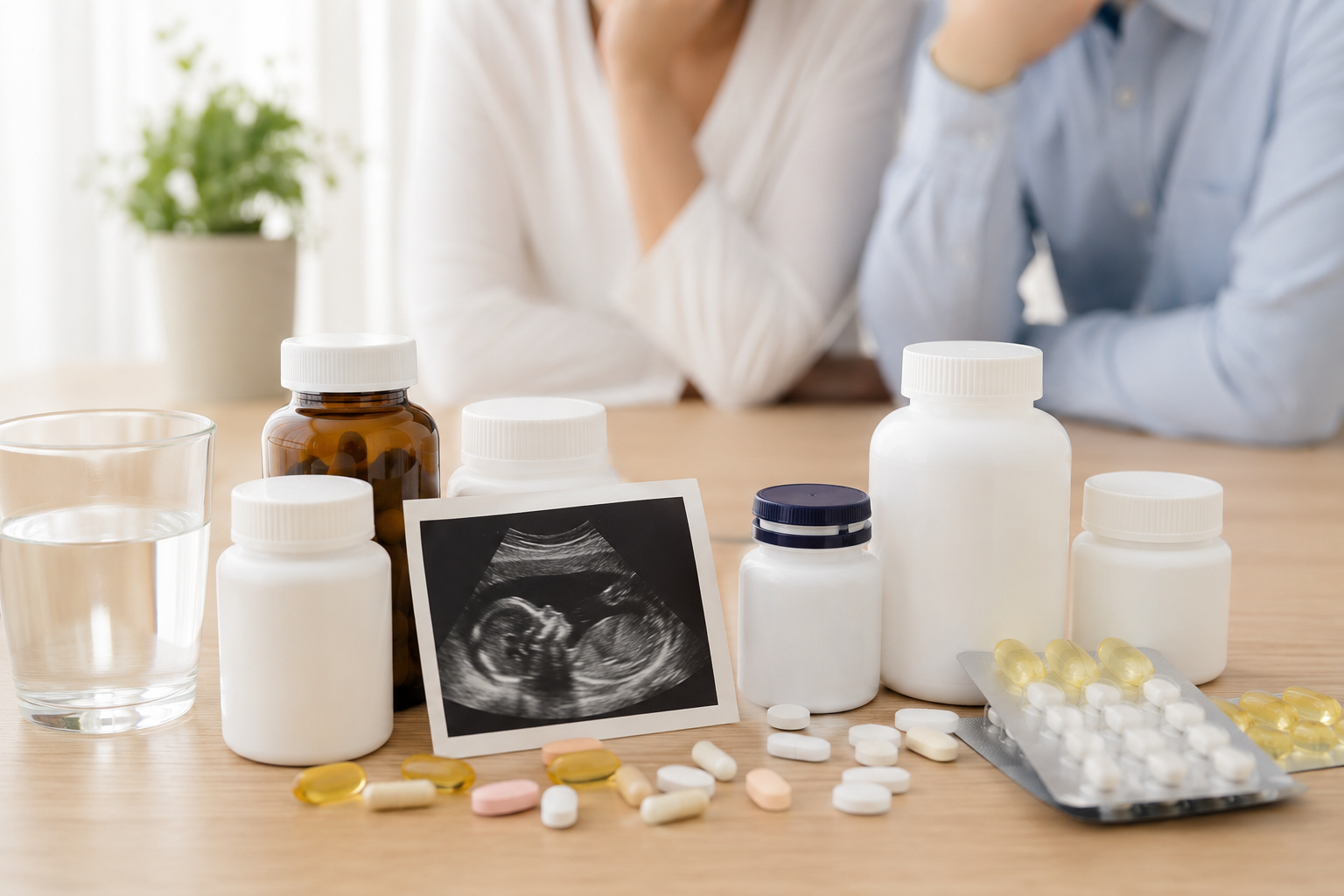
Preconception supplements should start with a clear purpose. Recommended folic acid helps prevent neural tube defects; treating a documented deficiency is another distinct goal. Products marketed to improve egg or sperm quality face a different evidence test, and taking more does not automatically mean preparing better.
-
Ovarian PRP: The Rejuvenation Promise Meets a Hard Evidence Test

Ovarian PRP is marketed as rejuvenation for diminished ovarian reserve, but an injection is not proof of younger eggs. Randomized research and the ESHRE 2026 program challenge claims about improved ovarian response. Patients deserve clear evidence on meaningful outcomes before an experimental procedure is sold as a breakthrough.
-
Mirena for Endometrial Hyperplasia: Can a Contraceptive Protect Fertility?
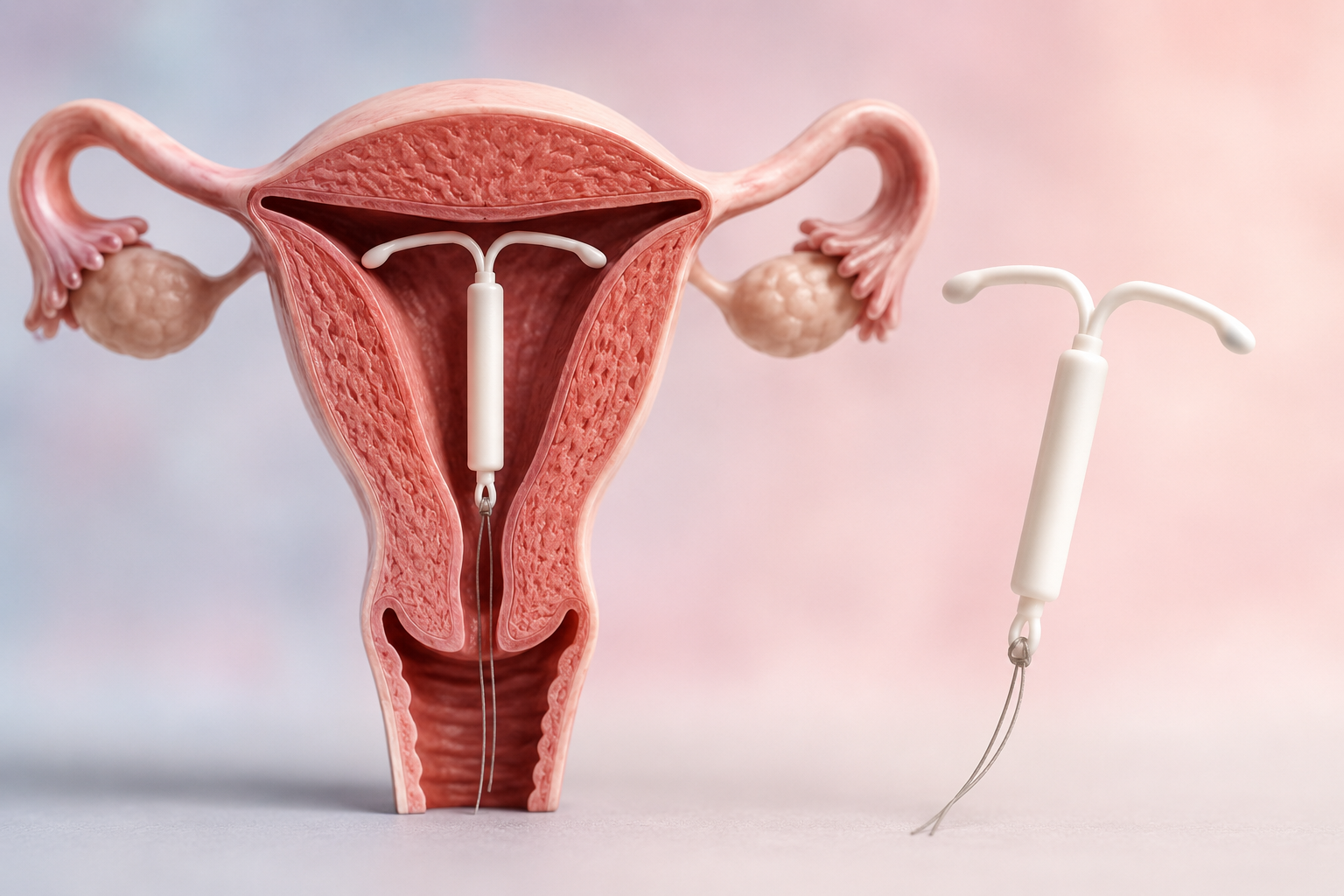
Mirena and other levonorgestrel intrauterine systems can have a treatment role in endometrial hyperplasia, but the pathology matters. Hyperplasia without atypia differs from EIN or atypical hyperplasia, which can coexist with cancer. Fertility-sparing treatment requires careful selection and surveillance, not simply insertion of a device.