
Latest posts
-
Caffeine and IVF: Could Four Iced Coffees Be Too Much?

Does caffeine interfere with IVF implantation, and how much is in four iced coffees? Evidence does not establish that one coffee causes a failed transfer, but pregnancy guidance still limits total daily caffeine. Serving size and the amount in each drink matter more than counting cups.
-
Vaginitis After Swimming: Is the Beach Really Worse Than the Pool?
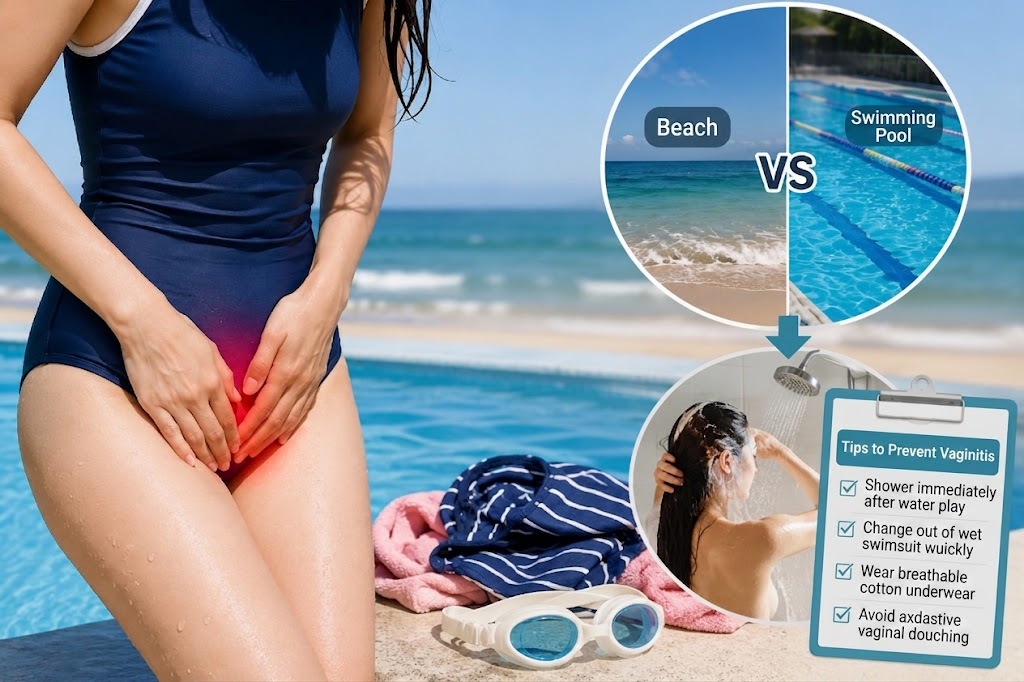
Why can itching or unusual discharge appear after swimming? Vaginitis, skin irritation, water quality and time spent in damp swimwear are different parts of the question. Neither the sea nor a pool is automatically the safer choice, and persistent symptoms need an accurate diagnosis.
-
Degenerated Oocytes After Egg Retrieval: Retrieved, but Already Lost?
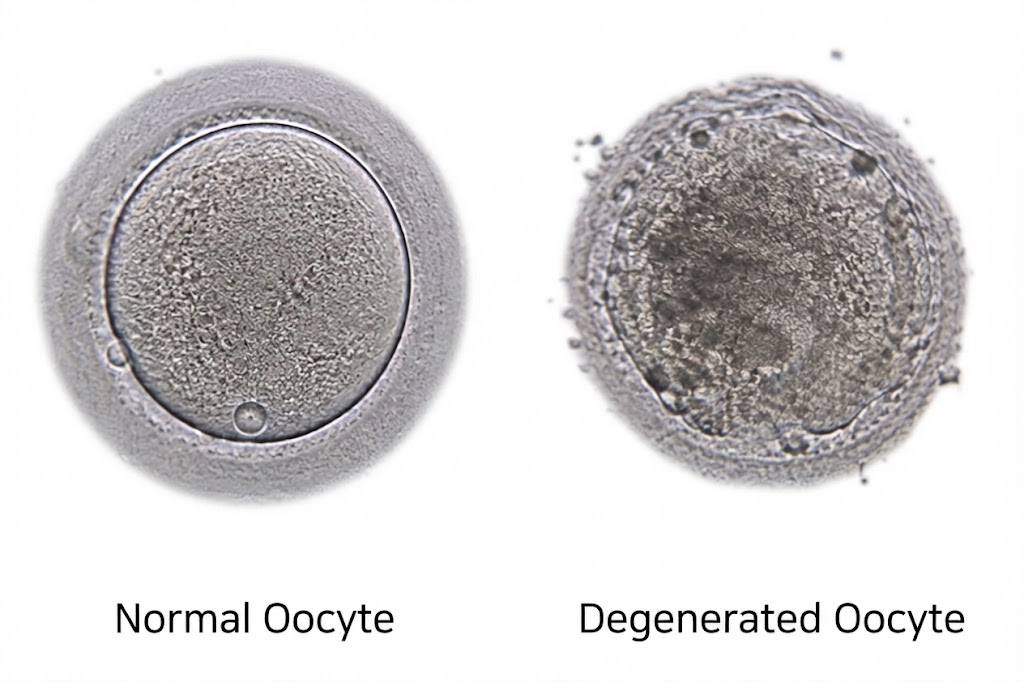
Why are some eggs retrieved during IVF already degenerated and unsuitable for fertilization? Researchers are investigating cellular energy, aging and other influences on oocyte viability. The work may explain a painful laboratory outcome, but no established treatment can revive an egg that has degenerated.
-
PGT-A for IVF: Does Every Embryo Really Need the Test?
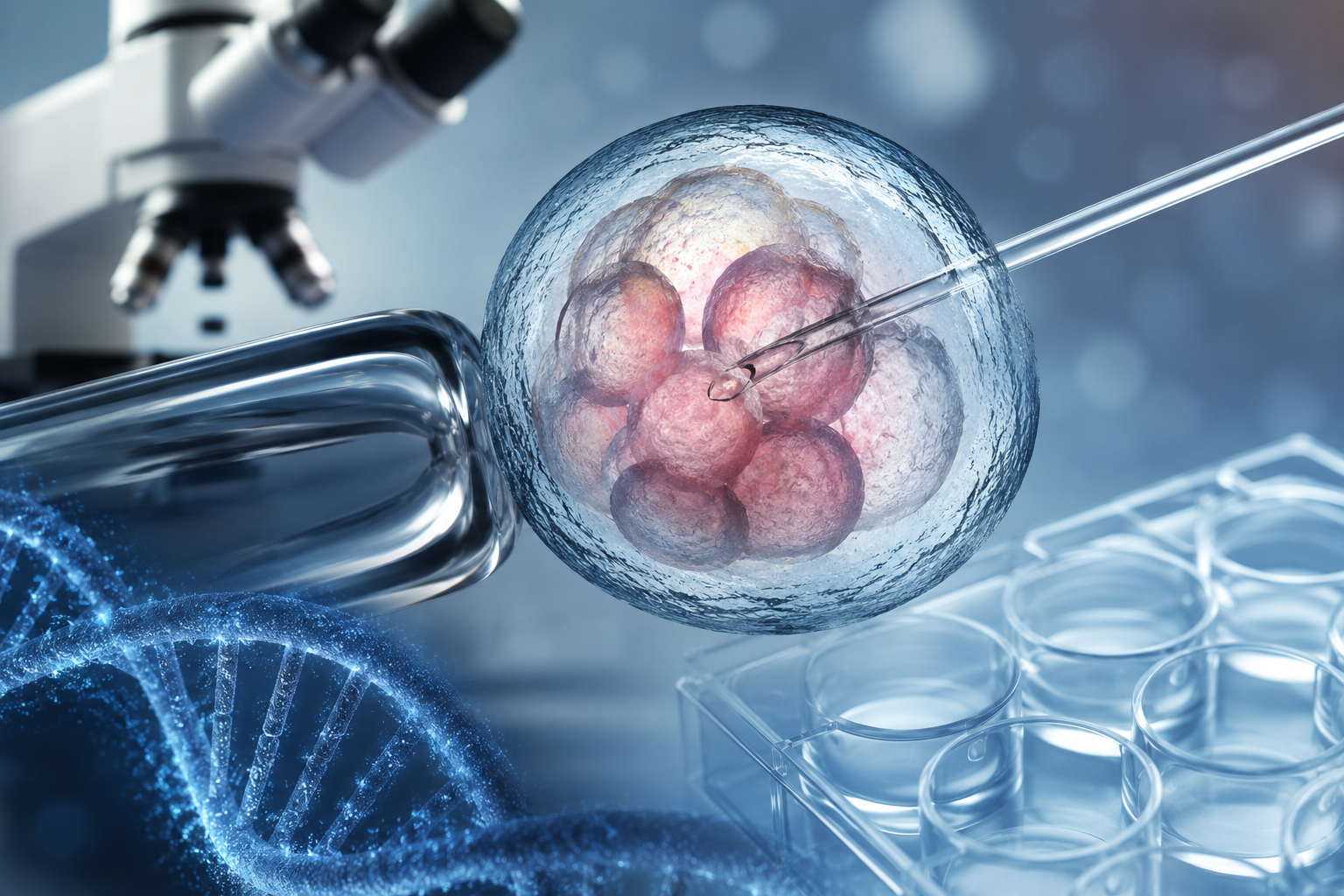
Does PGT-A improve the chance of a live birth for everyone undergoing IVF? Chromosome screening can inform embryo selection, but routine benefit for all patients has not been demonstrated. Age, embryo number, testing limitations and cumulative outcomes matter when weighing the decision.
-
Endometrial Hyperplasia and Cancer Risk: What Can Genes Add to the Microscope?
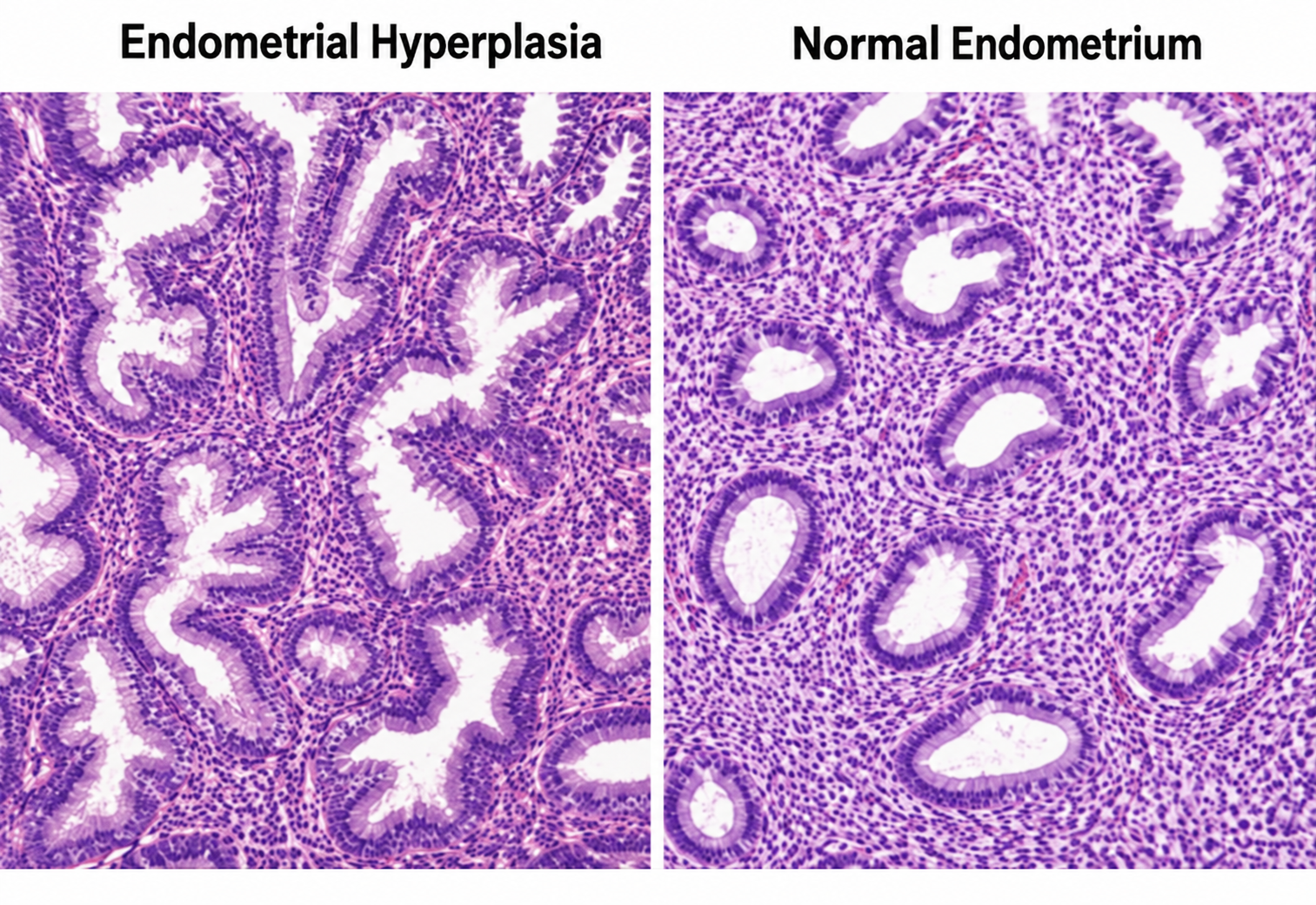
Can molecular testing refine cancer-risk assessment in endometrial hyperplasia? Researchers are exploring genetic markers alongside tissue pathology, particularly when fertility preservation matters. Biopsy interpretation remains central; promising markers do not yet make treatment decisions automatic or replace specialist assessment.
-
Donor Egg IVF at 49 and Beyond: What Young Eggs Cannot Promise
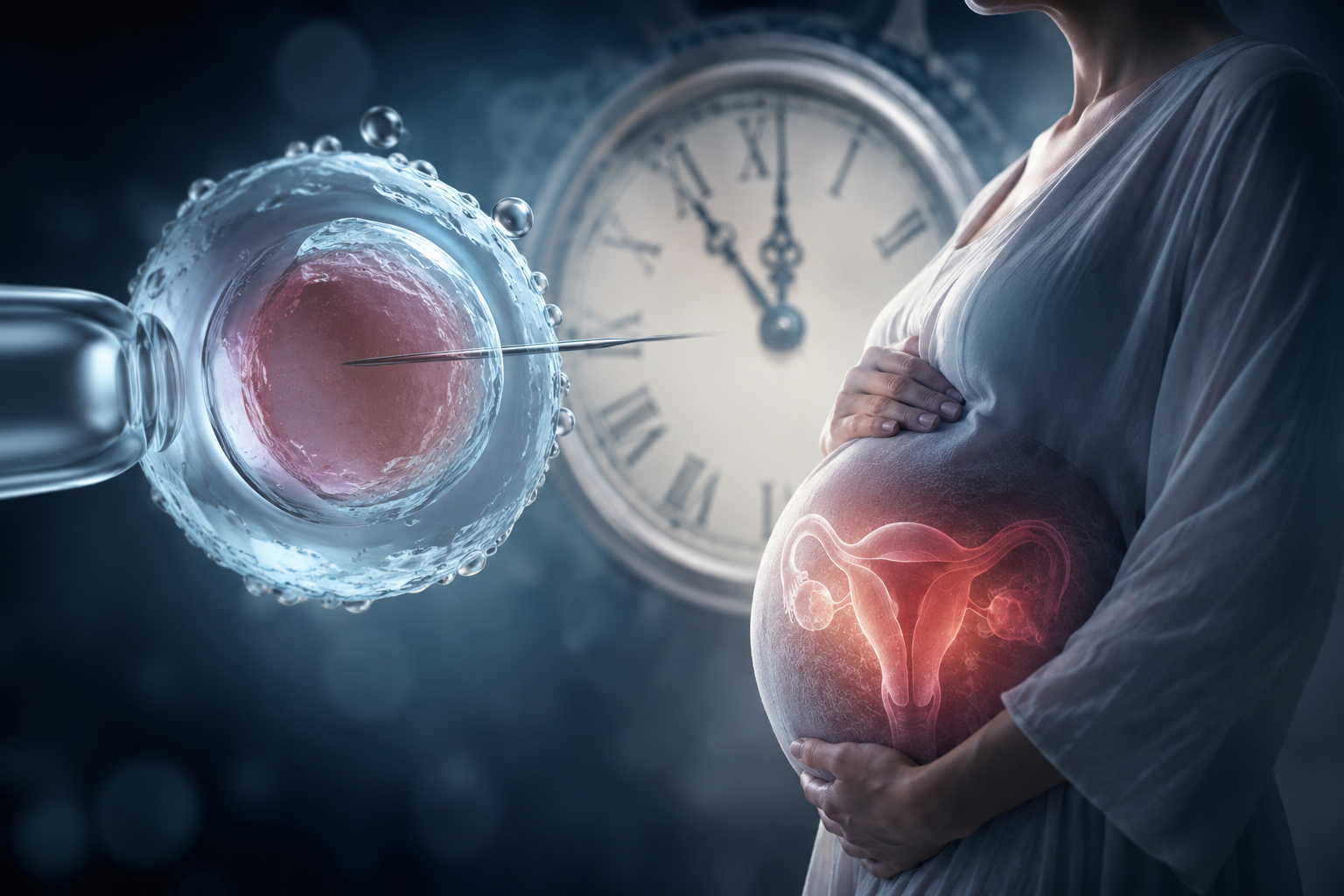
Does a young donor egg make the recipient’s age irrelevant? An ESHRE study reported lower live birth rates and higher miscarriage rates in older recipients. The findings invite a broader look at pregnancy health, without establishing a universal age cutoff or isolating uterine aging as the cause.
-
Fresh vs Frozen Embryo Transfer: Is IVF Entering an Ice Age?
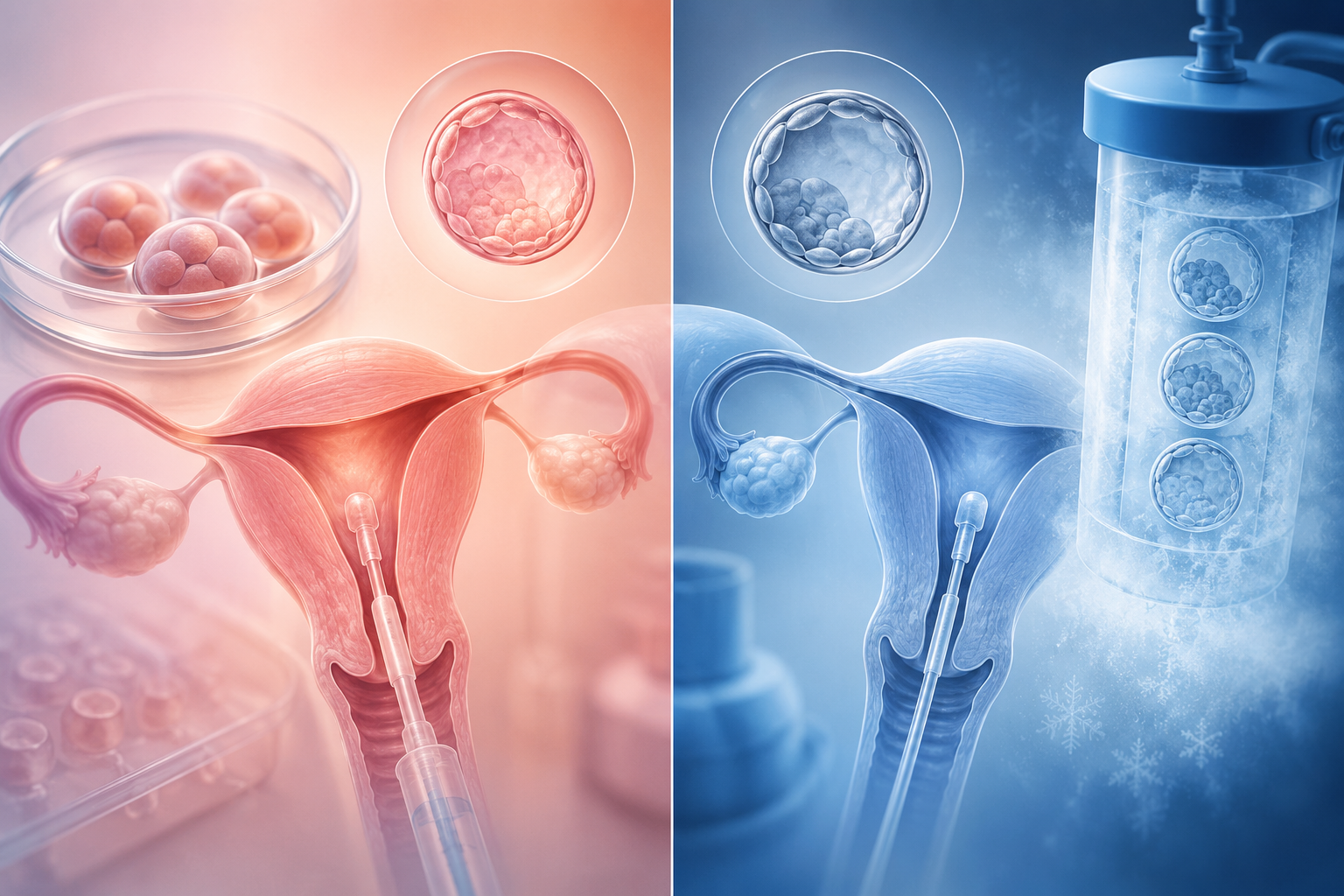
Why are frozen embryo transfers becoming more common, and is freezing always better? European ART trends show a growing role for cryopreservation, while outcomes depend on the patient and treatment strategy. Low-prognosis IVF is an important example of why a universal freeze-all approach deserves scrutiny.
-
Single Embryo Transfer: Can Less Be More in IVF?
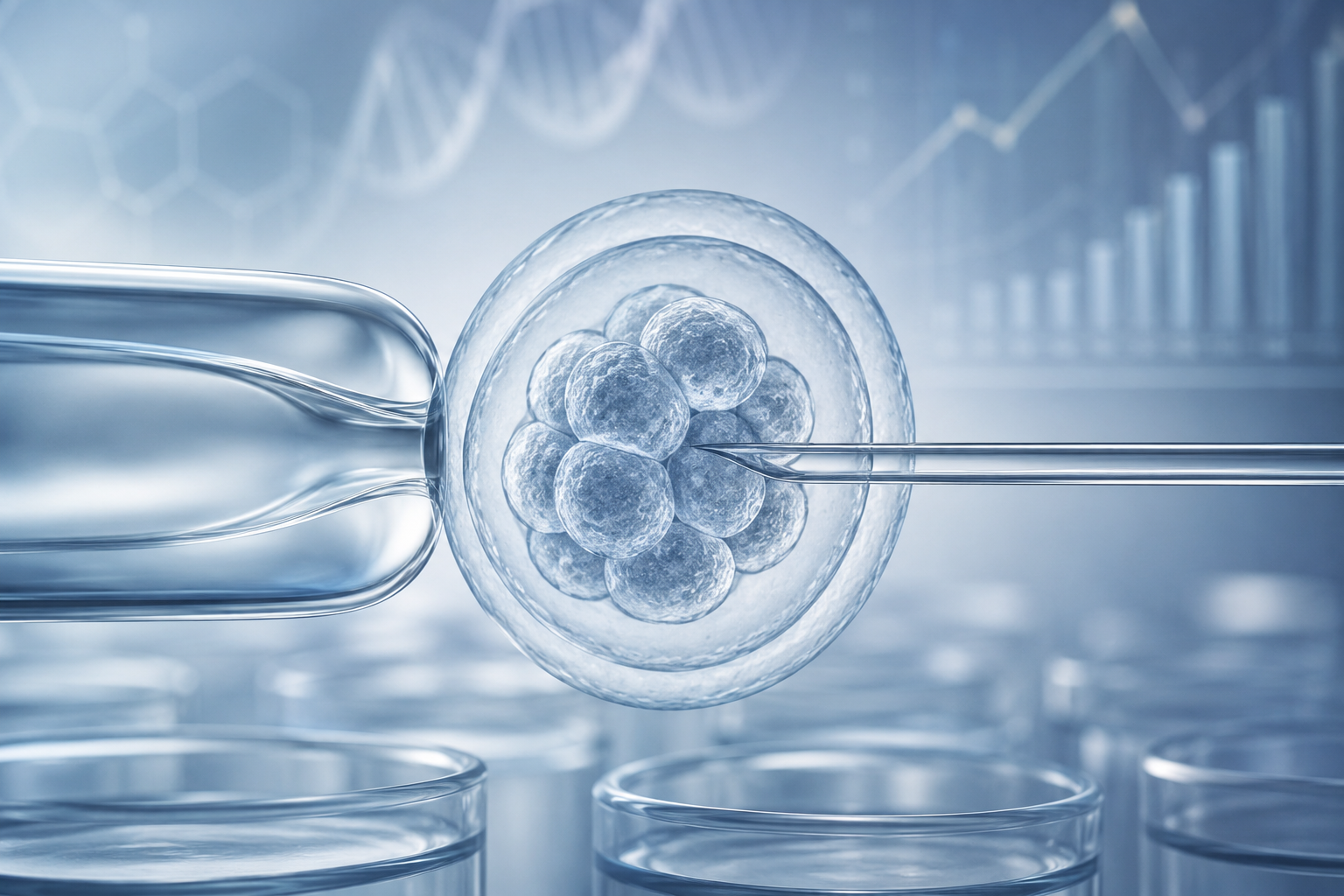
Does transferring more embryos necessarily produce a better IVF outcome? European registry trends show increasing single embryo transfer alongside fewer multiple pregnancies. The key distinction is between the chance from one transfer, cumulative live birth across treatment, and the risks of twins or higher-order multiples.
-
Screen Time, Dating and Low Birth Rates: Login Over Love?

Are smartphones and gaming changing the time people spend dating or having sex? Research on declining sexual activity considers digital leisure alongside relationships, work and economic uncertainty. These social patterns may shape opportunities for parenthood, but screen use alone cannot explain low birth rates or biological infertility.
-
Natural vs Programmed Frozen Embryo Transfer: Wait for Ovulation or Set the Date?
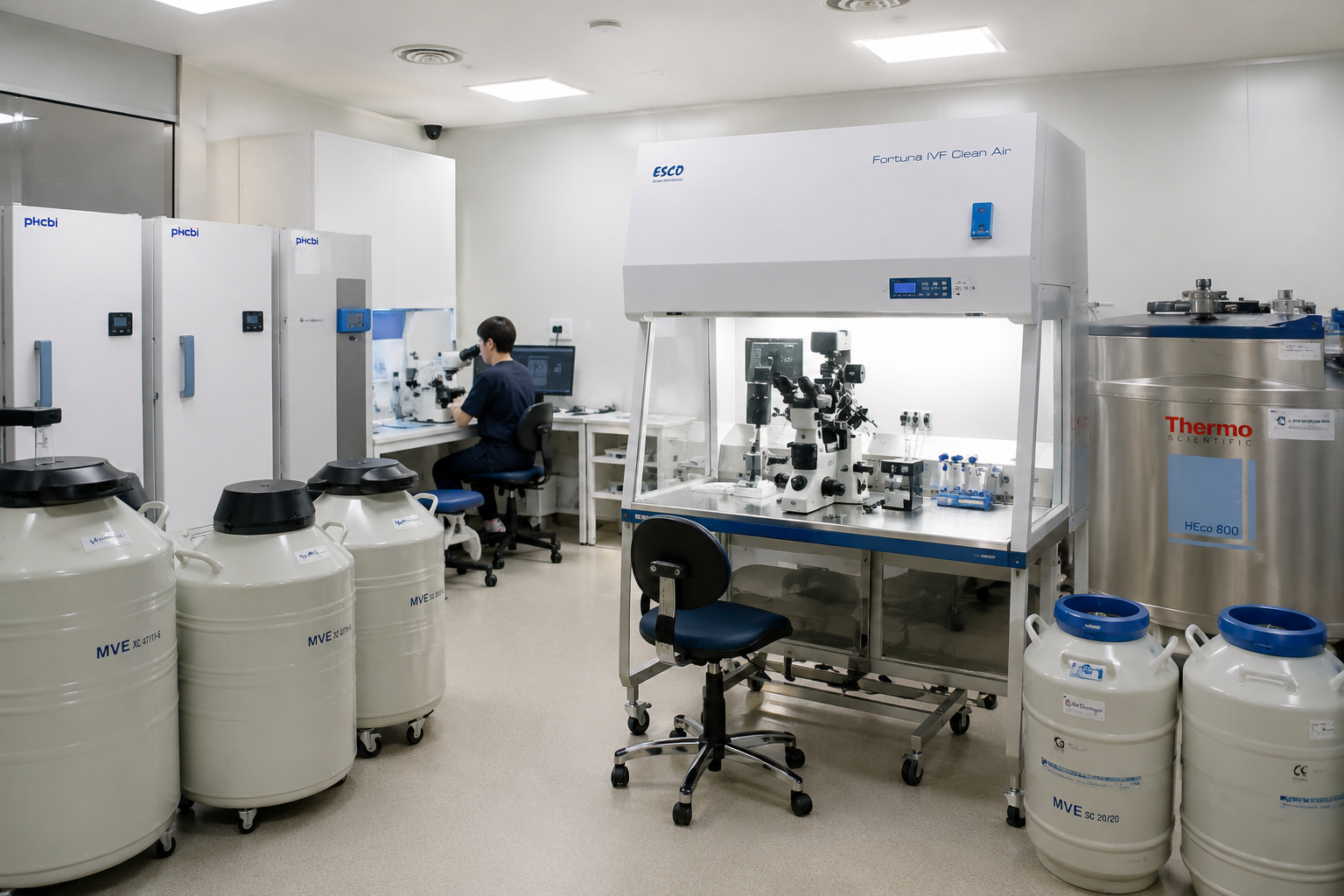
Which frozen embryo transfer protocol fits best: natural, modified natural or programmed? FET preparation differs in ovulation monitoring, hormone use and scheduling. Convenience matters, but so do effectiveness, pregnancy risks and the patient’s ovulatory pattern; one protocol is not automatically best for everyone.