
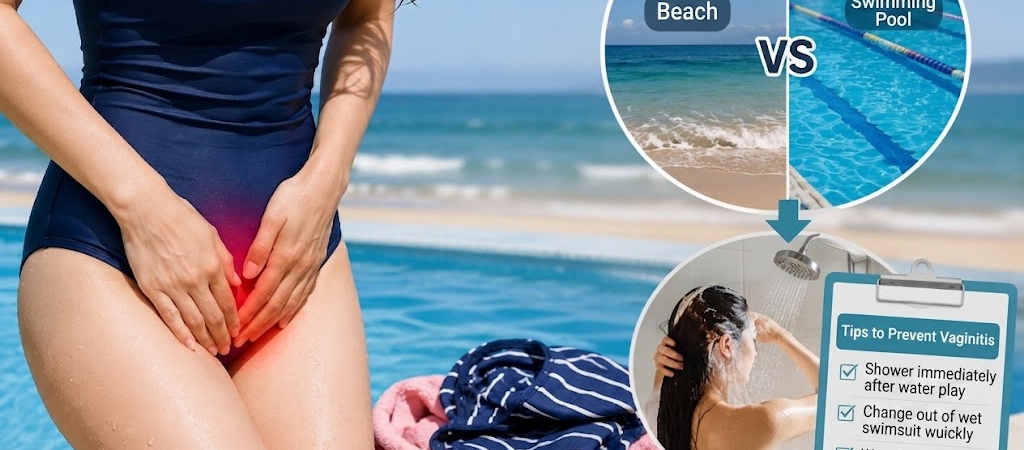
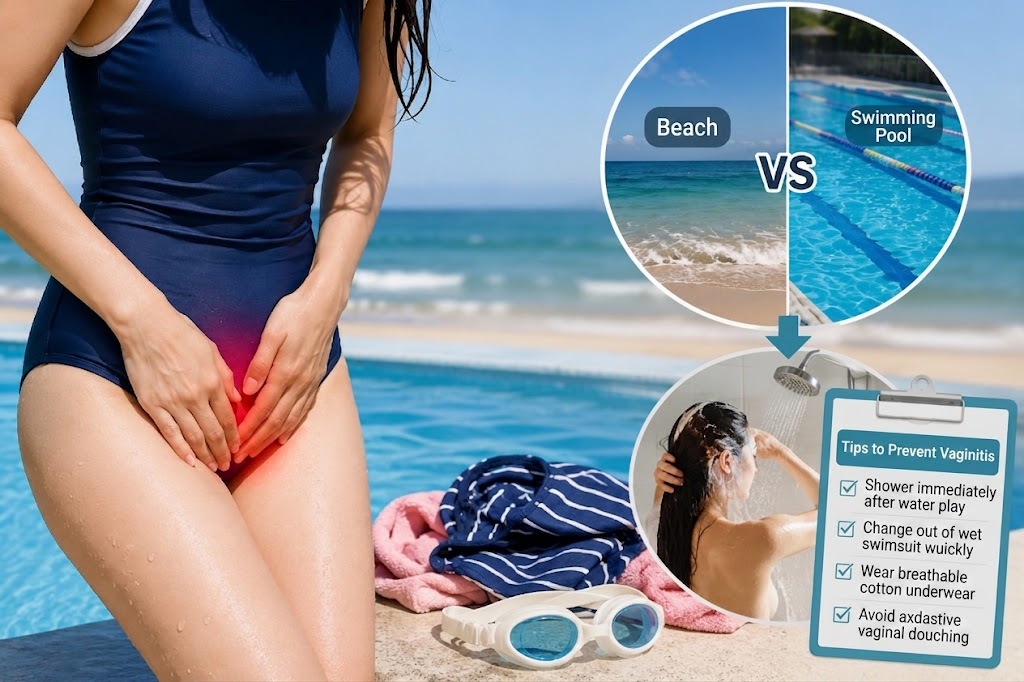
Summer Water Activities Bring a Rise in Vaginitis… Prompt Showering and Changing Clothes Are Key to Prevention
As midsummer begins, the number of people heading to the ocean and swimming pools surges significantly. However, this is also a period when women visit obstetrics and gynecology clinics complaining of symptoms such as vulvar itching, increased discharge, and odor after enjoying water activities.
Many people wonder whether “chlorine in swimming pools is more dangerous” or “ocean water is worse,” but experts say the answer is a bit different. The risk of vaginitis is influenced much more by post-water activity management habits than by the type of water.
Ocean vs. Swimming Pool: Which Is Worse?
Generally, the ocean is known to be a slightly more vulnerable environment for vaginitis than swimming pools.
Ocean water naturally contains various bacteria and microorganisms, and in the summer, rising water temperatures make microbial activity more active. When sand and organic matter are added to this, the likelihood of vulvar irritation or exposure to bacteria increases.
However, the vagina of a healthy woman maintains an acidic environment through beneficial Lactobacillus bacteria, which suppress the proliferation of external bacteria, meaning vaginitis does not develop immediately from water exposure alone.
Swimming pools, on the other hand, undergo chlorine disinfection, so the number of pathogenic bacteria is relatively low.
Instead, chlorine can irritate sensitive skin and mucous membranes. Furthermore, swimming for long periods or remaining in a wet swimsuit turns the area around the vagina into a warm and humid environment. If this condition persists for a long time, it can easily lead to candidal vaginitis (yeast infection) or bacterial vaginosis.
The Real Culprit: Staying in Wet Swimsuits
Obstetricians and gynecologists point to “keeping a wet swimsuit on for a long time” as the biggest cause of vaginitis.
A wet swimsuit lacks breathability, increasing the humidity of the vulva and creating an ideal environment for bacteria and fungi to proliferate. Whether playing in the ocean or swimming in a pool, keeping a wet swimsuit on for hours while eating or traveling after water activities significantly raises the risk of vaginitis.
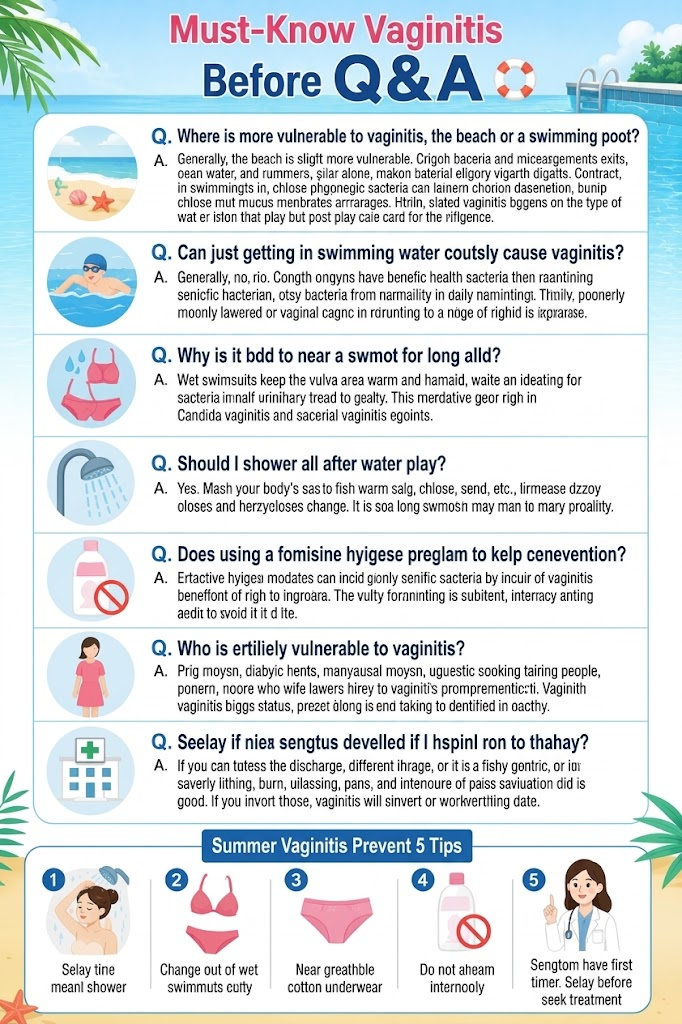
Prevention and Management
To prevent vaginitis, the most important steps are taking a shower with clean water as soon as possible after water activities and immediately changing into dry clothes.
Underwear should be made of breathable cotton material, and excessive vaginal douching—washing deep inside the vagina—should be avoided because it reduces normal beneficial vaginal flora and actually increases the risk of vaginitis.
Particularly, pregnant women, diabetes patients, individuals on long-term antibiotics, and those with weakened immunity are prone to vaginitis and should pay even closer attention to hygiene management after water activities.
If symptoms like increased discharge, foul odor, itching, or stinging are already present, it is wise to visit a doctor for an accurate diagnosis rather than continuing water activities.
Obstetricians and gynecologists advise, “What matters more than whether it is ocean water or a swimming pool is post-activity management. Simply showering and changing into dry clothes on time can significantly reduce the risk of summer vaginitis.”
To have an enjoyable summer vacation, the easiest way to protect your health is to pack a dry change of clothes before packing your swimsuit.
※ This article was written based on domestic and international medical data from organizations such as the Korean Society of Obstetrics and Gynecology and medical recommendations from OB/GYN specialists. It does not replace a specific individual’s diagnosis or treatment, and actual medical judgment must be made through consultation with a specialist.
※ Images: Created using generative AI (ChatGPT, OpenAI); depicts fictional individuals, not real people.