
Endometrial Hyperplasia (EH)—the abnormal thickening of the uterine lining—has long been managed primarily through systemic oral progestins. However, clinical evidence is increasingly demonstrating that localized hormonal therapy via the Levonorgestrel-releasing Intrauterine System (LNG-IUS, commonly known as Mirena) is superior in both efficacy and safety, particularly for young women prioritizing fertility preservation.
The Limitations of Oral Progestins Traditionally, oral progestins like medroxyprogesterone (MPA) have been the first line of defense. These drugs work by signaling the endometrium to stop growing and shed naturally. However, they follow a systemic route: the medication passes through the digestive system and travels through the bloodstream before reaching the uterus. This often leads to significant systemic side effects, including weight gain, bloating, headaches, mood swings, and an increased risk of venous thromboembolism.
The Advantage of Localized Delivery The Mirena IUS offers a paradigm shift in therapeutic delivery:
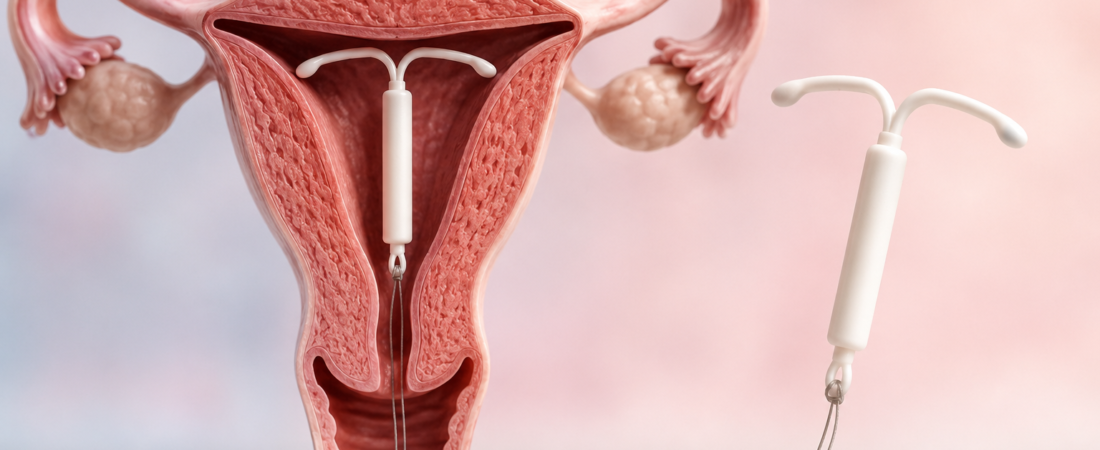
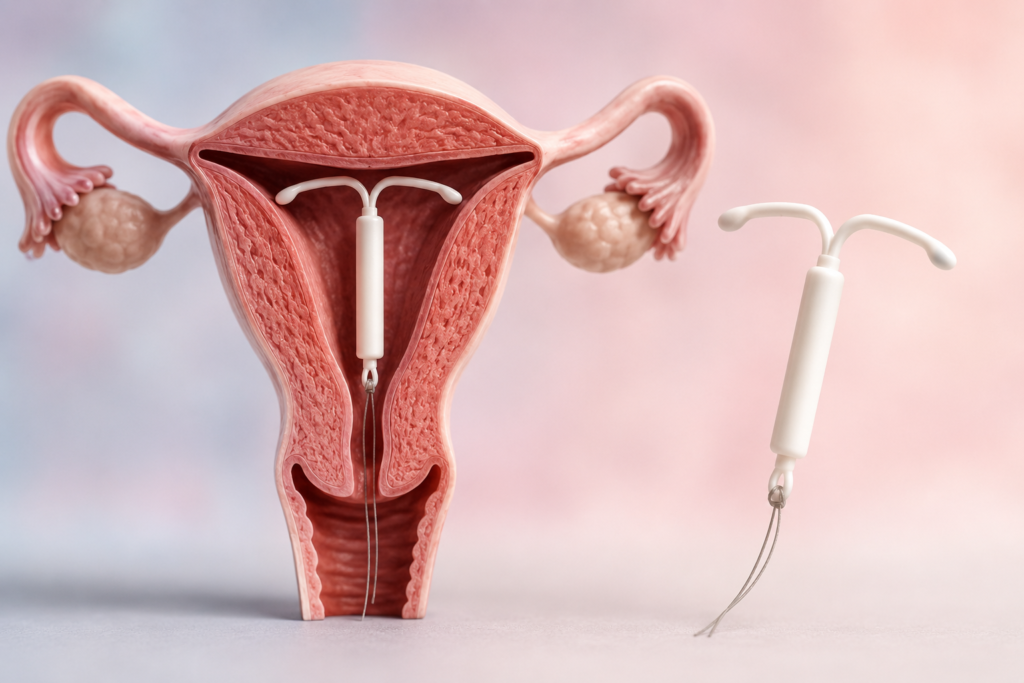
- Direct Delivery: By inserting the device directly into the uterus, levonorgestrel is released locally in high concentrations, directly at the site of the lesion.
- Superior Remission Rates: Meta-analyses consistently show that LNG-IUS achieves higher complete remission rates for Atypical Endometrial Hyperplasia (AEH) compared to oral progestins, with some studies reporting remission rates exceeding 80% within 12 months.
- Minimized Systemic Burden: Because the medication is concentrated in the uterus, the concentration in the peripheral blood remains relatively low, significantly reducing the incidence of systemic side effects and improving patient adherence.
A Strategic Tool for Fertility Preservation For women planning for pregnancy, the Mirena IUS is no longer just a contraceptive; it is a critical clinical tool. In patients with conditions like Polycystic Ovary Syndrome (PCOS) or obesity—which drive estrogen-dependent hyperplasia—a dual strategy is gaining traction: lifestyle-based weight loss combined with localized LNG-IUS therapy.
Weight reduction helps address the underlying root of the estrogen excess, while the IUS directly inhibits the hyperplastic endometrium. Once the condition reaches complete remission, the IUS is removed, allowing the patient to attempt conception—either naturally or through IVF. This approach allows women to treat the disease while simultaneously preparing their bodies for a healthy future pregnancy.
Clinical Considerations While the Mirena IUS is highly effective, it is not a “one-size-fits-all” solution. It may not be suitable for patients with severe uterine cavity distortion or large submucosal fibroids that interfere with device placement. Furthermore, patients with AEH or early-stage endometrial cancer must undergo regular endometrial biopsies to monitor the lesion’s progression or regression throughout the treatment process.
Conclusion: A More Precise Standard of Care The trend in modern gynecology is clear: we are moving away from systemic treatments that affect the whole body, toward precise, localized therapies that target the disease at the source. For young women facing the daunting diagnosis of endometrial hyperplasia, the Mirena IUS offers a path toward remission that protects their uterus and keeps their dreams of motherhood intact. It is a more precise, more effective, and more patient-friendly standard of care.
Sources: Recent meta-analyses and systematic reviews on LNG-IUS for endometrial hyperplasia; international clinical guidelines on gynecological oncology and fertility preservation.
Disclaimer: This report is for informational purposes. Clinical decisions regarding endometrial hyperplasia must be made in consultation with a board-certified gynecologist, considering the patient’s specific anatomical and reproductive status.