
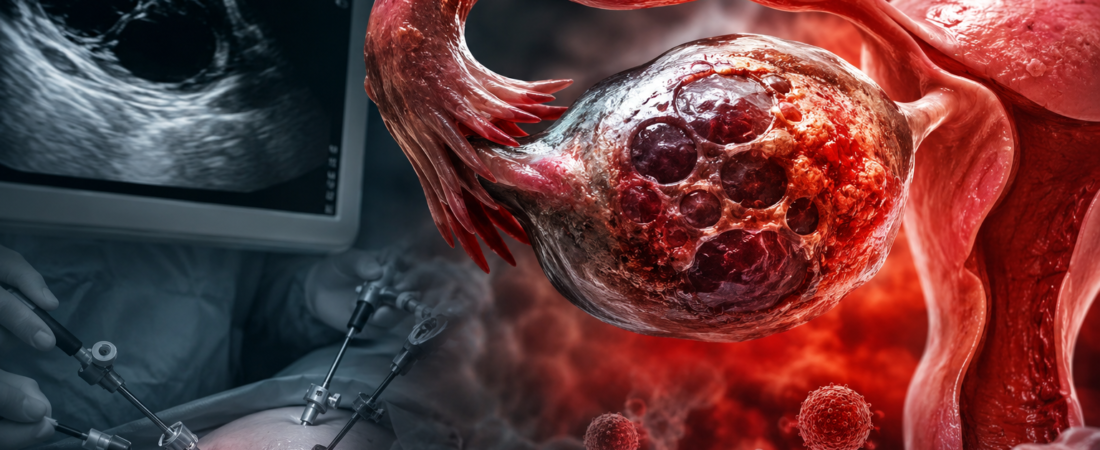
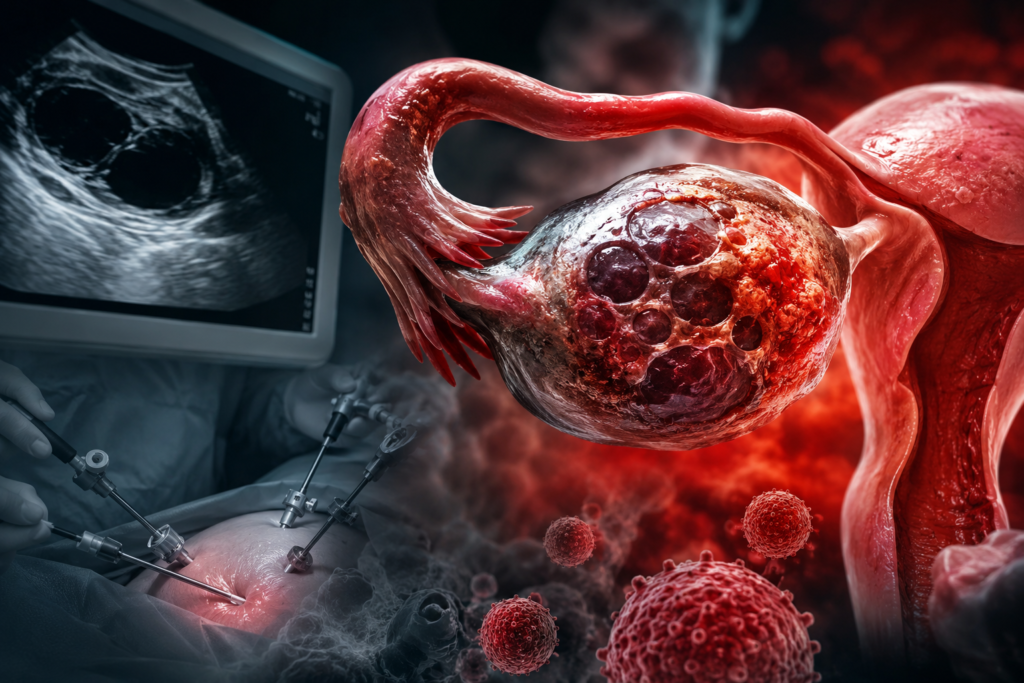
Finding an ovarian cyst during a routine ultrasound can be a source of immediate anxiety for many women, with the fear of ovarian cancer often being the first thought. However, clinical evidence suggests a more nuanced reality: most simple cysts found in women of reproductive age are benign and often resolve on their own. The key, experts emphasize, is not just knowing if you have a cyst, but knowing what kind of cyst it is.
Simple vs. Complex: Knowing the Difference Ovarian cysts are generally categorized into two types:
- Simple Cysts: These are fluid-filled sacs with thin walls, often functional cysts that develop during the ovulation cycle. They are common and typically resolve without intervention.
- Complex Cysts: These require a more clinical eye. If an ultrasound reveals solid components, internal septations (walls), or papillary projections (nipple-like structures), the cyst is classified as complex. While the absolute risk of malignancy remains low (estimated at 0.4–6.6%), these structures warrant further investigation, such as MRI or tumor marker (CA-125) testing, particularly in postmenopausal patients.
The “Chocolate Cyst” Dilemma Perhaps the most significant concern for reproductive-age women is the endometrioma, commonly known as a “chocolate cyst.” Recent large-scale research, including 2024–2026 cohort studies, suggests a sobering connection: women with endometriosis may face a fourfold higher risk of ovarian cancer compared to the general population. For those with deep infiltrative endometriosis or large endometriomas, that risk can rise nearly tenfold. While the absolute risk remains relatively low, the chocolate cyst can no longer be viewed as a “simple water cyst.”
Implications for Fertility In the context of fertility, the presence of a chocolate cyst is highly significant. These cysts do more than just occupy space; they can compress healthy ovarian tissue, diminish ovarian reserve (the pool of available eggs), and create a chronic inflammatory environment in the pelvis—all of which can significantly hamper the chances of natural or assisted conception.
When to Seek Deeper Evaluation Not all cysts are created equal. Clinical protocols recommend heightened vigilance for:
- Cysts that persist or grow after the reproductive cycle.
- Cysts found after menopause, which inherently carry a higher risk profile.
- Complex structures detected via ultrasound.
- Bilateral endometriomas (occurring in both ovaries).
Conclusion: Precision Over Fear The takeaway from the latest medical literature is clear: a shadow on an ultrasound is not an automatic cause for panic, but it is a signal for precision. Whether it is the start of severe endometriosis or, in rare cases, an early sign of malignancy, these cysts require more than just a passing glance.
The strategy should be one of accurate diagnosis and consistent monitoring. By categorizing the cyst correctly, clinicians can determine whether to adopt a “wait-and-see” approach or initiate targeted treatment, ensuring that patients receive exactly the care they need—nothing less, and nothing more.
Sources: Recent international studies on endometriosis and ovarian cancer (2024–2026); JAMA cohort study analyses; clinical guidelines from oncological and reproductive health institutions.
Disclaimer: This content is provided for informational purposes, based on recent clinical research. Medical judgments and treatment decisions must always be made in consultation with professional medical personnel.