
Latest posts
-
Chronic Endometritis Before FET: Why a Normal Scan May Not Tell the Whole Story
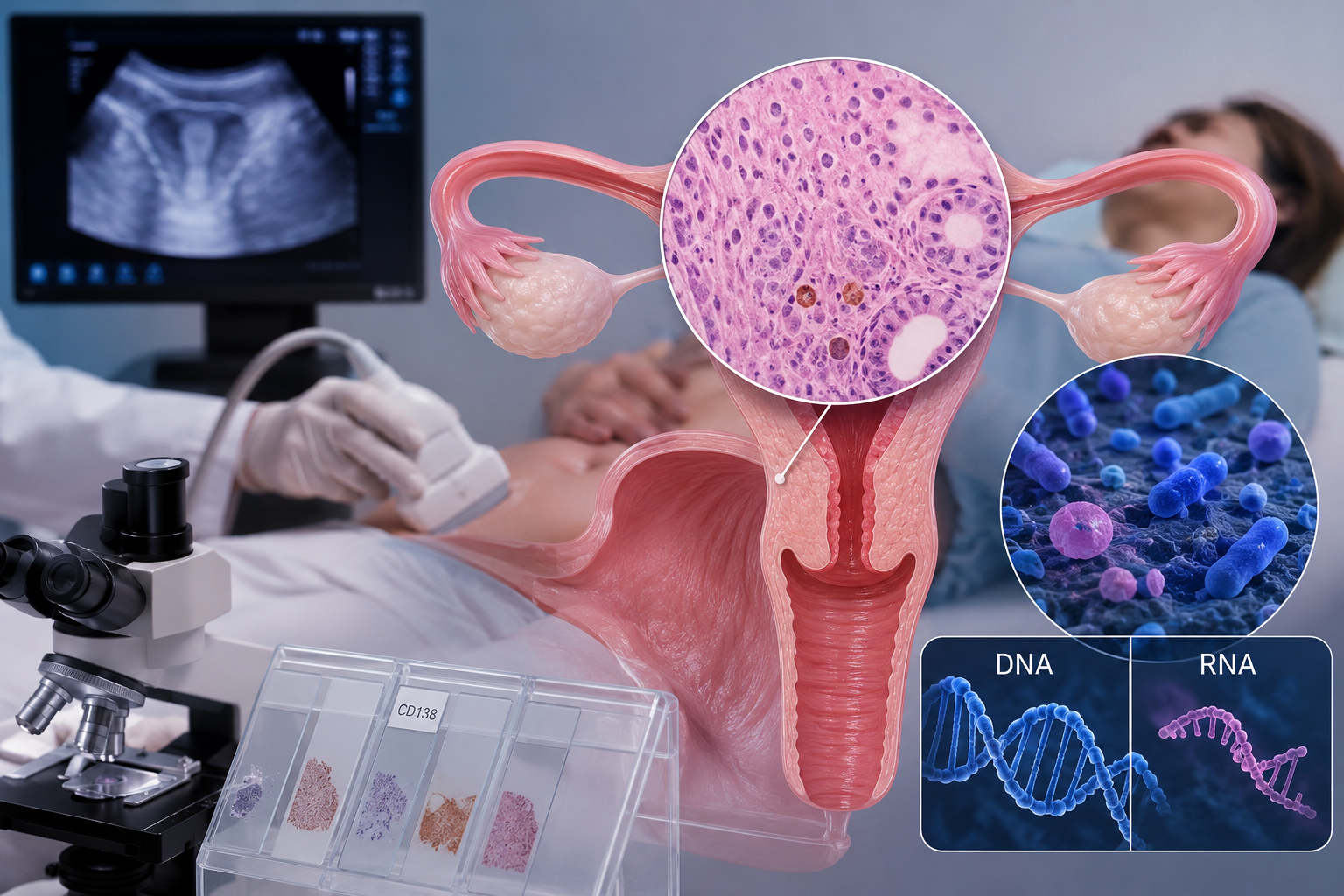
Can chronic endometritis be present with a normal ultrasound? Explore CD138 testing before FET, pregnancy findings and the limits of antibiotic evidence.
-
Adenomyosis: Could Menstrual Blood Become a Window Into the Uterus?

Could menstrual blood expose hidden adenomyosis? Single-cell research reveals inflammatory and fibrotic clues, but a routine diagnostic test is not ready.
-
Adenomyosis and IVF: Why Even a Euploid Embryo May Not Be Enough

Why can IVF still fail with a euploid embryo? Adenomyosis studies point to lesion location, severity and miscarriage risk—with important limits.
-
1PN Embryos in IVF: What Does the Evidence Say About Live Birth?

A retrospective study of 13,203 1PN embryos examines blastocyst development, parental origin and live birth after selected transfers. Conventional IVF and ICSI findings differ, and outcomes in genetically assessed blastocysts should not be generalized to every embryo observed with one pronucleus.
-
EmbryoGlue in IVF: Does the Extra Cost Buy a Better Chance of Birth?

Does EmbryoGlue improve IVF live birth rates? An 865-patient randomized trial puts the popular embryo transfer add-on and its extra cost under scrutiny.
-
Frozen Embryos After Five Years: Does Time in Storage Change the Odds?

Do frozen embryos lose potential after five years? A large meta-analysis examines storage duration, live birth odds and the limits of the evidence.
-
ICSI and Genetic Mutations: Does IVF Leave a Trace in a Child’s DNA?

A study of 24,030 people links ICSI and other ART procedures with small shifts in genetic mutations. What do the findings mean for children’s health?
-
Cytoplasmic Strings in Embryos: Can Tiny Bridges Hint at a Better Chance of Birth?
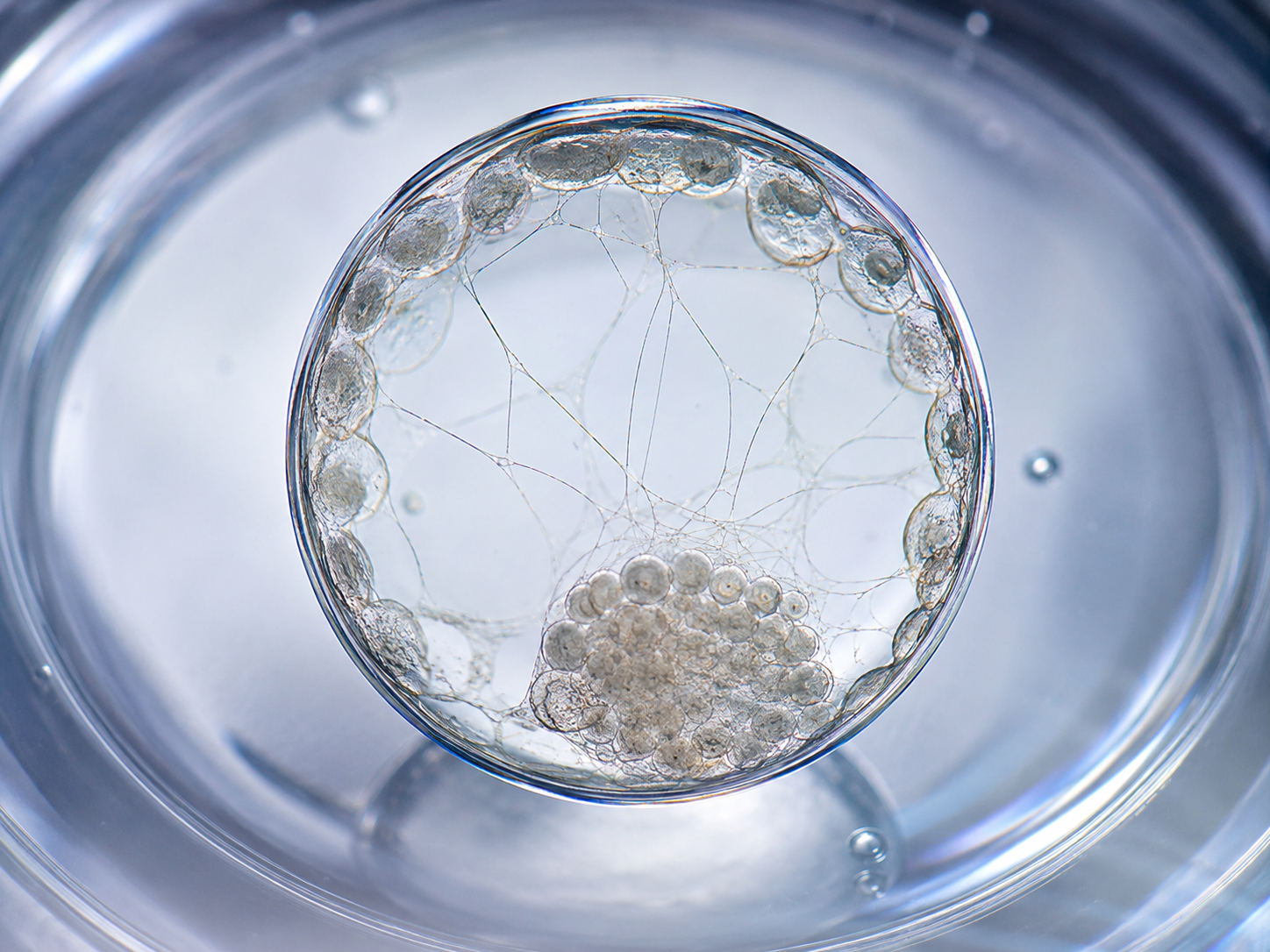
Tiny strings inside a blastocyst may carry clues about embryo development. Research on cytoplasmic strings links these structures with IVF pregnancy and live birth outcomes, but the evidence remains uncertain. Could they help embryologists choose an embryo—or simply reflect qualities already visible in other tests?
-
Recurrent Implantation Failure: Do Two Failed Transfers Really Mean RIF?

After two failed IVF transfers, the label recurrent implantation failure can feel inevitable. ASRM guidance asks a different question: how likely was pregnancy with the embryos transferred? Embryo quality, ploidy and patient circumstances matter when deciding whether further investigation is warranted.
-
Non-Invasive PGT in IVF: Evidence, Limits and Patient Selection

This article reviews non-invasive PGT using embryo culture-media DNA, alongside PGT-A studies grouped by maternal age and ovarian reserve. Reported outcomes come from different study populations and designs, and technical limitations and embryo yield matter when interpreting the findings.