
Fertility News
Fertility News
Global fertility updates, research signals, policy shifts, and clinic-facing news collected in one place.
-
ICSI Without Male Infertility: When Is It Recommended?
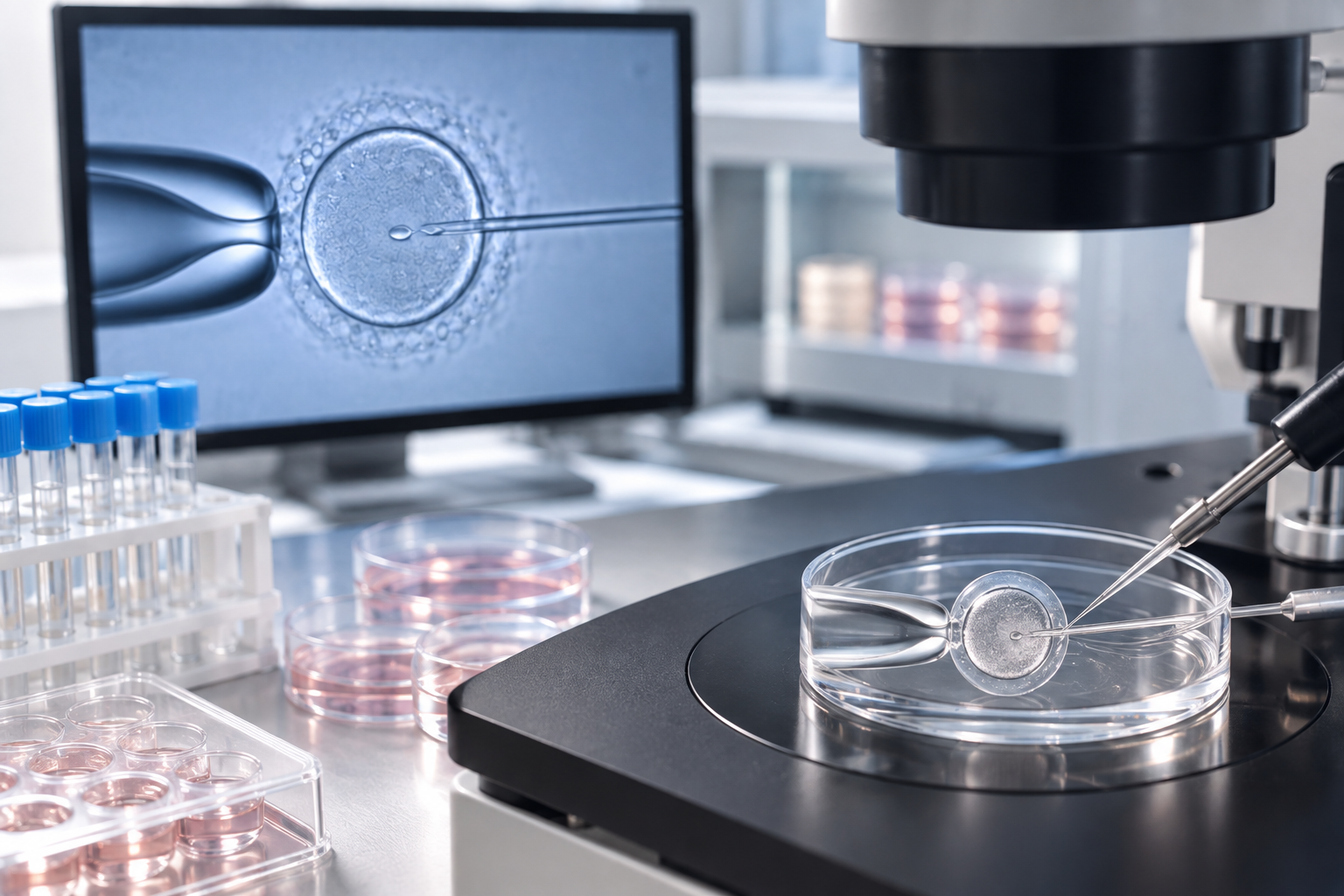
ICSI without male factor infertility is not routinely recommended by ASRM. Its 2026 committee opinion reviews why low egg numbers, diminished ovarian reserve and older maternal age alone do not justify routine sperm injection, while recognizing selected circumstances such as previous fertilization failure, PGT-M and warmed frozen eggs.
-
PGT-A in IVF: Live Birth and Pregnancy Loss Outcomes
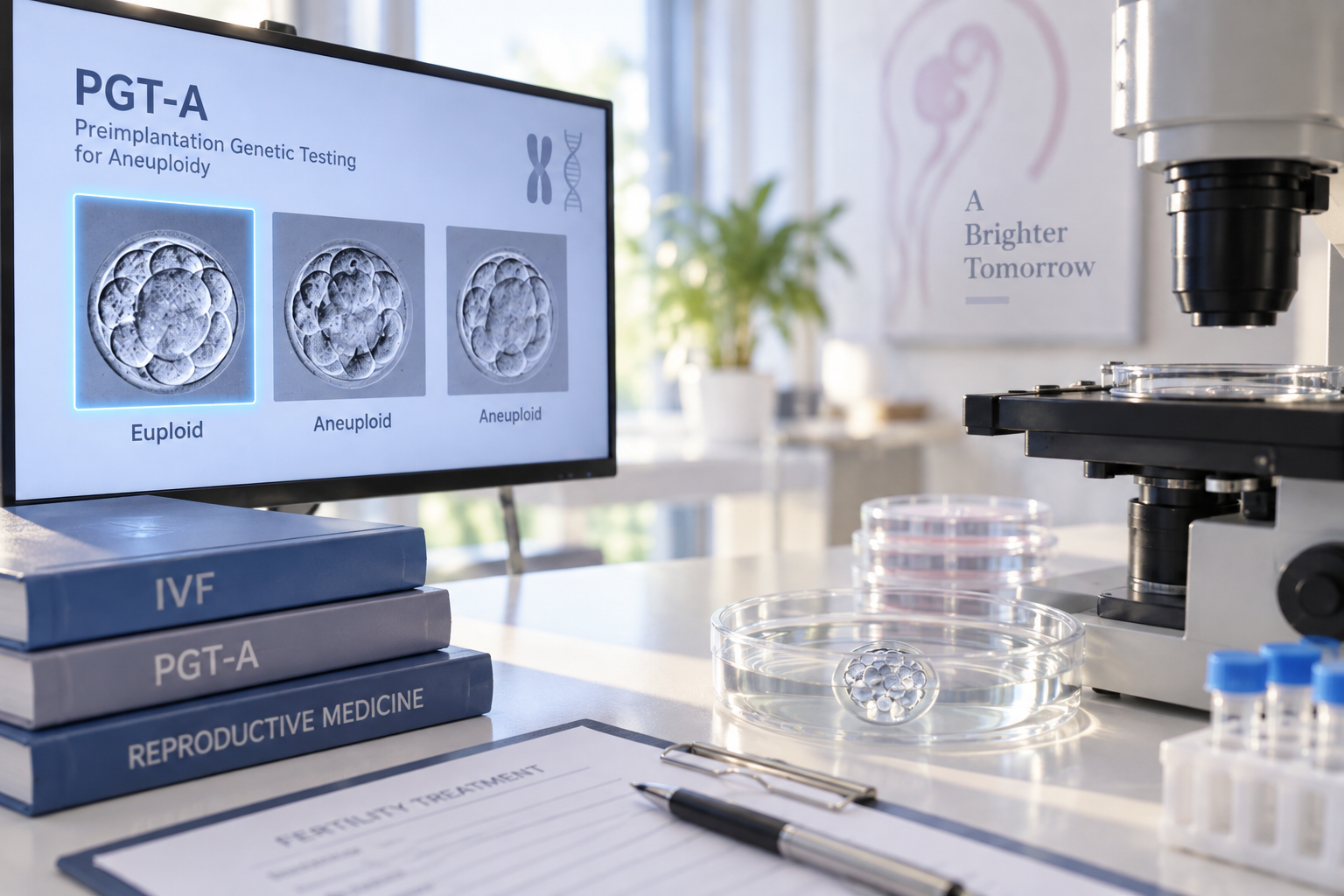
A UK registry study associated PGT-A with lower cumulative live birth odds and lower pregnancy loss odds per pregnancy. This article separates observational findings from randomized trials, explains current HFEA ratings, and addresses uncertainty about treatment time and cost.
-
Repeated Euploid Embryo Transfer: Live Birth Rates and Limits
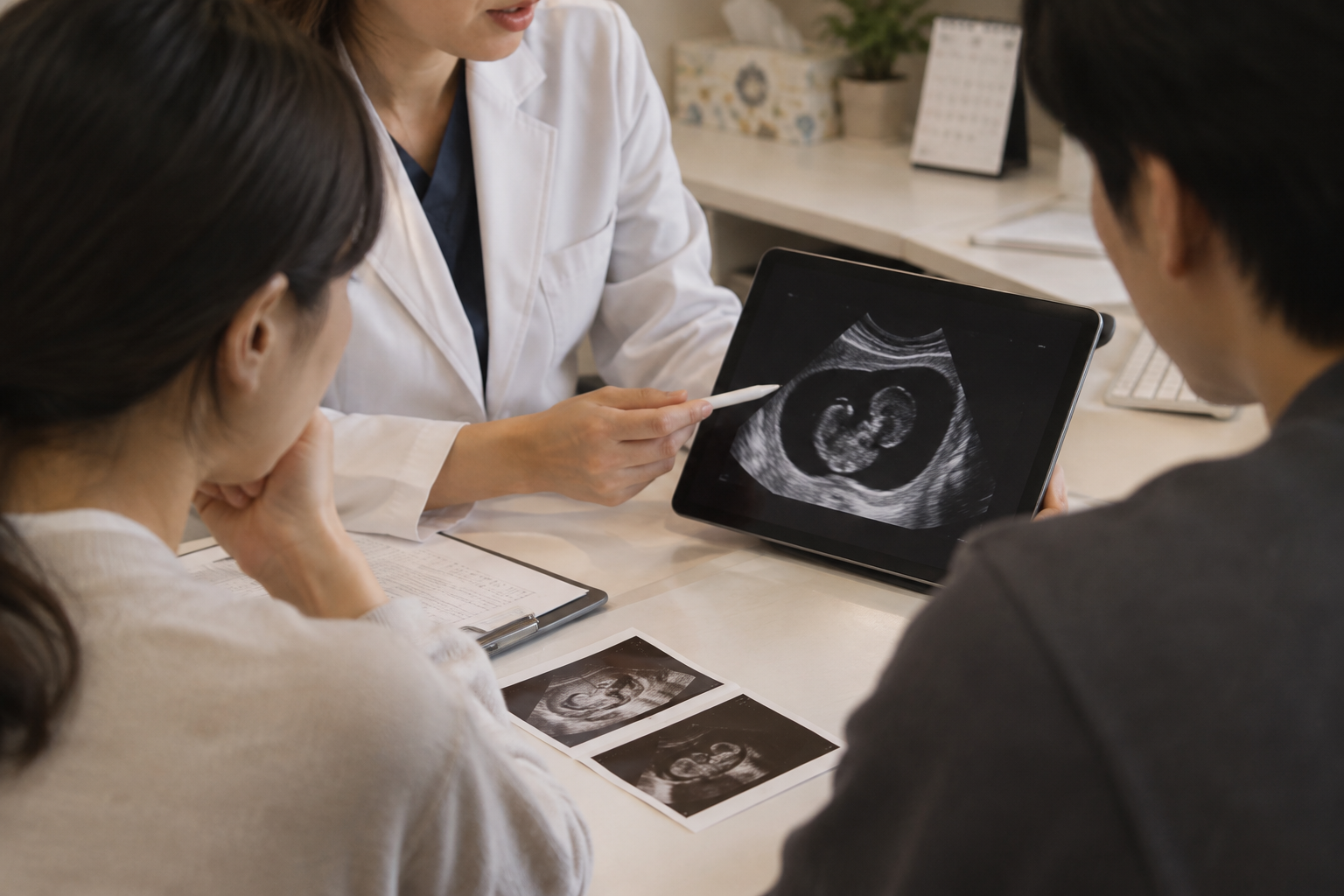
A retrospective cohort of 5,811 women examined outcomes across up to six sequential euploid embryo transfers. Cumulative estimates depend on treatment-discontinuation assumptions, and the sixth-transfer group included only seven patients. The figures cannot guarantee an individual outcome.
-
Recurrent Pregnancy Loss and Endometrial Metabolism: Early Evidence
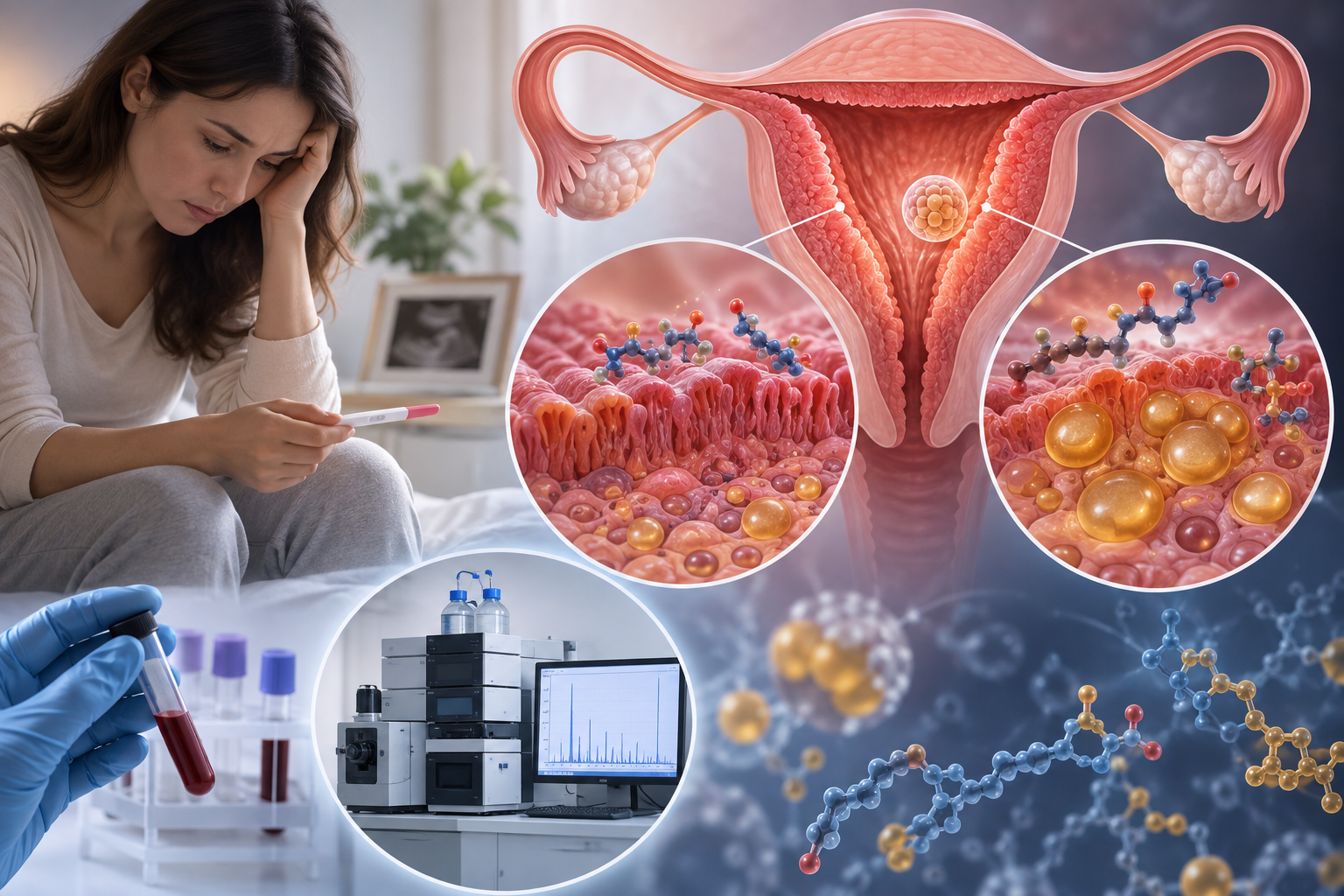
Unexplained recurrent pregnancy loss was associated with an endometrial lipid-metabolism signature in a prospective study of 80 women. Researchers compared endometrial tissue and plasma from women with pregnancy loss, implantation failure and fertile controls. The findings do not establish a cause of miscarriage, a validated diagnostic test or a benefit from supplements.
-
Diet Before IVF: What Did a 60-Day Trial Find?
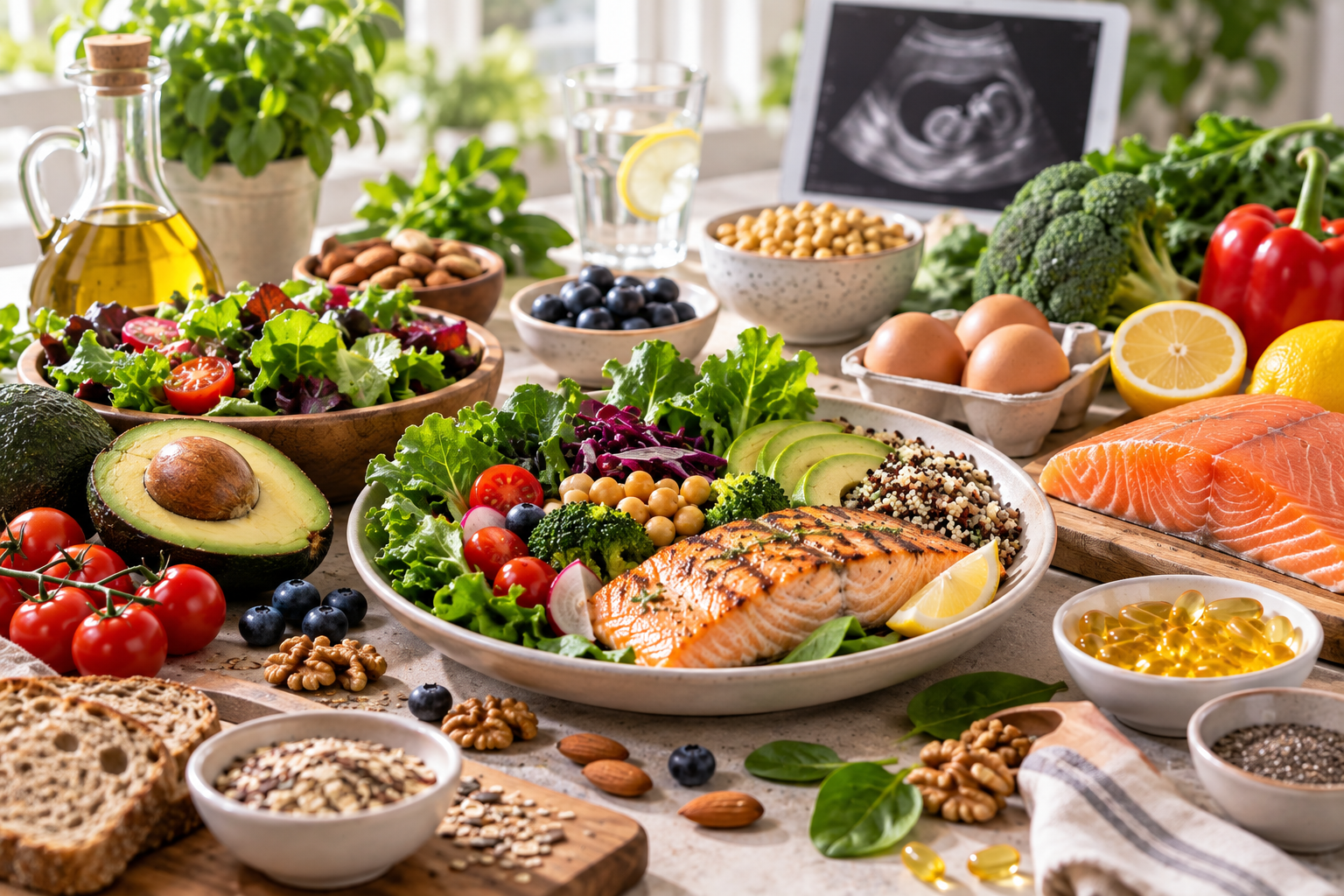
A randomized trial in 180 women compared a 60-day dietary and supplement plan before IVF. Laboratory fertilization and embryo-quality measures improved, but the combined intervention does not identify an effective single supplement or establish a live-birth benefit.
-
Frozen Embryo Transfer: Should You Wait a Cycle?
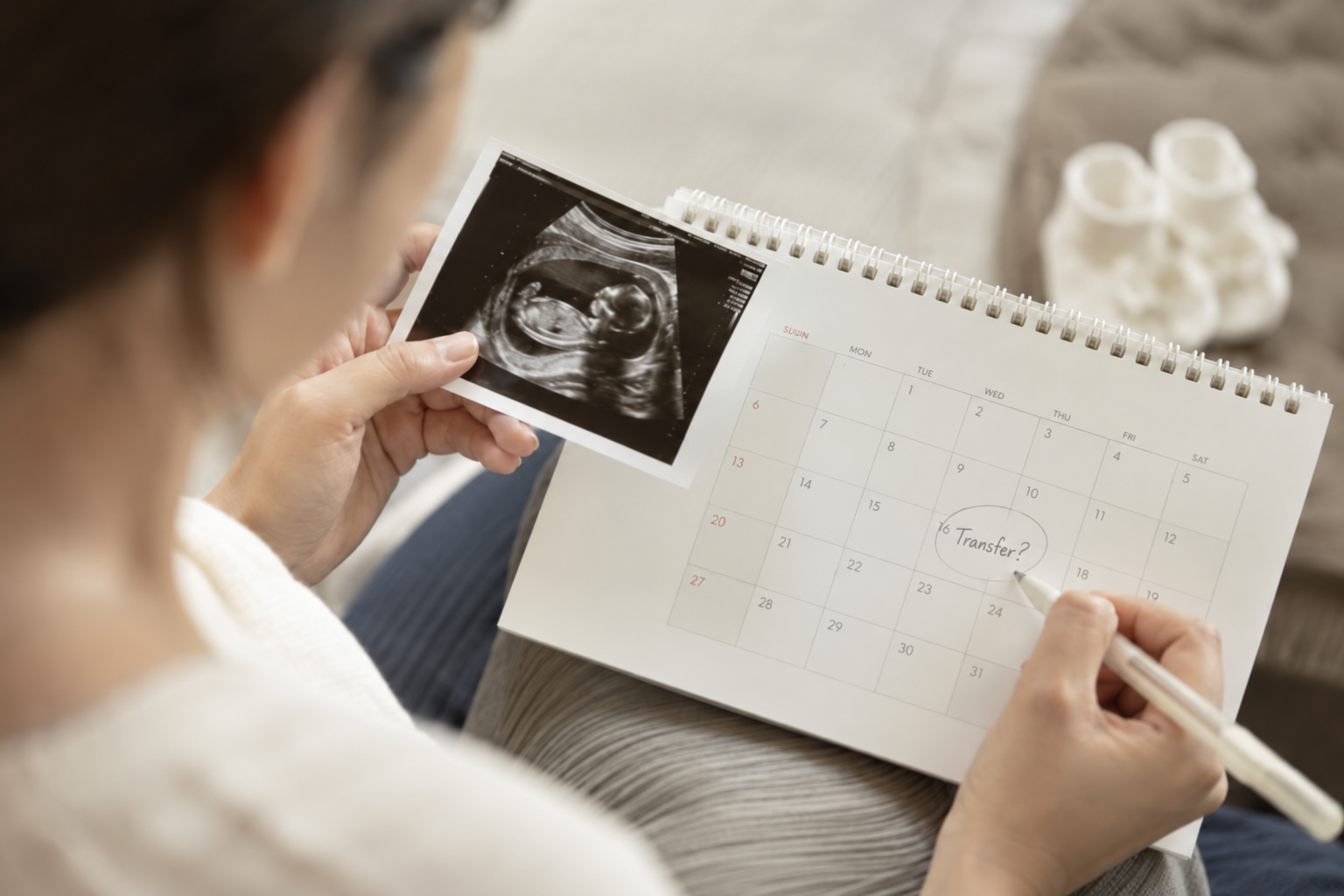
A Danish randomized trial compared immediate and postponed frozen embryo transfer in modified natural cycles. Immediate transfer did not meet the prespecified non-inferiority criterion, but the findings do not prove that waiting is best for every patient or preparation protocol.
-
Frozen Embryo Transfer: Does Time After Thawing Matter?
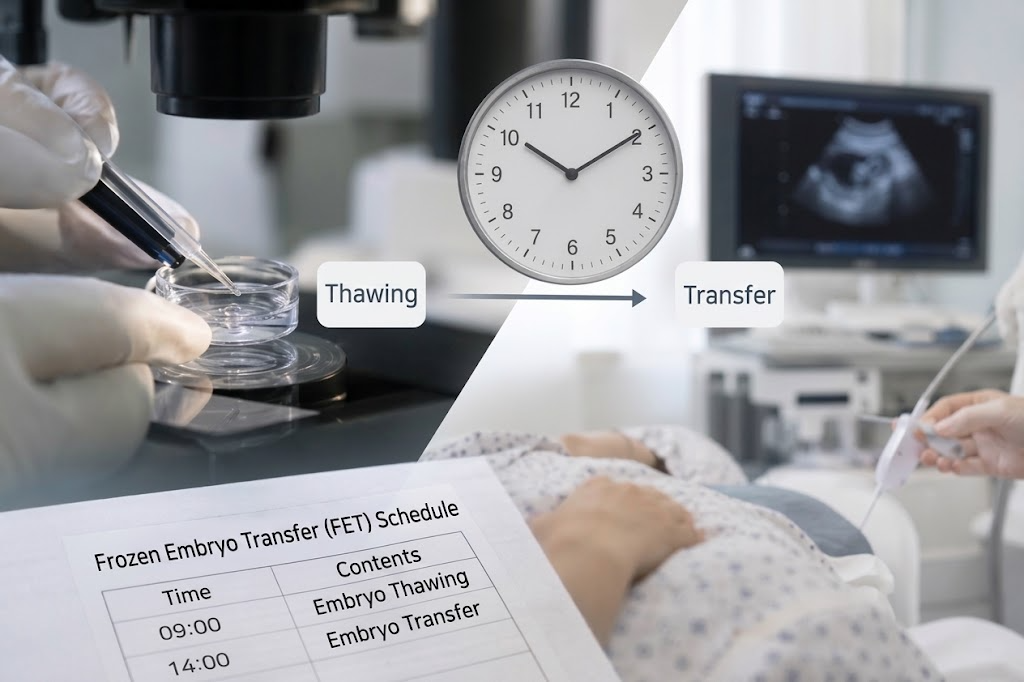
A retrospective study of 6,034 PGT-tested single blastocyst transfers found no significant association between thaw-to-transfer time and pregnancy outcomes across a modeled five-hour window. Embryo stage and quality remained associated with outcomes. The findings do not establish a universal schedule.
-
Blastocyst Re-expansion After Thawing: Pregnancy Outcomes
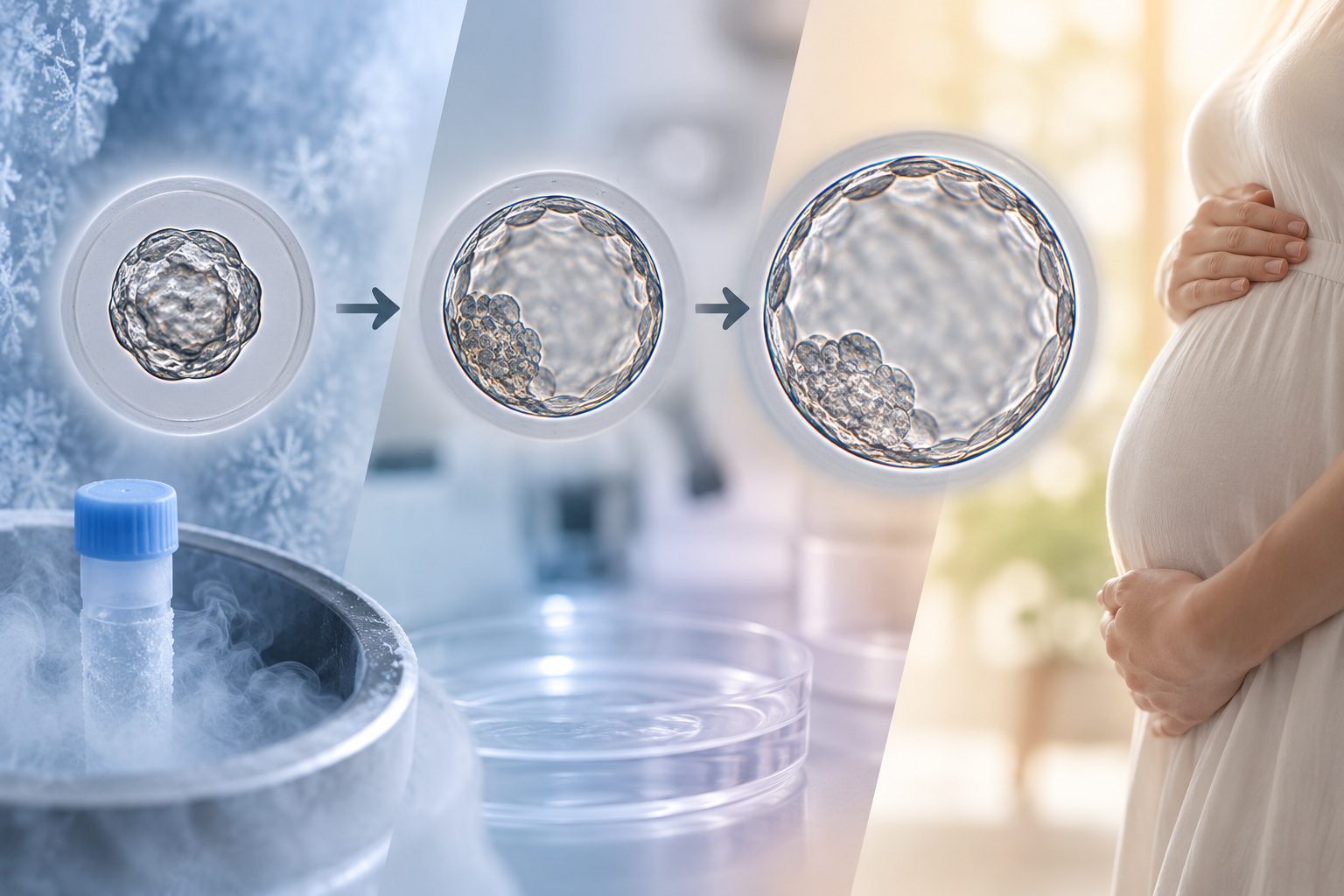
A retrospective study found lower clinical pregnancy rates after transfer of collapsed blastocysts, but pregnancies still occurred. The article explains post-warming recovery, differing study results and why re-expansion alone cannot determine an embryo’s pregnancy potential.
-
ICSI vs IVF: Early Embryo Cleavage and Study Limits
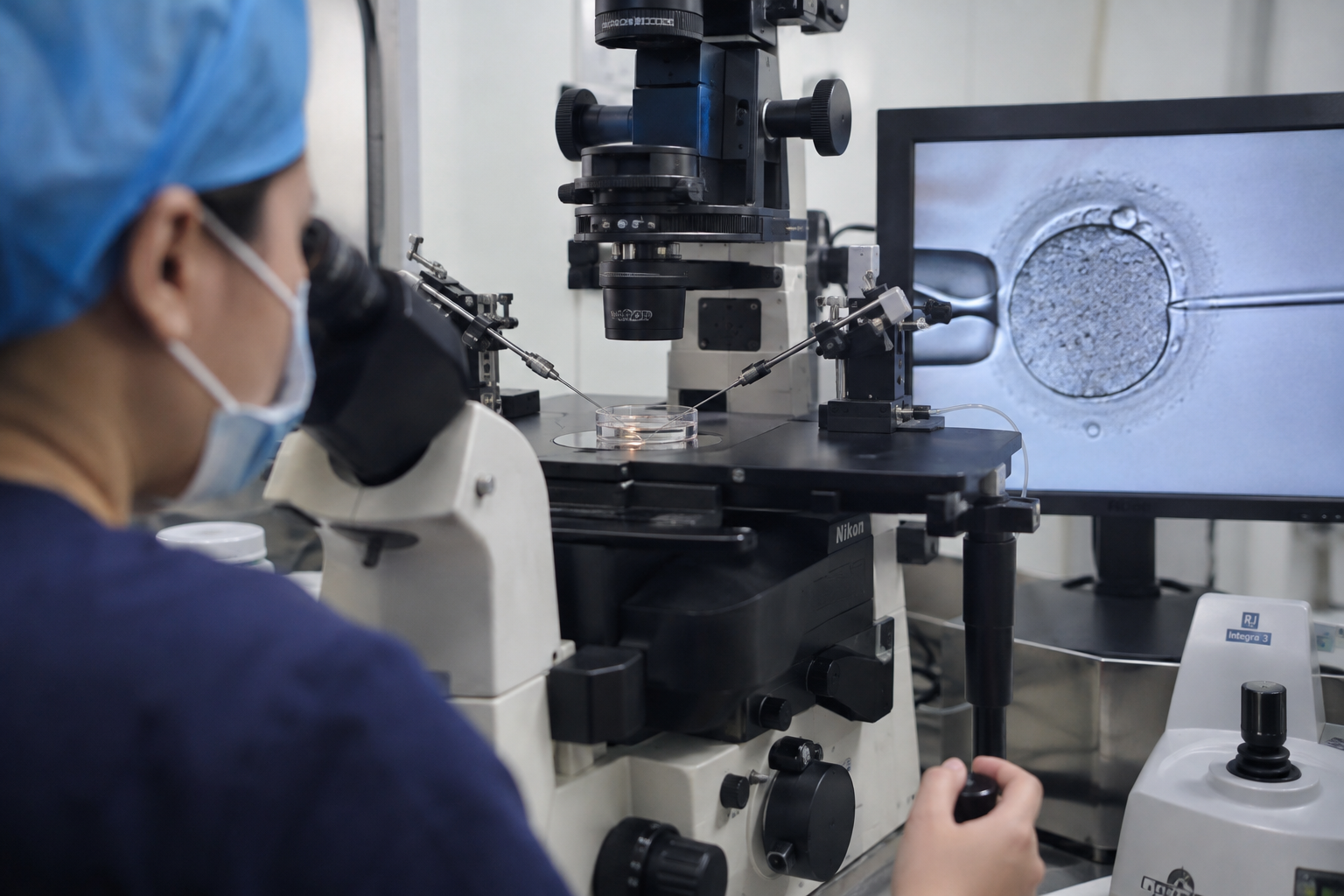
A retrospective study of 125,570 normally fertilized embryos found abnormal cleavage in 52.14% after ICSI and 40.82% after conventional IVF. The adjusted association persisted across semen subgroups, but it does not prove a procedure-related mechanism or predict an individual couple’s live birth outcome.
-
Freeze-All vs Fresh Transfer in Low-Prognosis IVF
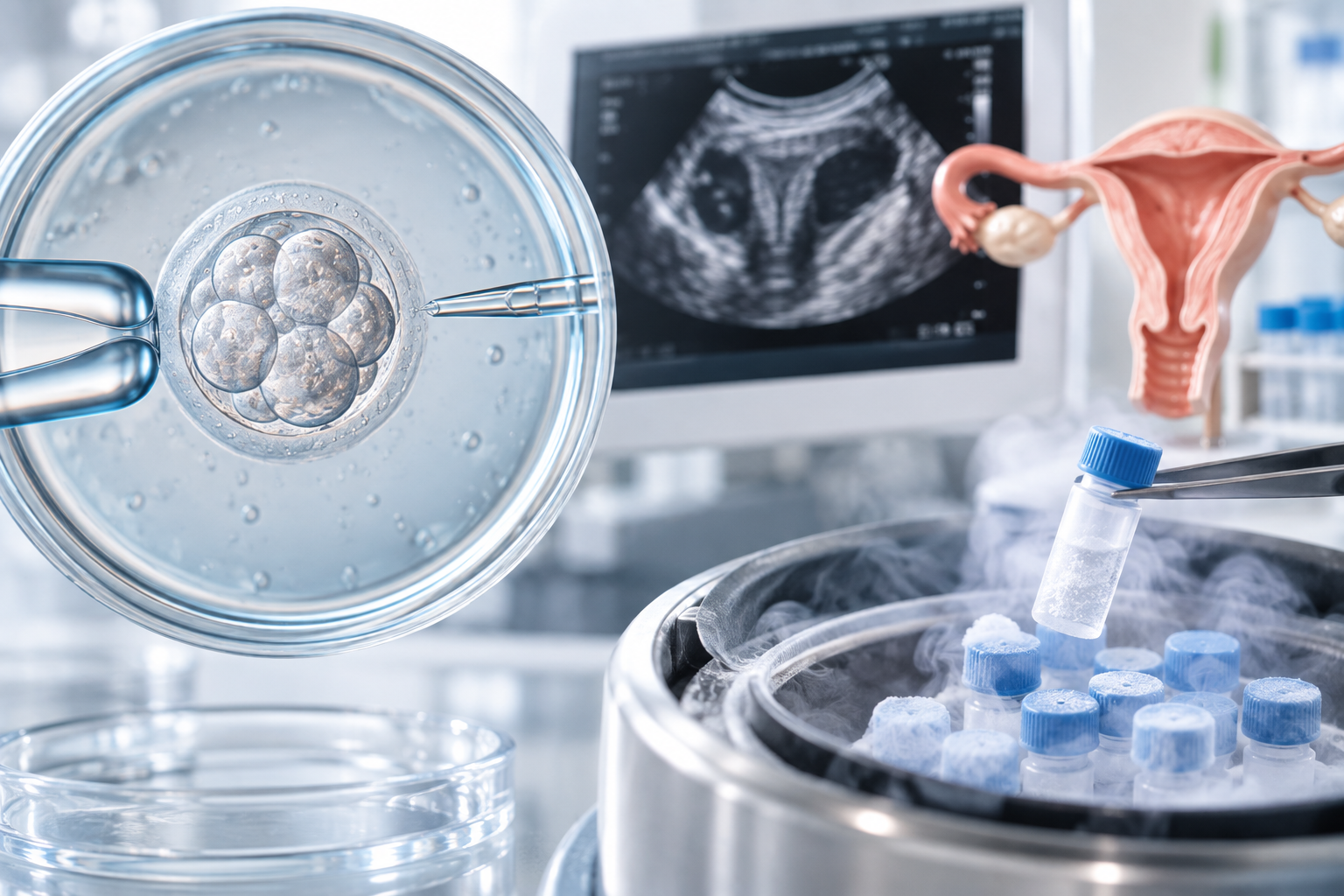
A randomized trial of 838 low-prognosis IVF patients reported higher live birth rates with a fresh-transfer strategy than freeze-all. A separate target trial emulation also favored fresh transfer, but study limitations and clinical reasons to defer transfer still matter.
-
Cholesterol and IVF Success: What Dyslipidemia Studies Show
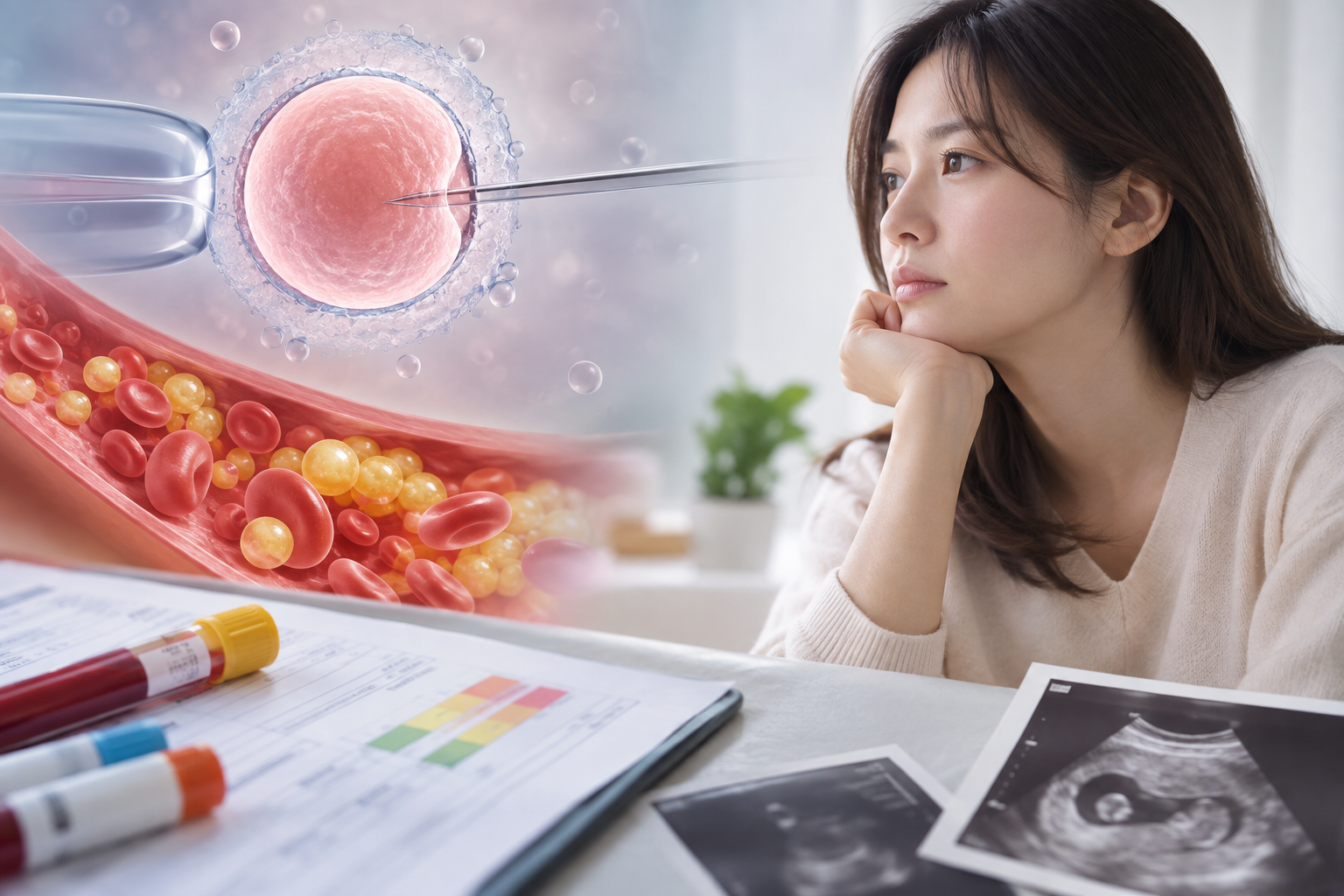
High cholesterol and IVF success have been linked in observational studies, including a new cohort of 25,413 women. This article examines dyslipidemia, embryo measures, miscarriage and live birth—and why these associations do not prove that lowering cholesterol improves IVF outcomes.
-
rFSH vs rFSH Plus HP-hMG in IVF: Egg Yield and OHSS
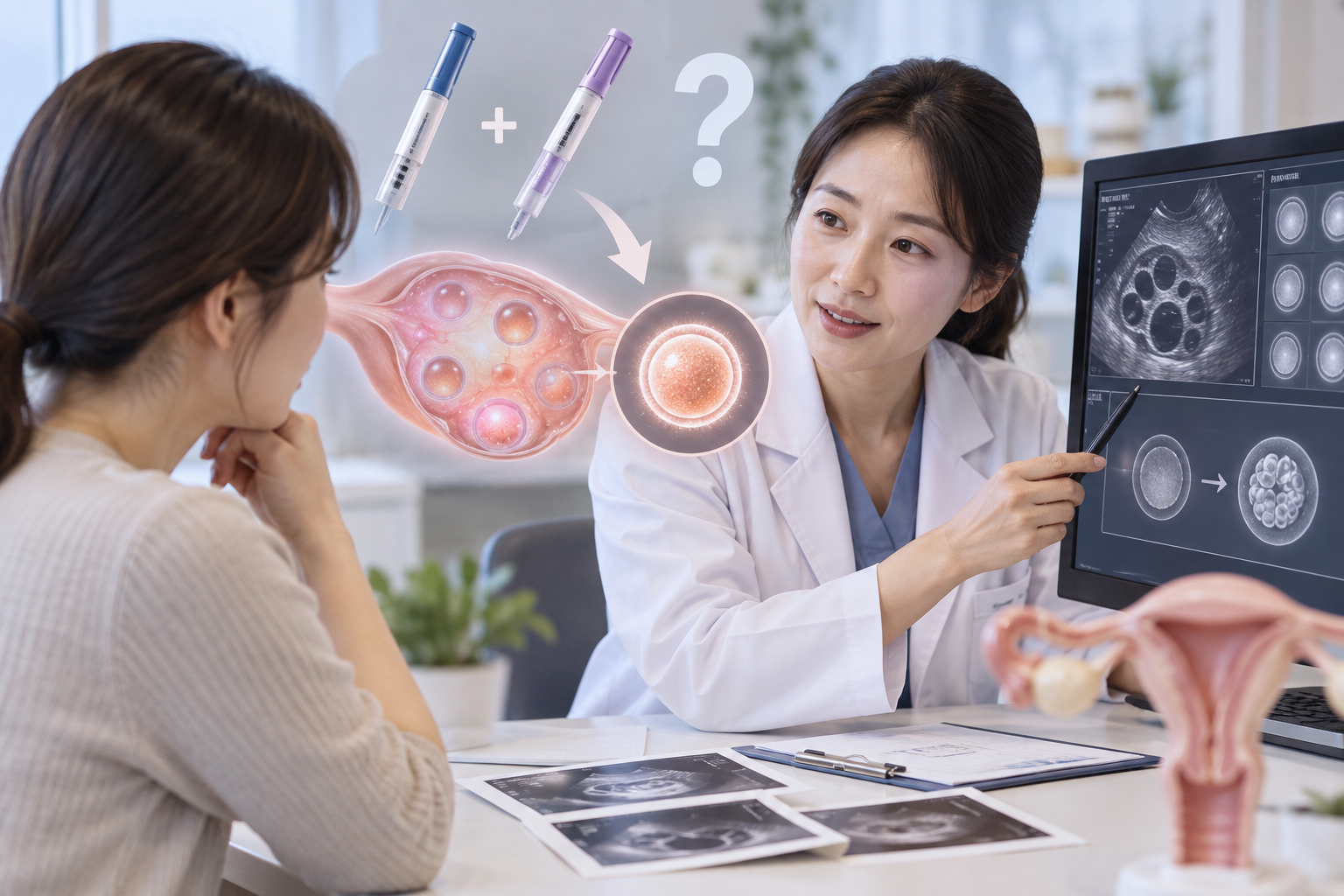
A Korean retrospective study compared rFSH alone with rFSH plus HP-hMG in 1,028 women undergoing IVF. Clinical pregnancy rates did not differ significantly, and the unadjusted OHSS difference weakened after adjustment. Live birth outcomes were not measured.