
Fertility News
Fertility News
Global fertility updates, research signals, policy shifts, and clinic-facing news collected in one place.
-
Mitochondria and Egg Aging: What Can Treatment Change?
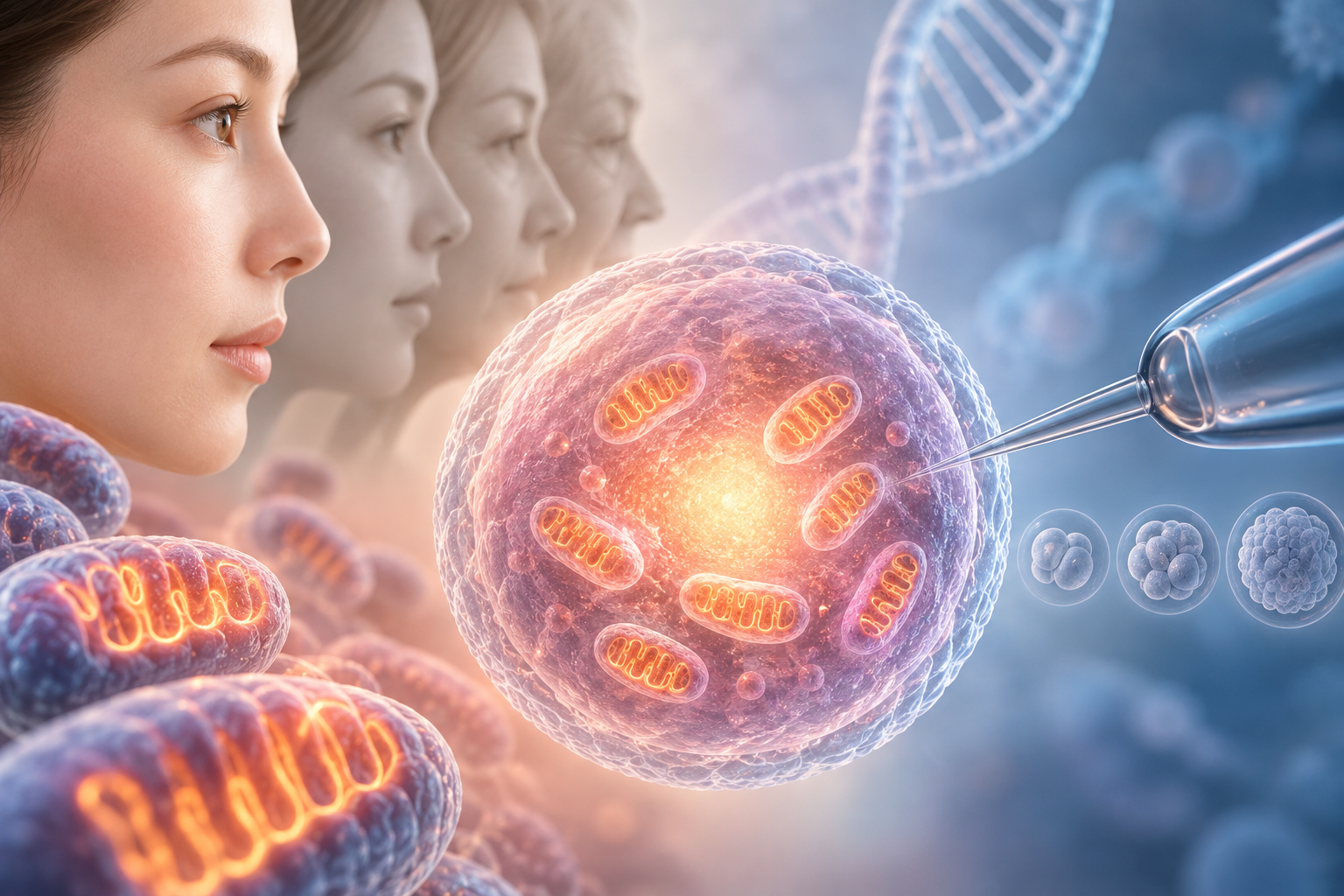
Mitochondria supply energy for egg maturation and early embryo development, but their role in aging does not establish a proven rejuvenation treatment. A Yale review examines supplements and mitochondrial replacement while highlighting uncertain clinical benefits and safety questions.
-
Direct Embryo Warming: Promising Mouse Data, Human Limits
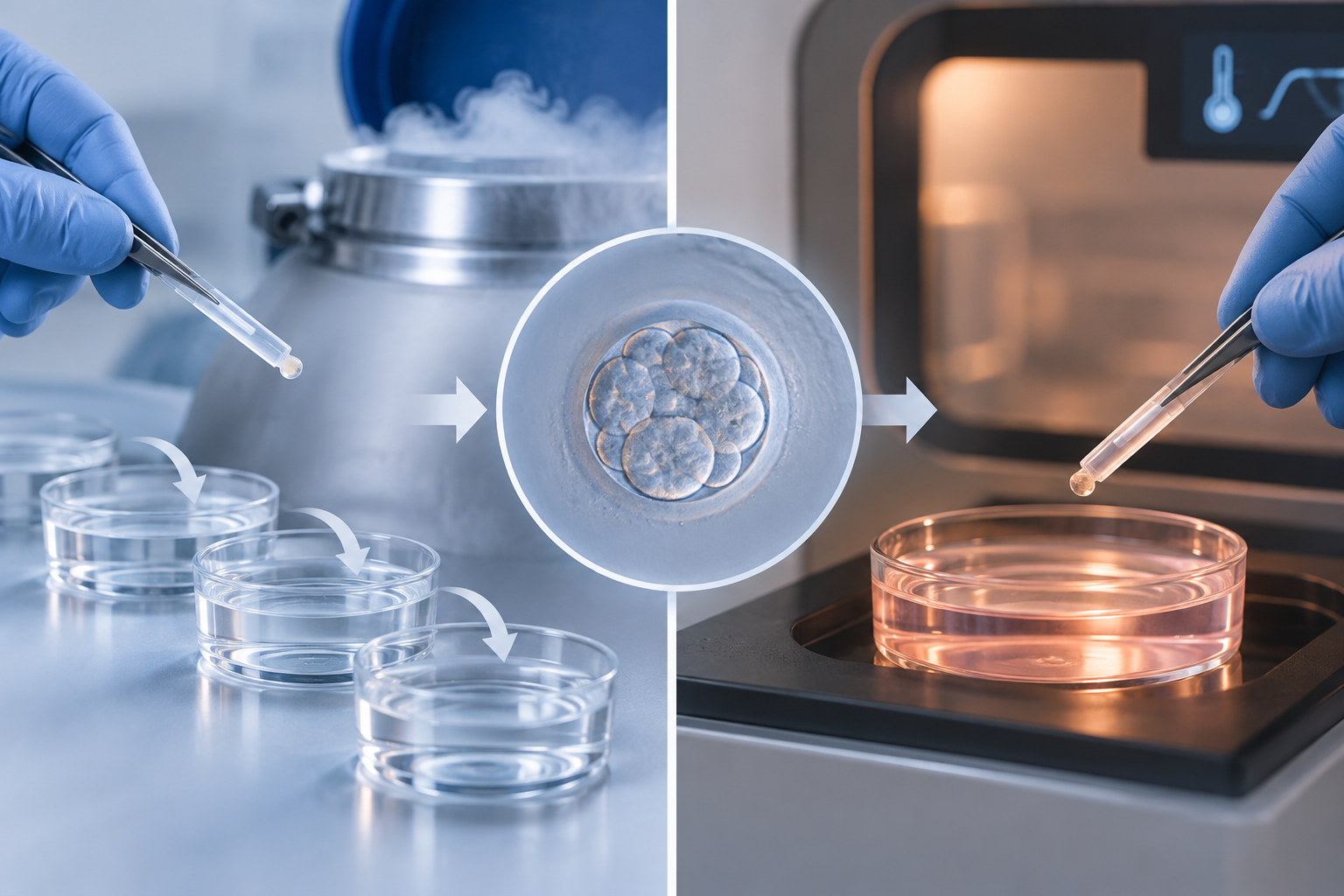
A study comparing direct and conventional embryo warming found similar mouse survival, development, and live birth outcomes, with no coordinated molecular disruption detected. Its limited human embryo data do not establish clinical effectiveness or long-term safety in patients.
-
STAT3 and Implantation Failure: Why the Uterine Lining Matters
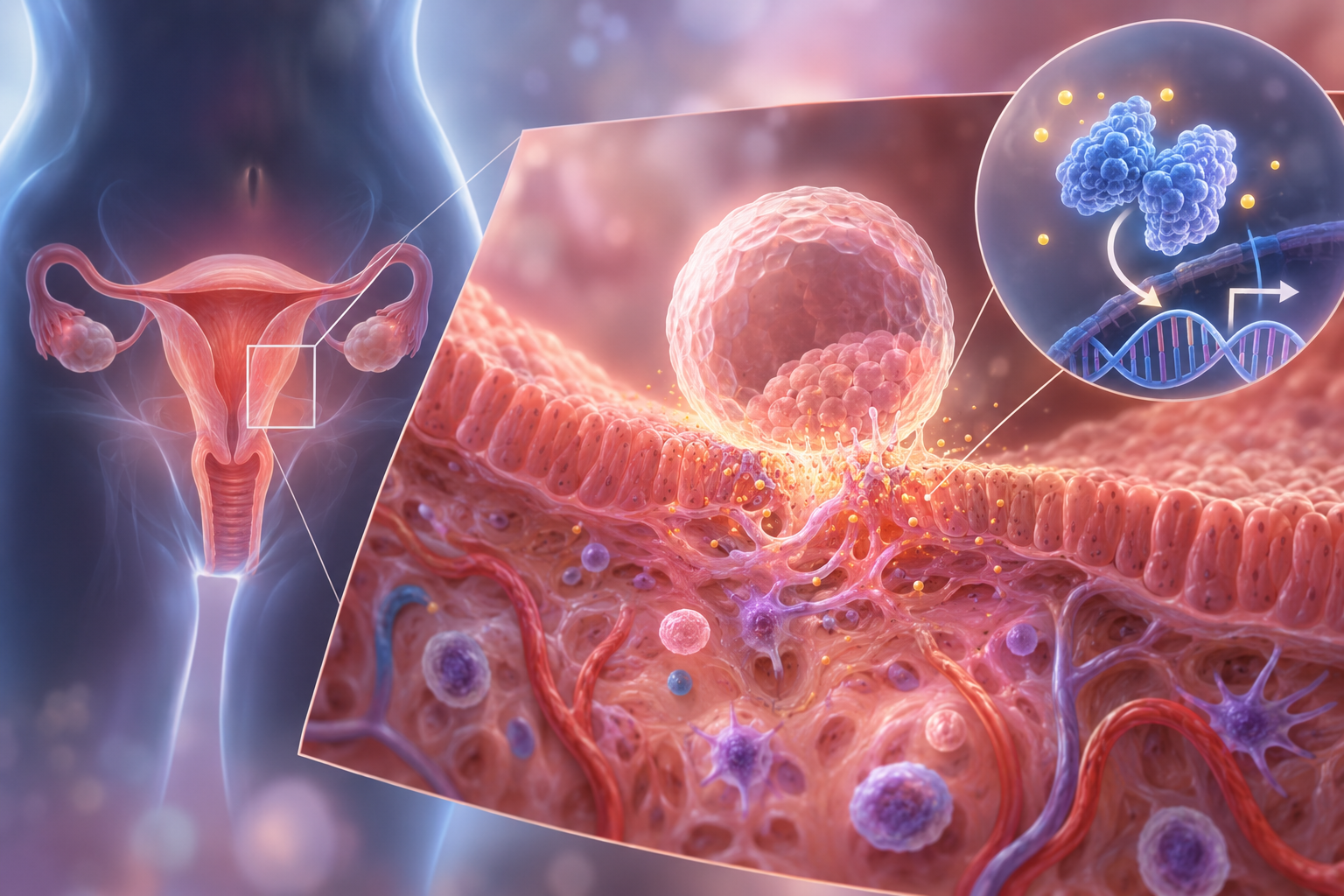
STAT3 helps regulate the uterine lining’s preparation for implantation. Human tissue and cell studies, alongside mouse experiments, offer clues to recurrent implantation failure, but do not establish a proven STAT3 test or treatment.
-
HIFU vs. Myomectomy for Fibroids: Pregnancy and Live Birth Outcomes
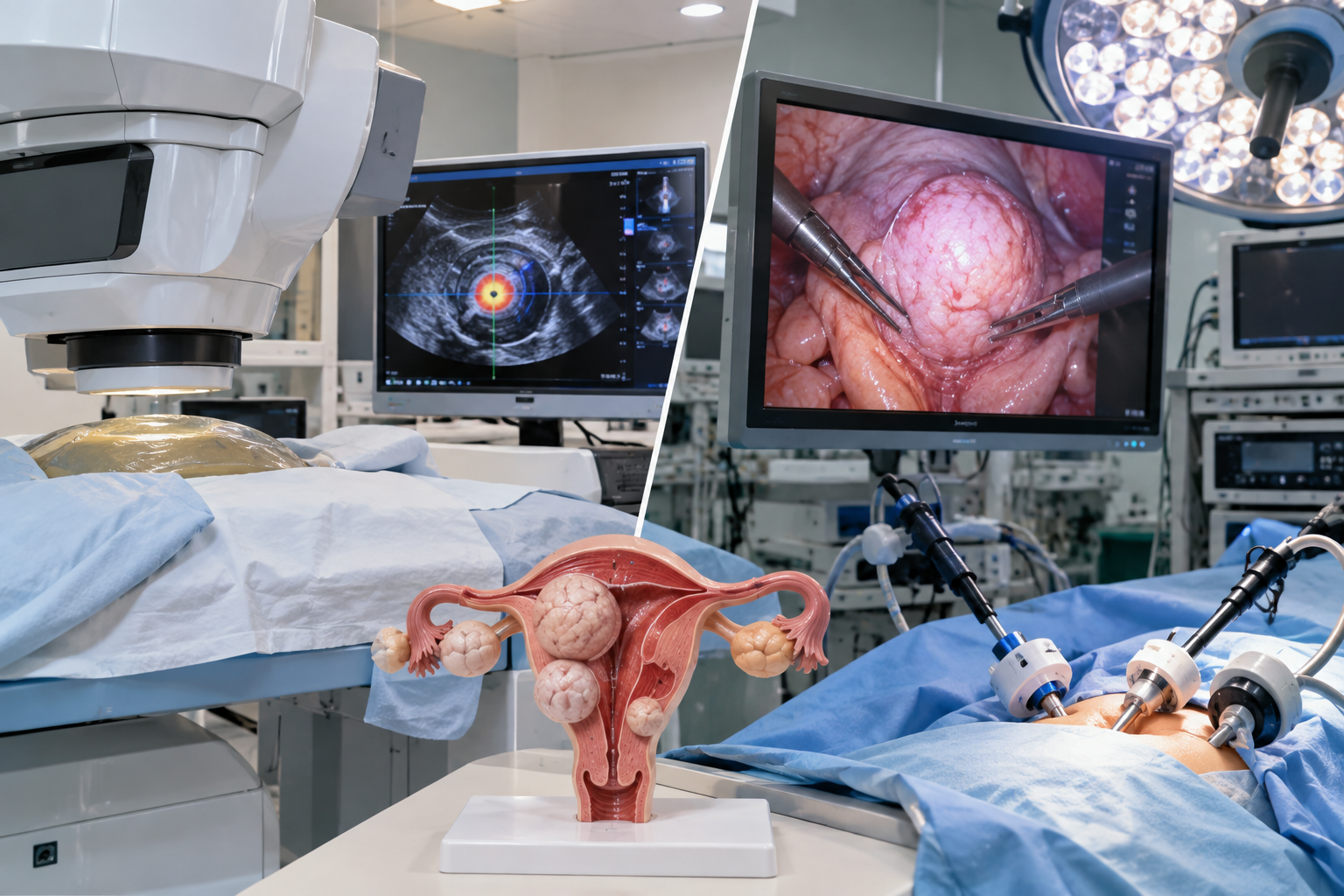
A five-year observational study of 332 women compared HIFU with laparoscopic myomectomy for uterine fibroids. Cumulative pregnancy rates differed, but live birth, miscarriage, recurrence and ovarian function did not differ significantly. Nonrandom treatment selection prevents conclusions that HIFU is superior.
-
Immature Eggs in IVF: What TUBB8 Reveals About Maturation Arrest
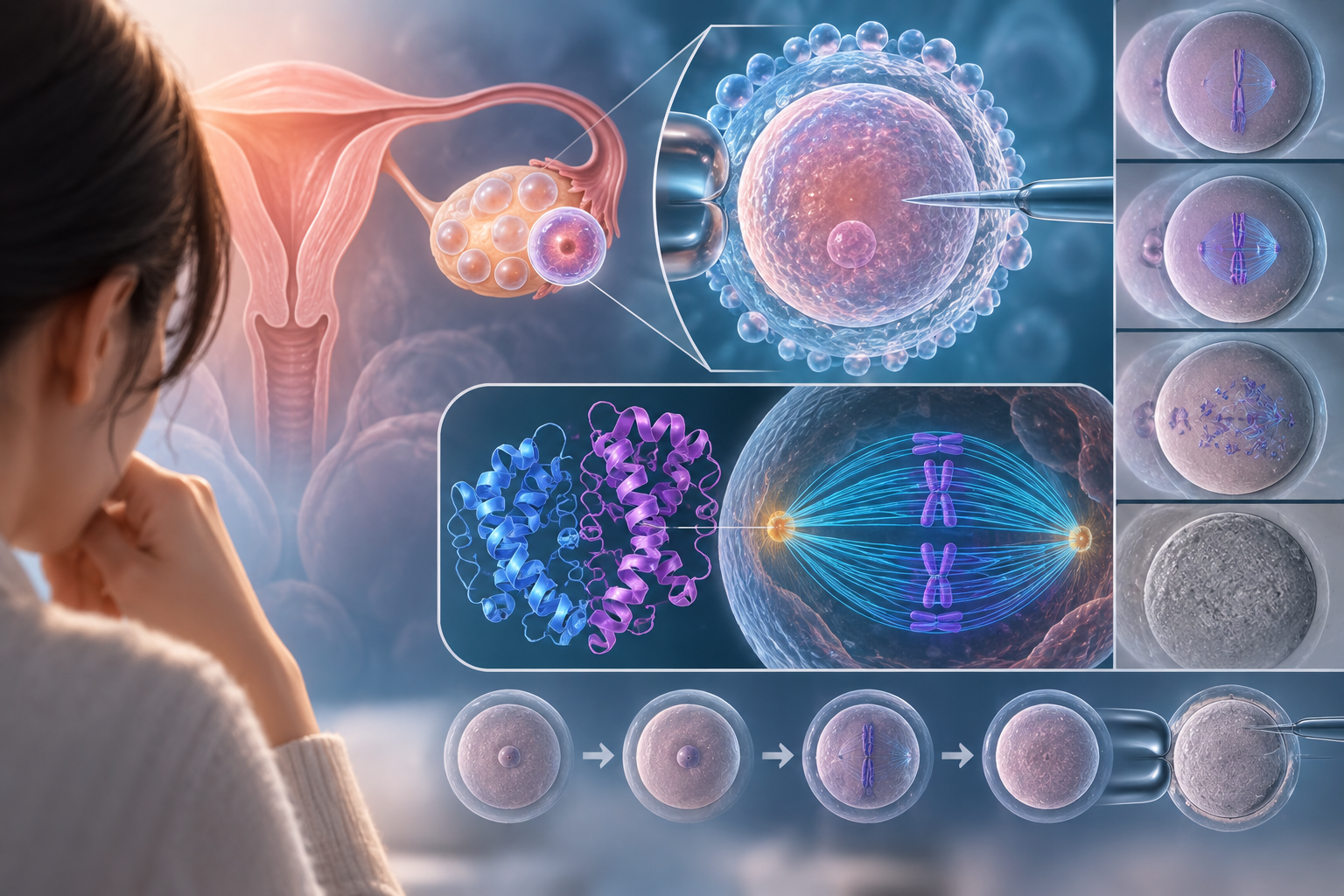
In six women with recurrent oocyte maturation arrest, TUBB8 variants disrupted the spindle needed for egg maturation. ICSI and artificial oocyte activation did not overcome the problem. This small, highly selected study does not explain all immature eggs retrieved during IVF.
-
ASFI vs ICSI: What Will the 200-Patient Fertilization Study Test?
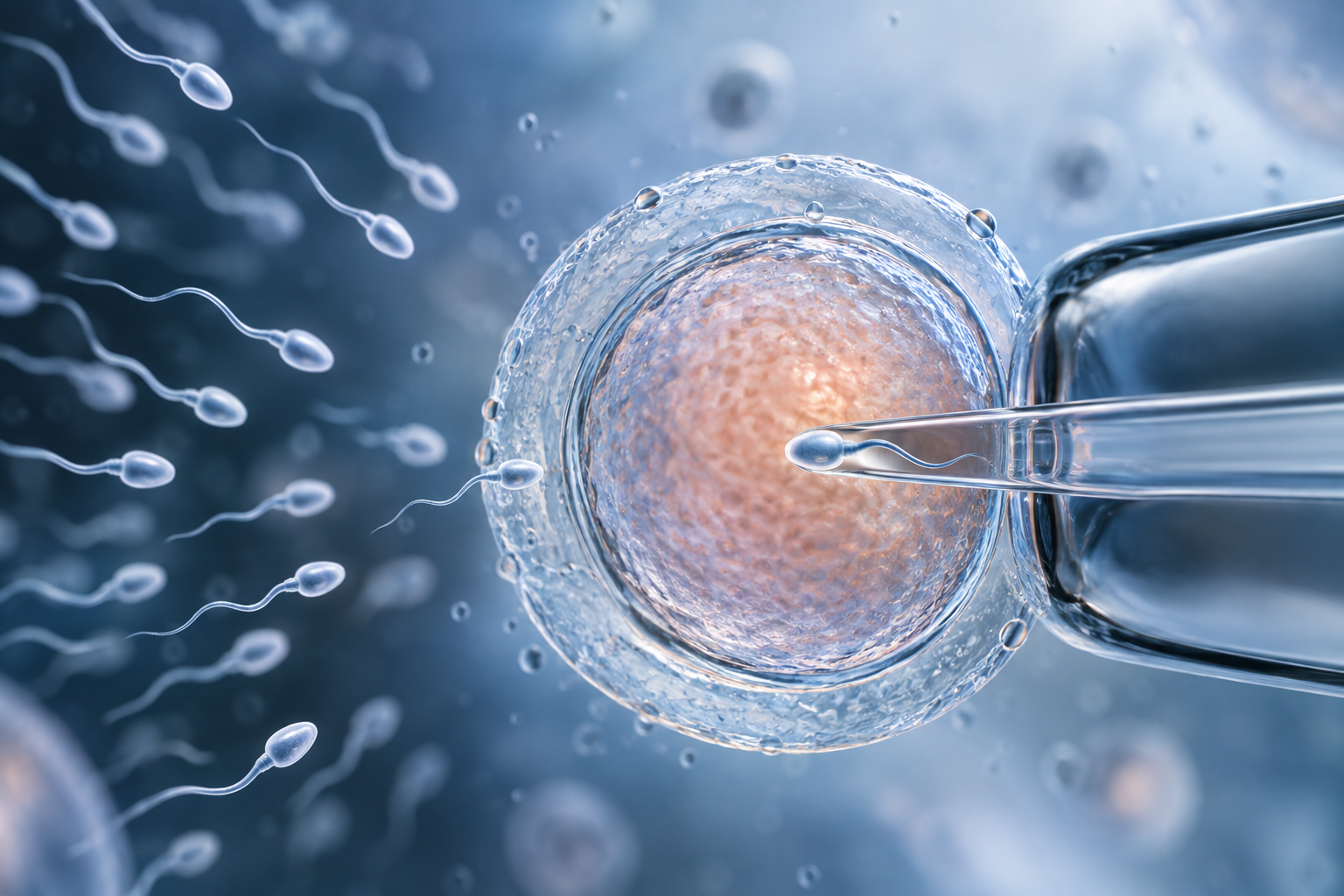
ASFI brings sperm into contact with the egg membrane to encourage fusion. A nonrandomized study in 200 patients will compare it with PIEZO-ICSI; improved pregnancy and birth outcomes have not been established.
-
IVF and Congenital Heart Defects: What Does the Risk Mean?
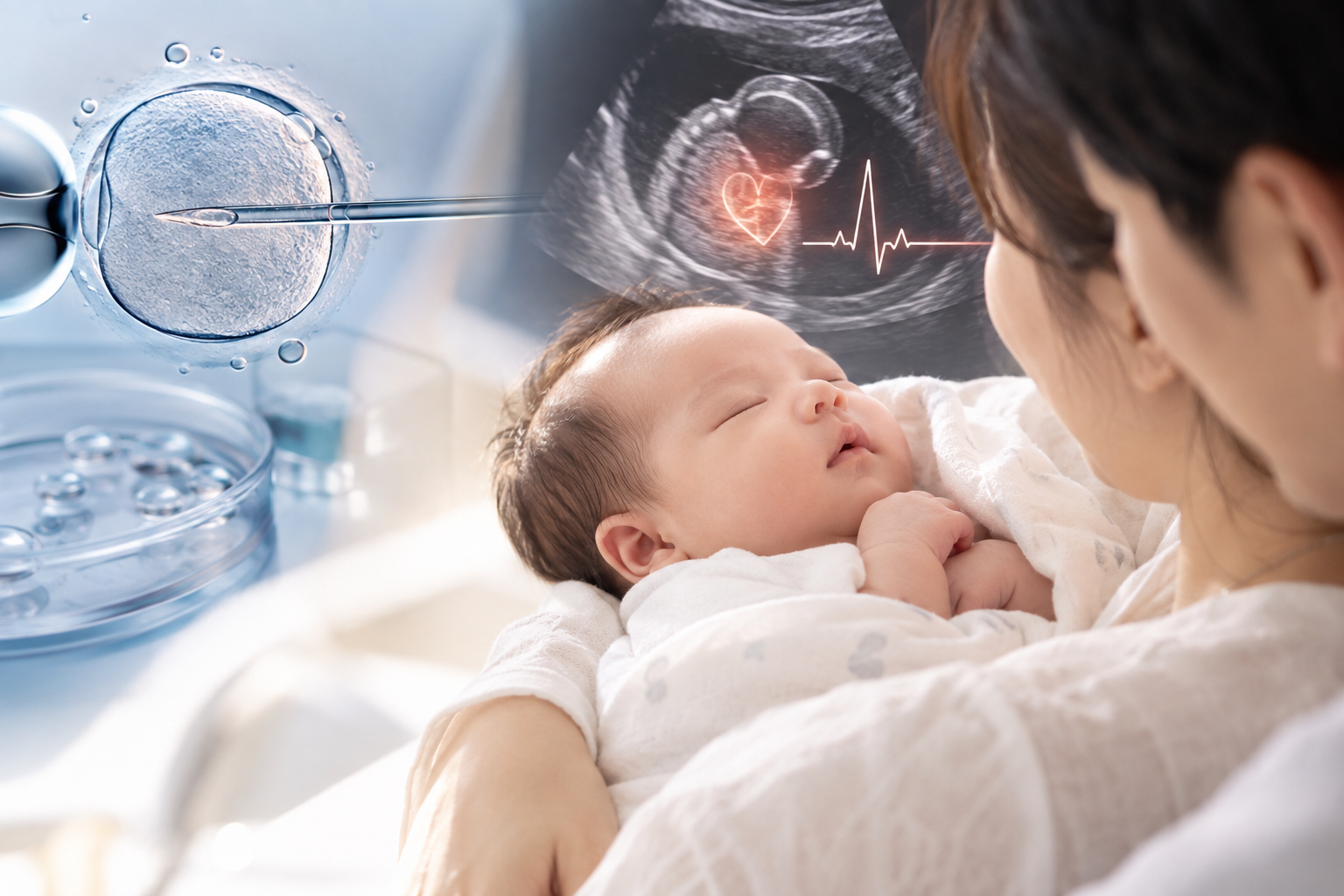
A review of 35 studies found an association between assisted reproductive technology and congenital heart defects. Absolute prevalence remained low, and the evidence cannot establish that IVF itself caused the difference or support additional fetal heart screening solely because of ART in settings with standard screening.
-
Premature Ovarian Insufficiency (POI): Why AMH Alone Cannot Diagnose It
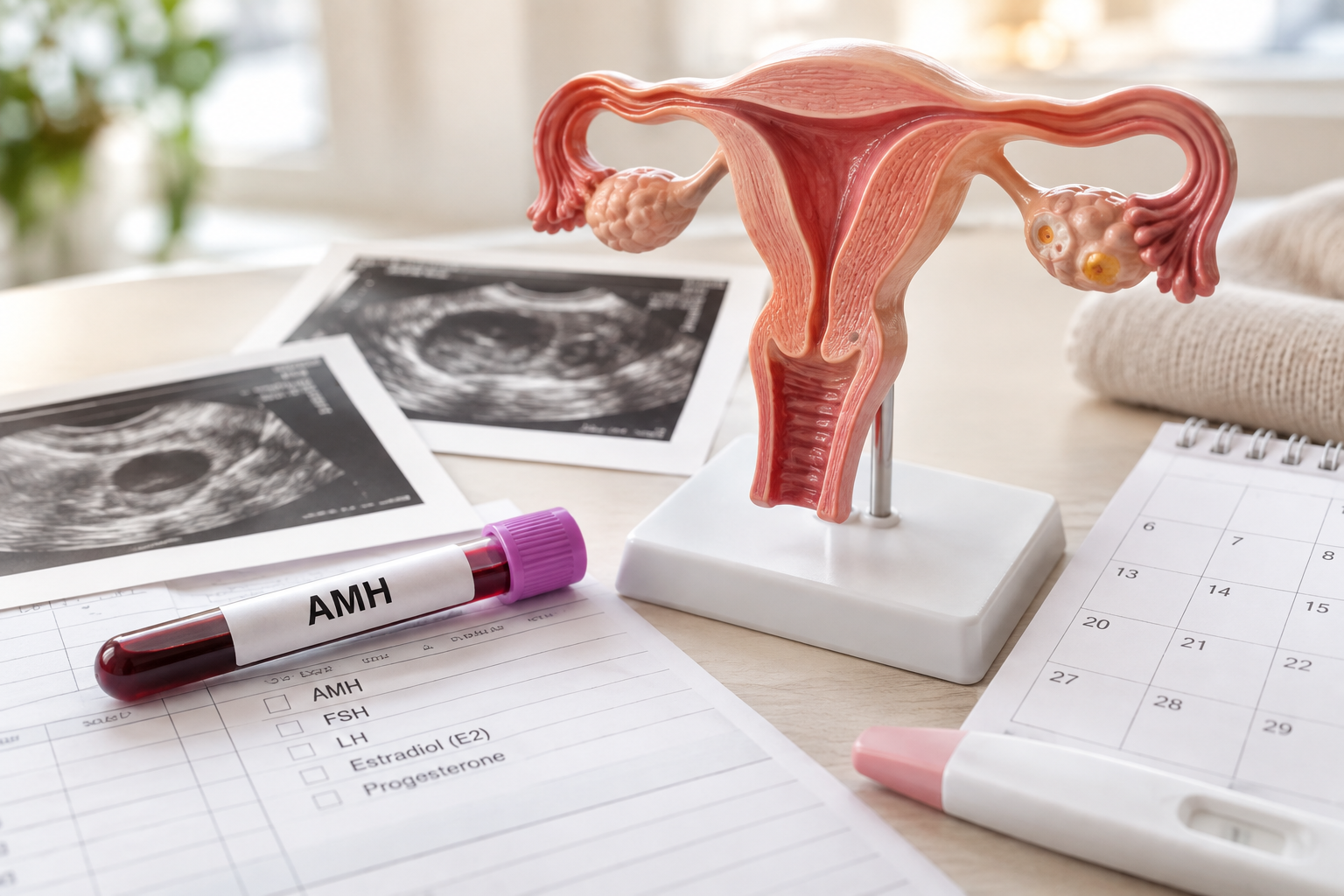
Premature ovarian insufficiency (POI) before age 40 is different from diminished ovarian reserve, and AMH alone cannot diagnose or reliably predict it. A Canadian cohort of 3.63 million women examined POI incidence and associated conditions, including endometriosis. Its administrative records describe population-level associations, not the timing of menopause for an individual.
-
Endometrial Receptivity Beyond Thickness: What PAPSS2 Research Shows
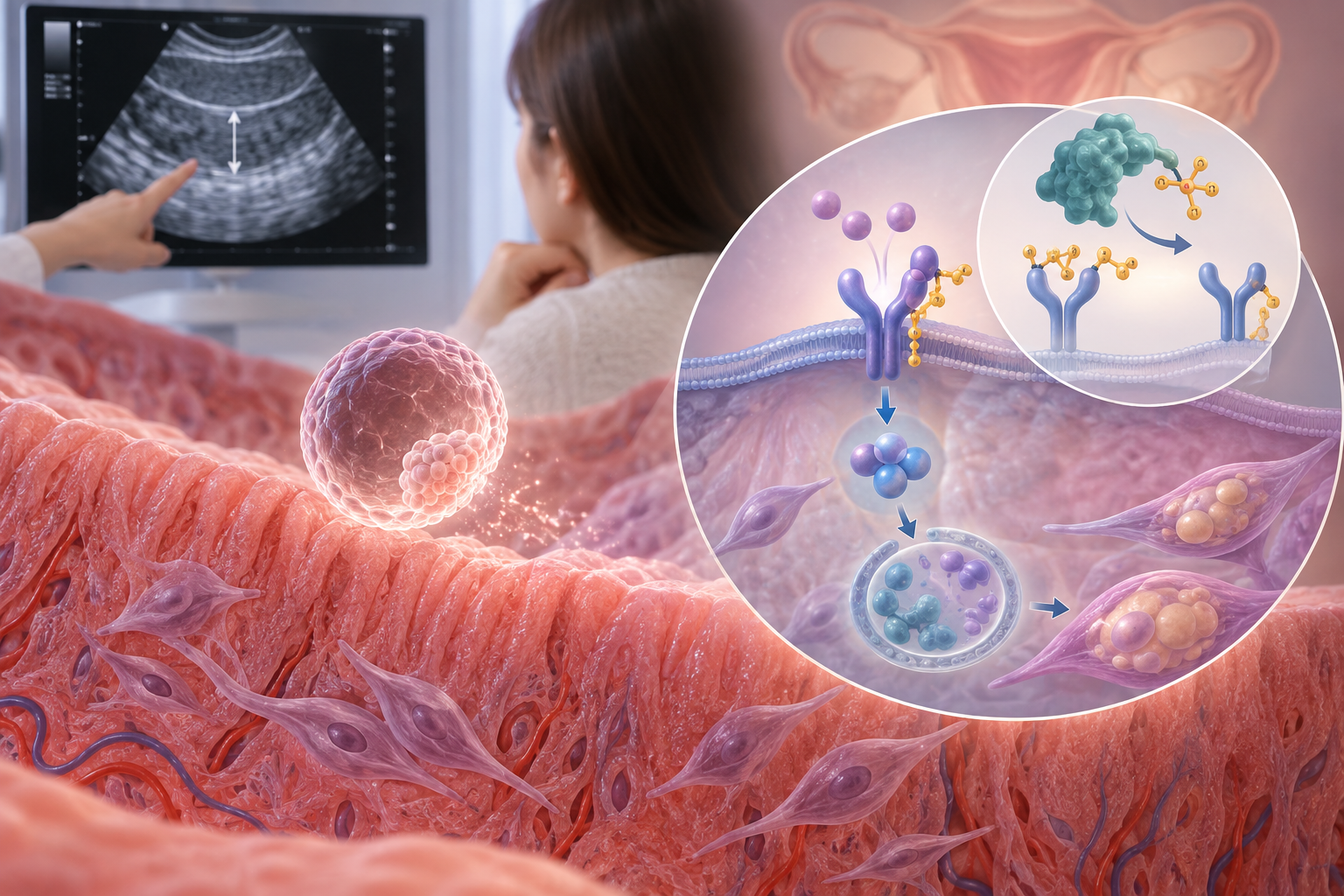
Endometrial receptivity involves more than ultrasound thickness. A study of PAPSS2, an enzyme involved in supplying sulfate donors, examined decidualization in human endometrial samples, cultured cells and a mouse model. It identified a pathway relevant to recurrent implantation failure, but did not test whether targeting PAPSS2 improves pregnancy or live birth in patients.
-
CD138 and Recurrent Miscarriage: Does Doxycycline Help?
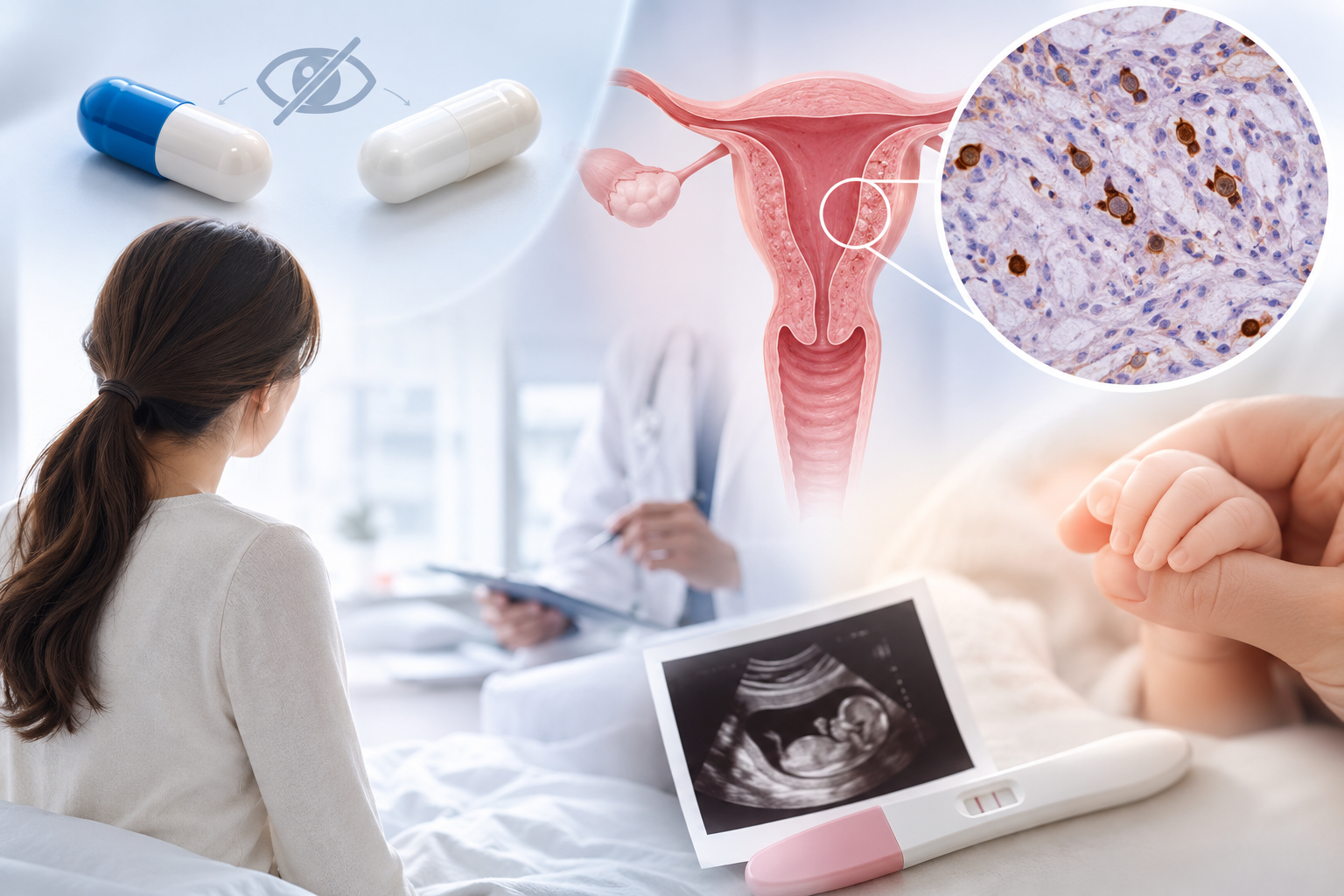
A placebo-controlled trial in 438 women with recurrent miscarriage and CD138-positive biopsies found no benefit from preconception doxycycline for live birth or pregnancy continuing to at least 24 weeks. The trial does not establish that antibiotics are unnecessary for confirmed infections.
-
Endometrioma and IVF: Egg Retrieval and Surgery Decisions
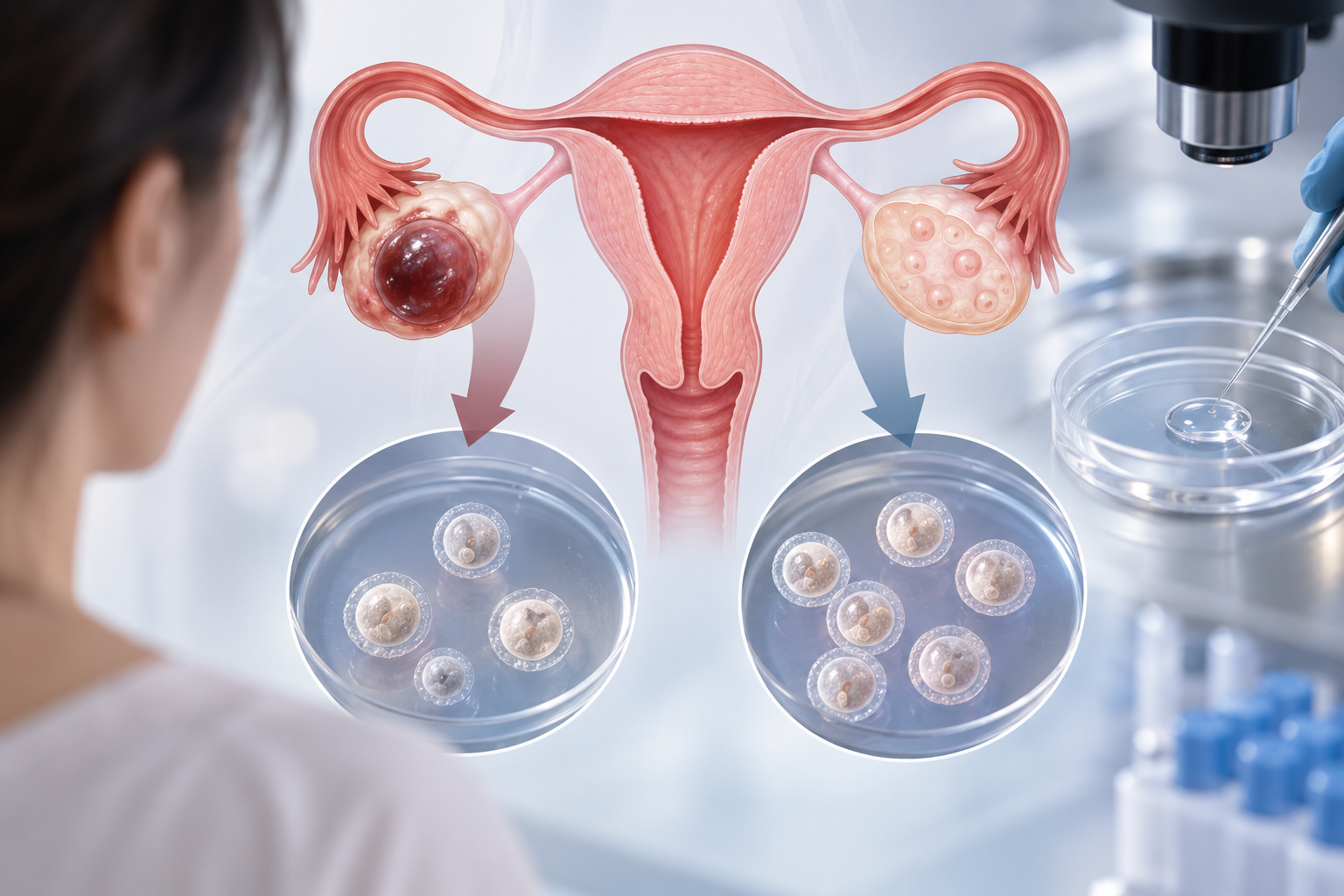
A review of unoperated unilateral endometriomas found no significant difference in retrieved oocyte counts between the two ovaries of the same woman. High heterogeneity and a lower total embryo count limit interpretation, and surgery decisions require a separate assessment.
-
Non-Invasive Embryo Assessment: miR-375-3p and Live Birth
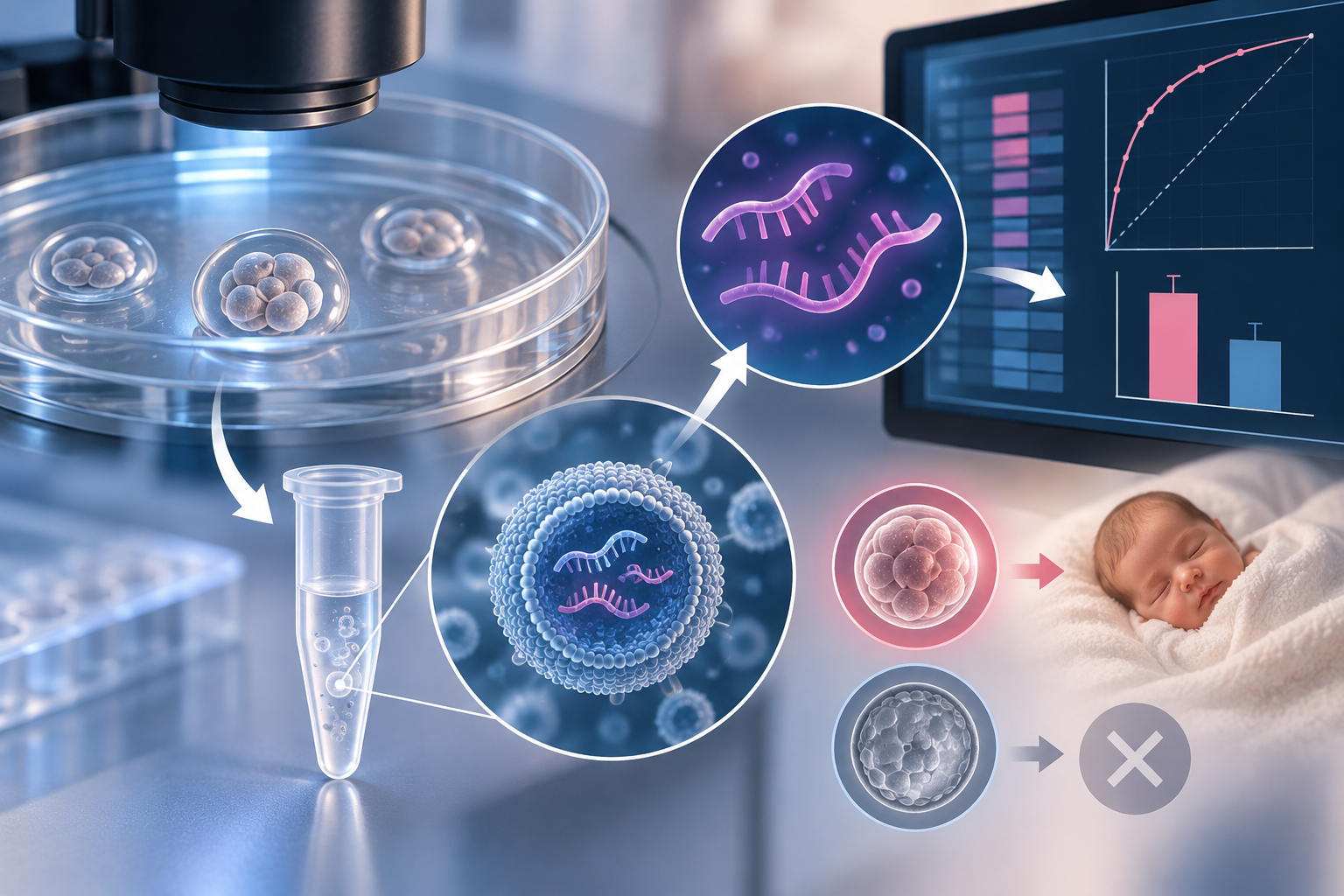
Non-invasive embryo assessment may draw clues from microRNAs in spent culture medium. A single-center study of 67 transferred embryos linked exosomal miR-375-3p with live birth and tested its role in mouse development. These early results identify a candidate marker, not a validated replacement for embryo grading or genetic testing.