
Fertility Report
Fertility Report
Reference-style explainers for fertility terms, treatments, research topics, and common questions.
-
Coenzyme Q10: Why Are Infertile Women Paying Attention?
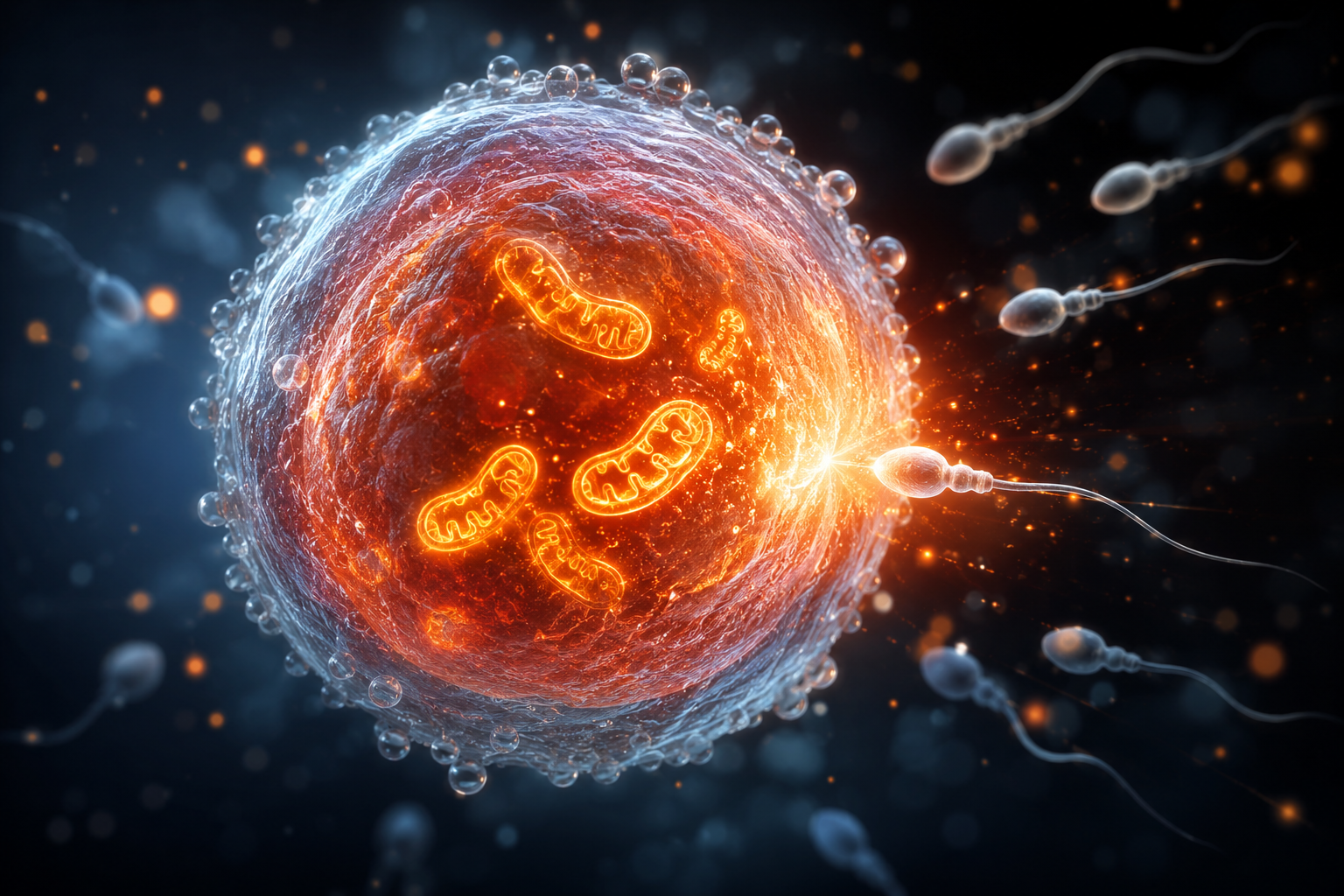
Awaken the Egg’s Power Plant… The Truth Behind the CoQ10 Craze Among women preparing for fertility treatment, one of the most frequently heard supplement names is CoQ10 (Coenzyme Q10). It is commonly found in hospital waiting rooms, on online fertility forums, and in the bags of women preparing for In Vitro Fertilization (IVF). So, does…
-
An Antioxidant Diet for Older Women Facing Infertility
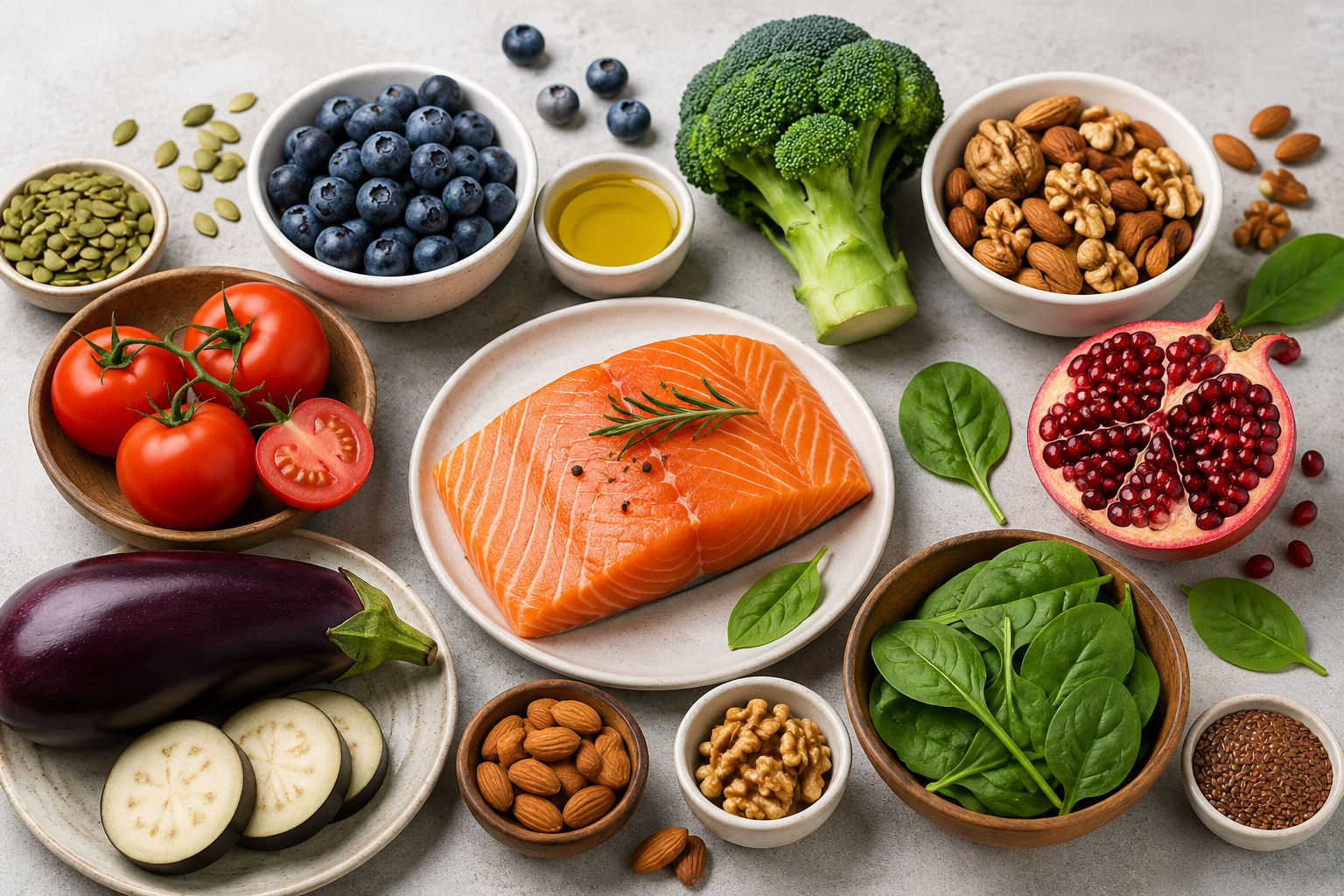
You Cannot Create New Eggs, But You Can Help Reduce Oxidative Stress… Focus on Blueberries, Eggplants, Salmon, and Nuts There is something common in the refrigerators of women preparing for pregnancy at an advanced maternal age: blueberries, pomegranates, nuts, and various supplements share the same space. Especially among women diagnosed with diminished ovarian reserve or…
-
Why Does a Fetus Need Folic Acid First?
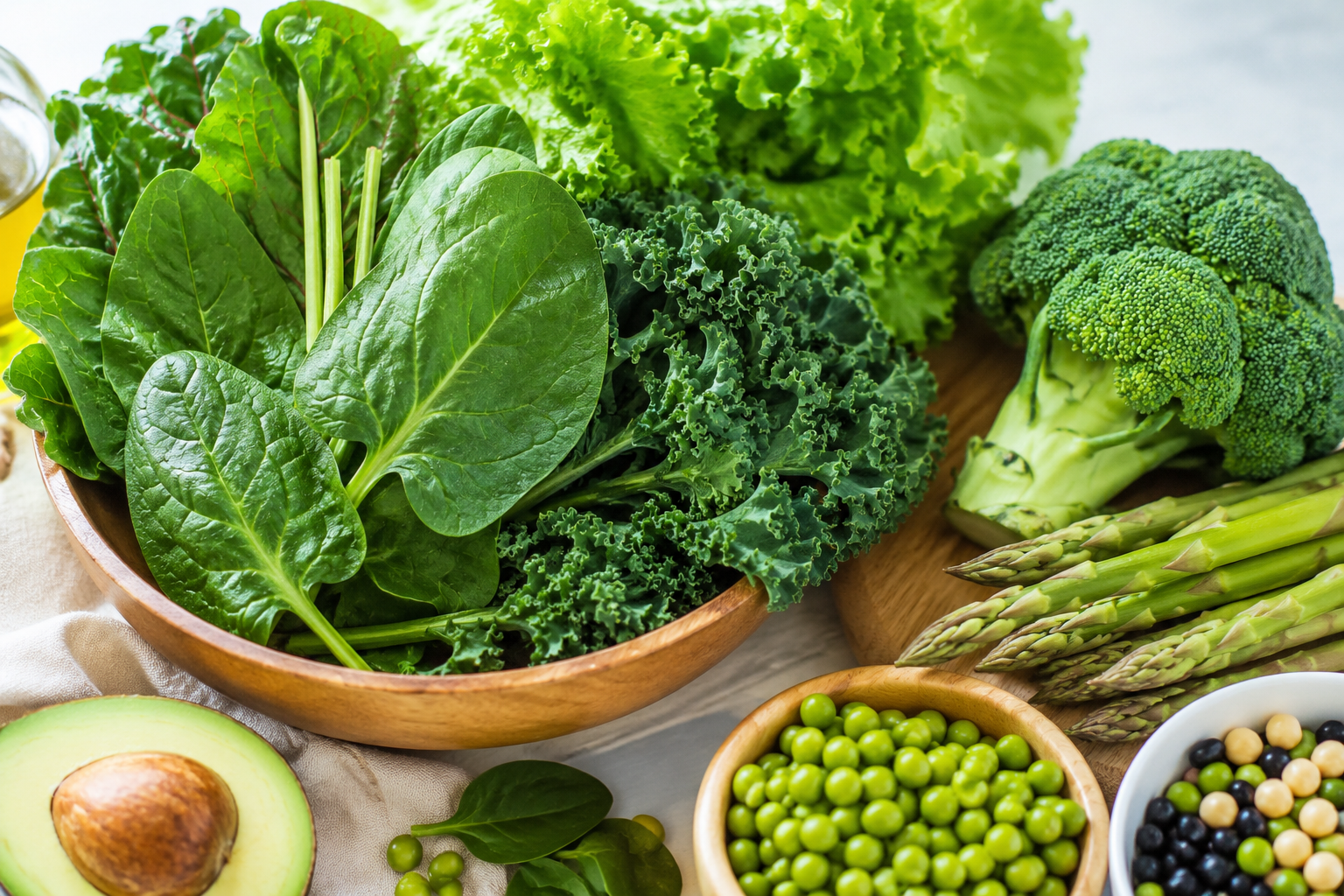
Folic Acid: The Starting Line for a Healthy Fetus If you ask an obstetrician what supplement they recommend first to a woman preparing for pregnancy, they will recommend folic acid without hesitation. While iron and vitamin D are also important, if you had to choose just one nutrient that must be managed from before pregnancy,…
-
More Important Than Dozens of Fibroids Is the Doctor’s Eye
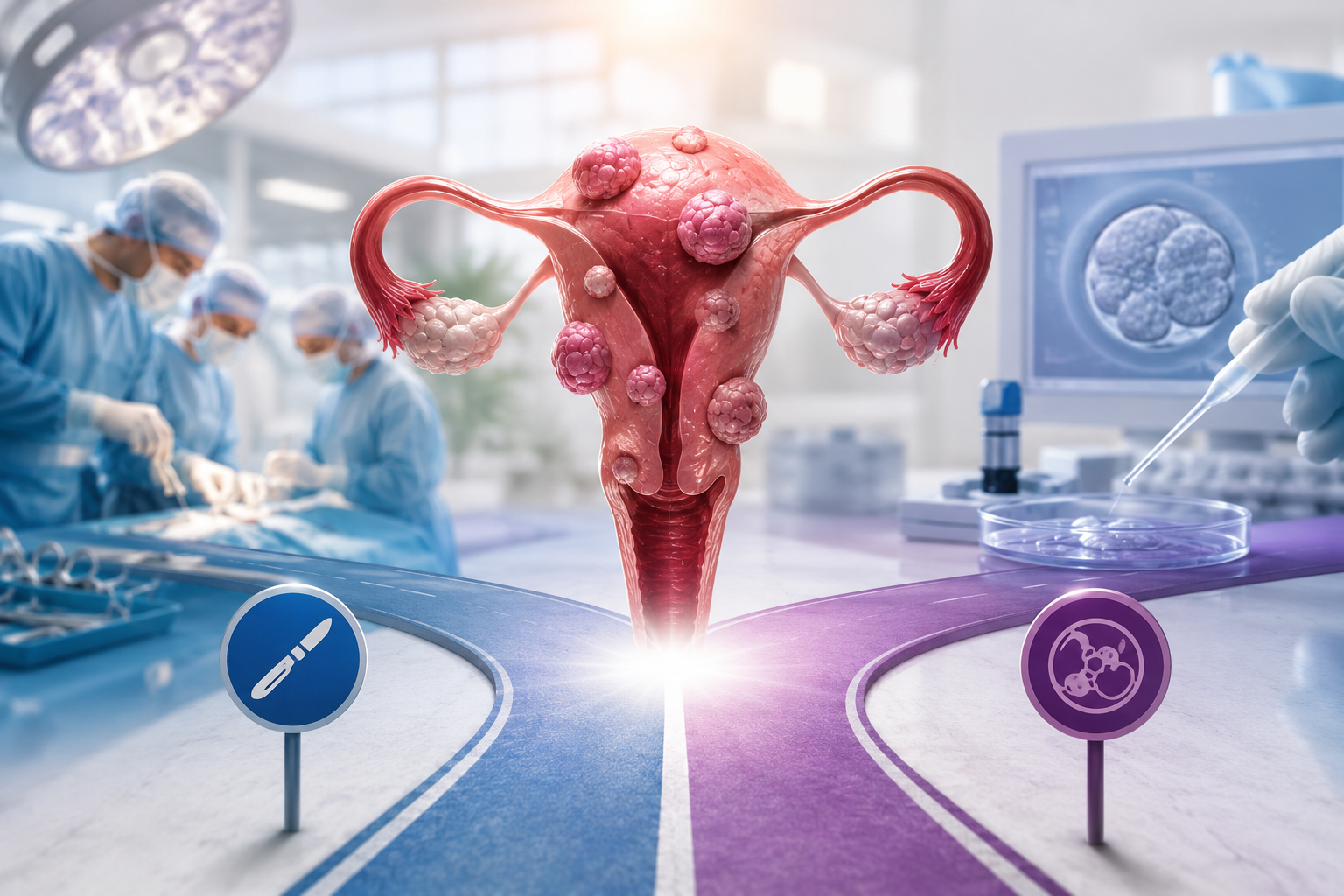
“Let’s Operate First” vs. “Let’s Transfer Immediately”… The Choice That Determines a Patient’s Fate Women diagnosed with multiple uterine fibroids (myomas) usually hear the same thing first: “Because you have so many fibroids, pregnancy won’t be easy.” However, in actual fertility treatment settings, completely different results often emerge. There are cases where a patient is…
-
An Era That Forswore Fat: Hormones Are Disappearing Too
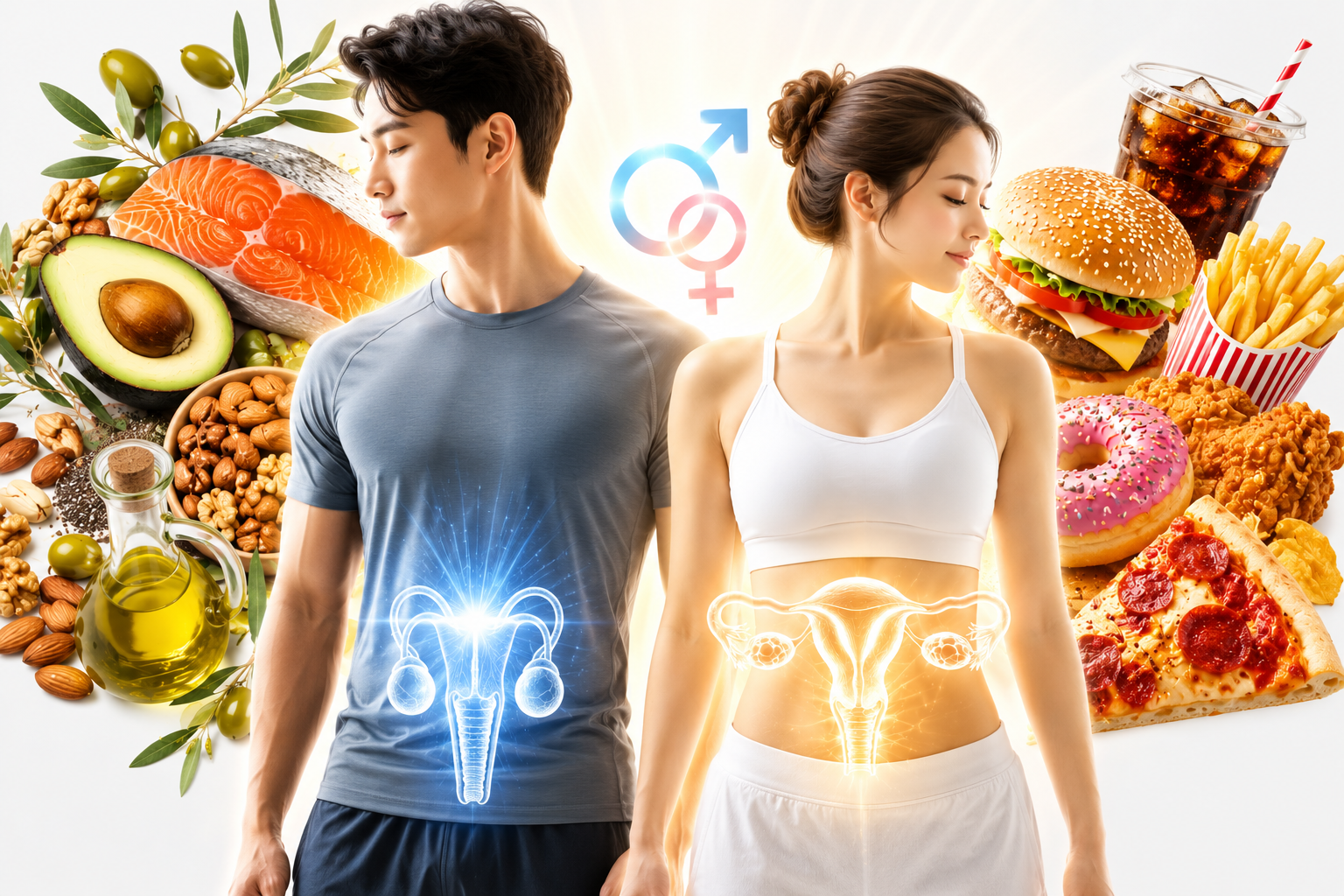
Fat, Feared as Weight Gain, Is Actually the Building Block of Life “Greasy food is bad for your health.” This is one of the most familiar health maxims for modern people. When deciding to lose weight, fat is the first thing to be reduced, and when choosing food, the fat content is the first thing…
-
Why Does a Twenty-Nine-Year-Old Have Forty-Five-Year-Old Eggs?
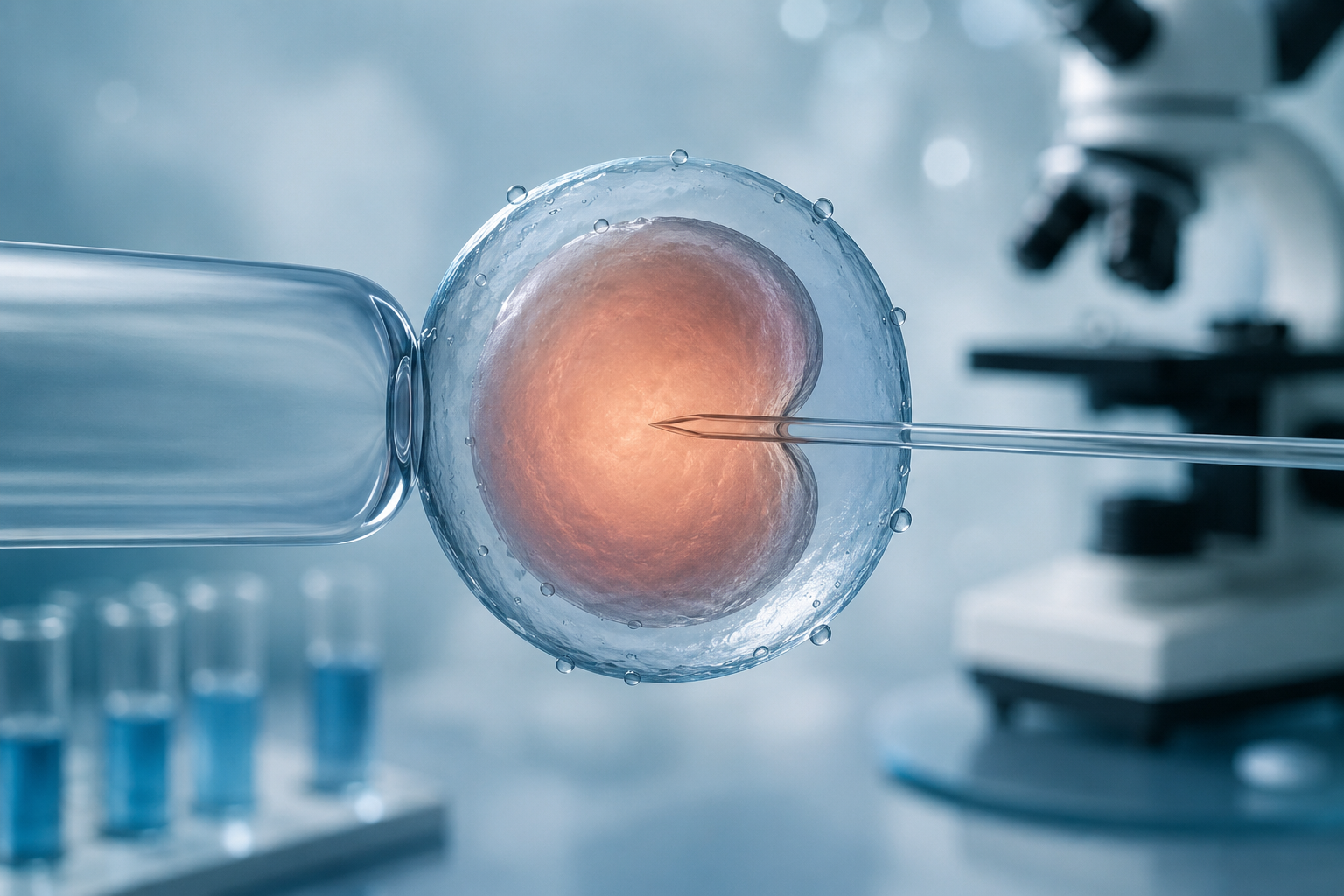
The Era Where Youth Guarantees Fertility Is Over “I’m young, so why is my egg quality poor?” This is one of the most frequent questions asked by women in their 20s and 30s undergoing fertility treatment. Even among young women, there are many cases where they repeatedly hear that their egg quality is poor during…
-
Another Power That Drives Pregnancy: Blood Circulation
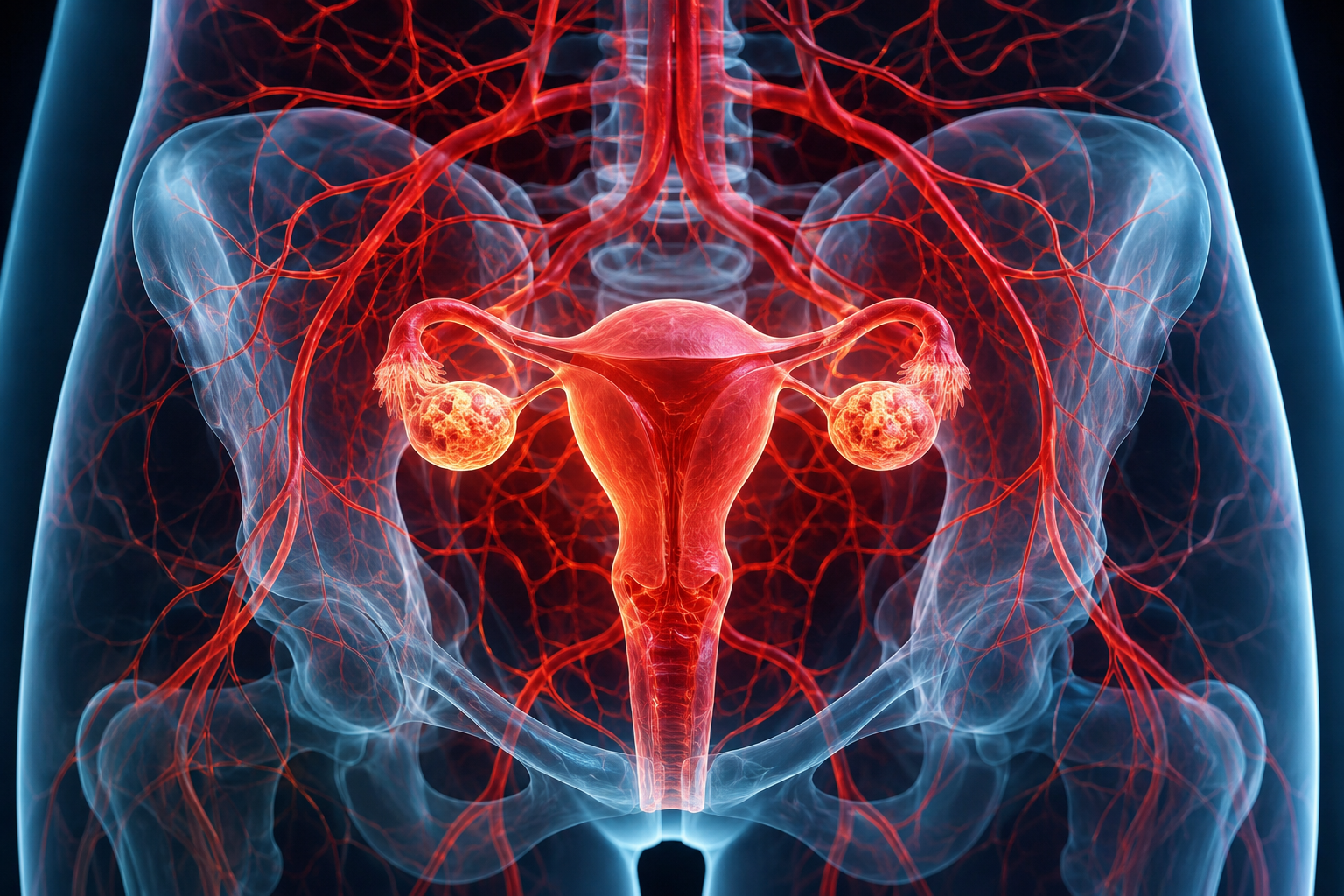
The Hormone Expressway: If Blood Flow Stops, Reproduction Stops Too Pregnancy is often explained simply as the meeting of an egg and a sperm. However, if you look at it through the lens of reproductive medicine, pregnancy is a far more complex process. The mere existence of healthy eggs and sperm does not automatically lead…
-
The Era of Childbirth in Your 50s Is Here?

Increasing Cases of Childbirth in Your 50s? Mostly IVF with Egg Donation Recently, news of women in their 50s getting pregnant and giving birth has appeared frequently in international media. Stories that sound like a grandmother holding her grandchild, only for it to be revealed as a new mother with her newborn, are no longer…
-
Menstrual Blood Has Changed… The Danger Signals Your Uterus Is Sending
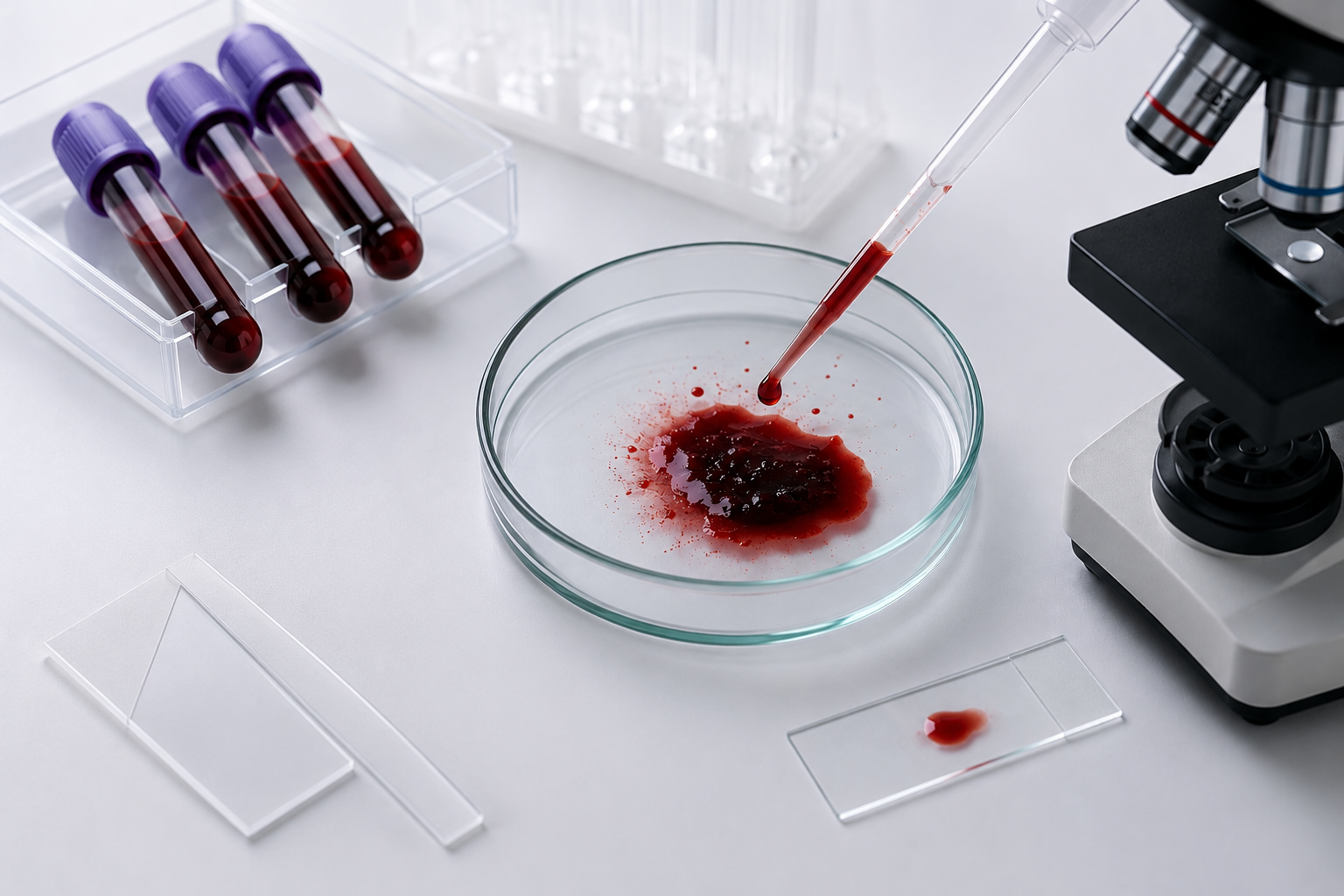
The Truth About Menstrual Blood: Your Monthly Health Report Card Menstrual blood is not merely “blood.” It is a vital health signal that reflects the status of your uterus, ovaries, and reproductive hormone system. For healthy women, menstruation typically occurs in a cycle of 28 to 35 days. It is the process where the uterine…
-
The Protagonist of Fertilization Was Not the Sperm
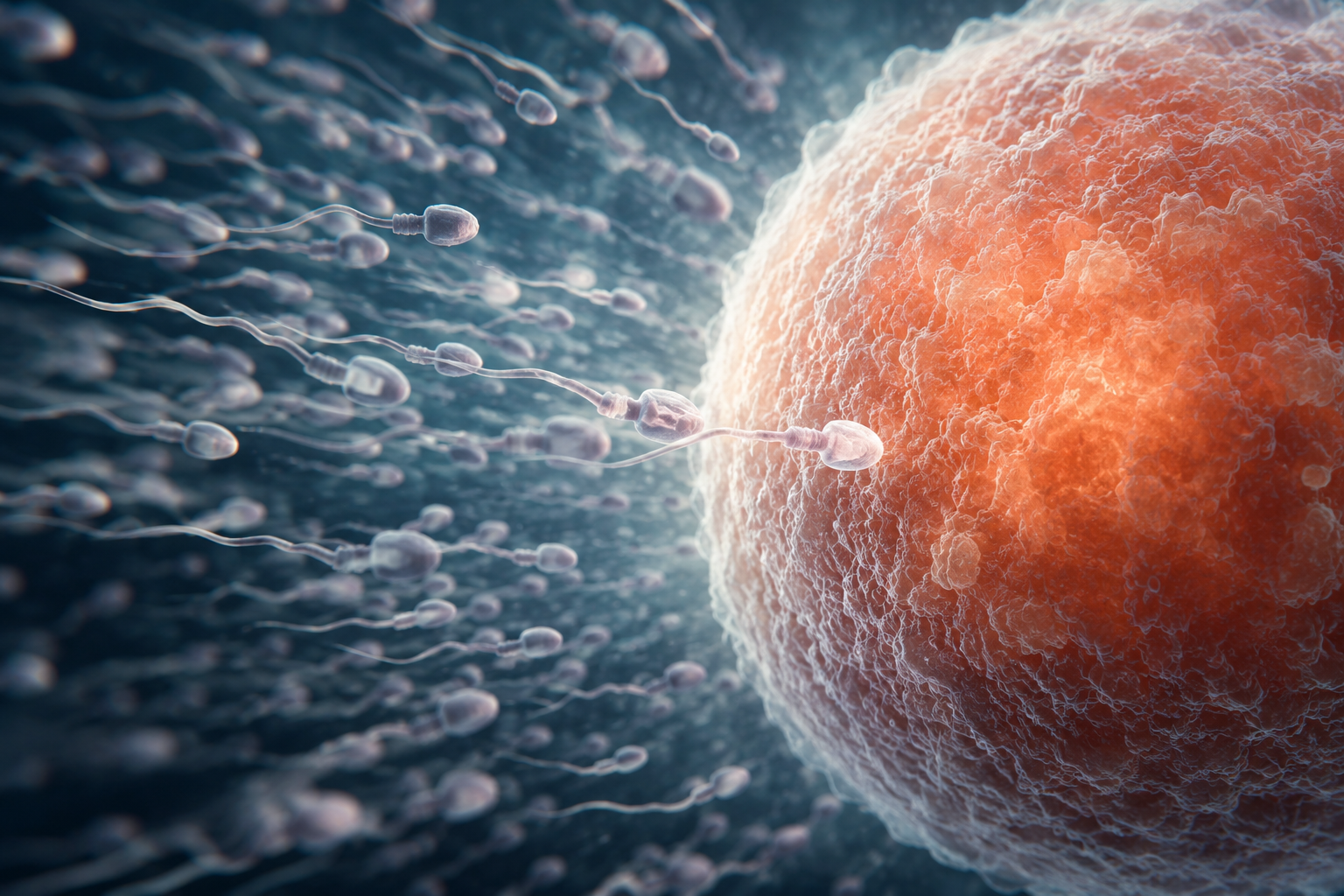
The Egg Attracts and Selects the Sperm Many people understand fertilization as a competition among sperm. The common belief is that hundreds of millions of sperm race toward an egg, and the fastest and strongest one reaches it to succeed in fertilization. For a long time, biology textbooks have indeed explained it this way. However,…
-
Loach Soup and Grilled Eel: Do They Really Help with Implantation?
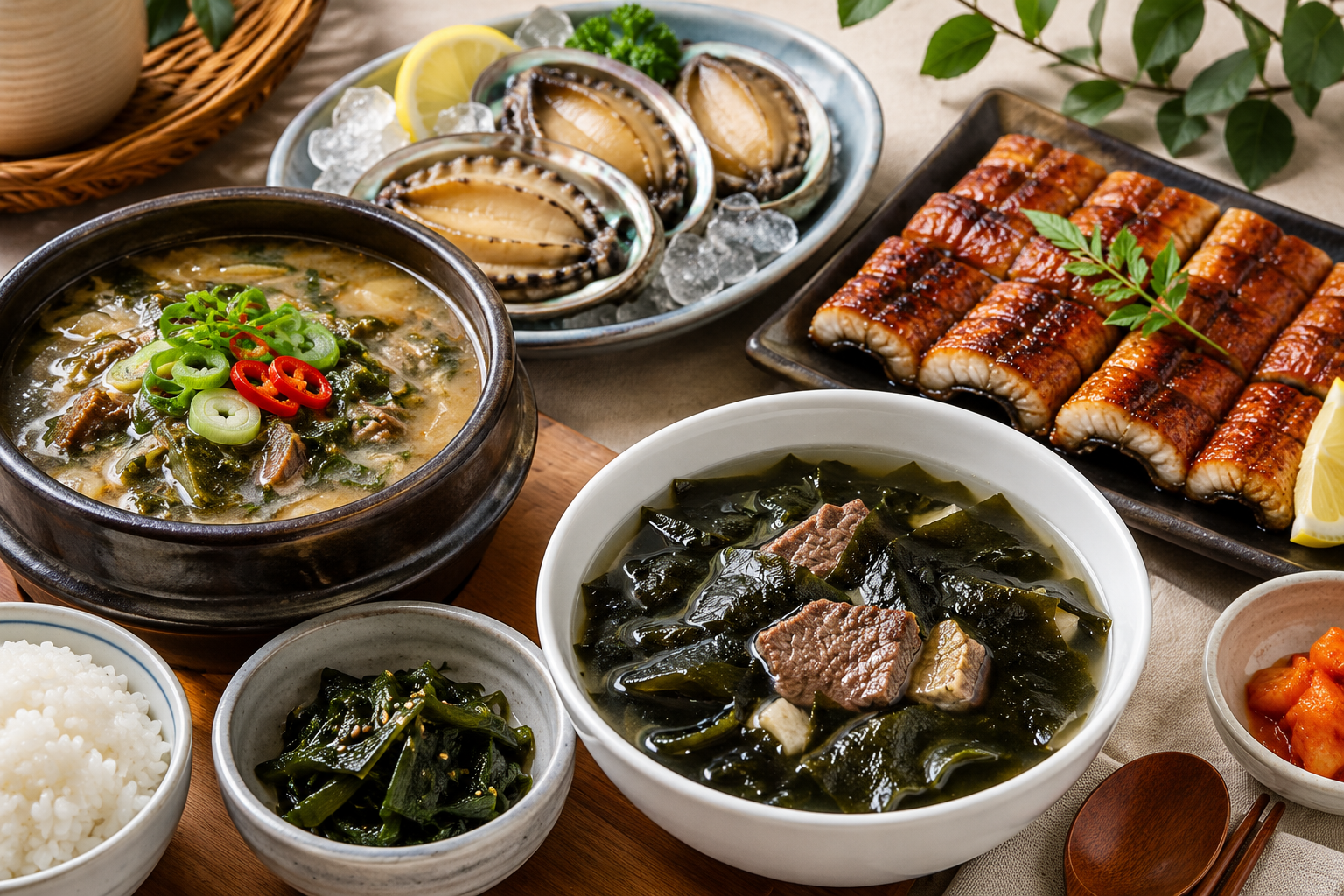
English Translation Loach Soup and Grilled Eel: Do They Really Help with Implantation? The Psychology of “Implantation Foods”: A Desire for Success Among women preparing for In Vitro Fertilization (IVF) or those who have just undergone embryo transfer, similar questions are always circulating: “Should I be eating abalone?” “I heard loach soup is good.” “I…
-
The Secret to IVF Success: Who is Behind the Microscope?
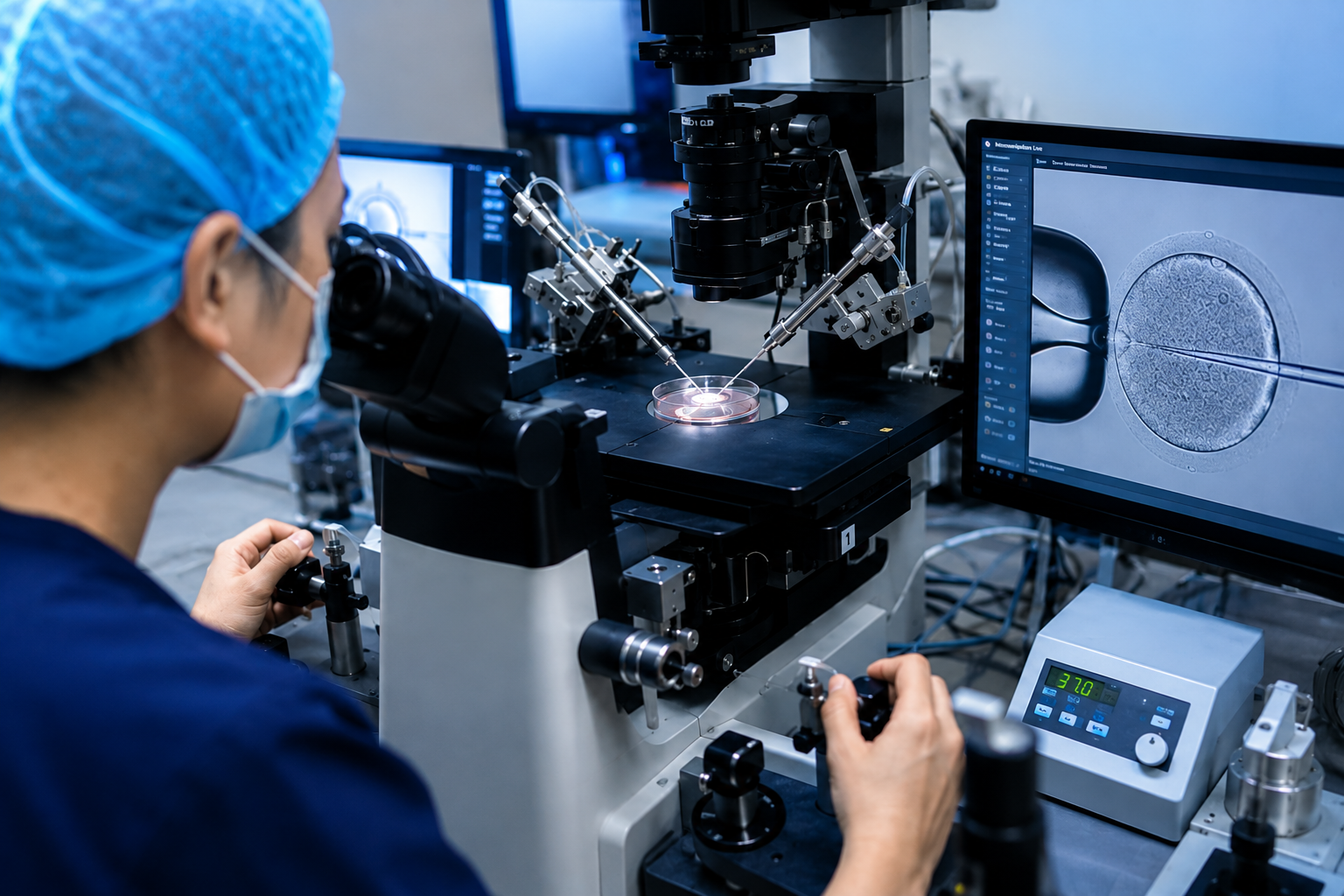
One Egg, One Sperm… And the Fingertips of an Embryologist Couples preparing for In Vitro Fertilization (IVF) are usually very cautious when choosing a physician, yet they rarely scrutinize the most crucial factor: laboratory cultivation technology, specifically the skilled expertise of the embryologists. Ironically, one of the most critical moments in IVF does not occur…