When discussing fertility treatment, the conversation usually centers on hormone injections or IVF procedures. However, in modern fertility clinics, clinicians are increasingly focusing on the fundamental biology of cells: mitochondria, oxidative stress, cellular aging, and inflammation. At the center of this focus is resveratrol.
The Origin of a Fertility Supplement Resveratrol first gained fame through red wine, famously cited as the reason the French population maintained low cardiovascular disease rates despite high fat consumption. It is a polyphenol—a natural defense compound found in grape skins—that plants produce to protect themselves against environmental stress. Scientists discovered that this “survival molecule” exerts complex effects on human cells, including antioxidant and anti-inflammatory properties, the activation of anti-aging pathways, and the protection of mitochondrial function.
Why Oocytes Need Protection Oocytes (eggs) are among the most unique cells in the human body. Unlike skin cells that constantly regenerate, a woman’s eggs are formed during fetal development and remain dormant in the ovaries for decades. A 40-year-old woman’s eggs have endured 40 years of time, during which oxidative damage and mitochondrial decline accumulate.
When oxidative stress is severe, chromosomal segregation errors increase, leading to failed fertilization or embryos that stop developing during the 5-day blastocyst culture stage. This is why fertility specialists prioritize “quality over quantity”; the goal is not just to retrieve eggs, but to ensure those eggs are metabolically healthy enough to result in a successful pregnancy.
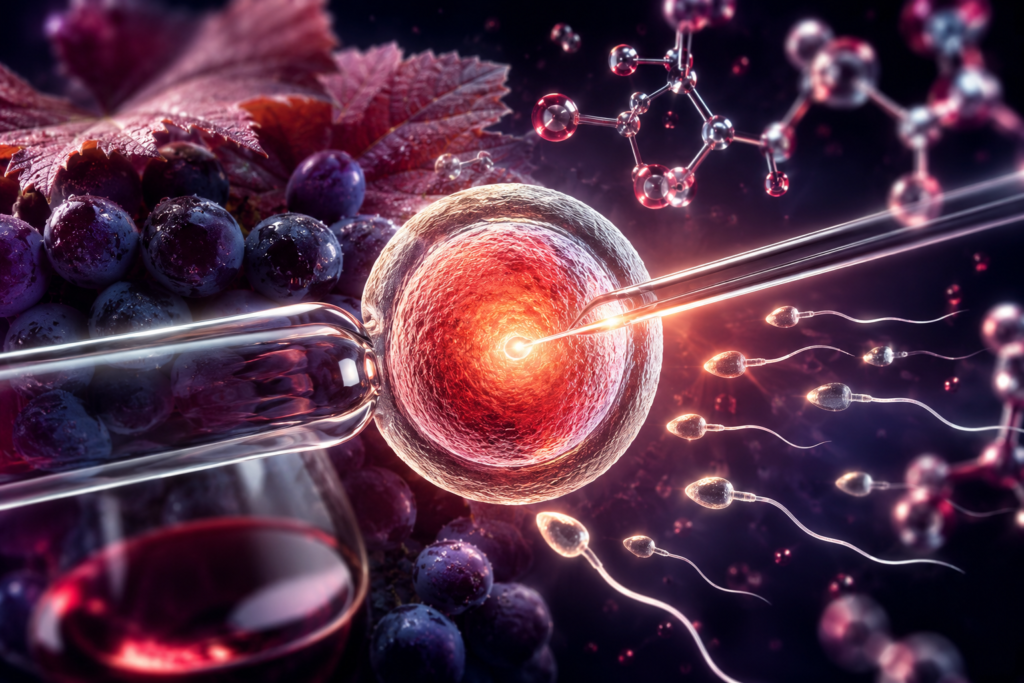
The Clinical Strategy Fertility specialists have turned to resveratrol to alleviate oxidative stress and support mitochondrial health. By potentially stimulating pathways like SIRT1 (related to cellular aging), it is used as part of an antioxidant strategy for patients with diminished ovarian reserve or those who have experienced repeated IVF failure.
Furthermore, resveratrol is gaining attention in other areas of reproductive medicine:
- Male Fertility: Research suggests it may help reduce sperm DNA fragmentation, decrease cell death, and potentially stimulate the hypothalamic-pituitary-gonadal axis to improve sperm production.
- Endometriosis: As a chronic inflammatory condition, endometriosis involves constant oxidative stress. Some European studies indicate that resveratrol may help inhibit inflammatory cytokines and abnormal cell proliferation, leading to its supportive use in patients with endometriosis, adenomyosis, and uterine fibroids.
Conclusion: A Supplementary Tool, Not a Magic Bullet It is important to emphasize that resveratrol is a “supportive strategy,” not a miracle cure that reverses aging. An embryo’s success depends on a vast network of metabolic processes and gene regulation that a single substance cannot override.
However, fertility treatment is a war of attrition where the goal is to protect gametes from further damage. In this context, resveratrol serves as a pragmatic tool for optimizing the cellular environment of the reproductive system.
Sources:
- Sinclair, D. A., et al., “The therapeutic potential and in vivo effects of resveratrol,” Nature Reviews Drug Discovery, 2006.
- American Society for Reproductive Medicine (ASRM) clinical resources on antioxidants.
Disclaimer: This report is for informational purposes. Resveratrol is a supplement, not a replacement for clinical diagnosis or standardized fertility treatment. Please consult with your reproductive endocrinologist before beginning any new supplementation.