
Fertility Report
Fertility Report
Reference-style explainers for fertility terms, treatments, research topics, and common questions.
-
Exercise and Biological Age: How Can Two 45-Year-Olds Look So Different?
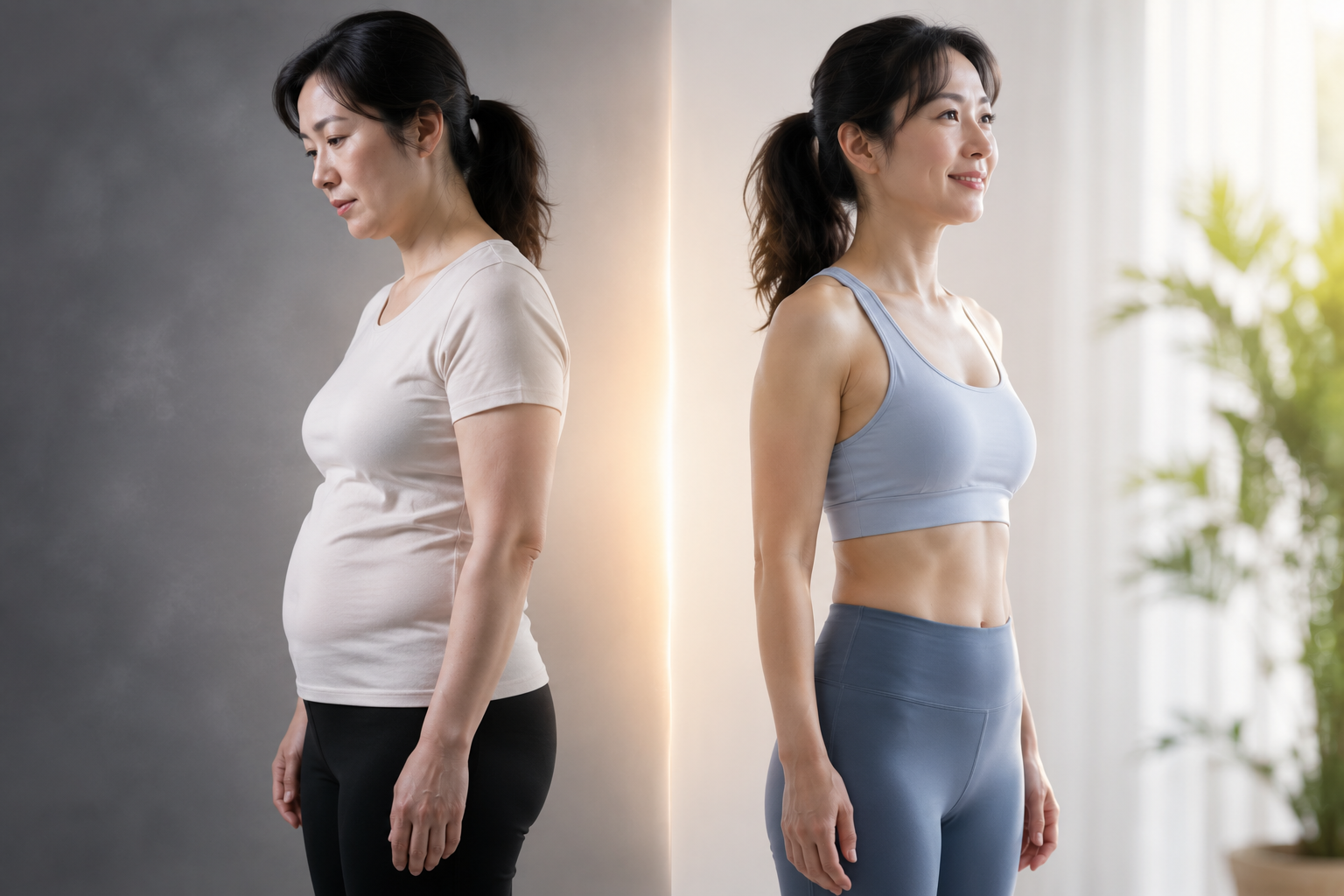
Can regular exercise change how the body ages? Research on physical activity and biological aging examines muscle, cardiovascular function and metabolic health. These differences help explain why chronological age is not the whole story, without making exercise a proven way to reverse reproductive aging.
-
Beta-hCG After IVF: Can One Low Blood Test Tell the Whole Story?
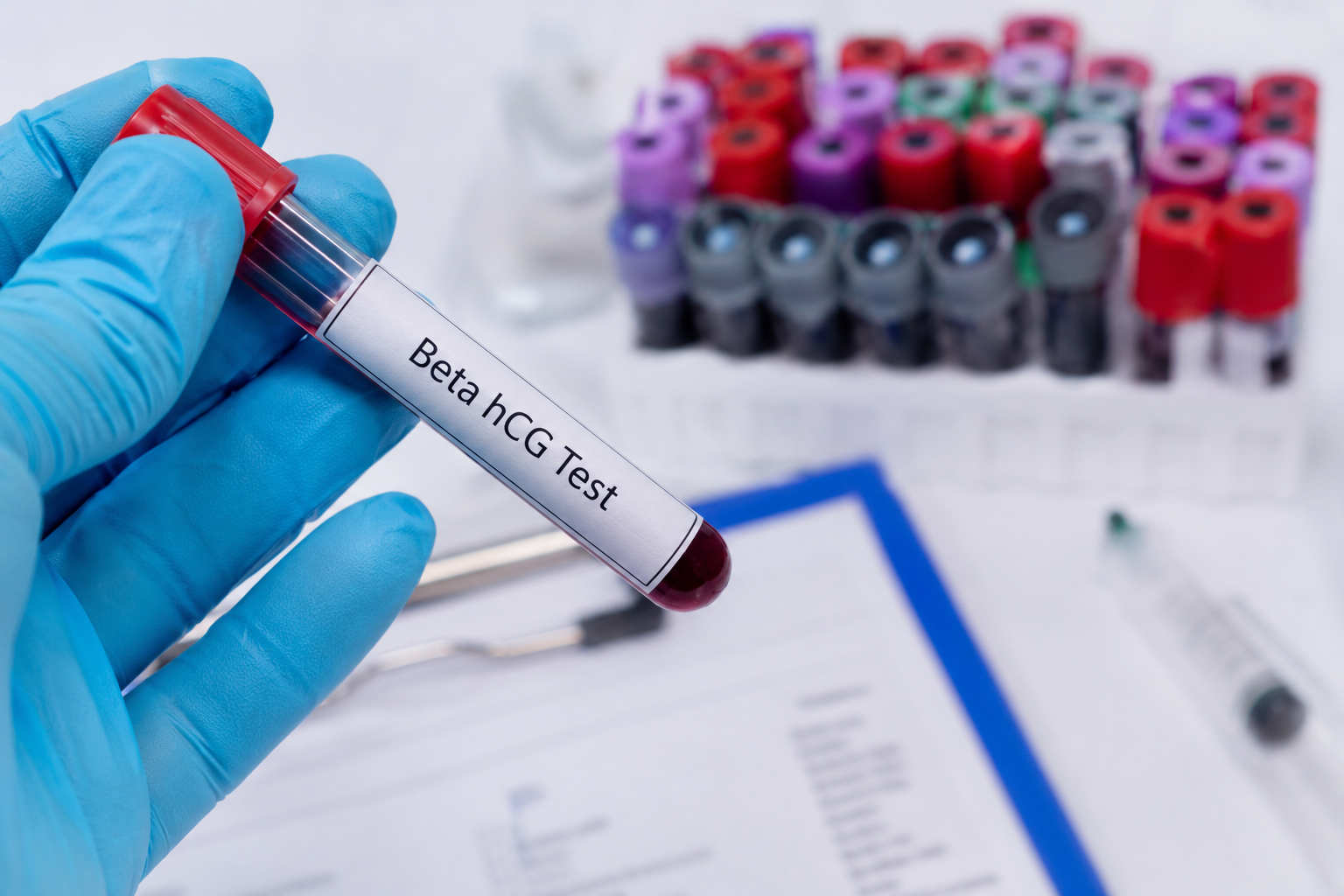
What does a low first beta-hCG result mean after IVF? The day of testing, subsequent hormone changes and ultrasound findings all matter when evaluating early pregnancy. One number cannot establish its location or outcome, and a reassuring rise does not replace clinical follow-up.
-
Spicy Food After Embryo Transfer: Can One Meal Really Stop Implantation?

Can spicy or salty food prevent implantation after IVF? There is no established evidence that one spicy meal directly stops an embryo implanting. The more useful discussion concerns overall diet and metabolic health, without turning everyday eating into a test of whether patients deserve treatment success.
-
Summer Heat After Embryo Transfer: Did One Hot Day Ruin Implantation?
Can a hot day after embryo transfer determine whether implantation succeeds? Embryo development and endometrial biology are more complex than that. Weather exposure, overheating and fever are different questions; this article explores the distinction without treating environmental factors as either destiny or irrelevant.
-
Air Conditioning After Embryo Transfer: Can a Cold Draft Stop Implantation?
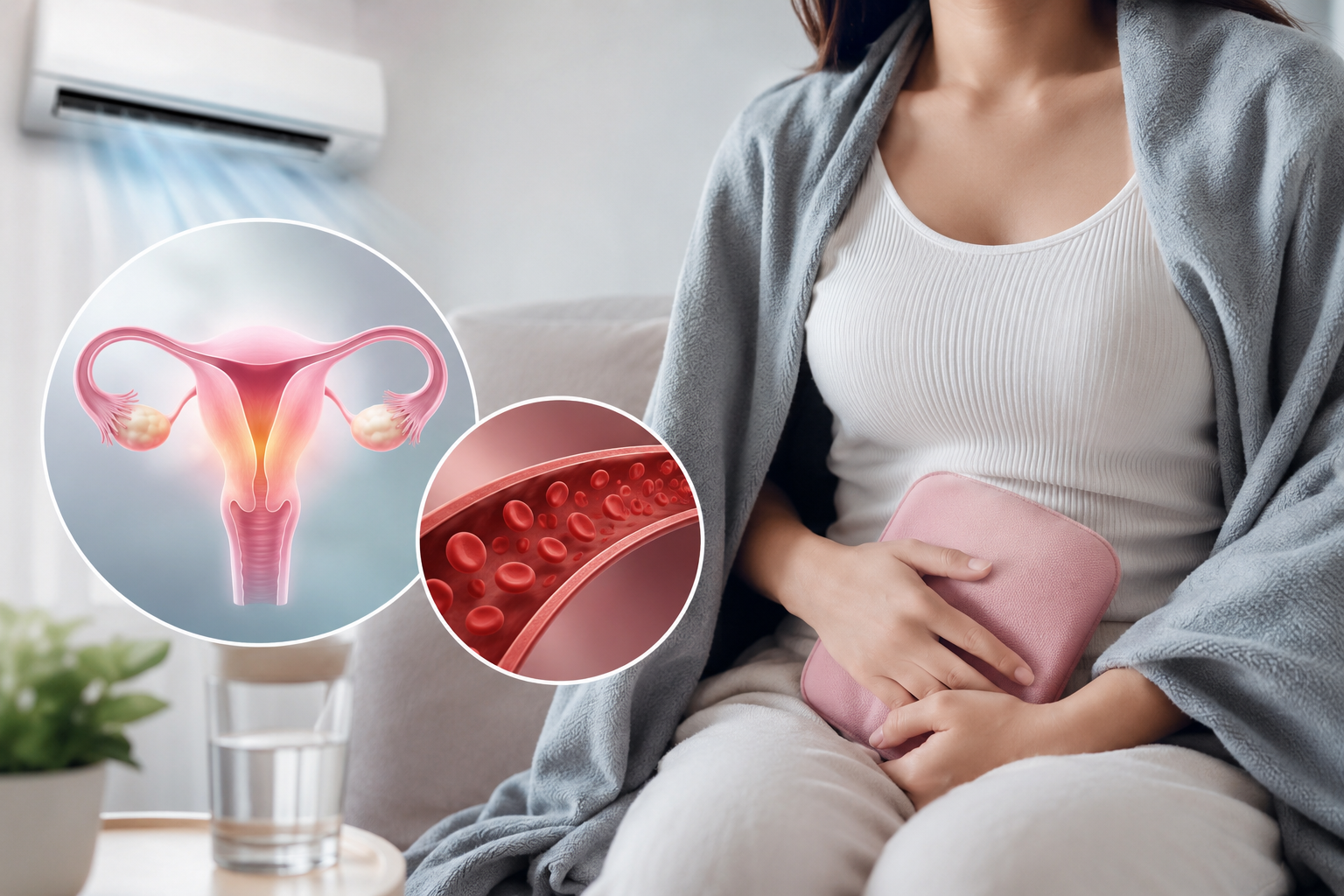
Can air conditioning make the uterus too cold for implantation after IVF? Ordinary indoor cooling is not an established cause of transfer failure. The familiar summer worry is a chance to distinguish skin sensations from core temperature, and comfort measures from treatments proven to affect pregnancy.
-
Hysteroscopy Before IVF: What If Ultrasound Missed Something?
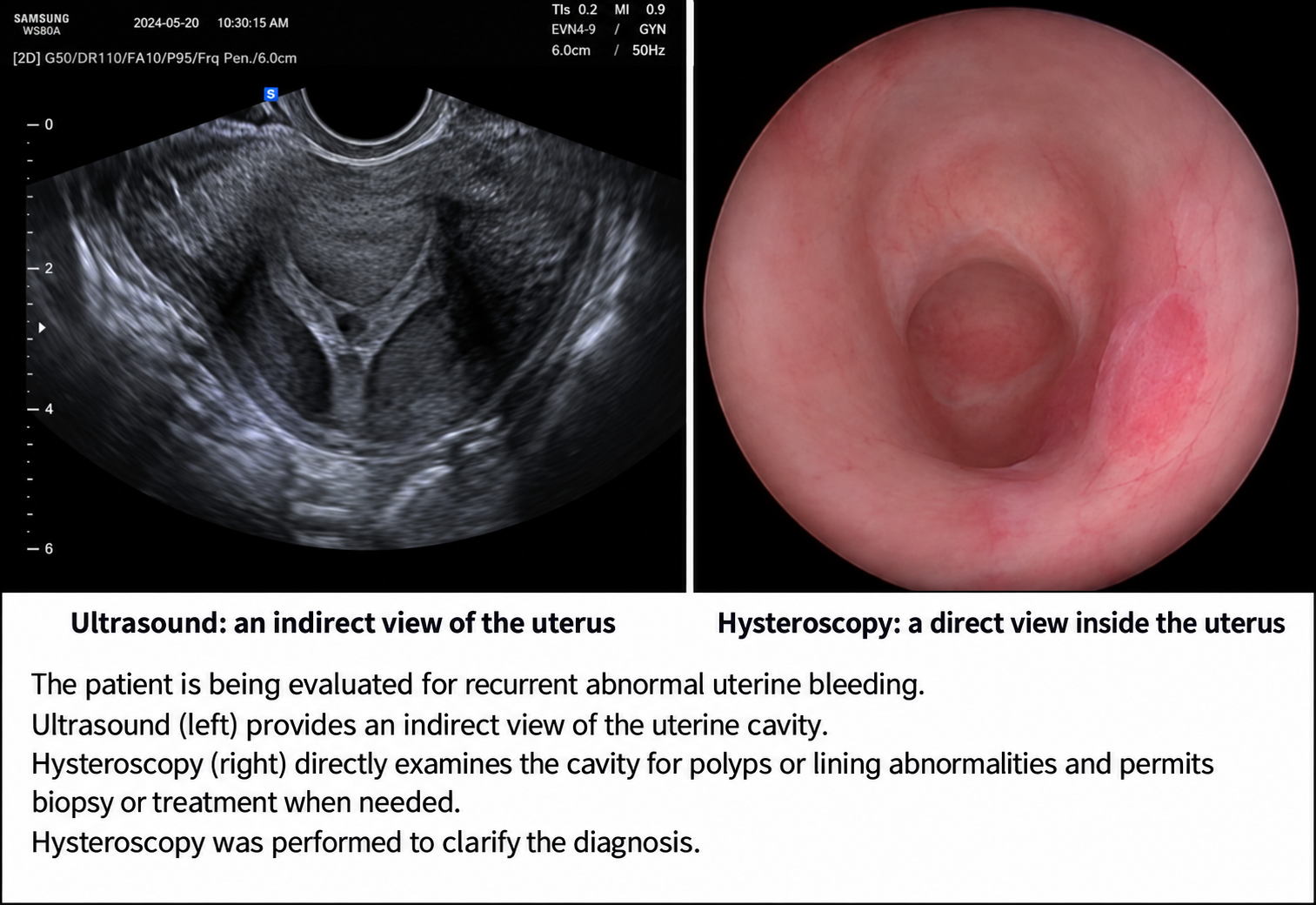
Can hysteroscopy find uterine polyps or adhesions that an ultrasound misses? Direct inspection of the uterine cavity can clarify selected findings and sometimes allow treatment. That diagnostic value does not mean every IVF patient needs the procedure, or that removing a lesion guarantees implantation.
-
Love, Stress and Fertility: Can a New Relationship Change the Story?

Can falling in love explain a pregnancy after years of infertility? A personal story raises questions about stress, hormones and relationships, but an anecdote cannot establish cause and effect. Emotional support matters without making pregnancy depend on feeling sufficiently relaxed, safe or in love.
-
Autoimmune Disease and Fertility: Does the Immune System Hold the Door?
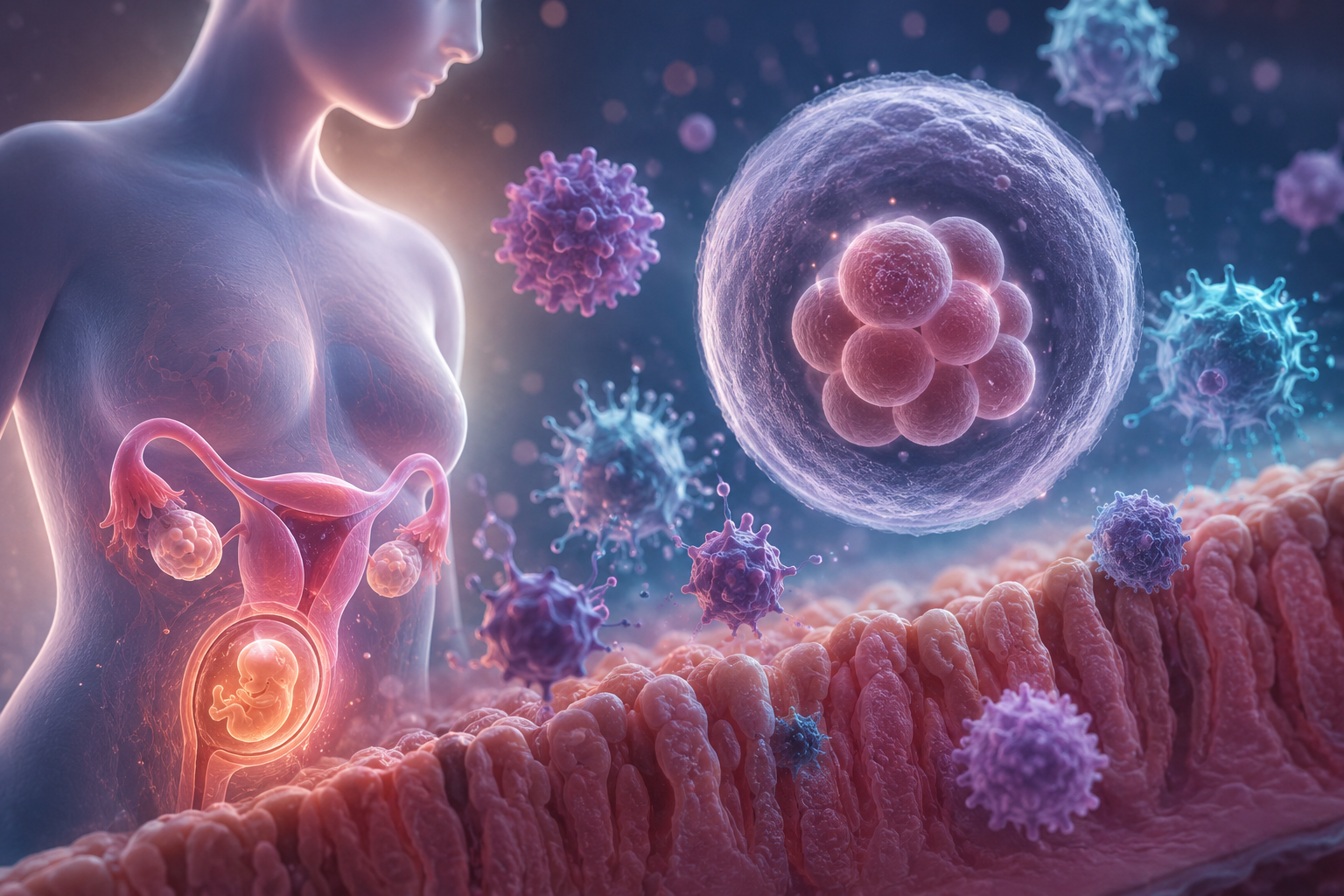
How do autoimmune conditions affect fertility and pregnancy? Immune tolerance supports normal pregnancy, while risks and treatments differ across antiphospholipid syndrome, thyroid disease and lupus. A biological role for immunity does not justify broad NK-cell testing or routine immunotherapy for every failed IVF cycle.
-
Obesity and IVF Success: Why Weight Is Only Part of the Story

How is obesity associated with ovulation, IVF outcomes and pregnancy risks? Metabolic and hormonal factors help explain the relationship, but losing weight does not guarantee a live birth. Treatment planning needs to balance health goals, age, ovarian reserve and the consequences of delaying fertility care.
-
Endometrial Receptivity in IVF: Is a Thick Lining Enough?

Why can implantation fail even when the endometrium looks thick enough? Endometrial receptivity involves timing, tissue function and the embryo, not a single millimeter measurement. Research into blood flow and inflammation is promising, but biological explanations should not be mistaken for proven tests or treatments.
-
Fallopian Tubes and Fertility: More Than a Road, the First Meeting Place

How do the fallopian tubes help sperm and egg meet, and why can a blocked tube prevent pregnancy? Cilia, muscular movement and the site of fertilization all matter. Hydrosalpinx adds another concern: fluid from a damaged tube can affect the uterine environment even when IVF bypasses the tubes.
-
Rainy Season Blues and Fertility: What Happens When Your Body Clock Slips?

Can long rainy spells affect mood, sleep and reproductive health? Daylight and daily routines influence the body clock, while research explores links between stress, hormones and fertility. Feeling low is not proof that ovulation or IVF will fail, and emotional support should never become another pressure to conceive.