
Fertility Report
Fertility Report
Reference-style explainers for fertility terms, treatments, research topics, and common questions.
-
Embryologists in IVF: Skill, Checks and Laboratory Safety

Good IVF equipment matters, but embryologists also make delicate judgments and perform essential procedures. Evidence supports training and safety systems, not claims about a personality type.
-
Letrozole for Ovulation Induction: How It Works in PCOS
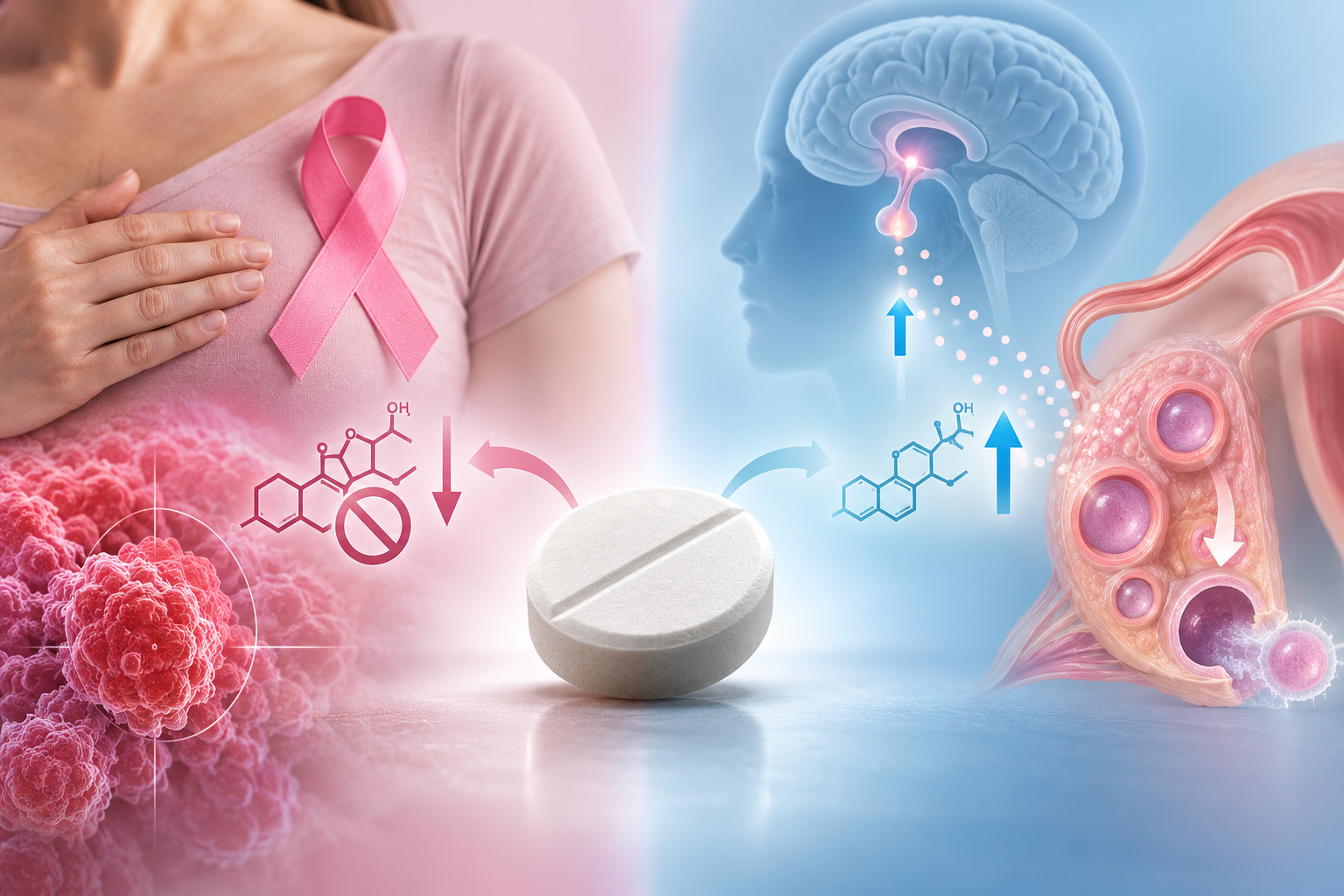
Letrozole lowers estrogen, allowing hormonal feedback to stimulate follicle growth. This article explains its use in anovulatory PCOS, off-label prescribing, fertility preservation and the need to exclude an existing pregnancy.
-
IVF Stimulation: Why Do Egg Counts Vary?
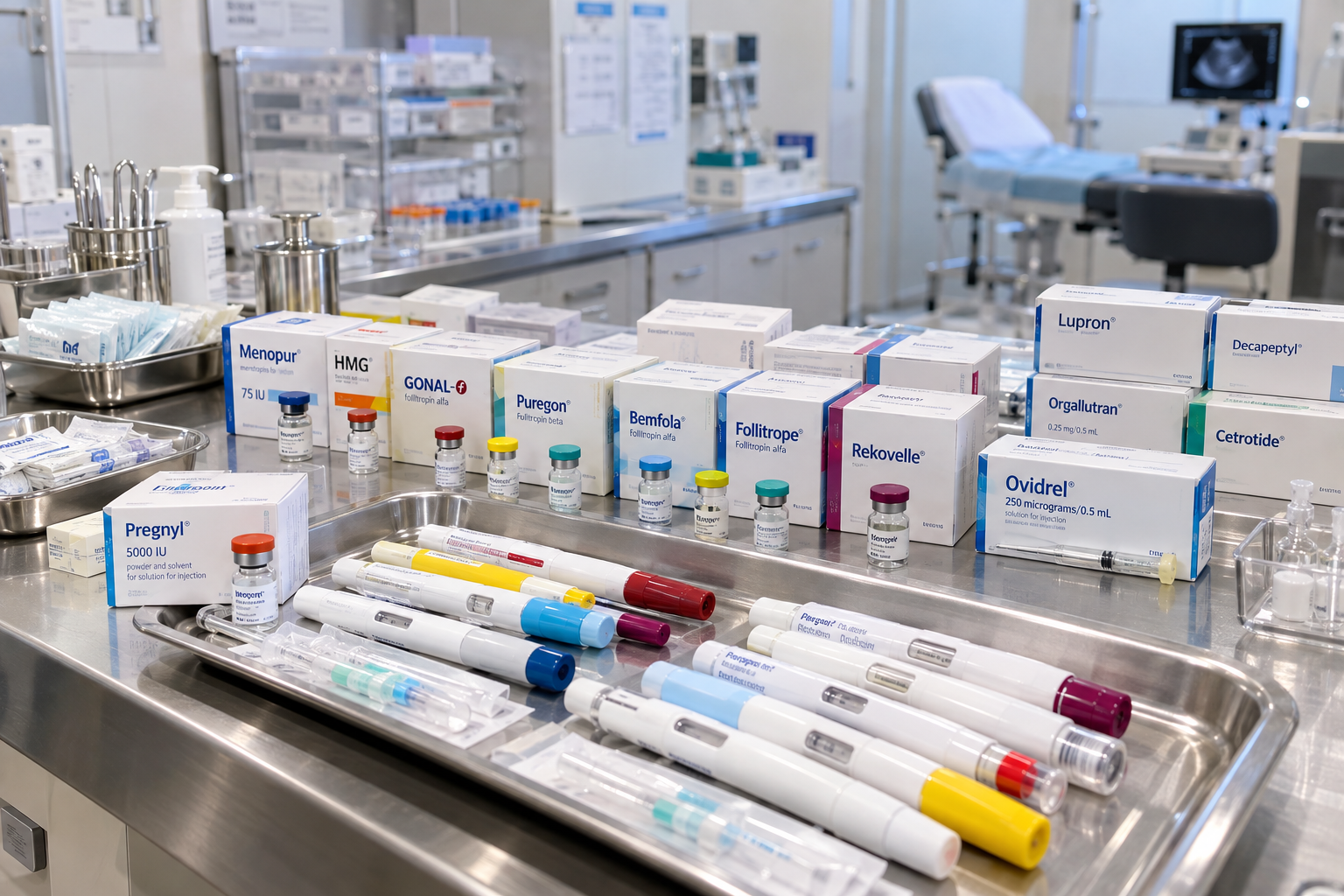
The same IVF injections can produce very different egg counts. We explain FSH, LH, hMG, ovarian reserve, dose limits and why egg yield is different from live-birth success.
-
Ovarian Cysts: Types, Warning Signs and Fertility
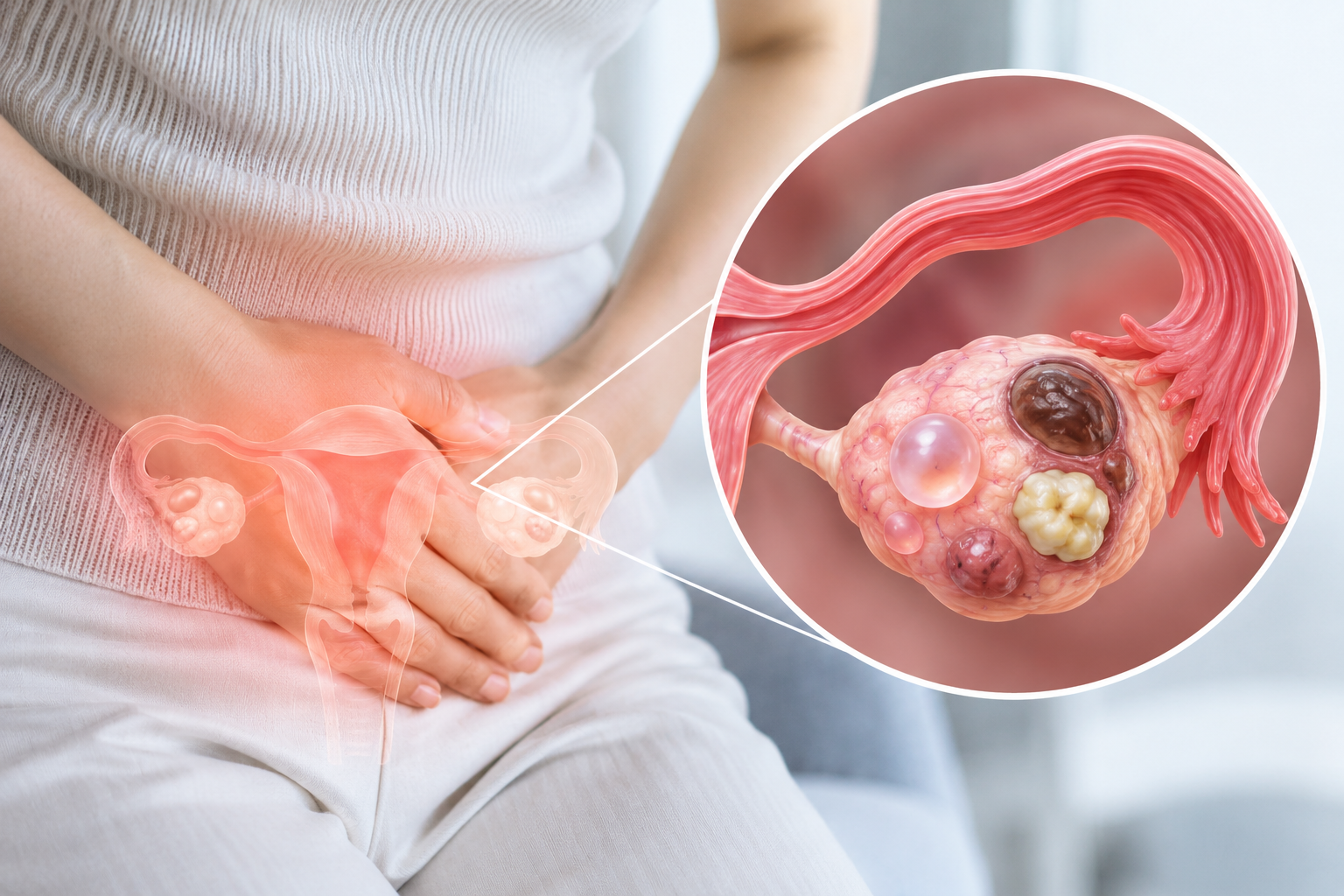
Functional cysts, endometriomas, dermoids and other ovarian masses need different approaches. Their appearance, symptoms and fertility implications matter more than size alone.
-
Granulosa Cells and Egg Quality: Are the Follicle’s Power Plants Slowing Down?
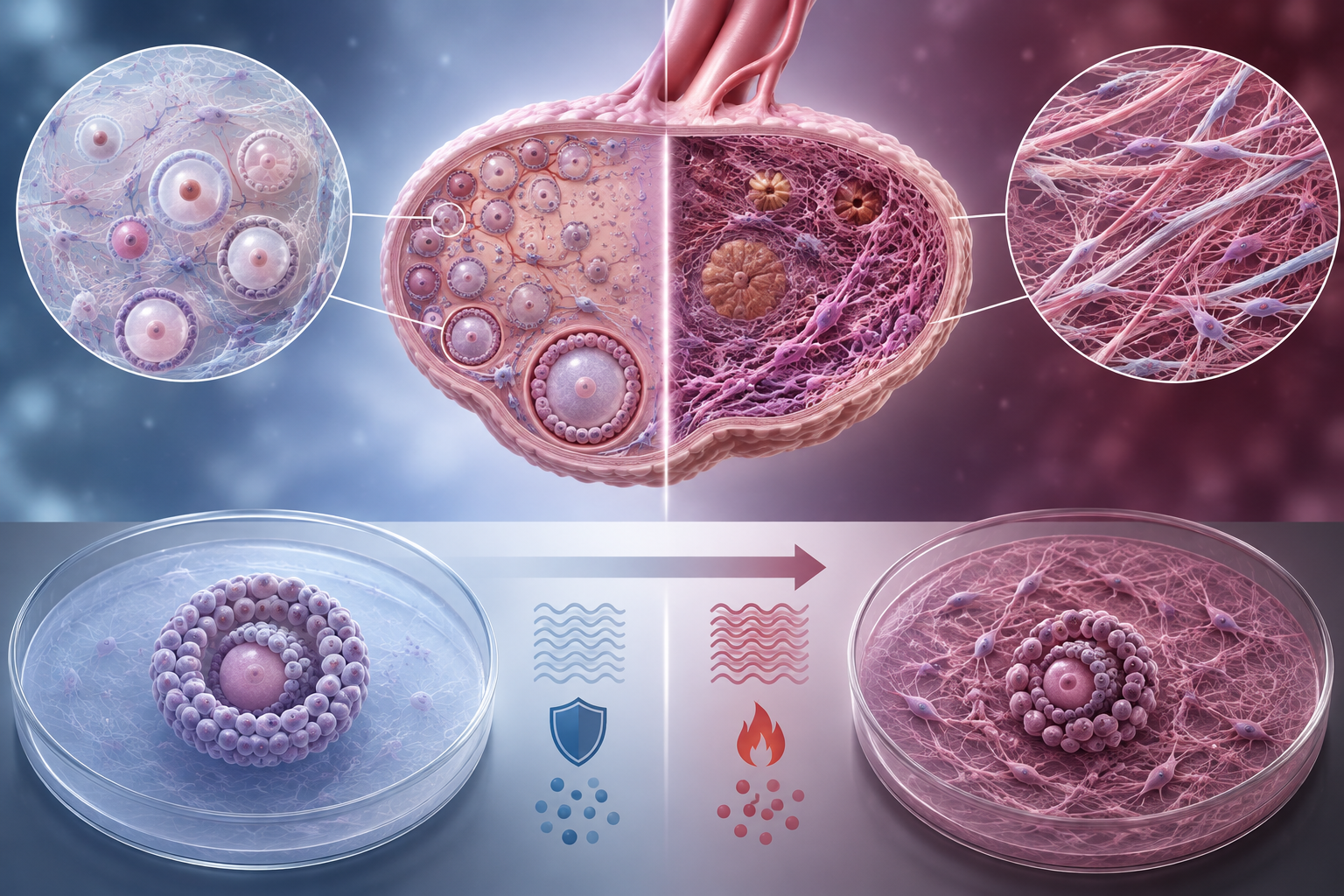
The egg does not age alone. Granulosa cells support its development, and research in IVF patients examines how their mitochondrial energy metabolism changes with age. The findings shift attention toward the follicle’s supporting cells, while leaving open whether targeting these pathways could improve fertility outcomes.
-
Ovulation in a 28-Day Cycle: Why Day 14 Can Still Be Wrong

A 28-day menstrual cycle does not guarantee ovulation on Day 14. Research on cycle length, follicular growth and hormonal timing shows why even regular periods can hide month-to-month variation. What does that mean for finding the fertile window?
-
What Is in IVF Culture Medium? The Hidden Ingredients Around an Embryo
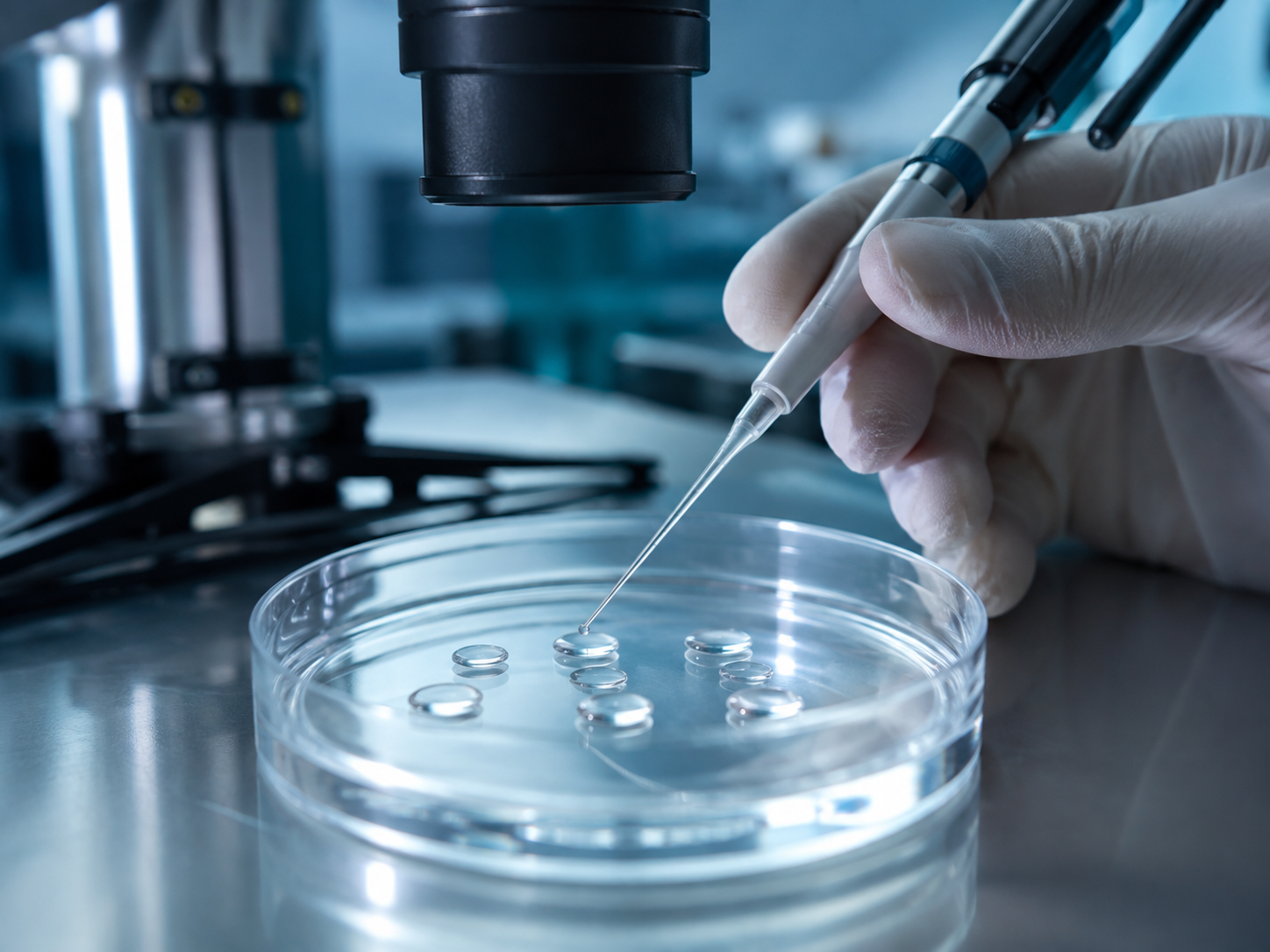
What surrounds an embryo during its first days of IVF? Research on culture medium composition found hundreds of proteins beyond those listed on labels and variation between manufacturing lots. The findings raise questions about albumin, laboratory consistency and how confidently researchers can read an embryo’s chemical traces.
-
Embryo Metabolomics: Can Chemical Footprints Predict a Live Birth?
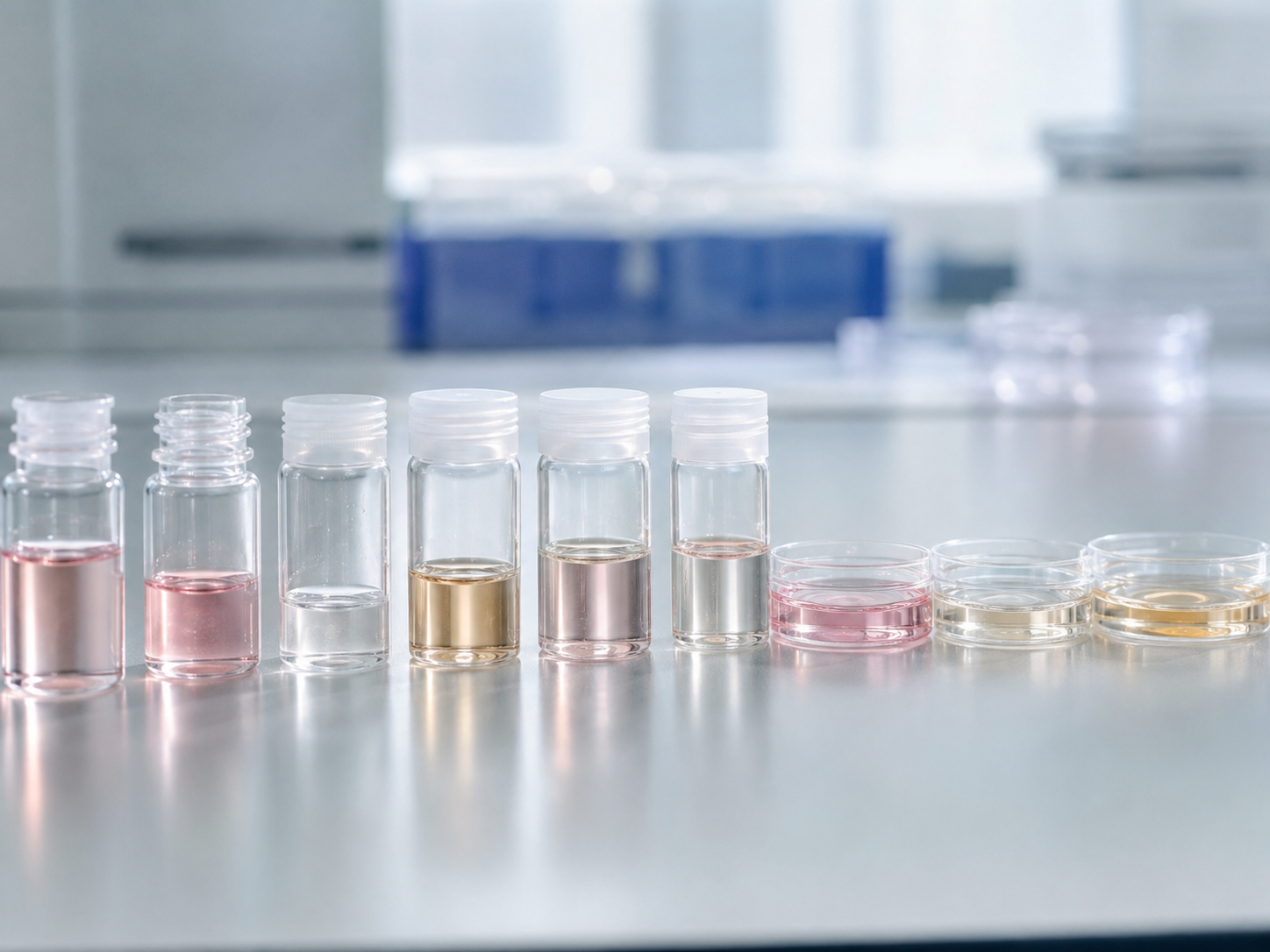
Can metabolites in spent embryo culture medium help predict live birth after IVF? A small study examined the chemical traces left behind by embryos and built a model to distinguish outcomes. The promise of non-invasive embryo selection comes with a key question: will the signal hold up in larger studies?
-
Natural vs. Programmed FET: Similar Pregnancy Rates, Different Trade-Offs?
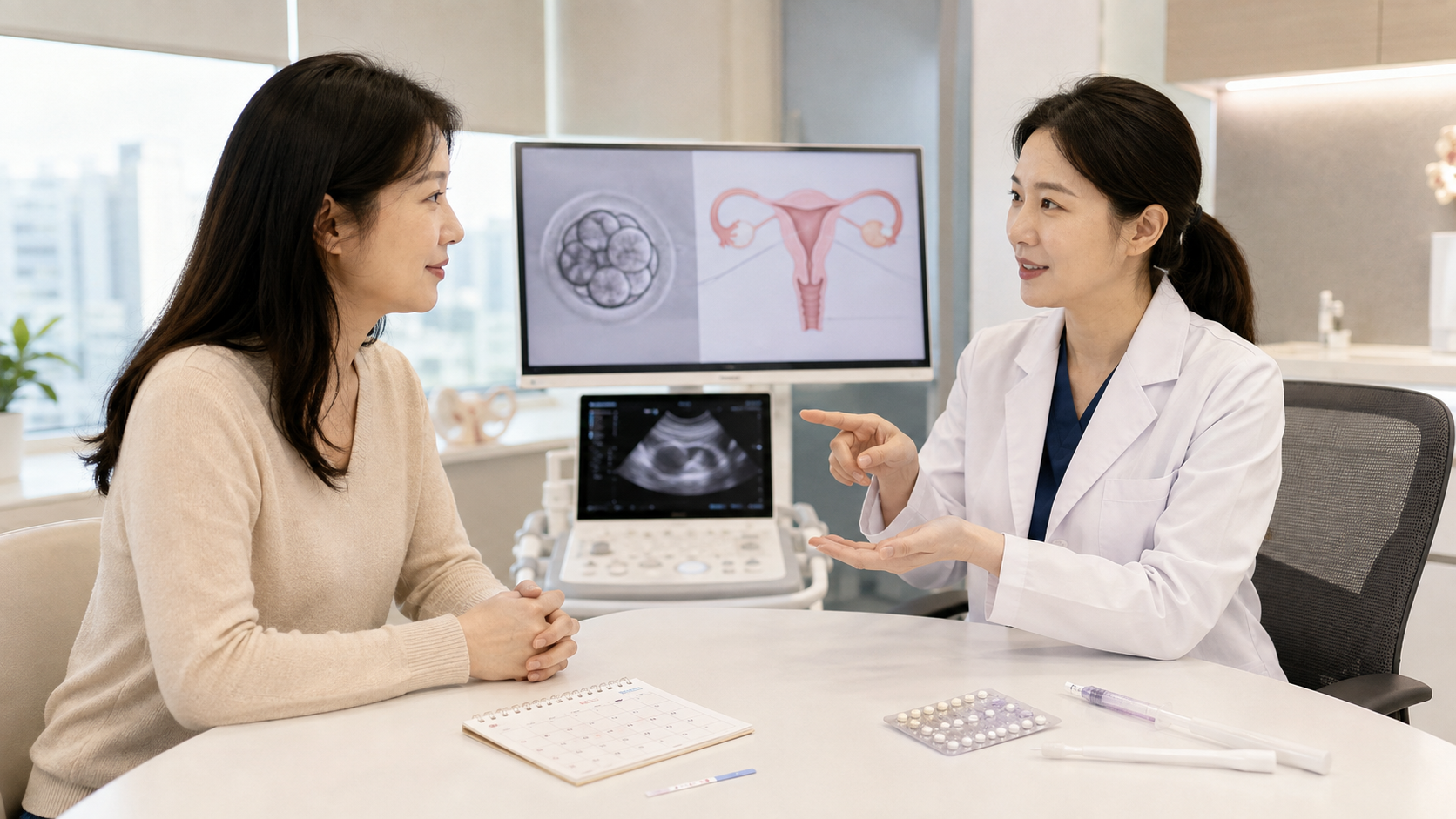
Natural-cycle or hormone-programmed frozen embryo transfer: which is better? A randomized trial in regularly ovulating women found no significant difference in clinical pregnancy rates, while cancellations and monitoring demands differed. Obstetric findings add another question rather than a universal answer.
-
Cervical Balloon Dilation Before IVF: Why Widen the Embryo’s Final Path?
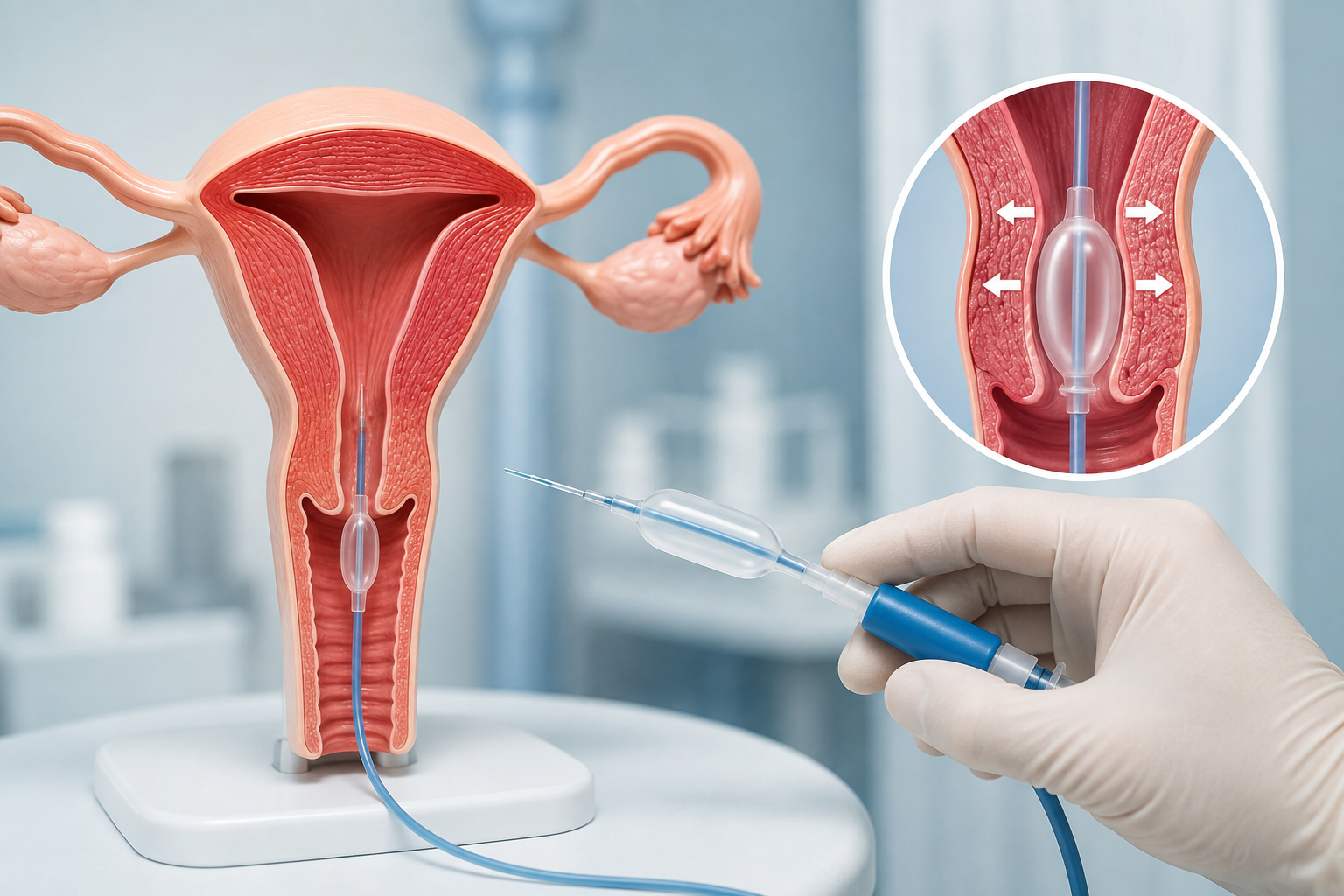
Why would a fertility specialist suggest balloon dilation before IVF? In selected patients with cervical stenosis, a narrowed passage can make embryo transfer difficult. The procedure addresses access through the cervix; it is not a general treatment for every failed implantation.
-
Donor Sperm and Shared Human DNA: Does “99.9% Alike” Settle the Question?

Humans share most of their DNA, but what does that mean when considering donor sperm? Genetic similarity across our species does not erase the distinct inheritance a donor contributes to a child. This article explores the space between genomic facts, family identity and deeply personal decisions.
-
Mediterranean Diet and Fertility: Is There Science Behind the Fisherman’s-Wife Saying?

Can a Mediterranean dietary pattern support fertility or IVF outcomes? An old saying about fishermen’s wives opens a question about fish, vegetables, olive oil and overall diet. Research associations are worth examining, but they do not prove that one menu improves egg quality or guarantees pregnancy.