
Fertility Report
Fertility Report
Reference-style explainers for fertility terms, treatments, research topics, and common questions.
-
You Have Passed the Miracle of Probability

Trillions of Sperm and 500 Eggs: How Life Begins People often think of sperm and eggs by the same standards when facing fertility challenges. However, a peek into the world of reproduction reveals that men and women are designed with entirely different strategies from the very beginning. Men prepare for life through a process of…
-
(Column) Things We Miss When We Call Menstrual Pain “Exaggeration”

The Most Common Misconception Surrounding Menstrual Pain “Isn’t that something you can just endure?” There are pains in this world that are difficult to understand if you haven’t experienced them yourself. Someone who has never had a toothache finds it hard to imagine the throbbing agony of a nerve, and those without migraines often dismiss…
-
Fertility Clinics: Not the Most Famous, but the Closest (Gyeonggi-do Southern Region Edition)

The Lab Decides, Distance Completes the Process When choosing a fertility clinic, many first search for the most famous ones. They scour the internet for success rates, look up renowned doctors, and don’t hesitate to travel for hours for “long-distance” treatments. However, the advice from those who have successfully achieved pregnancy (childbirth) through fertility procedures—especially…
-
What? A Virgin Carrying Birth Control Pills?

Birth Control Pills Are Not Just for Birth Control “Birth control pill” is one of the most misunderstood names in medicine. Many people assume these pills are used solely to prevent pregnancy. However, in actual OB/GYN practice, they are frequently used for ovulation regulation and hormonal therapy rather than just contraception. Why are birth control…
-
“The Unexpected Warning: Why Galactorrhea and Hyperprolactinemia Signal a Need for Fertility Evaluation”
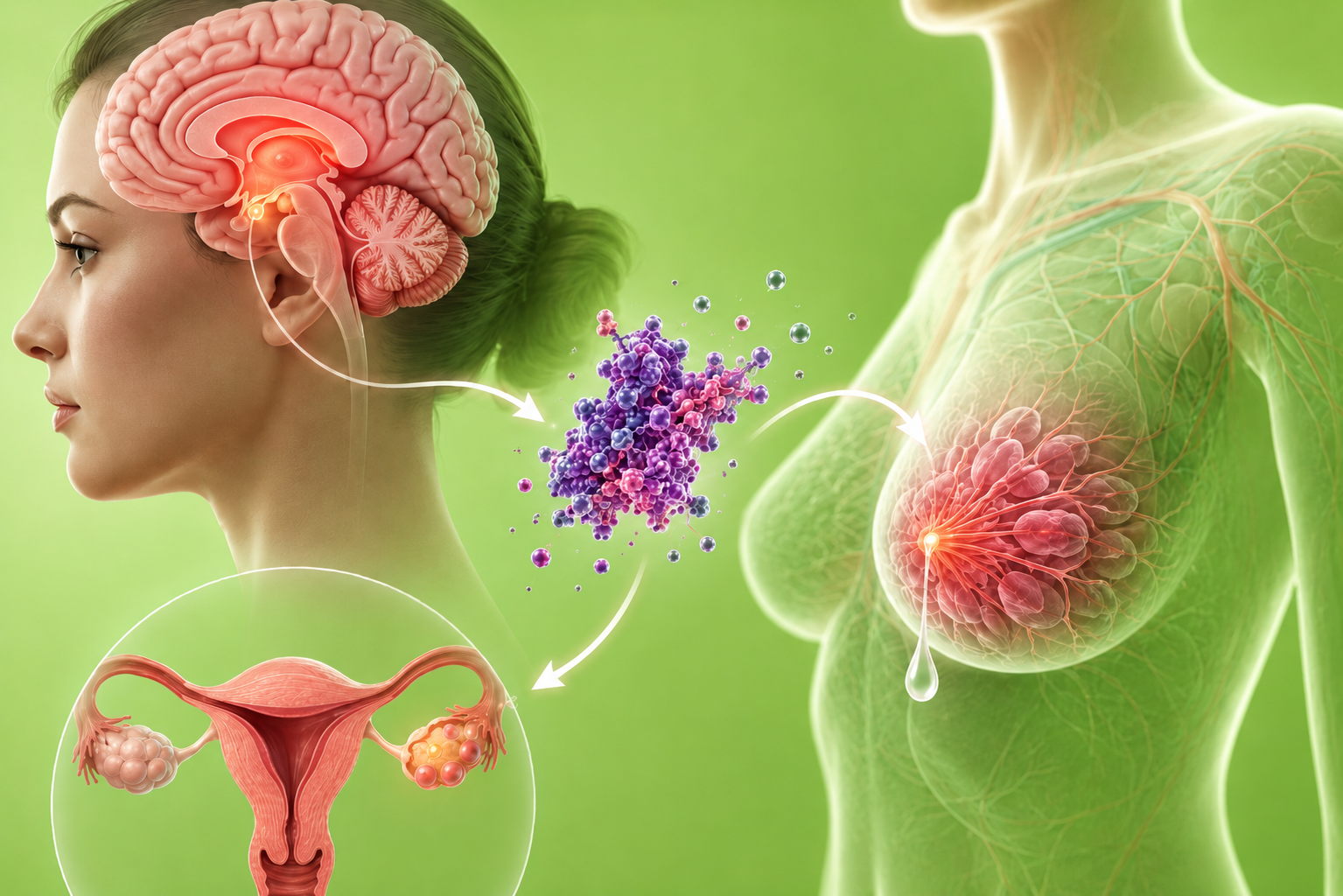
It is a startling experience for a woman who has never been pregnant or given birth to notice breast milk secretion (galactorrhea). While many immediately fear breast cancer or dismiss it as trivial, in the context of reproductive medicine, this symptom is a common and vital clinical signal. Often, this issue is less about the…
-
“The Quiet Collapse of Fertility in the Sedentary Age”

Have you ever heard of “lifestyle-induced infertility”? Many people instinctively seek the cause of infertility within the reproductive organs themselves—the uterus, ovaries, or sperm. However, human reproduction is not an isolated event; it is the culmination of a complex, whole-body system. Success depends on cardiovascular health, efficient circulation, balanced hormones, and minimal systemic inflammation. In…
-
“Why Elevated Liver Enzymes Lead Fertility Specialists to Delay IVF”
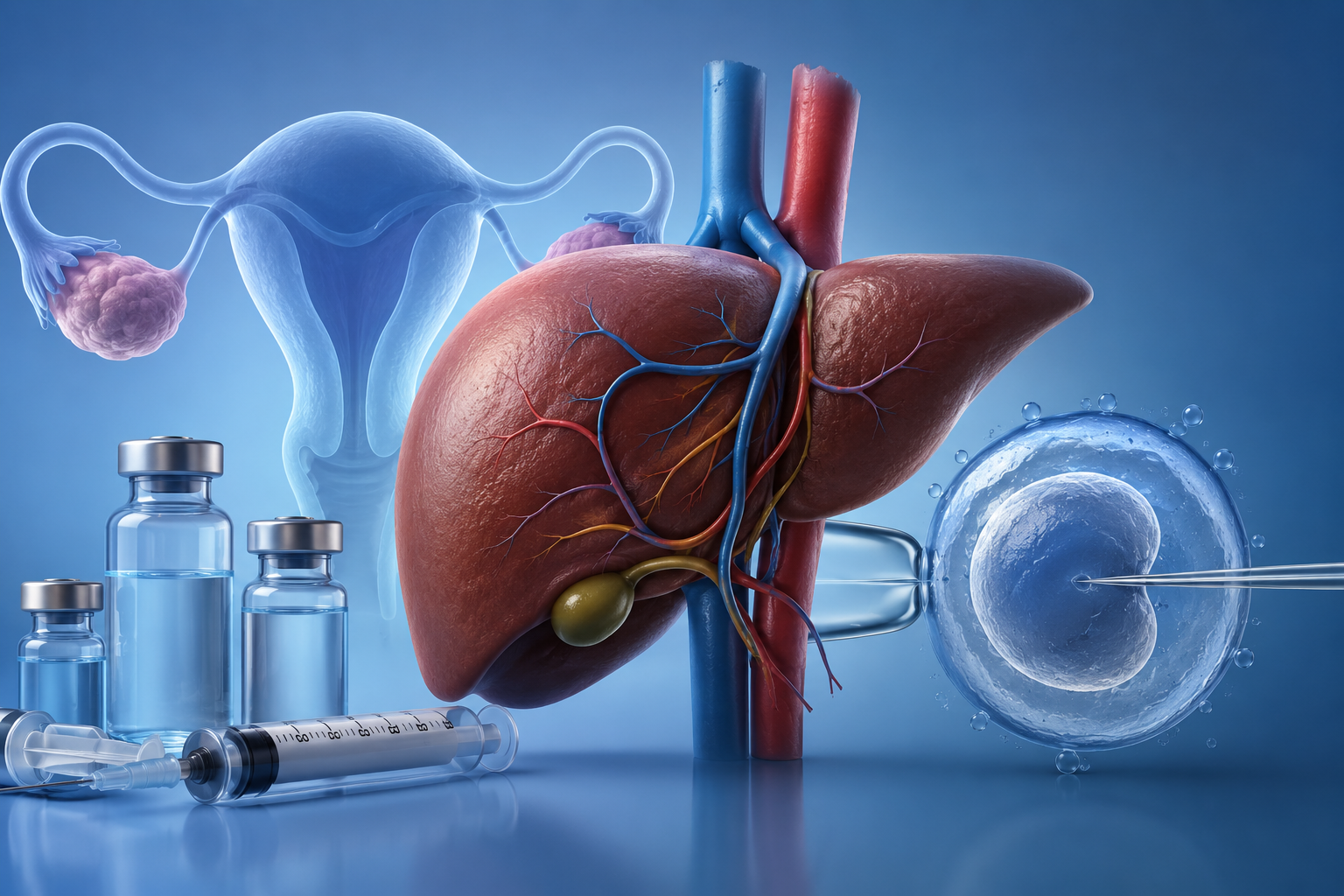
Patients preparing for In Vitro Fertilization (IVF) are often puzzled when their doctors pause the process due to elevated liver enzymes. “My liver is a bit unwell,” they wonder, “but what does that have to do with pregnancy?” While the public focus remains on the uterus, ovaries, and sperm, fertility specialists are increasingly looking at…
-
“The Resveratrol Connection: Why Fertility Specialists Are Paying Attention”

When discussing fertility treatment, the conversation usually centers on hormone injections or IVF procedures. However, in modern fertility clinics, clinicians are increasingly focusing on the fundamental biology of cells: mitochondria, oxidative stress, cellular aging, and inflammation. At the center of this focus is resveratrol. The Origin of a Fertility Supplement Resveratrol first gained fame through…
-
“The Monthly Report”: Why ‘Irregular Periods’ Are a Vital Sign, Not a Personality Trait
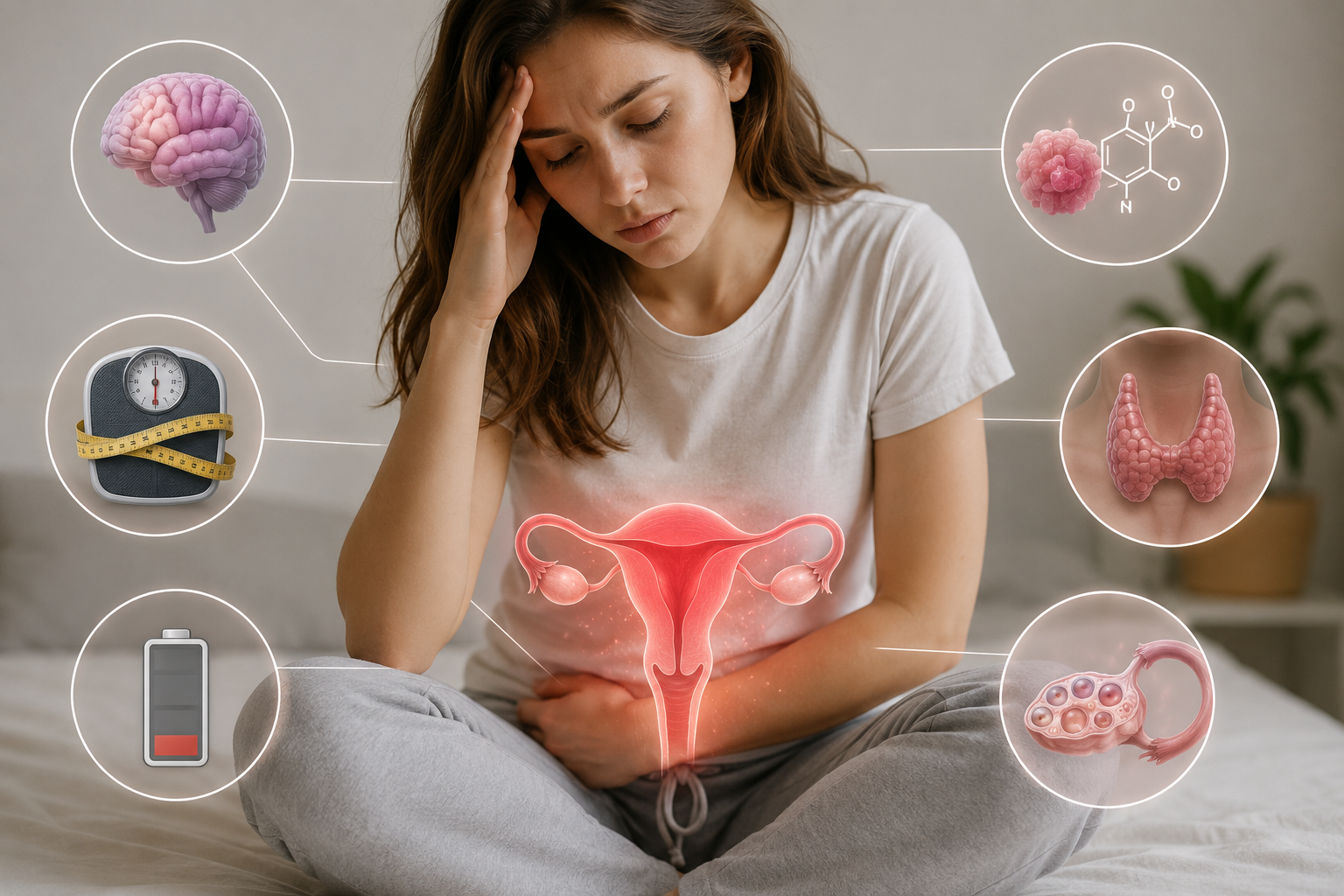
We often hear the phrase, “My period has always been irregular; it’s just my constitution.” This normalization of cycle irregularity is a clinical oversight that ignores the complex, high-stakes physiology behind the menstrual cycle. Menstruation is not merely a localized uterine event; it is the culmination of a sophisticated, multi-system collaboration involving the brain, the…
-
“Uterine Anatomy: Why Diversity Does Not Mean Dysfunction”
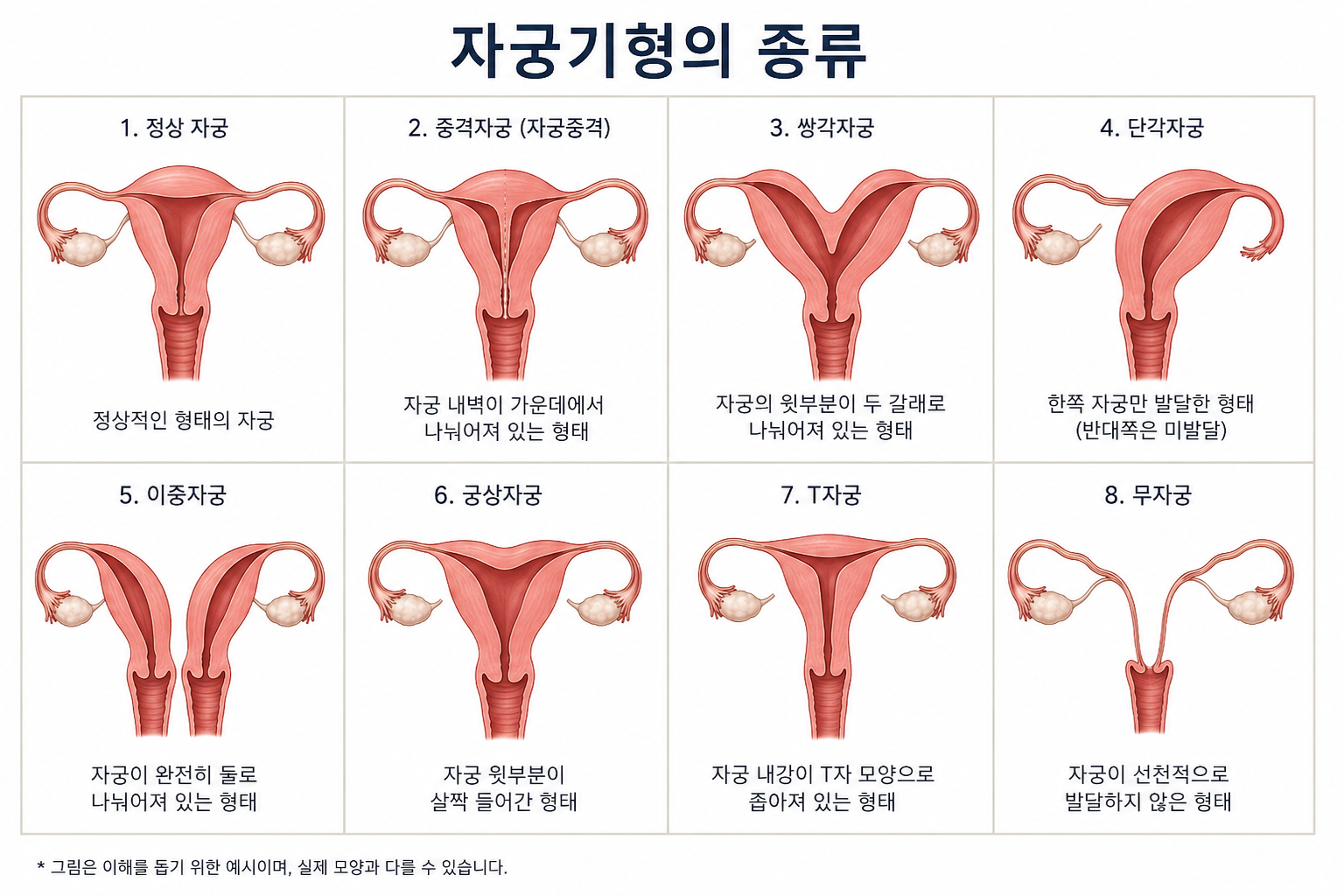
Many women assume that the uterus is a uniform organ, shaped identically in every woman. In reality, the uterus is a product of complex embryonic fusion—a process where two ducts (the Müllerian ducts) must perfectly merge. Variations in this fusion lead to “uterine anomalies,” a spectrum of shapes ranging from heart-shaped to partitioned or even…
-
“The Silent Destroyer”: How Chlamydia Silently Compromises Fertility
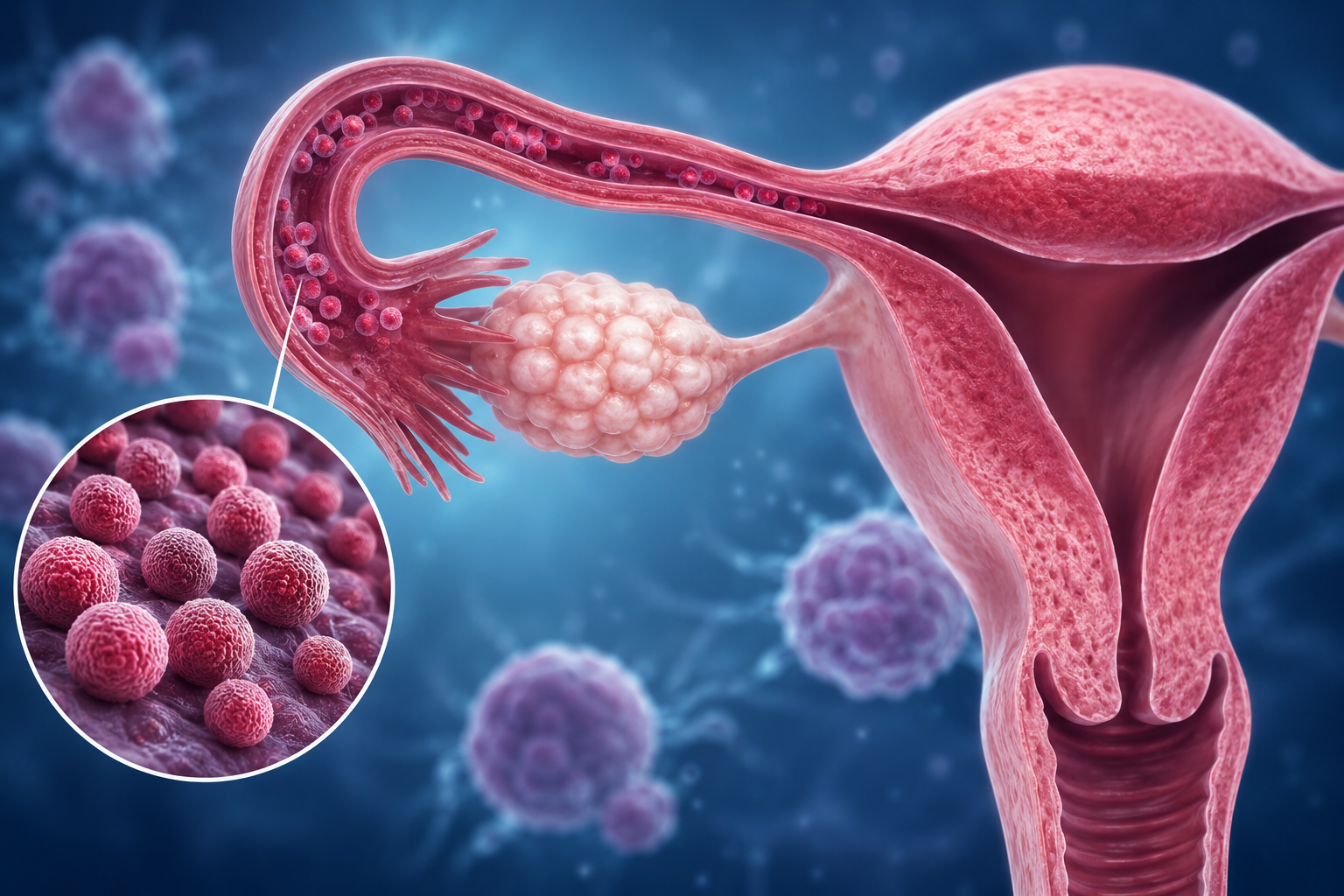
When we think of sexually transmitted infections (STIs), we often expect overt signals—pain, visible lesions, or distressing discharge. However, the most dangerous STIs are often those that leave no trail. Chlamydia trachomatis is the prime example. It is a highly prevalent bacterial infection, especially among young adults, that frequently operates in complete silence, slowly eroding…
-
“The Silent Conductor”: Why Thyroid Health is Central to Reproductive Success
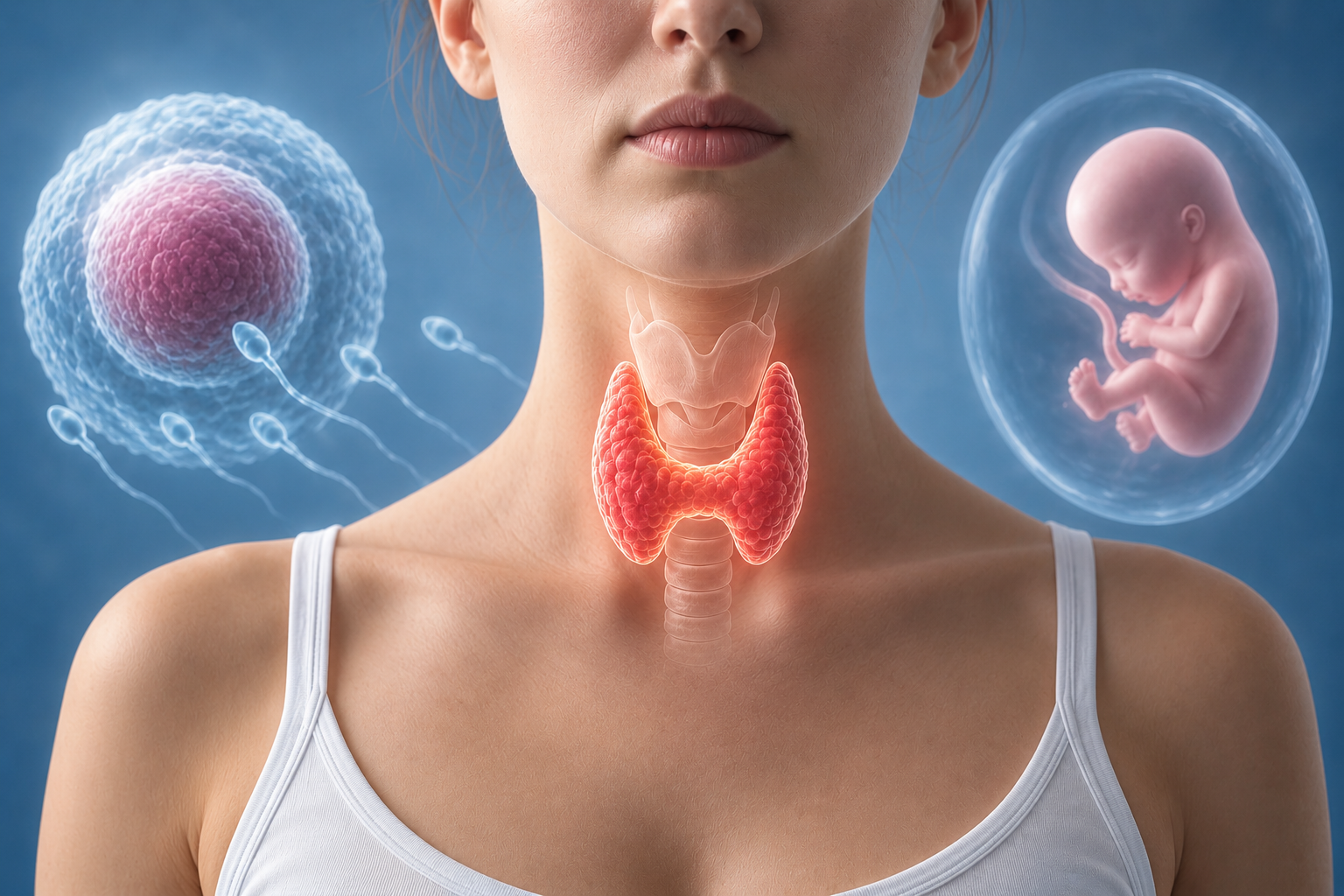
Many perceive the thyroid as a localized organ, primarily relevant when managing weight or fatigue. However, in the realm of reproductive endocrinology, the thyroid is viewed as the “silent conductor” of the body’s metabolic and reproductive orchestra. When this conductor falters, the entire symphony of conception, implantation, and early fetal development can fall out of…