
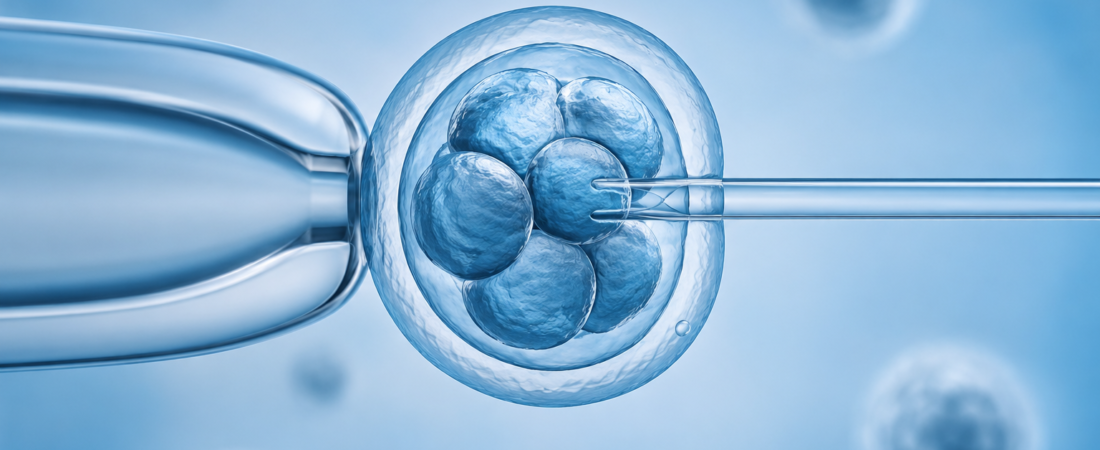
Single embryo transfer aims to achieve a healthy birth while reducing the risk of twins and higher-order pregnancies. Transferring two embryos does not simply double the chance of a baby. The useful comparison includes cumulative outcomes across transfers, alongside the risks to parent and babies.
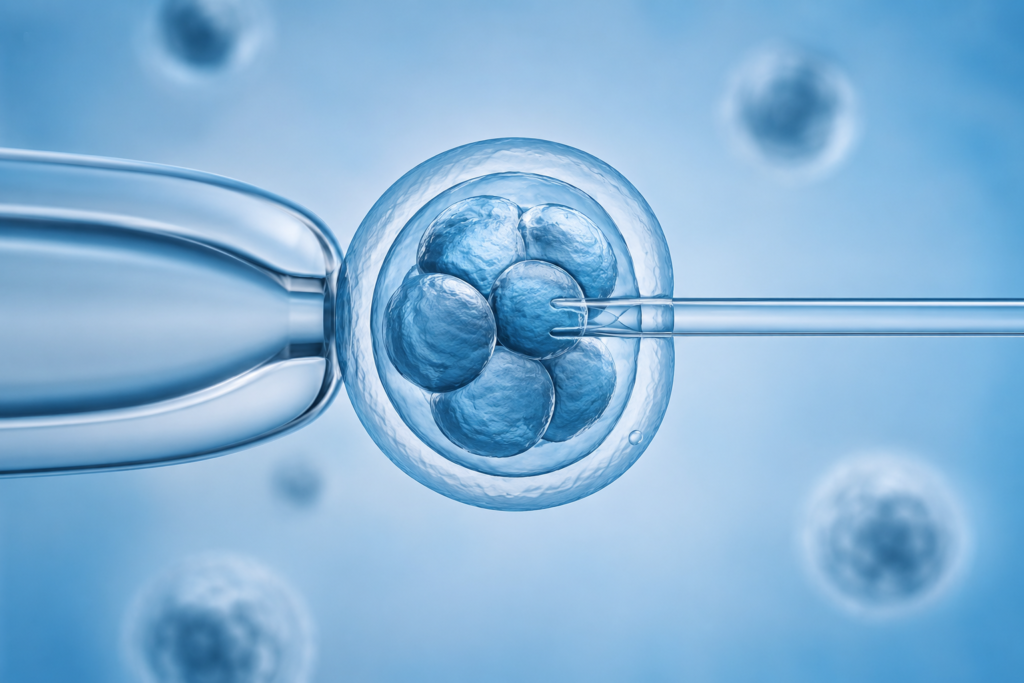
One of the most frequent questions in an IVF consultation remains: “If we transfer two embryos, won’t our chances of pregnancy double?”
The question is understandable. Improvements in embryo culture and freezing allow clinicians to consider success across sequential transfers, while reducing avoidable multiple-pregnancy risk.
Technology changes the trade-off
Blastocyst culture and cryopreservation support single-embryo strategies. Transferring two embryos can substantially increase twin risk, but there is no universal percentage that applies to every clinic or patient.
While the prospect of twins is often romanticized as “double the joy,” the clinical reality is stark. In obstetrics, a twin pregnancy is a high-risk pregnancy.
The Hidden Toll of Multiple Gestations
The focus on “more embryos” often ignores the physical reality of the uterus:
- The Prematurity Trap: Twin pregnancies carry a significantly higher risk of preterm birth. These extra weeks in the womb are not just time—they are essential developmental windows for the brain, lungs, and immune system.
- Maternal Complications: From preeclampsia and gestational diabetes to the increased necessity for cesarean sections, the maternal health burden is substantially heavier with multiple gestations.
- Neonatal Impact: Twin births are more likely to require admission to the Neonatal Intensive Care Unit (NICU), marking a stressful and difficult start for both the baby and the parents.
The Paradigm Shift: ‘Less is More’
The global consensus in reproductive medicine has shifted decisively toward Elective Single Embryo Transfer (eSET). We are moving away from the era of “How many can we get to stick?” and toward the era of “What is the safest way to deliver a healthy baby?”
This shift is rooted in the realization that fertility success is not measured by a positive pregnancy test, but by a healthy infant in the arms of the parents. Modern IVF is evolving from a technology that “creates pregnancy” into a technology that “secures health.”
Navigating the Emotional Urgency
For couples who have endured the physical, financial, and emotional strain of infertility, the urge to transfer multiple embryos is deeply understandable. The desire to “get it over with” and “maximize odds” is a natural response to the exhaustion of repeated failure.
For patients with a good prognosis, one embryo at a time can reduce multiple-pregnancy risk while preserving opportunities through later frozen transfers. Counseling should distinguish success per transfer from cumulative outcomes.
Success includes safety
Single embryo transfer reduces twin risk but does not eliminate it: one embryo can occasionally divide. No transfer strategy guarantees a healthy birth.
If you are beginning your IVF journey, redefine your own success metrics. Your goal is not a “pregnancy at all costs,” but a safe, healthy, and full-term arrival. Trust in the evolution of the science: today, the safest path is often the singular path.
Disclaimer: This report is for informational purposes. The optimal number of embryos to transfer depends on age, embryo quality, and personal clinical history. Always discuss the risks and benefits of single vs. multiple embryo transfer with your reproductive specialist.
One embryo at a time
Counseling should include multiple-pregnancy risk and the cumulative opportunity from frozen embryos. ASRM recommends single transfer of a euploid embryo regardless of age. ASRM multiple-gestation guidance (2022).
Related reading
Uterine Environment and IVF: What Matters Beyond a Good Embryo?