
Fertility Report
Fertility Report
Reference-style explainers for fertility terms, treatments, research topics, and common questions.
-
“The Biological Blueprint of Desire”: How Ovulation Primes the Brain for Connection

Have you ever wondered why, at certain times of the month, a simple text message from someone you admire feels more electrifying, or why a dramatic love scene in a movie suddenly feels overwhelmingly relatable? It is tempting to dismiss these moments as mere mood swings or “sentimental phases.” However, in the realm of neuroendocrinology,…
-
“The Physiological Storm”: Why Your Gut Acts Up During Your Period
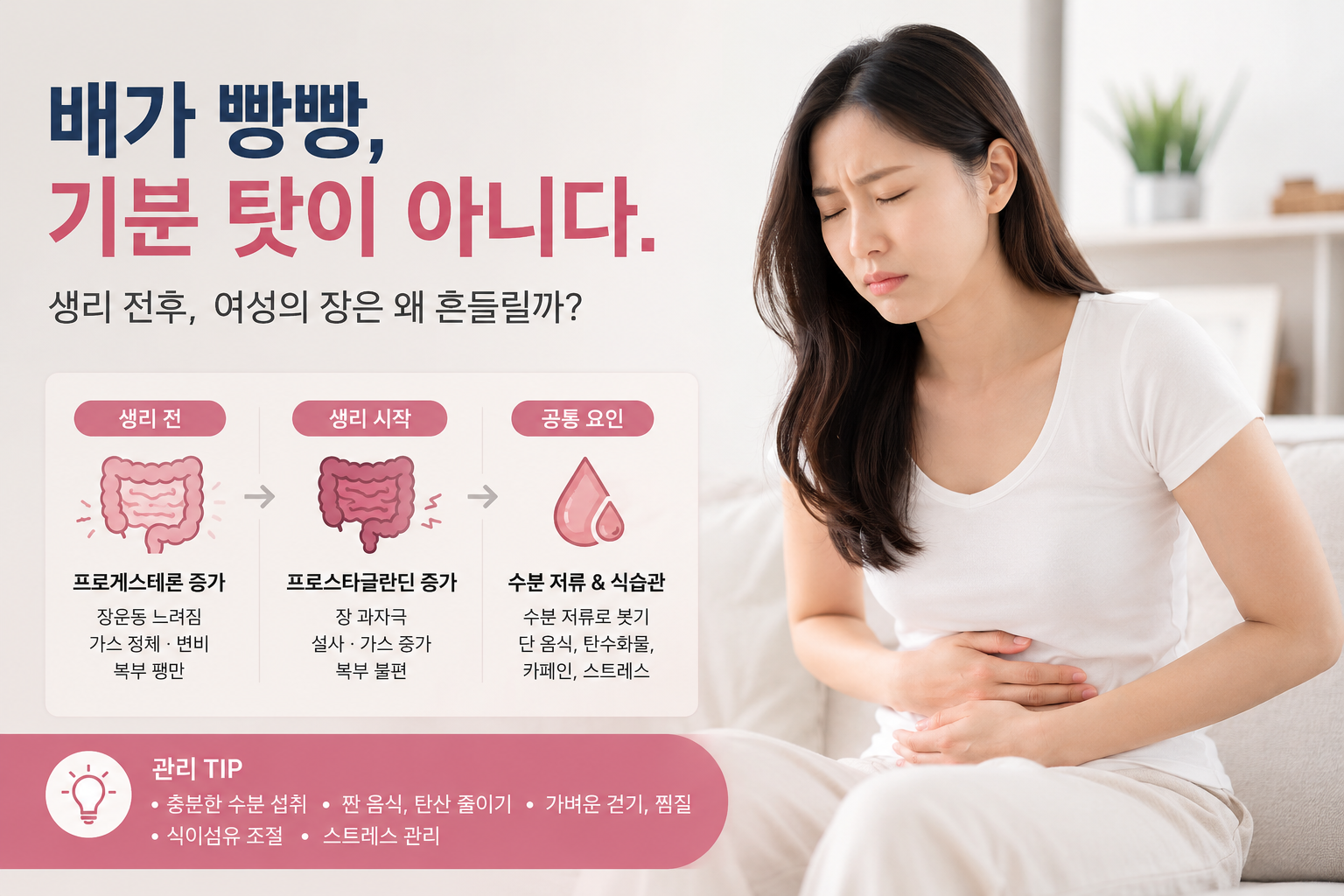
Many women report a consistent, uncomfortable phenomenon: as menstruation approaches, the belly swells, gas becomes an issue, and clothing suddenly feels tight. It is common to dismiss this as “just feeling sensitive,” but the medical reality is far more concrete. Menstruation is not just a uterine event; it is a systemic physiological shift that sends…
-
“The Quality of Success”: Why Modern IVF Prioritizes Single Embryo Transfers
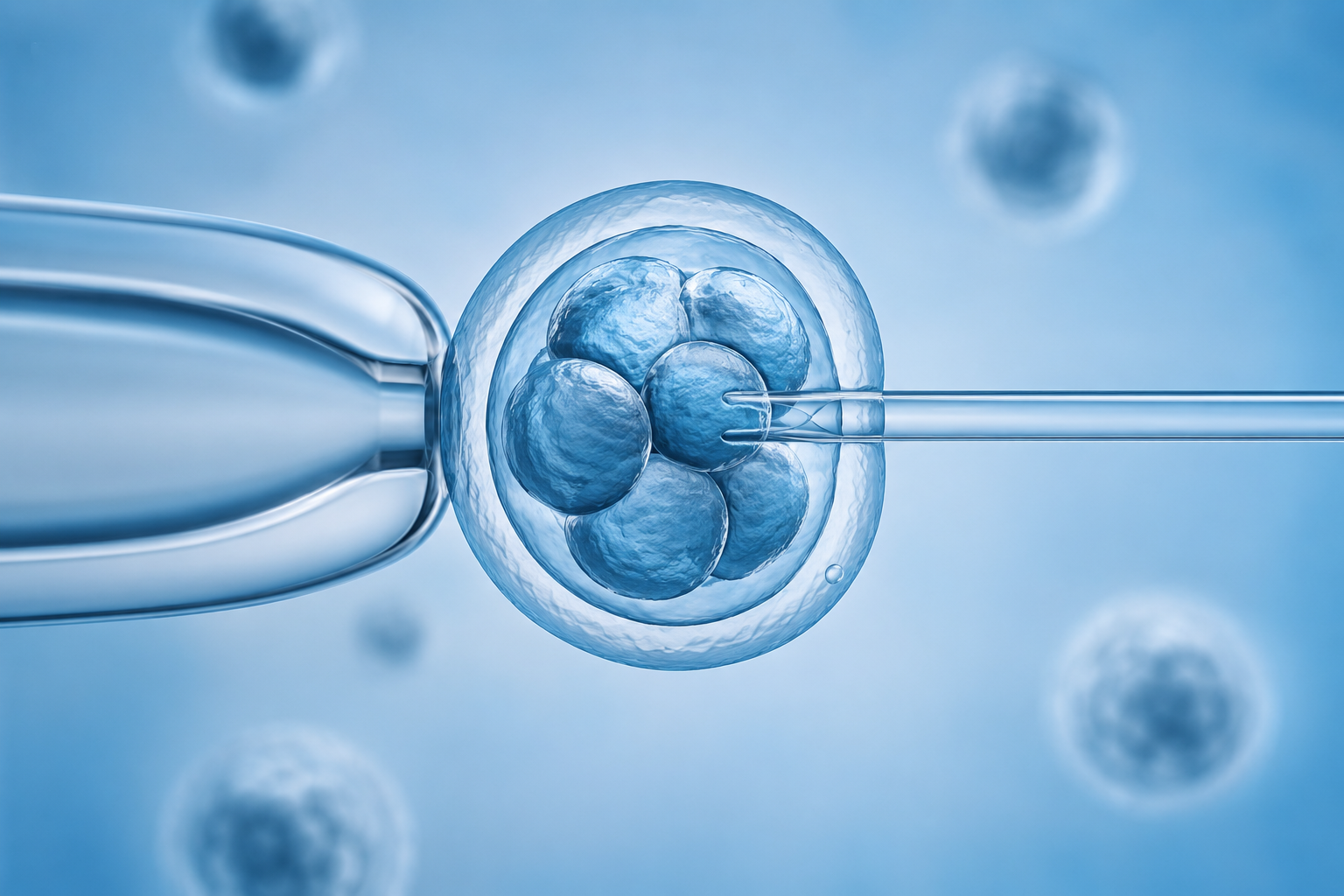
One of the most frequent questions in an IVF consultation remains: “If we transfer two embryos, won’t our chances of pregnancy double?” This question is a relic of an older era. In the early days of IVF, when embryo culture technology was in its infancy and implantation rates were low, transferring multiple embryos was a…
-
“Can DHEA Rejuvenate the Ovaries? The Science Behind the Supplement”
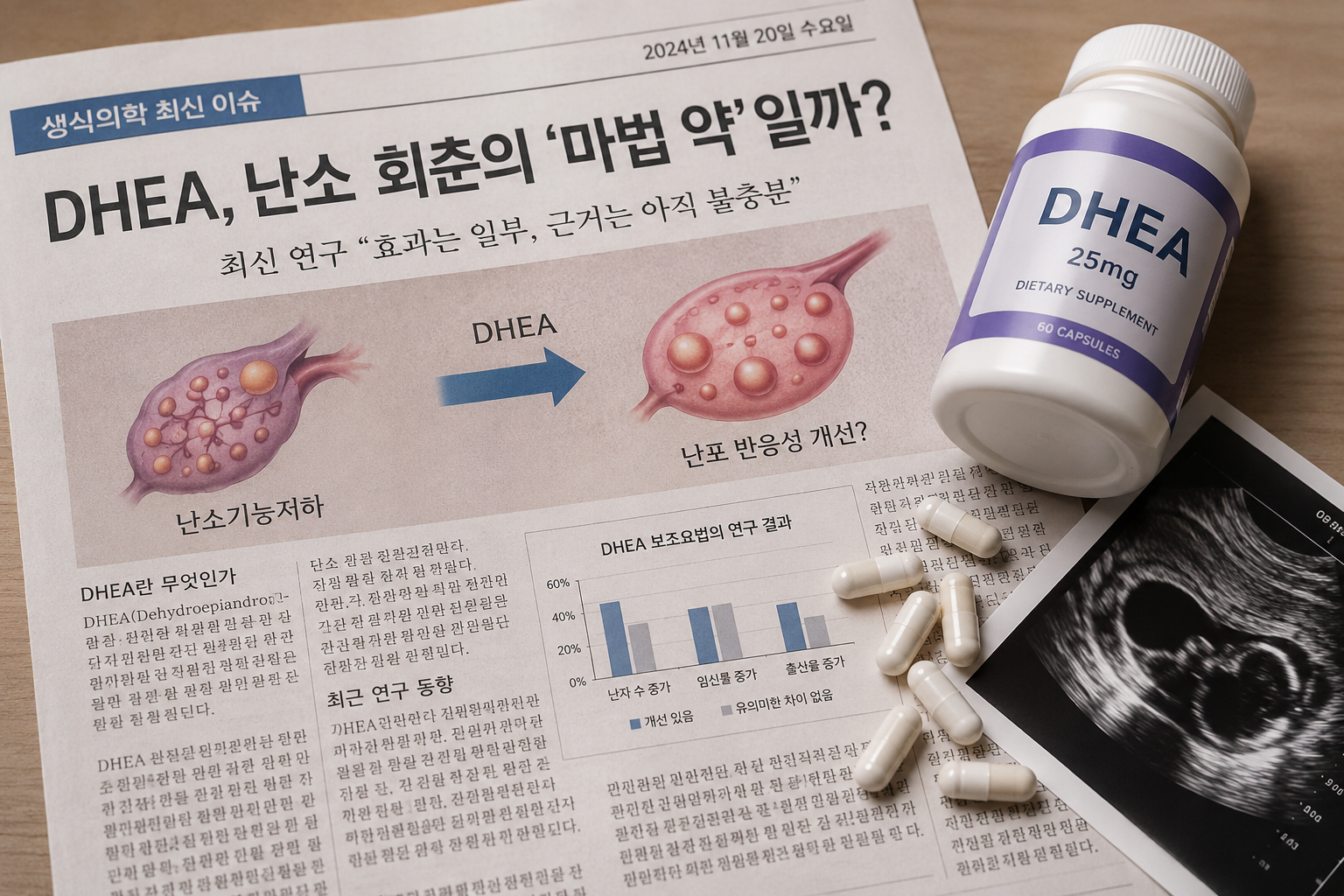
In the world of fertility forums, DHEA is often whispered about as a “miracle supplement”—a substance capable of “waking up” the ovaries and reversing the biological clock. However, while DHEA is a legitimate component of some clinical protocols for diminished ovarian reserve, the distinction between “rejuvenation” and “sensitization” is vital for patients to understand. The…
-
“The AMH Trap”: Why One Number Does Not Define Your Fertility Future
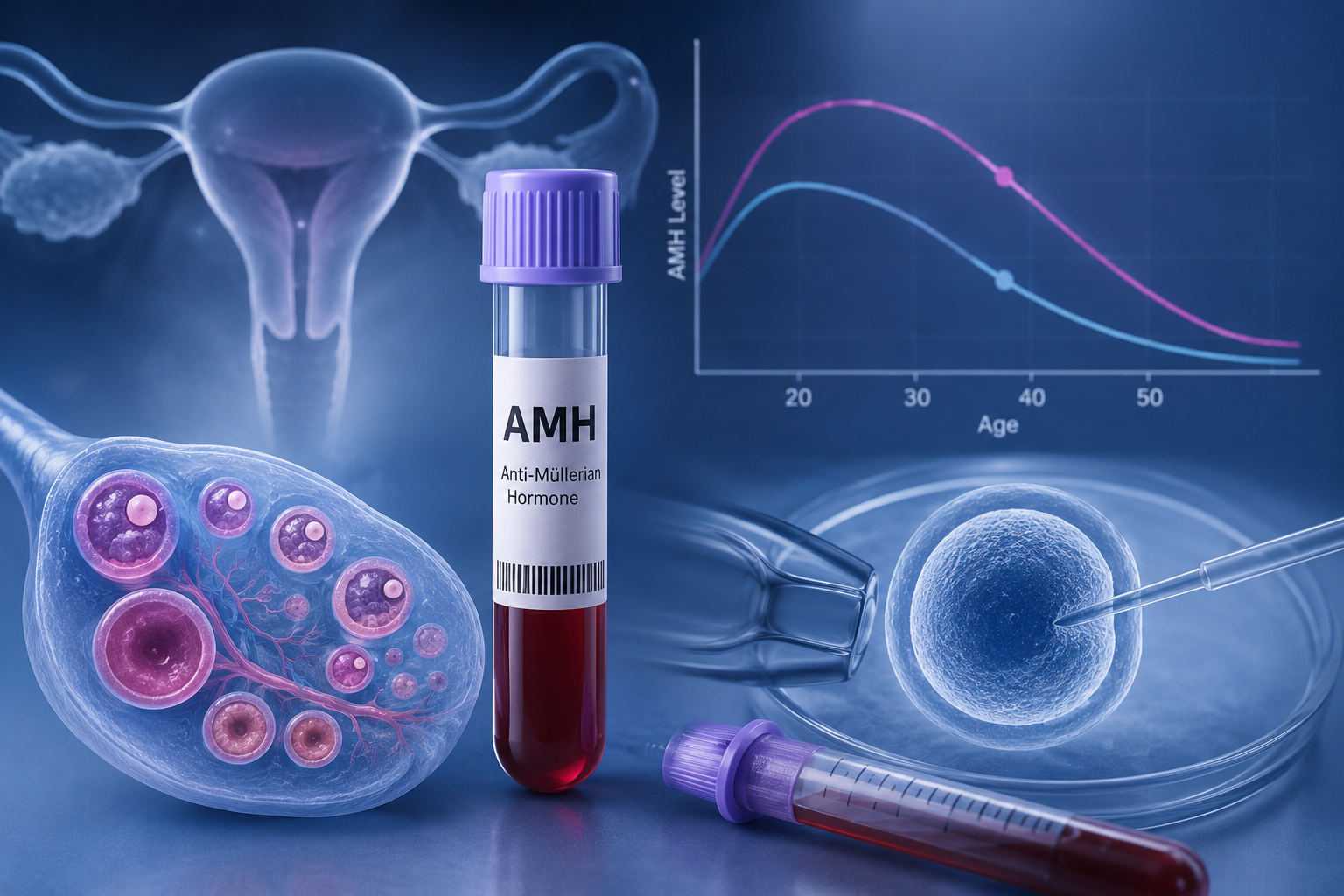
For many navigating the path of fertility treatment, the AMH (Anti-Müllerian Hormone) test has become a source of profound emotional weight. A single number can trigger tears of despair or a false sense of security. Yet, in modern reproductive medicine, we are increasingly wary of treating this metric as a “pregnancy possibility score.” AMH is…
-
“Deciphering the Ovarian Cyst”: Understanding When to Wait and When to Intervene
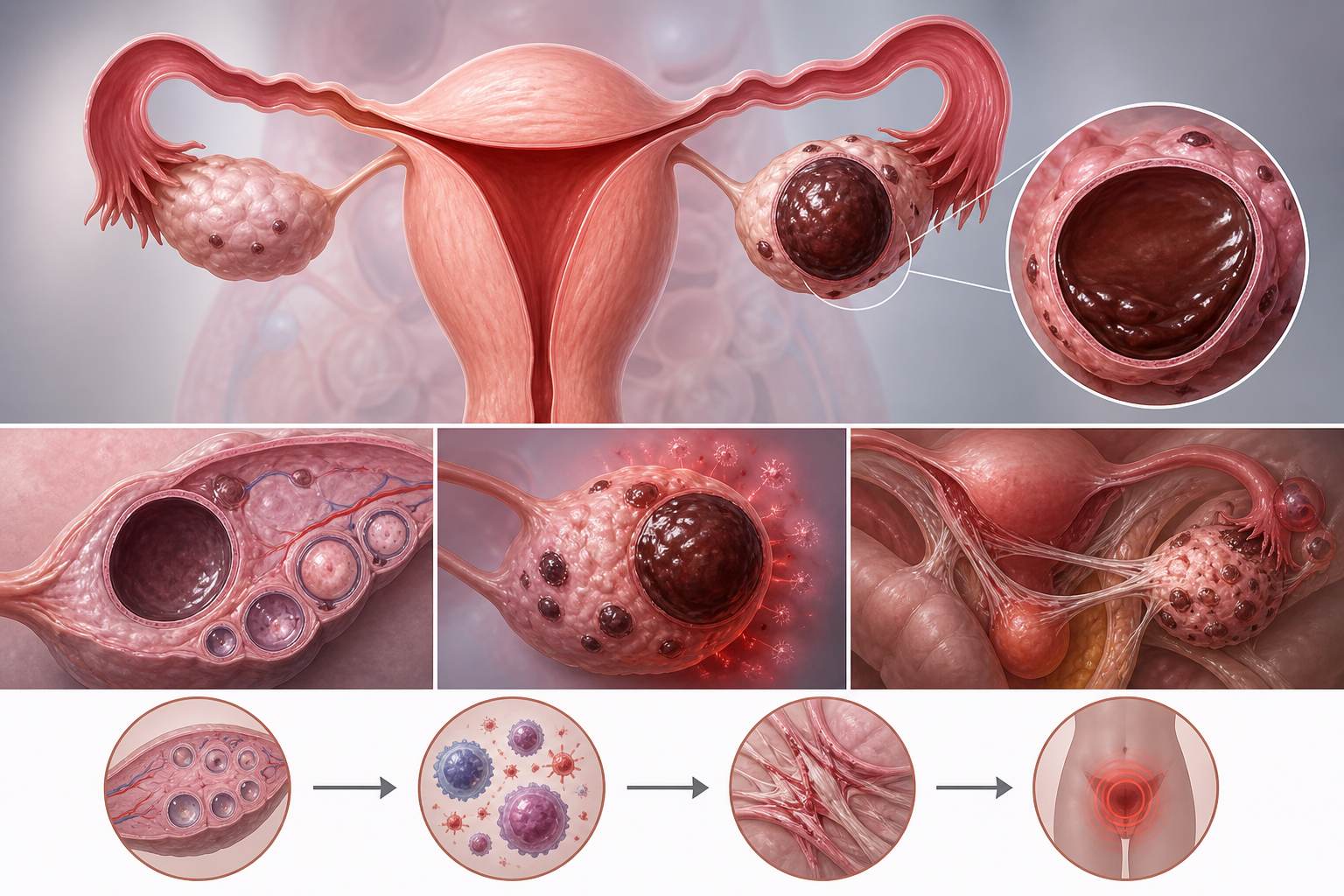
The word “cyst” on an ultrasound report often triggers an immediate alarm. Patients frequently fear the worst—malignancy—but in clinical practice, the vast majority of ovarian cysts are not cancerous. They are biological events, sometimes mere remnants of the ovary’s cyclical work. The challenge lies in distinguishing the benign “work-in-progress” from the pathological lesions that threaten…
-
“Adenomyosis vs. Leiomyoma”: Why Distinguishing Between These Uterine Conditions is Key to Fertility Success
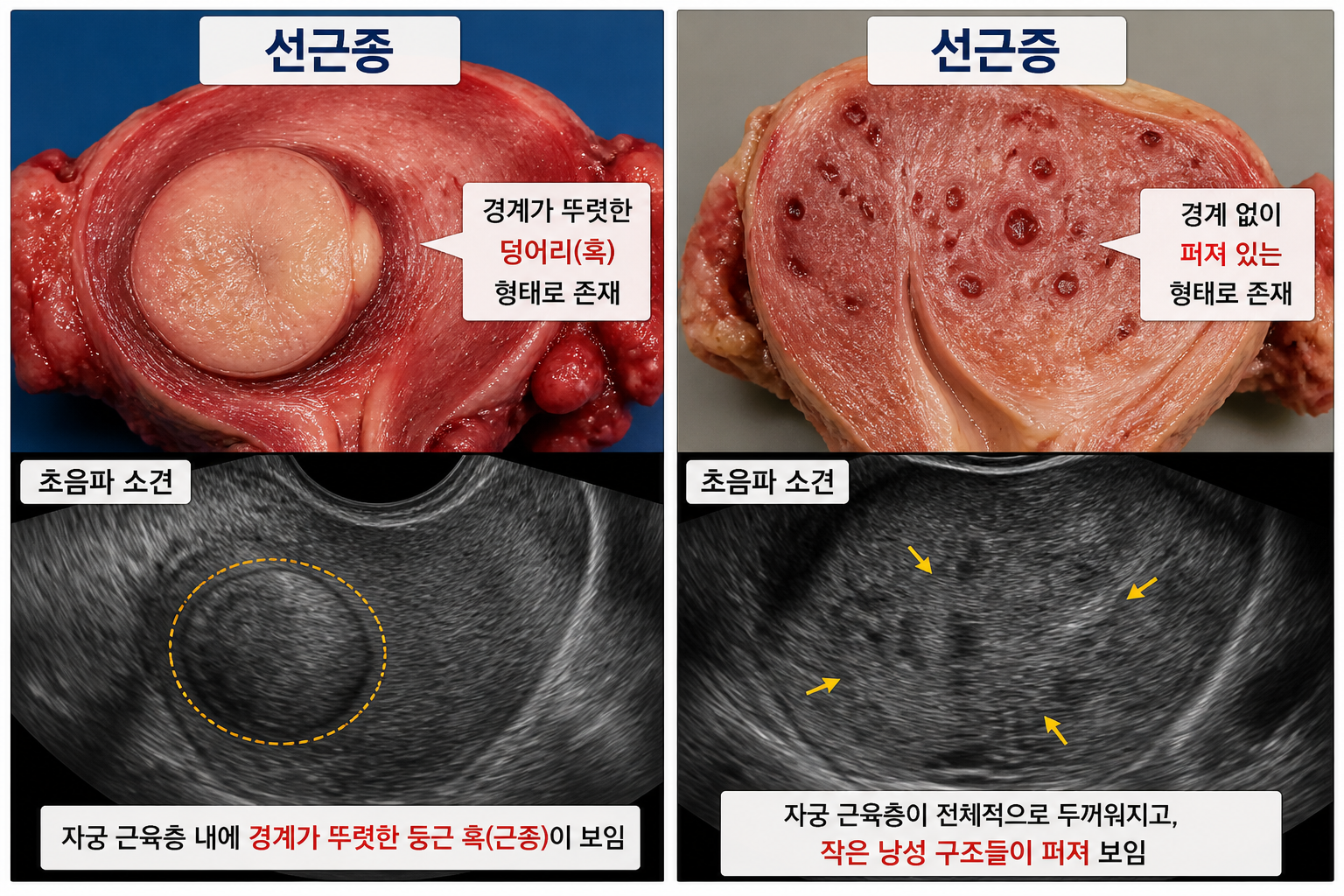
The terms “Adenomyosis” and “Leiomyoma” (commonly known as fibroids) are often lumped together due to their similar names and shared location. However, in a clinical setting, they follow entirely different paths. Failing to distinguish between these two conditions can lead treatment down the wrong path, costing patients their most valuable asset: time. The Structural Difference:…
-
“The Silent Alarm”: Why Irregular Cycles are a Warning from Your Entire Body
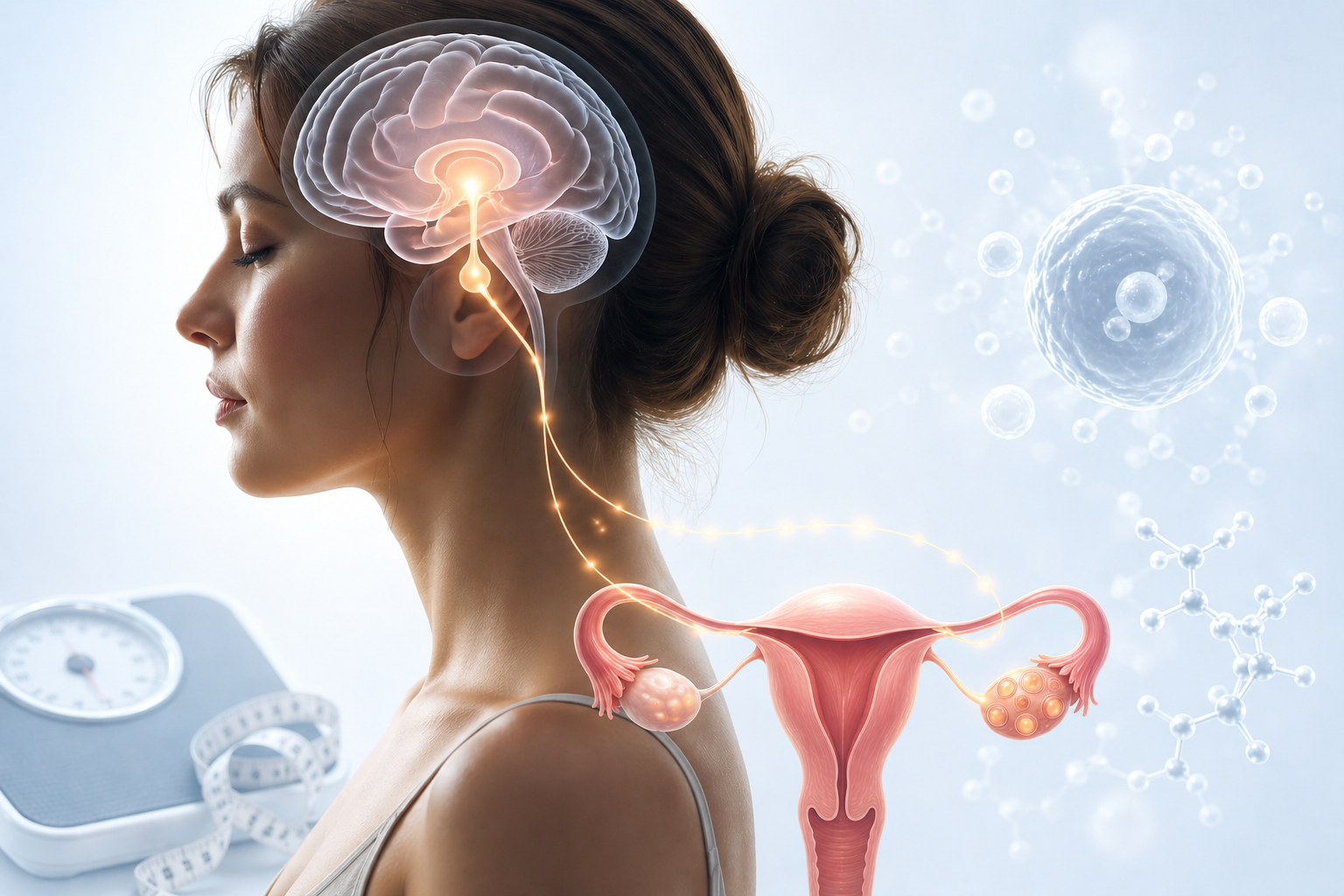
Ovulation is often perceived as a local event occurring within the ovaries. In reality, it is the grand finale of a complex, top-down communication network. The process begins in the hypothalamus of the brain, signals the pituitary gland to release FSH and LH, and only then does the ovary respond. When ovulation ceases or becomes…
-
“The Power Plant of Life”: Why Mitochondria, Not Just Chromosomes, Determine Embryo Success
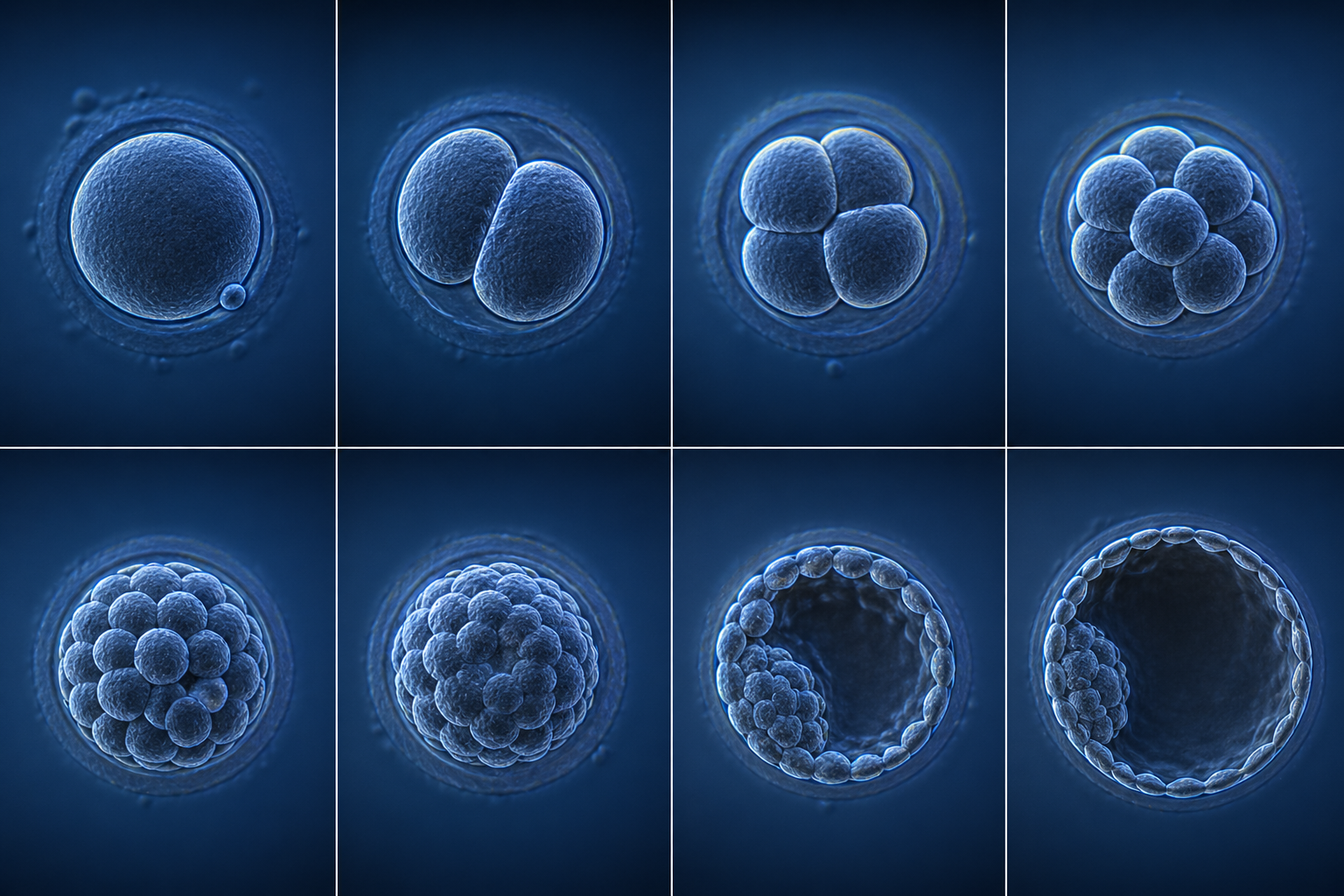
In reproductive medicine, we have long obsessed over the nucleus—the “blueprint” of the embryo (chromosomes and DNA). However, clinical experience repeatedly presents us with a frustrating paradox: a genetically normal embryo that simply fails to divide, stops growing, or refuses to implant. When the blueprint is perfect but the result is failure, we are often…
-
“The Metabolic Barrier to Conception”: How Blood Sugar Control Shapes Your Fertility
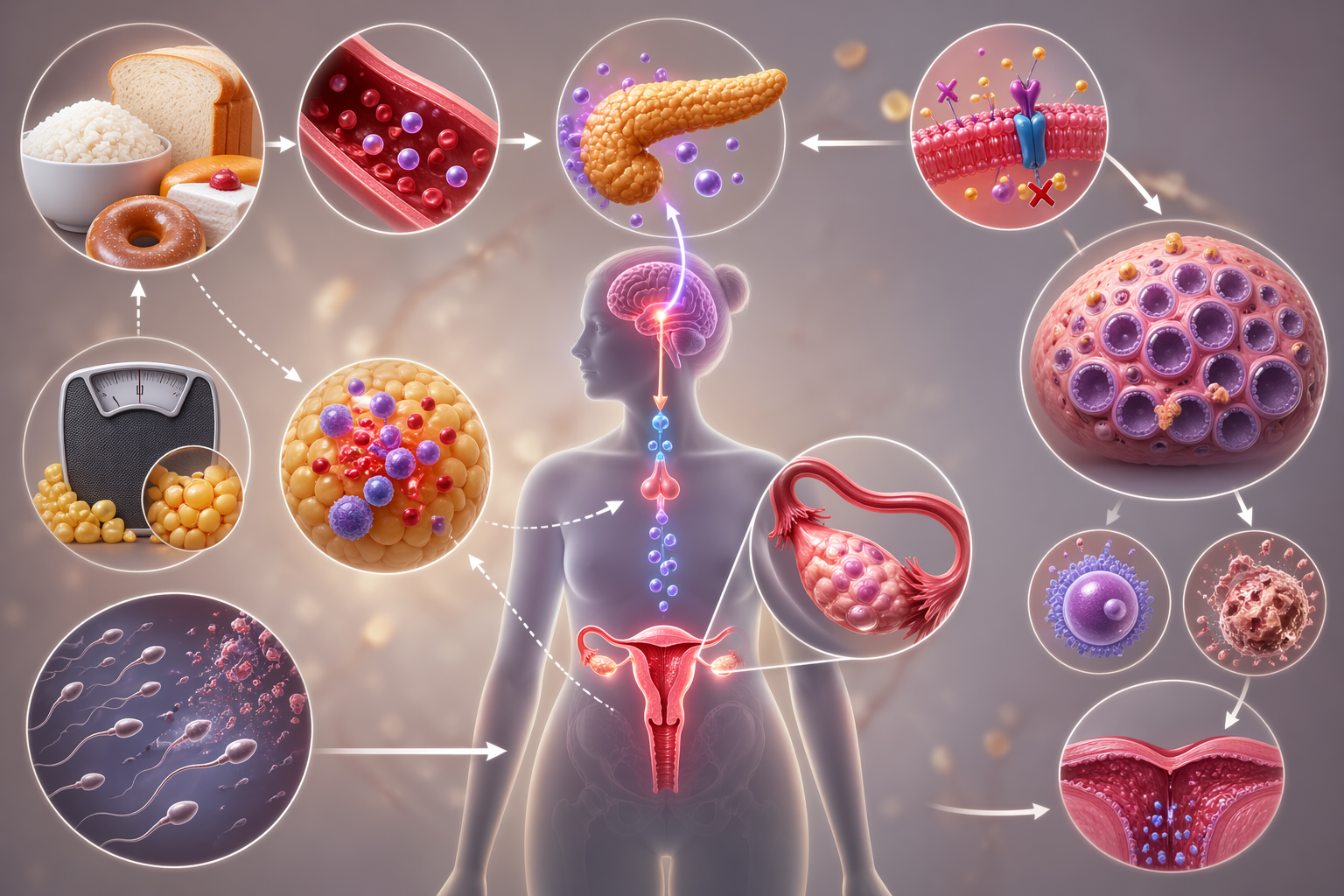
When couples struggling with infertility are advised to avoid high-glycemic foods, the recommendation often feels detached from the goal of getting pregnant. Yet, in modern reproductive endocrinology, metabolic health has emerged as a cornerstone of successful IVF and natural conception. The reason is simple: pregnancy is not an isolated ovarian event; it is the culmination…
-
“The Physiology of Hope”: Why Your Mental State is a Biological Variable in Fertility
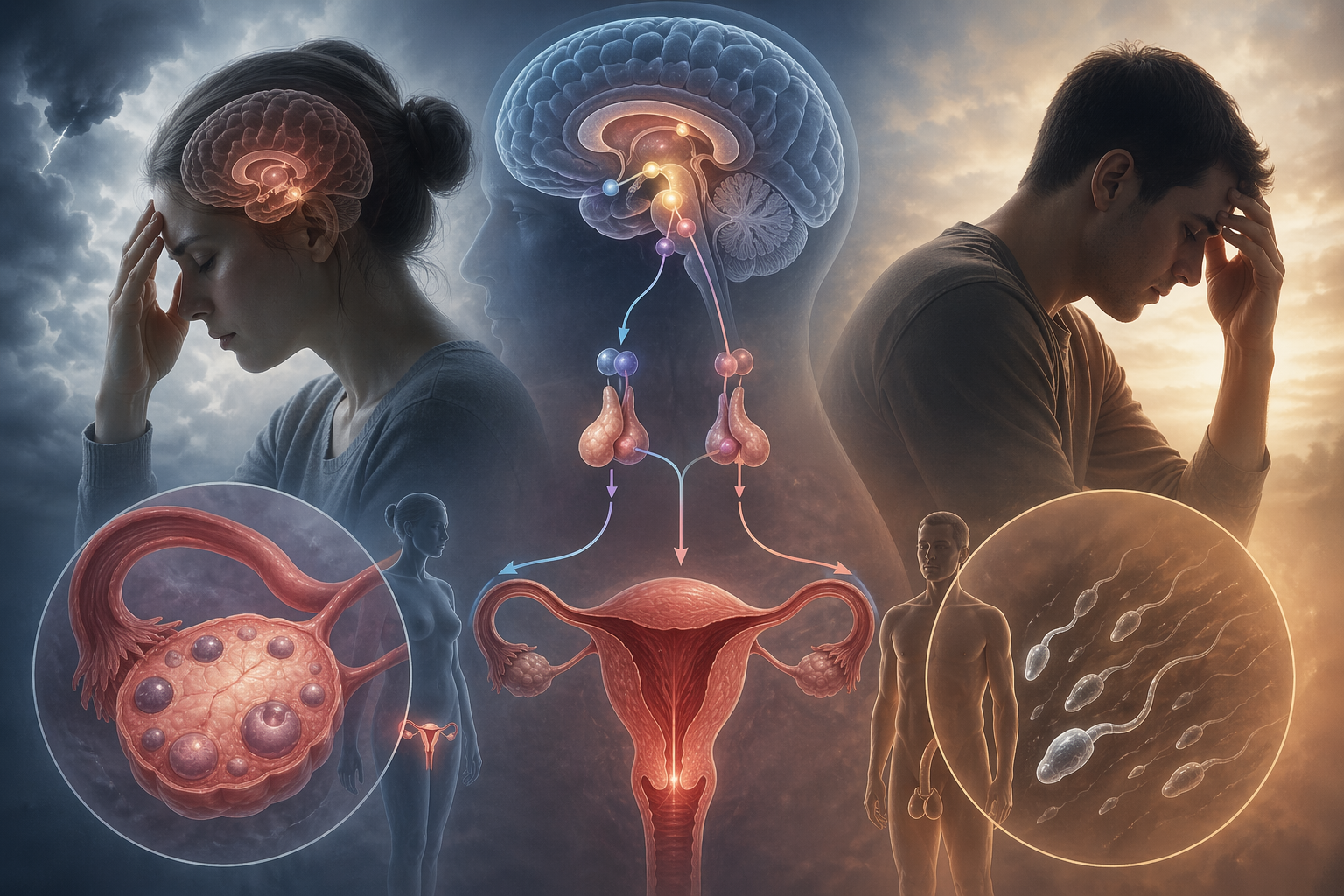
We often hear the frustratingly vague advice: “Just relax, and it will happen.” For those in the throes of infertility, this feels like an oversimplification. However, reproductive science suggests that this sentiment, while often delivered clumsily, is rooted in a physiological reality. Chronic stress and depression are not merely “feelings”; they are powerful biological signals…
-
“Navigating Turner Syndrome”: Balancing the Quest for Pregnancy with Cardiovascular Safety
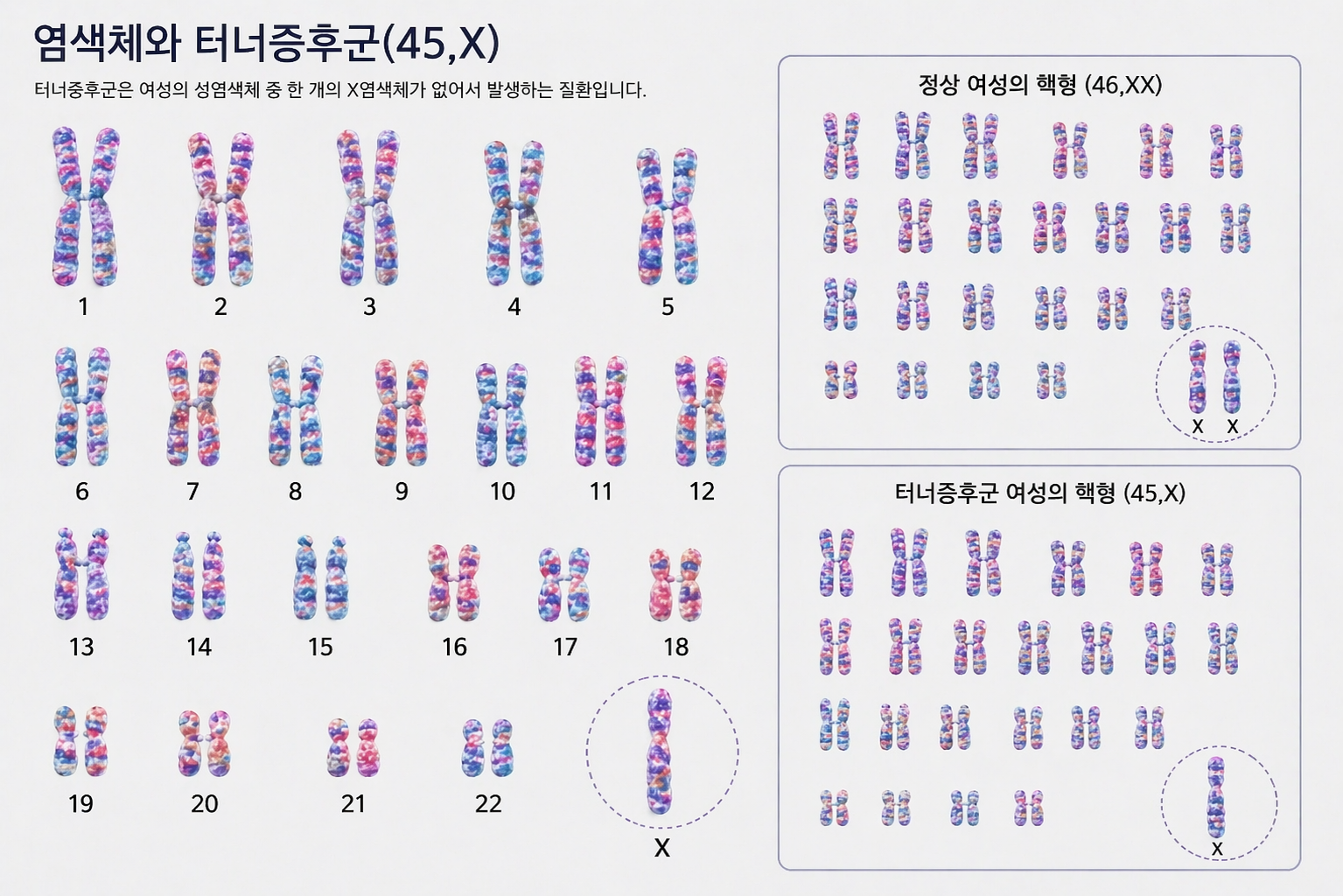
For many, a diagnosis of Turner Syndrome (45,X) comes as a profound surprise, often discovered only after facing the challenges of infertility. Because the condition can present with subtle physical signs, it is frequently misattributed to a “constitutional delay” in growth or development. However, the underlying chromosomal reality—the absence or partial deletion of an X…