
When we think of sexually transmitted infections (STIs), we often expect overt signals—pain, visible lesions, or distressing discharge. However, the most dangerous STIs are often those that leave no trail. Chlamydia trachomatis is the prime example. It is a highly prevalent bacterial infection, especially among young adults, that frequently operates in complete silence, slowly eroding a woman’s fertility from the inside out.
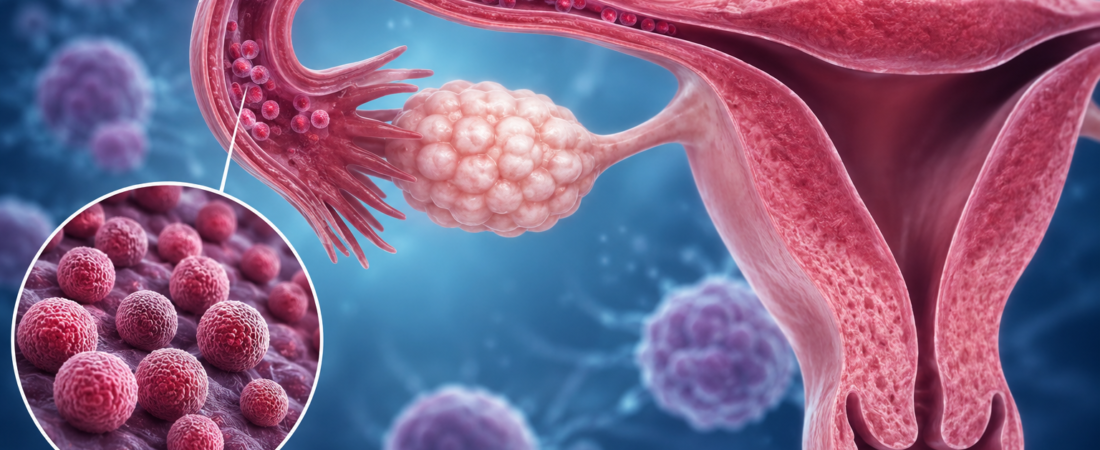
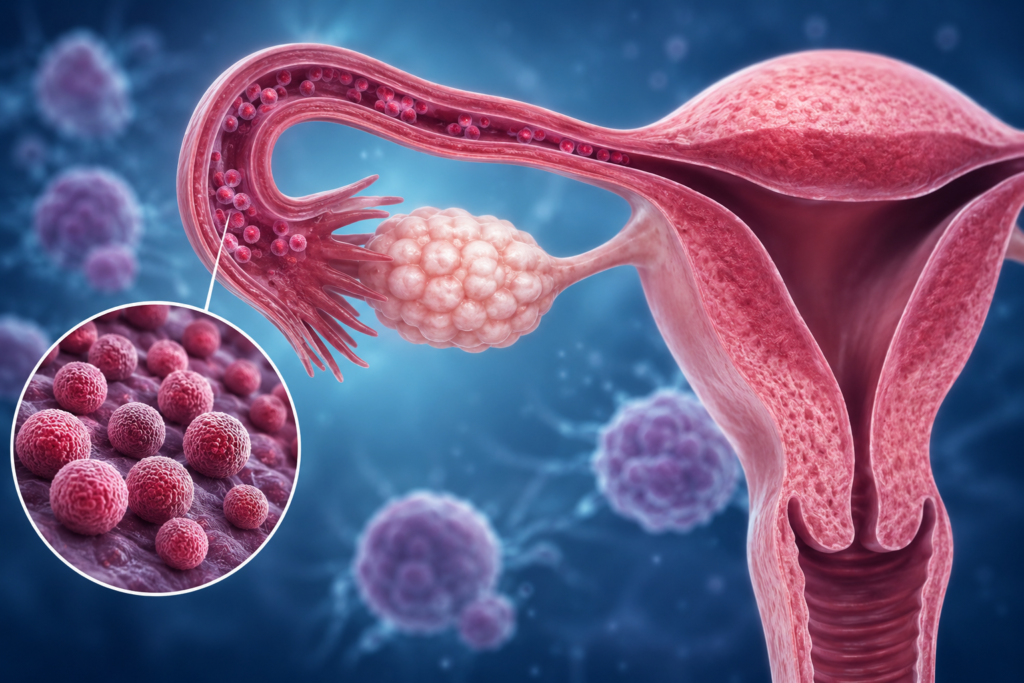
The Silent Siege on the Fallopian Tubes To understand the danger of Chlamydia, one must understand the Fallopian tube. It is not merely a passive conduit; it is the vital “meeting place” where fertilization occurs. The tube’s inner lining is covered in cilia—microscopic, hair-like projections that act like a conveyor belt, gently guiding the egg toward the sperm and, eventually, the fertilized embryo toward the uterus.
Chlamydia is notorious for its affinity for this delicate environment. When the infection migrates to the upper reproductive tract, it triggers inflammation. Because the infection is often asymptomatic or mild, the immune system’s battle against the bacteria causes collateral damage:
- Scarring and Adhesions: Recurrent or untreated inflammation causes the delicate tissue of the Fallopian tube to become rigid and scarred.
- Ciliary Loss: The cilia, the “conveyor belt” of the reproductive system, are destroyed. Even if fertilization occurs, the embryo may be unable to reach the uterus.
- Blockage: Over time, the tubes may become permanently blocked or narrowed, creating a physical barrier to conception.
The Life-Threatening Consequence: Ectopic Pregnancy The most severe risk of Chlamydia-induced tubal damage is ectopic pregnancy. When the Fallopian tube is partially scarred or blocked, a fertilized egg may become trapped within the tube instead of traveling to the uterus. This is not just a fertility issue; it is a medical emergency. If the embryo begins to grow within the tube, it can lead to tubal rupture and life-threatening internal hemorrhage.
The ‘Infertility Gap’ Many patients in fertility clinics are shocked to learn that their tubes are blocked despite having no history of significant gynecological illness. Often, clinical testing reveals the presence of Chlamydia antibodies—a “ghost” of a past infection they never knew they had. Years can pass between the initial asymptomatic infection and the eventual discovery of infertility, creating an “infertility gap” where the damage has already become irreversible.
Prevention and the Modern Misconception A dangerous trend in modern sexual health is the reliance on oral contraceptives as the sole protective measure. While birth control pills are highly effective at preventing pregnancy, they offer zero protection against bacterial STIs. Relying on pills while neglecting barrier methods like condoms leaves the reproductive tract vulnerable to silent infections like Chlamydia.
The Strategy: Screen, Don’t Wait The tragedy of Chlamydia is that it is easily treatable. If caught early, a simple course of antibiotics can eradicate the bacteria before permanent scarring occurs. The damage only becomes permanent once the “silent siege” has had time to manifest as structural scar tissue.
- Routine Screening: If you are under 30 or have had new sexual partners, routine Chlamydia screening should be a standard part of your health care, regardless of whether you have symptoms.
- Early Intervention: If you have been attempting natural conception for over a year without success, consult a fertility specialist. A check on tubal patency (the “openness” of your tubes) is a fundamental step in diagnosing unexplained infertility.
- IVF as a Solution: For those whose tubal damage is already established, IVF offers a path forward. Because IVF bypasses the Fallopian tubes entirely—facilitating fertilization in a controlled laboratory environment—it effectively circumvents the structural damage caused by past infections.
Conclusion: Protect Your Future Chlamydia is not just an STI; it is a fertility-altering event. The absence of symptoms does not equate to the absence of danger. By shifting our perspective from “treating symptoms” to “proactive screening,” we can protect the delicate architecture of the reproductive system. Your reproductive health is a long-term investment—ensure that you are not sacrificing your future for the sake of a silent infection.
Sources: CDC guidelines on Chlamydia screening; WHO reproductive health reports; clinical data on tubal factor infertility.
Disclaimer: This report is for informational purposes. If you have concerns about potential exposure to STIs or are experiencing difficulties with conception, please consult a gynecologist or fertility specialist for professional testing and guidance.