
Fertility News
Fertility News
Global fertility updates, research signals, policy shifts, and clinic-facing news collected in one place.
-
“Do ICSI and Ovarian Stimulation Leave Genomic Traces?… 24,000-Individual WGS Analysis Evaluates De Novo Mutations in ART Offspring”

“Do ICSI and Ovarian Stimulation Leave Genomic Traces?… 24,000-Individual WGS Analysis Evaluates De Novo Mutations in ART Offspring” Couples undergoing assisted reproductive technology (ART) often wonder whether invasive laboratory procedures—such as injecting a single sperm via Intracytoplasmic Sperm Injection (ICSI), ovarian stimulation protocols, and multi-day in vitro culture—leave detectable footprints on their child’s genome. A…
-
“Do High-Competence Embryos Reveal ‘Strings’?… Delicate Intra-Blastocoelic Bridges Associated with 1.88-Fold Higher Live Birth Odds”
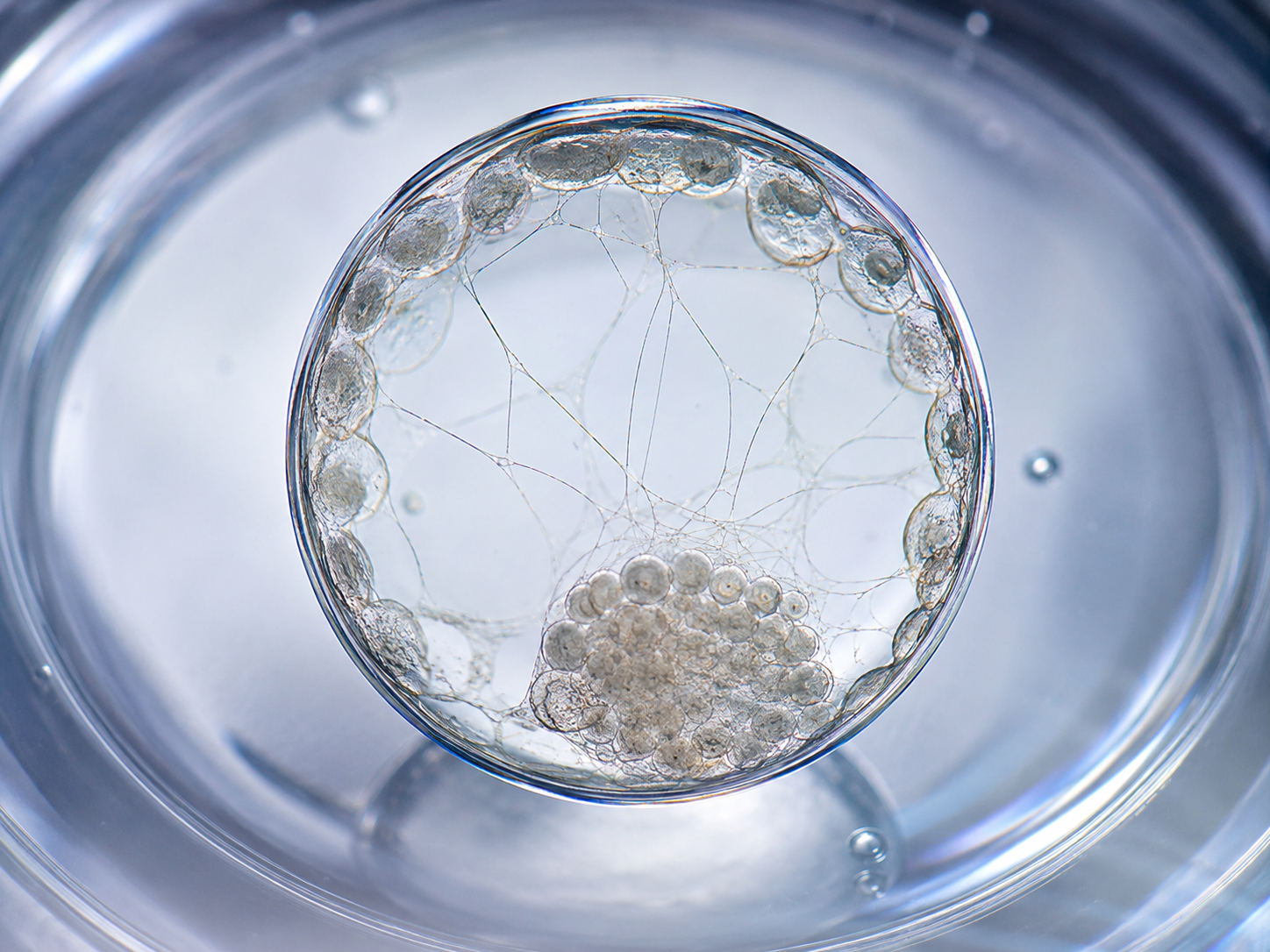
Prioritizing which embryo to transfer remains a central challenge in assisted reproductive technology (ART). Morphological grading systems (such as the Gardner scale) assess outward architecture, yet embryos with identical visual grades often exhibit divergent implantation and live birth outcomes. A systematic review and meta-analysis published in Human Reproduction Update (August 26, 2026) suggests that a…
-
“Failing Two or Three Times Is Not ‘Recurrent Implantation Failure’… ASRM Rewrites the Diagnostic Standard for RIF”

“Failing Two or Three Times Is Not ‘Recurrent Implantation Failure’… ASRM Rewrites the Diagnostic Standard for RIF” When an In Vitro Fertilization (IVF) patient experiences two or three unsuccessful embryo transfers, the label “Recurrent Implantation Failure (RIF)” is frequently applied. This diagnosis often triggers a sequence of unvalidated diagnostic tests and adjuvant interventions—including the Endometrial…
-
“Analyzing Chromosomes Without Biopsying the Embryo… PGT’s Question Shifts from ‘Should We Do It?’ to ‘For Whom Should We Do It?’”
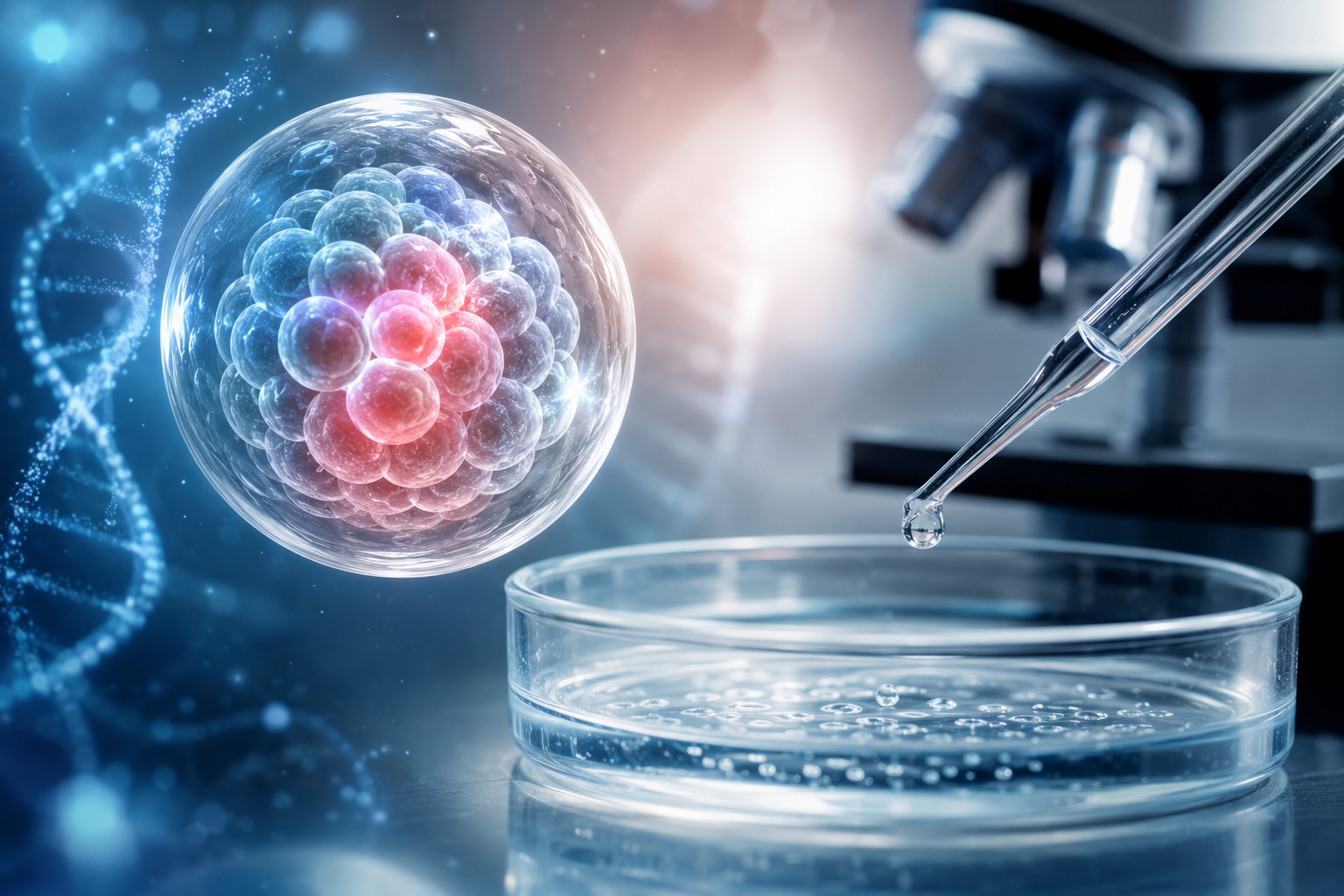
Preimplantation Genetic Testing for Aneuploidy (PGT-A) has historically relied on invasive trophectoderm (TE) biopsy, extracting 5 to 10 cells from a Day 5–6 blastocyst. However, reproductive medicine is approaching a dual turning point: the emergence of non-invasive cell-free DNA profiling (niPGT) and a fundamental shift from asking “Does PGT-A work?” to “Which specific patient phenotype…
-
“Frozen Embryo Transfer: Natural Cycles Showed Superiority… But the True Optimal Choice ‘Varies by Patient’”
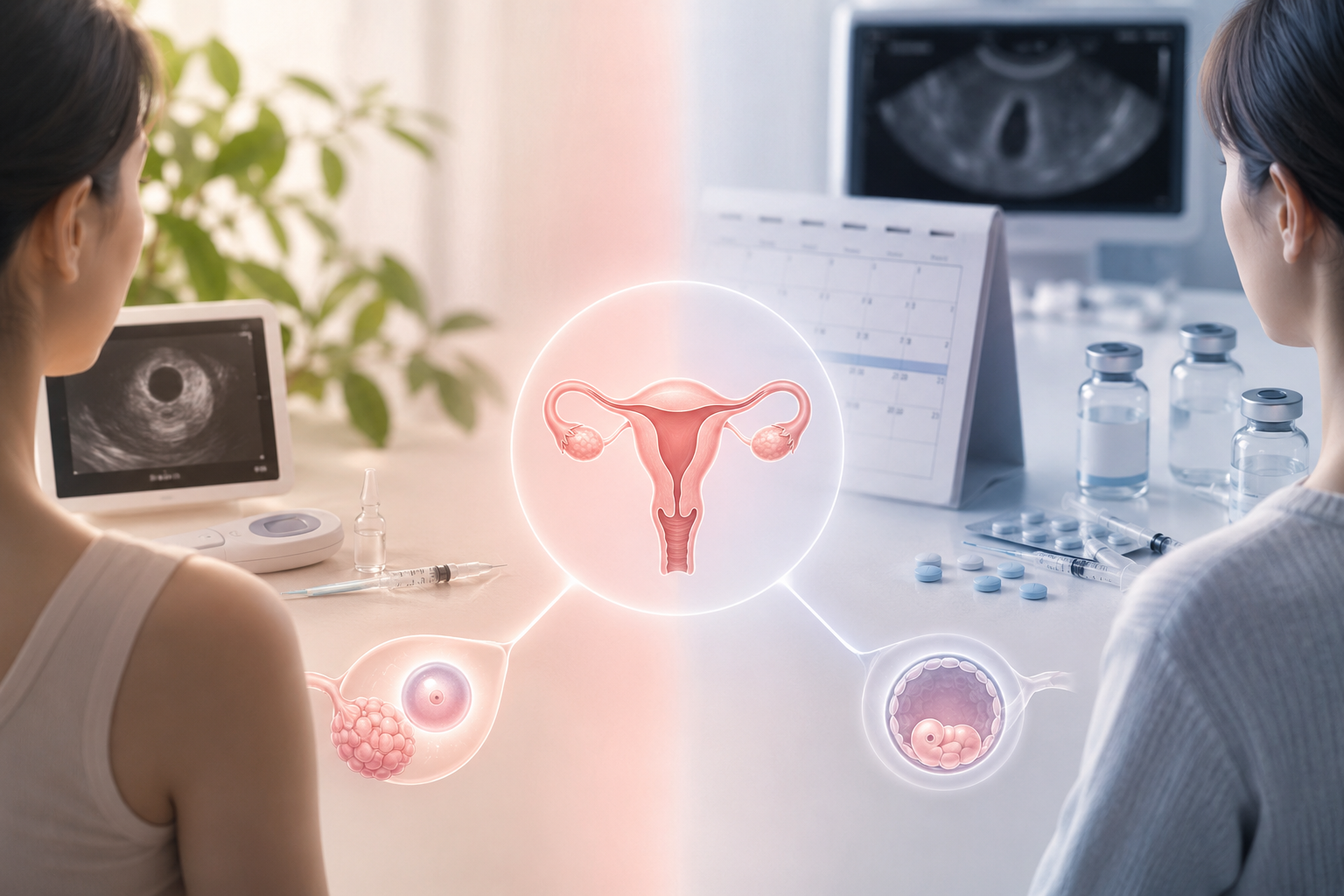
When planning a Frozen Embryo Transfer (FET), one of the primary clinical decisions is the choice of endometrial preparation protocol: utilizing the patient’s endogenous ovulatory cycle (Natural Cycle FET / NC-FET) or administering exogenous estrogen and progesterone to artificially program the window of receptivity (Artificial/Programmed Cycle FET / AC-FET). A systematic review and meta-analysis published…
-
“The Hidden Variable in IVF: ‘Culture Media’… Same Treatment, but Live Birth Rates Diverged by 6.5%p”

“The Hidden Variable in IVF: ‘Culture Media’… Same Treatment, but Live Birth Rates Diverged by 6.5%p” Even when identical eggs and sperm are fertilized under standard laboratory conditions, the liquid medium in which the resulting embryos are cultured can significantly alter the final chance of taking home a baby. While clinical focus in In Vitro…
-
“Why Does the Ovary Age?… When ‘Mitochondrial Clearance’ Stalls, Oocytes Senesce”
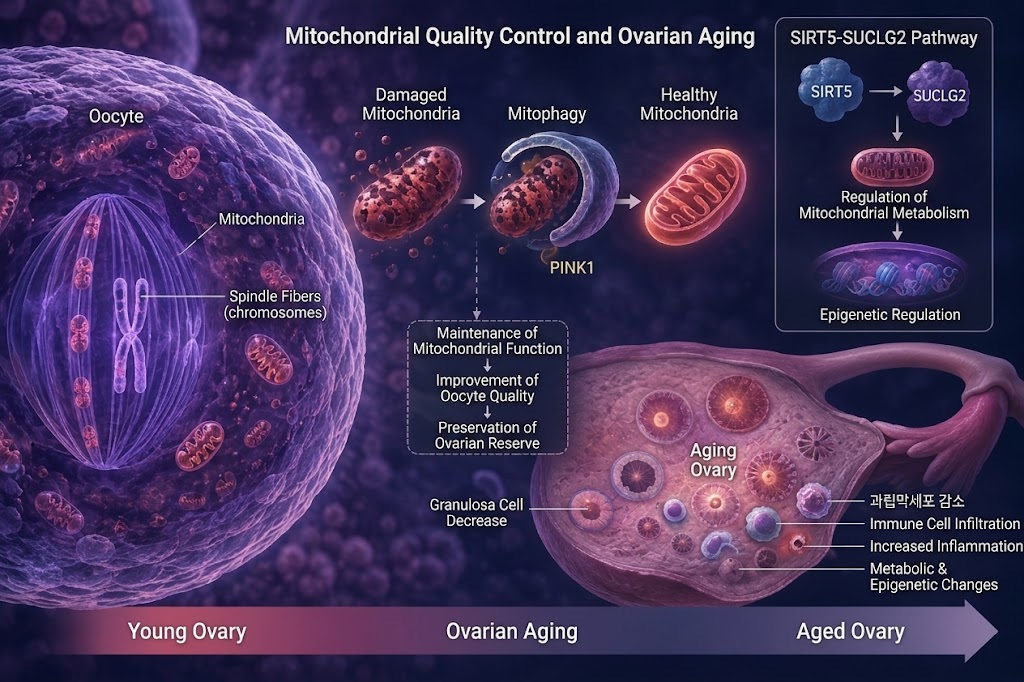
The human ovary exhibits an accelerated biological aging rate compared to other somatic organs. The traditional paradigm has long explained this through the finite exhaustion of primordial follicles until menopause. Recent research, however, reveals that ovarian aging is driven not merely by the passive depletion of oocyte inventory, but by the progressive breakdown of the…
-
“It Wasn’t Just the Egg Aging… The Ovary Stiffens with Age”
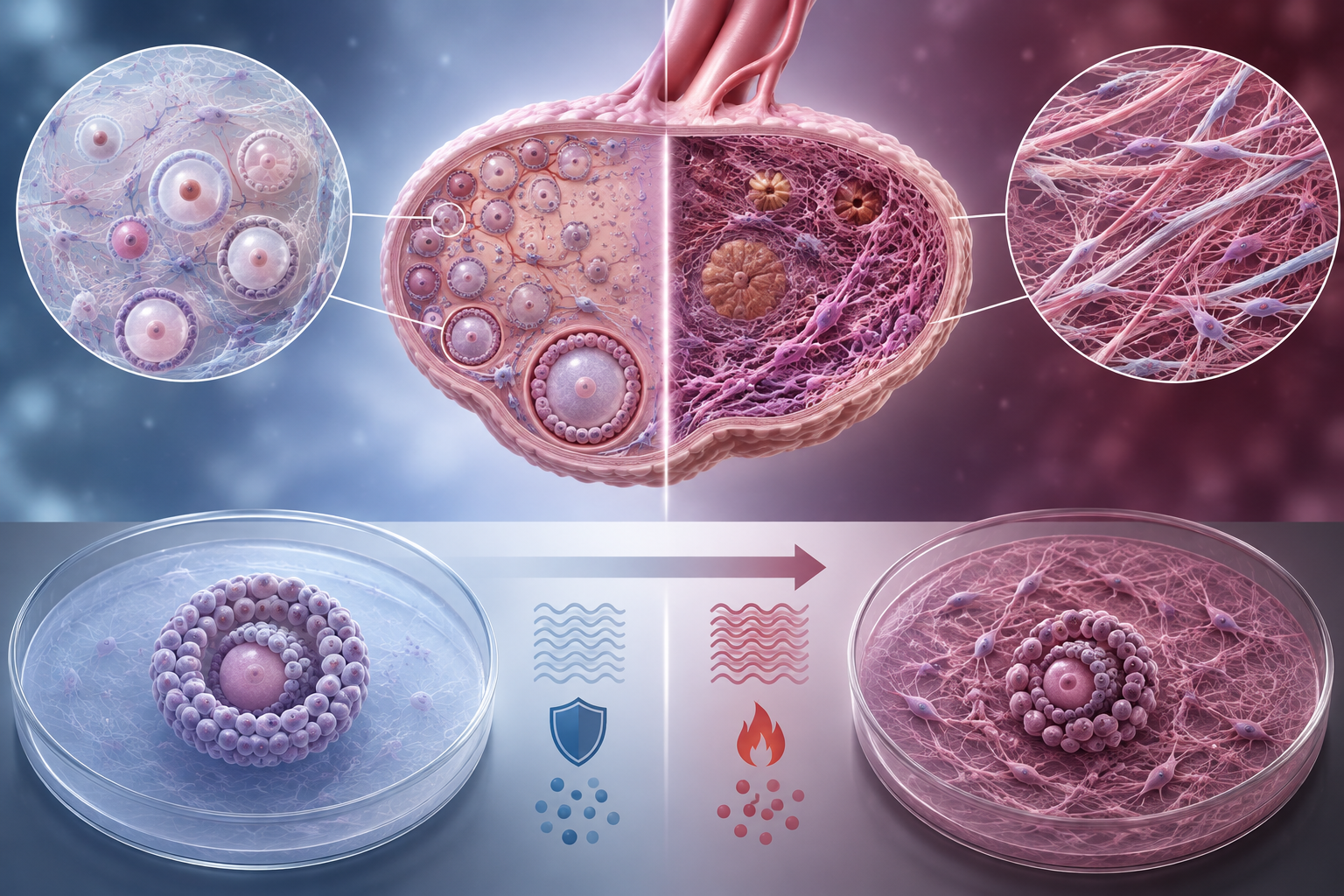
Age-related reproductive decline in women has long been defined by two primary metrics: the quantitative depletion of the primordial follicle pool and the qualitative decline in oocyte nuclear and mitochondrial competence. However, emerging research introduces a critical third dimension: the physical and mechanical aging of the ovarian tissue itself. Rather than serving as an inert…
-
“The Ovary Did Not Blindly Deplete Eggs… Uncovering the ‘Spatial Order’ of Ovarian Aging”
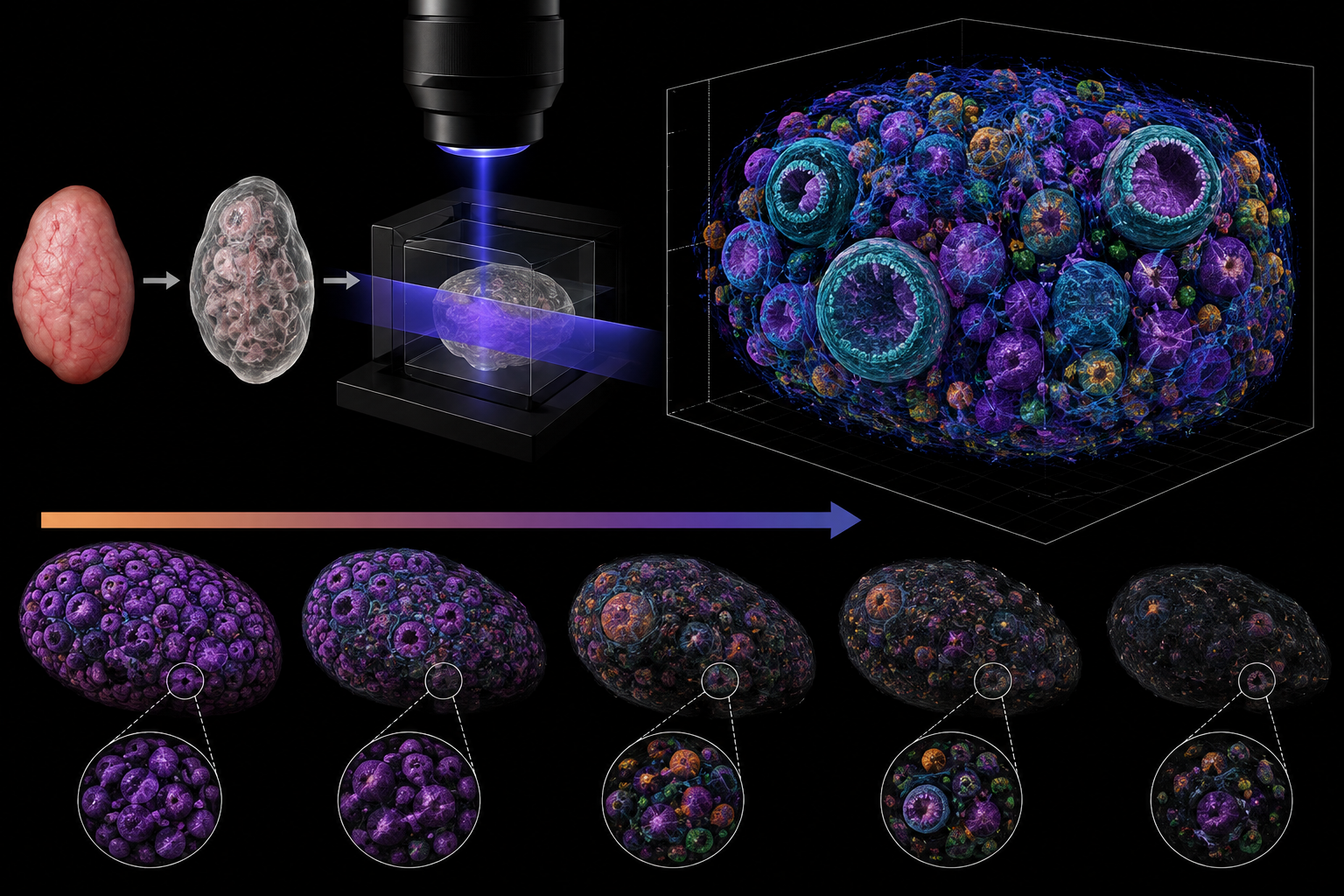
Does the female ovary simply lose stored eggs through passive, random attrition as age advances? A whole-organ imaging study has revealed a fundamentally different biological model. Even as the total oocyte pool declined steeply with reproductive age, the proportion of dormant oocytes transitioning into the active growth phase remained remarkably constant. This suggests that ovarian…
-
“Why Does Hydrosalpinx Lower IVF Success Rates?… ‘Inosine’ Identified as the Molecule Arresting Embryo Development”
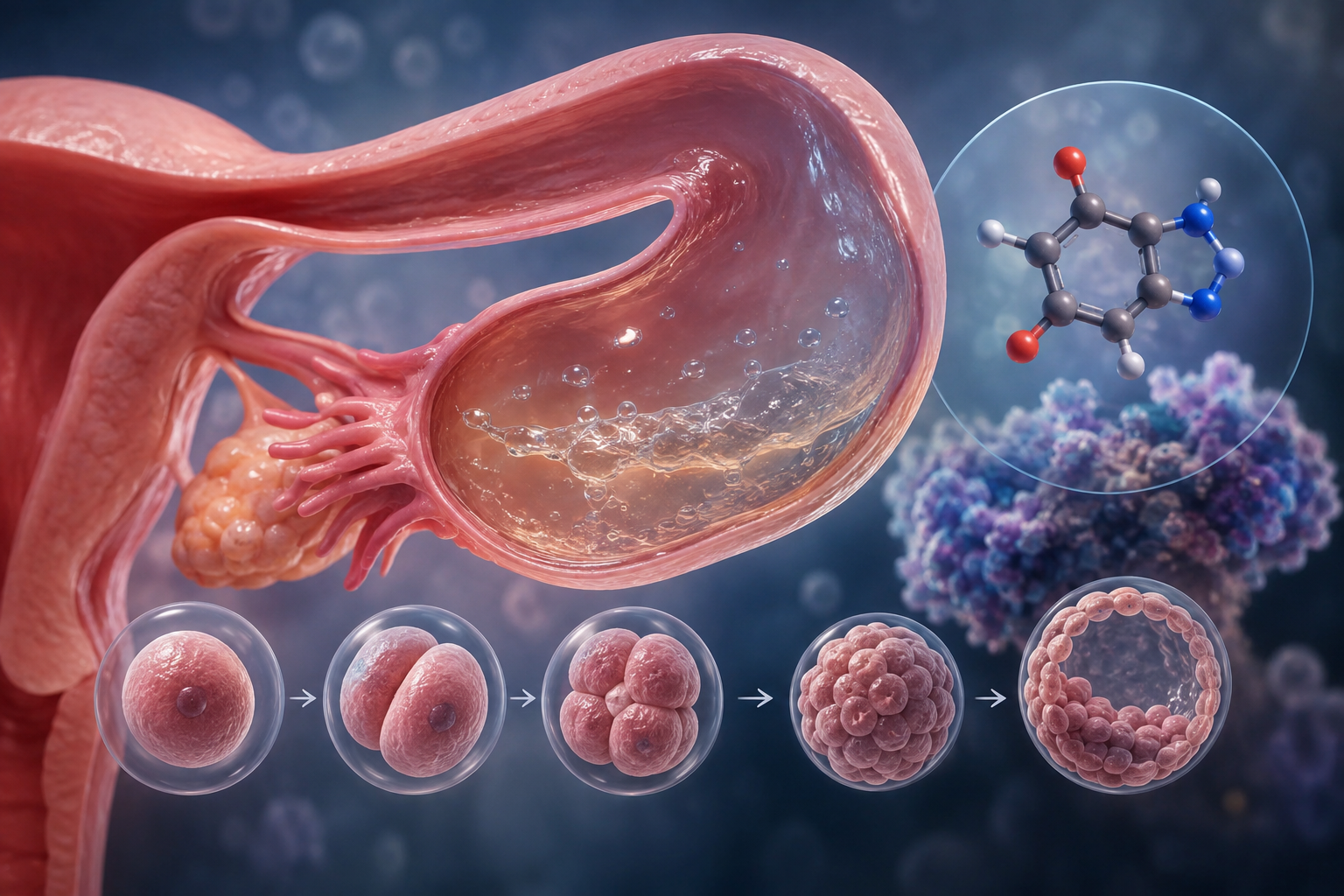
When a patient preparing for In Vitro Fertilization (IVF) is diagnosed with a hydrosalpinx (a fluid-filled, obstructed fallopian tube), clinicians frequently recommend laparoscopic salpingectomy or proximal tubal occlusion prior to embryo transfer. The prevailing clinical rationale has long focused on the mechanical backflow of toxic tubal fluid into the endometrial cavity, which physically flushes out…
-
“Even Chromosomally Normal Embryos Could Not Escape the Impact of Obesity… Early Pregnancy Loss Risk Up 19%”
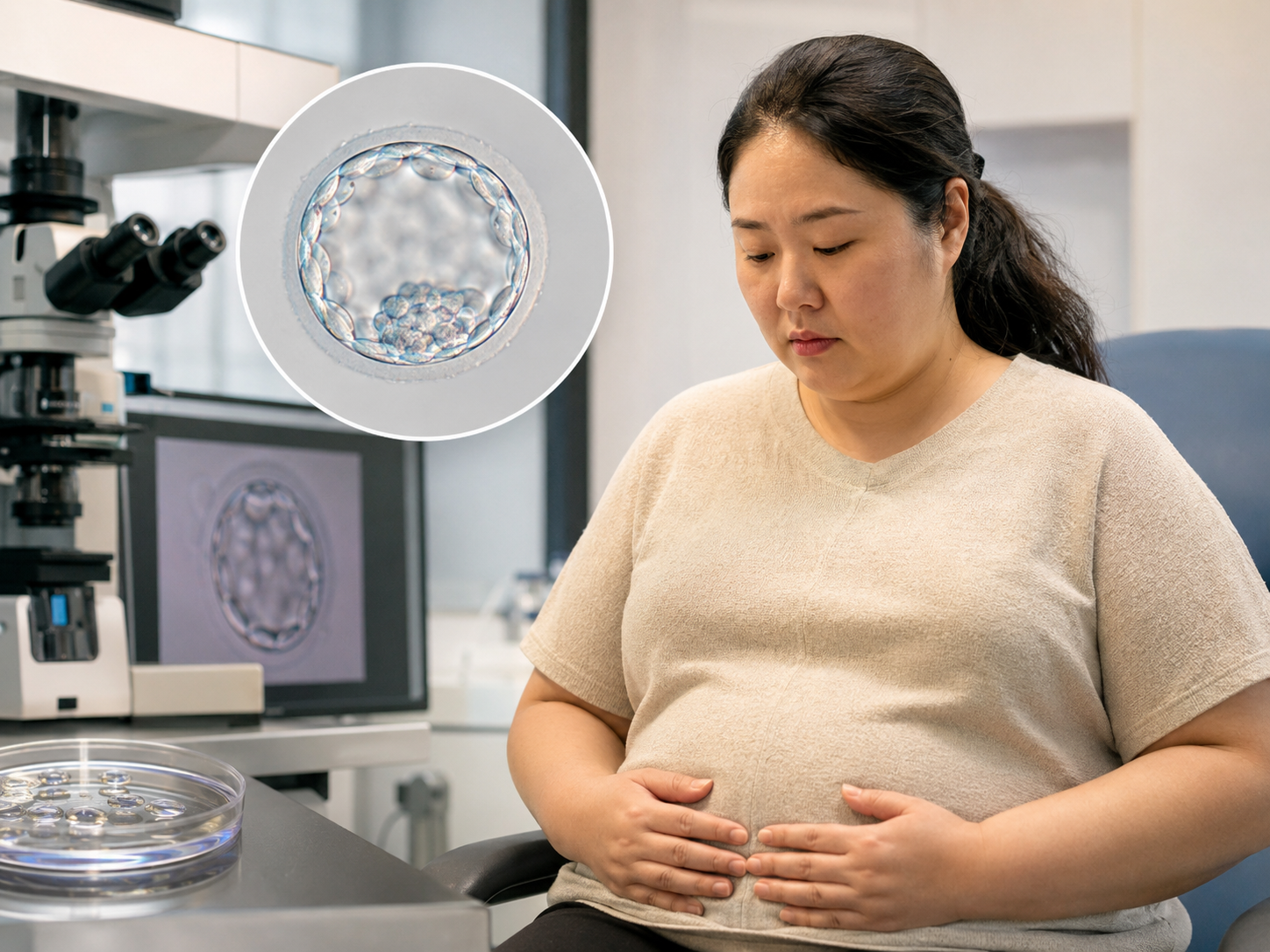
It is easy to assume that if an embryo is confirmed to be chromosomally normal, the risk of miscarriage is largely eliminated. Chromosomal aneuploidy is indeed the single leading cause of early pregnancy loss. However, a large-scale study demonstrates that even after controlling for embryonic chromosomal factors, maternal obesity independently affects the ability to maintain…
-
“AI Ranked Top at 68% in Embryo Selection… But Still Couldn’t See Chromosomes”
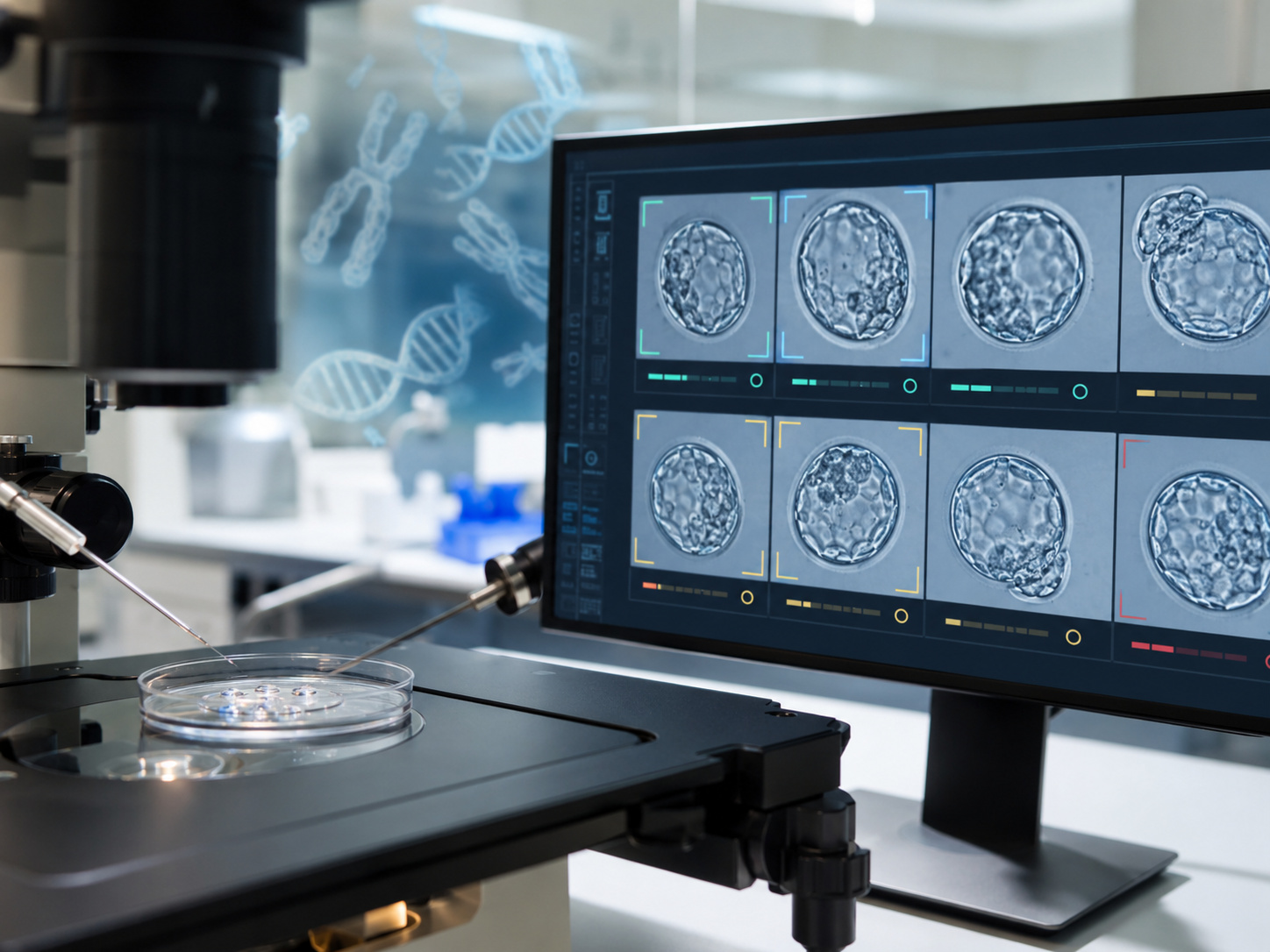
Artificial intelligence (AI) has demonstrated a slight advantage over traditional embryologist visual grading when ranking embryos for transfer in In Vitro Fertilization (IVF). However, no matter how sophisticated image and morphokinetic analyses become, AI has not reached the threshold of determining whether an embryo possesses normal chromosomes. A study published online on August 3, 2026,…