
Fertility News
Fertility News
Global fertility updates, research signals, policy shifts, and clinic-facing news collected in one place.
-
“A Battery of Tests and Injections After Two or Three Failed Transfers?… ASRM Cites ‘Lack of Evidence’”

“A Battery of Tests and Injections After Two or Three Failed Transfers?… ASRM Cites ‘Lack of Evidence’” The clinical practice of immediately diagnosing a patient with Recurrent Implantation Failure (RIF) after one or two unsuccessful embryo transfers—and subsequently ordering a battery of tests including the Endometrial Receptivity Analysis (ERA), endometrial scratching, immunological panels, intravenous lipid…
-
“Infusing PRP into Thin Endometrium Thickened It by 0.95 mm… But Childbirth Rates Did Not Rise”
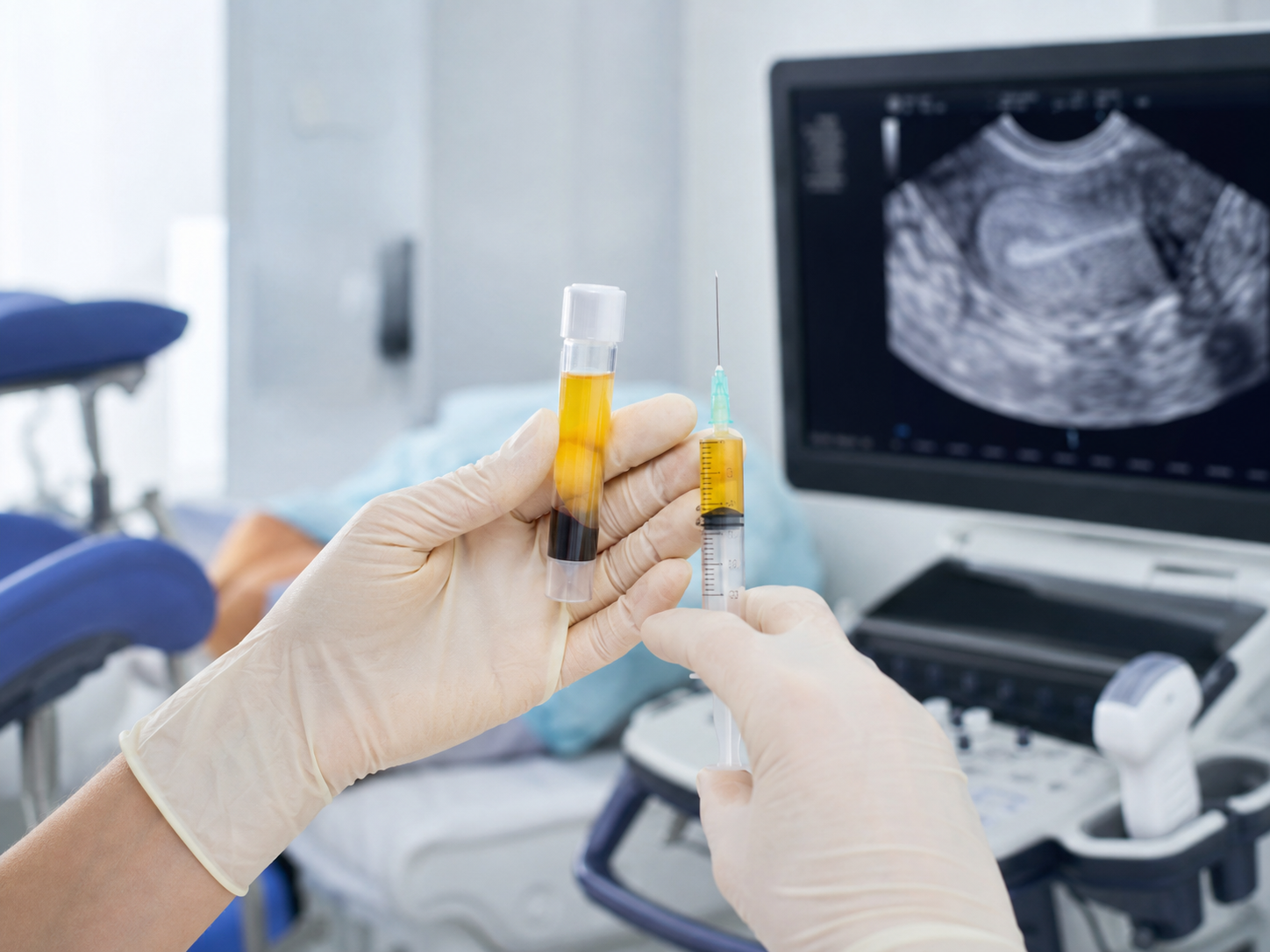
“Infusing PRP into Thin Endometrium Thickened It by 0.95 mm… But Childbirth Rates Did Not Rise” “Your uterine lining is too thin; we need to postpone the transfer again.” For patients undergoing In Vitro Fertilization (IVF), endometrial thickness is a sensitive and stressful metric. Even when high-grade embryos are available, an insufficiently developed endometrium often…
-
“Diagnosed with ‘Recurrent Implantation Failure’ After a Single Failed Euploid Transfer?… Cumulative Live Birth Reaches 92% by the Third Transfer”
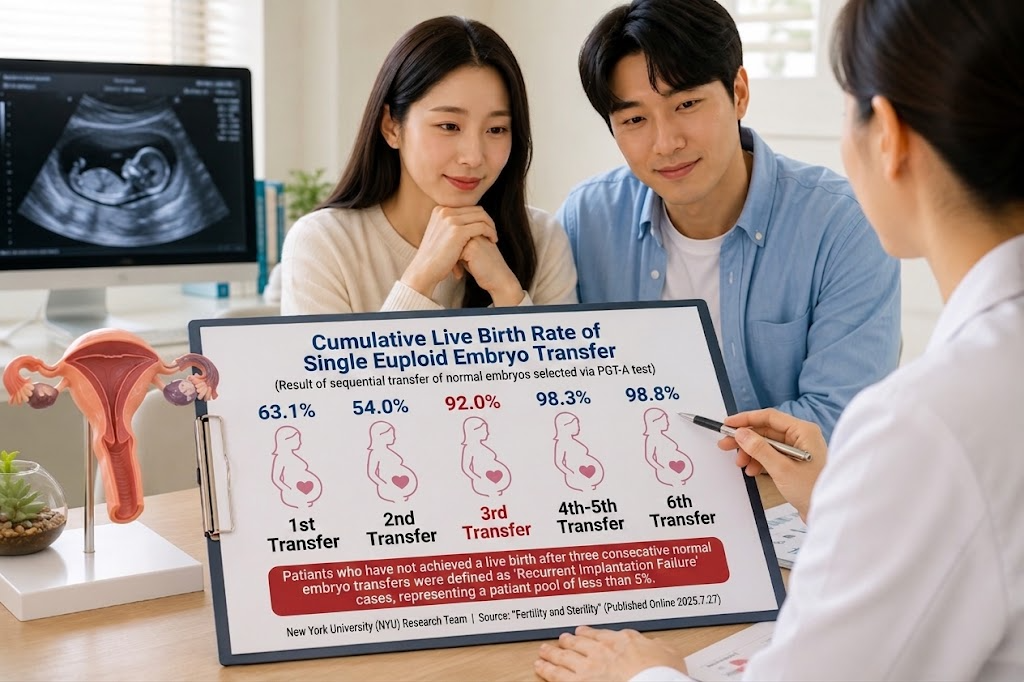
When an embryo confirmed to be chromosomally normal fails to implant during In Vitro Fertilization (IVF), patients are understandably shaken. Questions quickly arise: “Why did a normal embryo fail to implant?”, “Is there an underlying uterine pathology?”, or “Should I get tested for recurrent implantation failure?” This often leads couples to pursue extensive immunological panels…
-
“More Boys from Frozen Embryo Transfers?”… What Tens of Thousands of IVF Cycles Reveal About the Offspring Sex Ratio

“More Boys from Frozen Embryo Transfers?”… What Tens of Thousands of IVF Cycles Reveal About the Offspring Sex Ratio “Frozen embryo transfers produce more sons.” This is a long-standing anecdotal claim shared among patients undergoing In Vitro Fertilization (IVF). As personal accounts of having boys after frozen-thawed embryo transfers (FET) accumulated, it gradually evolved into…
-
“Atosiban 30 Minutes Before Transfer… Clinical Pregnancy Jumps from 38% to 58% in 100-Patient Trial”
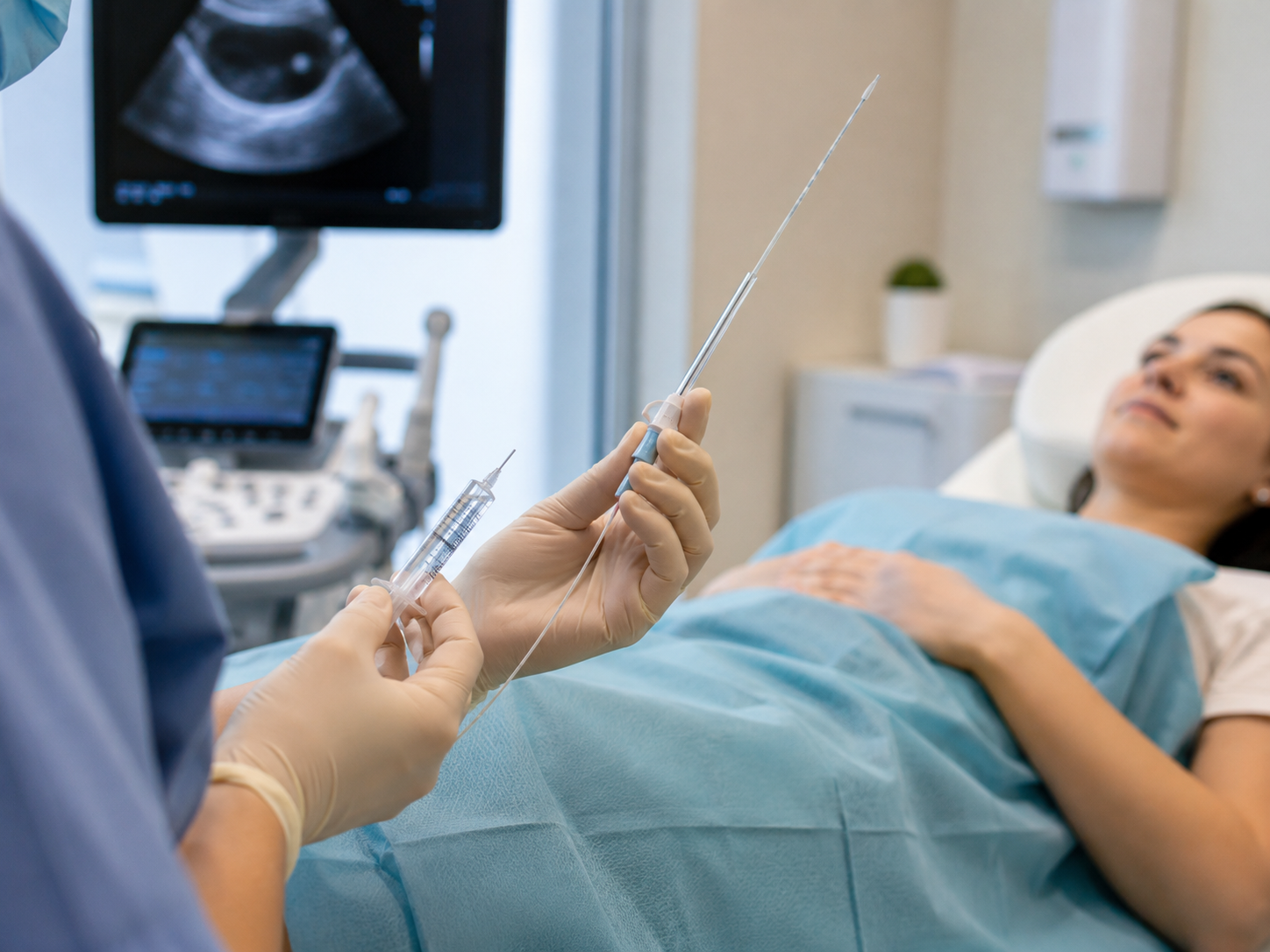
Can temporarily dampening uterine contractility immediately prior to embryo transfer enhance implantation rates in In Vitro Fertilization (IVF)? Results from a randomized controlled trial (RCT) indicate that administering atosiban—a uterine contraction inhibitor—30 minutes before a Frozen Embryo Transfer (FET) increased the clinical pregnancy rate to 58%, compared to 38% in the untreated control group. While…
-
“Only 1 Embryo: Should You Cultivate It to Day 5?… 11,163 Patients Upend the ‘Blastocyst Dogma’”
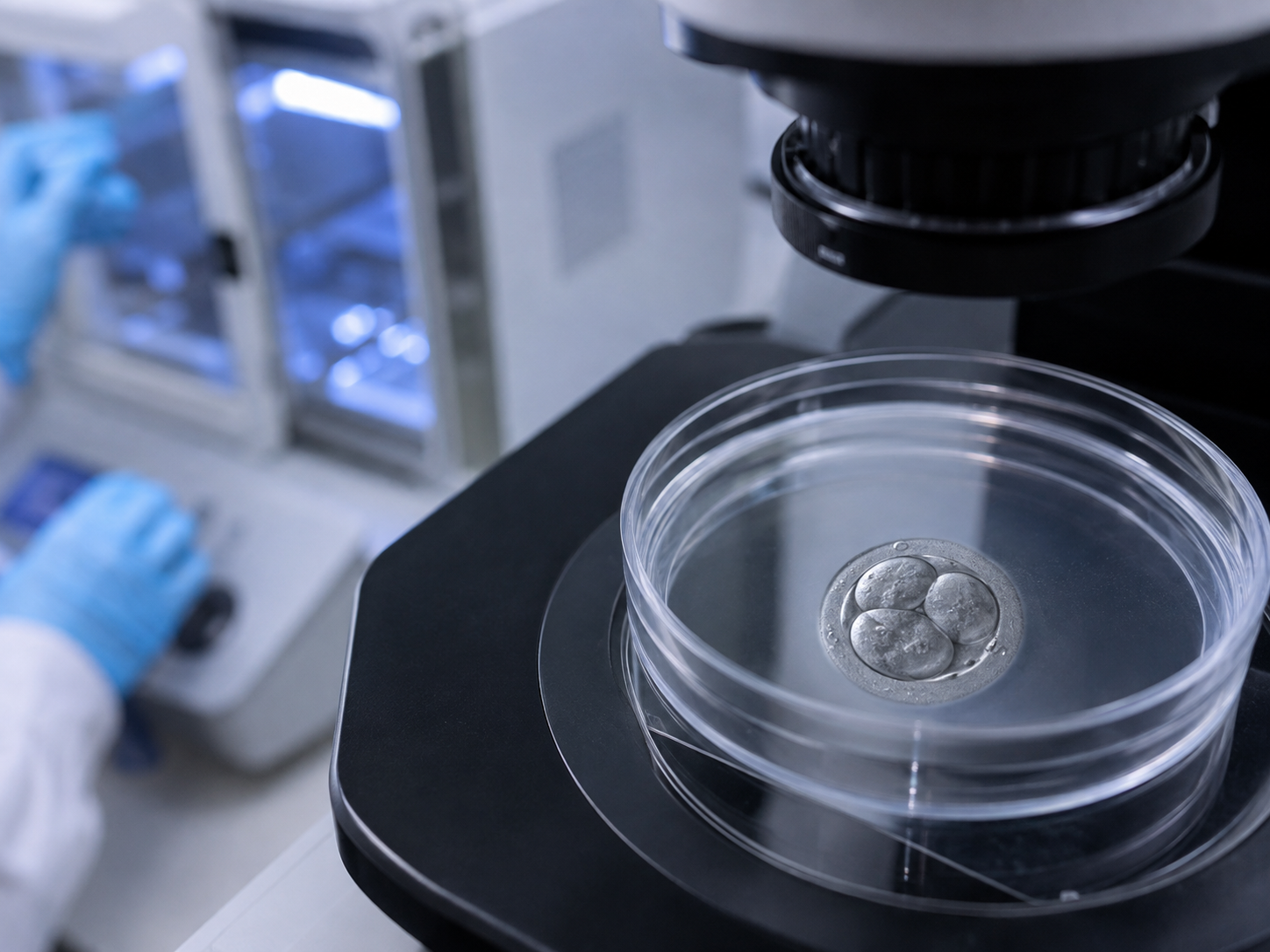
“I only have one fertilized egg. Should we still push it to Day 5?” For patients undergoing In Vitro Fertilization (IVF), this is a critical dilemma. When multiple embryos are available, extended culture to Day 5 or 6 allows embryologists to select the most developmentally competent blastocyst. However, when only a single normally fertilized egg…
-
“Does the Anti-Aging Supplement NMN ‘Rejuvenate Eggs’?”
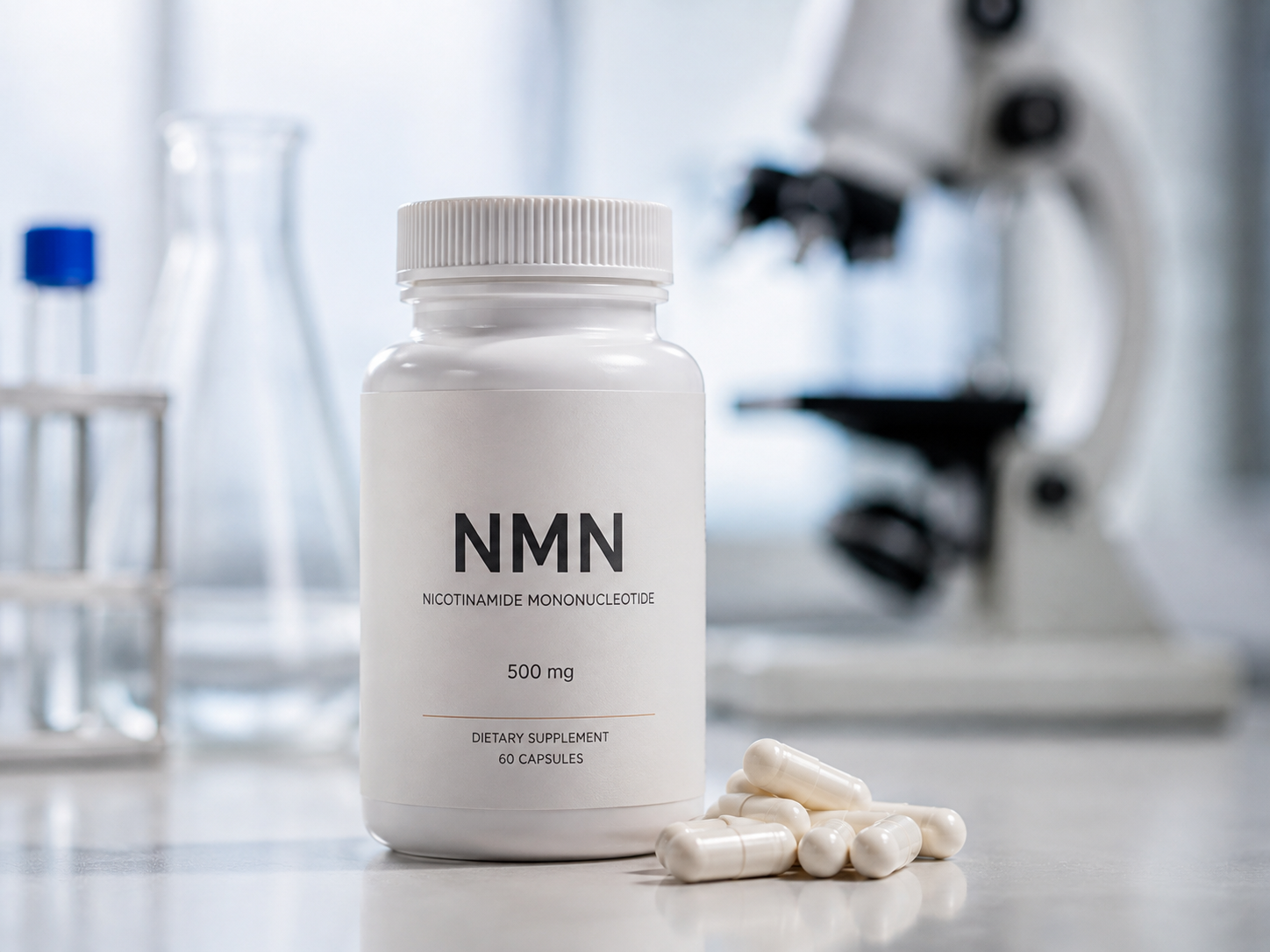
For women facing advanced maternal age and diminished ovarian reserve, the search for supportive therapies is ongoing. While supplements like Coenzyme Q10 (CoQ10) and DHEA have long been commonly used, NMN (Nicotinamide Mononucleotide) has recently gained attention as a prospective anti-aging adjuvant. NMN is a direct precursor to NAD+ (Nicotinamide Adenine Dinucleotide), a critical coenzyme…
-
“Is a High-Quality Embryo All It Takes?… Embryo Transfer Also Relies on Physician ‘Manual Skill’”

Patients undergoing In Vitro Fertilization (IVF) are acutely sensitive to embryo grading. They scrutinize whether an embryo is Day 5 or Day 6, check morphology grades, and celebrate passing PGT-A screening. Yet, every painstakingly cultivated embryo must ultimately clear one final clinical hurdle: the embryo transfer (ET). At first glance, an embryo transfer appears straightforward.…
-
“Why Did a PGT-A Euploid Embryo Miscarry?”… The Pitfall of the Word ‘Normal’

Estimating Chromosomal Status from a Subset of Blastocyst Cells… Not an Evaluation of the Entire Embryo Case Reports of Mosaicism Detected in Conception Products Following ‘Normal’ PGT-A Diagnosis Small Genetic Variants, Uterine, and Placental Factors Remain Beyond PGT-A’s Reach “It is a PGT-A euploid embryo.” For patients undergoing in vitro fertilization (IVF), few findings bring…
-
“Checking Chromosomes Without Touching Embryos?… Hidden Information in a ‘Single Drop of Culture Medium’”

Attempting to Discriminate Euploidy from Aneuploidy by Analyzing ‘Metabolic Footprints’ Consumed and Excreted by Embryos 92% Accuracy on Day 3 and 83% on Day 5… “Premature to Replace PGT-A; A Small-Scale Pilot Study” In In Vitro Fertilization (IVF), verifying whether an embryo possesses normal chromosomes traditionally requires biopsying a small cluster of cells from the…
-
“Culture Medium: Just as Critical as Eggs and Sperm in IVF”
Cumulative Live Birth Rates Differ by Culture Medium: 41.0% vs. 34.5% Multicenter Randomized Controlled Trial Across 5 Dutch Fertility Centers Analyzes 1,013 IVF Patients CSCM Group 41.0% vs. G5 Group 34.5%… Disparities Also Seen in Fertilization and Usable Embryo Rates Adjusted Analysis at p = 0.057… Premature to Conclude That Culture Medium Conclusively Drives Up…
-
“Immature Eggs Mean It’s Over?”… Cultivating Them One More Day Led to Normal Embryos and Even a Healthy Baby

“Immature Eggs Mean It’s Over?”… Cultivating Them One More Day Led to Normal Embryos and Even a Healthy Baby GV Oocytes Harvested on Retrieval Day Cultivated for an Additional 24 Hours… Roughly Half Revive as Mature Eggs While Blastocyst Progression Power Is Reduced, Chromosomal Normality Rates Among Surviving Blastocysts Remain Competitive Rescue Oocytes Open Transfer…