
Fertility News
Fertility News
Global fertility updates, research signals, policy shifts, and clinic-facing news collected in one place.
-
“Behind IVF Success Rates Lies an Invisible Embryology Lab”… ESHRE Sets New Standards After 11 Years
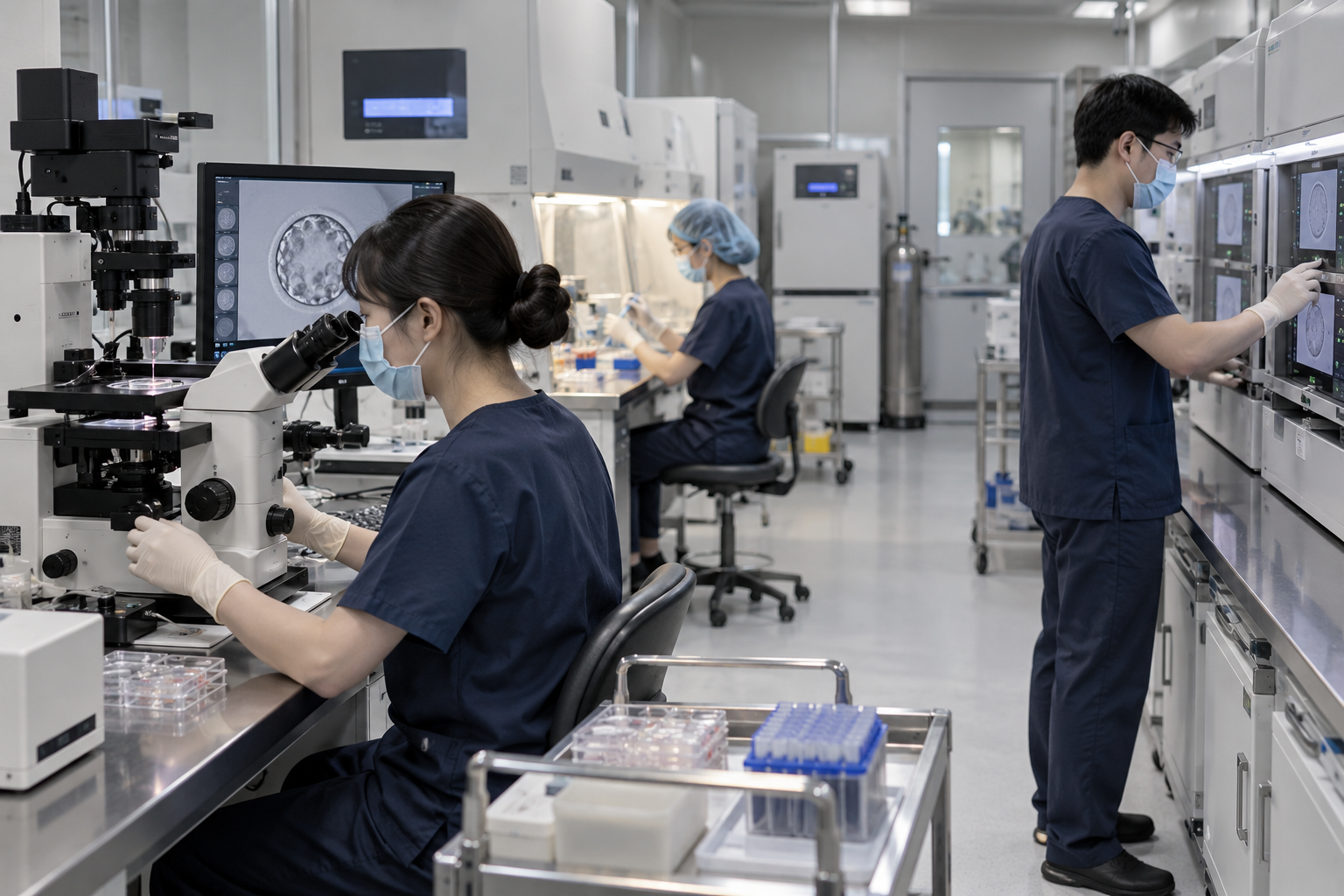
Patients undergoing In Vitro Fertilization (IVF) are familiar with their attending physicians, daily hormonal injections, egg retrievals, and embryo transfers. Yet, few ever see the inside of the embryology lab—the cleanroom where retrieved eggs and sperm meet, fertilize, and grow for several critical days. Yet, across the entire IVF journey, the embryology laboratory is where…
-
Even with Different Culture Medium pH, Live Birth Rates Showed No Difference
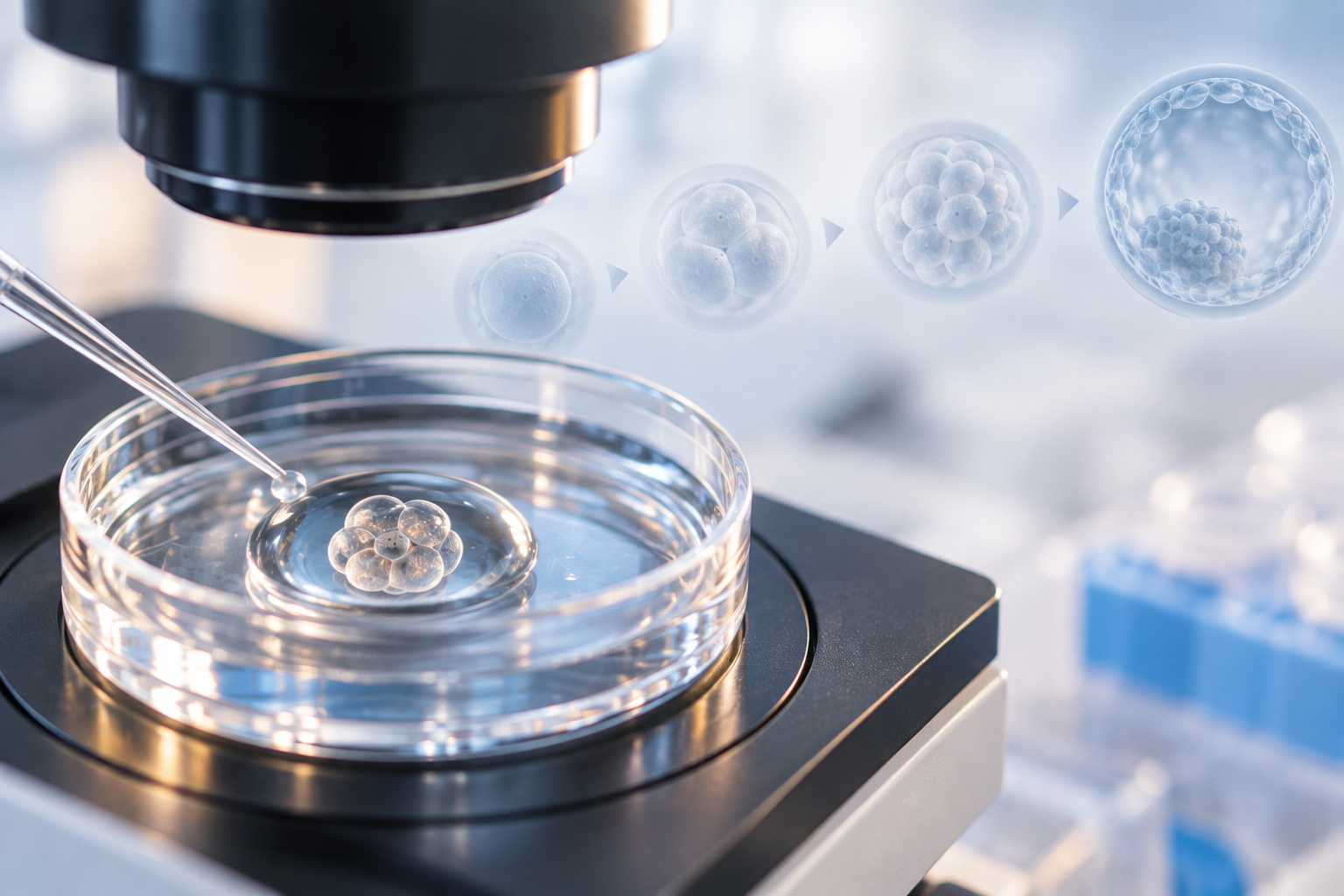
In In Vitro Fertilization (IVF), fertilized embryos spend their earliest days growing inside specialized culture media. Throughout this process, embryology laboratories meticulously regulate not only incubation temperature and oxygen concentrations, but also the pH—the precise acid-base balance of the culture droplet. Could a minor fluctuation in the pH of this fluid tip the scales of…
-
“My Immune Cells Are Attacking My Ovaries”… The Hidden Cause Behind Unexplained Primary Ovarian Insufficiency
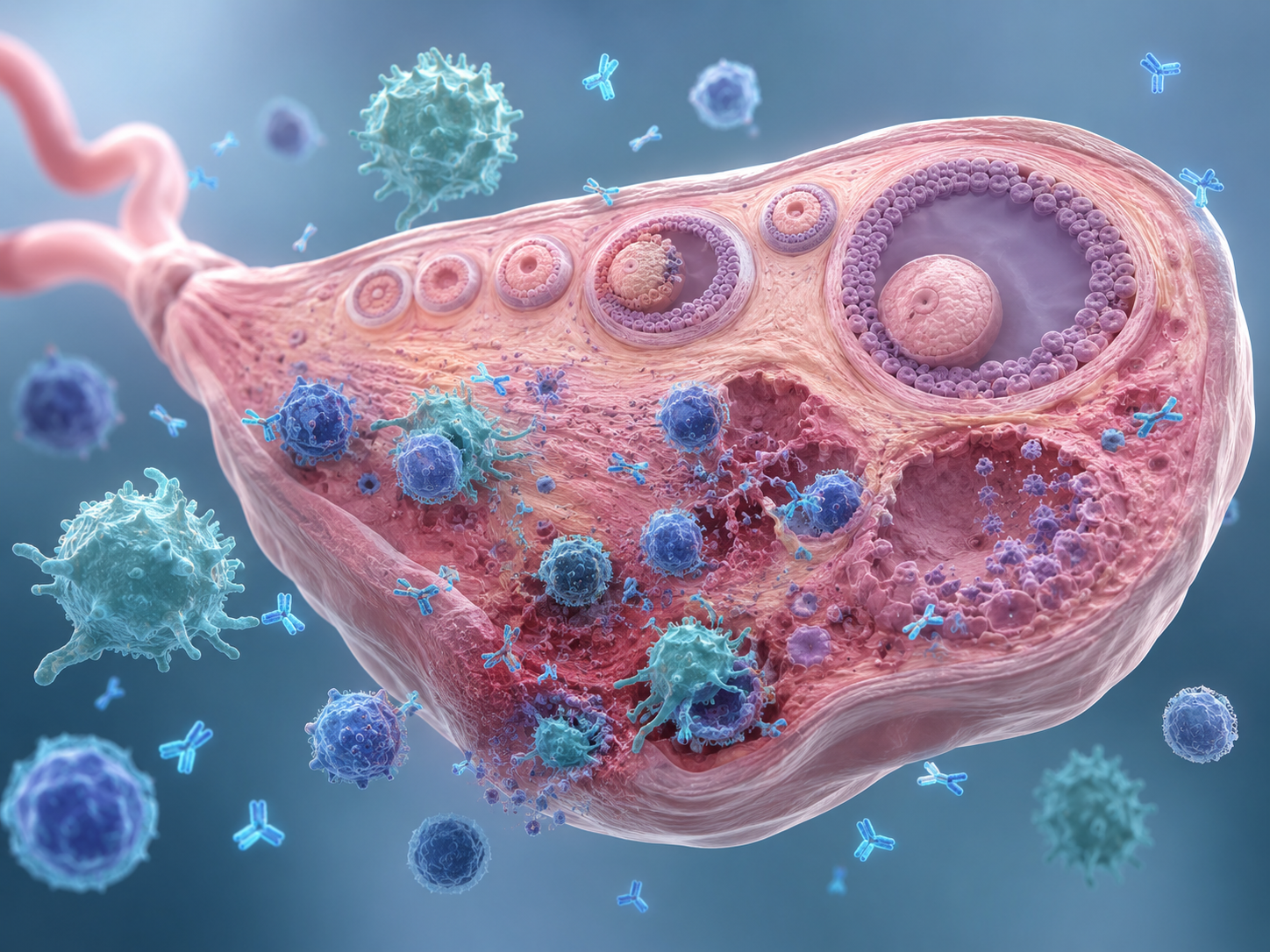
A woman in her twenties or thirties suddenly finds her ovaries losing their function. Her menstrual cycles become irregular, her Follicle-Stimulating Hormone (FSH) levels climb, yet diagnostic testing reveals no obvious cause. This is Primary Ovarian Insufficiency (POI)—the loss of normal ovarian function before the age of 40. When genetic testing comes back normal and…
-
Ovarian Cysts Should Not Always Be Removed… The Reason AMH Plummets After Surgery
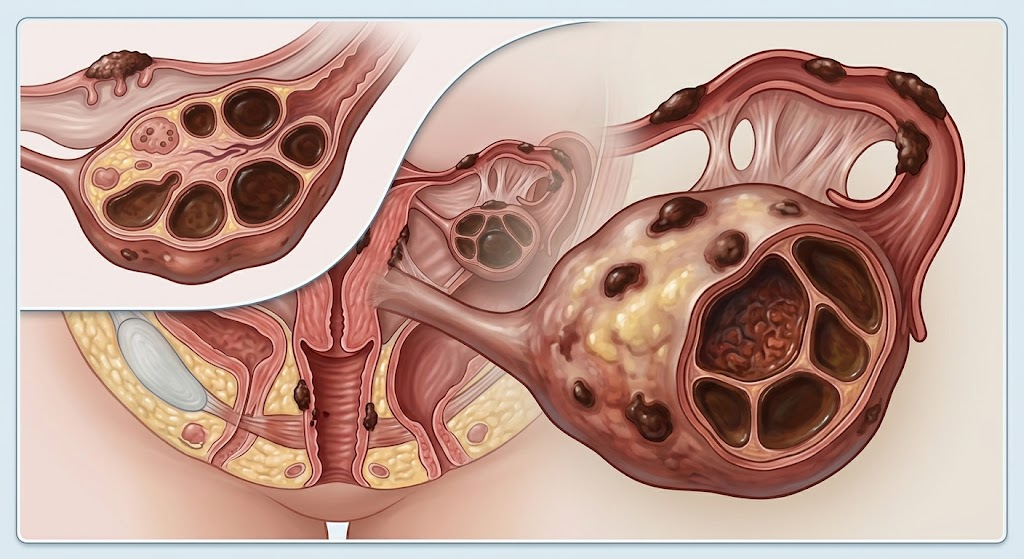
Ovarian Cysts Should Not Always Be Removed… The Reason AMH Plummets After Surgery “There is a cyst on your ovary. Should it be surgically removed?” For a woman preparing for pregnancy, the answer to this question is far from simple. While completely eliminating the cyst might seem like the hallmark of successful treatment, in the…
-
Is a Low AMH Merely ‘Premature Ovarian Aging’?… 272 Genes Uncovered Behind Primary Ovarian Insufficiency
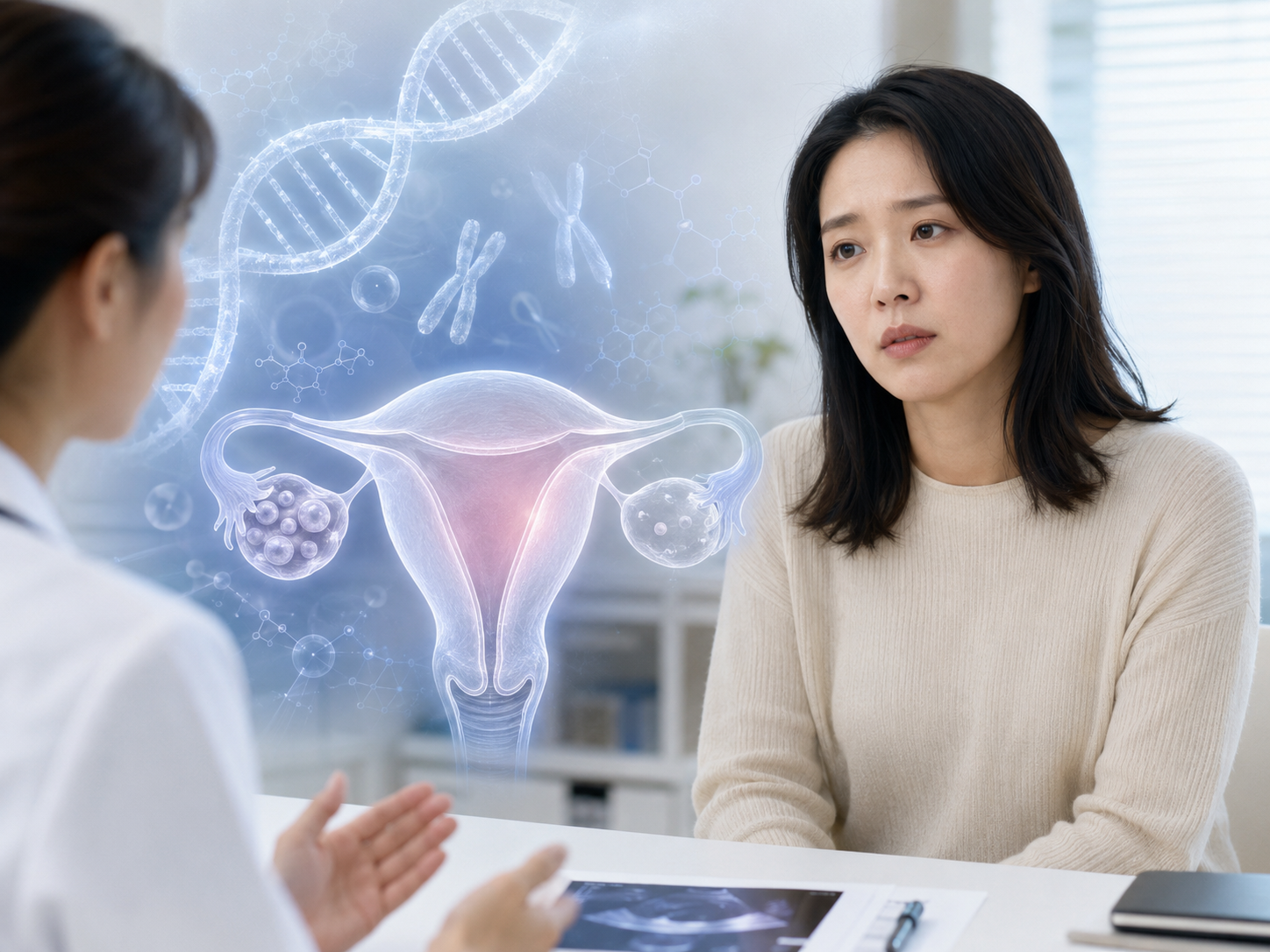
Is a Low AMH Merely ‘Premature Ovarian Aging’?… 272 Genes Uncovered Behind Primary Ovarian Insufficiency When a woman in her 30s receives an unexpectedly low Anti-Müllerian Hormone (AMH) reading during a fertility workup, she is often told that her “ovarian age is advanced.” AMH remains a valuable clinical biomarker for estimating the remaining follicular pool—the…
-
Does the Uterus Need ‘Good Bacteria’ Too?… Pregnancy Rate Reached 42% in the Probiotic Group
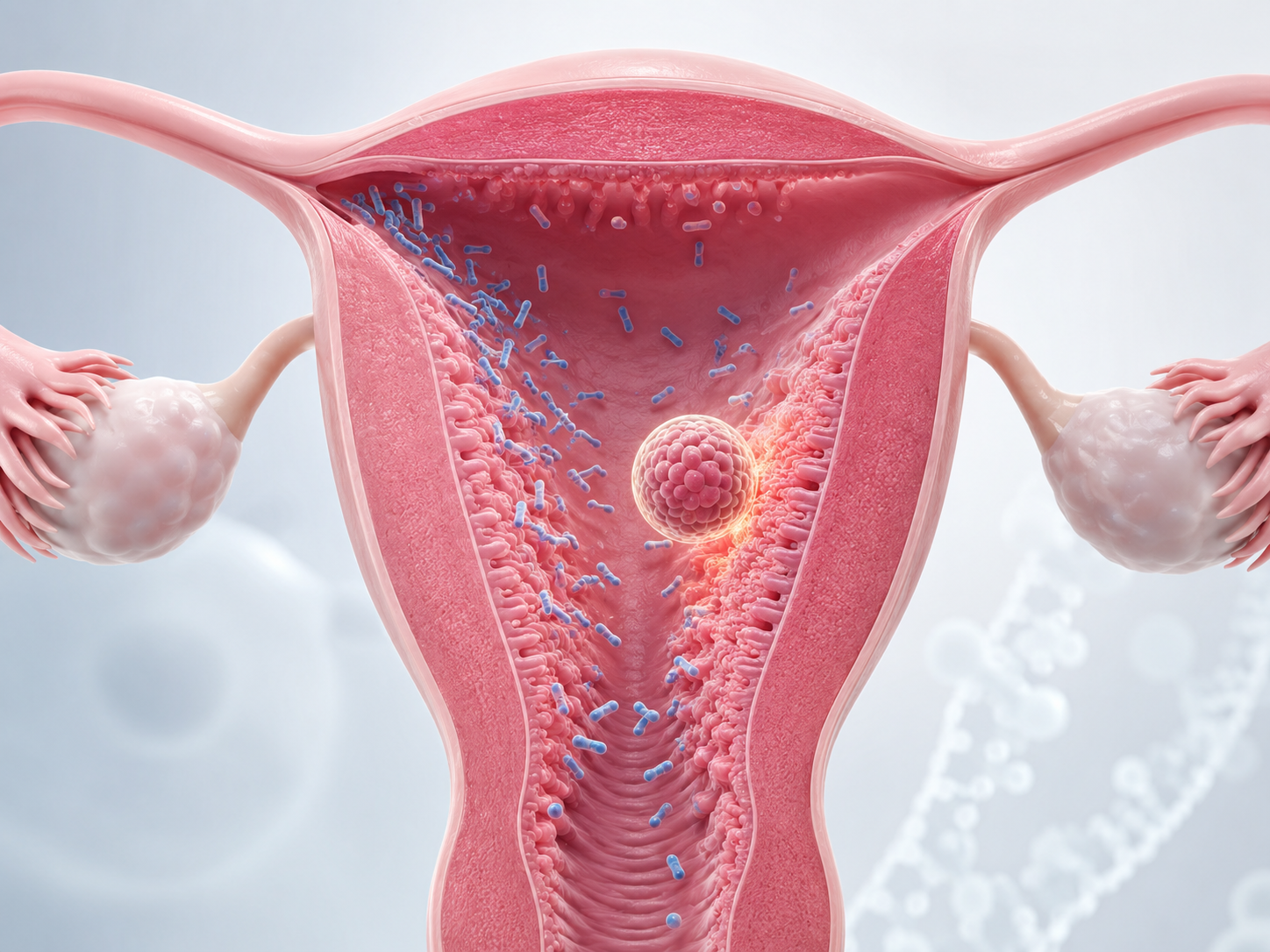
Does the Uterus Need ‘Good Bacteria’ Too?… Pregnancy Rate Reached 42% in the Probiotic Group Just as beneficial and harmful bacteria coexist within the human gut, a diverse microbial community inhabits the female reproductive tract. In recent fertility research, how Lactobacillus affects embryo implantation and the maintenance of early pregnancy has emerged as one of…
-
“Ultrasound Looks Normal, Yet Implantation Fails”… The Hidden Reality of ‘Chronic Endometritis’
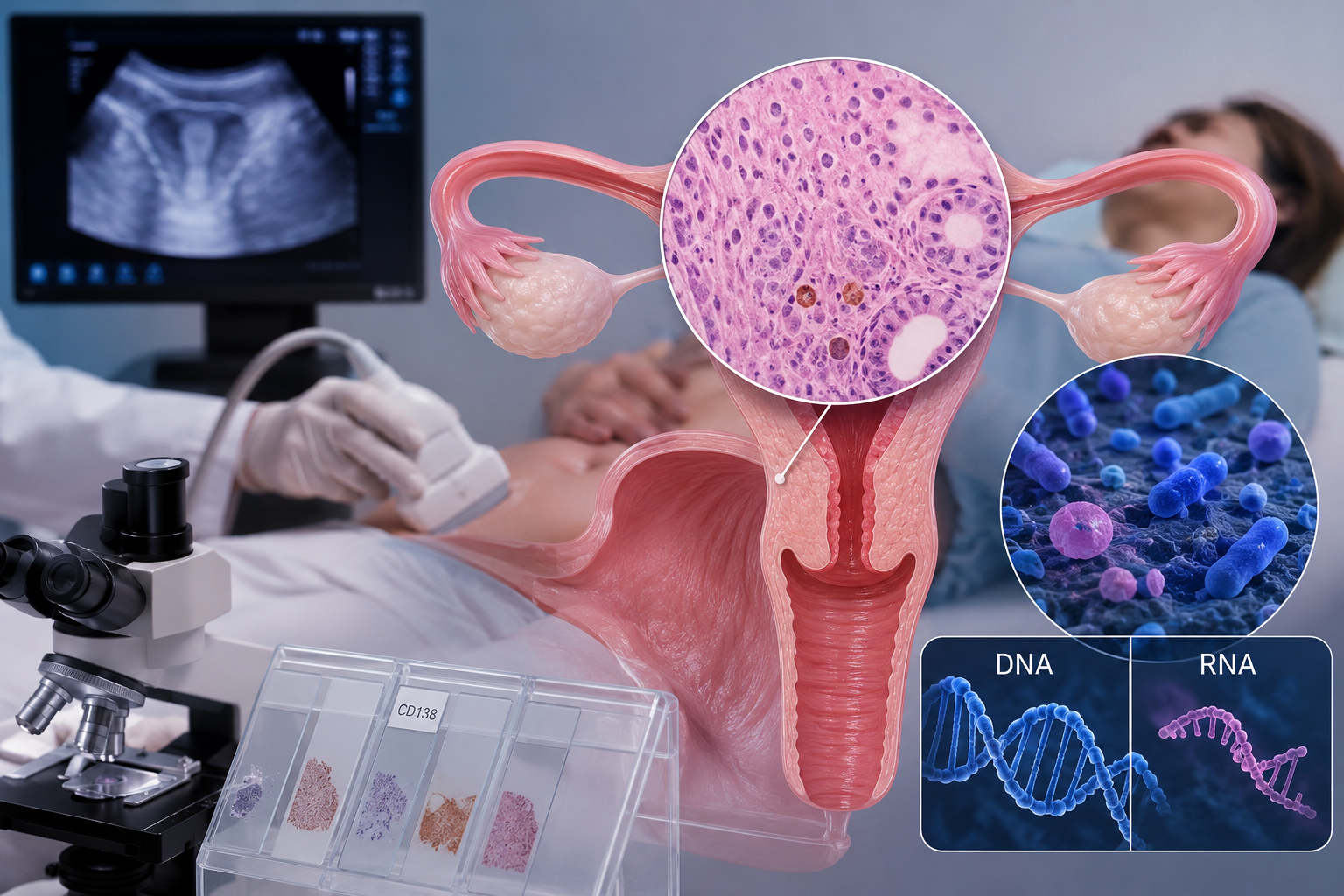
For women undergoing fertility treatment, hearing the ultrasound verdict—”Your uterine lining looks clean and has good thickness”—brings an immediate sense of relief. However, the fact that the endometrial cavity appears normal on an ultrasound screen does not necessarily mean the implantation environment itself is healthy. In a prospective study presented at the 2026 Annual Meeting…
-
Could a Single Drop of Menstrual Blood Detect Adenomyosis?… Single-Cell Profiling Uncovers New Targets
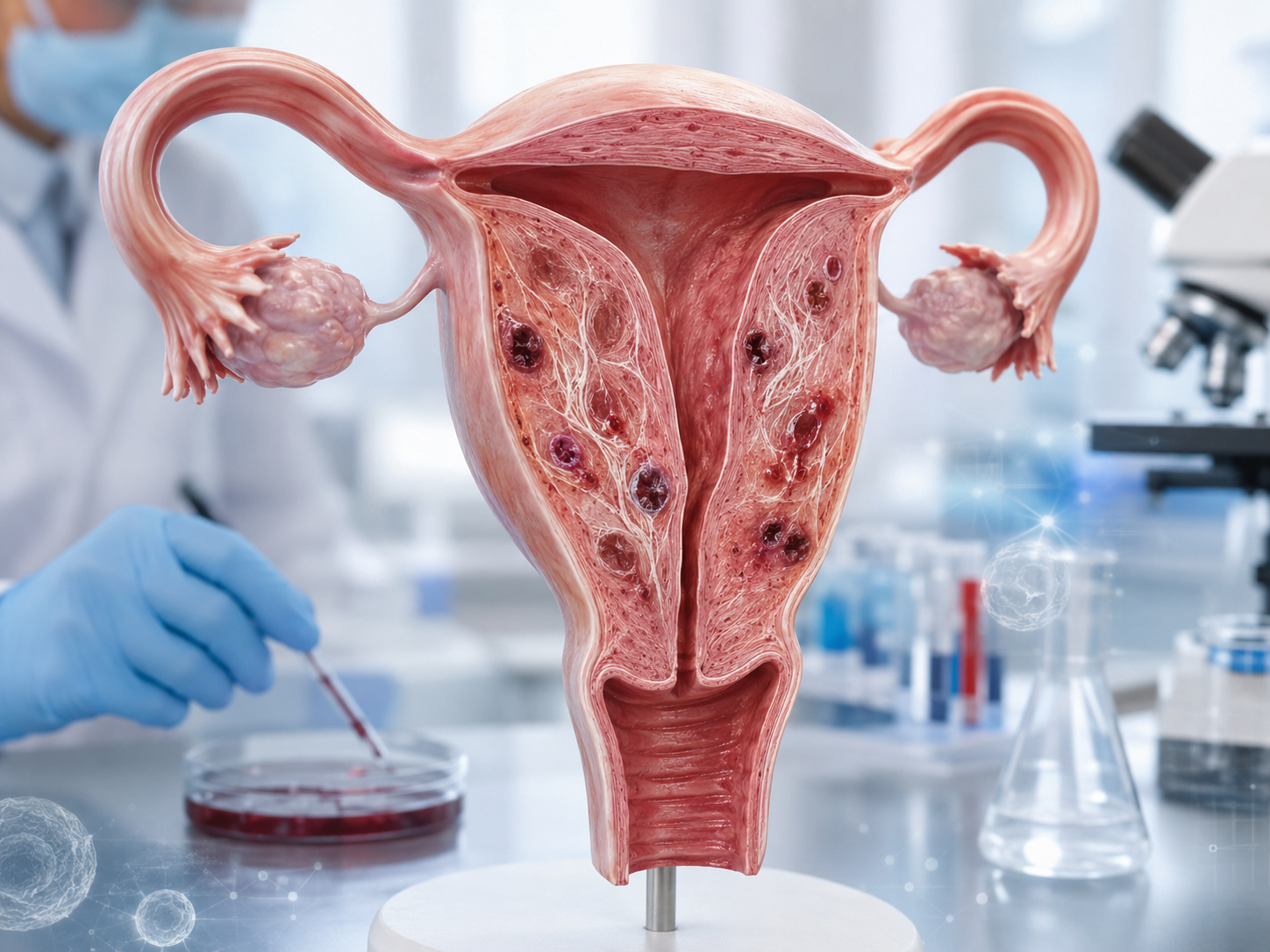
The way we understand uterine adenomyosis is undergoing a fundamental shift. For decades, the condition was defined almost exclusively through an anatomical lens: endometrial tissue lining the inner uterine cavity abnormally invading the muscular myometrial wall. Recent scientific findings, however, increasingly challenge this simplistic view. Rather than a mere “spatial displacement of tissue,” adenomyosis is…
-
Even with a Euploid Embryo, Miscarriage Risk Is Nearly 5 Times Higher: For Adenomyosis, ‘Location and Severity’ Divide IVF Success
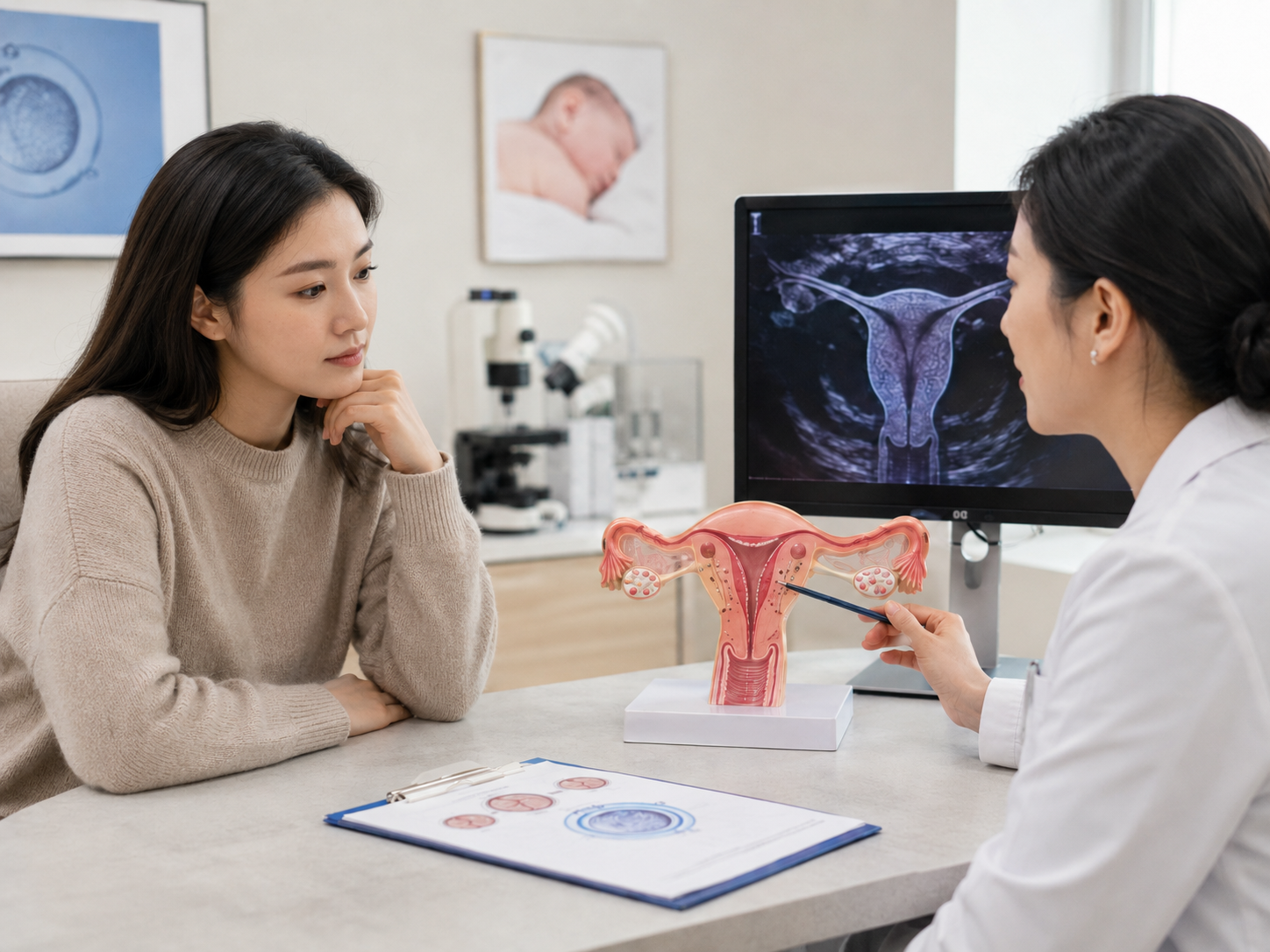
In In Vitro Fertilization (IVF), there are times when patients secure high-grade embryos, only to face implantation failure or pregnancy loss after a positive test. While clinical suspicion naturally falls first on egg quality or embryonic chromosomal abnormalities, a new study suggests that in women with uterine adenomyosis, the culprit may not be the embryo,…
-
“The Embryos Discarded as ‘Single Pronucleus’… 96.9% of Conventional IVF 1PN Blastocysts Proven Biparental in 13,203-Embryo Analysis”
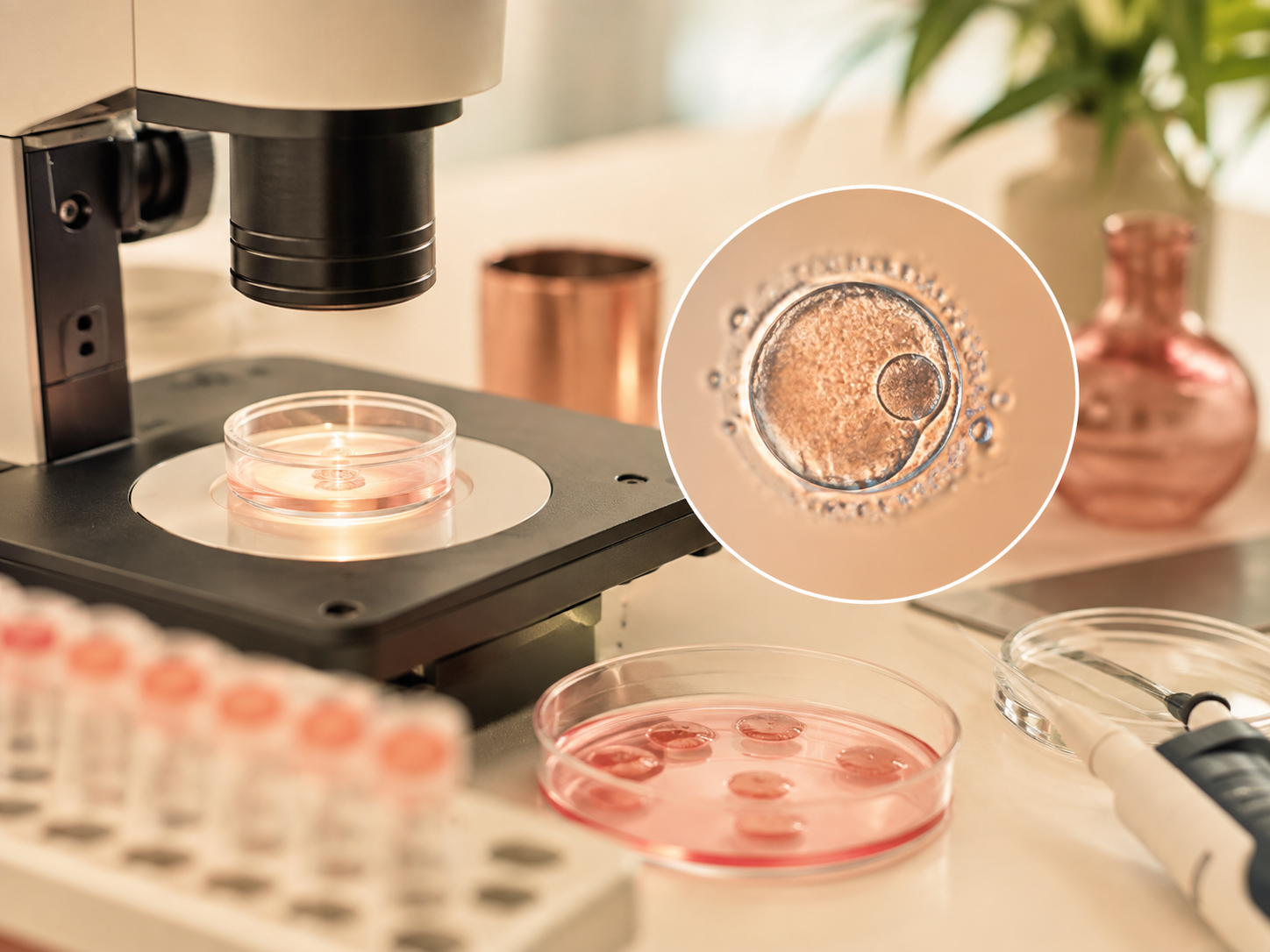
In standard In Vitro Fertilization (IVF) laboratory protocol, checking for fertilization 16 to 18 hours post-insemination represents a critical milestone. The visualization of two pronuclei (2PN)—one containing maternal chromosomes and the other paternal chromosomes—has long served as the universal benchmark of normal diploid fertilization. Conversely, zygotes displaying only one pronucleus (1PN) have historically been viewed…
-
“Will Expensive ‘Embryo Glue’ Improve Implantation?… Results from an 865-Patient Randomized Controlled Trial”
Multicenter RCT of 865 Single Blastocyst Transfers: Live birth rate reached 51.5% in the EmbryoGlue group vs. 47.7% in standard transfer medium No Statistically Significant Difference: Relative Risk (RR) of 1.08 (95% CI: 0.95–1.23, P = 0.261); clinical pregnancy rate (63.0% vs. 57.2%) and miscarriage rate (11.5% vs. 9.3%) also showed no statistically significant divergence…
-
“Are 5-Year-Old Cryopreserved Embryos Safe?… Unexpected Findings from a 250,000-Cycle Meta-Analysis”

Couples storing frozen embryos in liquid nitrogen often ask whether extended cryopreservation compromises developmental potential: “Is an embryo stored for 3 or 5 years just as viable as one transferred immediately?” Cryobiology has long maintained that at liquid nitrogen temperatures ($-196^\circ\text{C}$), biological metabolic activity is suspended, effectively pausing cellular time. Numerous healthy births have been…