
Fertility News
Fertility News
Global fertility updates, research signals, policy shifts, and clinic-facing news collected in one place.
-
“What if a Frozen Embryo Fails to Re-expand After Warming?”… Embryo Appearance Right Before Transfer Drove Pregnancy Outcomes
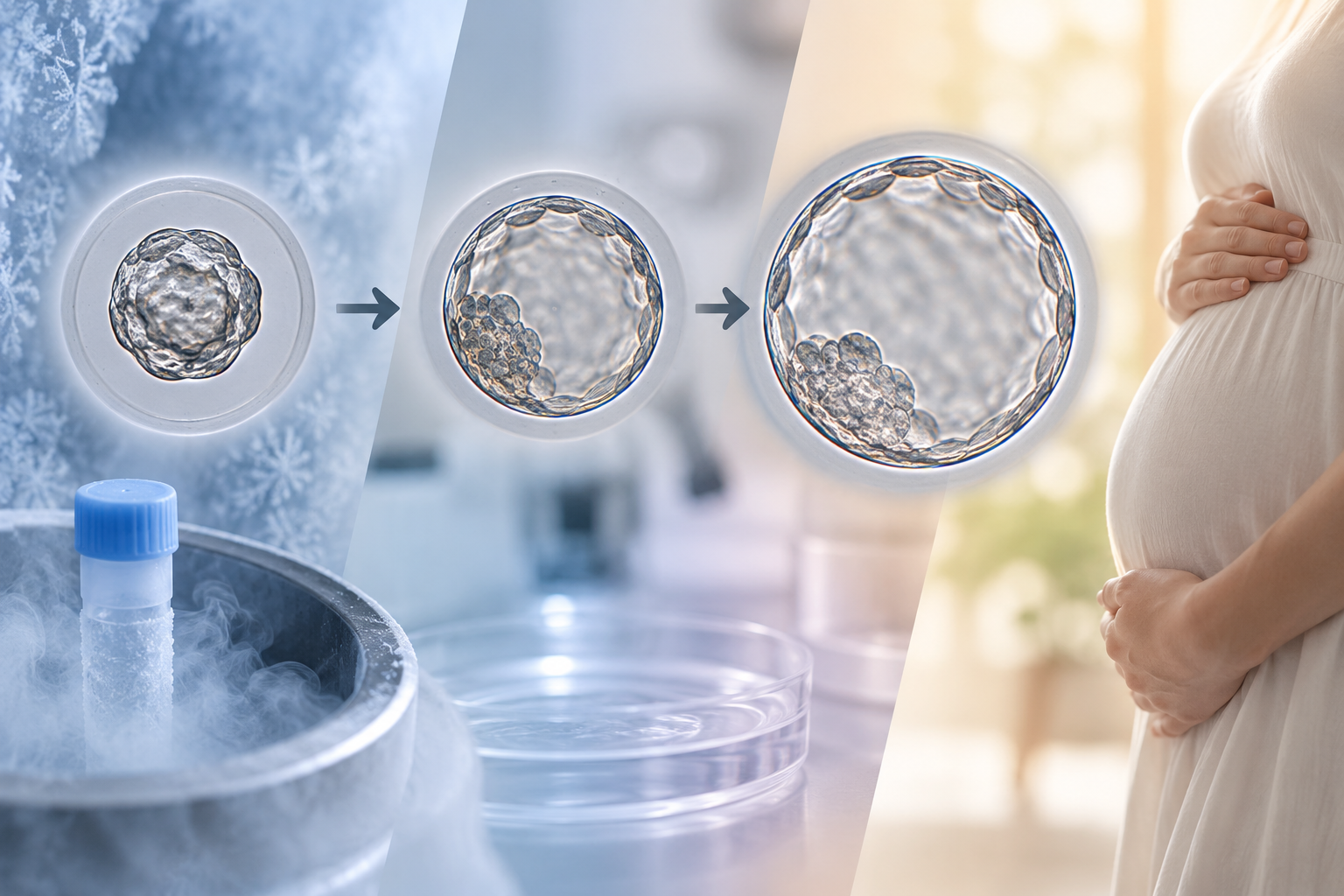
“The embryo warmed well and is actively re-expanding.” For fertility patients preparing for a frozen embryo transfer (FET), this is one of the most reassuring updates they can hear from the embryology lab. Conversely, hearing that “the embryo hasn’t quite re-expanded yet” triggers immediate anxiety. Why do vitrified blastocysts collapse and shrink in the first…
-
“Does ICSI Help Embryos Grow Better?”… What Analyzing Early Cleavage Patterns in 125,570 Embryos Revealed
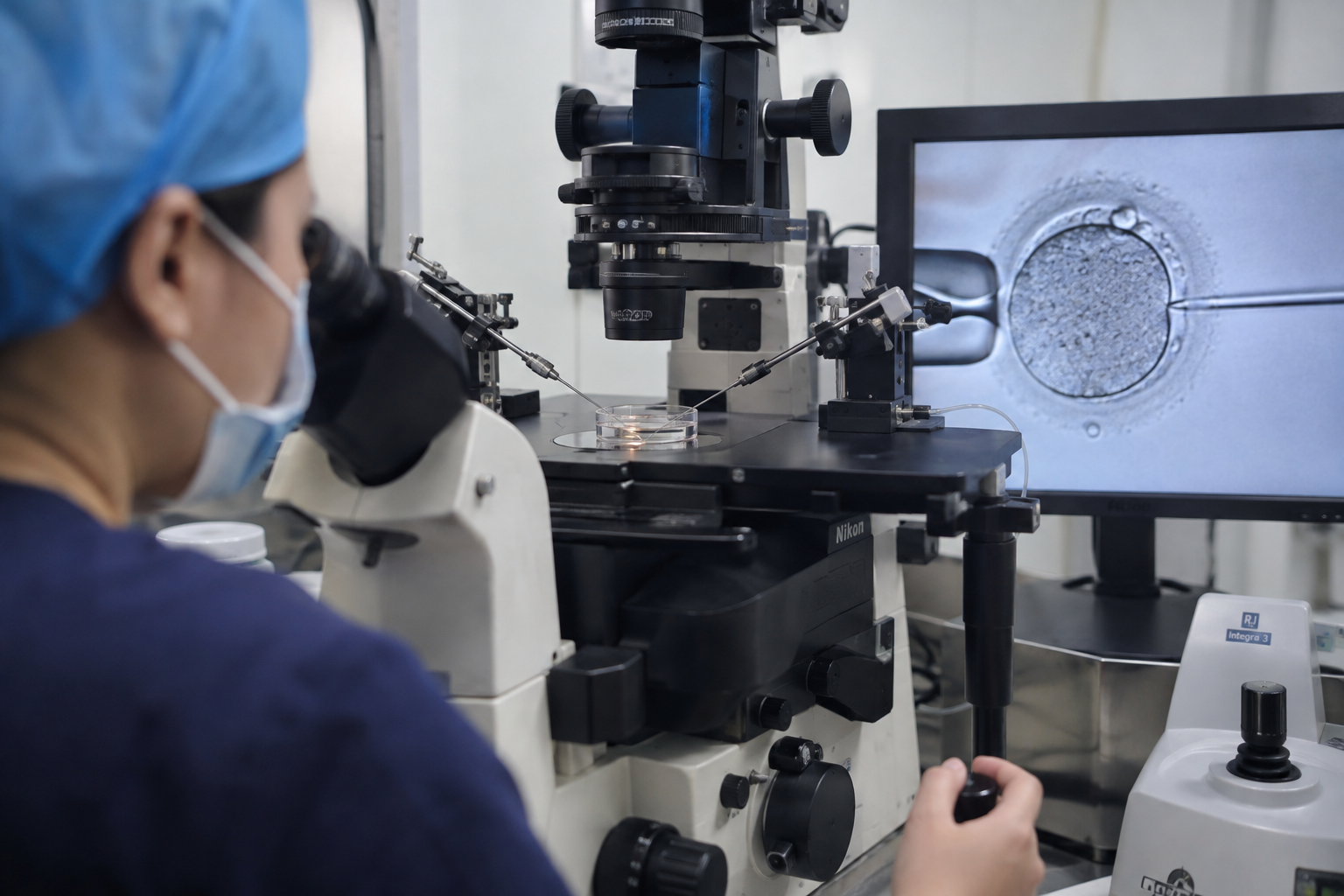
Couples preparing for In Vitro Fertilization (IVF) frequently ask whether conventional IVF (cIVF) or Intracytoplasmic Sperm Injection (ICSI) produces higher-quality embryos. Because ICSI involves selecting a single spermatozoon under a microscope and microinjecting it directly into the cytoplasm of an oocyte, it is often perceived as a more advanced, high-precision technique. Consequently, even when male…
-
“Should We Freeze Everything Even When Only a Few Eggs Are Retrieved?”… The ‘Freeze-All’ Rule Shaken in Low-Prognosis IVF
“Should We Freeze Everything Even When Only a Few Eggs Are Retrieved?”… The ‘Freeze-All’ Rule Shaken in Low-Prognosis IVF “We only got a couple of eggs—do we really need to freeze all the embryos?” This is a recurring question among women undergoing In Vitro Fertilization (IVF). Online patient communities frequently reinforce the belief that “frozen…
-
“Does High Cholesterol Lower IVF Success Rates?”… What Tracking Women Through Assisted Reproduction Reveals
For women preparing for In Vitro Fertilization (IVF), the most familiar clinical metric is Anti-Müllerian Hormone (AMH). Patients track follicle counts, retrieved egg numbers, and endometrial thickness with meticulous care. But what about the routine cholesterol panel from an annual health checkup? Could elevated total cholesterol, high LDL, or high triglycerides influence IVF success rates?…
-
“Will Combining Stimulation Injections Yield More Eggs?”… What Real-World Data from 1,000 IVF Patients Shows
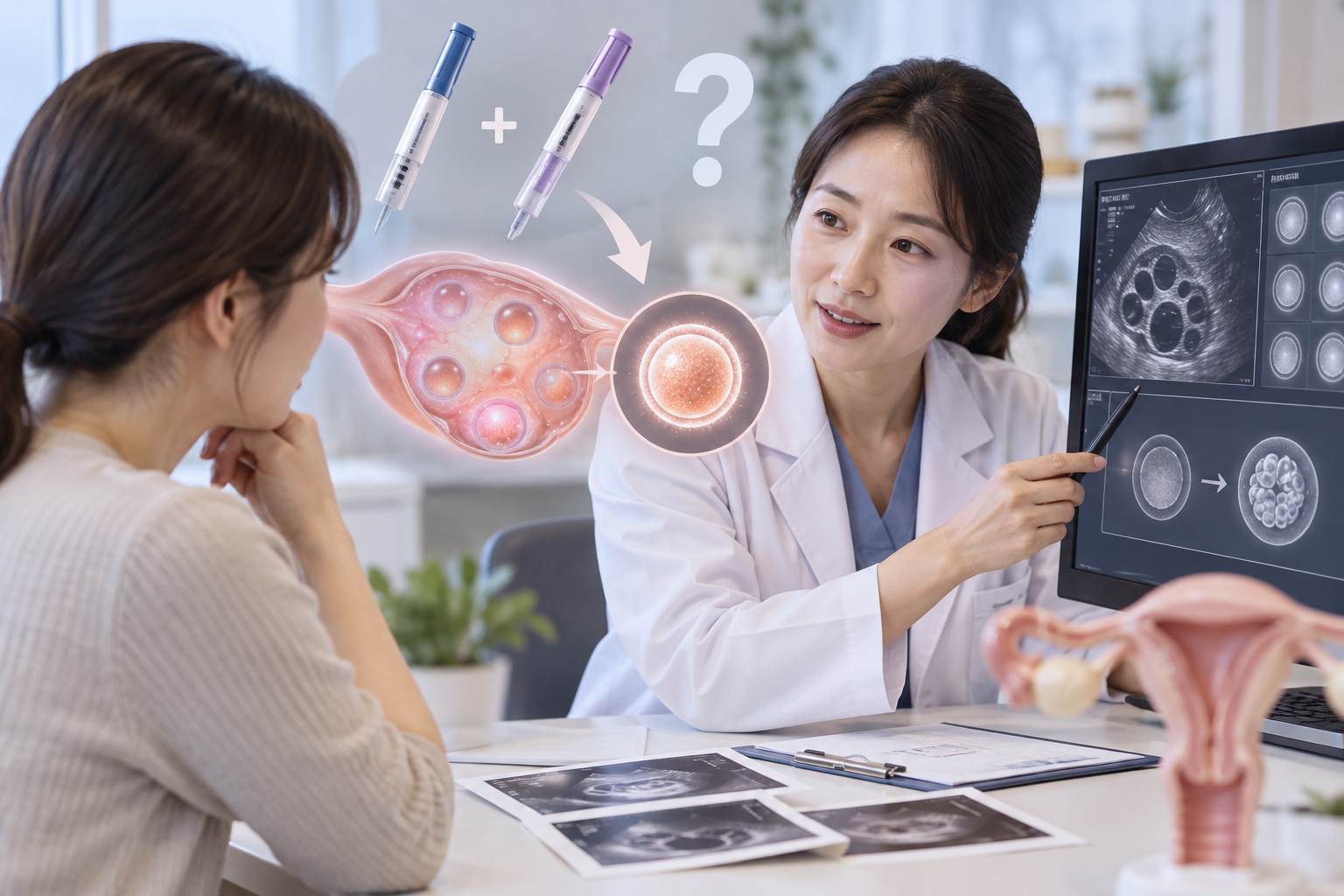
When starting In Vitro Fertilization (IVF), the very first milestone patients encounter is ovarian stimulation injections. Yet even within the same fertility center, prescriptions vary considerably from person to person. Some patients receive a single type of follicle-stimulating hormone, while others are prescribed two different injections in combination. Does combining multiple types of gonadotropins genuinely…
-
“Can We Test Oocyte ‘Quality’ Instead of Just Count?”… Clues Uncovered in the Oocyte’s Proteins
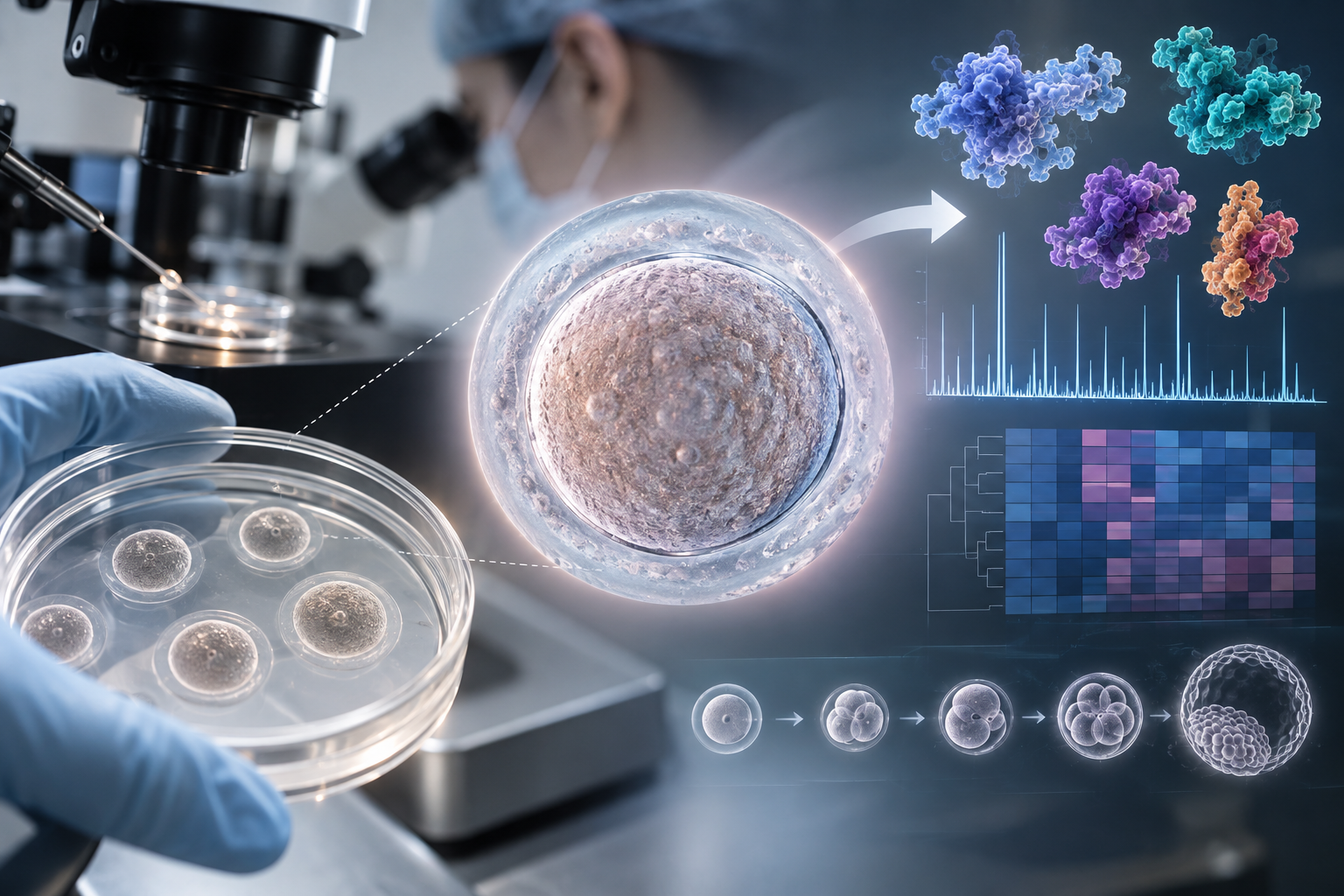
“Can We Test Oocyte ‘Quality’ Instead of Just Count?”… Clues Uncovered in the Oocyte’s Proteins When undergoing fertility care, one of the numbers women hear most frequently is AMH (Anti-Müllerian Hormone). While it offers a valuable estimate of the remaining “quantity” of eggs in the ovaries, it remains silent on the question patients want answered…
-
“Deciding Transfer Day When the Ovulation Strip Shows Two Lines?”… Re-examining ‘Ovulation Timing’ in Natural Cycle Embryo Transfer
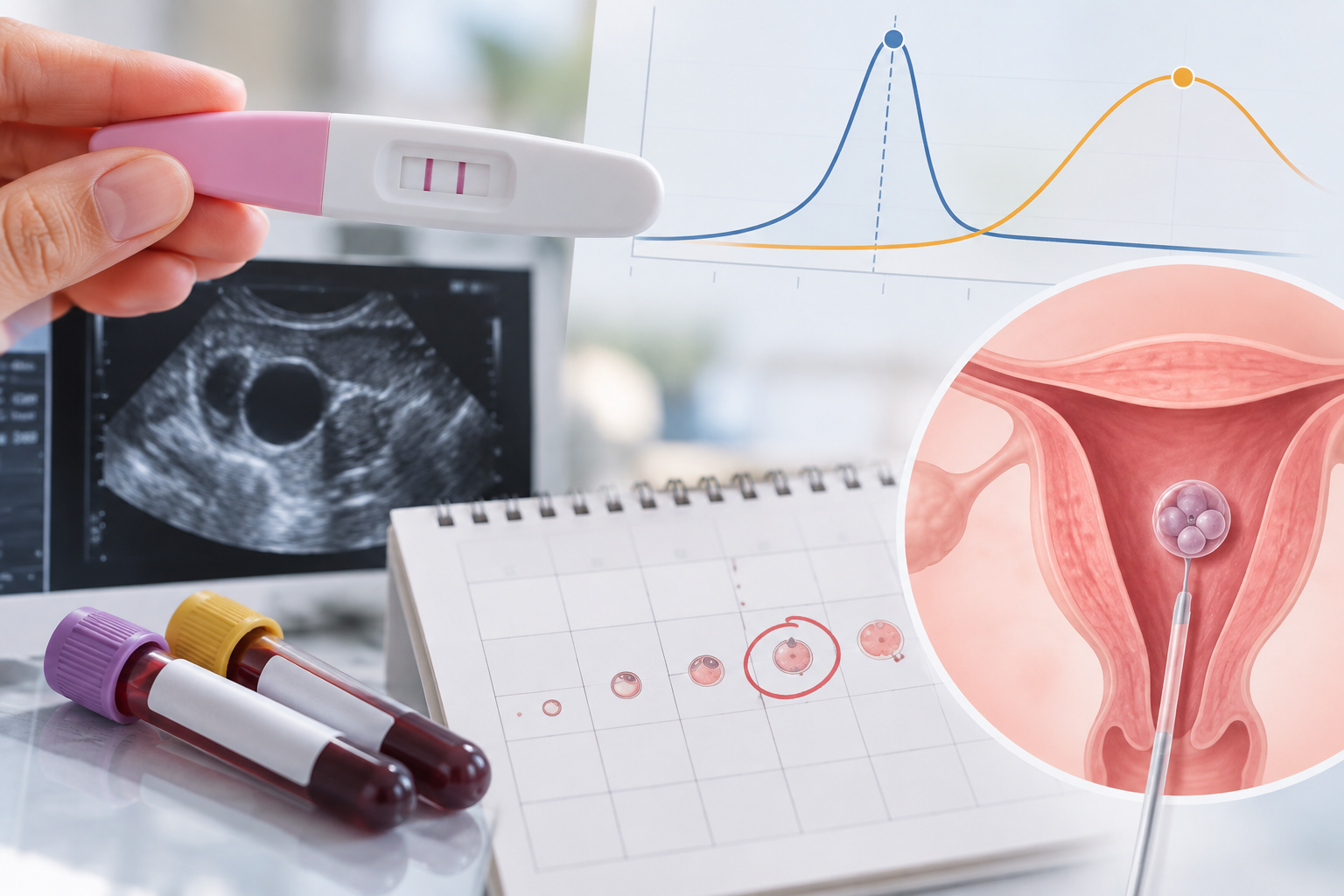
For fertility patients preparing for a natural cycle frozen embryo transfer (NC-FET), few moments cause more anxiety than pinpointing the exact day of ovulation. At home, patients watch closely to see if the two lines on their urine ovulation predictor kits (OPKs) darken; at the clinic, physicians monitor follicle diameter via ultrasound and draw serial…
-
“Does ‘Atosiban’ Given Before Embryo Transfer Truly Aid Implantation?”… Pregnancy Rate Jumps from 38% to 58%
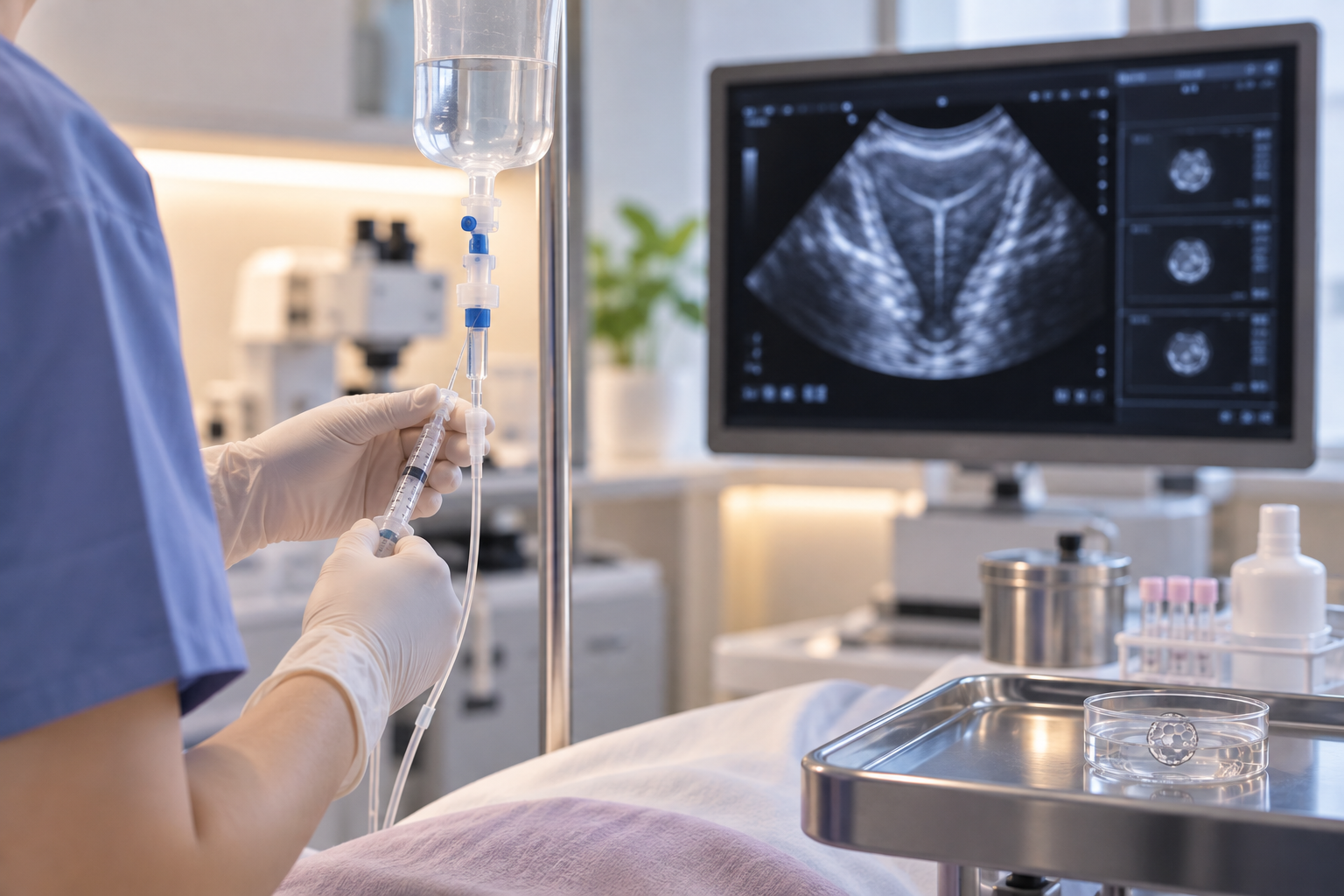
“Does ‘Atosiban’ Given Before Embryo Transfer Truly Aid Implantation?”… Pregnancy Rate Jumps from 38% to 58% Among patients undergoing In Vitro Fertilization (IVF), some receive an injection called atosiban shortly before embryo transfer. In patient communities, it is commonly referred to as a “uterine contraction suppression shot” or an “implantation shot.” Patients are told that…
-
“Don’t Discard Them Just Because They’re Immature”… Cultured One More Night, They Became ‘Euploid Embryos’
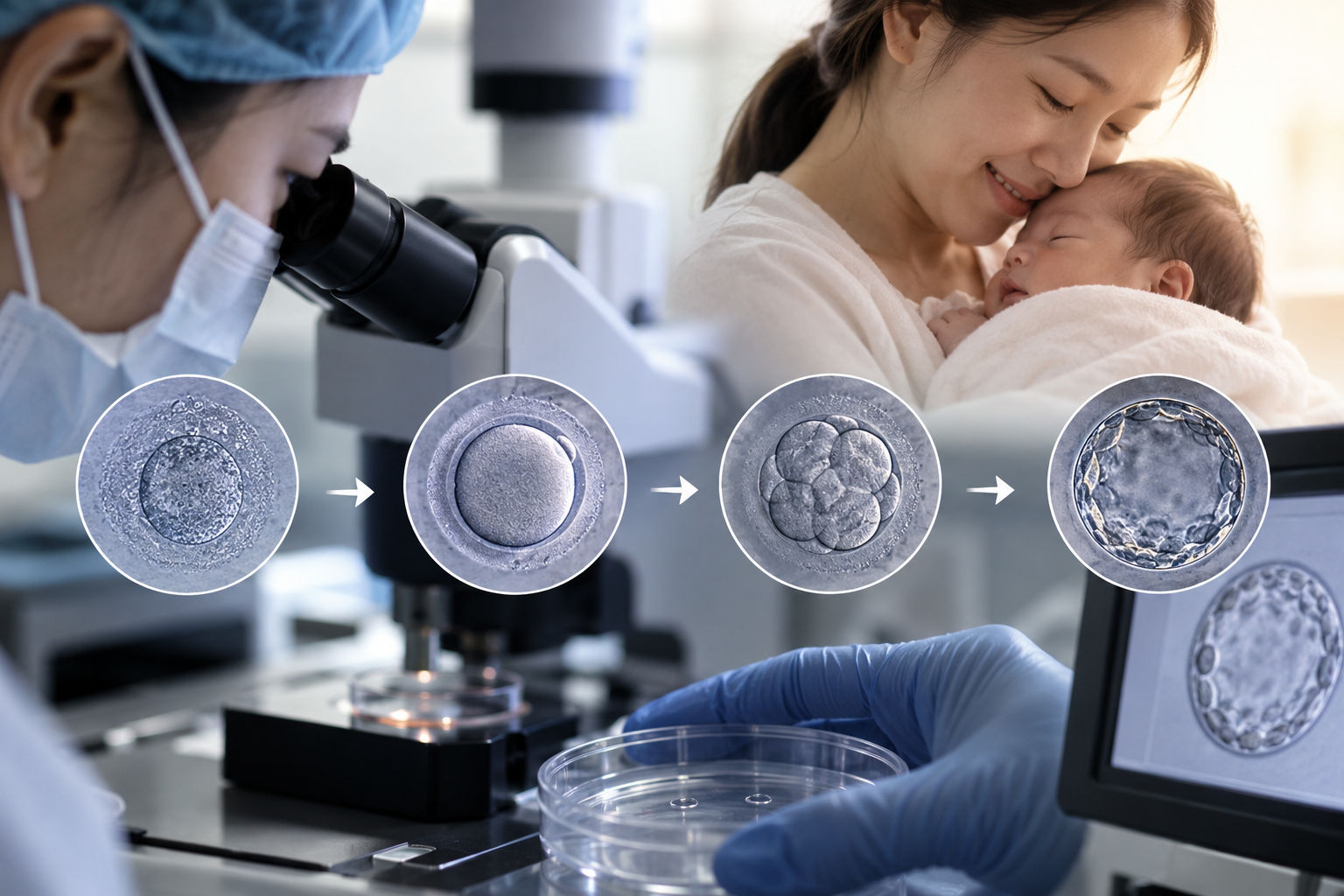
“Don’t Discard Them Just Because They’re Immature”… Cultured One More Night, They Became ‘Euploid Embryos’ After undergoing egg retrieval, some fertility patients are met with discouraging news: “We retrieved several eggs, but very few of them were mature.” Not every egg collected during a retrieval cycle is ready for fertilization. In particular, oocytes at the…
-
“From Growth Hormone to DHEA to Help Eggs Grow”… For Women with Diminished Ovarian Reserve, How Far Should We Trust Adjuvant Prescriptions?

“From Growth Hormone to DHEA to Help Eggs Grow”… For Women with Diminished Ovarian Reserve, How Far Should We Trust Adjuvant Prescriptions? When reviewing the prescription sheets of women diagnosed with diminished ovarian reserve (DOR) starting In Vitro Fertilization (IVF), it is common to see a variety of supplements and medications alongside standard gonadotropin injections.…
-
“Will Eating Pineapple or Loach Soup After Transfer Help Implantation?”… What Science Reveals About ‘Implantation Foods’
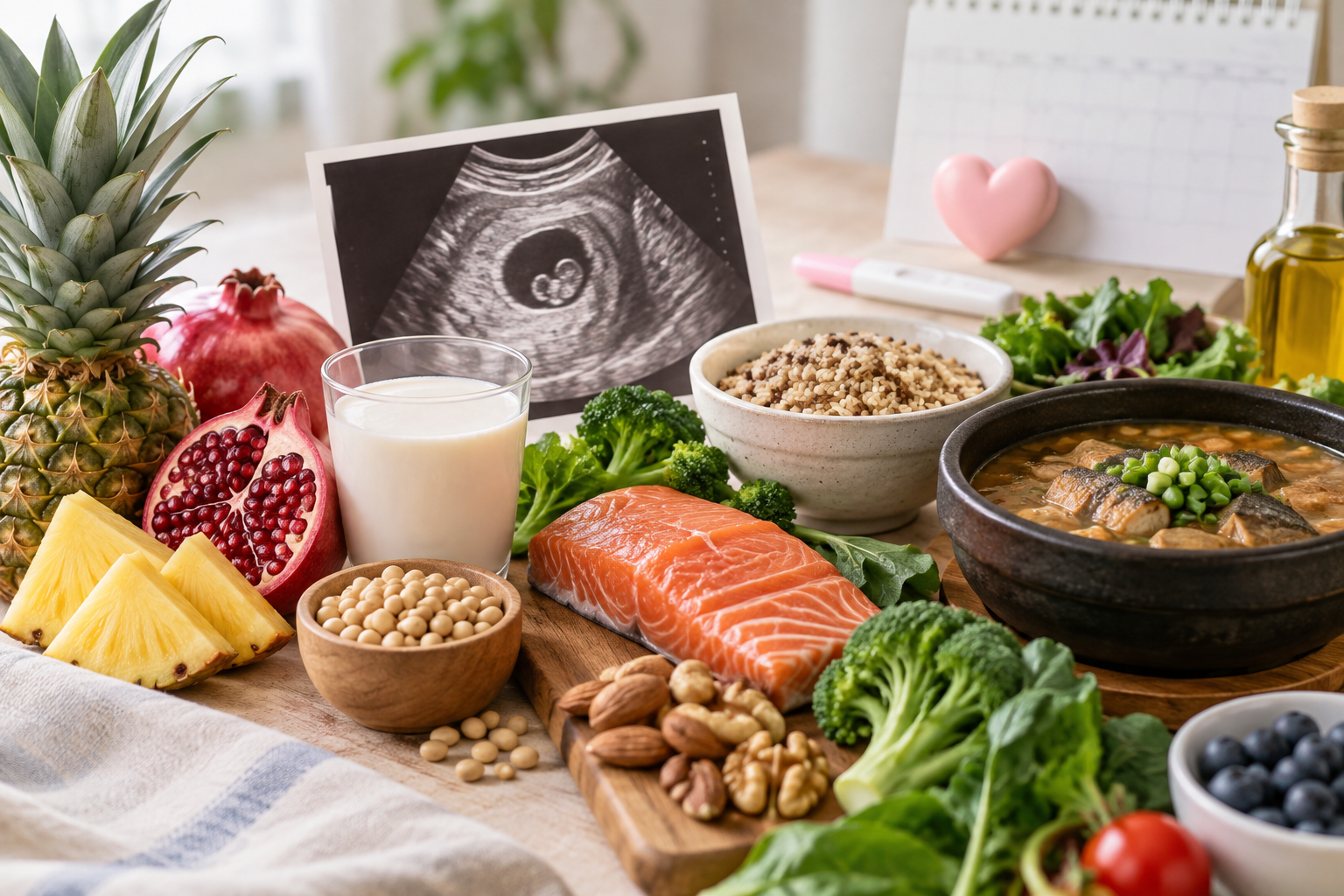
“Will Eating Pineapple or Loach Soup After Transfer Help Implantation?”… What Science Reveals About ‘Implantation Foods’ “What should I eat after my embryo transfer to help it stick?” This is one of the most frequent questions asked by women undergoing fertility treatment. The list of foods rumored to “aid implantation” is extensive—ranging from pineapple and…
-
“Should We Discard All Mosaic Embryos?”… ‘What Kind of Mosaicism’ Made the Critical Difference
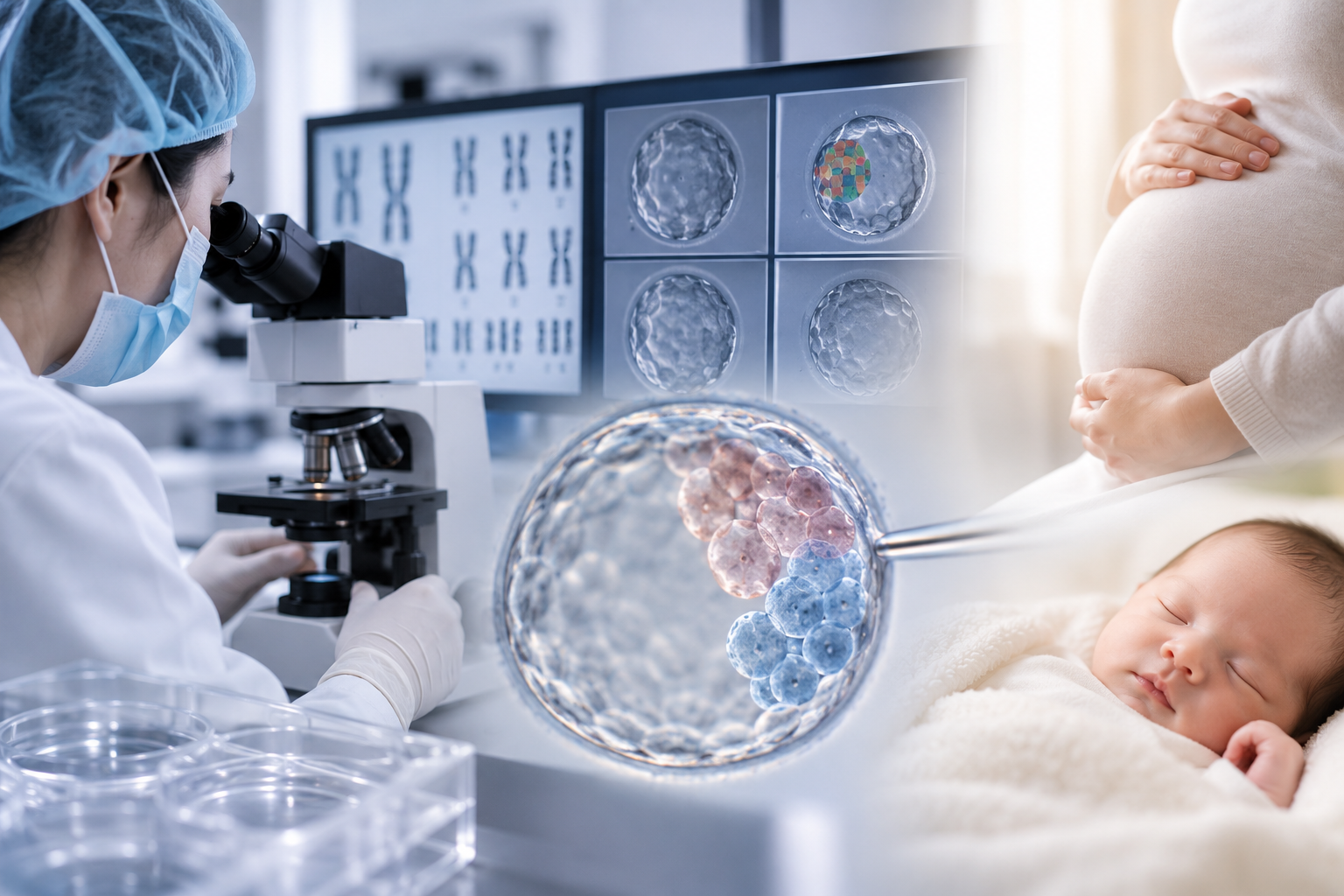
For patients undergoing preimplantation genetic testing for aneuploidy (PGT-A) during In Vitro Fertilization (IVF), one of the most perplexing and frustrating lab results is a “mosaic embryo.” It is not diagnosed as chromosomally normal, yet it is not classified as fully aneuploid either. It simply means that within the biopsied cells, some had a normal…