

A four-center US study examined associations between healthy dietary patterns and live birth.
Mediterranean, general healthy and fertility-focused diets were compared; no clear superiority of a special fertility diet was established.
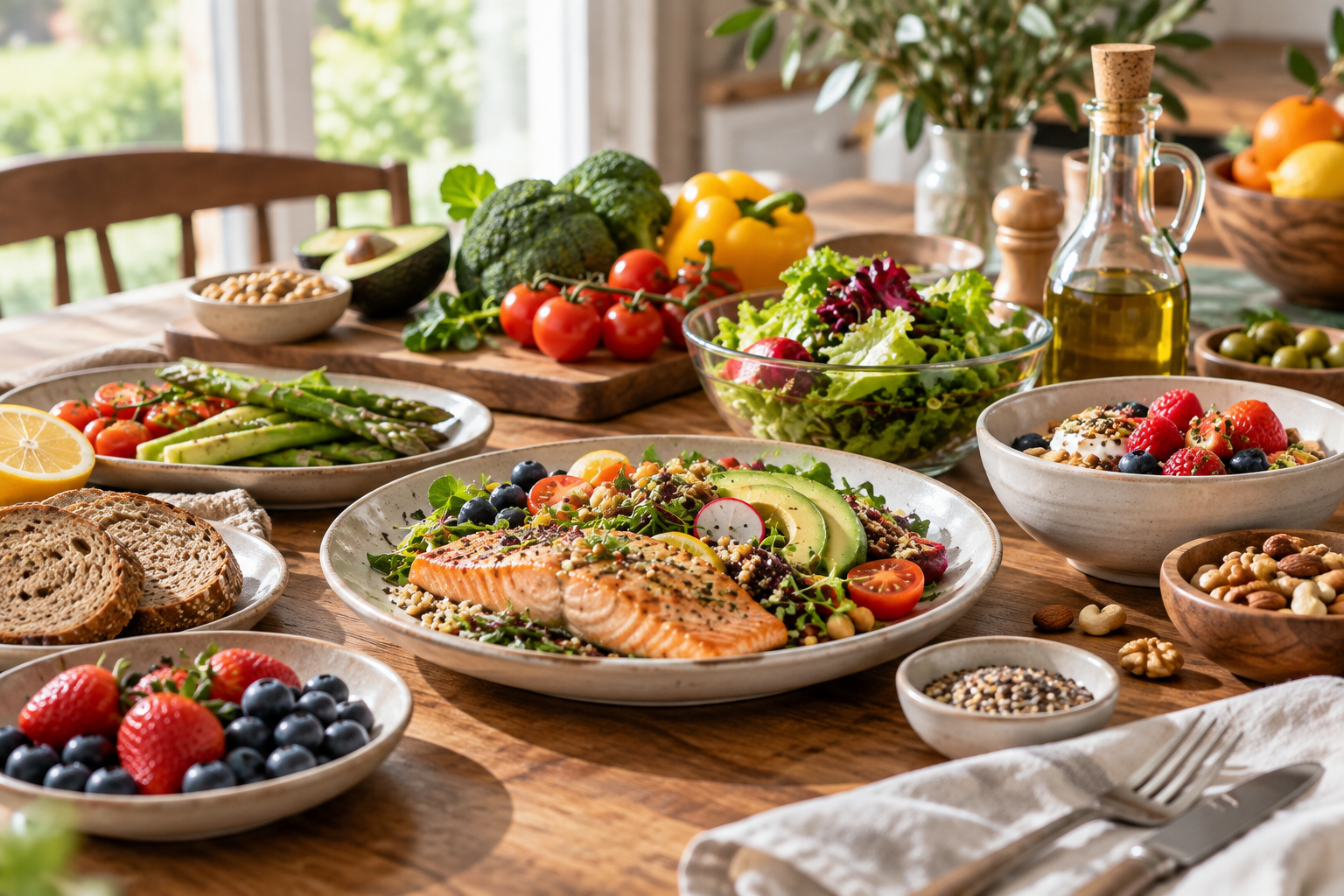
Diet is a frequent concern for couples planning a pregnancy. Online advice promises foods for eggs, sperm quality and implantation, and some couples change their meals or buy expensive health products in the hope of improving their chances.
But is there a distinct diet that makes pregnancy more likely? In an analysis of 2,370 couples with infertility, researchers found that an overall balanced, healthy eating pattern may matter more than a diet specifically designed for fertility.
Published in Fertility and Sterility, the prospective observational study involved the University of Pennsylvania and three other US fertility centers. Researchers examined dietary patterns and birth outcomes to explore whether live-birth chances differed across patterns.
2,370 couples and 821 live births
The analysis used data from couples planning fertility treatment at four US centers between June 2013 and April 2019. There were 821 live births.
The team compared several dietary patterns, including a Mediterranean-style diet emphasizing vegetables, fruit, whole grains, fish and olive oil, general healthy eating patterns and diets designed specifically for fertility.
The focus was not the effect of one particular food. It was how closely usual eating habits aligned with different healthy-diet criteria and how those habits related to live birth.
Overall, healthier eating patterns showed some association with a modestly higher likelihood of live birth. However, there was no clear evidence that a fertility-specific diet was superior to general healthy eating.
Special foods are not necessarily more effective
An important part of the findings concerns expectations surrounding special fertility diets.
People preparing for pregnancy may hope that consuming particular fruits, nuts or antioxidant-rich products will improve egg quality or implantation. Eating large amounts of a particular food, however, does not necessarily improve either.
The study did not establish a specific live-birth advantage for diets designed around fertility. Instead, it suggested that eating a varied range of foods as part of a generally healthy pattern may also support reproductive health.
This suggests that preparing for pregnancy does not necessarily require a complicated new diet or expensive special foods.
No clear association with birth outcomes in the IVF subgroup
The findings among couples undergoing IVF deserve particular attention.
Although some positive associations between healthy eating and live birth appeared in the overall population, they were not clearly evident among couples receiving IVF.
The dietary patterns assessed also showed no clear association with pregnancy loss before 20 weeks.
This does not mean that healthy eating is unimportant. Rather, the evidence is insufficient to conclude that a specific diet improves IVF success or prevents miscarriage.
IVF outcomes depend on many factors, including female age, ovarian function, egg and sperm characteristics, embryo chromosomal status and the uterine lining. Diet alone cannot explain success or failure.
Association does not prove that diet increased live birth
The study has important interpretive limits.
The researchers did not randomly assign couples to diets. They measured actual eating habits and examined associations with outcomes. A higher live-birth likelihood among healthier eaters does not establish that the diet itself caused the difference.
People with healthier diets may also have healthier exercise or sleep habits. Age, weight, underlying conditions, infertility causes and treatment methods may affect outcomes as well.
The study therefore describes an association; it does not quantify how much changing a diet would improve an individual's chance of pregnancy.
What matters at the table when planning pregnancy?
What should couples take from these findings?
The basic approach is not complicated: eat a varied, balanced diet with vegetables, fruit, whole grains, legumes and fish, alongside appropriate sources of protein and fat. Limiting excessive consumption of highly processed foods and sugary drinks can also support general health.
Individual nutrition advice may be needed for conditions such as polycystic ovary syndrome, diabetes, obesity or low body weight. Folic acid recommendations before pregnancy are intended to help prevent neural-tube defects and should be distinguished from claims about a special fertility diet.
The practical message is to maintain healthy eating habits rather than place excessive expectations on one or two supposedly fertility-enhancing foods.
Diet is an important part of general health during pregnancy planning, but it is not the sole determinant of treatment success. Identifying the cause of infertility, receiving appropriate care and developing healthy habits together remain important.
Source: This article is based on “Preconception dietary patterns in association with live birth and pregnancy loss: a couples-based approach,” published online in Fertility and Sterility on June 29, 2026, and in its October issue. Kyle R. Busse, Bhaavna Peri, Derartu Ahmed and colleagues from four US fertility centers, including the University of Pennsylvania, analyzed 2,370 couples planning treatment between June 2013 and April 2019 and identified 821 live births. DOI: 10.1016/j.fertnstert.2026.06.028.
Image disclosure: The image was created using generative AI (ChatGPT, OpenAI). Any people depicted are fictional, not real individuals.
Related guide: Understanding the tests at a first fertility clinic visit.
Copyright © 2026 Fertility Information TokTok Fertility News | THE FERTILITY NOTES. All rights reserved. Unauthorized reproduction, copying, redistribution, scraping, AI training, and other data use of any articles, photographs, images, or other content are strictly prohibited. Violations may result in legal liability.