
Latest posts
-
Sperm DNA Fragmentation and Embryo Chromosome Abnormalities

Among 3,948 couples analyzed from 5,637 screened, high sperm DNA fragmentation was associated with more chromosomally abnormal blastocysts, particularly in selected age and semen-quality groups.
-
Globozoospermia After Failed ICSI: What Assisted Oocyte Activation Found

Among 33 highly selected couples with globozoospermia and previous total fertilization failure, ICSI with assisted oocyte activation led to at least one live birth in 19 couples.
-
Microfluidic Sperm Selection: Better Fertilization, Unclear Later Benefits

In a randomized sibling-oocyte study, microfluidic sperm selection increased fertilization from 74.7% to 82.3%. The advantage did not clearly extend to later embryo outcomes.
-
AI Sperm Selection in ICSI: What a Study of 894 Eggs Found

A single-center study compared AI-assisted sperm selection with a senior embryologist’s manual selection in 61 ICSI cycles. Fertilization rates were 79.3% in both groups, with no significant difference in early development or blastocyst formation. Pregnancy and live birth benefits remain unproven.
-
Testicular Sperm for MMAF: Higher ICSI Fertilization, Uncertain Pregnancy Benefit

A retrospective study of men with severe sperm-tail abnormalities found higher ICSI fertilization rates with testicular sperm aspiration. It did not establish better pregnancy or live birth outcomes, and the finding does not apply to all men with low sperm motility.
-
Seminal Ubiquitin, Sperm DNA Damage and ICSI Outcomes: What a Study Found

Researchers linked higher ubiquitin concentrations in seminal plasma with greater sperm DNA damage, lower fertilization and lower clinical pregnancy odds. The findings do not establish a routine fertility test or prove that ubiquitin causes the damage.
-
Normal Semen Analysis but Failed Fertilization? The Acrosome Reaction Explained

The acrosome reaction helps sperm interact with the structures around an egg and proceed toward fertilization. Research links acrosome function with IVF fertilization rates, but the tests are not routine screening for every man.
-
CoQ10 for Male Infertility: Do Antioxidants Improve Live Birth Rates?

CoQ10 and other antioxidants may improve sperm measures, but evidence that they improve pregnancy and live birth remains uncertain. A review of 90 trials and current guidelines explain the limits.
-
Sperm Cooperation: What 621 Species Reveal About Fertilization
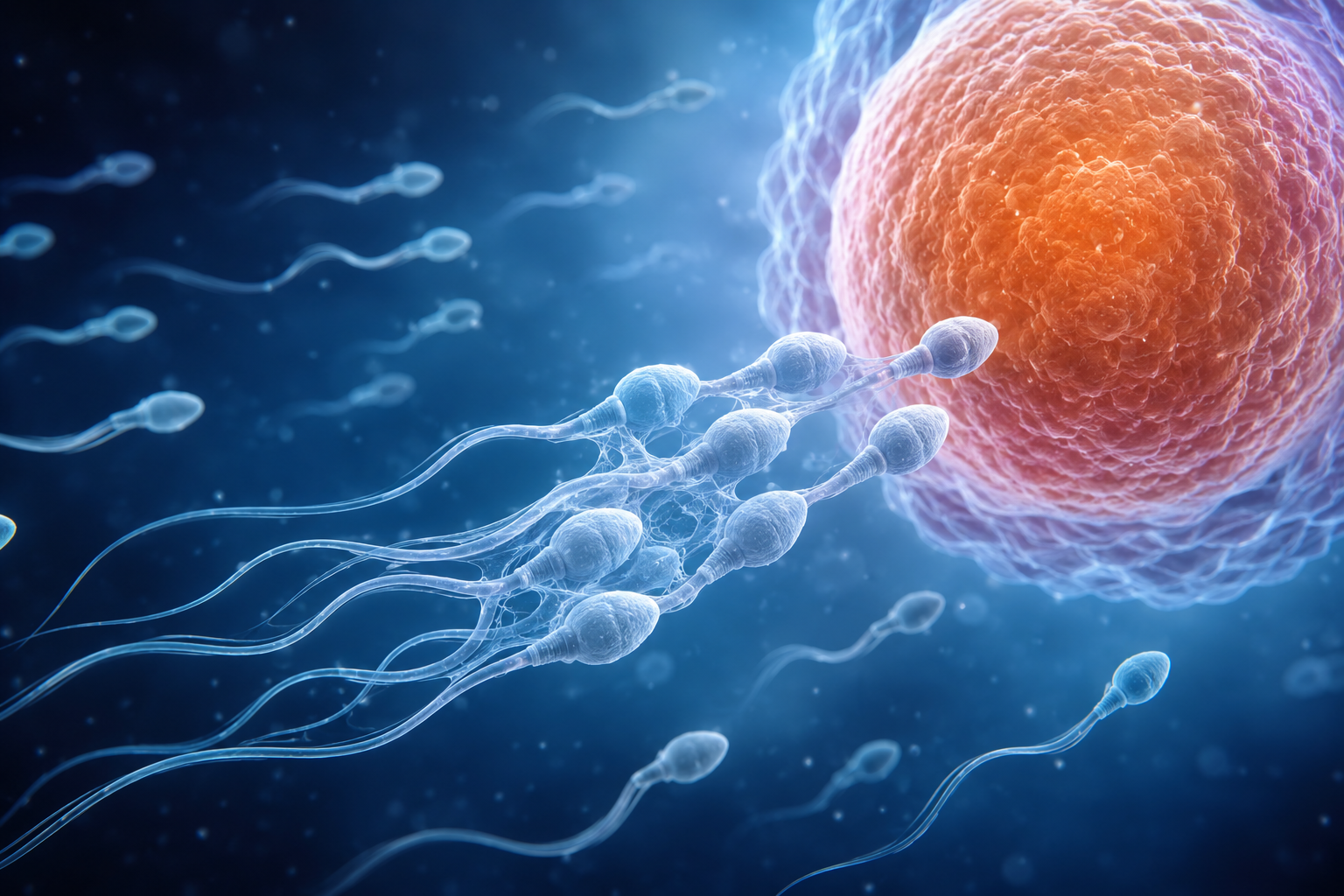
Sperm conjugation repeatedly emerged and disappeared across the evolution of arthropods and related animals. A 621-species analysis explores group behavior and sperm-associated material without establishing the same behavior in humans.
-
Homocysteine and Sperm DNA Fragmentation: The Obesity Link
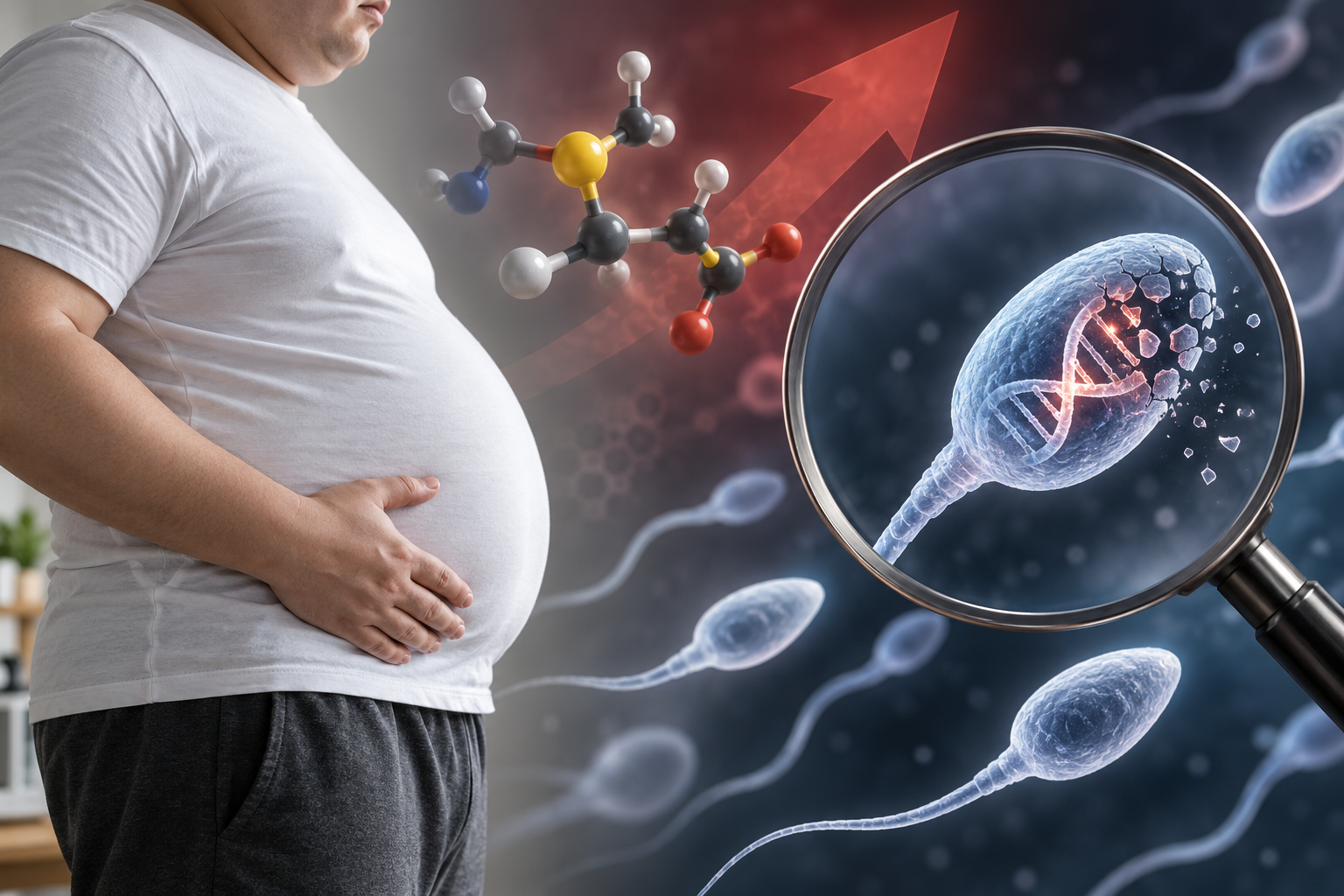
In 5,032 men undergoing fertility evaluation, higher homocysteine was associated with more sperm DNA fragmentation, with a stronger link in obesity. The cross-sectional study cannot establish causation or prove benefits from weight loss or supplements.