
Latest posts
-
“The Sperm Bank Filter”: Why the Modern Standards for Donation are More Rigorous Than Ever
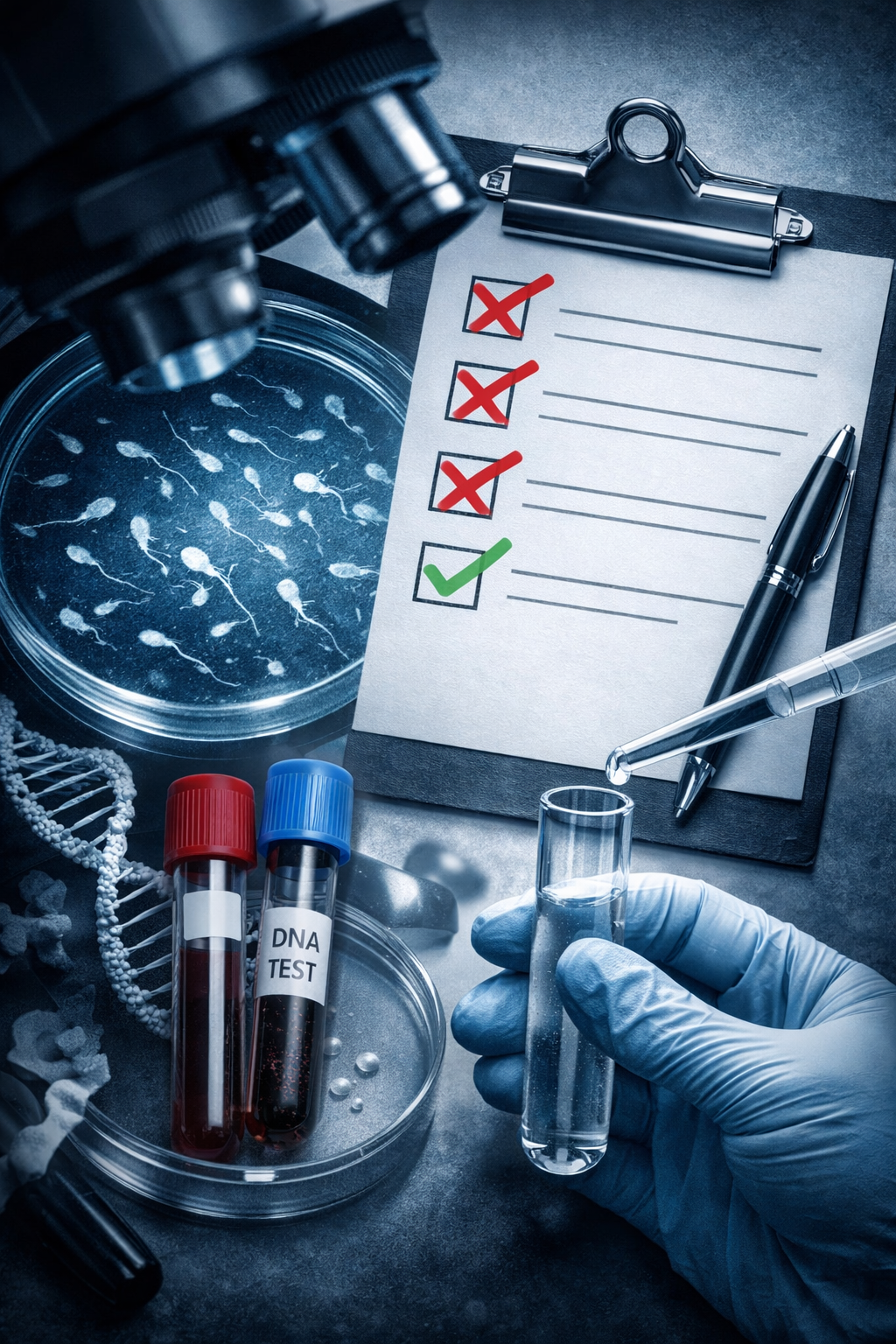
The process of donating sperm is often envisioned as a simple biological contribution. The reality, however, is a grueling journey of selection. Across many international fertility centers, the attrition rate is staggering: out of every 100 men who step forward to donate, only 30 to 40 emerge six months later with a “fit for donation”…
-
“The Quality Over Quantity Strategy”: Protecting Sperm from Oxidative Stress

The myth that “a man’s fertility never fades” is only half true. While men can produce sperm throughout their lives, the quality of that production is profoundly sensitive to the passage of time. As men age, the primary culprit behind declining fertility is oxidative stress—a biological fire that damages sperm DNA and reduces motility. In…
-
“A New Fertility Frontier”: Could GLP-1 Weight-Loss Drugs Become Male Infertility Treatments?
Could obesity treatments reshape the landscape of male infertility? As GLP-1 receptor agonists continue to make headlines for their weight-loss efficacy, a new frontier is emerging: their potential to restore testosterone levels and improve sperm quality. Recent findings presented at ENDO 2026—the world’s largest endocrinology conference—suggest that by treating obesity, we may be inadvertently (and…
-
“The Seasonal Sperm”: Why Summer Sunlight Might Boost Male Fertility

We are accustomed to the idea that our moods and activity levels shift with the changing seasons. However, recent scientific evidence suggests that our reproductive biology is similarly tuned to the calendar. A study analyzing approximately 15,000 semen samples has revealed a striking trend: sperm motility—the ability to swim toward an egg—peaks in early summer…
-
“The AI-Powered Search”: How Artificial Intelligence is Redefining Male Infertility Treatment

Artificial Intelligence is moving from the periphery of laboratory assistance to the very center of clinical intervention in IVF. Once considered a tool for grading embryos, AI is now actively participating in the search for life itself. By identifying sperm cells invisible to the human eye, AI is fundamentally changing the landscape of assisted reproductive…
-
“The Sperm Count Warning”: Why Oligozoospermia is a Biomarker for Overall Male Health
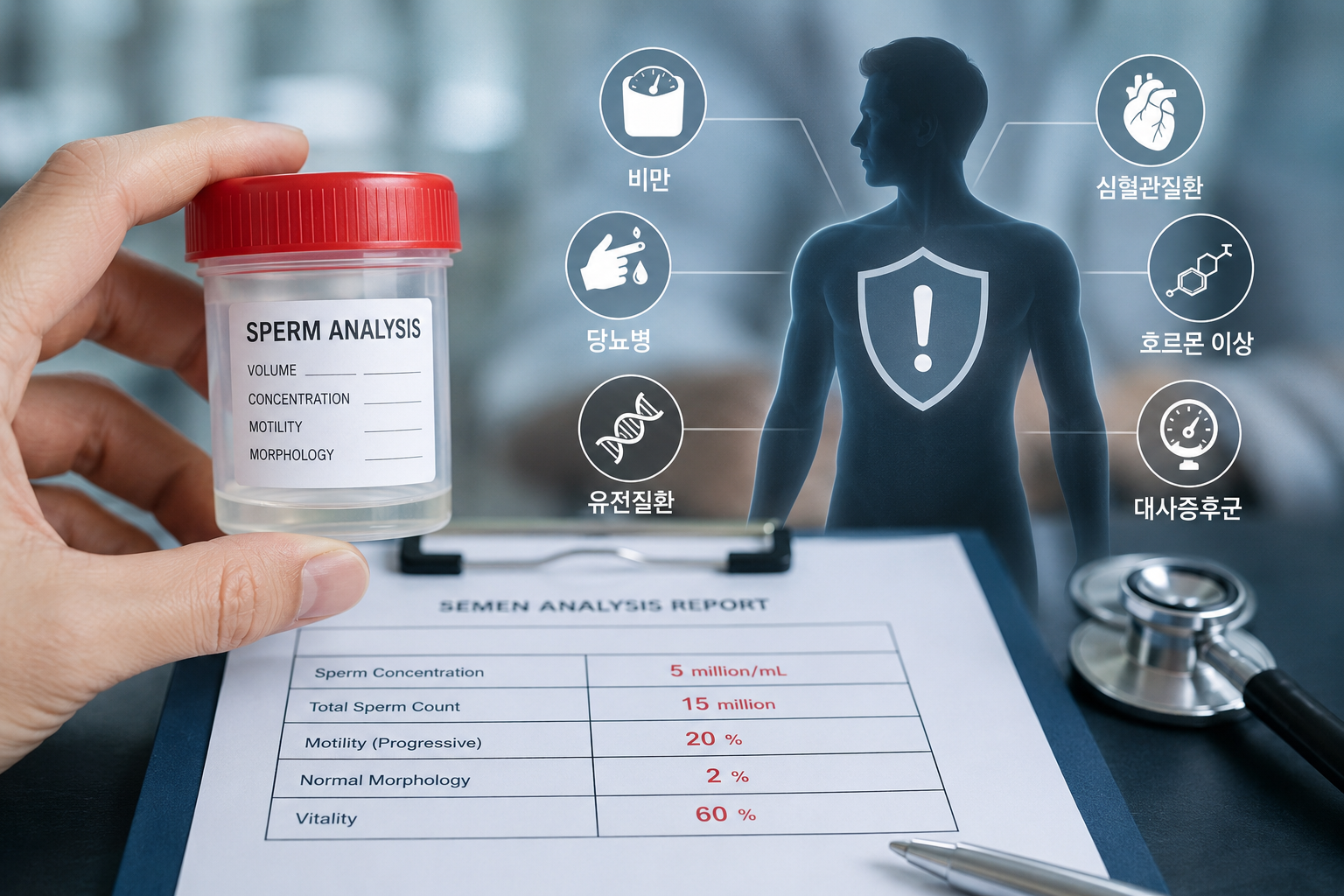
For a long time, the clinical view of oligozoospermia—a low sperm count—was simple: it was a barrier to pregnancy. The diagnostic focus was narrow, and the clinical interest rarely extended beyond the goal of conception. However, a paradigm shift is underway. Medical researchers are increasingly recognizing that sperm count is not merely a marker of…
-
“The Embryologist’s Intuition”: Why Choosing the Right Sperm is an Art, Not Just a Science
In the world of In Vitro Fertilization (IVF), it is tempting to believe that the process of selecting sperm is a straightforward matter of picking the “best-looking” cell under a microscope. However, clinical reproductive medicine is far more nuanced. While an embryologist scans thousands of moving sperm through an ICSI (Intracytoplasmic Sperm Injection) microscope, they…
-
“Is Your Smartphone the Enemy of Your Fertility?” Separating Fact from Fiction

Whether on the subway, in a cafe, or during a business meeting, you will find most men keeping their smartphones in their front pockets. For years, the internet has buzzed with a recurring warning: “Your phone is killing your sperm,” “Electromagnetic waves are causing male infertility,” or “Your pocket device is destroying your reproductive potential.”…
-
“Beyond Dilated Veins”: Why Varicocele is Now Defined as a Threat to Sperm DNA Integrity
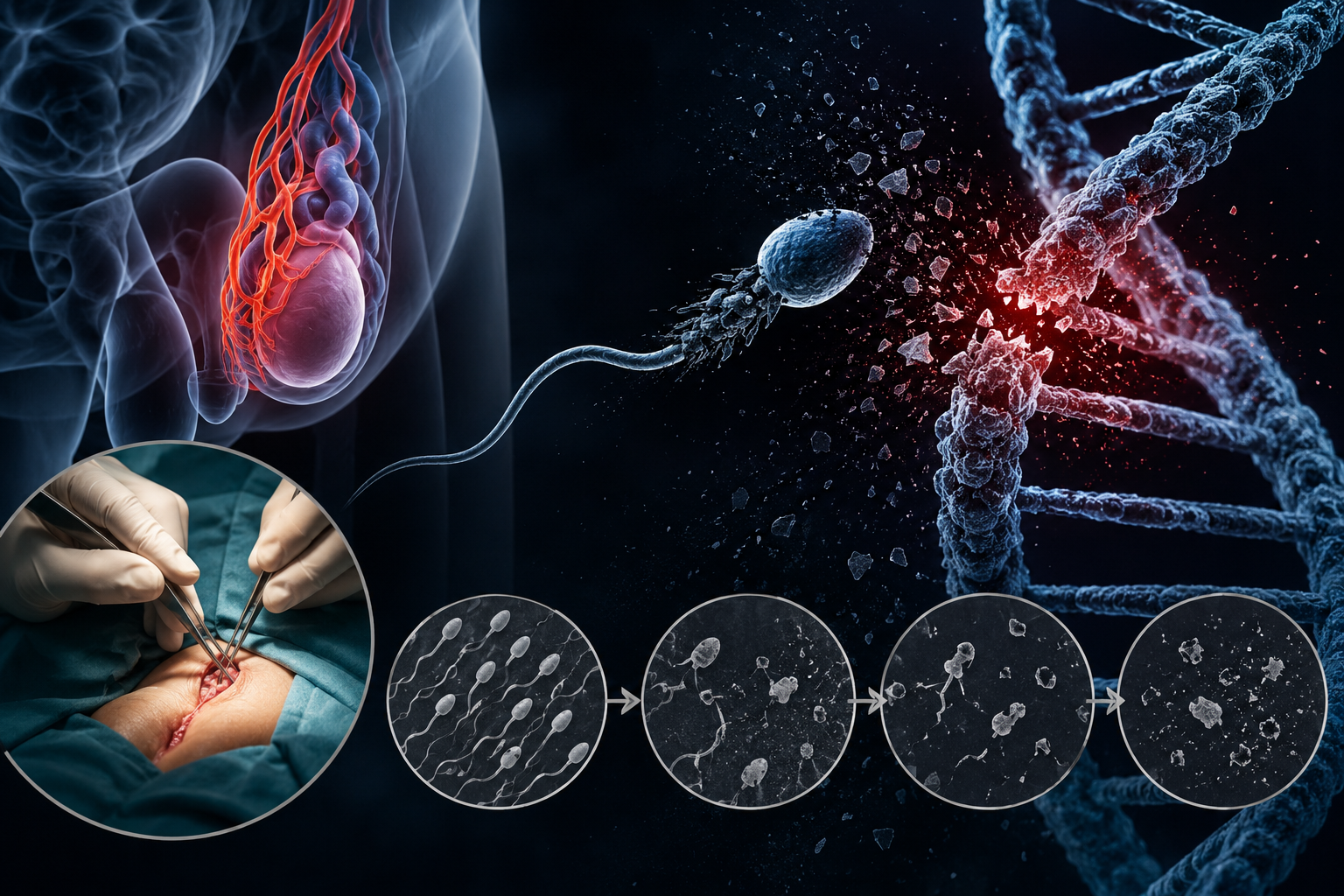
The medical perception of varicocele—a condition involving enlarged veins within the scrotum—is undergoing a rapid evolution. Once dismissed as a minor vascular anomaly or merely a cause of low sperm count, modern reproductive medicine now identifies varicocele as a significant threat to the very genetic blueprint of sperm. The Paradigm Shift: From Quantity to DNA…
-
“Beyond the Human Eye”: AI-Driven Sperm Search Turns ‘Zero’ into Success for Azoospermic Patients
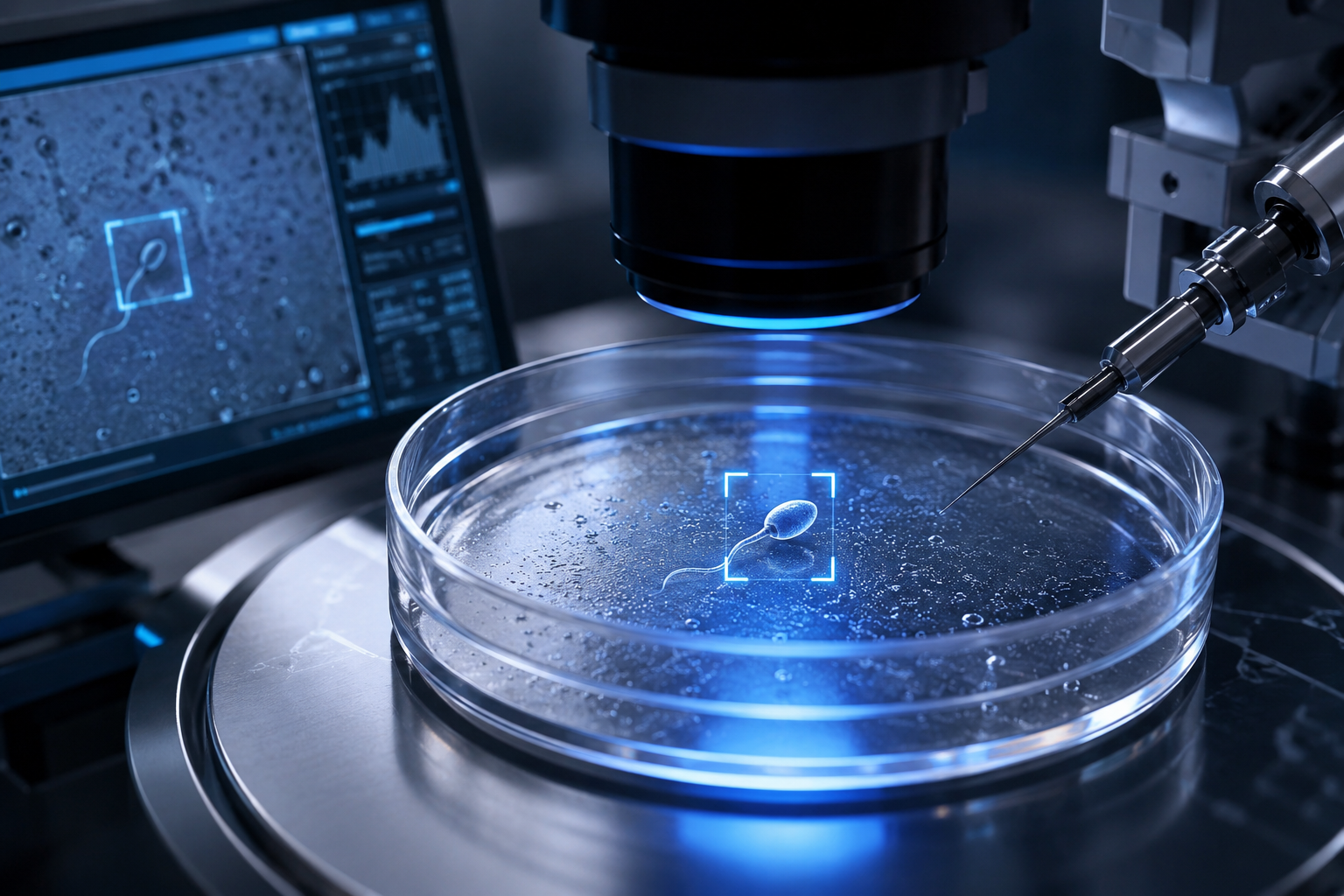
“There are no sperm.” In the context of fertility treatment, this is often a sentence of profound finality. For men diagnosed with non-obstructive azoospermia, it has traditionally signaled the end of the road for biological fatherhood, sometimes leading to invasive surgical interventions like micro-TESE (microdissection testicular sperm extraction). However, a breakthrough at Columbia University’s Fertility…