
Latest posts
-
Low Sperm Count and Hidden DNA Changes: What Standard Genetic Tests Can Miss

Optical genome mapping found rare structural variants in men with unexplained infertility. What the 88-patient study reveals—and what it cannot diagnose.
-
Sperm Motility and DNA Damage: Can Strong Swimmers Still Carry Damaged DNA?

Can good sperm motility rule out DNA damage? A study of 589 men explains the association, testing limits and why movement is not the whole picture.
-
ICSI With Normal Sperm: Why Did US Clinics Report 87.8% Use?

US clinic data show median ICSI use of 87.8% versus 27.7% reported male factor infertility. Different denominators mean the gap cannot measure overtreatment.
-
ICSI Fertilization Failure: When Sperm Enter the Egg but Cannot Wake It Up

A PLCζ variant retained its activity in laboratory tests, pointing instead to insufficient sperm protein as a possible cause of repeated fertilization failure.
-
PESA vs TESA in Obstructive Azoospermia: Better Embryos, but More Babies?

In 1,368 ICSI cycles, epididymal sperm had better early embryo outcomes than testicular sperm, but no significant live birth advantage was found.
-
Normal Semen Analysis, Hidden Sperm Problems? The Mitochondrial DNA Clue

A review of 21 studies links higher sperm mitochondrial DNA copy number to poorer semen quality. Can it reveal what routine semen analysis misses?
-
High Sperm DNA Fragmentation: Does DGC or Swim-Up Lead to More Babies?

A study of 1,769 couples with sperm DFI of at least 20% found no significant live birth advantage for DGC over swim-up after matching.
-
Sperm DNA Methylation and Fertility: Beyond a Normal Semen Test
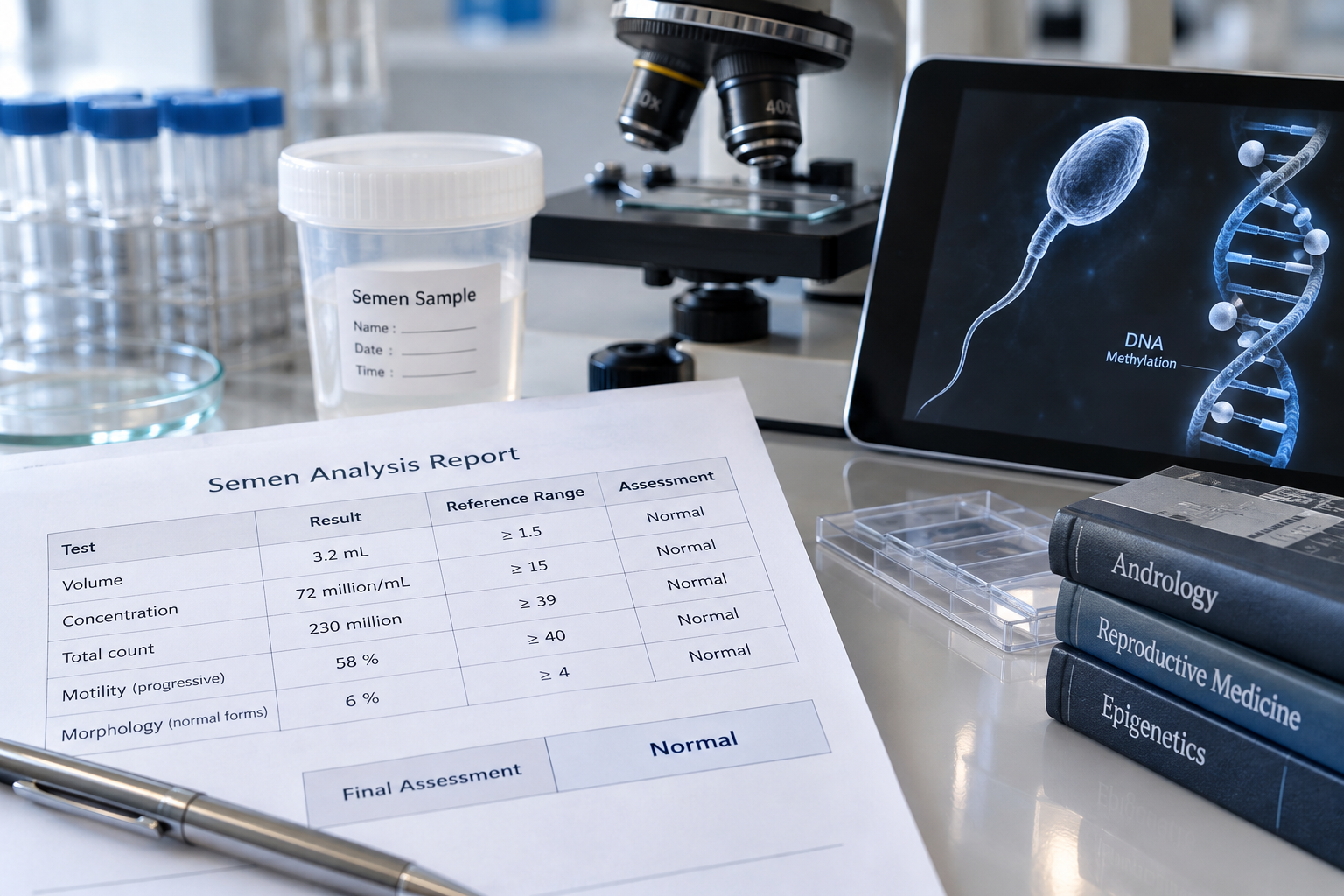
A study of 372 couples links sperm methylation variability with time to pregnancy, even with normal conventional findings. EVOS remains a research measure.
-
Low Sperm Count and ICSI Success: What a Donor-Egg Study Found

In 862 donor-egg ICSI couples, motile sperm count did not independently predict embryo quality or live birth after adjustment. Explore what this means.
-
CFAP58 Male Infertility: ICSI Despite Severe Sperm Tail Defects

Researchers identified CFAP58 loss-of-function variants in three unrelated men with severe sperm tail abnormalities. Fertilization and pregnancy after ICSI suggest that impaired movement need not mean lost fertilization capacity.