
Latest posts
-
Choosing a Sperm Bank: How Much Can Photos, Profiles and Screening Tell You?

Choosing a sperm bank involves more than matching donor photos or physical traits. Donor profiles, genetic screening and identity-release policies offer different kinds of information, and requirements vary across countries. This guide explores what prospective parents can learn—and what even a detailed profile cannot guarantee.
-
PICSI and Microfluidic Sperm Selection: Better Sperm, More Babies?
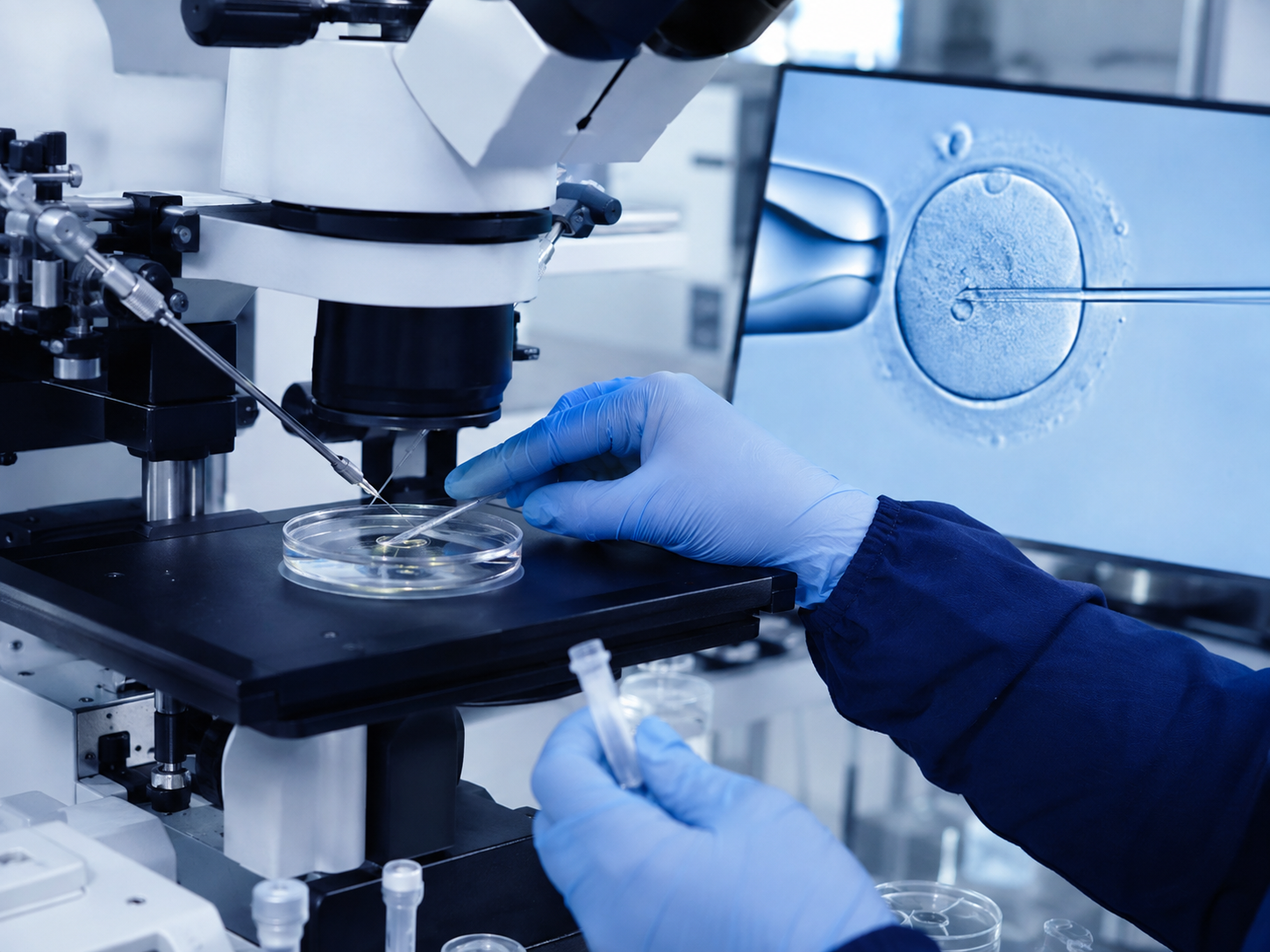
Do advanced sperm selection techniques improve ICSI outcomes? Studies of PICSI and microfluidic selection report different results in different patient groups. More blastocysts in a selected cohort do not automatically mean more live births for everyone receiving an IVF add-on.
-
Air Pollution and Sperm DNA: Can a Father’s Environment Leave a Mark?

Air pollution may leave traces beyond sperm count and motility. Research on ozone, nitrogen dioxide and sperm DNA methylation examined changes in gene-regulating signals. The associations offer clues about male reproductive health, without proving that a particular exposure changes an individual child’s health.
-
Diabetes and Sperm Production: Where Does the Assembly Line Stall?
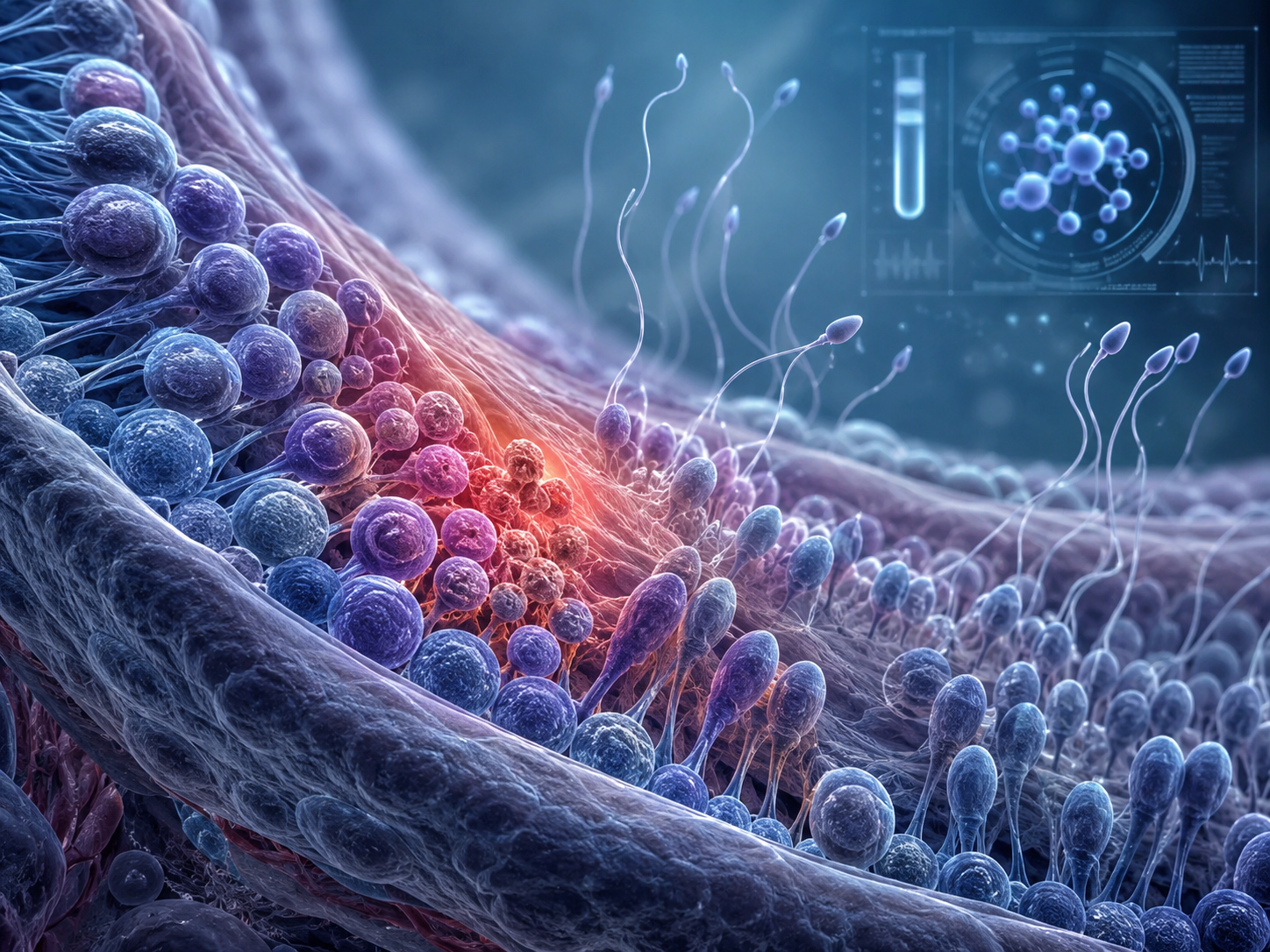
How might diabetes disrupt sperm production before mature sperm even form? A single-cell study in diabetic mice traced changes during spermatogenesis, including energy metabolism and DNA repair pathways. The findings point to possible mechanisms, with important limits on applying them directly to men.
-
Normal BMI, Lower Sperm Count: What the Bathroom Scale Can Miss
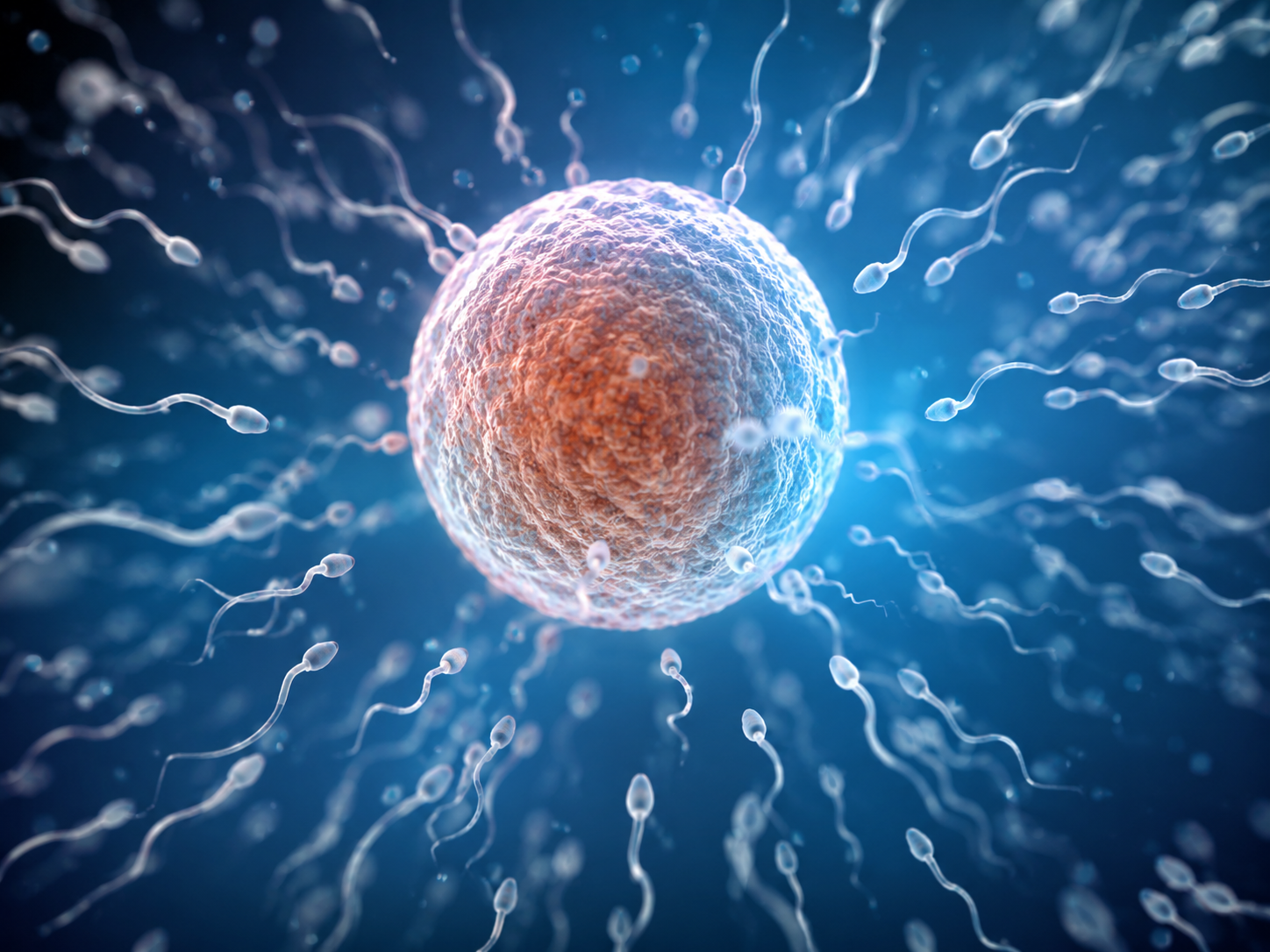
Can a man have a normal BMI yet carry body fat associated with a lower sperm count? Research in young Danish men compared body composition with semen quality. The results challenge a weight-only view of male fertility, while observational data cannot prove that reducing fat will restore sperm counts.
-
Sperm from Blood Cells: A New Route to Fatherhood—or Still a Lab Milestone?
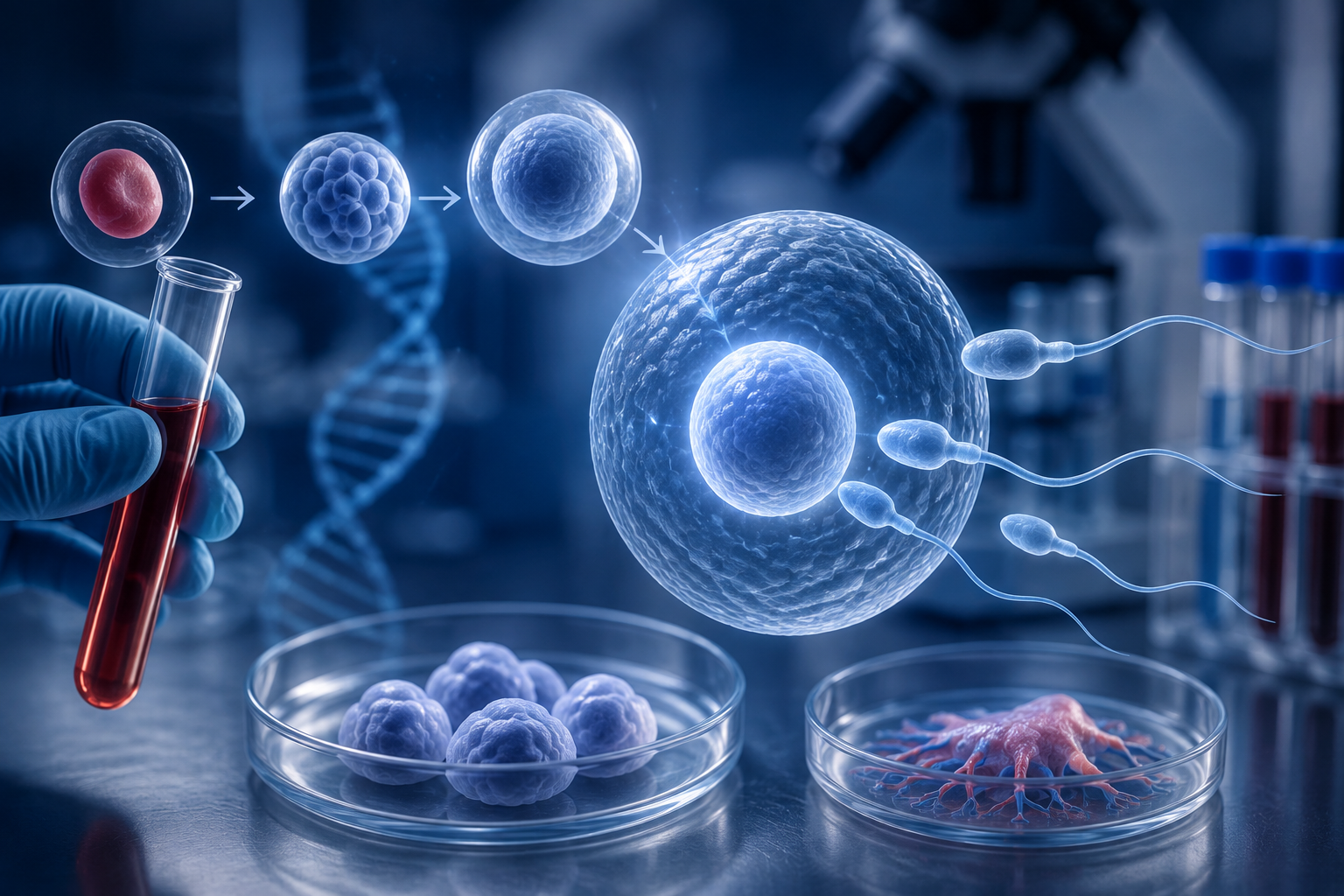
Could blood cells one day help men with azoospermia have genetically related children? Researchers have advanced human germ-cell development using reprogrammed cells, but have not established fertilization-capable sperm or a clinical treatment. The promise is striking; the remaining biological and safety hurdles are substantial.
-
Obstructive Azoospermia: Why Did the Sperm’s Exit Become Blocked?
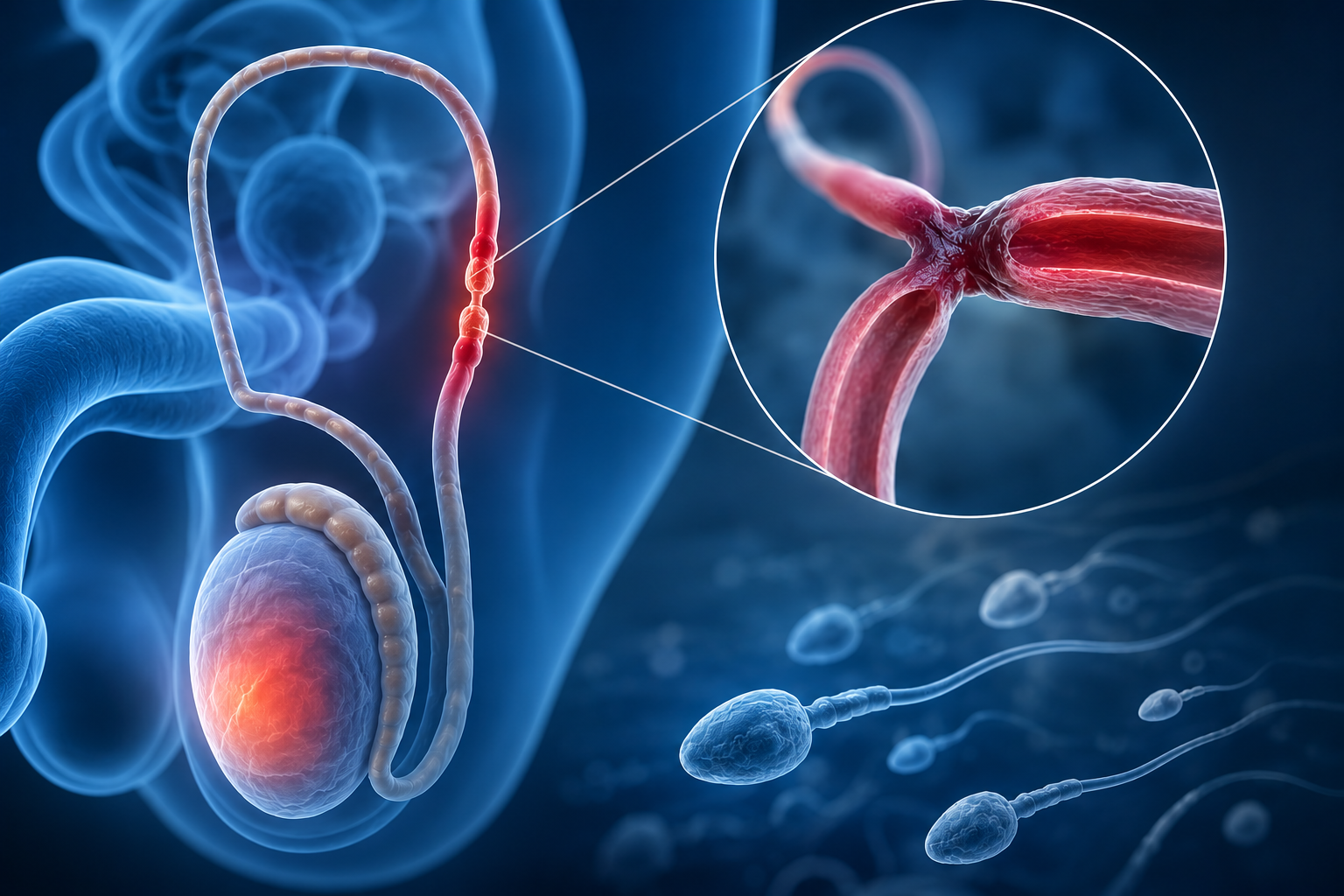
How can semen contain no sperm when the testes still produce them? Obstructive azoospermia can follow a congenital difference, surgery or inflammation-related scarring. Finding where and why the pathway is blocked helps clinicians discuss reconstruction or sperm retrieval with ICSI, without guaranteeing pregnancy.
-
Air Pollution and Sperm DNA: Can the Air Change Genetic Switches?

Could air pollution be associated with changes in sperm DNA methylation? Research presented at ESHRE examined environmental exposure during sperm development and epigenetic patterns. These changes concern gene regulation, rather than necessarily mutations, and do not by themselves demonstrate infertility or harm to future children.
-
Blood Cells to Sperm Precursors: How Close Is a New Infertility Treatment?
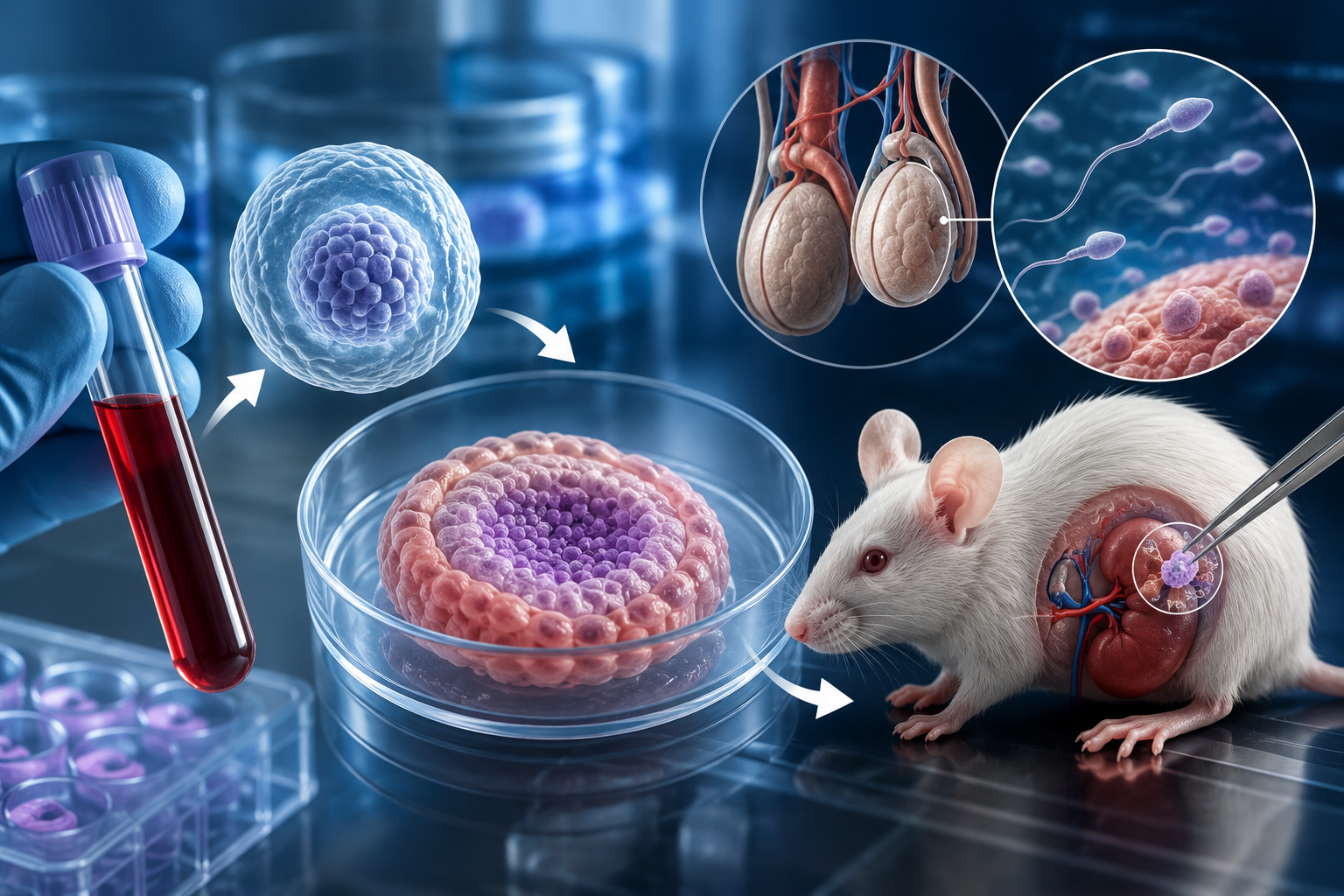
Can reprogrammed blood cells produce human sperm? Penn Vet researchers advanced stem-cell-derived germ cells to an early precursor stage, creating a platform to study male infertility. The achievement is striking, but mature fertilizing sperm and a safe clinical treatment remain future goals.
-
Declining Testosterone: Is Male Reproductive Health Sending a Warning?

What might declining population testosterone levels mean for male reproductive health? A conference analysis raises questions about changes over decades, but pooled trends do not diagnose an individual man. The distinction matters particularly when testosterone treatment itself can suppress sperm production.