
Latest posts
-
Sperm Health in the Rainy Season: When Heat Has Nowhere to Go

Can humidity and trapped heat affect sperm health? The testes depend on temperature regulation, and prolonged heat exposure is a focus of male fertility research. Damp clothing and sedentary routines deserve attention for comfort, but a rainy spell alone cannot diagnose poor sperm quality or predict infertility.
-
Diabetes, High Blood Pressure and Male Fertility: The Silent Threat Behind the Pill Bottle

Diabetes and high blood pressure can affect male reproductive health, but a pill bottle is not enough to explain a poor semen result. Disease control, medication effects and sexual function need to be assessed together. Men trying to conceive should review treatment with a clinician rather than stop it on their own.
-
Urethritis and Male Fertility: Could That Burning Sensation Matter Later?

Urethritis and male fertility can be connected when an infection spreads or causes lasting damage. Burning urination or discharge deserves assessment, although these symptoms have several possible causes and do not mean infertility is inevitable. Prompt diagnosis can identify an infection, guide treatment and help protect partners.
-
Anabolic Steroids and Male Fertility: Gaining Muscle, Losing Sperm?

Anabolic steroids and testosterone injections can suppress sperm production even while muscle mass increases. The result may be a very low sperm count or azoospermia, and recovery after stopping can take time. For men who want children, a muscular appearance cannot reveal what is happening to fertility.
-
Y-Chromosome Microdeletion: The Missing Pages Behind Some Cases of Male Infertility

A Y-chromosome microdeletion can help explain azoospermia or a very low sperm count in selected men. The affected AZF region matters for the chance of finding sperm and for genetic counseling. This diagnosis is not evidence that someone caused infertility through their lifestyle.
-
Sperm Morphology at 4%: Why “Normal” Is Not a Passing Grade
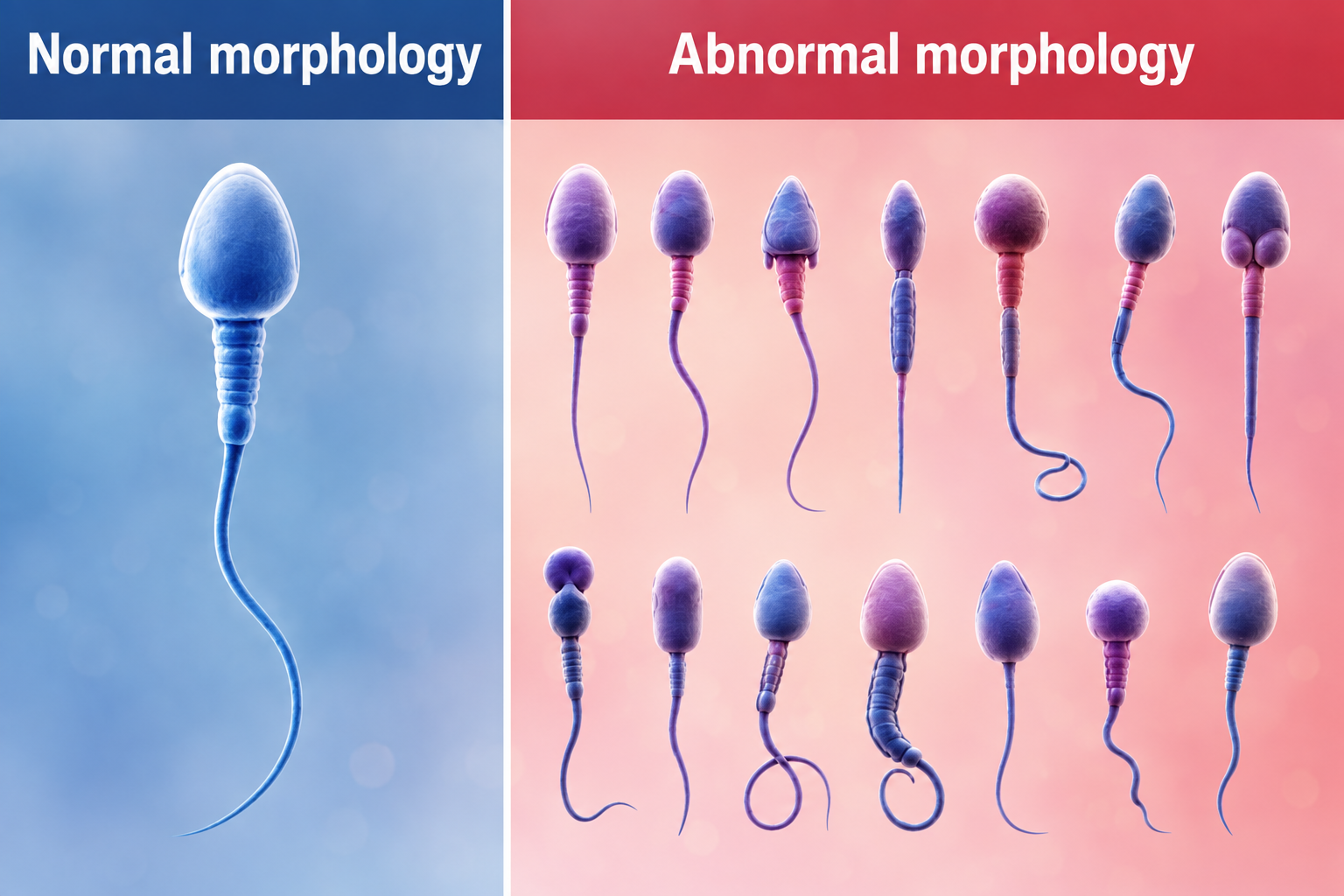
Sperm morphology measures how sperm look under strict laboratory criteria. A result near 4% can sound alarming, yet it is not a dividing line between fertile and infertile. Interpreting a semen analysis requires the whole picture, including count, motility, repeat results and both partners’ circumstances.
-
Testicular Sperm and ICSI: Why Finding One Sperm Is Only the Beginning

Testicular sperm retrieval and ICSI often work together in treatment for azoospermia. Finding viable sperm is one step; injecting a sperm into a mature egg is another, and neither guarantees fertilization or live birth. The reason sperm are absent from the ejaculate helps determine the treatment path.
-
WHO Sperm Morphology: The Strange Logic Behind the 4% Figure

WHO sperm morphology criteria can make a semen analysis look alarming: how can only 4% normal forms be reassuring? The figure describes a reference distribution under strict scoring, not a pass-or-fail fertility test. Sperm shape, DNA integrity and the chance of conception are related but different questions.
-
Erectile Dysfunction and Heart Health: The Silent Warning Worth Hearing

Erectile dysfunction and heart health can share a vascular connection. Persistent ED may prompt a check of blood pressure, glucose and cholesterol, but it does not by itself diagnose blocked arteries. Nerves, hormones, medicines and psychological factors can also affect erections.
-
Sperm Donor Requirements: Why a Healthy Man Can Still Be Turned Away
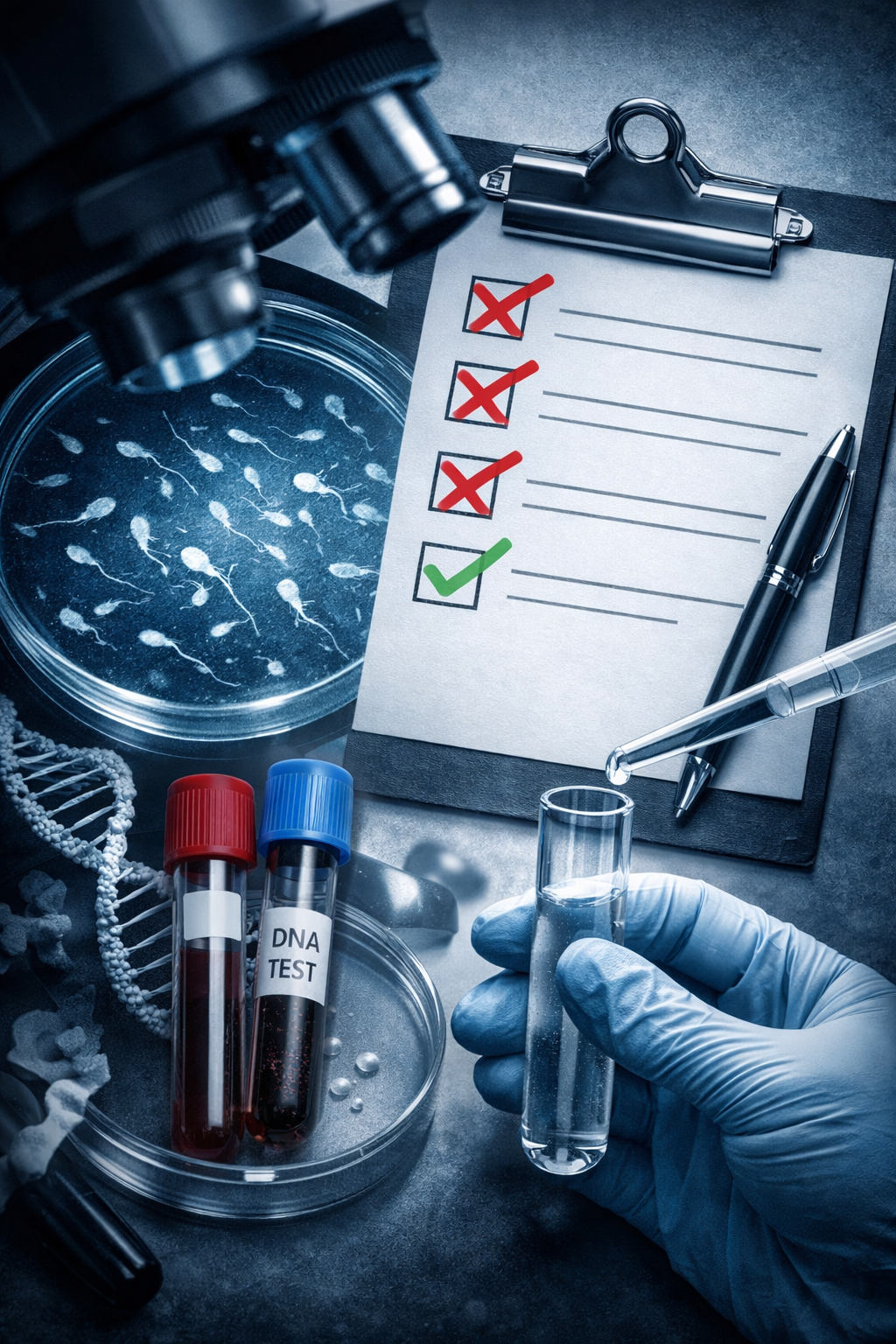
Sperm donor requirements go beyond a routine semen analysis. Infection screening, medical and family history, genetic assessment and freezing performance all matter. A sperm bank’s decision is a safety and program-eligibility judgment—not a verdict on a man’s worth or his ability to become a parent.